
 Search
 en
en English
 日本語
日本語 русский
 Español
 Deutsch
 中文简体
中文简体Content
- 1 What Is an Optical Window?
- 2 Core Advantages of a High-Quality Optical Window
- 3 Company Manufacturing Strengths Behind the Product
- 4 Advanced Manufacturing Process for Optical Windows
- 5 Typical Specifications and Customization Options
- 6 Applications in Laser Optics
- 7 Applications in Semiconductor Optics
- 8 Applications in Automotive Optics
- 9 Applications in Consumer and Industrial Optics
- 10 Why Precision Manufacturing Creates an Advantage Over Competitors
- 11 Optical Performance Considerations
- 12 Design Guidance for Customers
- 13 Quality Control and Reliability
- 14 Environmental and Operational Responsibility
- 15 Packaging, Logistics, and Wholesale Supply
- 16 How Optical Windows Support System-Level Performance
- 17 Q&A Section
- 17.1 Q1: What is the main function of an optical window?
- 17.2 Q2: How is an optical window different from a lens?
- 17.3 Q3: Why does surface flatness matter?
- 17.4 Q4: Why is anti-reflective coating often used on optical windows?
- 17.5 Q5: What information should a customer provide when requesting a custom optical window?
- 17.6 Q6: Why are certifications important for optical component manufacturing?
- 17.7 Q7: Can optical windows be used in automotive applications?
- 17.8 Q8: What makes a precision optical window better than ordinary glass?
- 17.9 Q9: Why choose a professional optical component factory for wholesale supply?
- 17.10 Q10: What industries commonly use optical windows?
- 18 Conclusion
- 19 References
Optical windows are among the most essential yet often underestimated components in modern optical assemblies. They are designed to separate environments, protect sensitive optical or electronic elements, and transmit light with minimal distortion, absorption, scattering, or reflection. In laser systems, imaging devices, semiconductor tools, automotive optical modules, environmental sensors, medical instruments, and consumer electronics, a well-manufactured optical window can determine whether the complete system performs reliably or fails under demanding operating conditions.
An optical window is not simply a flat piece of transparent material. For high-performance applications, it must meet strict requirements for surface quality, parallelism, flatness, transmitted wavefront accuracy, dimensional tolerance, coating performance, cleanliness, durability, and long-term environmental stability. These requirements make the optical window a precision optical component rather than a basic protective cover.
Changzhou Haolilai Photo-Electricity Scientific and Technical Co., Ltd. focuses on the development and production of precision optical components, including optical windows, optical flat mirrors, wafers, automotive interior glass structural components, prisms, spherical mirrors, lenses, and other custom optical parts. Founded in 1998 and located in Changzhou, Jiangsu, China, the company has built a manufacturing foundation supported by advanced processing equipment, experienced engineering teams, quality management systems, and optical inspection capabilities. With ISO9001:2015, ISO14001:2015, and IATF16949 certifications, the company serves demanding industries such as laser optics, automotive optics, semiconductor optics, and consumer optics.
The optical window product represents the company’s ability to combine precision glass processing, optical polishing, coating technology, and stable mass production. For customers seeking wholesale optical components from an experienced manufacturer, optical windows from a technically capable factory can provide advantages in quality consistency, customization, cost control, and application-specific engineering support.
What Is an Optical Window?
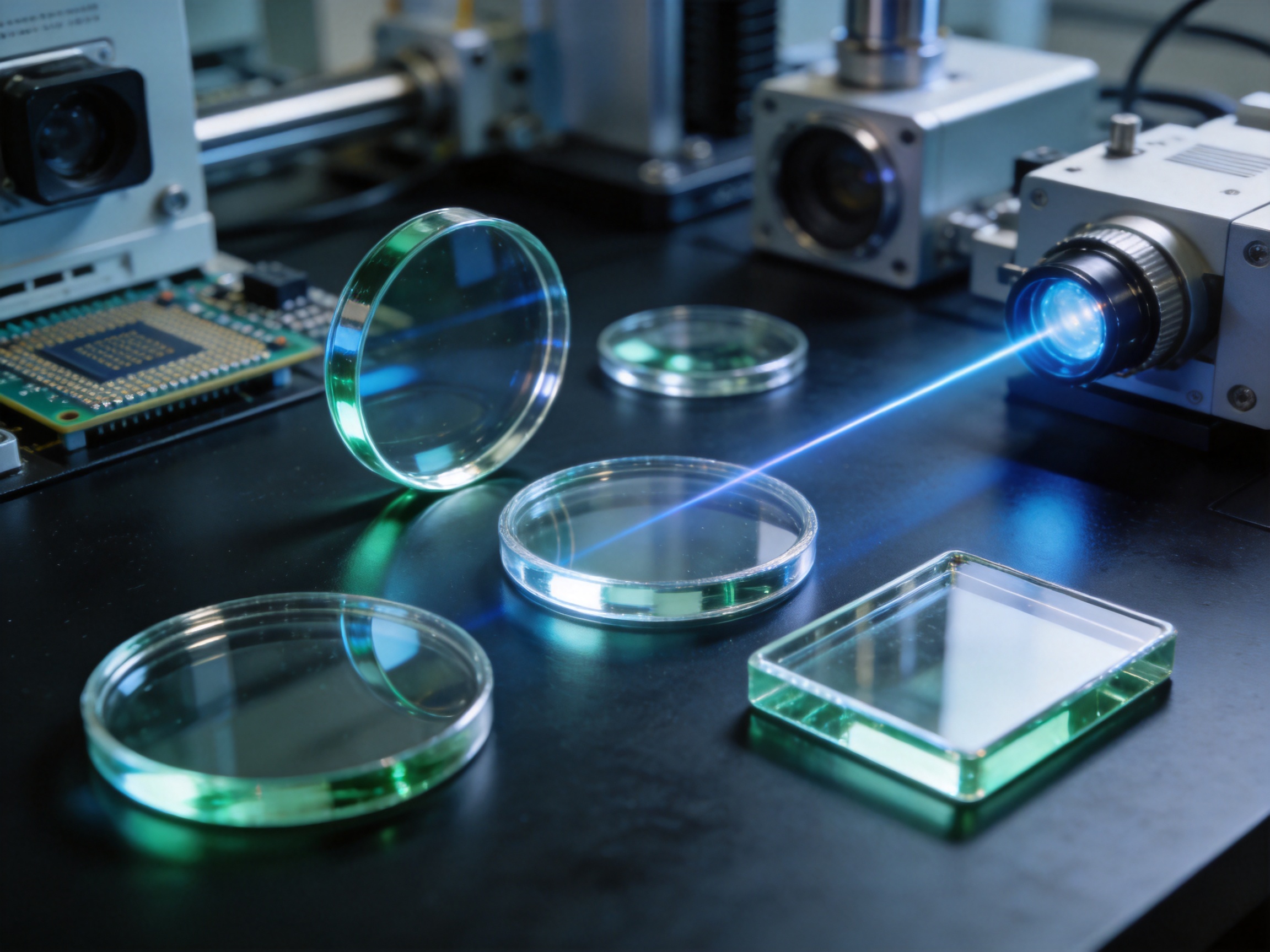
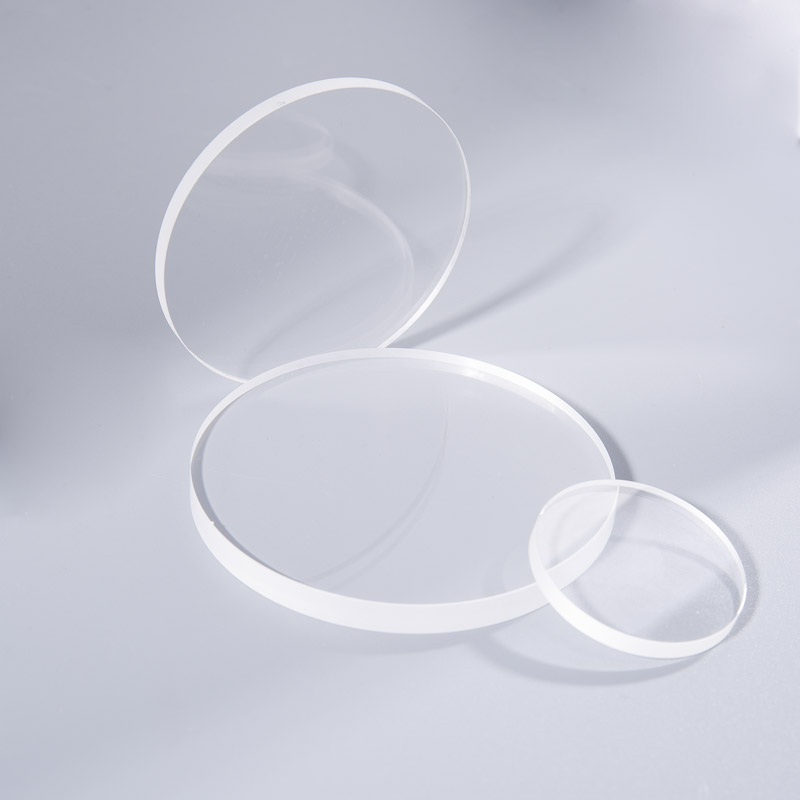
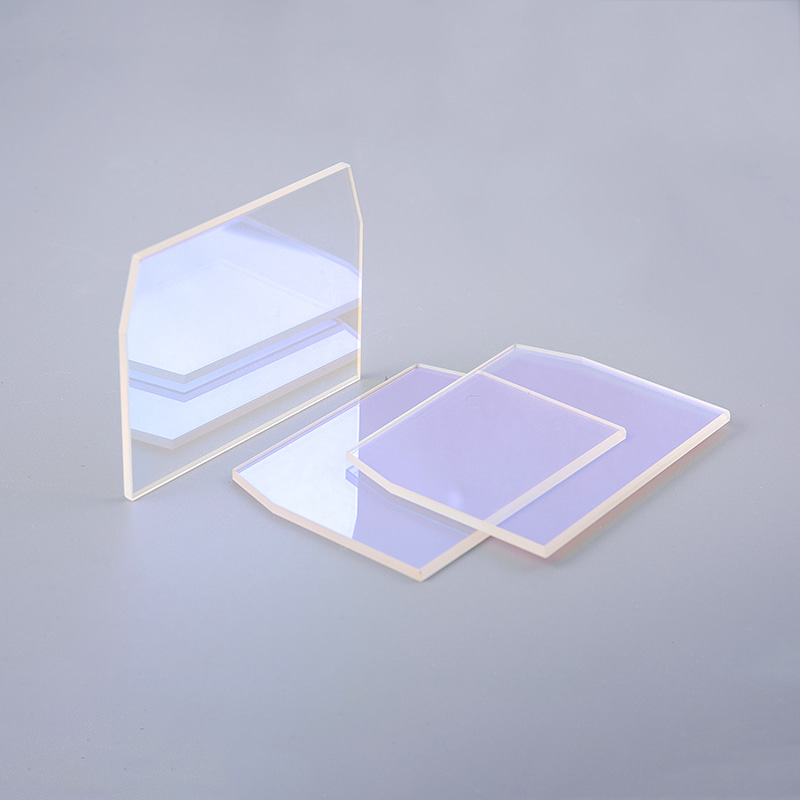
An optical window is a transparent optical element, usually with two polished and parallel surfaces, used to allow light to pass while protecting an optical path or internal component from dust, moisture, pressure differences, chemicals, temperature variation, or mechanical contact. Unlike an optical lens, a window is generally not intended to change the focus of light. Its main purpose is to transmit light without altering beam shape, image quality, polarization properties, or spectral energy distribution beyond acceptable limits.
In many systems, the window is positioned as the first contact point between the external environment and the internal optical assembly. For example, it may be used in front of a camera sensor, laser diode, detector, spectrometer, LiDAR module, vacuum chamber, industrial inspection device, or automotive display system. If the window has poor surface quality, low coating performance, wedge error, or unstable material characteristics, the entire optical system can suffer from ghost images, beam deviation, reduced contrast, lower transmission, heating, scattering, or measurement error.
A precision optical window must therefore be designed according to optical, mechanical, and environmental requirements. The correct design depends on wavelength range, power density, incidence angle, sealing method, operating temperature, humidity, chemical exposure, vibration, and required lifetime. A component used in a laser cavity may prioritize surface flatness and coating damage threshold, while a window used in an automotive sensing module may prioritize durability, impact resistance, environmental stability, and mass-production repeatability.
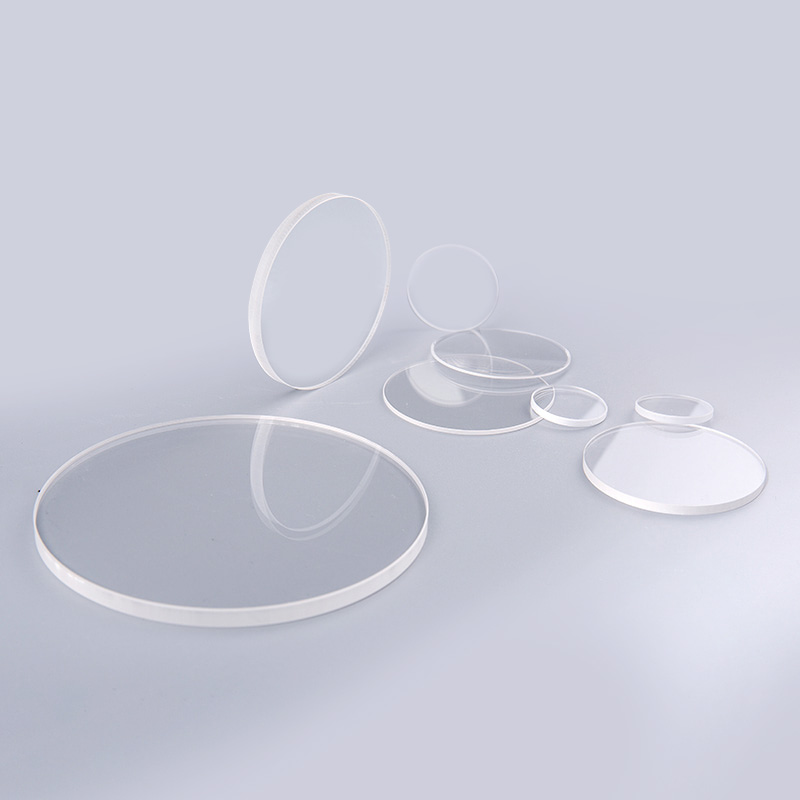
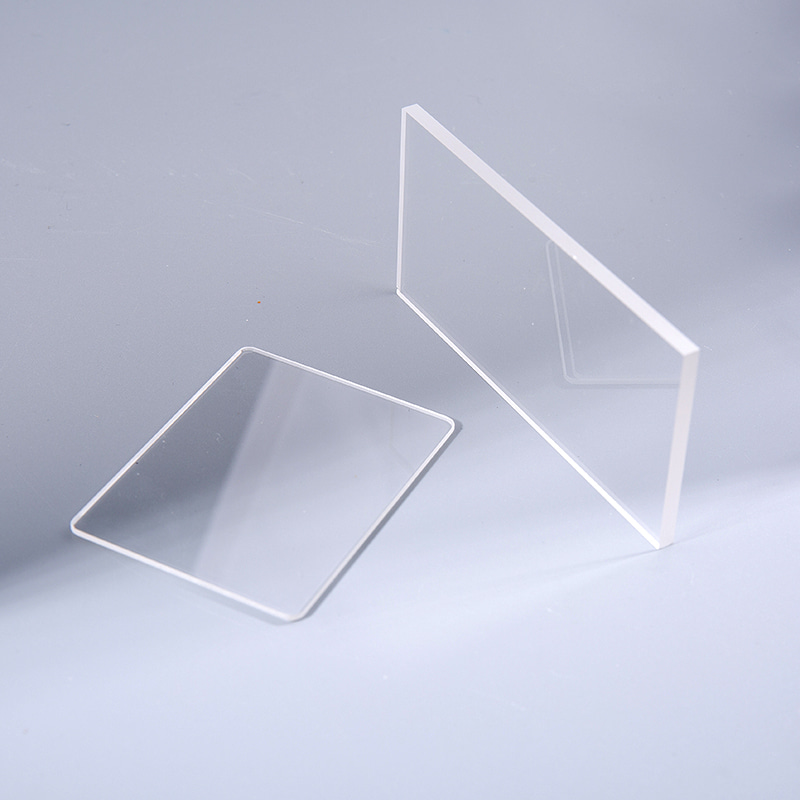
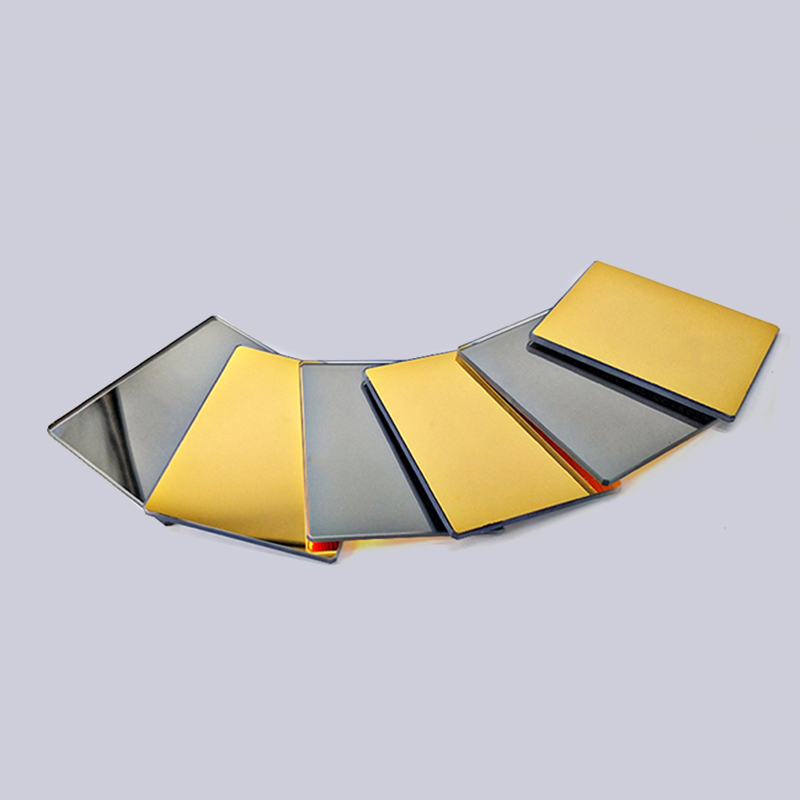
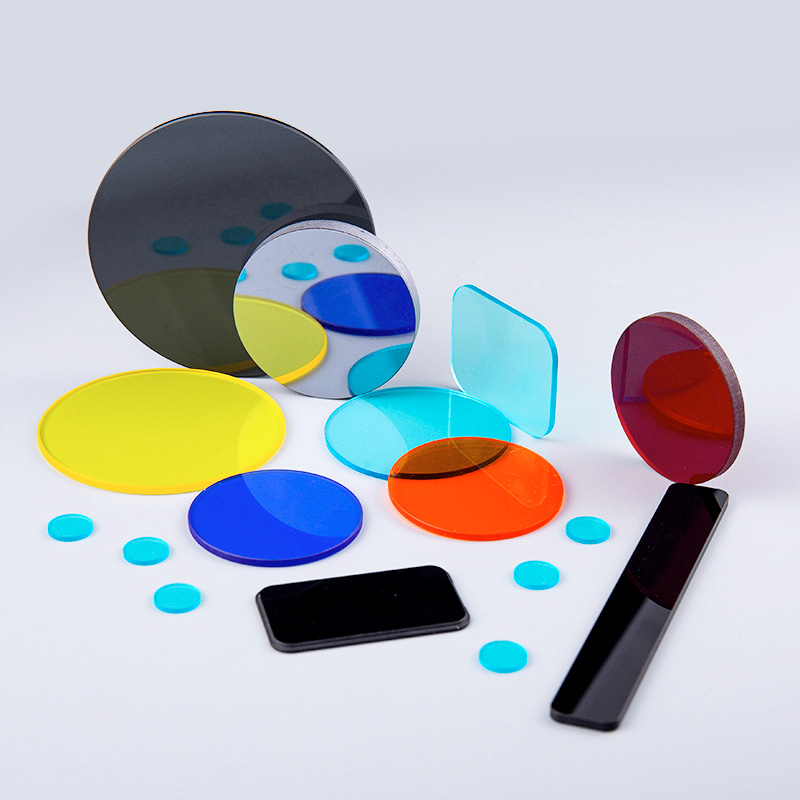
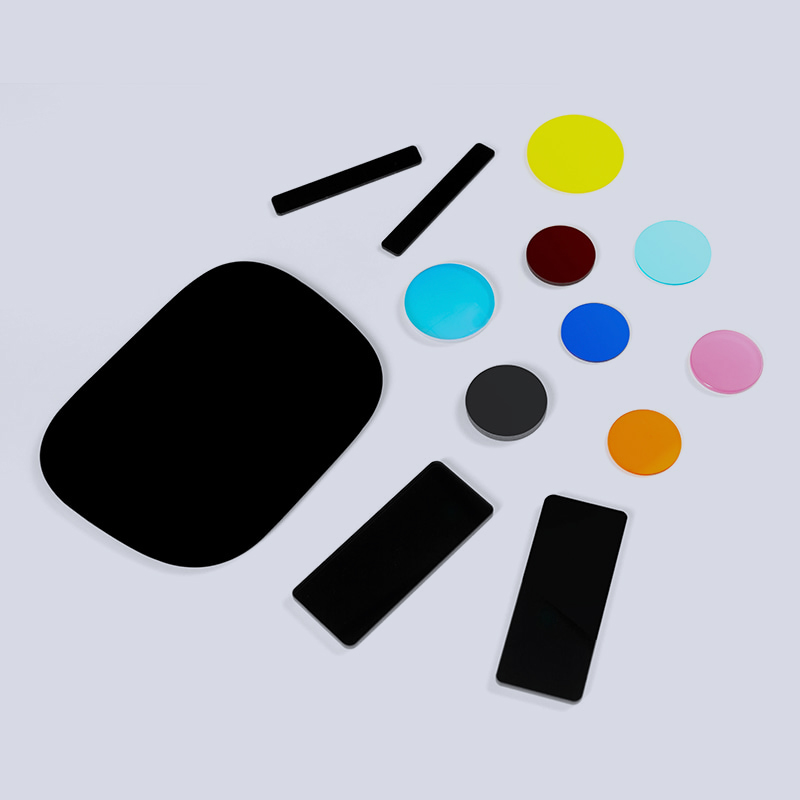
Optical windows can be manufactured from a wide range of substrate materials, such as optical glass, fused silica, borosilicate glass, sapphire, quartz, infrared materials, or other specialized transparent materials depending on the target wavelength and application. The surfaces may be uncoated or coated with anti-reflective, high-transmission, protective, conductive, hydrophobic, oleophobic, or other functional coatings. The edge geometry may be shaped, beveled, chamfered, ground, or polished based on mounting and safety needs.
Core Advantages of a High-Quality Optical Window
The value of a precision optical window is measured by how little it interferes with the optical system while providing strong protection. A superior optical window offers excellent transmission, low wavefront distortion, accurate dimensions, reliable coating performance, and stable quality from batch to batch.
One important advantage is high optical clarity. In precision imaging, every imperfection in the window can reduce contrast and introduce stray light. A properly polished optical window minimizes scratches, digs, pits, chips, subsurface damage, and micro-defects. The result is cleaner transmission, better image fidelity, and lower scattering. This is particularly important for machine vision, semiconductor inspection, laser alignment, and scientific instruments.
Another advantage is controlled flatness. Surface flatness affects how a transmitted or reflected wavefront behaves. When a window is placed in a collimated laser beam or high-resolution imaging path, poor flatness can distort the wavefront and compromise system performance. Precision manufacturing processes help produce windows with controlled surface form and stable optical behavior.
Parallelism is also critical. If the two faces of the window are not parallel enough, the transmitted beam may be displaced or angularly deviated. For many laser and sensor systems, even small deviations can create alignment difficulties. Tight parallelism control allows customers to integrate optical windows more easily into compact and sensitive assemblies.
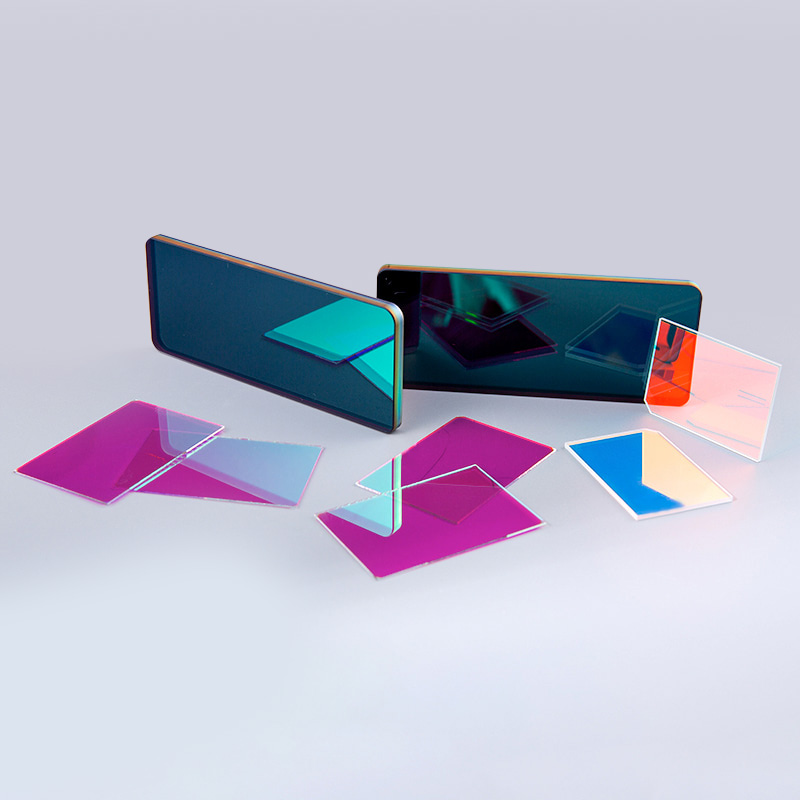
Coating quality provides another competitive benefit. A bare glass surface reflects a portion of incident light. In many systems, this reflection reduces throughput and can create ghost images or feedback. Anti-reflective coatings increase transmission and improve signal quality. When coatings are designed and deposited properly, they can also provide durability against humidity, abrasion, temperature changes, and cleaning processes.
Mechanical reliability is equally important. Optical windows may be exposed to vibration, pressure, thermal cycling, and handling during assembly. Accurate edge processing, chamfering, beveling, and dimensional control reduce the risk of cracking, chipping, and mounting stress. A window that is optically excellent but mechanically fragile may still create production losses or field failures. Therefore, manufacturing must address both optical and structural performance.
For customers comparing suppliers, the difference between an ordinary glass part and a precision optical window lies in the manufacturer’s process control. Reliable optical window production requires not only equipment, but also material understanding, trained technicians, inspection standards, and an ability to scale from prototypes to stable volume manufacturing.
Company Manufacturing Strengths Behind the Product
Changzhou Haolilai Photo-Electricity Scientific and Technical Co., Ltd. was founded in 1998 and has developed into a professional manufacturer of precision optical components. The company is located in the national-level High-tech Development District of Changzhou, Jiangsu, China, and covers an area of 35,000 square meters. With more than 300 employees and exports to over 20 countries, the company has accumulated practical manufacturing experience across multiple optical markets.
The company’s strength comes from a combination of engineering capability, production capacity, quality certification, and long-term technical development. It has obtained ISO9001:2015 quality management certification, ISO14001:2015 environmental management certification, and IATF16949 certification for automotive-related quality management. These certifications are important because optical components are often used in systems where traceability, process stability, and repeatable quality are required.
As a High-Tech enterprise in Jiangsu Province, the company has established the Jiangsu Precision Optical Lens Engineering Technology Center and the Jiangsu Enterprise Technology Research Center. These platforms support product development, process improvement, and technology accumulation. The company has also obtained multiple invention patents, utility model patents, and Jiangsu High and New Tech Products, reflecting its commitment to technical innovation and advanced manufacturing.
Optical window production benefits directly from these strengths. The same precision culture used for lenses, prisms, mirrors, wafers, and automotive glass structural components can be applied to flat optical windows. Manufacturing teams that understand different optical geometries are better able to control flatness, edge quality, coating uniformity, and inspection procedures.
Compared with suppliers that only provide basic glass cutting or simple protective covers, a professional optical component manufacturer can offer deeper support. It can discuss optical performance, mechanical drawings, coating requirements, packaging cleanliness, testing methods, and mass-production feasibility. This makes the supplier more valuable for customers developing laser modules, semiconductor inspection equipment, intelligent vehicles, or advanced imaging devices.
Advanced Manufacturing Process for Optical Windows
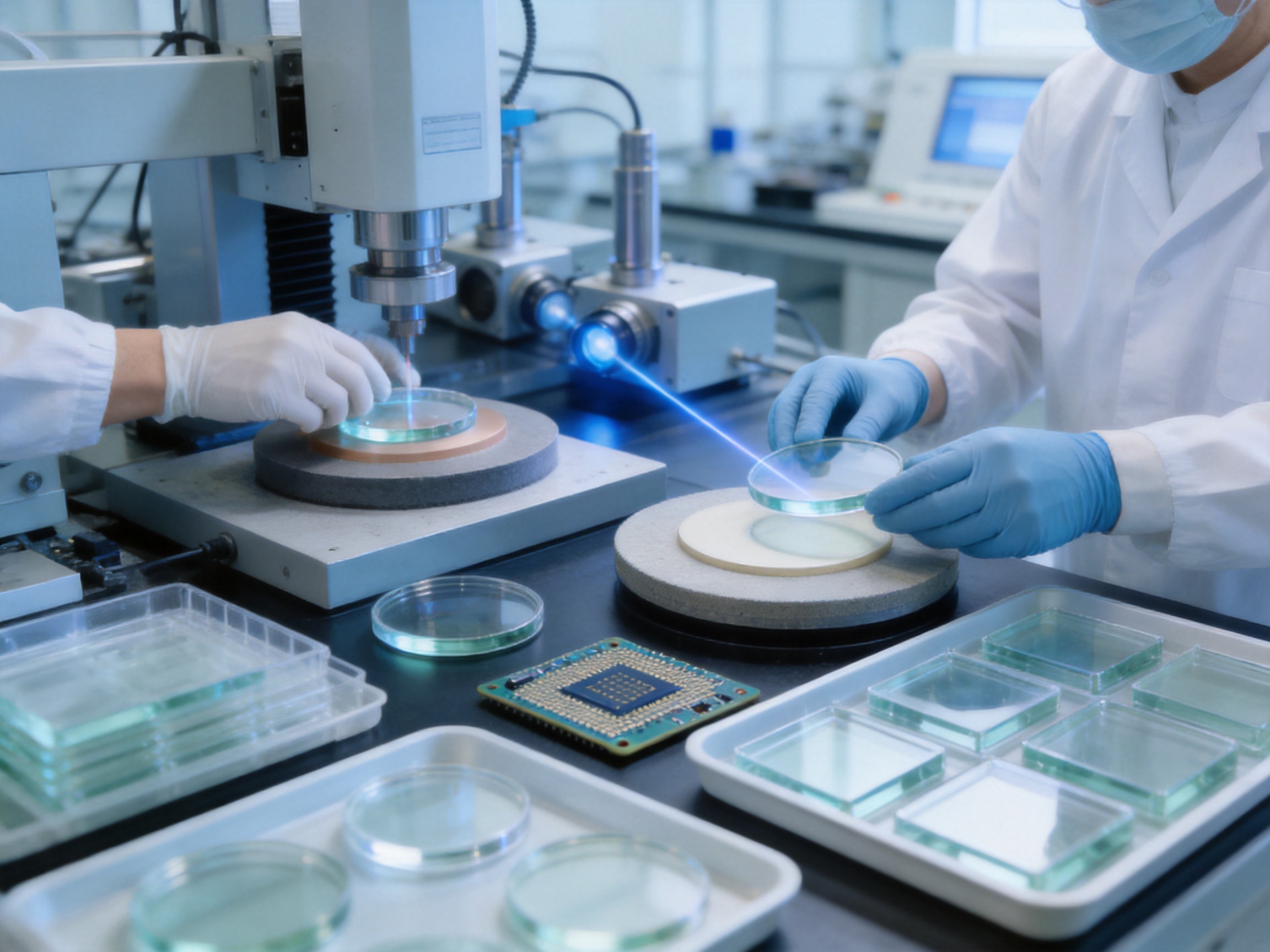
The production of a precision optical window involves a controlled sequence of material preparation, shaping, grinding, lapping, polishing, cleaning, coating, inspection, and packaging. Each stage affects final performance. A small error early in the process may become difficult or costly to correct later, which is why process discipline is essential.
Material Selection and Incoming Inspection
The process begins with the selection of suitable optical material. The material must match the intended spectral range, mechanical requirements, thermal conditions, and environmental exposure. For visible and near-infrared applications, optical glass or fused silica may be selected. For high-hardness or harsh-environment applications, sapphire may be considered. For ultraviolet or infrared systems, specialized materials may be required.
Incoming material inspection helps confirm that the substrate meets basic optical and mechanical criteria. Inspection may include checks for bubbles, inclusions, striae, stress, color, size, and material consistency. Careful material control reduces the risk of hidden defects that could affect polishing quality, coating adhesion, or transmission performance.
Cutting and Shaping
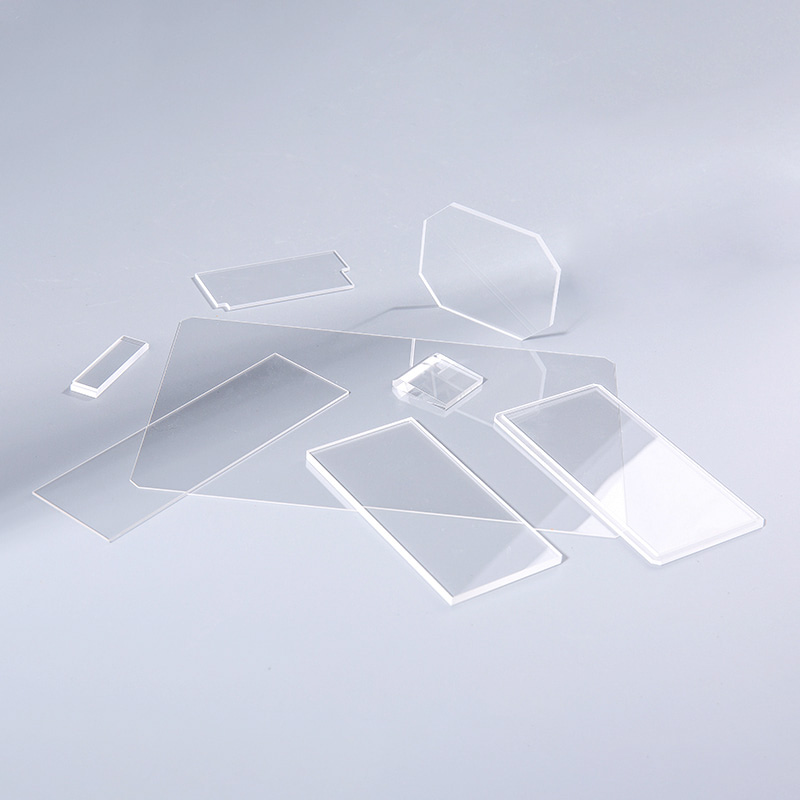
After material approval, the glass is cut or shaped according to the required dimensions. Optical windows may be round, square, rectangular, oval, or custom-shaped. Cutting must be controlled to minimize edge damage and internal stress. Excessive chipping or cracking during cutting can reduce yield and compromise component reliability.
For custom parts, CNC machining or specialized shaping equipment may be used to achieve accurate geometry. This stage defines the basic external form of the window and prepares it for fine grinding and polishing. Proper allowance is reserved for later material removal so that final dimensions can be achieved after polishing.
Grinding and Lapping
Grinding and lapping remove material to improve surface form, thickness, and parallelism. In this stage, the goal is to approach the required dimensions and create a controlled surface condition for final polishing. Double-side processing can be important for flat components because it helps improve thickness uniformity and parallelism.
Lapping parameters must be optimized for the selected material. Different glass types respond differently to pressure, abrasive size, plate condition, and process time. Experienced technicians monitor the process to prevent surface damage, wedge error, and uneven removal.
Precision Polishing
Polishing is the stage where the optical surface quality is created. The process removes the damaged layer from grinding and lapping, reduces roughness, and improves transparency. For optical windows, polishing must achieve both cosmetic quality and optical figure requirements. Surface flatness, scratch-dig quality, and roughness are all influenced by polishing conditions.
Precision polishing requires stable equipment, suitable polishing pads, controlled slurry chemistry, clean work areas, and skilled operators. If polishing is too aggressive, it may create surface form errors. If it is insufficient, scratches or subsurface damage may remain. A professional manufacturer balances productivity with optical quality to ensure stable output.
Edge Processing
Edge processing is essential for safety, handling, and mechanical reliability. Sharp edges are prone to chipping and can create stress concentrations during mounting. Beveling, chamfering, grinding, or polishing the edges reduces breakage risk and improves assembly performance.
For optical windows used in sealed modules or high-reliability systems, edge dimensions may be tightly controlled so the component can fit into metal or polymer housings. The interaction between the window and its mount affects stress, sealing, and alignment. Therefore, edge quality is part of overall optical performance, not merely a cosmetic detail.
Cleaning and Clean Handling
After polishing and edge processing, optical windows must be cleaned to remove slurry, particles, oils, residues, and handling contamination. Cleaning may involve ultrasonic cleaning, deionized water rinsing, solvent processes, and drying under controlled conditions. Cleanliness is especially important before coating, because contamination can cause coating defects, pinholes, poor adhesion, or reduced laser damage resistance.
Clean handling practices help preserve surface quality after cleaning. Operators must avoid fingerprints, dust, and mechanical contact with optical surfaces. Packaging materials must be selected to prevent abrasion, chemical contamination, or static-related particle attraction.
Optical Coating
Many optical windows require coatings to reduce reflection, enhance transmission, or add functional properties. Anti-reflective coatings are among the most common. Coatings may be designed for a single wavelength, a broad wavelength band, or a specific angle of incidence. The coating design depends on the customer’s optical system.
Coating deposition requires control of film thickness, refractive index, uniformity, adhesion, stress, and environmental durability. A high-quality coating can significantly increase system efficiency. For example, in a multi-element optical assembly, each surface reflection can reduce total throughput. A properly coated optical window helps preserve signal strength and reduces unwanted reflections.
For demanding applications, coatings may need to withstand temperature cycling, humidity, abrasion, cleaning, laser exposure, or outdoor conditions. This is where a manufacturer’s process knowledge and inspection standards become important. Coating performance must be validated, not assumed.
Inspection and Quality Assurance
Inspection verifies that the optical window meets customer requirements. Common inspection items include dimensions, thickness, parallelism, surface quality, flatness, transmitted wavefront, coating transmission, reflection, appearance, edge condition, and cleanliness. Depending on the application, additional tests may include environmental reliability, adhesion, abrasion resistance, or spectral measurement.
A certified quality management system provides structure for documentation, traceability, nonconforming product control, corrective action, and continuous improvement. For customers in automotive, semiconductor, laser, and industrial markets, this quality discipline is often as important as the part itself. Reliable documentation reduces risk and supports smooth integration into customer production lines.
Typical Specifications and Customization Options
Optical windows can be customized according to the performance needs of different systems. Standard requirements may be sufficient for general protection, while high-end instruments may require tighter tolerances. The following table summarizes common specification categories and their relevance.
| Specification Area | Purpose | Customer Benefit |
|---|---|---|
| Material | Determines spectral transmission, hardness, thermal behavior, and chemical resistance | Allows the window to match visible, ultraviolet, infrared, laser, automotive, or industrial applications |
| Surface Flatness | Controls surface form and wavefront behavior | Reduces optical distortion in imaging, laser, and measurement systems |
| Parallelism | Controls angular deviation between two optical surfaces | Improves beam stability and simplifies system alignment |
| Surface Quality | Limits scratches, digs, pits, and cosmetic defects | Reduces scattering and improves image contrast or laser transmission quality |
| Dimensional Tolerance | Ensures correct fit in mounts, housings, or sealed assemblies | Improves assembly yield and reduces mechanical stress |
| Coating | Reduces reflection or adds functional surface performance | Increases transmission, reduces ghosting, and supports application-specific durability |
| Edge Treatment | Improves handling safety and mechanical reliability | Reduces chipping, cracking, and installation damage |
| Cleanliness and Packaging | Protects optical surfaces before assembly | Reduces contamination risk and supports clean production environments |
Customization is one of the main advantages of working with an experienced optical component factory. Customers may require special shapes, non-standard sizes, tight thickness tolerance, specific coatings, high surface quality, or packaging for automated assembly. A manufacturer with broad optical processing capability can evaluate the request and propose a practical production route.
In some projects, optical windows must be combined with other optical elements. For example, a customer may need windows, prisms, spherical mirrors, flat mirrors, or lenses in the same optical system. Working with a supplier that can manufacture multiple optical component categories may simplify procurement, improve compatibility, and reduce communication complexity.
Applications in Laser Optics
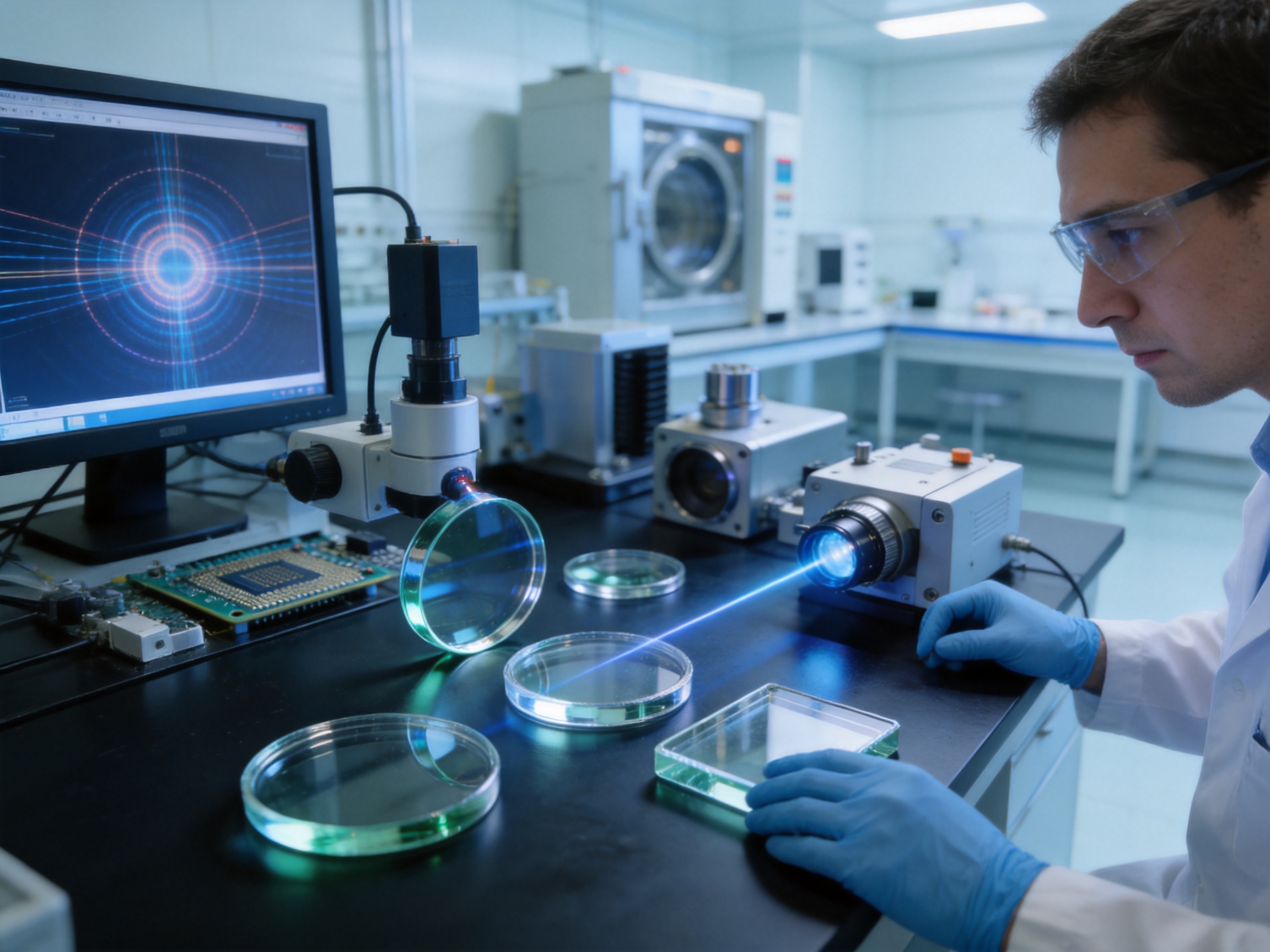
Laser systems place strict demands on optical windows. The window must transmit a defined wavelength with minimal absorption and reflection, while maintaining beam quality. If the window absorbs too much energy, it can heat up, create thermal lensing, or suffer coating damage. If the surfaces are not sufficiently flat or parallel, the beam may be distorted or deviated.
Optical windows are used in laser protective housings, laser cutting machines, laser welding systems, laser marking equipment, laser rangefinders, scientific laser instruments, and beam delivery assemblies. In these systems, the window may protect internal optics from smoke, dust, metal particles, moisture, or accidental contact. It acts as a replaceable or permanent barrier while preserving the laser beam path.
For industrial laser applications, durability and cost-effectiveness are both important. A window that fails prematurely can cause downtime and maintenance costs. A window that is overdesigned may increase system cost unnecessarily. A qualified manufacturer can help balance optical performance, substrate choice, coating design, and production economics.
High-quality polishing and coating are especially important for laser use. Scattering defects and coating imperfections can become local heat points under high power. Clean manufacturing and careful inspection reduce this risk. For laser customers, the benefit is more stable operation, better beam transmission, and improved equipment reliability.
Applications in Semiconductor Optics
Semiconductor equipment often requires optical windows for inspection, lithography support, metrology, vacuum chambers, wafer handling, and process monitoring. These environments demand cleanliness, dimensional precision, and stable optical performance. A window may separate a vacuum or controlled atmosphere from a camera, detector, laser, or illumination system.
In semiconductor applications, even microscopic contamination can create process problems. Therefore, optical windows must be cleaned and packaged carefully. Surface particles, stains, chips, or coating defects may not be acceptable. The manufacturing environment and quality procedures must support high cleanliness expectations.
Another concern in semiconductor optics is transmitted wavefront quality. Inspection and metrology tools depend on accurate optical signals. If a window distorts the wavefront, measurement accuracy may be reduced. Precision polishing and flatness control help ensure that the window does not become a limiting factor in system performance.
The company’s experience with wafers and precision optical components supports this field. Semiconductor optics requires a mindset of repeatability, cleanliness, and exact specification control. A supplier with technical centers, patents, and certified production systems is better positioned to provide stable components for high-value equipment.
Applications in Automotive Optics
Automotive optical systems are becoming increasingly complex. Modern vehicles use cameras, LiDAR, interior displays, sensors, lighting modules, driver monitoring systems, and advanced human-machine interfaces. Optical windows may protect these systems while allowing visible, infrared, or laser signals to pass with stability.
Automotive applications require more than optical performance. Components must withstand temperature cycling, humidity, vibration, shock, cleaning agents, ultraviolet exposure, and long-term use. Consistency in mass production is also critical because automotive platforms require stable quality over extended supply periods.
IATF16949 certification is a strong advantage for serving automotive-related customers. It demonstrates that the manufacturer has quality management practices aligned with automotive industry expectations, including process control, risk awareness, documentation, and continuous improvement. For optical windows used in automotive modules, this certification can reduce supplier qualification risk.
The company also produces automotive interior glass structural components, which indicates experience with automotive-grade glass processing and quality expectations. This background can be valuable when developing optical windows for in-vehicle displays, sensing systems, and protective optical covers.
Applications in Consumer and Industrial Optics
Consumer electronics and industrial devices also depend on optical windows. Examples include barcode scanners, smart home sensors, wearable devices, surveillance cameras, medical diagnostic tools, environmental monitors, drones, robots, and industrial machine vision systems. These products may require large production volumes, attractive appearance, reliable coatings, and stable dimensions.
For industrial machine vision, optical windows protect cameras and illumination systems from dust, oil mist, water, and mechanical damage. A high-quality window maintains image sharpness and contrast, allowing inspection algorithms to operate accurately. Poor window quality can introduce glare, distortion, or reduced signal strength, leading to false detections or unstable measurements.
For consumer products, appearance and durability can be as important as optical performance. The window may be visible to the end user, so cosmetic quality matters. Coatings may need to resist fingerprints, stains, or cleaning. Dimensional consistency supports automated assembly and high-volume production.
A manufacturer with experience exporting to over 20 countries can better understand diverse customer expectations, packaging needs, communication requirements, and quality standards. This international experience supports customers who require reliable wholesale optical components for global product lines.
Why Precision Manufacturing Creates an Advantage Over Competitors
The optical component market includes many suppliers, but not all have the same level of process control. Some competitors may focus mainly on low-cost glass cutting, while others specialize in a narrow category. A manufacturer with broad precision optical capability can offer stronger engineering support and more stable quality.
One advantage is integrated technical knowledge. Optical windows may seem simple, but they involve material science, surface finishing, coating physics, mechanical design, and inspection. A company that also manufactures lenses, mirrors, prisms, wafers, and automotive glass structural components can draw on a wider knowledge base. This helps solve problems such as coating stress, polishing defects, edge chipping, dimensional drift, or mounting-related distortion.
Another advantage is certified quality discipline. ISO9001:2015 supports consistent quality management. ISO14001:2015 reflects attention to environmental management. IATF16949 supports automotive-grade process control. These certifications help customers trust that production is managed systematically rather than informally.
A third advantage is engineering infrastructure. The Jiangsu Precision Optical Lens Engineering Technology Center and Jiangsu Enterprise Technology Research Center provide a foundation for process development and technical improvement. This matters because optical components often require customization. Customers may not only need a part; they may need a partner that can interpret requirements and turn drawings into manufacturable products.
A fourth advantage is production experience. Since its founding in 1998, the company has accumulated more than two decades of manufacturing knowledge. In precision optics, experience is valuable because many quality issues are process-sensitive. Skilled technicians understand how materials behave during grinding, polishing, cleaning, and coating. This know-how helps improve yield, reduce defects, and stabilize delivery.
A fifth advantage is application diversity. The company focuses on laser optics, automotive optics, semiconductor optics, and consumer optics. These markets have different requirements, and cross-industry experience helps strengthen manufacturing capability. For example, automotive quality discipline can improve batch consistency, while semiconductor cleanliness expectations can improve optical surface handling.
Optical Performance Considerations
When selecting an optical window, engineers should consider transmission, reflection, absorption, scattering, wavefront distortion, birefringence, thermal expansion, and environmental compatibility. These factors are interconnected. A material with excellent transmission may not be suitable if it lacks mechanical strength. A coating with high transmission may fail if it is not durable enough for the operating environment.
Transmission is wavelength-dependent. A window used for visible imaging may require high transmission from approximately 400 to 700 nanometers, while a laser window may require optimization at a specific wavelength. Infrared or ultraviolet applications require special material selection. The manufacturer must understand the customer’s wavelength range before recommending material and coating options.
Reflection can reduce optical efficiency and create ghost images. Each uncoated glass-air surface reflects light, and a window has two main surfaces. Anti-reflective coating can greatly reduce this loss. In high-sensitivity systems, even small reflections may interfere with detectors or create false signals. Therefore, coating design should be matched to system geometry.
Scattering is caused by surface defects, contamination, roughness, internal inclusions, or coating imperfections. Scattering reduces contrast and can introduce background noise. High-quality polishing, clean processing, and strict inspection help reduce scattering.
Wavefront distortion occurs when the transmitted light is altered by surface form error, thickness variation, material inhomogeneity, or stress. For imaging and laser systems, transmitted wavefront quality may be a key specification. Precision lapping and polishing help control this issue.
Thermal and mechanical factors must also be considered. A window exposed to changing temperature may expand, contract, or experience stress from its mount. If the design does not account for thermal expansion, the window may crack or distort. Material selection, edge treatment, and mechanical design all influence reliability.
Design Guidance for Customers
Customers can improve project success by providing clear technical requirements. Important information includes application type, wavelength range, window size, shape, thickness, tolerance, flatness, surface quality, parallelism, coating requirements, operating environment, quantity, inspection standard, and packaging needs. If the window will be bonded, sealed, or mounted under pressure, mechanical details should also be shared.
For laser systems, customers should specify wavelength, power or energy density, beam diameter, incidence angle, polarization sensitivity, and expected environmental conditions. For imaging systems, customers should specify resolution requirements, field of view, acceptable distortion, and coating preferences. For automotive or outdoor systems, customers should describe temperature range, humidity exposure, vibration conditions, chemical exposure, and durability expectations.
Early communication can prevent over-specification and under-specification. Overly tight specifications may increase cost and lead time without improving actual system performance. Insufficient specifications may result in components that are inexpensive but unsuitable. A professional optical manufacturer can help identify which tolerances are critical and which can be optimized for cost-effective production.
Prototype development is often useful for custom optical windows. A prototype allows the customer to test optical performance, mechanical fit, coating behavior, and assembly process before moving to volume production. Once the design is validated, the manufacturer can refine process parameters for repeatable manufacturing.
Quality Control and Reliability
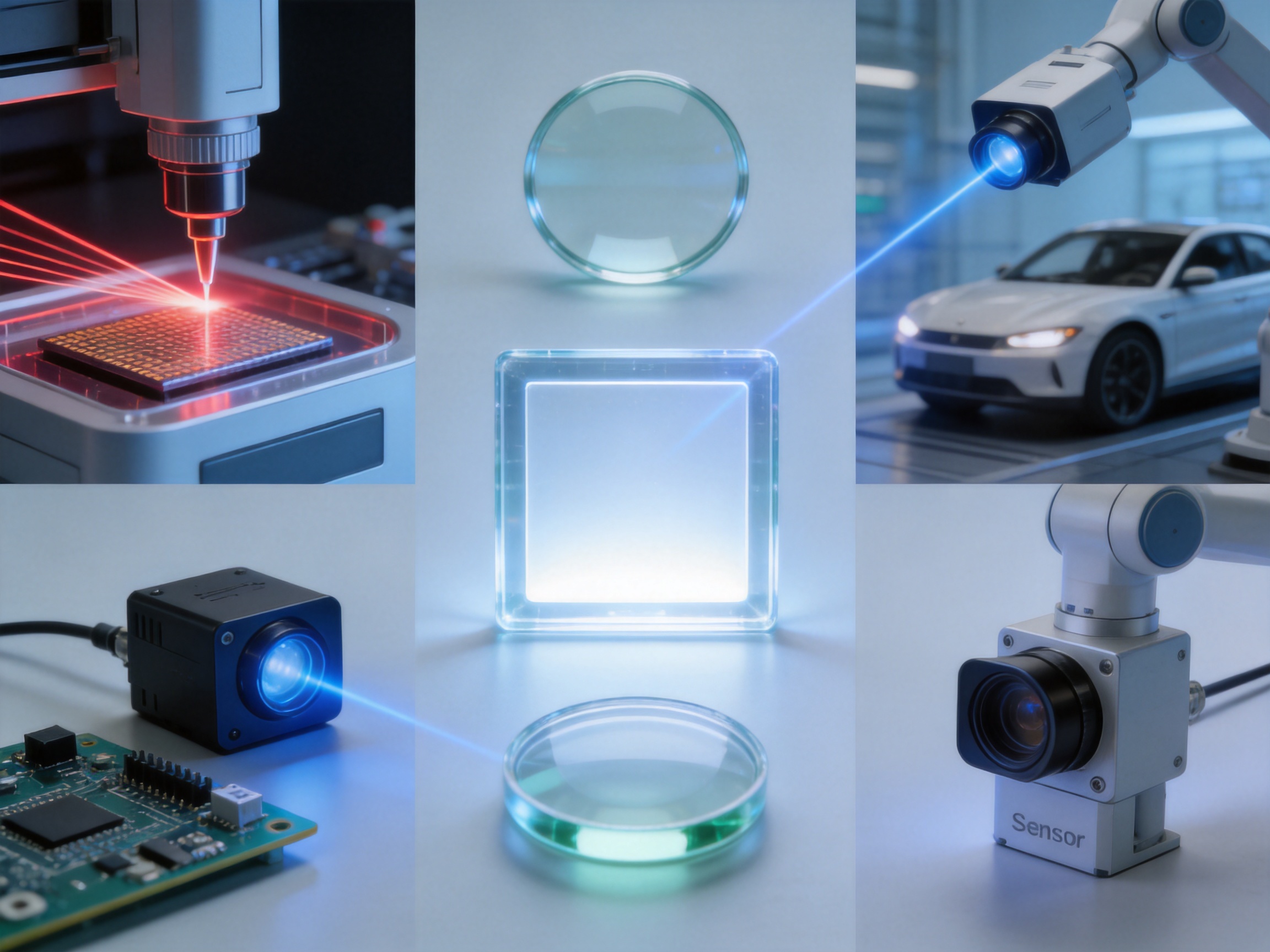
Quality control in optical window production must be both preventive and detective. Preventive control focuses on stable processes, trained operators, equipment maintenance, clean handling, and documented procedures. Detective control focuses on inspection and testing to confirm that finished parts meet requirements.
Dimensional inspection ensures that the optical window fits correctly into customer assemblies. Thickness, diameter, length, width, chamfer, and edge dimensions may be checked using suitable measuring tools. Accurate dimensions reduce assembly problems and improve sealing reliability.
Surface inspection evaluates scratches, digs, chips, stains, coating defects, and appearance. Depending on the application, inspection may be performed under controlled lighting and magnification. Surface defects that are acceptable in a basic protective cover may not be acceptable in a laser or imaging system.
Optical testing may include transmission measurement, reflection measurement, flatness inspection, and wavefront evaluation. Coating performance may be tested spectrally to confirm that the design meets the target wavelength range. For environmental reliability, tests may evaluate adhesion, humidity resistance, temperature cycling, or abrasion resistance.
Traceability is also important. Customers in automotive, semiconductor, and high-end industrial markets often require lot control, inspection records, and corrective action procedures. A manufacturer with certified management systems is better prepared to meet these expectations.
Environmental and Operational Responsibility
Optical manufacturing involves materials, water, abrasives, polishing compounds, cleaning agents, energy, and packaging. ISO14001:2015 certification reflects a structured approach to environmental management. For global customers, environmental responsibility is increasingly important because supply chains are evaluated not only for cost and quality, but also for sustainability and compliance.
Responsible manufacturing can include waste management, process optimization, resource conservation, and safer handling of materials. These practices do not merely support environmental goals; they can also improve process stability. Clean, controlled, and disciplined production environments tend to produce better optical components.
For customers, choosing a supplier with environmental management certification may support internal procurement policies and end-user expectations. It also reflects a broader commitment to long-term industrial responsibility.
Packaging, Logistics, and Wholesale Supply
Optical windows must be packaged carefully because their polished and coated surfaces are vulnerable to scratches, particles, and contact damage. Suitable packaging separates each part, protects edges, minimizes vibration, and preserves cleanliness. For high-value windows, clean packaging can be just as important as manufacturing quality.
Wholesale supply requires stable batch production, predictable lead times, consistent inspection, and professional communication. Customers purchasing optical windows in quantity need more than a single good sample; they need repeatability across many units and many production lots. A manufacturer with more than 300 employees, a 35,000 square meter facility, and long-term optical manufacturing experience is positioned to support both customized orders and volume production.
Export experience to over 20 countries provides additional value. International customers often require clear documentation, careful packing for transportation, and responsive technical communication. Experience in global markets helps reduce risk for customers who need reliable optical component supply from China.
How Optical Windows Support System-Level Performance
The performance of an optical window should always be evaluated in relation to the complete system. A window may be only one component, but it can influence optical alignment, image quality, signal strength, thermal behavior, sealing reliability, and maintenance frequency. A well-designed window protects the system without becoming an optical limitation.
In a laser machine, the window may prevent smoke and particles from reaching expensive focusing optics. If the window is easy to replace and maintains beam quality, it reduces maintenance cost. In an imaging system, the window may protect the camera while preserving sharpness and contrast. In a semiconductor tool, it may maintain a controlled environment while allowing precise optical measurement. In an automotive module, it may protect sensors and displays under years of vibration, temperature change, and user interaction.
These system-level benefits explain why optical windows deserve careful supplier selection. The cheapest window may not be the lowest-cost solution if it causes assembly failures, optical instability, or field returns. A precision optical window from an experienced manufacturer can improve reliability, reduce hidden costs, and support better product performance.
Q&A Section
Q1: What is the main function of an optical window?
An optical window protects an optical system while allowing light to pass through with minimal distortion, reflection, absorption, or scattering. It is commonly used to isolate sensitive components from dust, moisture, pressure differences, chemicals, or mechanical contact.
Q2: How is an optical window different from a lens?
A lens is designed to focus, diverge, or shape light. An optical window is generally designed to transmit light without changing its path or focus. Its two surfaces are usually flat and parallel, although some custom designs may include special geometry.
Q3: Why does surface flatness matter?
Surface flatness affects wavefront quality. Poor flatness can distort laser beams or reduce imaging accuracy. High flatness is especially important in precision measurement, laser optics, semiconductor inspection, and high-resolution imaging systems.
Q4: Why is anti-reflective coating often used on optical windows?
Anti-reflective coating reduces surface reflection and increases transmission. It can also reduce ghost images, glare, and optical feedback. The coating should be designed for the wavelength range, angle of incidence, and environment of the application.
Q5: What information should a customer provide when requesting a custom optical window?
Customers should provide material preference, wavelength range, dimensions, thickness, tolerance, flatness, surface quality, parallelism, coating requirements, application environment, quantity, inspection criteria, and packaging expectations. For laser use, wavelength and power information are also important.
Q6: Why are certifications important for optical component manufacturing?
Certifications such as ISO9001:2015, ISO14001:2015, and IATF16949 indicate that the manufacturer follows structured quality, environmental, and automotive-related management systems. This helps customers evaluate process stability, traceability, and long-term supply reliability.
Q7: Can optical windows be used in automotive applications?
Yes. Optical windows can be used in automotive cameras, sensors, LiDAR systems, driver monitoring modules, displays, and other optical assemblies. Automotive applications require durability, environmental resistance, and consistent mass-production quality.
Q8: What makes a precision optical window better than ordinary glass?
A precision optical window is manufactured and inspected for optical performance, not just transparency. It can offer controlled flatness, parallelism, surface quality, coating performance, dimensional accuracy, and cleanliness. Ordinary glass may not meet these requirements.
Q9: Why choose a professional optical component factory for wholesale supply?
A professional factory can provide engineering support, process control, inspection documentation, custom manufacturing, stable batch quality, and packaging suitable for optical products. This reduces risk for customers who need reliable long-term supply.
Q10: What industries commonly use optical windows?
Optical windows are used in laser equipment, semiconductor tools, automotive optical systems, machine vision, medical devices, scientific instruments, environmental sensors, security cameras, consumer electronics, and industrial automation systems.
Conclusion
Optical windows play a critical role in protecting optical systems while preserving light transmission and system accuracy. Their performance depends on precision manufacturing, suitable material selection, accurate polishing, stable coating, careful cleaning, and strict inspection. Although they may appear simple, high-quality optical windows require advanced process control and deep optical manufacturing knowledge.
Changzhou Haolilai Photo-Electricity Scientific and Technical Co., Ltd. brings decades of experience in precision optical components, supported by a 35,000 square meter production base, more than 300 employees, international export experience, quality certifications, technical research centers, and a broad product portfolio. Its optical window manufacturing capability reflects strengths in laser optics, automotive optics, semiconductor optics, and consumer optics.
For customers seeking wholesale optical components, a precision optical window from an experienced manufacturer offers advantages over ordinary suppliers: better optical quality, more reliable coating performance, stronger customization, stable quality systems, and the ability to support demanding applications. Whether used in a laser machine, semiconductor inspection tool, vehicle sensor, camera module, or industrial vision system, the right optical window improves reliability and protects the value of the entire optical assembly.
References
Hecht, E. Optics. Pearson Education.
Smith, W. J. Modern Optical Engineering. McGraw-Hill Education.
Malacara, D. Optical Shop Testing. Wiley.
ISO 9001:2015 Quality Management Systems Requirements.
ISO 14001:2015 Environmental Management Systems Requirements.
IATF 16949 Automotive Quality Management System Standard.
Schott Technical Information: Optical Glass and Precision Optics.
Handbook of Optical Materials. CRC Press.


 苏公网安备32041102000130号