
 Search
 en
en English
 日本語
日本語 русский
 Español
 Deutsch
 中文简体
中文简体Content
- 1 What Is an Optical Window?
- 2 Core Advantages of a Precision Optical Window
- 3 Applications in Laser Optics
- 4 Applications in Automotive Optics
- 5 Applications in Semiconductor Optics
- 6 Applications in Consumer Optics and Industrial Devices
- 7 Materials for Optical Windows
- 8 Key Specifications Customers Should Consider
- 9 Manufacturing Process Overview
- 10 Advanced Manufacturing Strengths
- 11 Advantages Over Ordinary Competitors
- 12 Design Considerations for Better Performance
- 13 Coating Options and Their Importance
- 14 Quality Control and Inspection
- 15 Customization Capabilities
- 16 Reliability in Real-World Use
- 17 Why Supplier Selection Matters
- 18 Q&A: Common Questions About Precision Optical Windows
- 18.1 What is the main purpose of an optical window?
- 18.2 How is an optical window different from ordinary glass?
- 18.3 Why is surface flatness important?
- 18.4 When should anti-reflection coating be used?
- 18.5 Can optical windows be customized?
- 18.6 What industries commonly use precision optical windows?
- 18.7 Why is IATF16949 certification important for automotive optical windows?
- 18.8 What makes a manufacturer competitive in optical window production?
- 19 Conclusion
- 20 References
- 21 Product: Optical Window
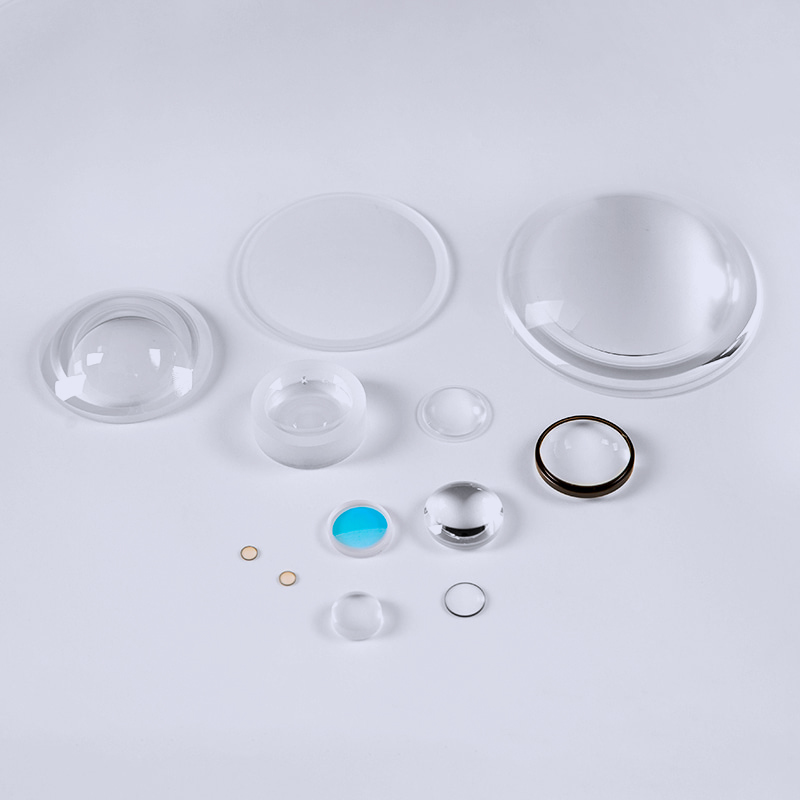
Optical windows are among the most important yet often underestimated components in modern optical systems. They do not usually form an image, magnify an object, or redirect a beam in a dramatic way, but they protect sensitive assemblies, isolate environments, preserve beam quality, and maintain stable optical performance under mechanical, thermal, and chemical stress. A well-designed optical window allows light to pass with minimal distortion while shielding cameras, laser cavities, sensors, detectors, electronic modules, and precision instruments from dust, moisture, pressure changes, impact, and contamination.
The optical window discussed in this article is a precision optical component designed for demanding applications in laser optics, automotive optics, semiconductor optics, consumer electronics, industrial inspection, medical equipment, instrumentation, and scientific research. It is manufactured by Changzhou Haolilai Photo-Electricity Scientific and Technical Co., Ltd., a precision optical component manufacturer founded in 1998 in Changzhou, Jiangsu, China. With more than 300 employees, a 35,000-square-meter production base, ISO9001:2015, ISO14001:2015, and IATF16949 certifications, and extensive experience in international supply, the company has developed strong capabilities in high-precision glass processing, polishing, coating, inspection, and mass production.
For customers comparing suppliers, the value of an optical window depends on more than the material or outside dimensions. Surface quality, transmitted wavefront error, parallelism, coating performance, edge quality, cleanliness, batch consistency, delivery reliability, and application-specific engineering support are all decisive factors. In these areas, a manufacturer with advanced processes and disciplined quality control can offer clear advantages over ordinary suppliers that focus only on low-cost cutting and basic polishing.
Optical Window
What Is an Optical Window?
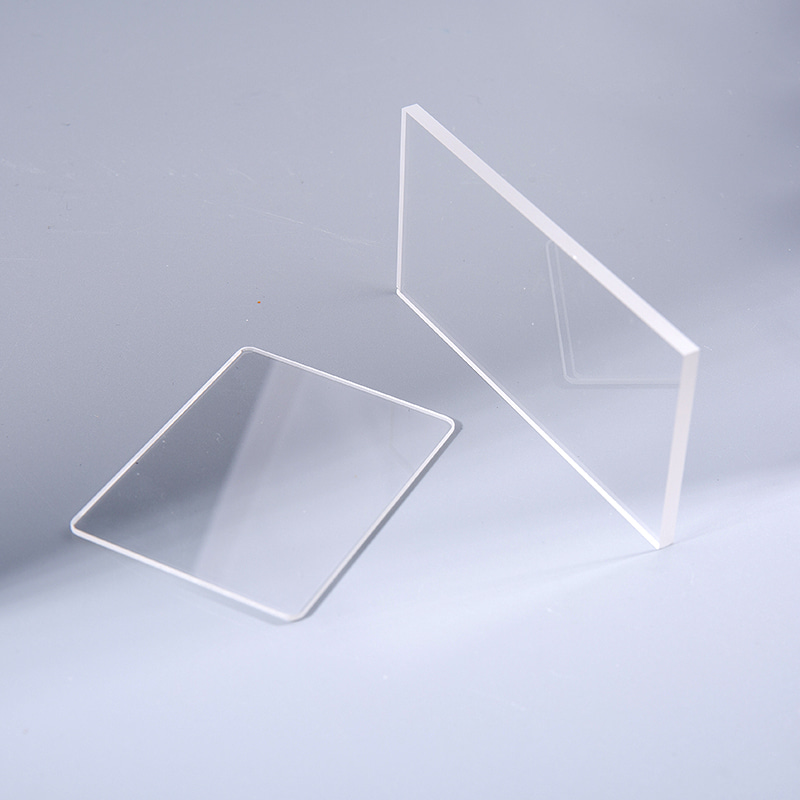
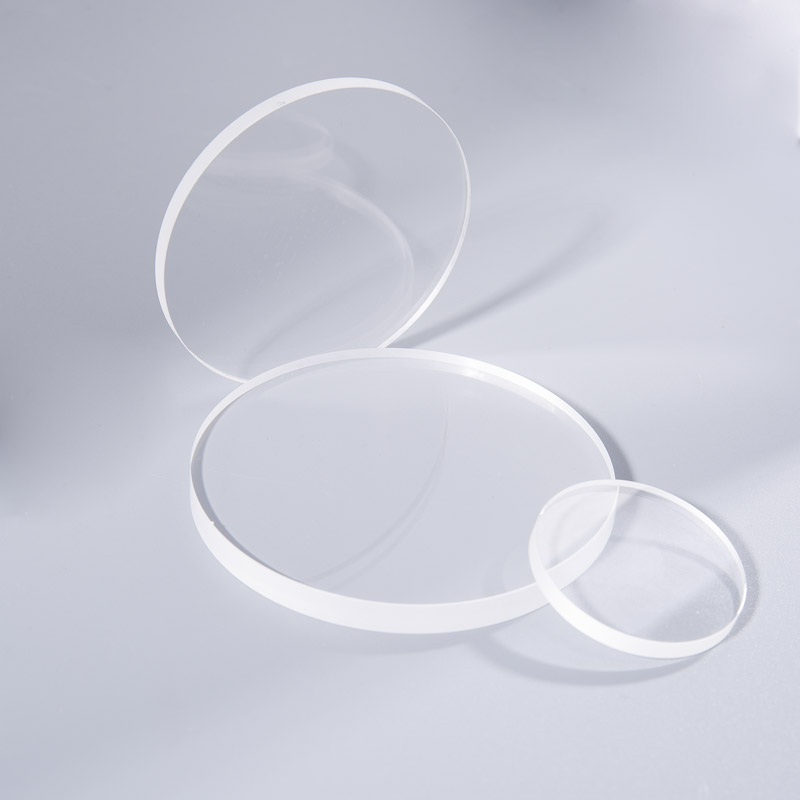
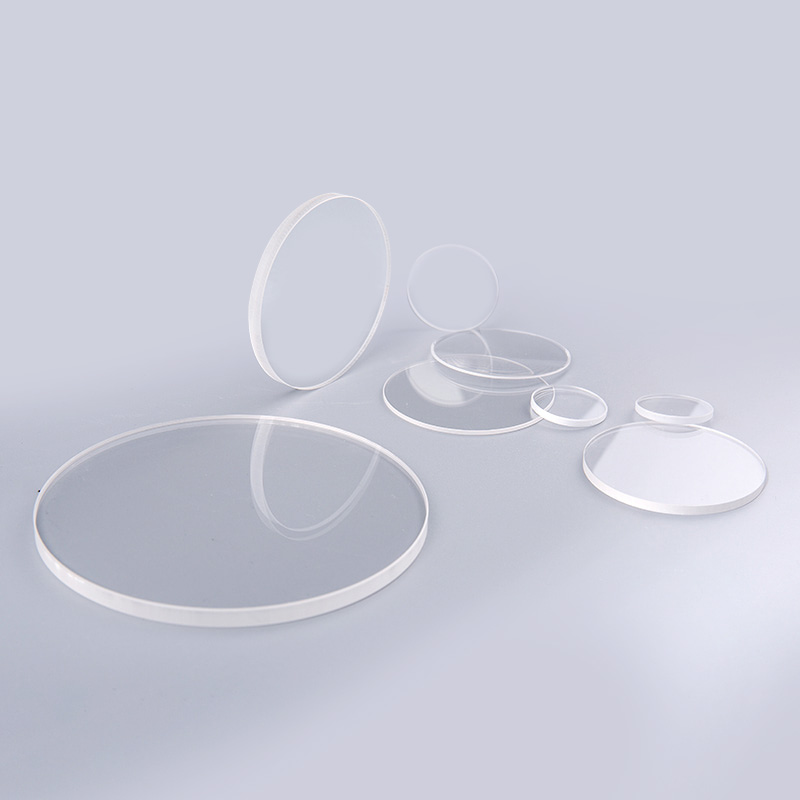
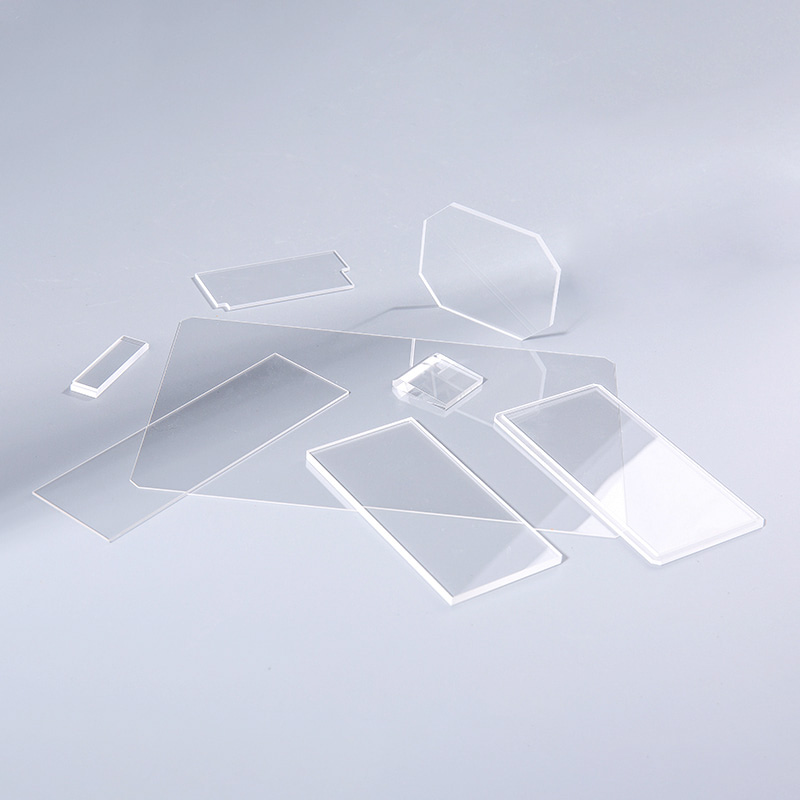
An optical window is a transparent optical element that separates two environments while permitting the transmission of light. It may be flat, circular, rectangular, square, stepped, wedged, coated, drilled, strengthened, or customized according to the mechanical and optical requirements of the system. Unlike a lens, it is generally not intended to change the convergence or divergence of light. Unlike a prism, it is not primarily used to redirect a beam. Its main function is to provide optical access while protecting the system behind it.
In a laser module, an optical window can protect internal optics from dust and handling damage while maintaining laser beam quality. In an automotive sensing system, it can serve as a durable protective cover for cameras, LiDAR units, head-up display modules, infrared sensors, or interior monitoring systems. In semiconductor equipment, it can isolate a vacuum chamber or processing environment while allowing ultraviolet, visible, or infrared radiation to pass. In consumer electronics, it can protect imaging sensors, biometric modules, or display-related optical paths.
Because the optical window is usually placed directly in the beam path, even small imperfections can have significant consequences. Scratches and digs can scatter light. Poor flatness can distort the transmitted wavefront. Low parallelism can introduce beam deviation. Unsuitable coating can increase reflection loss, ghost images, flare, or heating. Contamination can reduce transmission or create reliability risks. Therefore, a high-quality optical window must be manufactured with the same seriousness applied to lenses, mirrors, prisms, and other precision optical components.
Core Advantages of a Precision Optical Window
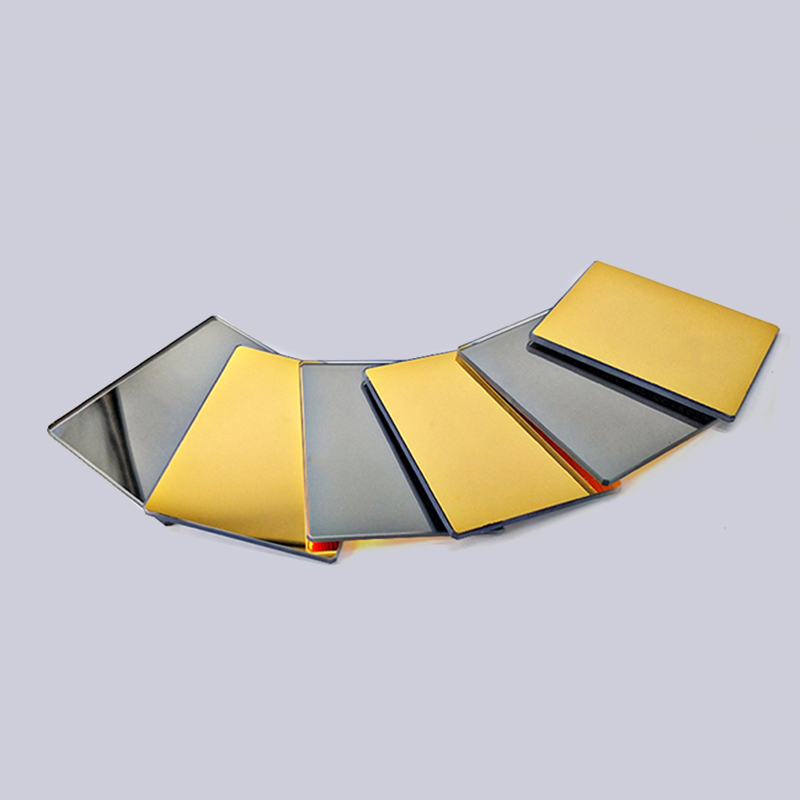
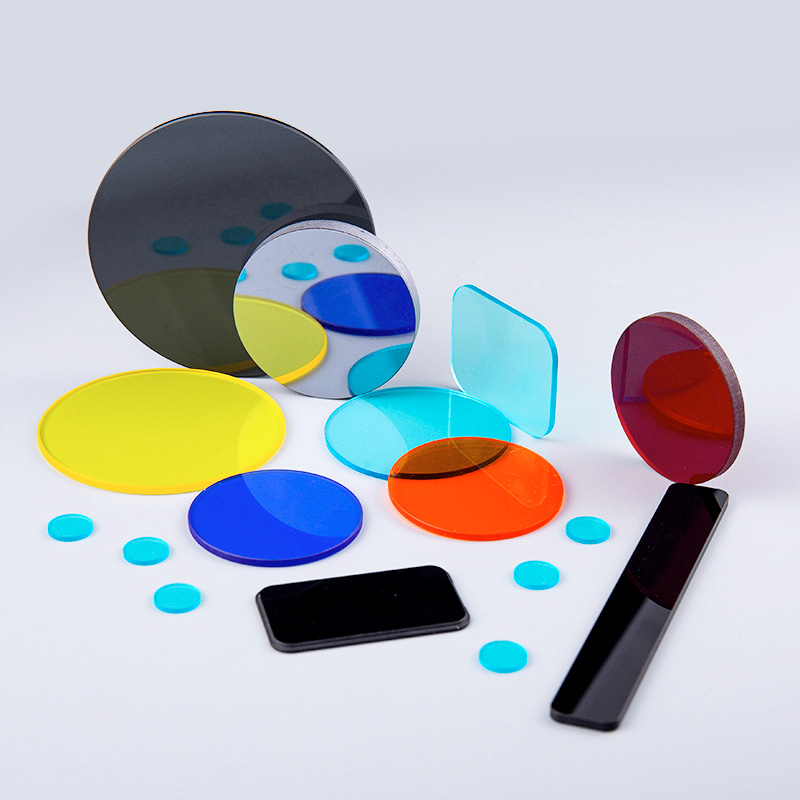
A precision optical window offers several advantages when compared with ordinary protective glass or lower-grade optical components. The first advantage is optical clarity. High-quality optical windows are made from selected optical materials with controlled homogeneity, low internal defects, and suitable transmission characteristics. Depending on the application, materials may include borosilicate glass, float glass, fused silica, optical crown glass, sapphire, infrared glass, or other specialty substrates.
The second advantage is surface accuracy. A precisely polished window maintains the designed wavefront quality of the transmitted beam. This is especially important in laser systems, interferometers, imaging devices, and measurement instruments. Poor surface flatness can introduce aberrations, reducing resolution or affecting beam pointing stability.
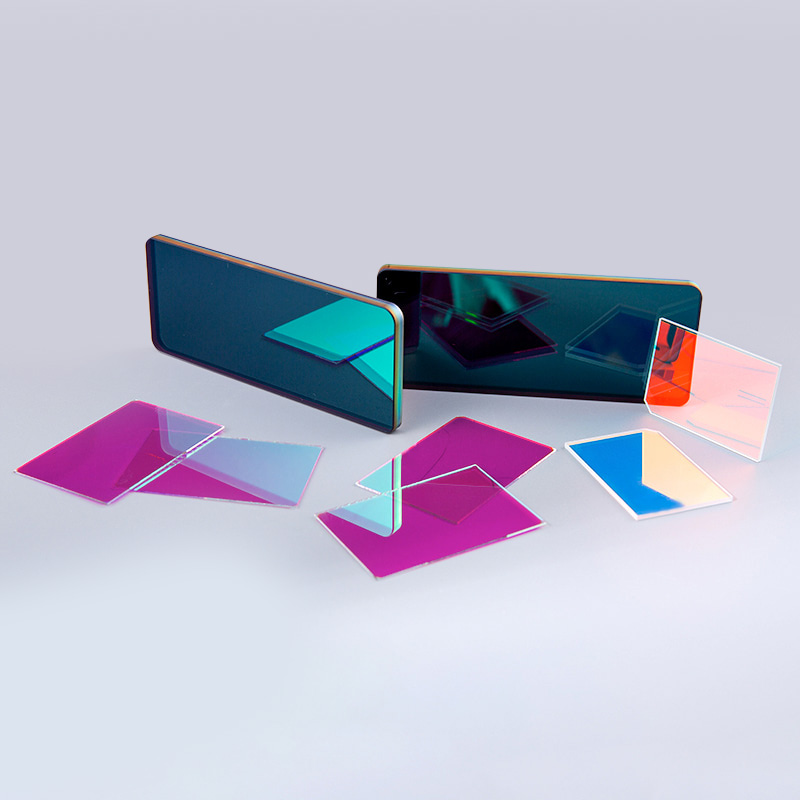
The third advantage is coating performance. Anti-reflection coatings can significantly increase transmission and reduce stray light. Protective coatings can improve scratch resistance, chemical durability, or environmental stability. Filter coatings can allow selected wavelengths to pass while blocking unwanted light. Competitor products that rely on standard uncoated glass may be less suitable for high-performance optical assemblies.
The fourth advantage is mechanical consistency. Precision optical windows can be manufactured with tight dimensional tolerances, controlled thickness, precise chamfers, smooth edges, and accurate shapes. These characteristics make assembly easier and reduce stress during installation. In automotive and semiconductor applications, mechanical repeatability is essential for automated assembly and long-term reliability.
The fifth advantage is cleanliness and quality assurance. A window used in optical, semiconductor, or laser equipment must be clean and free from harmful residues. Advanced inspection, controlled handling, and packaging processes help prevent contamination. This is a key difference between a professional optical component manufacturer and a general glass processor.
Applications in Laser Optics
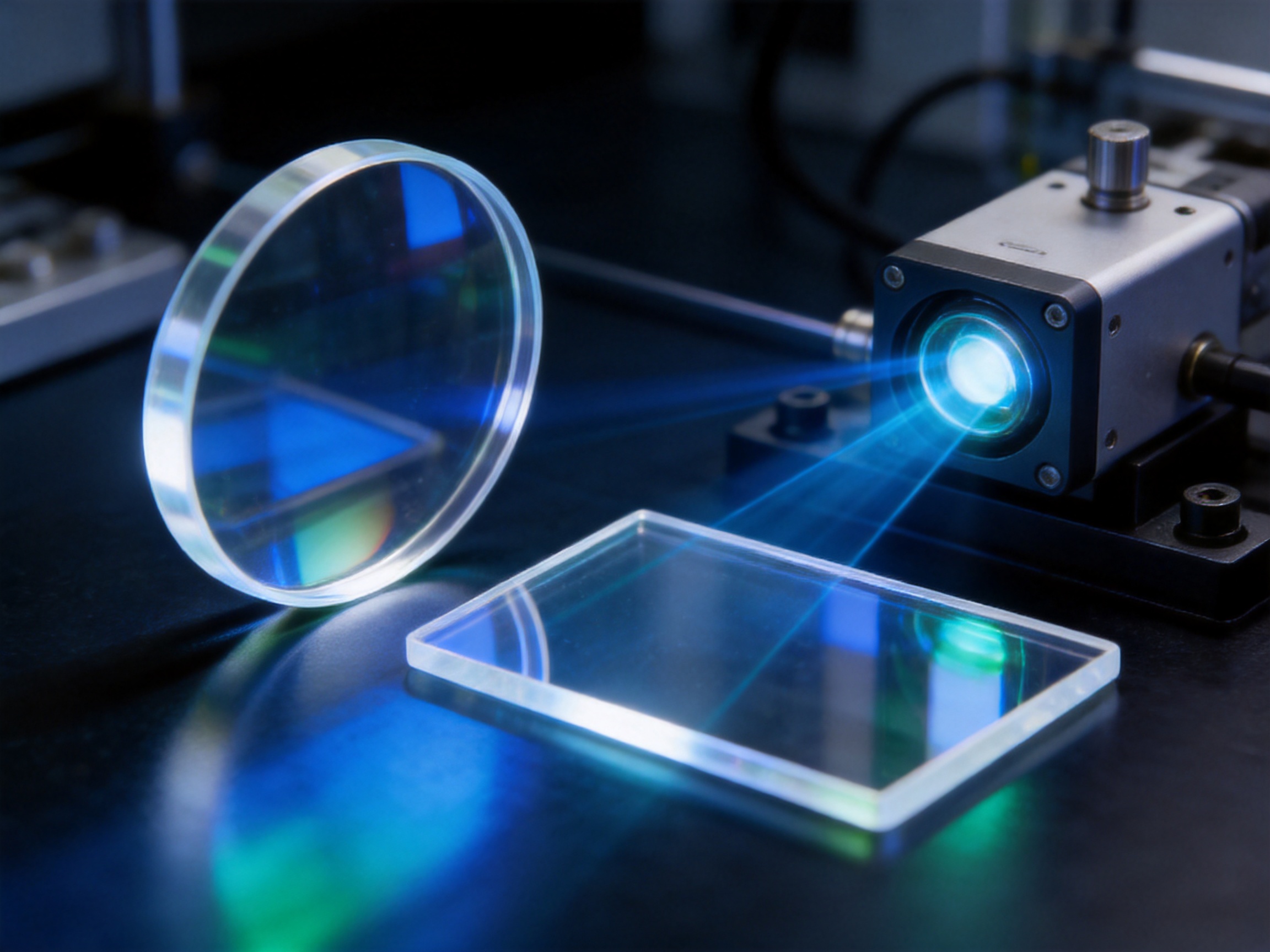
Laser optics are particularly sensitive to the quality of optical windows. A laser beam may have high power density, tight divergence requirements, and strict pointing stability. When a window is placed in a laser system, it must transmit energy efficiently while avoiding excessive absorption, thermal deformation, surface damage, and scattering.
For low-power laser modules, an optical window may serve as a protective cover that prevents dust, fingerprints, and moisture from reaching internal optics. For high-power lasers, the window must be selected and processed with greater care. Material purity, coating damage threshold, thermal expansion, surface roughness, and cleanliness become critical. Even small absorption can lead to heating, and heating may cause wavefront distortion or coating failure.
Precision manufacturing allows the optical window to achieve low scattering and low wavefront distortion. Anti-reflection coatings can be designed for common laser wavelengths or customized wavelength ranges. The use of high-quality polishing and coating processes helps ensure consistent laser output and improves equipment service life.
Compared with standard glass covers from general suppliers, precision optical windows from an experienced optical manufacturer provide better control over wavefront error, reflectance, surface defects, and coating reliability. This means fewer optical losses, reduced risk of ghost reflection, and better long-term stability for laser systems used in industrial processing, medical equipment, rangefinding, alignment, sensing, and scientific instruments.
Applications in Automotive Optics
Automotive optical systems are growing rapidly as vehicles become smarter, safer, and more interactive. Cameras, LiDAR, driver monitoring systems, head-up displays, interior sensing units, gesture recognition devices, and intelligent lighting modules all require optical components that combine performance with durability. An optical window used in a vehicle must resist temperature cycling, vibration, humidity, cleaning chemicals, dust, and sometimes impact.
Automotive interior glass structural components and optical windows share several important requirements. They must have stable dimensions, clean surfaces, reliable coatings, and excellent appearance. In addition, they must meet the production consistency needed for automotive supply chains. IATF16949 certification is a significant advantage for customers in this sector because it reflects systematic quality management for automotive manufacturing.
In an interior monitoring camera, the optical window must preserve image clarity and avoid reflections that interfere with the sensor. In a LiDAR or infrared sensing module, it must transmit the required wavelength while blocking or reducing unwanted interference. In a head-up display system, it must maintain optical uniformity and low distortion. In all these cases, the window must support both functional performance and aesthetic quality.
A supplier with experience in automotive optics can offer more than simple glass cutting. It can support material selection, coating design, dimensional optimization, appearance control, process validation, and mass production quality. This is a strong advantage over competitors that may lack automotive-grade quality systems or long-term process control.
Applications in Semiconductor Optics
Semiconductor manufacturing and inspection systems often operate in highly controlled environments. Optical windows used in these systems may need to separate vacuum chambers, protect sensors from process contamination, or allow ultraviolet, visible, or infrared light to pass through with precise control. Applications can include lithography support systems, wafer inspection, plasma monitoring, metrology, laser processing, and chamber observation.
In semiconductor applications, cleanliness is not optional. Particles, organic residues, and coating defects can compromise system performance or create production risks. Optical windows for semiconductor equipment often require low contamination packaging, stable materials, high surface quality, and reliable coating adhesion. The mechanical dimensions must also be tightly controlled so that the window seals correctly and remains stable during thermal or pressure changes.
Changzhou Haolilai Photo-Electricity Scientific and Technical Co., Ltd. has developed capabilities in semiconductor optics as one of its important product directions. Its experience in precision optical components, including optical flat mirrors, wafers, prisms, spherical mirrors, lenses, and windows, allows it to support customers who need complex optical assemblies or matched component sets. For semiconductor equipment manufacturers, this integrated capability can reduce supplier management complexity and improve engineering communication.
Compared with lower-grade suppliers, a professional optical factory can provide better process traceability, advanced inspection, stable polishing quality, and controlled coating processes. These strengths are especially valuable when customers require repeated production batches over months or years, not just a single prototype order.
Applications in Consumer Optics and Industrial Devices
Consumer optics and industrial devices also benefit from precision optical windows. Smart devices, barcode scanners, biometric products, machine vision cameras, security systems, wearable devices, projection equipment, and optical sensors all need protective transparent components. While consumer applications may demand cost efficiency, they also require attractive appearance, scratch resistance, consistent color, and high-volume manufacturability.
Industrial environments create additional challenges. Windows may be exposed to oil mist, dust, vibration, cleaning fluids, temperature variation, or mechanical shock. A properly designed optical window can extend the service life of sensors and cameras by preventing contamination and damage. It can also reduce maintenance costs because protected optical systems remain clean and stable for longer periods.
The advantage of using a precision optical window rather than ordinary protective glass is most visible in imaging and sensing performance. A low-quality window may produce blur, glare, double images, reduced contrast, or unstable calibration. In automated inspection, even small optical errors can cause false detection or measurement drift. A well-processed optical window helps the system maintain stable accuracy and repeatability.
Materials for Optical Windows
The choice of material strongly influences optical performance, durability, and cost. Different applications require different transmission ranges, hardness, thermal properties, chemical resistance, and mechanical strength. A professional manufacturer can help customers select the most suitable substrate rather than using a single standard glass for every project.
Fused silica is often chosen for ultraviolet transmission, low thermal expansion, high purity, and excellent laser performance. Borosilicate glass is valued for thermal stability and practical cost. Optical crown glass offers good visible transmission and is widely used in optical systems. Sapphire provides outstanding hardness, scratch resistance, and strength, making it useful for harsh environments. Specialty infrared materials may be selected for thermal imaging and infrared sensing applications.
Material selection must also consider manufacturability. Some materials are harder to cut, grind, polish, or coat. Sapphire, for example, has excellent hardness but requires advanced processing control. Fused silica is excellent for many high-performance optical applications but may require careful polishing and coating to meet strict requirements. By combining material knowledge with production experience, the manufacturer can balance performance, cost, and delivery schedule.
Key Specifications Customers Should Consider
When purchasing an optical window, customers should define the optical, mechanical, environmental, and quality requirements clearly. A complete specification helps the manufacturer choose the right process and avoid unnecessary cost. The following table summarizes common parameters and their importance.
| Specification | Meaning | Why It Matters |
|---|---|---|
| Material | Glass, fused silica, sapphire, or other substrate | Determines transmission range, durability, thermal behavior, and cost |
| Dimensions | Diameter, length, width, and thickness | Ensures correct assembly and mechanical compatibility |
| Surface Flatness | Deviation from an ideal flat surface | Controls transmitted wavefront quality and image distortion |
| Surface Quality | Scratch and dig level or cosmetic defect standard | Reduces scattering, improves appearance, and supports laser reliability |
| Parallelism | Angular relationship between two surfaces | Minimizes beam deviation and alignment error |
| Coating | Anti-reflection, filter, protective, or custom coating | Improves transmission, reduces reflection, and adds functional performance |
| Edge Treatment | Chamfering, beveling, rounding, or polishing | Improves handling safety, assembly reliability, and strength |
| Cleanliness | Particle and residue control | Essential for laser, semiconductor, imaging, and high-reliability systems |
| Environmental Resistance | Temperature, humidity, vibration, chemicals, or pressure | Ensures long-term performance in real operating conditions |
Manufacturing Process Overview
The quality of an optical window is built through a sequence of controlled manufacturing steps. Each step affects the final performance, and errors introduced early can be difficult or expensive to correct later. A professional optical manufacturer uses disciplined process control from raw material selection to final packaging.
The process begins with substrate selection and incoming inspection. Optical glass or other material is evaluated for internal defects, bubbles, inclusions, stress, and dimensional suitability. Proper raw material management ensures that each batch starts from a reliable foundation.
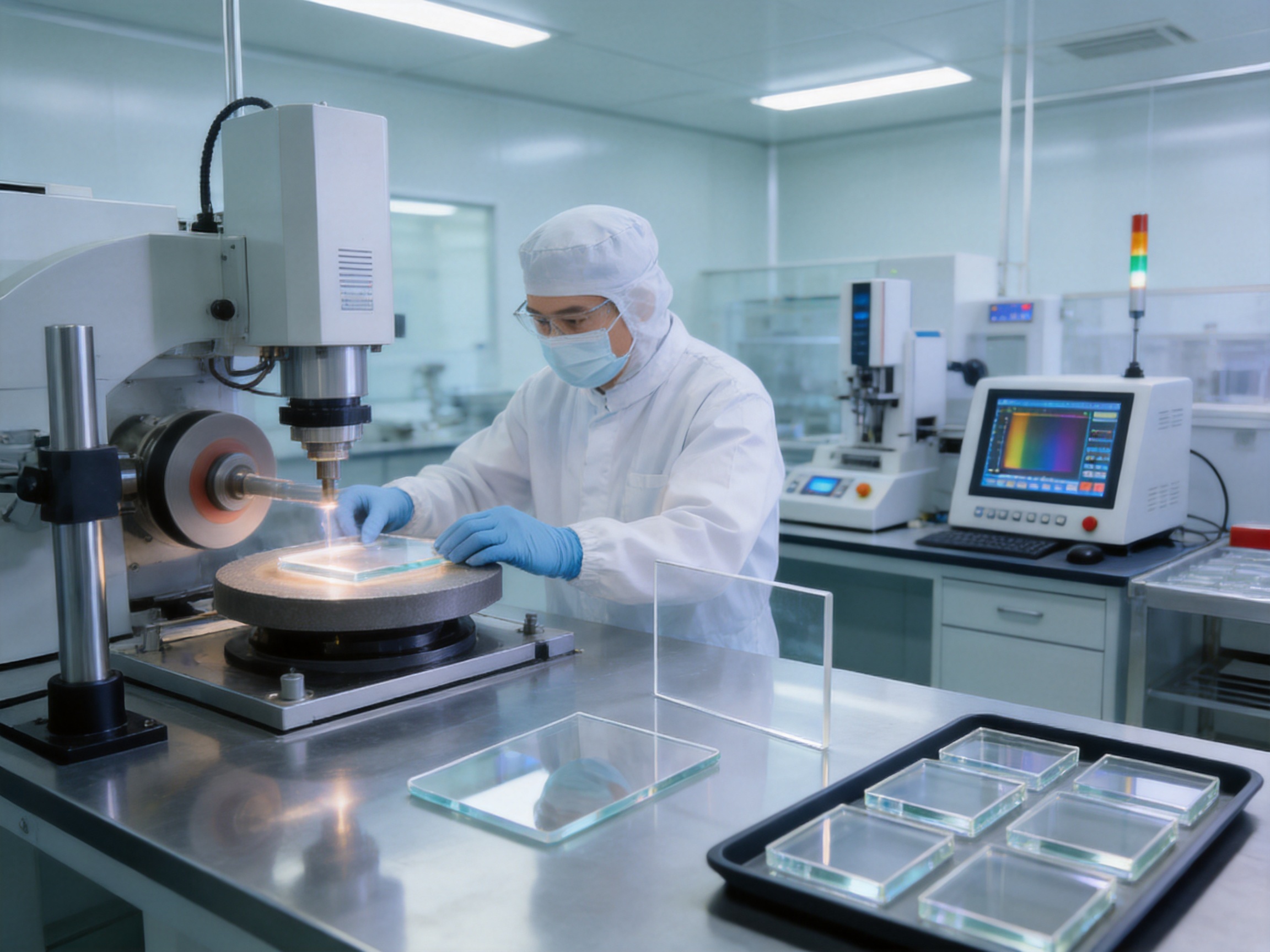
Cutting and shaping follow. Depending on the design, the material may be cut into circular, rectangular, square, or customized shapes. Advanced cutting equipment helps reduce chipping and maintain dimensional accuracy. For complex components, special tooling and process planning may be required.
Grinding is used to bring the component close to its final dimensions and surface form. This stage removes material efficiently but must be controlled to avoid subsurface damage. Excessive damage can later affect polishing time, strength, and surface quality. Professional manufacturers use carefully selected abrasives and process parameters to balance efficiency and quality.
Polishing is one of the most important steps. It creates the final optical surface and determines surface roughness, flatness, and cosmetic quality. High-quality polishing requires skill, stable equipment, suitable polishing compounds, controlled pressure, and repeated measurement. For optical windows used in demanding systems, polishing is not simply about making the glass look clear; it is about controlling wavefront distortion, scattering, and optical loss.
Edge processing is also important. Chamfers or bevels reduce the risk of chipping during handling and assembly. Polished edges may be required for appearance, cleanliness, or mechanical reasons. In some applications, edge blackening, drilling, slots, or step structures may be added.
Cleaning prepares the window for coating or final inspection. Optical cleaning must remove polishing residues, particles, oils, and fingerprints without damaging the surface. For high-end applications, cleaning quality can strongly influence coating adhesion and long-term reliability.
Coating adds functional performance. Anti-reflection coatings can be designed for specific wavelengths, broadband visible ranges, near-infrared bands, or other spectral regions. Coating processes may include vacuum deposition methods and controlled monitoring to achieve target reflectance, transmission, and durability. The coating must adhere well and remain stable under environmental stress.
Final inspection verifies that the optical window meets customer requirements. Inspection may include dimensional measurement, surface quality evaluation, flatness testing, parallelism measurement, coating spectral testing, appearance inspection, and packaging verification. Only after passing these checks should the product be shipped.
Advanced Manufacturing Strengths
The manufacturer behind this optical window has built its strength through long-term focus on precision optical components. Founded in 1998, Changzhou Haolilai Photo-Electricity Scientific and Technical Co., Ltd. has accumulated decades of experience in optical processing and has expanded its capabilities to support laser optics, automotive optics, semiconductor optics, and consumer optics. This broad application experience is important because optical windows often need to satisfy multiple performance requirements at once.
The company operates from a 35,000-square-meter facility in the national-level High-tech Development District of Changzhou, Jiangsu, China. Its scale allows it to support both customized development and stable production. With more than 300 employees, including an experienced technical team, the company is positioned to handle engineering communication, sample development, process optimization, quality management, and volume manufacturing.
Certifications such as ISO9001:2015, ISO14001:2015, and IATF16949 demonstrate structured management in quality, environmental responsibility, and automotive manufacturing systems. These certifications are especially relevant for customers who need reliable supply chains, documented processes, and repeatable product quality. They also indicate that the company is not only a processing workshop but a managed manufacturing organization capable of serving demanding industrial markets.
The establishment of the Jiangsu Precision Optical Lens Engineering Technology Center and Jiangsu Enterprise Technology Research Center reflects the company’s emphasis on research, technical improvement, and process development. Multiple invention patents, utility model patents, and high-tech product recognitions further support its position as a technology-oriented optical manufacturer.
For customers, these strengths translate into practical benefits. Engineering challenges can be discussed with experienced staff. Product feasibility can be evaluated early. Manufacturing processes can be adjusted for cost, performance, and delivery. Quality systems can support audits and long-term cooperation. This reduces the risk of delays, inconsistent batches, and performance failures that may occur when working with less experienced suppliers.
Advantages Over Ordinary Competitors
Many suppliers can provide simple glass plates, but not every supplier can deliver a precision optical window suitable for laser, automotive, semiconductor, or high-end sensing applications. The difference is visible in several areas.
First, professional optical processing provides better surface control. Ordinary glass processors may focus primarily on size and appearance, while precision optical manufacturers control flatness, parallelism, surface quality, and wavefront performance. This distinction matters when the window is part of a beam path or imaging system.
Second, advanced coating capability creates higher optical efficiency. A basic window can reflect a noticeable percentage of light at each surface. These reflections reduce throughput and may create ghost images. Anti-reflection coatings can greatly reduce these losses. Custom coatings can further match the window to laser wavelengths, sensor bands, or display requirements.
Third, automotive and industrial quality systems provide stronger batch consistency. A customer buying thousands or millions of windows needs stable performance across production lots. Certification, process control, inspection records, and continuous improvement practices help ensure that the first batch and the later batches meet the same expectations.
Fourth, broad product capability supports system-level cooperation. Because the company also manufactures optical flat mirrors, wafers, automotive interior glass structural components, prisms, spherical mirrors, lenses, and other optical components, it can assist customers with related parts in the same optical assembly. This can simplify sourcing and improve component matching.
Fifth, international experience supports global customers. The company exports to more than 20 countries and has accumulated experience with different market requirements, technical documents, packaging expectations, and communication standards. For overseas buyers, this can reduce purchasing risk and improve project efficiency.
Finally, the company’s long history provides confidence. Since 1998, it has grown with the optical industry and built expertise through continuous manufacturing practice. In precision optics, experience matters because many process challenges are solved not only by machines but by accumulated knowledge of materials, polishing behavior, coating stability, and inspection methods.
Design Considerations for Better Performance
To obtain the best performance from an optical window, the customer and manufacturer should work together during the design stage. A window that is over-specified may become unnecessarily expensive, while an under-specified window may fail in the final application. The right design balances optical performance, mechanical requirements, environmental conditions, cost, and production feasibility.
The first design question is the wavelength range. A window for visible imaging may use a different material and coating than a window for ultraviolet lasers or near-infrared sensing. Transmission curves, absorption, coating performance, and fluorescence should be considered.
The second question is power level. High-power laser applications require low absorption, high damage threshold coatings, and excellent cleanliness. A window that works in a low-power LED sensor may not be suitable for a high-power pulsed laser.
The third question is beam quality. If the window is used in a collimated laser beam or precision imaging path, flatness and parallelism become critical. If it is used only as a protective cover for a wide-angle sensor, different priorities may apply.
The fourth question is mechanical mounting. Stress from clamps, adhesives, seals, or housings can deform the window or cause breakage. Edge treatment, thickness, shape, and tolerances should be selected with the mounting method in mind. For sealed systems, the window must also maintain integrity under pressure or temperature changes.
The fifth question is environmental exposure. Automotive systems may face heat, cold, humidity, vibration, and cleaning chemicals. Semiconductor systems may face vacuum, plasma-related conditions, or strict cleanliness standards. Outdoor sensors may face rain, dust, sunlight, and abrasion. Each environment points to different material and coating choices.
The sixth question is appearance. In consumer electronics and vehicle interiors, cosmetic quality can be as important as optical function. Scratches, chips, stains, coating color variation, and edge defects must be controlled. A manufacturer with strong inspection standards can help meet these expectations.
Coating Options and Their Importance
Coating is one of the most powerful ways to improve the performance of an optical window. A plain glass surface reflects light because of the refractive index difference between air and glass. With two surfaces, total reflection loss can be significant. In an imaging system, these reflections may produce glare, flare, and ghost images. In a laser system, reflected beams may create safety risks or interfere with the laser source.
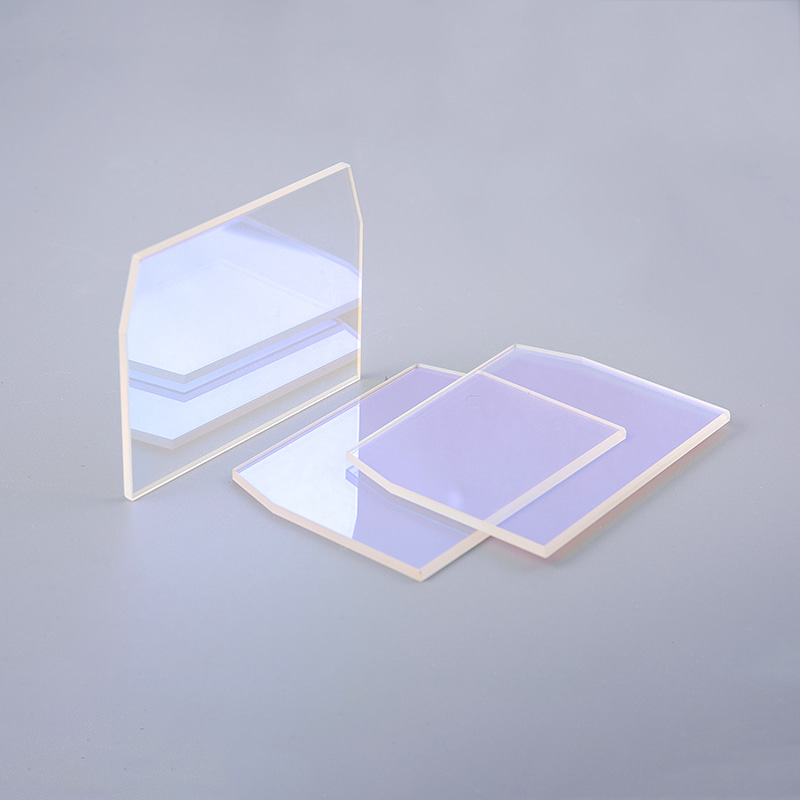
Anti-reflection coatings reduce surface reflection and increase transmission. They can be narrowband, designed for a specific laser wavelength, or broadband, designed for a wide visible or infrared range. The coating design should match the angle of incidence and polarization requirements when necessary.
Protective coatings can improve resistance to scratching, chemicals, moisture, or contamination. Hydrophobic or oleophobic performance may be useful in applications where fingerprints, water, or oil must be managed. Filter coatings can block ultraviolet, visible, infrared, or specific unwanted bands while transmitting the desired wavelength range.
The quality of coating depends on surface preparation, vacuum process control, material selection, thickness monitoring, and post-coating inspection. Coating adhesion and durability must be verified for demanding applications. Poor coating can peel, shift color, absorb too much energy, or fail under humidity and temperature stress. This is why customers should choose a supplier with stable coating capability and reliable inspection methods.
Quality Control and Inspection
Quality control is essential in precision optical manufacturing. It begins before production and continues through every process step. A strong quality system reduces variation, identifies problems early, and ensures that shipped products meet customer specifications.
Incoming material inspection checks whether substrates are suitable for production. In-process inspection monitors dimensions, surface condition, and process stability. Final inspection verifies the finished optical window. Depending on the specification, inspection can include visual evaluation under controlled lighting, scratch-dig inspection, flatness measurement, interferometric testing, coating spectral measurement, thickness measurement, parallelism testing, and environmental reliability checks.
For automotive customers, quality control may also include production part approval processes, control plans, failure mode analysis, traceability, and statistical process control. For semiconductor customers, cleanliness and packaging checks may be emphasized. For laser customers, coating performance and surface defect control may be especially important.
A company with ISO9001:2015, ISO14001:2015, and IATF16949 certifications is better prepared to manage these requirements in a systematic way. The certifications do not replace technical capability, but they provide a framework for consistent management and continuous improvement. Combined with practical manufacturing experience, they strengthen customer confidence.
Customization Capabilities
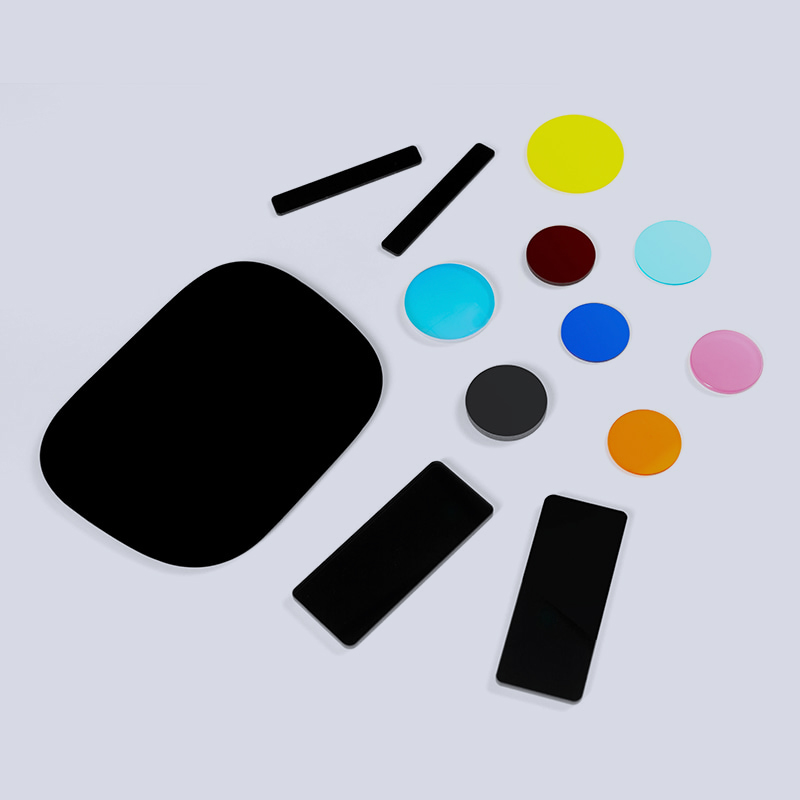
Optical windows are often customized because each system has different optical paths, mechanical structures, and environmental conditions. Customization may include material selection, shape, size, thickness, surface flatness, surface quality, wedge angle, coating type, edge treatment, holes, slots, steps, printing, marking, or special packaging.
Prototype development is often the first stage. Engineers may test several materials or coatings to determine the best solution. Once the design is validated, the manufacturer can optimize the process for stable production. This transition from prototype to mass production is a key capability. A supplier that can make one sample may not always be able to produce thousands of consistent units. A mature optical manufacturer can consider both technical feasibility and production repeatability from the beginning.
For customers developing new optical systems, early communication is valuable. Sharing operating wavelength, required transmission, environmental conditions, mounting method, target cost, and expected annual quantity helps the manufacturer recommend a practical solution. This cooperative approach can shorten development time and reduce redesign costs.
Reliability in Real-World Use
A high-quality optical window must perform not only in laboratory inspection but also in real operating conditions. Reliability depends on the interaction of material, geometry, coating, assembly method, and environment. Temperature cycling can create stress because different materials expand at different rates. Humidity can challenge coating adhesion. Vibration can loosen or damage mounted components. Chemical exposure can affect surfaces or coatings. High optical power can cause heating or coating damage.
Professional design and manufacturing reduce these risks. Proper material selection limits thermal and chemical problems. Good polishing reduces surface defects that could become failure points. Edge treatment reduces chipping. Reliable coating processes improve durability. Clean packaging protects the product before assembly. Quality documentation helps trace and resolve issues if they occur.
For industries such as automotive, semiconductor equipment, industrial lasers, and medical instruments, reliability is not merely a preference. It directly affects safety, production uptime, maintenance cost, and brand reputation. Choosing a precision optical window from a capable manufacturer can therefore create long-term value beyond the initial purchase price.
Why Supplier Selection Matters
Optical windows may look simple, but supplier selection has a major impact on final system performance. A low-cost supplier may offer attractive pricing but lack the ability to control optical specifications, maintain coating consistency, or support engineering changes. If windows arrive with inconsistent flatness, scratches, coating stains, dimensional drift, or contamination, the customer may face assembly delays, product failures, and hidden costs.
A capable supplier provides stable process control, technical communication, documented quality, and reliable delivery. Changzhou Haolilai Photo-Electricity Scientific and Technical Co., Ltd. combines more than two decades of optical manufacturing experience with certified management systems and broad product capabilities. Its production of optical windows is supported by knowledge gained from manufacturing other precision components such as optical flat mirrors, wafers, automotive interior glass structural components, optical prisms, optical spherical mirrors, and optical lenses.
This integrated capability is useful for customers who need a long-term optical partner rather than a one-time parts vendor. It enables discussion of system-level requirements and supports continuous improvement across product generations. In competitive markets where optical performance, durability, and cost must all be optimized, supplier expertise can become a strategic advantage.
Q&A: Common Questions About Precision Optical Windows
What is the main purpose of an optical window?
An optical window protects an optical system while allowing light to pass through. It separates environments, blocks dust or moisture, protects sensitive components, and maintains optical access for cameras, lasers, sensors, detectors, or instruments.
How is an optical window different from ordinary glass?
Ordinary glass may only meet basic transparency and size requirements. A precision optical window is controlled for optical material quality, surface flatness, surface defects, parallelism, coating performance, cleanliness, and dimensional accuracy. These factors are essential for imaging, laser, semiconductor, and sensing applications.
Why is surface flatness important?
Surface flatness affects transmitted wavefront quality. If the surface is not sufficiently flat, it can distort a laser beam or reduce image quality. Precision systems often require carefully polished surfaces to maintain optical performance.
When should anti-reflection coating be used?
Anti-reflection coating should be used when higher transmission, lower glare, reduced ghost reflection, or better laser efficiency is required. It is especially useful in cameras, sensors, laser systems, displays, and measurement instruments.
Can optical windows be customized?
Yes. Optical windows can be customized by material, shape, size, thickness, coating, flatness, surface quality, edge treatment, wedge angle, holes, steps, and packaging. Customization helps match the window to the exact requirements of the system.
What industries commonly use precision optical windows?
Common industries include laser equipment, automotive sensing, semiconductor equipment, machine vision, consumer electronics, medical instruments, scientific research, security systems, industrial automation, and optical measurement.
Why is IATF16949 certification important for automotive optical windows?
IATF16949 indicates that the manufacturer follows automotive quality management requirements. It supports process control, traceability, risk management, and production consistency, which are important for vehicle optical systems.
What makes a manufacturer competitive in optical window production?
A competitive manufacturer combines material expertise, precision polishing, reliable coating, strict inspection, certified quality systems, engineering support, production scale, and long-term experience. These capabilities help ensure stable performance and dependable supply.
Conclusion
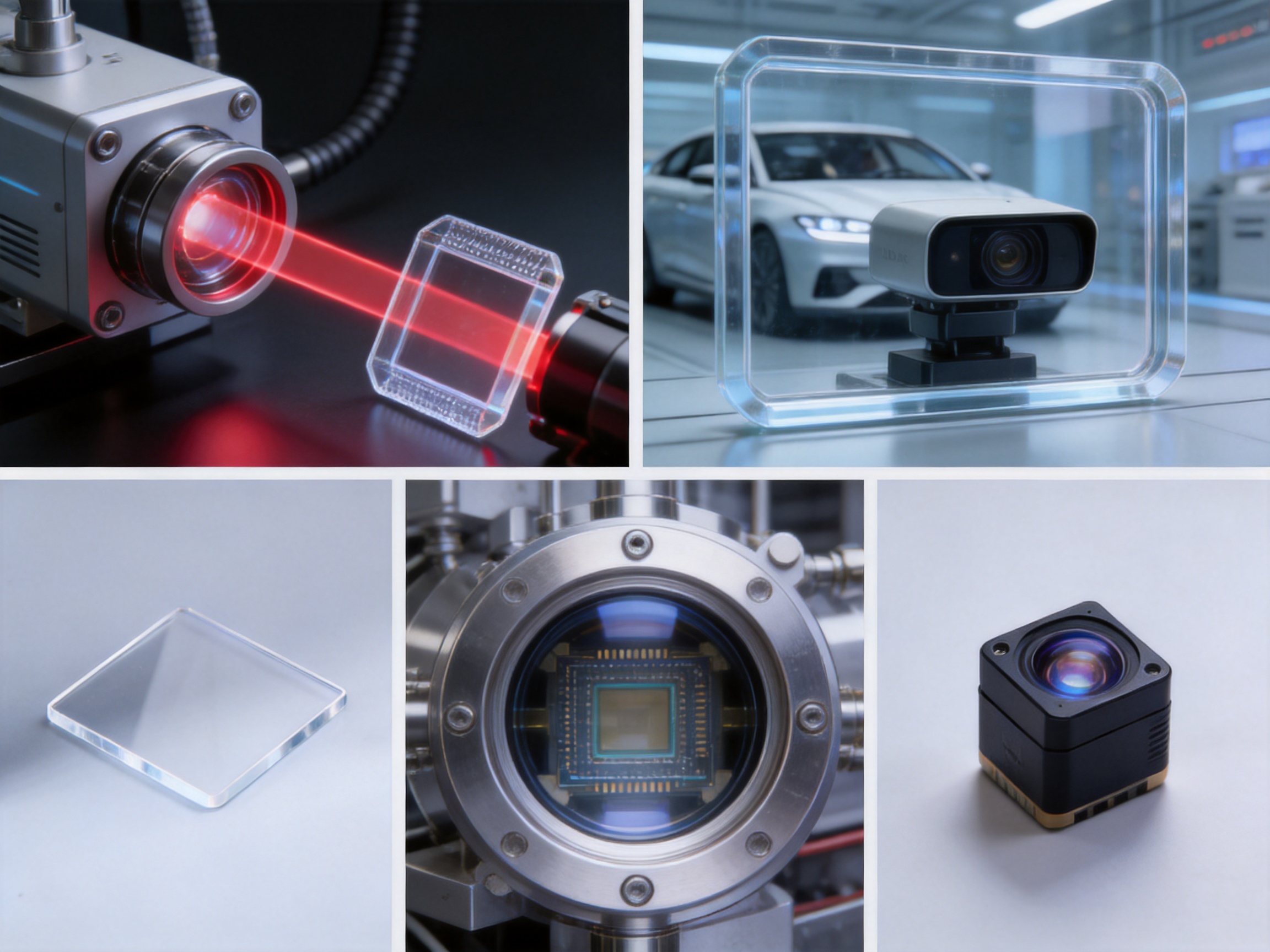
A precision optical window is much more than a transparent cover. It is a functional optical component that protects sensitive systems, preserves beam quality, improves transmission, reduces reflection, and supports long-term reliability. In laser optics, it helps maintain energy efficiency and beam stability. In automotive optics, it supports sensing, display, and interior monitoring systems under demanding environmental conditions. In semiconductor optics, it contributes to cleanliness, process isolation, and measurement accuracy. In consumer and industrial devices, it improves durability and consistent optical performance.
The advantages of a high-quality optical window come from the combination of suitable material, accurate processing, controlled polishing, reliable coating, careful cleaning, strict inspection, and professional packaging. These qualities cannot be guaranteed by ordinary glass processing alone. They require optical manufacturing expertise and mature quality systems.
Changzhou Haolilai Photo-Electricity Scientific and Technical Co., Ltd. offers important strengths in this field, including long manufacturing history, certified management systems, advanced technical centers, patent-supported development, experienced staff, broad optical component capability, and international supply experience. For customers seeking reliable optical windows for demanding applications, these strengths provide confidence in performance, consistency, and long-term cooperation.
As optical systems continue to expand in vehicles, factories, laboratories, semiconductor facilities, medical devices, and consumer products, the demand for precision optical windows will continue to grow. Selecting the right optical window and the right manufacturing partner can improve system reliability, reduce hidden costs, and create measurable performance advantages in competitive markets.
References
Hecht, Eugene. Optics. Pearson Education.
Smith, Warren J. Modern Optical Engineering. McGraw-Hill Education.
Malacara, Daniel. Optical Shop Testing. Wiley.
ISO 10110. Optics and Photonics: Preparation of Drawings for Optical Elements and Systems.
ISO 9001:2015. Quality Management Systems Requirements.
IATF 16949. Quality Management System Requirements for Automotive Production and Relevant Service Parts Organizations.
Handbook of Optical Materials. CRC Press.
MacLeod, H. Angus. Thin-Film Optical Filters. CRC Press.


 苏公网安备32041102000130号