
 Search
 en
en English
 日本語
日本語 русский
 Español
 Deutsch
 中文简体
中文简体Content
- 1 Understanding the Optical Window
- 2 Core Performance Requirements
- 3 Material Selection for Optical Windows
- 4 Advanced Manufacturing Process
- 5 Manufacturing Strengths and Quality Organization
- 6 Advantages Compared with General Optical Suppliers
- 7 Applications of Precision Optical Windows
- 8 Product Specification Considerations
- 9 Cost, Quality, and Total Value
- 10 Inspection and Reliability Practices
- 11 Design Recommendations for Better Performance
- 12 Why Partner with an Experienced Optical Component Manufacturer
- 13 Project Development and Supplier Evaluation
- 14 Environmental and Organizational Responsibility
- 15 Frequently Asked Questions
- 15.1 What is the main purpose of an optical window?
- 15.2 How is an optical window different from ordinary glass?
- 15.3 Which material is best for an optical window?
- 15.4 Does every optical window need an anti-reflection coating?
- 15.5 Why are flatness and parallelism important?
- 15.6 What information should be included in a quotation request?
- 15.7 Can optical windows be customized?
- 15.8 How does automotive experience benefit optical window production?
- 15.9 Are optical windows suitable for laser systems?
- 15.10 Why is packaging important for optical components?
- 15.11 What certifications are relevant when selecting a supplier?
- 15.12 Can one manufacturer support both prototypes and mass production?
- 16 Conclusion
- 17 References
- 18 Product: Optical Window
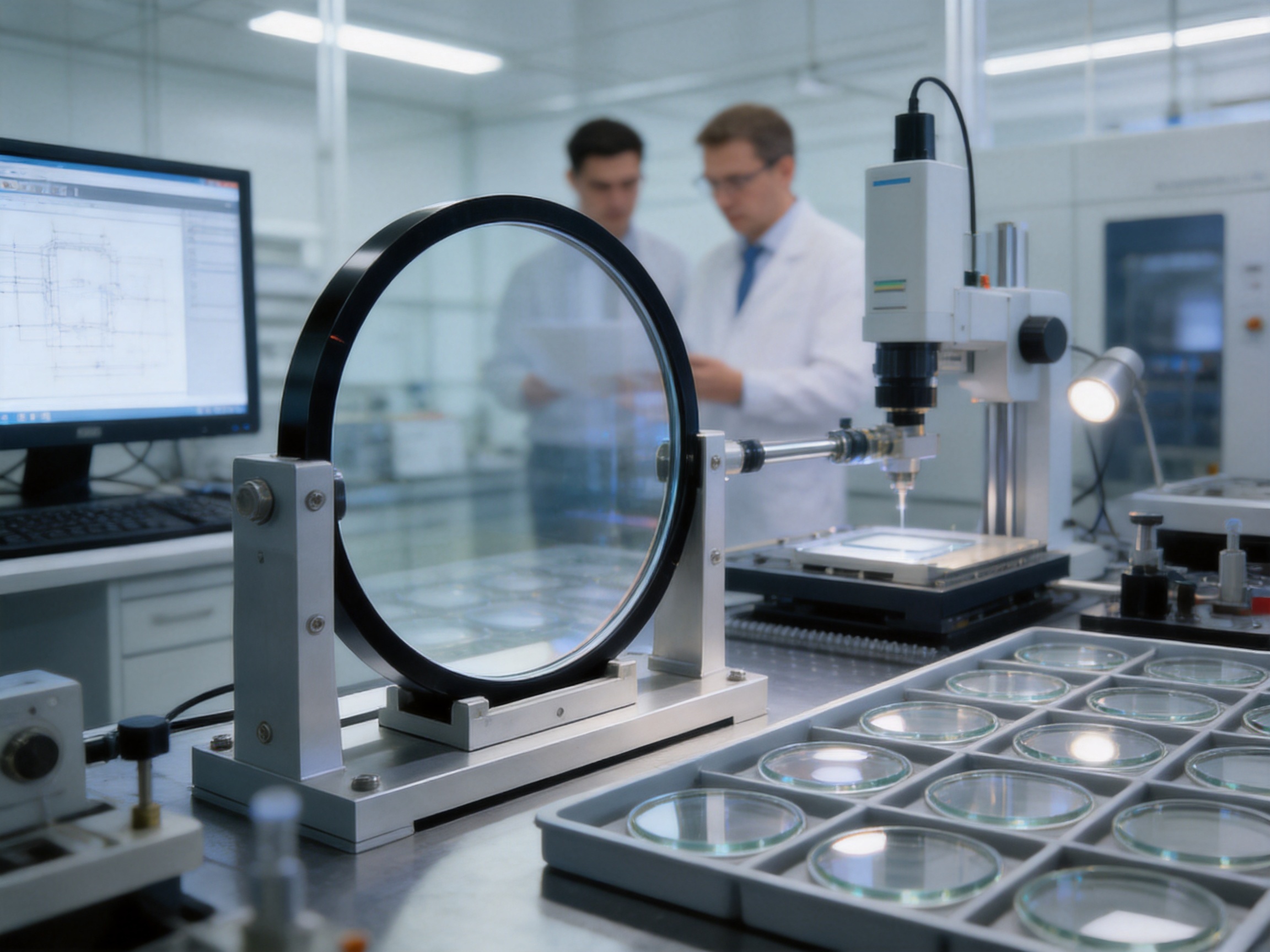
Optical windows are among the most fundamental components in precision optical systems. Although their geometry appears simple, a high-performance optical window must satisfy demanding requirements for surface quality, dimensional stability, transmission, environmental durability, cleanliness, and long-term reliability. It may serve as a protective barrier between a sensitive optical assembly and the outside environment, a transparent interface in a sensor, a laser-system enclosure, or a mechanically stable element within a demanding imaging instrument. In each case, the quality of the window can directly influence image clarity, laser performance, measurement accuracy, and system service life.
Changzhou Haolilai Photo-Electricity Scientific and Technical Co., Ltd., commonly known as HLL, is a precision optical component manufacturer established in 1998 in Changzhou, Jiangsu, China. The company develops and produces optical components for laser optics, automotive optics, semiconductor optics, and consumer optics. Its optical window product is supported by a manufacturing organization with an approximately 35,000-square-meter production area, more than 300 employees, an experienced technical team, and quality-management certifications that include ISO9001:2015, ISO14001:2015, and IATF16949.
This article explains the construction, performance characteristics, manufacturing process, application value, and purchasing considerations associated with precision optical windows. It also examines why a specialized manufacturer with optical engineering capabilities, automotive quality experience, and controlled production processes can offer advantages over general glass processors or low-cost component suppliers.
Understanding the Optical Window
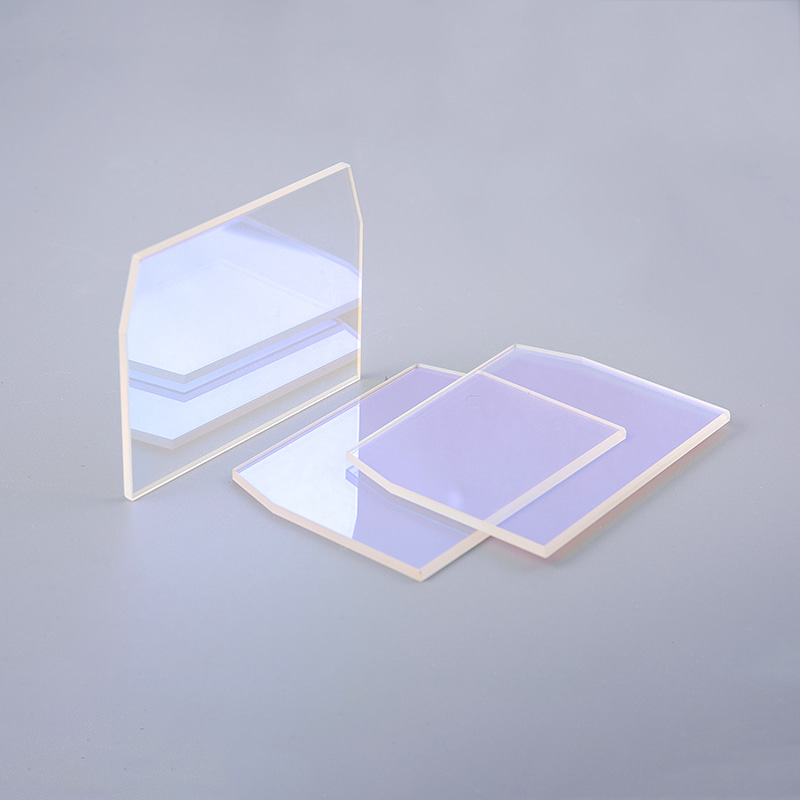
An optical window is a transparent or partially transparent flat component designed to transmit light while protecting an optical path or separating two environments. In its simplest form, it consists of two parallel surfaces. However, the engineering requirements can be considerably more complex. The window may need to withstand pressure, temperature variation, vibration, humidity, cleaning chemicals, laser energy, airborne particles, or repeated assembly and disassembly.
Unlike a conventional architectural glass panel, a precision optical window is manufactured with controlled optical and mechanical properties. Its two surfaces must be sufficiently flat and parallel to avoid unwanted beam deviation, image distortion, astigmatism, or multiple reflections. The edges may require controlled chamfers, radii, or special profiles to prevent chipping and to ensure safe assembly. In many systems, the component must also be supplied with a coating selected for a particular wavelength range, angle of incidence, polarization condition, or environmental exposure.
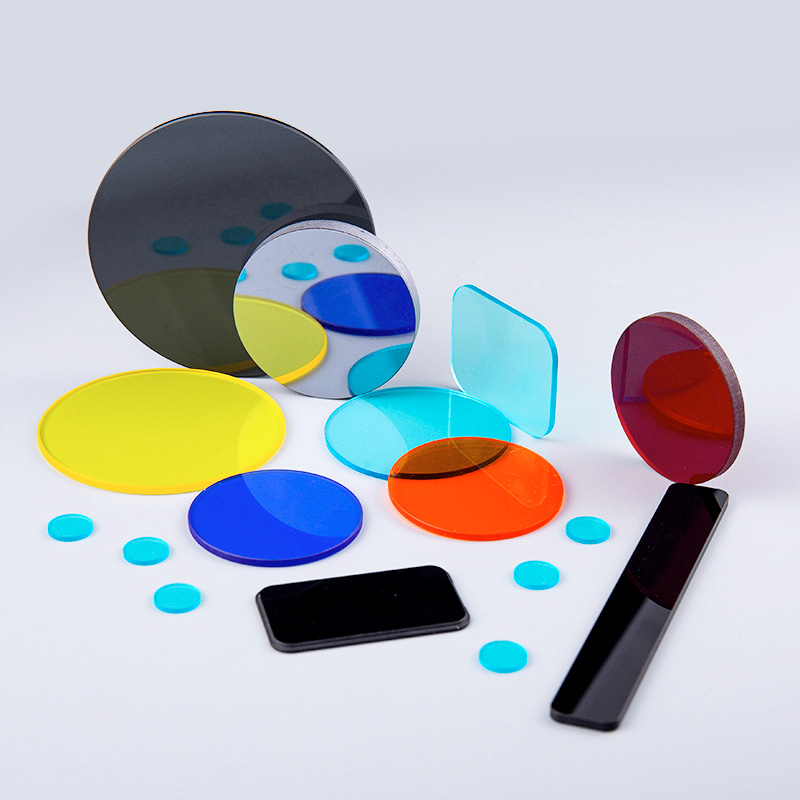
Optical windows can be produced from a wide range of materials. Common choices include optical glass, fused silica, quartz, sapphire, borosilicate glass, and other transparent engineered materials. The selection depends on the required spectral transmission, thermal behavior, hardness, chemical resistance, coefficient of thermal expansion, and budget. A reliable manufacturer must therefore be capable of matching material selection to the complete application rather than treating every window as a standard glass part.
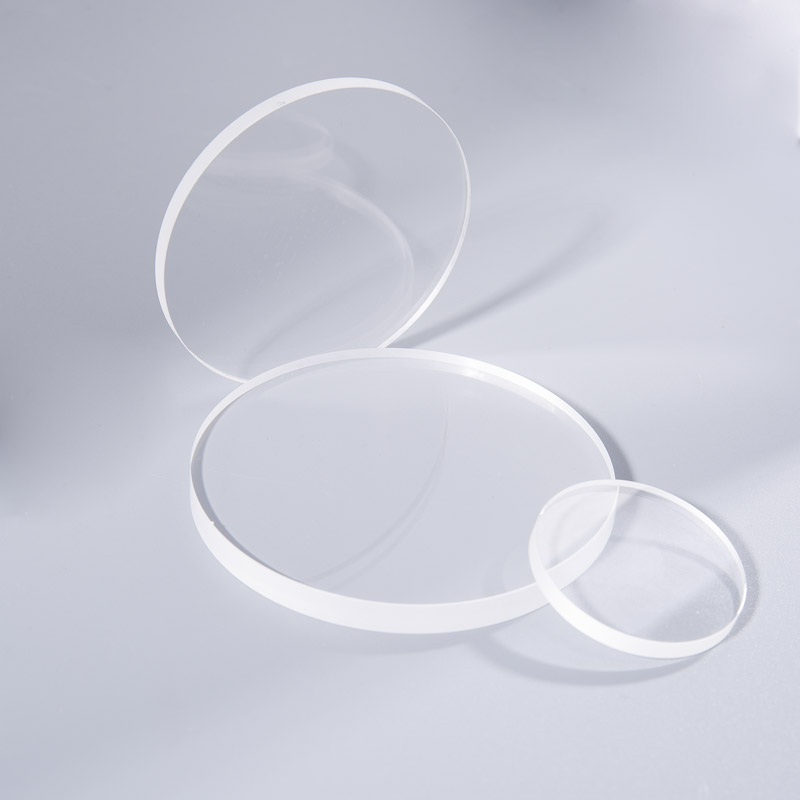
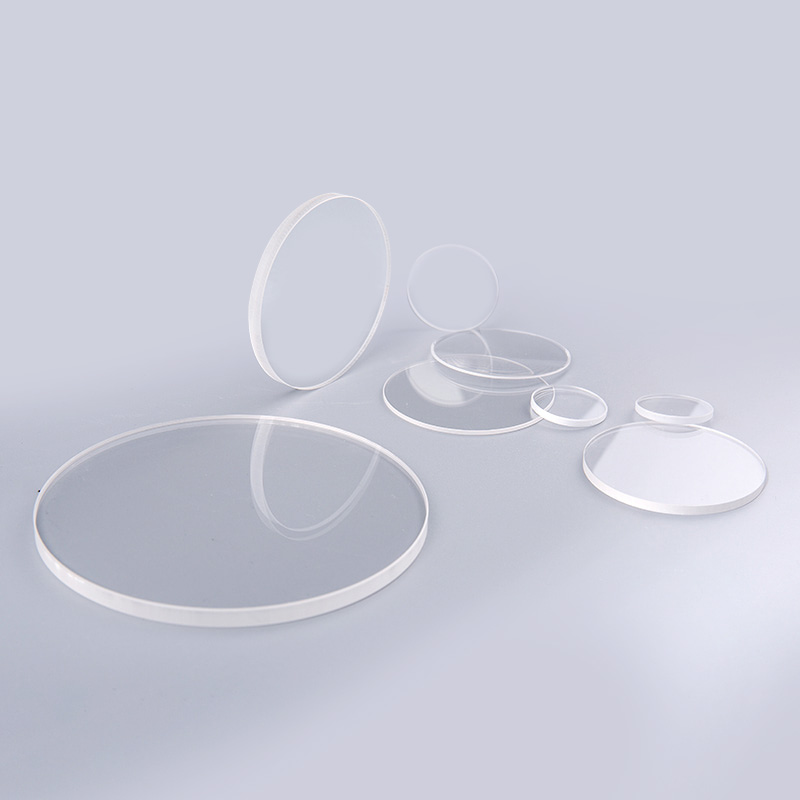
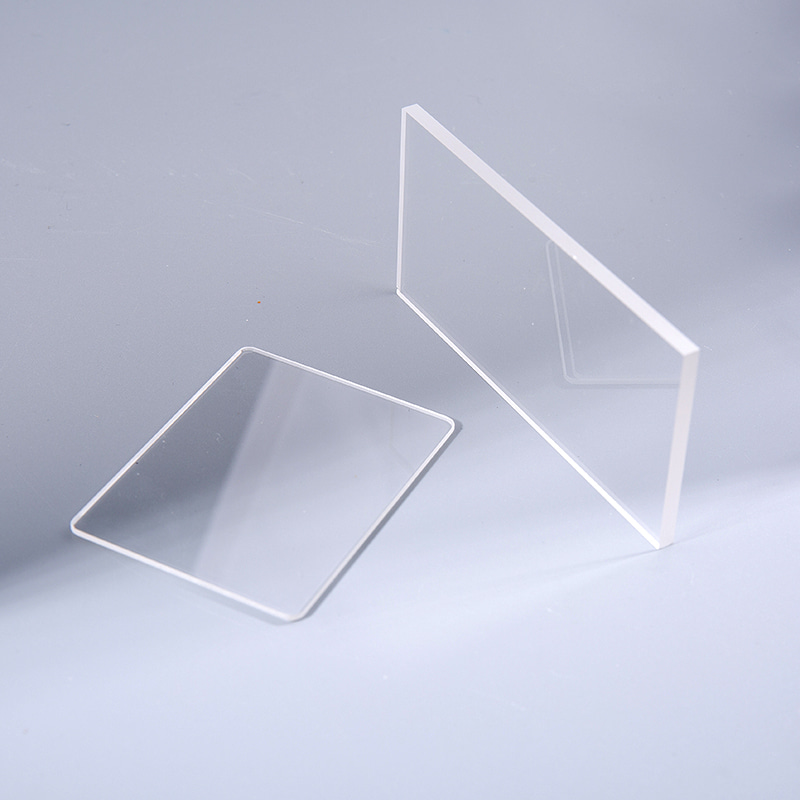
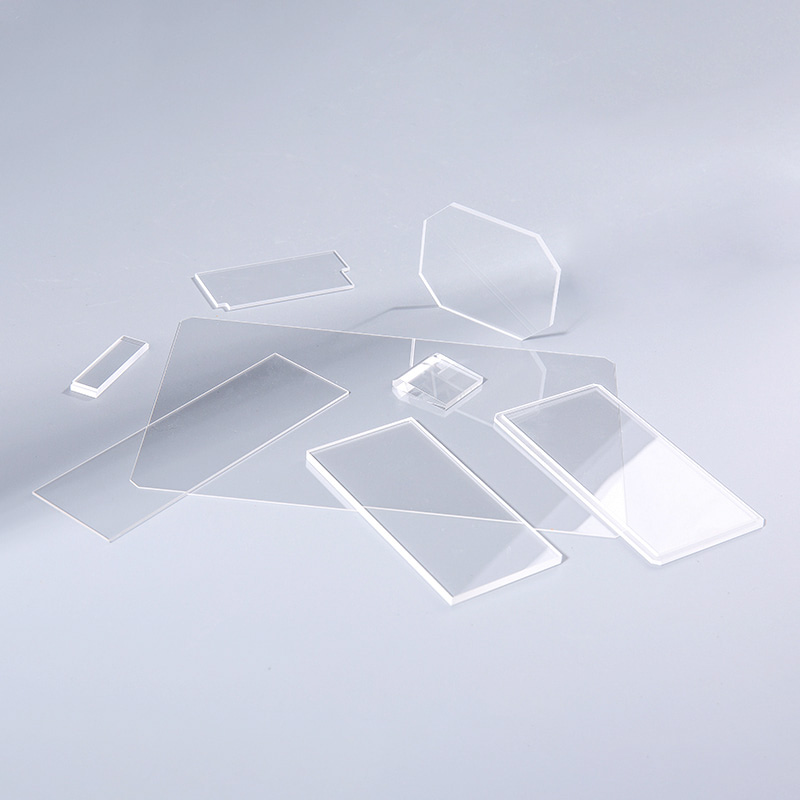
The product can be manufactured as a round disc, rectangular plate, square window, custom polygon, or application-specific shape. Diameter, length, width, thickness, corner geometry, edge treatment, and mounting features can all influence production planning. The ideal design is not only optically effective but also practical to manufacture, inspect, clean, package, and integrate.
Core Performance Requirements
Optical Transmission
The primary function of an optical window is to transmit the required wavelength range with minimal loss. Transmission performance depends on the substrate, surface reflection, coating design, absorption, scattering, and contamination. A window intended for visible imaging may require high transmission across the visible spectrum, while a laser application may require optimized transmission at one wavelength or a narrow band. Infrared systems may require a material that remains transparent beyond the visible range.
Transmission is not simply a material property. Surface condition and coating uniformity are equally important. Microscopic scratches, pits, haze, residue, or coating defects can scatter light and reduce system contrast. In a laser path, even small defects may create hot spots, localized absorption, or damage initiation. Consistent cleaning and inspection are therefore essential parts of manufacturing rather than optional finishing steps.
Surface Flatness
Surface flatness describes how closely an optical surface conforms to a reference plane. For a window, flatness is important because deviations can change the phase of transmitted light. In imaging systems, poor flatness can reduce resolution or create localized distortion. In laser systems, it can affect beam quality and wavefront control. In metrology equipment, surface irregularity may introduce measurement error.
The required flatness depends on the application and wavelength. A basic protective window may accept a less demanding specification than a high-energy laser window or an interferometric component. A specialized manufacturer can select suitable grinding, lapping, polishing, and inspection methods according to the performance target instead of applying one process to every product.
Parallelism and Beam Deviation
Parallelism is the angular relationship between the two primary surfaces. If the surfaces are not sufficiently parallel, a transmitted beam can experience angular deviation. This may be acceptable in some protective applications but unacceptable in precision imaging or laser alignment systems.
Thickness variation and wedge are closely associated with parallelism. A window with a controlled wedge may be intentionally used in certain applications to prevent interference fringes, but most protective windows require a carefully controlled relationship between the front and rear surfaces. The correct specification must therefore be determined from the optical design, mounting arrangement, and system tolerance budget.
Surface Quality
Surface quality is commonly evaluated through scratch and dig criteria or equivalent inspection standards. Scratches are elongated surface imperfections, while digs are localized pits or blemishes. The required level depends on the optical path and the sensitivity of the system. A window positioned near a detector or laser focus may require much stricter quality than a window located far from the active optical region.
High surface quality improves transmission consistency and reduces scattering. It also supports reliable coating adhesion and makes the component easier to clean. A controlled polishing process, followed by appropriate inspection under defined lighting conditions, helps reduce variation between production lots.
Dimensional Accuracy
Dimensional accuracy affects whether the window can be installed correctly and remain stable during operation. Thickness, diameter, length, width, corner radius, hole position, edge chamfer, and overall profile may all be critical. If the component is too large, it may be difficult to insert or may experience excessive stress. If it is too small, the sealing or retaining structure may fail to hold it securely.
Precision dimensions are especially important in automotive optical systems, semiconductor equipment, and compact consumer devices, where the optical component must fit a limited space and maintain a consistent position relative to other components. A capable supplier should be able to coordinate optical, mechanical, and coating requirements within one production plan.
Environmental Stability
Optical windows can be exposed to temperature cycling, humidity, vibration, dust, chemical vapors, cleaning agents, and solar radiation. The selected substrate and coating must remain stable throughout the intended operating environment. Thermal expansion mismatch between the window, coating, adhesive, and housing can cause stress, deformation, or delamination.
Automotive applications are particularly demanding because components may experience rapid temperature changes, vibration, shock, moisture, and long service intervals. Semiconductor equipment may require high cleanliness and resistance to process-related contamination. Laser systems may require resistance to high optical power and repeated thermal loading. These differences demonstrate why application-specific engineering is more valuable than a one-size-fits-all product.
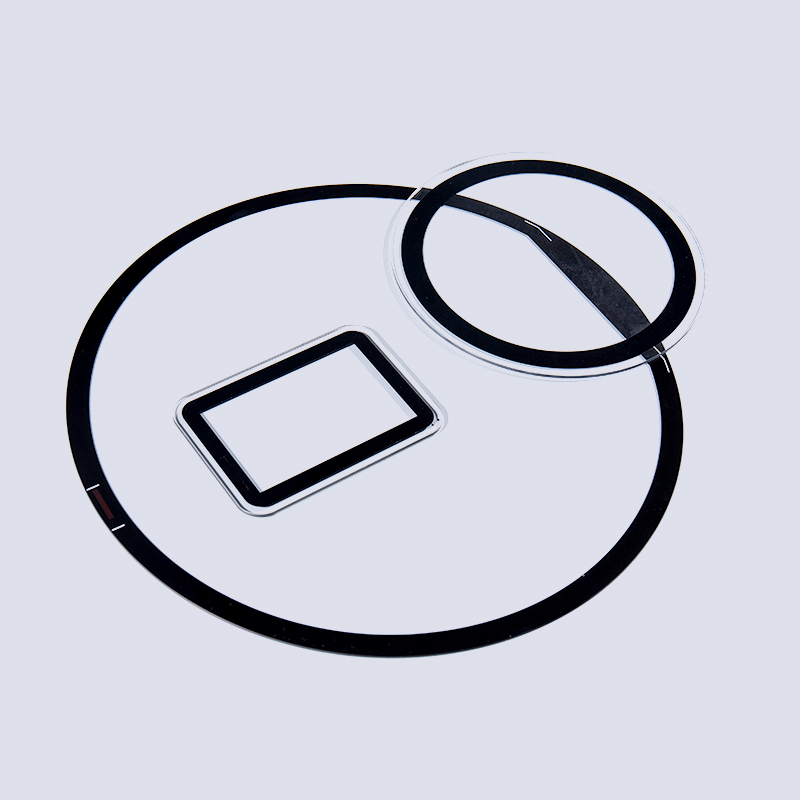
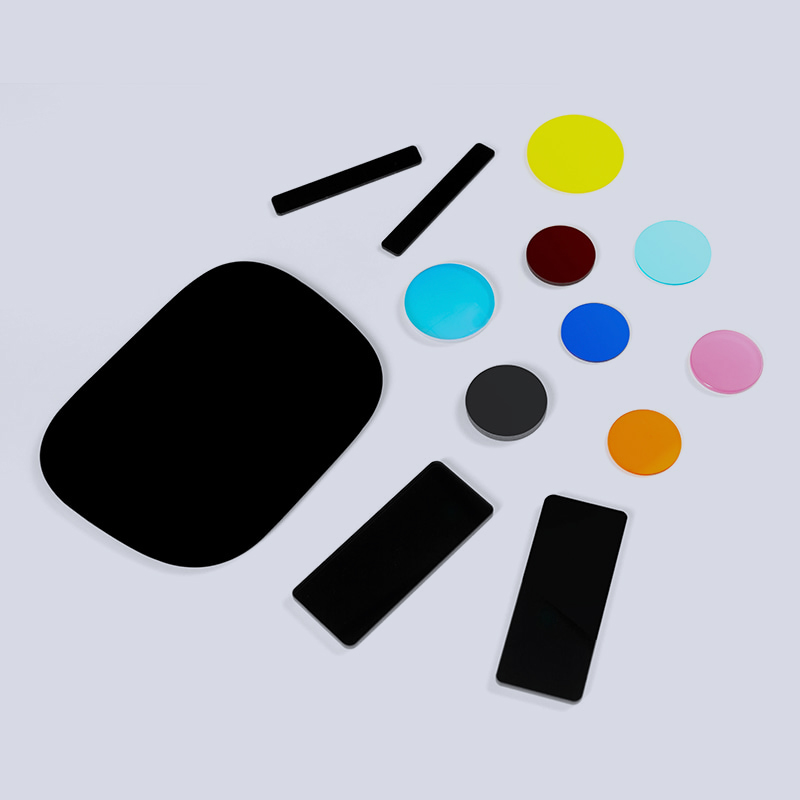
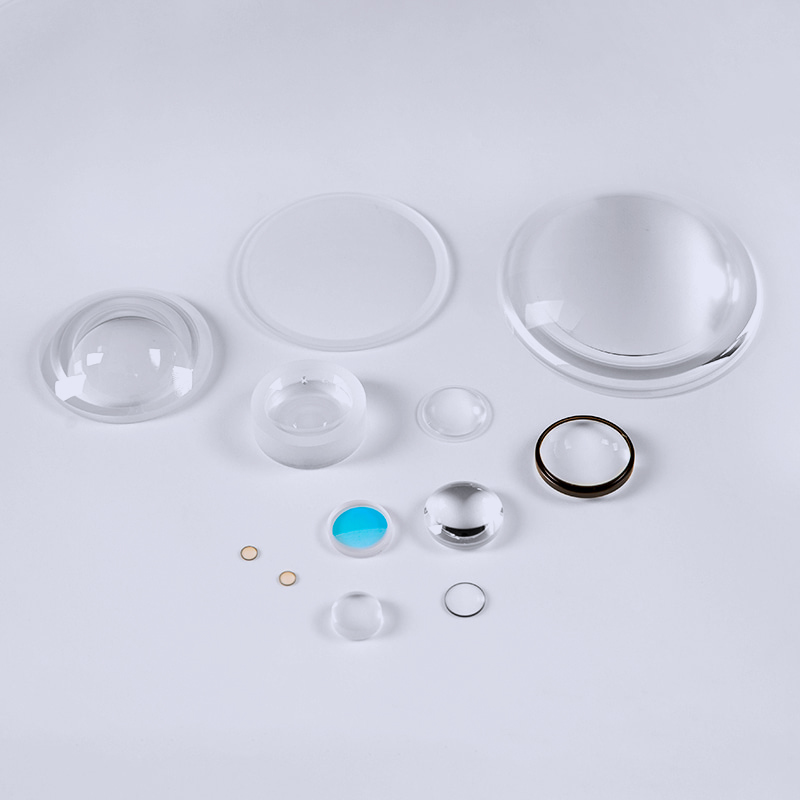
Optical Window
Material Selection for Optical Windows
Optical Glass
Optical glass is widely used when good visible transmission, stable forming behavior, and balanced cost are required. It can be selected in different grades according to refractive index, dispersion, chemical durability, and thermal properties. Optical glass is suitable for many imaging, illumination, sensing, and protective applications.
Its advantages include broad availability, established processing methods, and compatibility with a wide range of optical coatings. The exact material should be selected according to wavelength, environmental exposure, and mechanical requirements. A supplier with experience across different optical component categories can help the customer avoid selecting a material that performs well in a laboratory but poorly in the final product.
Fused Silica and Quartz
Fused silica and quartz are valued for excellent ultraviolet transmission, low thermal expansion, and good thermal stability. These properties make them useful in laser systems, ultraviolet instruments, semiconductor equipment, and applications involving rapid temperature changes.
Processing fused silica can require specialized grinding, polishing, cleaning, and inspection techniques. Surface defects and contamination may be particularly important in ultraviolet and high-energy laser applications. Proper handling and packaging are also necessary because the final performance can be compromised by fingerprints, particles, or residues even when the substrate itself is excellent.
Sapphire
Sapphire offers high hardness, excellent scratch resistance, and strong resistance to many forms of mechanical wear. It can be considered for protective windows exposed to abrasion, impact, or harsh environments. It is also useful where a combination of optical transmission and mechanical durability is required.
However, sapphire is more difficult to process than many conventional optical glasses. Cutting, grinding, polishing, edge finishing, and coating must be carefully controlled. The material may also have application-specific transmission limitations, so the wavelength range and optical design must be reviewed before selection.
Borosilicate and Other Technical Glasses
Borosilicate glass is often considered when thermal shock resistance, chemical durability, and cost balance are important. Other technical glasses may be selected for specific infrared, ultraviolet, mechanical, or environmental requirements. The best choice depends on the combination of optical path, operating temperature, mechanical loading, environmental exposure, and required service life.
A precision component manufacturer should not evaluate material solely by purchase price. A lower-cost substrate may increase coating complexity, require tighter processing control, or produce a higher rejection rate. Conversely, a more specialized material may reduce system risk and improve long-term reliability. Total product value includes manufacturing yield, inspection effort, assembly compatibility, and field performance.
Advanced Manufacturing Process
The production of a precision optical window begins long before polishing. It starts with technical review, material verification, drawing analysis, and process planning. Each stage influences the next, and stable production depends on controlling the complete chain rather than relying on final inspection alone.
1. Technical Review and Process Planning
The manufacturer first reviews the customer drawing, optical requirements, mechanical dimensions, environmental conditions, coating requirements, packaging needs, and inspection criteria. Important questions include the operating wavelength, angle of incidence, acceptable transmission loss, required flatness, parallelism, surface quality, edge geometry, temperature range, and mounting method.
Process planning converts these requirements into a manufacturing route. The route may include material preparation, cutting, edging, grinding, lapping, polishing, cleaning, coating, inspection, and packaging. The order and control limits for each operation should be selected according to the material and final specification.
Early technical review can identify design risks before production begins. For example, a very thin window may be vulnerable to deformation during handling, while an aggressive edge profile may increase chipping risk. A coating specification may also need to be adjusted to account for the angle and polarization used in the final assembly. Solving these issues during engineering review can reduce delays and improve production consistency.
2. Material Inspection and Preparation
Raw material must be checked for grade, dimensions, internal inclusions, bubbles, striae, stress, and other characteristics relevant to the application. Material traceability helps connect the finished product to its source and supports quality investigation if an issue occurs later.
The material is then prepared for the required shape and size. Cutting parameters must be selected to limit edge damage and avoid unnecessary internal stress. For larger or thinner parts, support methods and handling procedures become especially important. A stable preparation stage creates a better foundation for subsequent grinding and polishing.
3. Shaping, Edging, and Edge Treatment
Optical windows may require circular edging, rectangular sizing, corner machining, holes, slots, or other custom features. Dimensional accuracy at this stage determines whether the part can move smoothly through later processes and ultimately fit the customer’s housing.
Edge treatment is more than a cosmetic detail. A controlled chamfer or radius reduces the risk of chipping during assembly and improves handling safety. It can also reduce stress concentration at the edge. For windows installed with seals, adhesives, clips, or mechanical retainers, the edge geometry must be compatible with the mounting method.
4. Grinding and Lapping
Grinding removes material and establishes the basic geometry. Lapping refines the surfaces and improves flatness, thickness uniformity, and parallelism. These operations require controlled abrasives, appropriate pressure, stable fixtures, and careful monitoring of surface condition.
Excessive mechanical force may create subsurface damage or deformation. Insufficient removal may leave defects that become visible only after polishing. The process must therefore balance material removal rate with surface integrity. Different materials require different abrasive selections and process parameters, and the same method cannot be assumed to produce the best result for every substrate.
5. Polishing
Polishing produces the transparent, low-scatter surface required for precision optical use. It reduces fine grinding marks and improves surface quality and flatness. The polishing process may use conventional techniques or more advanced controlled methods depending on the window’s size, shape, material, and specification.
Uniform pressure distribution is important because uneven polishing can create localized irregularity. Temperature control, slurry management, tool condition, and cleaning between stages also affect results. A stable polishing process supports repeatable performance across batches and reduces the need for extensive rework.
6. Cleaning
After polishing, the window must be cleaned to remove abrasive residue, polishing compound, oils, particles, and handling contamination. Cleaning may involve multiple stages and must be compatible with both the substrate and the planned coating.
Cleanliness is especially important for laser and semiconductor applications. A small particle can create an optical defect or interfere with coating adhesion. Clean handling, controlled work areas, suitable protective materials, and trained operators all contribute to the final condition of the component.
7. Optical Coating
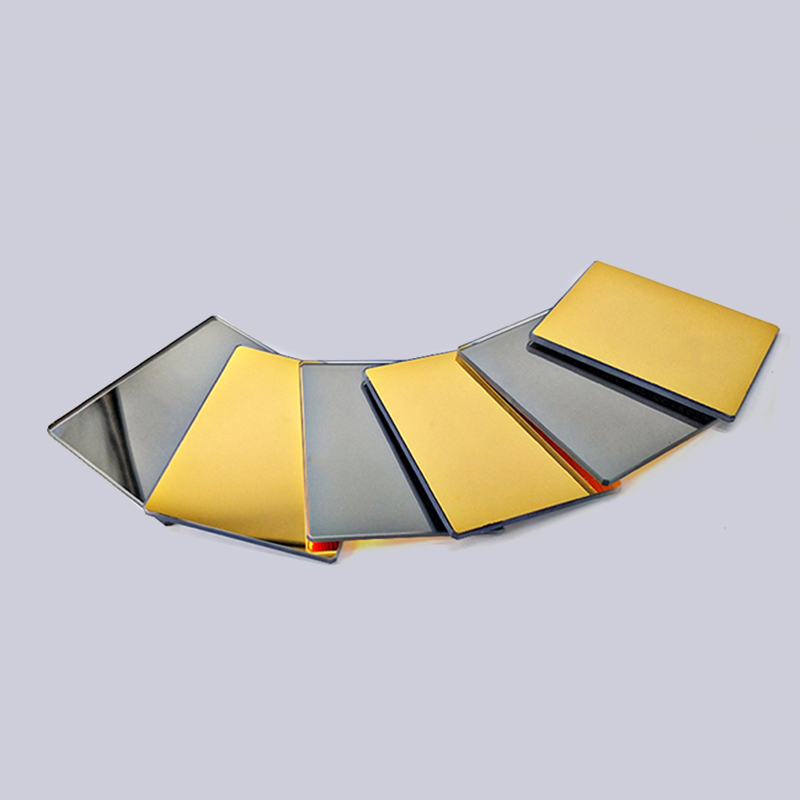
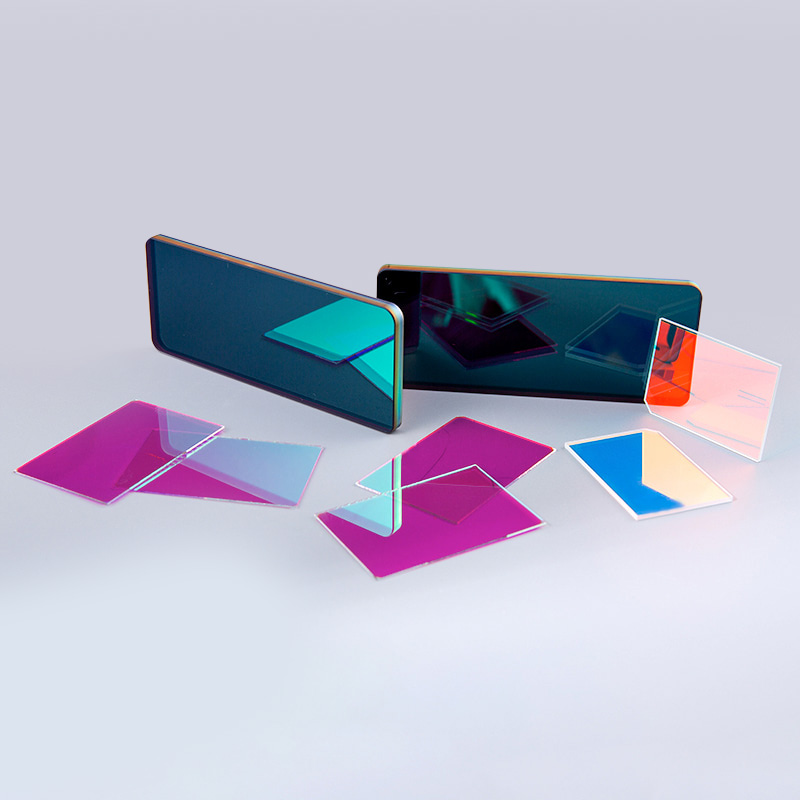
Uncoated optical windows naturally reflect a portion of incident light at each air-to-glass interface. Anti-reflection coatings can reduce reflection and increase transmission. Other coatings may provide high reflection, wavelength selectivity, environmental protection, or specialized spectral behavior.
Coating design must be matched to wavelength, incidence angle, polarization, substrate, temperature range, humidity, and laser power. A coating that performs well at normal incidence may behave differently at an oblique angle. Similarly, a coating designed for visible imaging may not be suitable for ultraviolet or infrared use.
Coating uniformity across the usable aperture is important. Variations in thickness can cause transmission nonuniformity or shift the spectral response. Adhesion and environmental durability must also be assessed according to the application. The value of an optical window is therefore determined not only by its polished substrate but by the integration of substrate preparation, coating technology, and inspection.
8. Final Inspection and Packaging
Final inspection may include dimensional measurement, thickness measurement, flatness evaluation, parallelism or wedge measurement, surface-quality inspection, transmission testing, coating inspection, and cleanliness verification. The exact inspection plan should correspond to the customer specification and the intended use.
Packaging protects the optical window from scratches, particles, moisture, and mechanical shock during storage and transportation. Each part may require protective film, tissue, a dedicated holder, sealed packaging, or a custom tray. Poor packaging can undo the value of a carefully controlled manufacturing process, so packaging should be treated as part of product quality.
Manufacturing Strengths and Quality Organization
A major advantage of an experienced optical component manufacturer is the ability to coordinate multiple technical disciplines. Optical design considerations, material behavior, mechanical dimensions, coating requirements, quality inspection, and customer logistics must work together. HLL’s long operating history since 1998 provides a foundation for process experience in precision optical manufacturing.
The company operates in a national-level High-tech Development District in Changzhou, Jiangsu, and covers approximately 35,000 square meters. Its technical organization includes the Jiangsu Precision Optical Lens Engineering Technology Center and the Jiangsu Enterprise Technology Research Center. These engineering resources support product development, process improvement, and technical problem solving.
HLL has also obtained multiple invention patents, utility model patents, and Jiangsu High and New Tech Products. Such technical achievements indicate an emphasis on process development and engineering capability rather than dependence solely on commodity production. For customers with customized optical window requirements, this can be important because the supplier may need to create a process solution rather than simply select an item from a catalog.
ISO9001:2015 certification reflects the presence of a structured quality-management framework. ISO14001:2015 addresses environmental management, while IATF16949 is associated with the demanding quality expectations of the automotive supply chain. These certifications do not replace product-specific validation, but they provide evidence that documented procedures, corrective-action systems, process controls, and continual improvement are integrated into the organization.
The company has more than 300 employees and exports to more than 20 countries. International supply experience can help with communication, documentation, packaging, production scheduling, and customer qualification. More than 30 certificates and patents further demonstrate a broad organizational investment in quality and technical development.
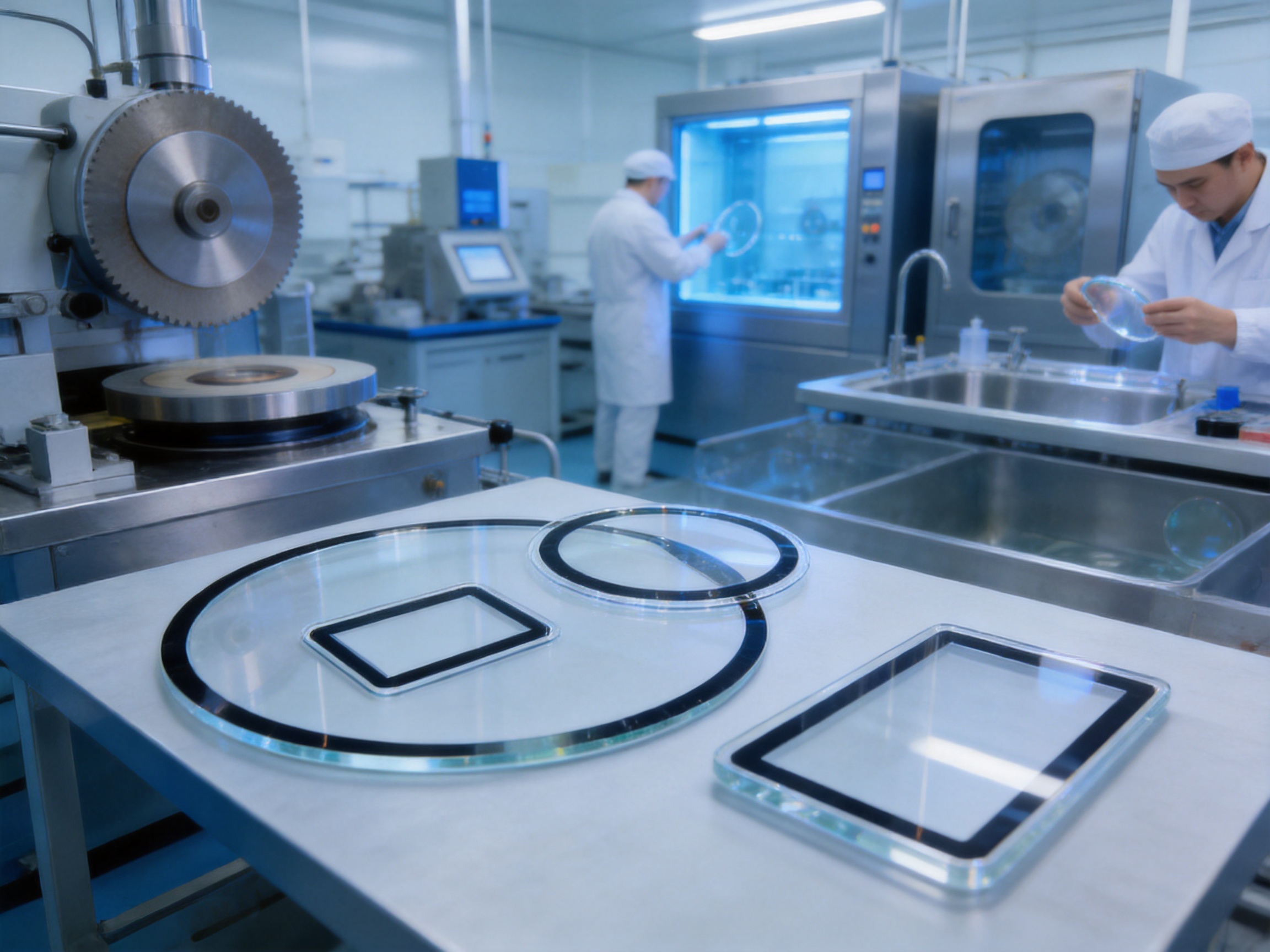
Advantages Compared with General Optical Suppliers
Application-Specific Engineering
General glass processors may be able to cut and polish transparent material, but precision optical applications often require more than basic fabrication. The supplier must understand how flatness, parallelism, surface quality, coating behavior, and mounting stress affect system performance. An optical component manufacturer with experience in laser, automotive, semiconductor, and consumer applications is better positioned to evaluate these interactions.
Application-specific engineering is particularly valuable when the customer has a custom drawing, a new product platform, or a difficult environment. Instead of offering an unsuitable standard component, the manufacturer can help define material, thickness, edge treatment, coating, inspection, and packaging requirements.
Integrated Production Capability
When shaping, polishing, cleaning, coating coordination, inspection, and packaging are managed within an integrated production organization, communication losses can be reduced. A change to the edge geometry can be reviewed alongside polishing fixtures. A coating requirement can be assessed together with substrate cleanliness. A dimensional issue can be investigated through the complete process route.
This integrated approach can be more efficient than coordinating several unrelated suppliers. It also makes it easier to establish traceability and assign responsibility for corrective actions.
Automotive Quality Experience
Automotive optical components are expected to perform under vibration, temperature cycling, humidity, contamination, and long service periods. IATF16949 certification and experience in automotive optics can help establish a stronger mindset around process capability, variation reduction, traceability, change management, and preventive quality control.
Even customers outside the automotive sector can benefit from these practices. Consumer optical devices, industrial sensors, and laser systems also require stable quality and dependable delivery. Automotive-oriented methods can therefore raise the reliability baseline for other product categories.
Scalable Production and International Supply
A supplier serving customers in more than 20 countries must be able to manage different technical documents, inspection expectations, packaging standards, and communication requirements. An established manufacturing base and a workforce of more than 300 employees can provide greater scalability than a very small workshop.
Scalability is important when a product moves from prototype to mass production. A component that is acceptable in small quantities may require new fixtures, inspection methods, process controls, and packaging once volume increases. A supplier with engineering and production depth can plan this transition more effectively.
Balance of Customization and Standardization
Optical windows are often customized, but excessive customization can increase cost and lead time. An experienced supplier can identify which features are genuinely necessary and which can be standardized. For example, material, coating band, thickness, edge profile, and packaging may be optimized around a family of related products.
This balance helps customers receive the required performance without paying for unnecessary complexity. It also improves manufacturing repeatability and can reduce the risk associated with special dimensions or unusual processing steps.
Applications of Precision Optical Windows
Laser Optics
In laser systems, an optical window may protect a resonator, scanner, detector, beam path, or external aperture. The component must often provide high transmission at a specified wavelength and withstand repeated exposure to concentrated optical energy.
Laser windows require careful attention to absorption, coating damage threshold, surface defects, contamination, and thermal effects. A window that appears visually clear may still be unsuitable for high-power operation if it contains microscopic defects or an incompatible coating. Application review should therefore include laser wavelength, beam diameter, power density, pulse duration, repetition rate, incidence angle, and cooling conditions.
Automotive Optical Systems
Modern vehicles use optical components in cameras, sensing systems, driver-assistance equipment, lighting modules, displays, and other electronic assemblies. A window may protect an imaging sensor from dust and moisture while maintaining image quality through the vehicle’s operating temperature range.
Automotive windows must be compatible with compact housings and automated assembly. They may also need low distortion, strong environmental durability, controlled transmission, and resistance to cleaning or road-related contamination. The window’s optical performance should remain stable after exposure to thermal cycling, vibration, humidity, and long-term use.
Semiconductor Equipment
Semiconductor manufacturing equipment relies on optical windows in inspection systems, measurement tools, illumination modules, ultraviolet instruments, and process chambers. Cleanliness, transmission stability, low outgassing, dimensional accuracy, and resistance to process conditions can all be important.
In these applications, particle control and packaging are especially critical. The window may be integrated into a high-value tool where contamination can affect production yield. Close communication between the component manufacturer and equipment designer helps ensure that cleaning, handling, coating, and packaging procedures support the complete system.
Consumer Optics
Consumer optical products require a combination of performance, compactness, appearance, reliability, and cost control. Windows may be used in cameras, projectors, sensing modules, smart devices, optical instruments, and display-related systems.
High-volume consumer production requires stable dimensions and predictable cosmetic quality. The supplier must be able to maintain consistent optical performance while controlling cycle time, yield, inspection cost, and packaging efficiency. A manufacturer with experience across precision optical categories can help customers evaluate design-for-manufacturing opportunities.
Industrial Imaging and Measurement
Industrial cameras, machine-vision systems, barcode readers, inspection instruments, and measurement devices often use windows to protect internal optics. The component may need high transmission, low distortion, chemical resistance, and reliable mounting performance.
Because machine-vision systems are used to detect small defects or measure precise dimensions, window quality can influence the accuracy of the entire inspection process. A contaminated, scratched, or distorted window can create false readings and increase maintenance requirements.
Scientific and Laboratory Instruments
Scientific instruments may use optical windows in spectrometers, microscopes, environmental chambers, vacuum systems, and research equipment. The requirements vary widely, from ultraviolet transmission and vacuum compatibility to pressure resistance and low thermal expansion.
In research applications, the window may be produced in small quantities with specialized dimensions or coatings. Technical communication and prototype support are therefore important. A flexible engineering organization can be more useful than a supplier focused exclusively on standardized high-volume parts.
Product Specification Considerations
Before requesting a quotation, the customer should prepare as much technical information as possible. A complete drawing or specification helps the manufacturer determine material, process route, inspection equipment, tooling, coating method, packaging, and production capacity.
| Specification Area | Typical Information to Define | Why It Matters |
|---|---|---|
| Material | Optical glass, fused silica, quartz, sapphire, borosilicate, or other approved material | Determines transmission, thermal behavior, hardness, chemical resistance, and processing method |
| Shape and Size | Round, rectangular, square, custom profile, diameter, length, width, and thickness | Controls fit, tooling, handling, and mechanical integration |
| Optical Geometry | Flatness, parallelism, wedge, clear aperture, and allowable beam deviation | Influences wavefront quality, image distortion, and alignment |
| Surface Quality | Scratch-dig level, haze limit, edge quality, and cosmetic requirements | Controls scattering, appearance, and optical reliability |
| Coating | Wavelength range, transmission or reflection target, incidence angle, polarization, and durability | Determines spectral performance and environmental resistance |
| Environment | Temperature, humidity, vibration, pressure, chemicals, cleaning method, and optical power | Supports material and coating selection |
| Inspection | Measurement methods, acceptance criteria, sampling plan, and documentation | Ensures the delivered product is evaluated consistently |
| Packaging | Individual protection, tray design, cleanliness level, labeling, and transport conditions | Protects the finished surface from damage and contamination |
The clear aperture should be specified separately from the outside dimensions. The usable optical area may need to exclude edge regions, mounting areas, or coating transitions. If the window is used in an imaging system, the customer should also define allowable distortion, transmitted wavefront error, and any requirements related to ghost images or reflection.
Mounting conditions should be discussed early. A window can be damaged by excessive clamping force, uneven support, incompatible adhesives, or thermal expansion mismatch. The component manufacturer may be able to recommend edge treatments, tolerances, or inspection methods that reduce assembly risk.
Cost, Quality, and Total Value
Purchase price is only one part of optical window cost. A low quotation may become expensive if the product causes assembly problems, inconsistent imaging, coating failures, frequent cleaning, or field returns. Total value includes yield, reliability, delivery stability, documentation, engineering support, and the cost of integrating the component into the final product.
Manufacturing quality affects cost in several ways. A stable process reduces rejection and rework. Appropriate material selection reduces unnecessary processing difficulty. Correct inspection planning prevents both under-inspection and excessive testing. Suitable packaging lowers transportation damage. Clear technical communication helps prevent repeated sampling and specification changes.
For high-volume products, process capability and repeatability are often more important than the lowest initial sample price. For low-volume or specialized products, engineering support and the ability to manage custom requirements may have greater value. A supplier should be evaluated according to the complete commercial and technical situation.
HLL’s combination of long-term industry experience, technical centers, certified quality systems, international customers, and broad optical application focus creates a foundation for this total-value approach. The company’s capabilities are relevant to customers seeking both customized optical windows and stable production supply.
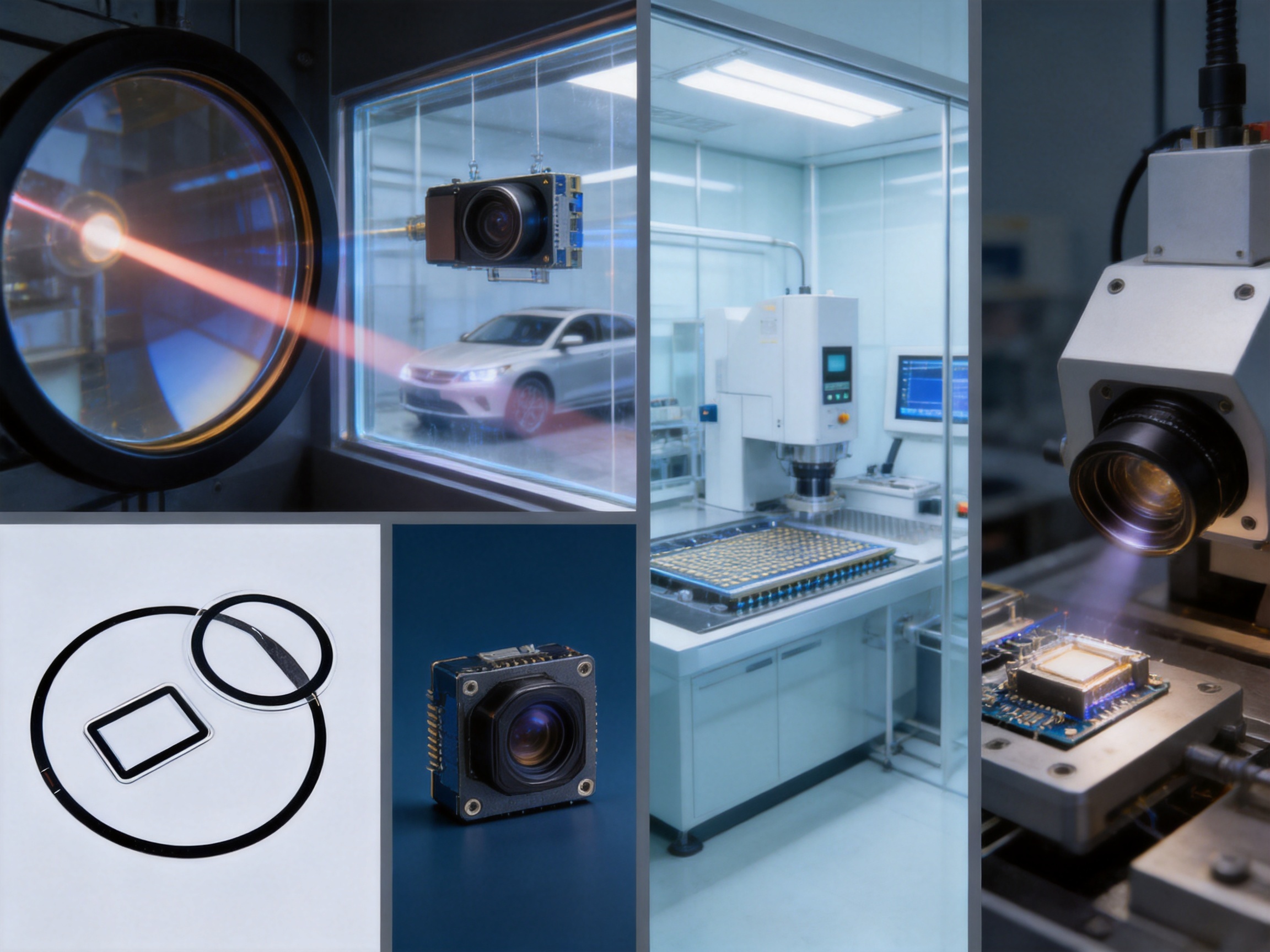
Inspection and Reliability Practices
Inspection should be designed around product risk. Not every window requires the same tests, and excessive testing can increase cost without improving performance. At the same time, insufficient inspection may allow defects to reach the final assembly. A risk-based inspection plan normally considers the optical function, environmental conditions, material, coating, production volume, and consequences of failure.
Dimensional inspection confirms that the component meets the mechanical drawing. Optical inspection evaluates surface flatness, parallelism, wedge, surface quality, transmission, and coating behavior as applicable. Visual and cosmetic inspection identifies chips, stains, particles, coating marks, and other defects that could affect assembly or appearance.
Process documentation is also important. Records may include material identification, production batch, inspection results, coating information, operator or equipment records, and nonconformance actions. Traceability supports root-cause analysis and gives customers greater confidence in long-term supply.
Reliability evaluation may include temperature cycling, humidity exposure, adhesion testing, abrasion testing, chemical resistance, laser exposure, or vibration simulation, depending on the application. These tests should be agreed upon before production because the test method and acceptance criteria can affect material and coating selection.
Design Recommendations for Better Performance
Define the Optical Function Clearly
The customer should state whether the window is primarily protective, transmissive, spectrally selective, pressure-bearing, imaging-critical, or part of a laser path. This helps the manufacturer prioritize the most important characteristics.
Avoid Unnecessary Tight Tolerances
Tighter tolerances can improve performance, but they also increase production difficulty and cost. Each tolerance should be linked to a system requirement. For example, very tight parallelism may be unnecessary if the window is used only as a protective cover in a low-sensitivity assembly.
Provide the Operating Wavelength
Visible, ultraviolet, near-infrared, and infrared applications may require different substrates and coatings. A material that is transparent in the visible range may absorb strongly at another wavelength. Wavelength information should be provided at the earliest design stage.
Consider Thermal and Mounting Stress
A mechanically constrained window can deform when temperature changes. The designer should consider coefficient of thermal expansion, support spacing, gasket behavior, adhesive selection, and clamping force. A good optical window can lose performance if the mounting structure introduces excessive stress.
Protect the Clear Aperture
Handling and cleaning procedures should protect the optical area. The design should allow sufficient clearance for cleaning and avoid contact between the active surface and sharp retaining features. If the window will be replaced in the field, packaging and handling instructions should be included with the product.
Plan for Production Scale
A prototype specification may not be ideal for mass production. The customer and manufacturer should review tooling, inspection time, coating capacity, packaging, and process capability before volume launch. Early collaboration can reduce redesign and avoid delays during the transition to series production.
Why Partner with an Experienced Optical Component Manufacturer
Optical windows sit at the intersection of optics, materials science, precision machining, coating technology, mechanical design, and quality management. A supplier that understands only one of these areas may produce a component that meets a narrow drawing requirement but fails to deliver reliable system performance.
An experienced manufacturer can help identify hidden interactions. For example, increasing window thickness may improve mechanical strength but also increase weight and transmission loss. Changing the material may improve thermal stability but require different polishing parameters. Adding a coating may raise transmission but introduce environmental or laser-damage considerations. Adjusting edge geometry may improve assembly but affect yield. These trade-offs should be managed through technical review.
HLL’s focus on laser optics, automotive optics, semiconductor optics, and consumer optics gives it experience across applications with different performance priorities. Laser products emphasize wavefront quality and coating behavior. Automotive products emphasize environmental durability and production consistency. Semiconductor products emphasize cleanliness and precision. Consumer products emphasize compactness, appearance, cost, and scalability. Experience across these fields can support a balanced approach to new optical window projects.
The company’s engineering technology centers and patent portfolio further support the development of process improvements and specialized products. Its certifications provide a structured framework for quality and environmental management, while its international export experience supports cooperation with overseas customers.
Project Development and Supplier Evaluation
A successful optical window project generally follows several stages. The first stage is requirements definition, during which the customer provides application information and the supplier identifies missing data. The second stage is technical feasibility review, covering material, geometry, coating, process route, inspection, and estimated production volume.
The next stage is prototype or sample production. Samples allow the customer to evaluate fit, optical performance, coating behavior, assembly compatibility, and environmental response. Feedback should be documented and converted into an approved specification rather than handled only through informal communication.
Before mass production, the supplier should confirm process capability, inspection methods, packaging, documentation, and change-control procedures. For critical applications, a production validation plan may include first-article inspection, reliability testing, and customer approval.
When evaluating suppliers, customers should consider more than equipment lists. Important questions include whether the supplier can explain its process route, identify critical characteristics, provide traceability, manage nonconformities, support design changes, and maintain quality during volume production. A supplier’s understanding of the customer’s application is often a stronger indicator of success than a single impressive specification.
Environmental and Organizational Responsibility
Modern customers increasingly evaluate the environmental and organizational practices of their suppliers. ISO14001:2015 certification indicates that environmental management is addressed through a formal system. Responsible manufacturing may include resource management, waste reduction, chemical handling, energy awareness, and compliance with applicable environmental requirements.
Organizational stability is also relevant to long-term supply. A company established in 1998 with a substantial workforce and dedicated engineering centers is positioned to support product continuity, technical documentation, and process improvement over an extended product life cycle. This is especially valuable for automotive and industrial customers whose products may remain in production for many years.
Frequently Asked Questions
What is the main purpose of an optical window?
An optical window transmits light while protecting an optical system or separating two environments. Depending on the application, it may also provide wavelength control, environmental sealing, pressure resistance, or protection from dust, moisture, chemicals, and mechanical damage.
How is an optical window different from ordinary glass?
Precision optical windows are manufactured with controlled optical and mechanical properties. Their flatness, parallelism, surface quality, dimensions, transmission, coating, and cleanliness are managed according to a technical specification. Ordinary glass generally does not provide the same level of control.
Which material is best for an optical window?
There is no universal best material. Optical glass may be suitable for many visible applications, fused silica or quartz may be preferred for ultraviolet and thermally demanding systems, and sapphire may be selected when high hardness and abrasion resistance are important. The material should be chosen according to wavelength, temperature, environment, mechanical loading, and cost.
Does every optical window need an anti-reflection coating?
No. An uncoated window may be sufficient for some protective or low-sensitivity applications. An anti-reflection coating is useful when higher transmission, lower reflection, improved contrast, or reduced ghost images are required. The coating should be specified for the actual wavelength range and angle of incidence.
Why are flatness and parallelism important?
Flatness affects transmitted wavefront quality, while parallelism influences beam deviation and wedge. Poor control may produce image distortion, alignment errors, interference effects, or laser beam degradation. The required tolerance depends on the optical design and system sensitivity.
What information should be included in a quotation request?
The request should include material, shape, dimensions, thickness, clear aperture, flatness, parallelism, surface quality, coating range, operating temperature, environmental conditions, mounting method, quantity, inspection requirements, and packaging expectations. A drawing and application description are highly beneficial.
Can optical windows be customized?
Yes. Optical windows can be customized in material, size, thickness, shape, edge treatment, coating, inspection level, and packaging. Customization should be reviewed by an experienced engineering team to ensure that the requested design is both functional and manufacturable.
How does automotive experience benefit optical window production?
Automotive production emphasizes process control, traceability, variation reduction, environmental reliability, and long-term supply. These practices can benefit optical windows used not only in vehicles but also in industrial, consumer, and sensing applications.
Are optical windows suitable for laser systems?
They can be, provided the substrate, surface quality, coating, cleanliness, and geometry are selected for the laser’s wavelength and power conditions. Pulsed and continuous-wave systems may impose different requirements, so the laser operating parameters should be supplied during technical review.
Why is packaging important for optical components?
Precision optical surfaces can be damaged by particles, scratches, moisture, impact, or improper contact. Suitable packaging protects the window after final inspection and helps preserve its performance during storage, transportation, and assembly.
What certifications are relevant when selecting a supplier?
ISO9001:2015 is relevant to quality-management systems, ISO14001:2015 addresses environmental management, and IATF16949 is particularly relevant to automotive supply chains. Certifications should be considered together with product-specific inspection, validation, and technical capability.
Can one manufacturer support both prototypes and mass production?
A manufacturer with engineering resources, production capacity, and experience in multiple optical markets may support the full progression from technical feasibility and samples to volume production. The customer should confirm available equipment, process capability, inspection capacity, and lead-time expectations for the specific project.
Conclusion
A precision optical window is a deceptively sophisticated component. Its performance depends on material selection, geometry, surface quality, parallelism, coating design, cleanliness, mounting compatibility, and environmental durability. The right product must be engineered for the complete optical and mechanical system rather than selected solely by appearance or nominal dimensions.
Changzhou Haolilai Photo-Electricity Scientific and Technical Co., Ltd. brings together more than two decades of optical manufacturing experience, a large production site, an experienced workforce, dedicated engineering technology centers, international export experience, and certifications covering quality, environmental, and automotive management systems. Its application focus spans laser optics, automotive optics, semiconductor optics, and consumer optics, allowing the company to address different performance and production requirements.
Compared with general glass processors or narrowly focused suppliers, an integrated precision optical manufacturer can offer stronger application engineering, coordinated production, more reliable quality control, better customization support, and a clearer path from prototype to volume production. These advantages are valuable when the optical window influences image quality, laser safety, measurement accuracy, equipment uptime, or long-term product reliability.
Customers selecting an optical window should define the optical function, operating wavelength, dimensions, environmental conditions, mounting method, coating requirements, inspection criteria, and expected quantity as early as possible. With complete technical communication and a controlled manufacturing process, the optical window can become not merely a protective cover but a dependable precision element that supports the performance of the entire system.
References
1. ISO 9001:2015, Quality Management Systems — Requirements.
2. ISO 14001:2015, Environmental Management Systems — Requirements with Guidance for Use.
3. IATF 16949, Quality Management System Requirements for Automotive Production and Relevant Service Parts Organizations.
4. International Organization for Standardization, Geometrical Product Specifications and Related Dimensional Tolerance Principles.
5. International Organization for Standardization, Optics and Photonics — Preparation and Inspection of Optical Components.
6. American Society for Quality, Principles of Quality Management and Process Improvement.
7. Optical Society and professional optics engineering references concerning optical materials, surface quality, coatings, wavefront error, and laser-induced damage.
8. Manufacturer-provided company information concerning precision optical component production, certifications, engineering centers, patents, applications, facility scale, and international markets.


 苏公网安备32041102000130号