
 Search
 en
en English
 日本語
日本語 русский
 Español
 Deutsch
 中文简体
中文简体Content
- 1 Understanding the Role of a Precision Optical Lens
- 2 Major Advantages of Precision Optical Lenses
- 3 Manufacturing Strengths Supporting Optical Lens Production
- 4 Quality Systems and Technical Organization
- 5 Applications of Precision Optical Lenses
- 6 Key Specifications for Optical Lens Selection
- 7 From Prototype to Mass Production
- 8 Packaging, Handling, and Delivery Considerations
- 9 Why Choose an Experienced Optical Component Manufacturer
- 10 Customer Questions and Answers
- 10.1 What types of optical lenses can be produced?
- 10.2 Can lenses be customized for a particular wavelength?
- 10.3 Why are surface quality and surface accuracy different?
- 10.4 What is the importance of lens centering?
- 10.5 Are optical coatings necessary for every lens?
- 10.6 How should a customer begin a customized lens project?
- 10.7 Can the same lens be used for automotive and laboratory applications?
- 10.8 How does a certified quality system benefit the customer?
- 10.9 What information should be included in a quotation request?
- 10.10 How can a manufacturer help reduce the total cost of an optical lens?
- 11 Practical Advantages for OEM and System Manufacturers
- 12 Environmental and Operational Responsibility
- 13 Recommended Evaluation Process for Buyers
- 14 Conclusion
- 15 References
- 16 Product: Optical Lens
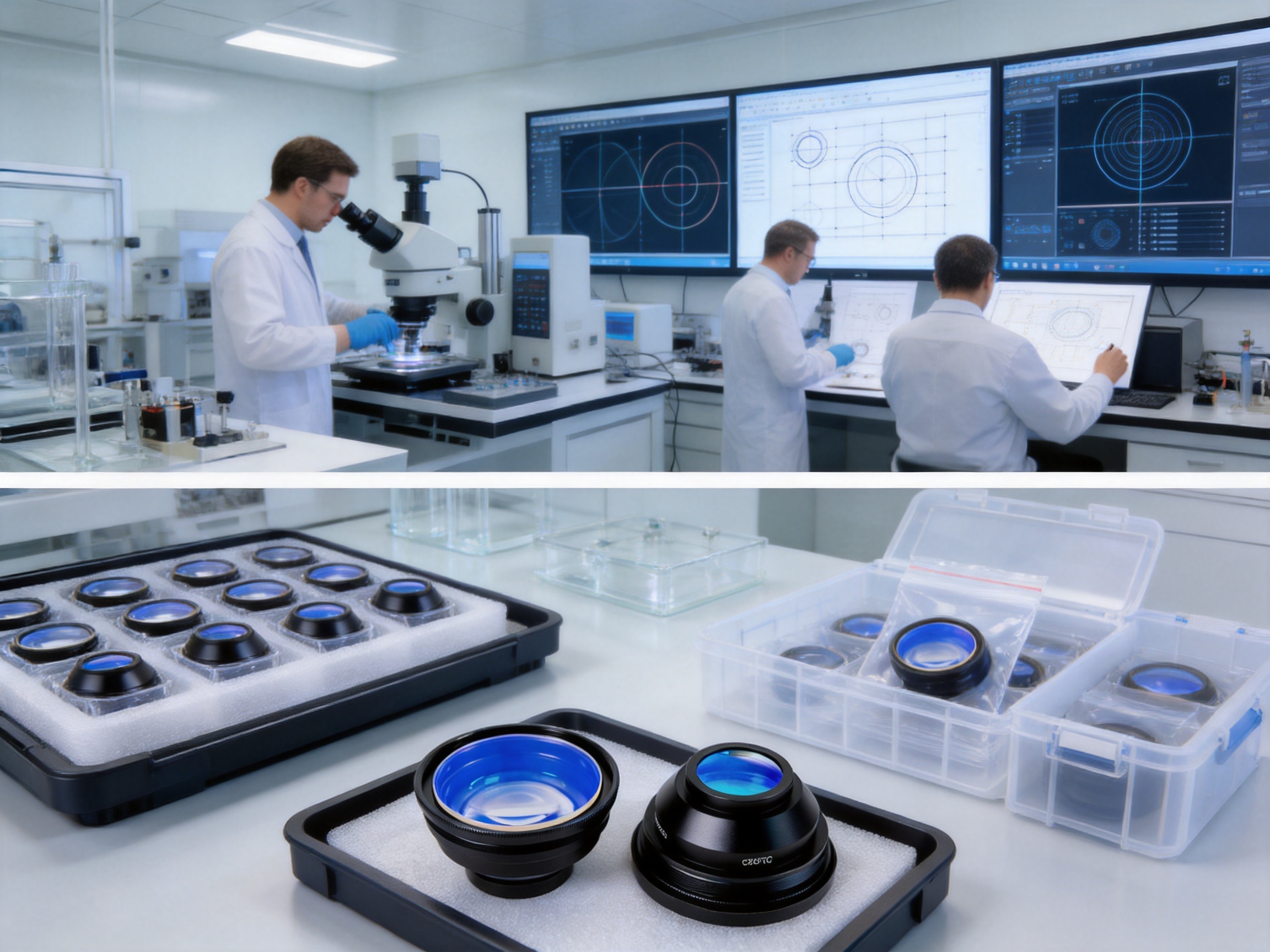
Precision optical lenses are essential components in systems that control, focus, redirect, and form light. Although a lens may appear to be a small and simple part, its dimensional accuracy, surface quality, coating performance, and long-term stability can determine the performance of an entire optical instrument. Cameras, laser modules, machine-vision systems, automotive sensing equipment, semiconductor inspection tools, medical devices, and consumer electronics all depend on lenses manufactured to exacting standards.
Modern customers increasingly require optical lenses that combine high transmission, accurate geometry, reliable environmental performance, and consistent production quality. They also expect a manufacturer to support the complete process, from optical design evaluation and material selection to precision grinding, polishing, coating, inspection, and delivery. A capable optical component partner must therefore provide more than a finished glass element. It must offer process expertise, engineering support, production capacity, quality assurance, and the ability to adapt to specialized requirements.
Changzhou Haolilai Photo-Electricity Scientific and Technical Co., Ltd., commonly known as HLL, is a professional manufacturer of precision optical components established in 1998. Located in Changzhou, Jiangsu, China, the company operates from a facility covering approximately 35,000 square meters and serves customers in laser optics, automotive optics, semiconductor optics, and consumer optics. Its optical lens manufacturing capabilities are supported by experienced technical personnel, certified management systems, dedicated engineering centers, and a broad portfolio of patents and high-technology products.
This article explains the structure, advantages, applications, manufacturing processes, quality systems, and purchasing considerations associated with precision optical lenses. It also describes how an experienced manufacturer can help customers obtain stable, repeatable, and application-specific optical performance.
Understanding the Role of a Precision Optical Lens
An optical lens is a transparent component with one or more curved surfaces designed to refract light. Depending on its geometry, a lens may converge light toward a focal point, diverge light, magnify an image, reduce distortion, or distribute light in a controlled pattern. Lenses may be produced as positive lenses, negative lenses, plano-convex lenses, plano-concave lenses, double-convex lenses, double-concave lenses, meniscus lenses, cylindrical lenses, or custom asymmetric elements.
The optical function of a lens is determined by several interacting factors. These include the refractive index and dispersion of the material, the radius of curvature of each surface, the center thickness, the clear aperture, the edge thickness, the wedge angle, and the alignment between the optical and mechanical axes. Even a small deviation in one of these parameters can affect focal length, image quality, beam pointing, or system alignment.
Surface quality is equally important. Scratches, digs, pits, haze, sleeks, polishing marks, and localized defects can scatter light or reduce contrast. In laser systems, such imperfections may lead to local absorption, thermal stress, or damage at high power densities. In imaging systems, they may create ghosting, flare, reduced resolution, or nonuniform illumination.
For this reason, precision optical lenses must be treated as engineered components rather than ordinary transparent parts. The manufacturing process must be controlled at every stage, and the final inspection must verify both optical and mechanical characteristics.
Major Advantages of Precision Optical Lenses
Accurate Optical Performance
A high-quality lens is manufactured to maintain its intended optical parameters within defined tolerances. Accurate radii, thickness, centering, and wedge control help ensure that the lens performs consistently from one production batch to another. This is especially important when multiple lenses are assembled into a compound optical system.
Reliable optical accuracy reduces the need for repeated adjustment during final assembly. It can also simplify system calibration, improve production yield, and reduce the risk of field failures. For customers producing high-volume equipment, repeatability is often as important as the performance of an individual sample.
High Surface Quality
Precision grinding and polishing allow a lens to achieve a smooth surface with controlled roughness and limited defect levels. A high-quality polished surface improves transmission and minimizes unwanted scattering. It also supports better image contrast and more predictable laser-beam behavior.
Surface quality becomes particularly critical in high-resolution imaging, laser processing, microscopy, and semiconductor inspection. In these applications, even minor surface irregularities can influence measurement accuracy or system stability.
Efficient Light Transmission
The choice of substrate and coating has a direct effect on transmission. Different optical glasses and other transparent materials are suitable for different wavelength ranges, temperature conditions, and application environments. Anti-reflection coatings can further reduce reflection losses at one or more surfaces.
Coating designs may be optimized for ultraviolet, visible, near-infrared, or other working bands, subject to the selected material and application requirements. Proper coating selection can improve energy efficiency, increase signal strength, and reduce stray light.
Stable Mechanical Integration
Optical lenses must fit securely into barrels, mounts, sensors, camera modules, or other assemblies. Dimensional control of the outer diameter, chamfer, thickness, and edge profile helps prevent assembly problems. Proper edge treatment also reduces the risk of chipping during handling and installation.
When optical and mechanical tolerances are considered together, the final component is easier to integrate into a customer’s system. This integrated approach is an important advantage over suppliers that focus only on the optical surface and pay insufficient attention to mounting requirements.
Application-Specific Customization
Standard lenses can meet many common requirements, but specialized equipment often needs customized geometry, material, coating, tolerance, or packaging. An experienced manufacturer can evaluate drawings and specifications, identify process risks, and recommend a practical production route.
Customization may involve a particular focal length, aperture, clear aperture, center thickness, edge thickness, coating band, environmental requirement, or assembly interface. It may also involve the development of a new lens based on a customer’s optical design.
Consistent Batch-to-Batch Quality
In commercial production, the value of a lens is not limited to its performance during initial sampling. The lens must remain consistent as production quantities increase. Standardized process instructions, controlled equipment, trained operators, documented inspection, and traceable records all contribute to stable quality.
A manufacturer with a mature quality system can help customers reduce variation between development samples, pilot production, and mass production. This continuity is a significant competitive advantage in industries where requalification and redesign are expensive.
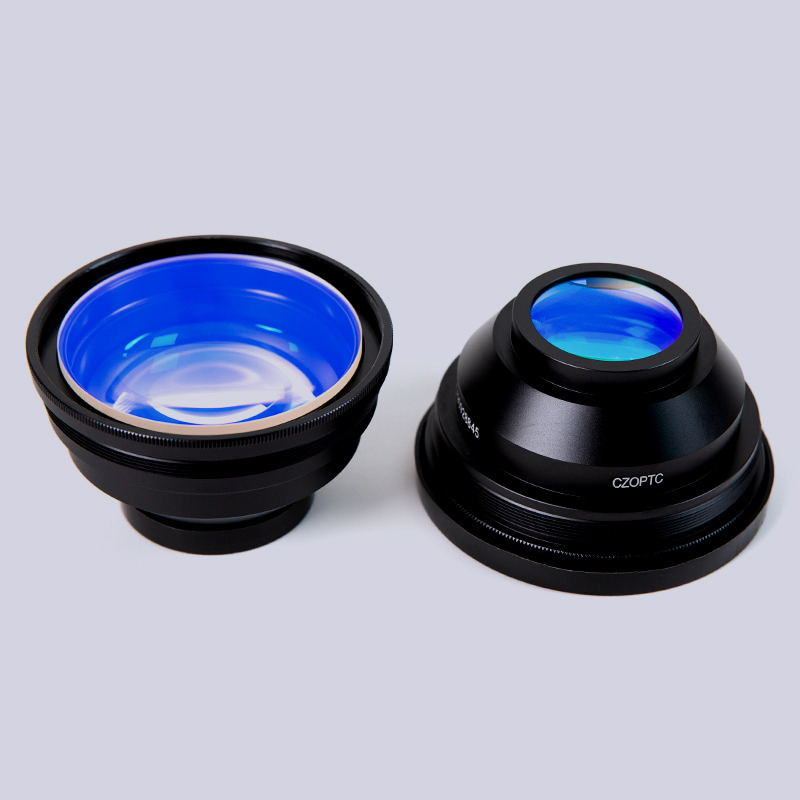
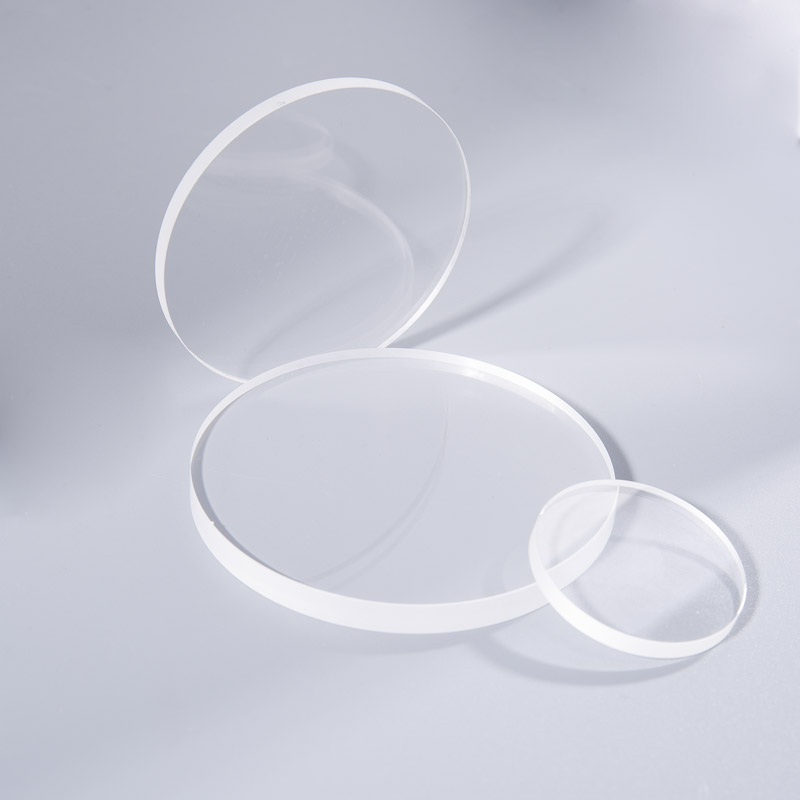
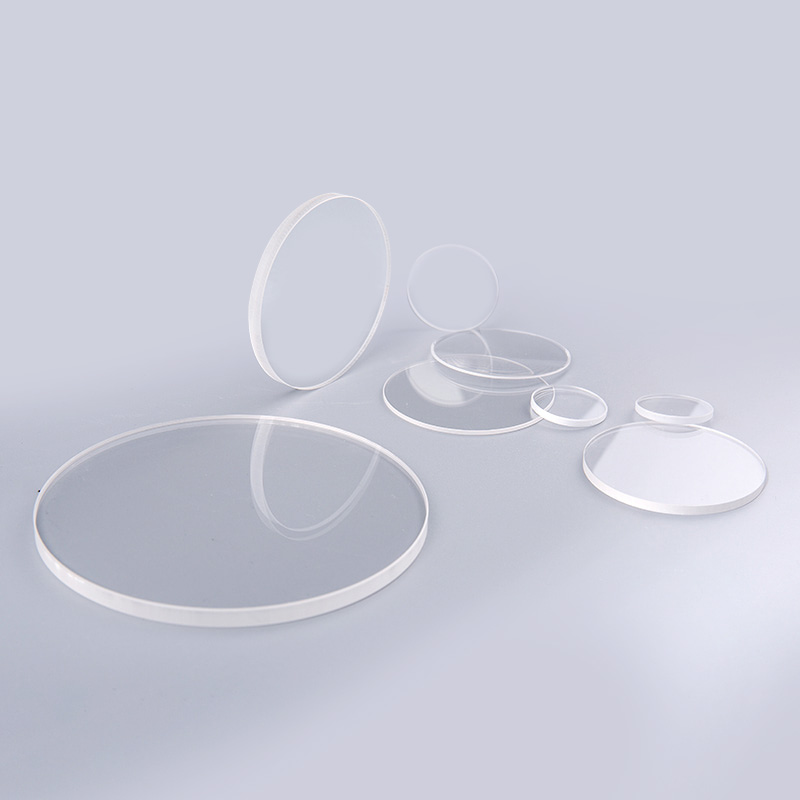
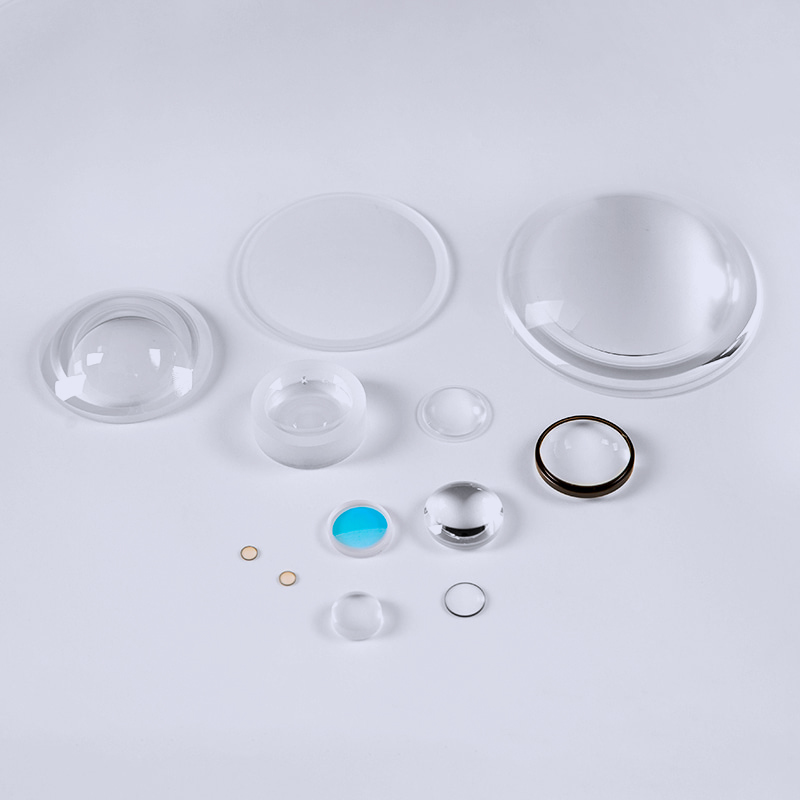
Optical Lens
Manufacturing Strengths Supporting Optical Lens Production
The production of a precision optical lens requires a coordinated sequence of technical operations. Each operation influences the next, which means that manufacturing capability cannot be evaluated by looking at only one machine or one finishing process. A strong supplier must manage materials, tooling, geometry, polishing, coating, inspection, and documentation as a complete system.
Material Selection and Preparation
The optical material is selected according to the lens design and intended application. Important considerations include refractive index, dispersion, wavelength transmission, thermal expansion, chemical durability, hardness, internal homogeneity, and compatibility with coatings.
Before processing, the material is prepared into suitable blanks. Blank preparation must consider the final diameter, thickness, edge allowance, and expected material removal during grinding and polishing. Proper preparation helps reduce waste, improve process efficiency, and maintain sufficient margin for achieving the required optical geometry.
Material handling is also important. Optical glass must be protected from contamination, impact, and unnecessary thermal stress. Clean storage and controlled handling reduce the possibility of scratches, stains, chips, and surface defects before the lens even enters the finishing process.
Precision Centering and Blocking
Centering and blocking establish the relationship between the lens geometry and the processing equipment. If the blank is not correctly centered, the finished lens may exhibit excessive wedge or decentration. These errors can influence image quality and cause unwanted beam deviation.
Accurate blocking creates a stable reference for subsequent grinding and polishing. It allows the manufacturer to maintain the intended optical axis and helps ensure that the finished component can be aligned correctly within the customer’s optical assembly.
Generating and Fine Grinding
Generating creates the basic curved shape of the lens. Fine grinding then refines the surface geometry and removes marks left by the previous operation. The objective is to achieve the required radius and form while maintaining suitable thickness and edge dimensions.
Process control during grinding includes abrasive selection, pressure management, tool condition, coolant control, machine stability, and measurement feedback. Excessive or uneven material removal can cause form errors, subsurface damage, or thickness variation. A carefully controlled process reduces these risks.
Precision Polishing
Polishing is one of the most important stages in optical lens production. It removes the fine damage layer produced during grinding and creates a smooth surface with the required optical quality. Polishing must balance material removal rate, surface smoothness, form accuracy, and edge control.
Different lens shapes and materials may require different polishing strategies. The process may involve selected polishing tools, controlled slurry conditions, suitable polishing pads, and carefully defined process parameters. Operators and engineers must monitor the relationship between polishing time and the resulting surface form.
For high-performance applications, polishing is not simply intended to make the surface appear visually clear. It must produce measurable and repeatable characteristics suitable for the customer’s optical design. These may include surface irregularity, surface roughness, scratch and dig classification, and clear-aperture requirements.
Edge Processing and Chamfering
After optical surfaces are completed, the lens edge may be finished according to the mechanical drawing. Edge processing can include outer-diameter grinding, chamfering, beveling, or other treatments needed for safe handling and assembly.
A suitable chamfer protects the optical surface from accidental contact and reduces the likelihood of edge chipping. At the same time, the chamfer must not reduce the usable clear aperture or interfere with the customer’s mounting structure.
Cleaning and Contamination Control
Cleaning removes polishing residue, particles, oils, and other contaminants from the lens surface. It is a critical step before coating and final inspection. Contamination can cause coating defects, interfere with measurement, or reduce optical performance.
Cleaning procedures must be compatible with the substrate, coating requirements, and packaging method. Clean handling practices are especially important for semiconductor optics, laser components, and imaging parts used in controlled environments.
Optical Coating
Optical coating can be applied to improve transmission, reduce reflection, increase durability, or control spectral behavior. The coating design depends on the working wavelength, angle of incidence, polarization conditions, substrate material, and environmental requirements.
A coating process must be managed carefully to achieve uniformity across the usable aperture. Important factors include surface cleanliness, chamber conditions, deposition parameters, fixture design, coating thickness control, and post-coating inspection.
For customers, the key benefit of an integrated coating capability is better coordination between lens polishing and coating requirements. The substrate surface must be prepared to a quality level suitable for the coating, and the coated lens must be inspected as a finished optical component rather than as an isolated film.
Inspection and Measurement
Inspection verifies whether the finished lens conforms to the technical drawing, optical specification, and quality agreement. Depending on the product, inspection may include dimensional measurement, radius measurement, center-thickness measurement, clear-aperture verification, centering inspection, surface-quality inspection, and transmission testing.
Inspection data also supports process improvement. If a recurring deviation is identified, engineers can investigate the relevant manufacturing step and adjust the process before large quantities are affected. This closed-loop approach is more reliable than depending only on final visual inspection.
Quality Systems and Technical Organization
A precision optical manufacturer needs an organizational structure that supports both production and continuous improvement. Changzhou Haolilai Photo-Electricity Scientific and Technical Co., Ltd. has obtained ISO9001:2015, ISO14001:2015, and IATF16949 certifications. These certifications represent important elements of quality, environmental, and automotive-oriented management.
ISO9001:2015 provides a framework for controlled processes, customer requirements, documentation, corrective action, and continual improvement. ISO14001:2015 addresses environmental management and encourages more systematic control of environmental responsibilities. IATF16949 is associated with the rigorous expectations of the automotive supply chain, including risk management, process discipline, traceability, and defect prevention.
For automotive optical components, the relevance of IATF16949 is particularly significant. Automotive products are expected to operate reliably under vibration, temperature changes, humidity, dust, and long service periods. Manufacturing consistency and process traceability are therefore fundamental requirements.
HLL has also established the Jiangsu Precision Optical Lens Engineering Technology Center and the Jiangsu Enterprise Technology Research Center. These technical platforms support product development, process optimization, engineering analysis, and the application of new manufacturing methods.
The company has more than 300 employees and has obtained multiple invention patents, utility model patents, and Jiangsu High and New Tech Products. Its technical team and engineering resources enable it to address the needs of several demanding optical markets rather than concentrating on only one product category.
Advantages Compared with Less Specialized Suppliers
Customers comparing optical lens manufacturers should distinguish between a trading supplier, a general glass processor, and a specialized precision optical component manufacturer. A specialized manufacturer typically offers stronger control over the complete manufacturing chain, from blank preparation and shaping to polishing, coating, inspection, and packaging.
One advantage is better technical communication. Engineers who understand optical fabrication can identify whether a requested tolerance is necessary, whether a design is manufacturable, and which specifications may create unnecessary cost. They can also suggest alternatives that preserve system performance while improving yield.
A second advantage is improved consistency. When critical operations are managed within an integrated production system, the supplier can maintain clearer process responsibility and more reliable traceability. This reduces the risk of quality variation caused by multiple uncontrolled subcontracting steps.
A third advantage is stronger response capability. Customers may require rapid sample development, engineering changes, special inspection reports, or support during assembly. A company with its own technical team and established process resources is better positioned to respond to these needs.
A fourth advantage is broader application experience. Experience in laser optics, automotive optics, semiconductor optics, and consumer optics exposes the manufacturer to different requirements for wavelength, tolerance, cleanliness, durability, volume, and cost. This cross-sector knowledge can be useful when developing a new lens for a demanding application.
Applications of Precision Optical Lenses
Laser Optics
Laser systems require lenses that can manage concentrated optical energy without introducing excessive scattering or distortion. Typical functions include beam collimation, focusing, expansion, spatial filtering, and beam shaping.
Laser lenses must be selected according to wavelength, power density, pulse duration, beam diameter, and environmental conditions. Surface quality and coating performance are especially important because defects or absorption can cause localized heating and damage.
Precision manufacturing helps ensure that the lens maintains accurate focal behavior and stable beam transmission. This is valuable in laser marking, cutting, welding, measurement, communication, medical equipment, and scientific instruments.
Automotive Optics
Automotive optical systems increasingly use cameras, sensing modules, projection units, driver-monitoring systems, and lighting controls. These systems require lenses that maintain optical performance over a wide range of temperatures and mechanical conditions.
Automotive lenses may need to withstand vibration, thermal cycling, humidity, dust, cleaning agents, and long-term exposure to the surrounding environment. Dimensional consistency is also essential because the lens must align accurately with an image sensor or other optical detector.
HLL’s IATF16949 certification and experience with automotive optical requirements support the production discipline expected in this market. The combination of optical precision and automotive quality management can help customers improve system reliability and production consistency.
Semiconductor Optics
Semiconductor manufacturing and inspection equipment relies on optical components for imaging, alignment, measurement, positioning, and defect detection. The optical requirements may include excellent surface quality, high cleanliness, low scatter, accurate centering, and strict dimensional control.
In these systems, the optical lens may be part of a high-resolution imaging path where small aberrations can influence inspection results. Stable manufacturing and careful cleaning are therefore essential.
Specialized technical support is valuable when the lens must be produced for a complex optical assembly. The manufacturer may need to consider the relationship between the lens, sensor, illumination source, mechanical mount, and calibration method.
Consumer Optics
Consumer optical products often combine compact dimensions, high image quality, attractive cost, and large production quantities. Examples include cameras, sensing devices, projection products, scanning equipment, and electronic modules.
For these applications, the manufacturer must balance performance and production efficiency. The lens may be small, but requirements for cosmetic quality, coating uniformity, dimensional precision, and batch consistency can be demanding. A mature process helps reduce rejection rates while supporting competitive commercial pricing.
Industrial Imaging and Machine Vision
Machine-vision systems use lenses to capture images for inspection, measurement, identification, and process control. Image quality depends on resolution, distortion, field uniformity, contrast, and accurate focus.
A precision lens can help the system deliver repeatable images under changing production conditions. This is important when the vision system is used to measure small components or detect subtle surface defects.
Scientific and Measurement Instruments
Scientific instruments often require optical lenses with carefully controlled focal length, transmission, and form accuracy. In measurement systems, the lens must support reliable data collection rather than merely produce an acceptable visual image.
Stable performance is particularly important when an instrument is calibrated once and then used for repeated measurements over a long period. Material selection, environmental stability, and quality documentation may all influence the suitability of the lens.
Key Specifications for Optical Lens Selection
Choosing an optical lens requires more than selecting a diameter and focal length. The lens should be evaluated in relation to the complete optical system and the conditions in which it will operate.
| Specification | Why It Matters | Typical Customer Consideration |
|---|---|---|
| Material | Determines refractive behavior, transmission, durability, and thermal response. | Wavelength range, temperature, chemical exposure, and design compatibility. |
| Focal Length | Defines how the lens converges or diverges light. | Working distance, magnification, field of view, or beam focus. |
| Clear Aperture | Identifies the usable optical area. | Required beam diameter, image size, and allowable edge effects. |
| Center Thickness | Influences optical geometry and mechanical assembly. | Design tolerance, mounting space, and lens strength. |
| Surface Quality | Affects scatter, contrast, and laser durability. | Imaging resolution, power density, and cleanliness requirements. |
| Surface Accuracy | Controls deviation from the intended optical form. | Aberration control and beam or image performance. |
| Centering | Describes the alignment between optical and mechanical axes. | System alignment, beam pointing, and image quality. |
| Coating | Controls reflection and transmission over selected wavelengths. | Operating band, incidence angle, durability, and environmental exposure. |
| Environmental Performance | Indicates resistance to temperature, humidity, vibration, and handling. | Automotive, outdoor, industrial, or laboratory service conditions. |
| Packaging | Protects the finished lens during storage and transportation. | Individual separation, cleanliness, shock protection, and traceability. |
Material and Wavelength Compatibility
The optical material must transmit the required wavelength range and provide suitable performance under the application’s temperature and power conditions. A material that performs well in visible imaging may not be appropriate for ultraviolet or infrared use.
Material selection should also consider internal homogeneity, stress birefringence, chemical durability, hardness, and compatibility with the selected coating. A qualified manufacturer can help review these factors before production begins.
Geometrical Tolerances
Focal length, radius, center thickness, outer diameter, and clear aperture must be defined with tolerances appropriate to the optical design. Overly tight tolerances can increase manufacturing cost without improving system performance, while loose tolerances may lead to alignment problems or inconsistent results.
The best approach is to connect each lens tolerance to a specific system requirement. This allows the manufacturer and customer to prioritize the parameters that matter most.
Surface and Cosmetic Requirements
Surface quality specifications should reflect the application. A high-power laser lens, a semiconductor inspection lens, and a general consumer imaging lens may not need identical cosmetic classifications. However, every lens must be clean, free from unacceptable defects, and suitable for its intended use.
Clear-aperture requirements should also be stated clearly. A lens may have a satisfactory outer appearance while a defect inside the active optical area affects performance. Defining the clear aperture helps align inspection with actual system needs.
Coating and Durability Requirements
Coatings should be specified according to the operating wavelength and application environment. Customers may need anti-reflection performance, broadband transmission, high-power laser resistance, humidity resistance, abrasion resistance, or other characteristics.
Coating durability should be evaluated in relation to handling, cleaning, temperature changes, and expected service life. A coating that provides excellent transmission but poor durability may not be suitable for an industrial or automotive product.
From Prototype to Mass Production
A successful optical lens program normally progresses through several stages. The first stage is technical review. The customer provides an optical drawing, three-dimensional model, sample, or performance requirement. Engineers review the geometry, materials, tolerances, coating, inspection methods, and packaging expectations.
The second stage is process planning. The manufacturer determines how the blank will be prepared, how the surfaces will be generated and polished, how the part will be centered, and how the final characteristics will be measured. Potential risks are identified before the first sample is produced.
The third stage is prototype or sample production. Samples are manufactured and inspected to confirm that the design and process are compatible. If necessary, the customer and manufacturer discuss modifications to tolerances, coating, edge treatment, or packaging.
The fourth stage is process validation. Production parameters are stabilized, inspection methods are confirmed, and the manufacturer evaluates repeatability. This stage is particularly important for automotive and semiconductor applications, where process capability and traceability may be carefully reviewed.
The fifth stage is volume production. Standard operating procedures, controlled equipment, material records, inspection checkpoints, and final release procedures help maintain stable quality. Production data can be used for continuous improvement and corrective action.
A supplier that supports the entire path from prototype to mass production offers a major advantage. Customers do not need to transfer the product between unrelated vendors as quantities increase. This can reduce technical communication gaps, shorten development time, and lower the risk of unexpected quality changes.
Packaging, Handling, and Delivery Considerations
Even a perfectly manufactured optical lens can be damaged by poor packaging or careless handling. The finished product should be protected from scratches, dust, impact, moisture, and contact between individual parts.
Packaging design depends on the lens size, shape, coating, quantity, and transportation conditions. Small lenses may require separated trays, clean bags, protective inserts, or compartmentalized containers. Larger lenses may require more substantial shock protection and orientation control.
Packaging should also support traceability. Labels may include product identification, batch information, quantity, inspection status, and other data agreed upon with the customer. Clear identification helps prevent mix-ups during warehousing and assembly.
Customers should communicate their storage conditions and expected transportation route during the quotation stage. This allows the manufacturer to recommend packaging that is appropriate for the product’s sensitivity and service requirements.
Why Choose an Experienced Optical Component Manufacturer
Experience provides practical value in optical manufacturing because many problems are related to interactions between design, process, material, and assembly. A manufacturer operating since 1998 has had the opportunity to develop process knowledge across different optical products and application sectors.
HLL’s experience includes precision components for laser optics, automotive optics, semiconductor optics, and consumer optics. This breadth supports a more complete understanding of how lens requirements change between industries. A lens for a compact consumer module may prioritize size and cost, while a lens for a laser or inspection system may prioritize surface quality, coating performance, and environmental stability.
The company’s approximately 35,000-square-meter operating area provides a substantial base for production, engineering, inspection, and organizational development. Its workforce of more than 300 employees supports manufacturing operations and technical coordination.
International experience is also important. HLL exports to more than 20 countries, which means that its products serve customers with different technical documentation, quality expectations, packaging requirements, and communication practices. This experience can help facilitate cooperation with overseas buyers and original equipment manufacturers.
Certifications, patents, engineering centers, and customer experience do not replace product-specific evaluation, but together they indicate that the manufacturer has invested in long-term technical capability rather than focusing only on short-term supply.
Customer Questions and Answers
What types of optical lenses can be produced?
Optical lens production may include a variety of positive, negative, spherical, and other precision geometries, subject to the drawing, material, size, tolerance, and application requirements. Customers should provide a technical drawing or optical specification so the manufacturer can confirm manufacturability.
Can lenses be customized for a particular wavelength?
Yes. Lens material and coating can be selected according to the working wavelength and optical design. The customer should identify the wavelength range, angle of incidence, power level, polarization conditions, and environmental requirements during technical communication.
Why are surface quality and surface accuracy different?
Surface quality refers mainly to localized defects such as scratches, digs, pits, and polishing marks. Surface accuracy refers to how closely the entire surface matches the intended optical form. Both characteristics influence performance, but they describe different aspects of the lens.
What is the importance of lens centering?
Centering describes the alignment between the optical axis and the mechanical reference axis. Poor centering can cause beam deviation, image degradation, or assembly difficulties. Accurate centering is especially important when several lenses are installed in one optical system.
Are optical coatings necessary for every lens?
Not every lens requires the same coating, and some applications may use uncoated components. However, coatings are often applied to reduce reflection and increase transmission. The correct decision depends on wavelength, optical design, performance targets, environmental conditions, and cost considerations.
How should a customer begin a customized lens project?
The customer should provide the optical drawing, material preference, wavelength, quantity, dimensional tolerances, surface requirements, coating requirements, operating environment, inspection expectations, and packaging needs. If some information is not available, the manufacturer’s engineering team can help identify the missing parameters.
Can the same lens be used for automotive and laboratory applications?
Possibly, but the requirements may be different. Automotive applications often require stronger environmental and mechanical durability, while laboratory applications may emphasize optical performance and flexibility. The lens should be evaluated against the specific service conditions rather than selected only by shape or focal length.
How does a certified quality system benefit the customer?
A certified quality system helps establish controlled procedures for purchasing, production, inspection, documentation, corrective action, and continual improvement. It does not eliminate the need for product-specific testing, but it provides a structured foundation for repeatable manufacturing and customer support.
What information should be included in a quotation request?
A quotation request should include the part number, drawing revision, material, dimensions, tolerances, coating, quantity, forecast, delivery requirements, inspection documents, packaging expectations, and intended application. Clear information allows the manufacturer to prepare a more accurate technical and commercial response.
How can a manufacturer help reduce the total cost of an optical lens?
Cost can be reduced through practical tolerance analysis, suitable material selection, efficient blank sizing, optimized batch quantities, standardized inspection, and packaging designed for safe but economical transportation. The goal should be to reduce unnecessary cost without compromising the parameters that determine system performance.
Practical Advantages for OEM and System Manufacturers
Original equipment manufacturers and system integrators benefit from a lens supplier that understands the relationship between the component and the final product. A technically capable supplier can participate in design reviews, recommend manufacturing-friendly modifications, and help resolve issues during assembly or testing.
Stable quality improves the customer’s own production yield. If lenses arrive with inconsistent centering, thickness, coating, or surface quality, the customer may need additional sorting, adjustment, or rework. These hidden costs can exceed the original purchase price difference between suppliers.
Reliable documentation is another advantage. Drawings, inspection reports, material records, coating information, and batch traceability can help customers manage internal quality requirements and respond to audits. This is especially relevant in automotive, semiconductor, and other regulated or high-reliability sectors.
Long-term cooperation can also support product improvement. As the customer gains experience with the lens in the final system, feedback can be used to refine tolerances, packaging, coating durability, or inspection procedures. A manufacturer with engineering resources can participate in this improvement process instead of treating every order as an isolated transaction.
Environmental and Operational Responsibility
Optical manufacturing involves glass, abrasives, polishing compounds, cleaning agents, coatings, water, energy, and packaging materials. Environmental management is therefore an important part of responsible production.
ISO14001:2015 certification demonstrates that environmental considerations are addressed through a structured management system. Appropriate control of materials, waste, emissions, resource consumption, and operational procedures can help reduce environmental impact while supporting stable production.
Environmental responsibility also benefits customers. Controlled processes can reduce contamination risks, improve workplace organization, and support more predictable manufacturing. In many supply chains, customers increasingly evaluate not only product quality but also the environmental and social management of their suppliers.
Recommended Evaluation Process for Buyers
When evaluating optical lens manufacturers, buyers should begin with technical capability. They should confirm whether the supplier has experience with the required geometry, substrate, wavelength, coating, size, and tolerance range.
The next step is to review quality capability. Relevant questions include whether the supplier operates certified management systems, maintains documented inspection procedures, provides traceability, and has a defined method for handling nonconforming products.
Buyers should then evaluate engineering support. A supplier should be able to discuss manufacturability, tolerance priorities, tooling, sample development, coating selection, and production scaling. Good communication at this stage can prevent delays and unexpected cost.
Production capacity and delivery reliability should also be considered. The supplier must be capable of supporting the expected volume while preserving the same quality achieved during sampling. Customers should ask how the manufacturer manages process changes, equipment maintenance, material continuity, and capacity planning.
Finally, packaging and after-sales support should be reviewed. Optical lenses are sensitive products, and the supplier should demonstrate that it can protect them through shipment and respond effectively if technical questions arise after delivery.
Conclusion
Precision optical lenses are fundamental to the performance of modern optical and optoelectronic systems. Their value depends on a combination of material selection, geometry, surface quality, centering, coating, cleanliness, mechanical compatibility, and environmental stability. A lens that meets only one of these requirements may not deliver reliable performance in the complete system.
The strongest manufacturing approach is based on integrated process control. Material preparation, centering, generating, fine grinding, polishing, edge treatment, cleaning, coating, inspection, packaging, and traceability must work together. Engineering support is equally important because each application may require a different balance of optical performance, durability, manufacturability, and cost.
Changzhou Haolilai Photo-Electricity Scientific and Technical Co., Ltd. brings together experience dating from 1998, a production area of approximately 35,000 square meters, a workforce of more than 300 employees, international export experience, ISO9001:2015, ISO14001:2015, and IATF16949 certifications, technical research centers, and a portfolio of patents and high-technology products. These strengths support its focus on precision optical components for laser, automotive, semiconductor, consumer, and other demanding applications.
For customers seeking optical lenses, the most important decision is not simply selecting a supplier with an attractive unit price. It is selecting a manufacturing partner capable of delivering consistent optical performance, controlled quality, responsive engineering, and dependable production over the full life of the project. A professional precision optical manufacturer can help turn an optical design into a stable, scalable, and reliable component.
References
ISO 9001:2015, Quality Management Systems—Requirements.
ISO 14001:2015, Environmental Management Systems—Requirements with Guidance for Use.
IATF 16949, Quality Management System Requirements for Automotive Production and Relevant Service Parts Organizations.
International Organization for Standardization, General Principles of Optical Engineering and Quality Management.
American National Standards Institute, Optical Drawing and Surface Quality Practices.
Optical Society of America, Fundamentals of Optical Design and Lens Performance.
Manufacturer-provided company profile and product information for precision optical components.


 苏公网安备32041102000130号