
 Search
 en
en English
 日本語
日本語 русский
 Español
 Deutsch
 中文简体
中文简体Content
- 1 Understanding the Role of an Optical Prism
- 2 Major Types of Optical Prisms
- 3 Product Advantages in Demanding Applications
- 4 Applications of Precision Optical Prisms
- 5 Manufacturing Strength Behind the Product
- 6 Key Performance Factors for Optical Prisms
- 7 Advantages Over Common Competitors
- 8 Design Considerations When Selecting an Optical Prism
- 9 Quality Assurance and Inspection
- 10 Coating Technologies for Enhanced Performance
- 11 Why Precision Matters in Real Systems
- 12 Company Strengths Supporting Optical Prism Supply
- 13 Procurement Benefits for Global Customers
- 14 Recommended Specification Items for Custom Optical Prisms
- 15 Q&A Section
- 15.1 What is the main function of an optical prism?
- 15.2 Why choose a prism instead of a mirror?
- 15.3 What makes a precision optical prism different from a standard glass prism?
- 15.4 Which industries commonly use optical prisms?
- 15.5 How does coating improve prism performance?
- 15.6 Why is angular accuracy important?
- 15.7 Can optical prisms be customized?
- 15.8 What information should be provided when ordering a custom prism?
- 15.9 Why is an experienced manufacturer important for prism production?
- 15.10 What strengths support the optical prism product described here?
- 16 Conclusion
- 17 References
- 18 Product: Optical prism
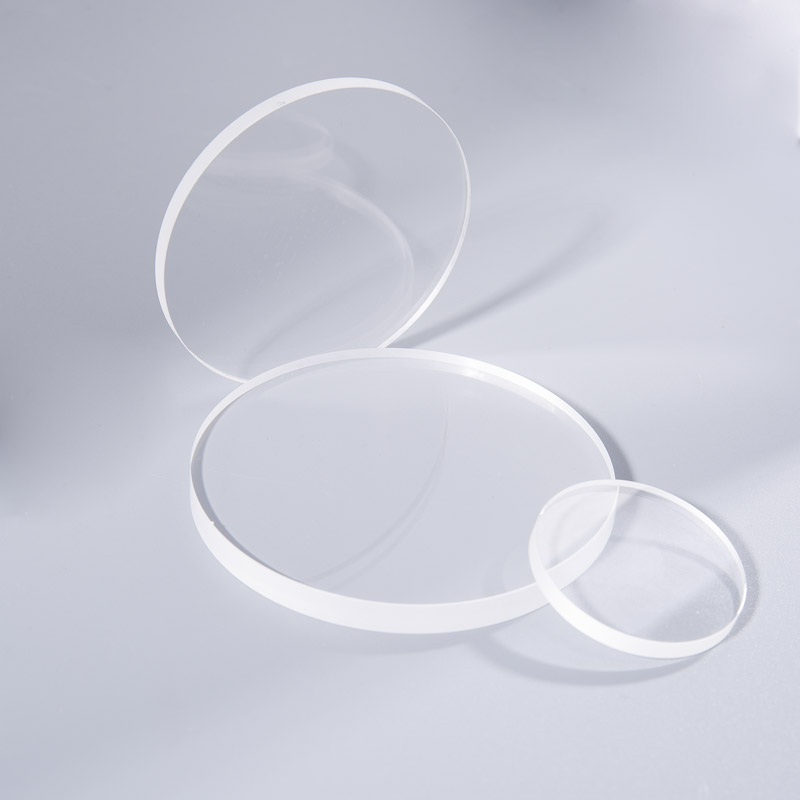
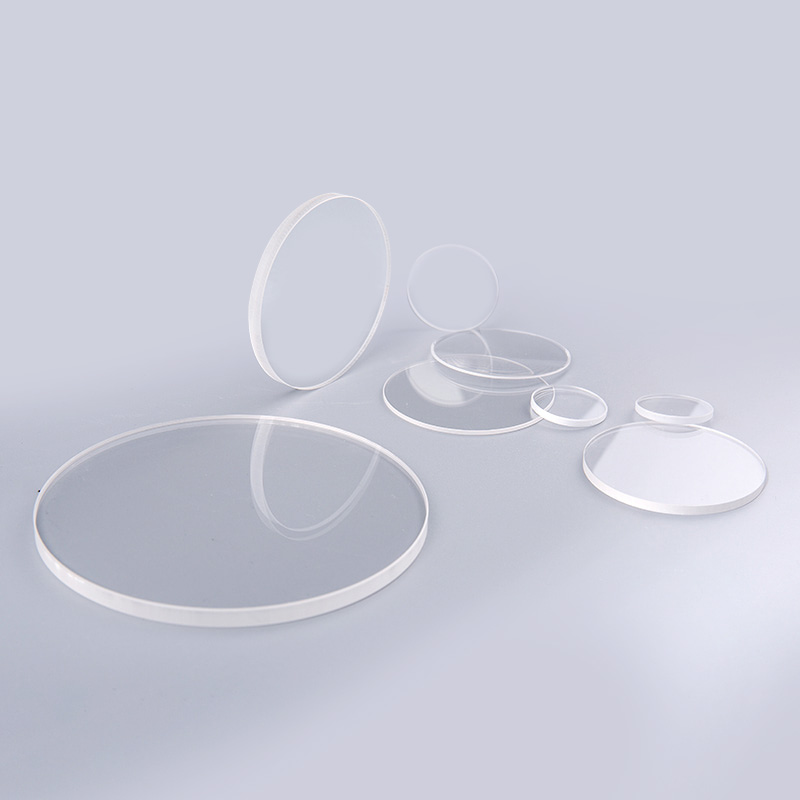
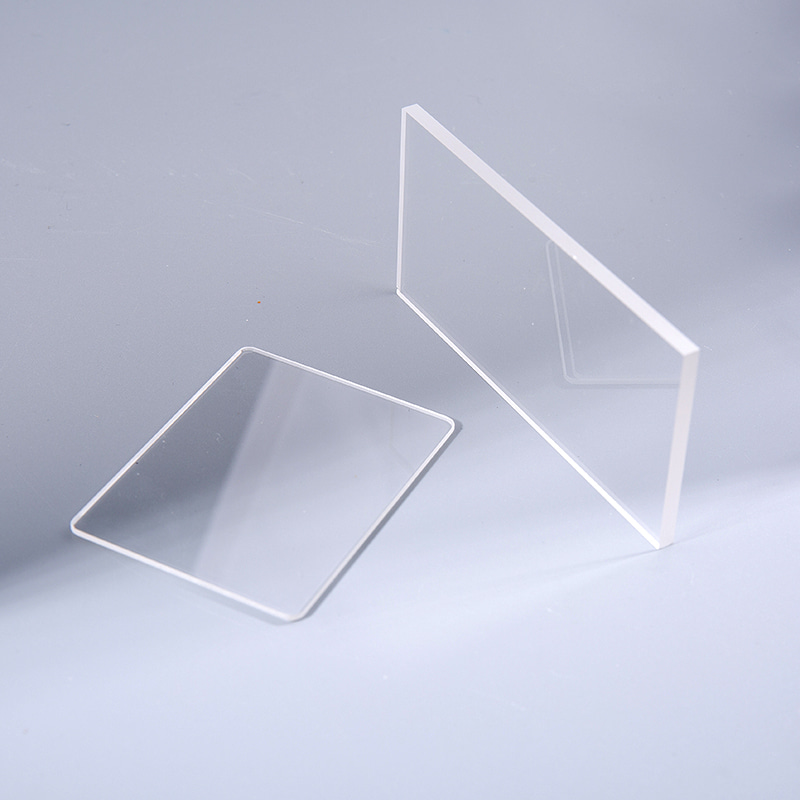
Optical prisms are essential precision components used to redirect, rotate, invert, disperse, combine, or separate light in advanced optical systems. In applications ranging from laser instruments and semiconductor inspection to automotive sensing, medical optics, machine vision, surveying equipment, and consumer optical devices, a prism is often the small component that determines whether the entire system can achieve stable alignment, accurate imaging, and efficient light transmission.
Among many optical components, the optical prism is especially valued because it can manipulate light without moving mechanical parts. By relying on precisely calculated geometry, carefully polished surfaces, and controlled coating performance, a prism can guide an optical path with high repeatability. Compared with using several separate mirrors or lenses to perform similar functions, a well-designed prism can reduce assembly complexity, improve mechanical stability, save space, and enhance long-term reliability.
Changzhou Haolilai Photo-Electricity Scientific and Technical Co., Ltd. specializes in the development and production of precision optical components, including optical prisms, optical lenses, optical spherical mirrors, optical flat mirrors, wafers, and automotive interior glass structural components. Founded in 1998 and located in Changzhou, Jiangsu, China, the company has built a strong foundation in optical manufacturing, engineering development, quality management, and international supply. Its optical prism products are designed for customers who need dependable optical performance, stable batch quality, and customized manufacturing support.

Understanding the Role of an Optical Prism
An optical prism is a transparent optical element with flat polished surfaces arranged at specific angles. When light enters the prism, it is refracted, reflected, deviated, dispersed, or redirected according to the prism geometry, material refractive index, surface accuracy, and coating design. The simplest prism may bend light by a defined angle, while a more complex prism can split spectral components, invert an image, rotate a beam, or fold a long optical path into a compact structure.
The performance of an optical prism depends on many factors working together. These include the choice of glass or crystal material, dimensional tolerance, angular accuracy, surface flatness, surface quality, transmitted wavefront distortion, coating reflectivity, coating transmission, cementing accuracy if the prism is assembled, and environmental resistance. Even a small angular error or surface defect can influence beam pointing, imaging clarity, polarization behavior, or laser stability.
For this reason, optical prisms are not ordinary pieces of glass. They are engineered components manufactured through a sequence of material selection, cutting, grinding, fine grinding, polishing, centering or angular correction, coating, inspection, cleaning, and packaging. The combination of optical design knowledge and manufacturing control determines whether a prism can meet demanding industrial and scientific requirements.
Major Types of Optical Prisms
Optical prisms can be produced in many configurations depending on the required function. Common types include right-angle prisms, equilateral prisms, wedge prisms, dove prisms, roof prisms, penta prisms, beam-splitting prisms, corner cube prisms, anamorphic prism pairs, and custom-shaped prisms. Each type has a specific role in optical systems.
Right-Angle Prisms
Right-angle prisms are widely used to deviate light by 90 degrees or 180 degrees. They can replace mirrors in compact assemblies, especially where mechanical stability is important. When used under total internal reflection conditions, they can provide efficient reflection without a metallic reflective coating, although coatings may be added for specific wavelength ranges or environmental requirements.
Penta Prisms
Penta prisms deviate a beam by 90 degrees without image inversion. A major advantage is that the deviation angle is not strongly affected by small alignment errors during mounting. This makes penta prisms useful in surveying instruments, rangefinders, alignment tools, and precision measurement systems.
Dove Prisms
Dove prisms are typically used for image rotation. When the prism is rotated around its longitudinal axis, the transmitted image rotates at twice the angular rate. This feature is valuable in optical systems requiring image orientation control without complex mechanical mechanisms.
Roof Prisms
Roof prisms contain two reflecting surfaces arranged like a roof. They are commonly used to invert or revert images and are found in binoculars, telescopes, and compact imaging devices. The roof edge must be processed with high accuracy, as defects at this edge can reduce contrast and image quality.
Wedge Prisms
Wedge prisms have a small angle between their two optical surfaces and are used to steer beams slightly. A pair of rotating wedge prisms can provide adjustable beam deviation, which is useful in laser scanning, alignment, and beam pointing applications.
Beam-Splitting Prisms
Beam-splitting prisms are used to divide one beam into two or more beams, combine beams, or manage polarization states. These prisms require carefully controlled coatings and often involve cementing or optical contacting processes. Their performance depends on splitting ratio accuracy, wavefront quality, extinction ratio, and coating durability.
Product Advantages in Demanding Applications
The optical prism described in the product information belongs to the Optical Prism category and represents a precision component designed for reliable use in high-performance optical assemblies. Its key value lies in combining optical accuracy, stable geometry, custom manufacturing capability, and professional process control. Compared with many standard low-cost prism suppliers, a precision manufacturer offers advantages that become increasingly important when the component is used in laser, automotive, semiconductor, or high-resolution imaging systems.
High Dimensional and Angular Precision
One of the most important advantages of a quality optical prism is accurate geometry. The designed angle between prism faces must be maintained within tight tolerances so that the outgoing beam exits at the intended direction. Poor angular accuracy can cause alignment errors, inconsistent beam position, and increased assembly cost. In systems with multiple optical paths, even a small angular deviation can accumulate and degrade overall performance.
A professional precision optical manufacturer controls prism geometry through advanced cutting, grinding, lapping, polishing, and inspection processes. By combining skilled technicians with stable process documentation, the manufacturer can deliver prisms with consistent angular tolerance and dimensional stability. This reduces the need for repeated adjustment during customer assembly and supports efficient mass production.
Excellent Surface Quality
Surface quality is critical for optical prisms because scratches, digs, stains, chips, and polishing defects can scatter light, reduce contrast, and cause unwanted stray light. In laser systems, surface defects may also reduce damage threshold. In imaging systems, they can lower resolution or introduce ghost images.
High-quality optical prisms are polished and inspected to meet specified surface quality standards. The required level may vary by application. For general imaging, moderate surface quality may be sufficient, while laser optics and high-end inspection systems may require much tighter standards. The ability to produce different grades according to customer requirements is a key advantage over suppliers offering only basic commercial quality.
Controlled Wavefront Distortion
Transmitted wavefront distortion describes how much the prism changes the shape of the light wave passing through it. In high-precision systems, wavefront quality is crucial. Excess distortion can blur images, affect interferometric measurements, reduce laser beam quality, and compromise focusing accuracy.
A well-manufactured optical prism is produced with careful control of flatness, parallelism, material homogeneity, and internal stress. This helps preserve beam quality. Competitors with less advanced process control may meet external dimensions but fail to control transmitted wavefront performance, making their prisms unsuitable for demanding optical systems.
Material Flexibility
Different applications require different optical materials. Common choices include BK7 or equivalent borosilicate crown glass, fused silica, high-index glass, low-expansion glass, colored optical glass, and specialty materials. Fused silica is often selected for ultraviolet transmission, high thermal stability, and laser damage resistance. BK7-type glass is widely used for visible and near-infrared applications because it offers good optical performance and cost efficiency.
A strong optical manufacturer can help customers choose materials according to wavelength range, thermal environment, mechanical requirements, transmission needs, and cost targets. Material selection is not only a purchasing decision; it affects polishing behavior, coating compatibility, optical performance, and long-term reliability.
Custom Coating Options
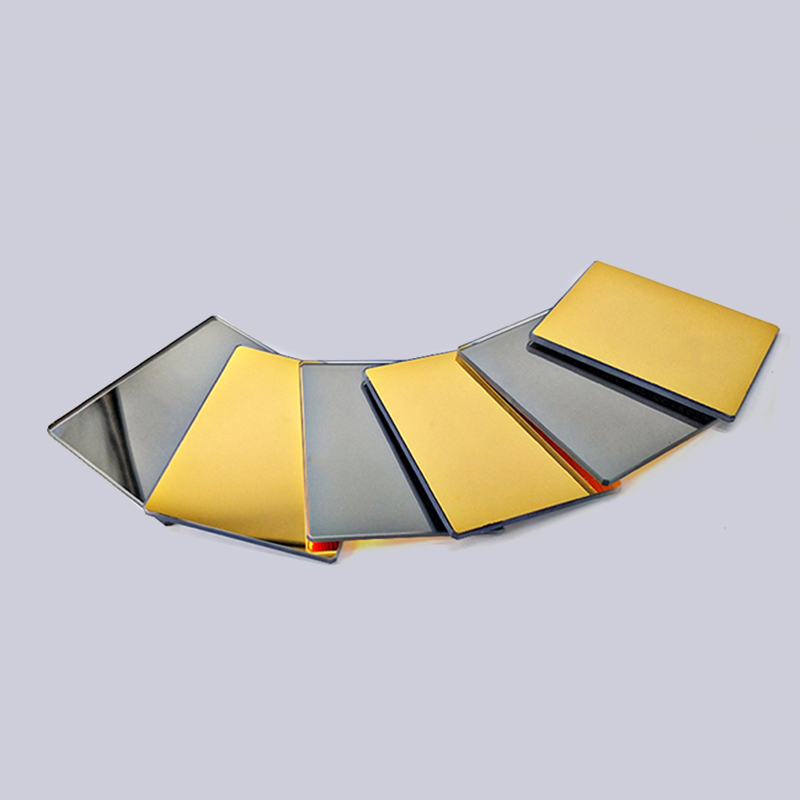
Optical coatings expand the functionality of a prism. Anti-reflection coatings can increase transmission and reduce ghost reflections. High-reflection coatings can improve reflective performance where total internal reflection is not available or not sufficient. Beam-splitting coatings can control the ratio of reflected and transmitted light. Polarizing coatings can separate s-polarized and p-polarized components.
Compared with uncoated or simply coated standard prisms, custom-coated prisms can provide significantly better system efficiency. For example, an anti-reflection coating optimized for a laser wavelength can reduce reflection loss at each air-glass interface. In a prism with multiple transmitting surfaces, this improvement can be decisive. Advanced coating capability also allows the prism to be integrated into compact optical modules with fewer additional components.

Applications of Precision Optical Prisms
Optical prisms are used in many industries because they provide reliable light path control in compact, passive, and stable forms. The product category is especially suitable for customers needing precise beam manipulation and repeatable performance.
Laser Optics
In laser systems, prisms may be used for beam steering, beam folding, wavelength separation, pulse compression arrangements, polarization management, and alignment. Laser optics require excellent surface quality, stable coatings, and good damage resistance. The prism must maintain beam quality while minimizing scatter and absorption. Manufacturing consistency is essential because laser systems often operate at high power densities and narrow tolerances.
Automotive Optical Systems
Modern vehicles increasingly use optical technologies for sensing, display, lighting, driver monitoring, and interior interaction. Precision optical prisms can be found in camera modules, projection systems, light guides, head-up display structures, and sensor assemblies. Automotive applications require not only optical performance but also reliability under temperature cycling, vibration, humidity, and long service life. A manufacturer with IATF16949 certification has an advantage because this quality management standard is highly relevant to automotive supply chains.
Semiconductor and Inspection Equipment
Semiconductor manufacturing and inspection require high precision. Optical prisms used in lithography-related equipment, wafer inspection, metrology tools, and machine vision modules must meet strict requirements for cleanliness, wavefront quality, dimensional accuracy, and coating stability. Contamination or optical distortion can lead to measurement errors or reduced yield. A manufacturer experienced in semiconductor optics can support customers with controlled processing, inspection, and packaging.
Consumer Optical Devices
Prisms are used in cameras, projectors, binoculars, rangefinders, barcode scanners, augmented reality devices, and other consumer or professional optical products. In these applications, performance must be balanced with cost, compactness, and production volume. A capable manufacturer can optimize prism specifications so customers avoid unnecessary cost while still achieving reliable performance.
Medical and Scientific Instruments
Medical imaging, diagnostic instruments, spectroscopy, laboratory microscopes, and analytical devices often rely on prisms for beam control and spectral separation. These systems require stable optical behavior, low contamination, high clarity, and consistent batch production. The precision and cleanliness of the prism can directly influence measurement repeatability and image quality.
Manufacturing Strength Behind the Product
Changzhou Haolilai Photo-Electricity Scientific and Technical Co., Ltd., also known as HLL, has been engaged in precision optical component manufacturing since 1998. With a production base covering approximately 35,000 square meters and more than 300 employees, the company has developed the scale and technical depth required to support both customized projects and volume production. Its products are exported to more than 20 countries, reflecting international market acceptance and supply capability.
The company has obtained ISO9001:2015, ISO14001:2015, and IATF16949 certifications. These certifications indicate structured quality management, environmental management, and automotive-sector process discipline. For customers purchasing optical prisms, such certifications are important because prism quality depends on stable processes, documented control, traceability, inspection, corrective action, and continuous improvement.
As a High-Tech enterprise in Jiangsu Province, the company has established the Jiangsu Precision Optical Lens Engineering Technology Center and the Jiangsu Enterprise Technology Research Center. These platforms support research, process development, design optimization, and technical problem solving. The company also holds multiple invention patents, utility model patents, and recognized high-tech products. This background helps distinguish it from purely trading-based suppliers or small workshops with limited engineering resources.
Process Flow for Optical Prism Manufacturing
The production of an optical prism begins with technical review. Engineers analyze the drawing, optical function, material, tolerance, coating requirements, inspection method, packaging requirements, and application environment. This review ensures that the specification is manufacturable and that any potential risks are addressed before production.
Material preparation follows. Optical glass blanks must be selected according to refractive index, dispersion, bubble grade, striae, internal stress, transmission range, and other requirements. For high-end prisms, raw material quality is fundamental. Even perfect polishing cannot compensate for unsuitable material.
Cutting and rough shaping create the approximate prism geometry. Precision sawing equipment is used to cut blanks with allowances for grinding and polishing. The process must reduce waste while preserving orientation and avoiding cracks or subsurface damage.
Grinding refines the surfaces and angles. Coarse grinding removes material efficiently, while fine grinding prepares surfaces for polishing. During this stage, technicians control flatness, angle, and size. Stable fixtures and process parameters are important because prism surfaces are interdependent; correcting one surface can influence others.
Polishing produces the final optical surfaces. This is one of the most critical steps. The goal is to achieve specified surface flatness, surface quality, and low subsurface damage while maintaining geometry. Skilled process control is required to avoid edge roll-off, wedge error, scratches, or local flatness problems.
Coating is applied when required. Coating design depends on wavelength, incident angle, polarization, environmental requirements, and optical function. The coating process must ensure adhesion, spectral performance, uniformity, durability, and cosmetic quality. For beam-splitting or high-reflection prisms, coating accuracy can be as important as prism geometry.
Inspection verifies that the prism meets specifications. Measurements may include dimensions, angles, surface quality, flatness, transmitted wavefront, coating spectrum, reflectance, transmittance, chamfer, appearance, and cleanliness. For critical applications, inspection data may be recorded for traceability.
Cleaning and packaging protect the finished prism. Optical components must be handled carefully to avoid fingerprints, dust, scratches, and coating damage. Proper packaging prevents movement, abrasion, and contamination during transport.
Key Performance Factors for Optical Prisms
| Performance Factor | Why It Matters | Manufacturing Control Method | Customer Benefit |
|---|---|---|---|
| Angular Accuracy | Determines beam deviation and optical alignment | Precision grinding, angle correction, interferometric or angular inspection | Reduced assembly time and stable system performance |
| Surface Flatness | Influences reflected and transmitted wavefront quality | Controlled polishing and flatness measurement | Sharper imaging and improved beam quality |
| Surface Quality | Controls scatter, cosmetic defects, and laser reliability | Fine polishing, clean handling, visual inspection under standards | Higher contrast, lower stray light, and better durability |
| Material Selection | Affects transmission, thermal behavior, refractive index, and cost | Engineering review and qualified optical glass sourcing | Optimized performance for wavelength and environment |
| Coating Performance | Improves transmission, reflection, splitting ratio, or polarization control | Custom coating design, deposition control, spectral testing | Higher optical efficiency and integrated functionality |
| Cleanliness | Prevents contamination in sensitive optical assemblies | Cleaning process, controlled handling, protective packaging | Lower risk during assembly and improved product yield |
Advantages Over Common Competitors
In the global optical component market, customers can choose from many prism suppliers. However, not all suppliers provide the same level of technical support, process stability, or quality assurance. The optical prism from a professional precision optical manufacturer offers several competitive advantages.
Engineering-Based Customization
Many low-cost suppliers provide only standard catalog prisms. These may be suitable for simple laboratory use but may not meet the needs of integrated optical modules or industrial systems. In contrast, engineering-based customization allows customers to specify material, size, angle, coating, flatness, surface quality, chamfer, marking, and packaging. This flexibility is important when the prism must fit a mechanical housing or meet a specific optical path requirement.
Customization also helps customers avoid over-specification. For example, a customer may request extremely tight flatness when the application does not require it, increasing cost unnecessarily. A manufacturer with engineering experience can help identify practical specifications that achieve performance targets while controlling cost.
Stable Batch Consistency
Prototype quality is important, but batch consistency is even more important for production customers. Optical modules often require dozens, thousands, or even millions of components over time. If prism dimensions, angles, or coatings vary too much from batch to batch, customer assembly yield can suffer.
A manufacturer with established quality systems and long-term process experience can maintain consistency through documented procedures, trained operators, inspection standards, equipment maintenance, and supplier control. This is a major advantage over small workshops that may rely heavily on individual operator skill without robust process management.
Automotive Quality Discipline
The company’s IATF16949 certification supports customers in automotive-related fields. Automotive supply requires risk prevention, process traceability, production part approval thinking, continuous improvement, and strict change control. Even customers outside the automotive industry can benefit from this discipline because it promotes reliable production and strong quality awareness.
Broad Optical Component Capability
The company produces not only optical prisms but also optical lenses, optical spherical mirrors, optical flat mirrors, wafers, and automotive interior glass structural components. This broad capability is valuable for customers developing complete optical systems. Instead of purchasing different components from many unrelated suppliers, customers may coordinate multiple precision optical parts through one experienced manufacturer. This can simplify communication, improve matching between components, and reduce supply-chain complexity.
Experience Since 1998
Long-term manufacturing experience matters in optics. Precision optical processing involves many subtle variables, including material behavior, polishing slurry, temperature, tooling wear, coating stress, cleaning chemistry, and inspection interpretation. A company founded in 1998 has accumulated practical knowledge across many projects and industries. This experience helps solve production challenges faster and improves the probability of successful mass production.

Design Considerations When Selecting an Optical Prism
Customers selecting an optical prism should consider both optical and mechanical requirements. A prism is usually part of a larger system, so its specification must match the system’s performance goals, mounting method, environment, and cost structure.
Wavelength Range
The wavelength range determines material and coating choices. Visible-light systems may use common optical glass, while ultraviolet systems may require fused silica or other UV-grade materials. Infrared applications may require specialty materials with suitable transmission. Coatings must also be designed for the intended wavelengths.
Incident Angle and Optical Path
The incident angle affects reflection, refraction, coating behavior, and polarization effects. When a prism is used for total internal reflection, the geometry and refractive index must ensure that total internal reflection occurs under expected conditions. If the angle is not suitable, an additional reflective coating may be required.
Wavefront Requirement
High-resolution imaging, interferometry, and laser beam delivery may require excellent wavefront control. Less demanding illumination systems may tolerate looser wavefront specifications. Defining the correct requirement helps balance performance and cost.
Surface Quality Requirement
Surface quality should be chosen according to application sensitivity. Laser systems usually require better scratch-dig specifications than simple visual devices. If the prism is located near an image plane or focus, defects may be more visible or damaging. If it is used in an illumination path, requirements may be different.
Environmental Conditions
Temperature, humidity, vibration, chemical exposure, and cleaning methods can influence prism material and coating selection. Automotive and outdoor systems require stronger environmental reliability than controlled laboratory instruments. Proper coating durability and adhesive selection, if cemented, are especially important.
Mounting and Mechanical Integration
Chamfers, bevels, clear aperture, mounting surfaces, and dimensional tolerances affect how the prism is installed. Sharp edges may chip easily, while excessive chamfers may reduce usable aperture. A good drawing should clearly define optical surfaces, non-optical surfaces, clear aperture, orientation, and coating areas.
Quality Assurance and Inspection
Quality assurance is central to precision optical prism manufacturing. Because optical defects may not be obvious to the unaided eye, specialized inspection methods are required. Reliable manufacturers integrate inspection throughout the process rather than relying only on final checking.
Dimensional inspection confirms length, width, height, chamfer, and other mechanical features. Angular inspection verifies that prism angles meet the drawing. Surface flatness may be tested using optical flats or interferometers. Transmitted wavefront can be measured to evaluate how the prism affects light passing through it. Surface quality inspection identifies scratches, digs, chips, stains, and coating defects. Spectral testing verifies coating transmission, reflection, and beam-splitting characteristics.
Traceability is also important. In industrial supply, customers may require records for material batch, coating run, inspection results, and production lot. A certified quality system helps maintain this information and supports corrective action if an issue occurs.
Coating Technologies for Enhanced Performance
While the prism geometry provides the basic optical function, coatings often determine final system efficiency. Anti-reflection coatings are among the most common. Without coating, each air-glass surface reflects a portion of light. In multi-surface prism systems, these losses can accumulate. Anti-reflection coatings reduce surface reflection and improve throughput.
High-reflection coatings are used when a reflecting surface does not operate under total internal reflection or when a specific reflectivity is required. Metallic coatings can provide broad spectral reflection, while dielectric coatings can provide high reflectance in a targeted wavelength band. Protective overcoats may be added to improve durability.
Beam-splitting coatings are used in cube prisms or plate-prism assemblies. They can be designed for a specific ratio, such as equal splitting or custom reflection-transmission balance. Polarizing beam-splitter coatings are designed to separate polarization states. These coatings require precise deposition control because small deviations can change optical balance.
For customers, the ability to combine prism fabrication with coating support reduces risk. The coating must be compatible with the prism material, geometry, polishing quality, and intended environment. Manufacturing teams that understand both substrate preparation and coating behavior can produce more reliable results.
Why Precision Matters in Real Systems
It is easy to underestimate the importance of a small prism. However, in an optical system, a prism may define beam direction, image orientation, or spectral separation. If the prism is inaccurate, the entire system may require complicated compensation. This can increase labor cost, reduce production yield, and create long-term reliability problems.
For example, in a laser alignment system, poor angular accuracy can cause beam drift from the intended optical axis. In a camera module, poor surface flatness can reduce image sharpness. In a beam-splitting assembly, coating inconsistency can create brightness imbalance. In a semiconductor inspection device, contamination or wavefront distortion can compromise measurement reliability. In automotive optics, insufficient environmental durability can lead to field failures.
Precision manufacturing reduces these risks. A high-quality prism supports repeatable assembly, stable operation, and better user experience. Although a lower-cost prism may appear attractive at purchase, the total cost can become higher if it causes yield loss, rework, calibration time, or product failure. This is why customers in advanced industries often choose experienced precision optical component manufacturers rather than the lowest-priced supplier.
Company Strengths Supporting Optical Prism Supply
Changzhou Haolilai Photo-Electricity Scientific and Technical Co., Ltd. combines manufacturing capacity, technical development, quality certification, and industry experience. Its 35,000-square-meter facility provides the physical foundation for production, inspection, engineering, and management. With more than 300 employees, the company has the human resources needed for multiple product categories and production stages.
The company’s focus areas include laser optics, automotive optics, semiconductor optics, and consumer optics. These markets require different strengths. Laser optics demands surface quality and coating performance. Automotive optics requires reliability and process control. Semiconductor optics requires precision and cleanliness. Consumer optics requires scalable production and cost awareness. Experience across all these areas helps the company respond to diverse customer needs.
The establishment of engineering technology centers demonstrates a commitment to research and improvement. Patents and high-tech product recognitions show that the company is not limited to routine processing but also invests in innovation. For customers, this means better support during product development, problem analysis, and process optimization.
Procurement Benefits for Global Customers
Global customers purchasing optical prisms need more than a finished part. They need responsive communication, technical review, stable lead times, quality documentation, and export experience. A supplier exporting to more than 20 countries has practical experience with international standards, packaging, logistics, and customer expectations.
Wholesale customers, optical device manufacturers, and system integrators benefit from a manufacturer that can handle both standard and customized requirements. The product can be developed according to drawings, samples, or performance targets. Technical teams can discuss tolerance feasibility, coating options, and inspection standards before production begins. This reduces misunderstandings and helps ensure that the delivered prism matches the application.
For recurring production, customers may require long-term supply stability. A manufacturer with established facilities, certifications, and process management is better positioned to support long-term programs than short-term trading sources. This matters especially for automotive, industrial, and medical customers whose products may remain in production for many years.

Recommended Specification Items for Custom Optical Prisms
When requesting a quotation or technical evaluation for an optical prism, customers should provide as much information as possible. Important items include prism type, drawing dimensions, material, wavelength range, clear aperture, angle tolerance, dimensional tolerance, surface flatness, surface quality, transmitted wavefront requirement, coating type, coating surface, environmental requirement, inspection standard, quantity, packaging requirement, and intended application.
If the customer is uncertain about some parameters, the manufacturer can help refine the specification. In many projects, early technical communication prevents costly redesign. For example, coating performance depends on incident angle and polarization, so these should be specified. Surface quality should reflect actual optical sensitivity. Material should match wavelength and thermal requirements. Mechanical tolerances should match the mounting design.
Q&A Section
What is the main function of an optical prism?
An optical prism controls the direction, orientation, separation, or distribution of light. Depending on its geometry and coating, it can bend a beam, reflect it, rotate an image, split light into multiple paths, separate wavelengths, or manage polarization.
Why choose a prism instead of a mirror?
A prism can provide a more compact and mechanically stable solution than separate mirrors. In some designs, total internal reflection allows efficient reflection without a metallic coating. Prisms can also combine multiple optical functions in one component, reducing alignment complexity.
What makes a precision optical prism different from a standard glass prism?
A precision optical prism is manufactured with controlled optical material, accurate angles, polished surfaces, defined surface quality, measured flatness or wavefront performance, and optional optical coatings. A standard decorative or low-grade glass prism cannot meet the same optical performance requirements.
Which industries commonly use optical prisms?
Optical prisms are widely used in laser systems, automotive optical modules, semiconductor inspection equipment, medical instruments, machine vision, surveying instruments, scientific devices, projection systems, binoculars, cameras, and consumer optical products.
How does coating improve prism performance?
Coating can reduce reflection loss, increase transmission, create high reflection, split beams, control polarization, or improve environmental durability. The correct coating design can significantly improve the efficiency and functionality of an optical system.
Why is angular accuracy important?
Angular accuracy determines the direction of the outgoing beam. If the prism angle is incorrect, the beam may deviate from the designed optical path, causing alignment problems and reducing system performance.
Can optical prisms be customized?
Yes. Optical prisms can be customized by type, size, material, angle tolerance, surface quality, flatness, coating, chamfer, clear aperture, and packaging. Customization is important for optical systems with specific mechanical and optical requirements.
What information should be provided when ordering a custom prism?
Customers should provide drawings, material requirements, wavelength range, coating requirements, tolerances, surface quality, flatness or wavefront specifications, quantity, application environment, and inspection expectations. If some details are unknown, engineering consultation can help define them.
Why is an experienced manufacturer important for prism production?
Prism manufacturing requires careful control of material, geometry, polishing, coating, inspection, cleaning, and packaging. An experienced manufacturer can provide stable quality, reduce production risk, and support both prototype and volume production.
What strengths support the optical prism product described here?
The product is supported by a manufacturer founded in 1998 with a 35,000-square-meter facility, more than 300 employees, ISO9001:2015, ISO14001:2015, and IATF16949 certifications, engineering technology centers, patents, and experience in laser optics, automotive optics, semiconductor optics, and consumer optics.
Conclusion
Optical prisms are vital components for accurate beam control, compact optical design, and reliable imaging performance. Their value comes from precise geometry, excellent surface quality, suitable material selection, controlled wavefront performance, and optimized coatings. In high-demand applications, the difference between a basic prism and a precision optical prism can determine the success of the entire optical system.
The optical prism product from Changzhou Haolilai Photo-Electricity Scientific and Technical Co., Ltd. is supported by decades of optical manufacturing experience, certified quality systems, engineering research capabilities, and broad production expertise. The company’s strengths in laser optics, automotive optics, semiconductor optics, and consumer optics make it a dependable source for customers requiring customized, stable, and high-performance optical components.
For manufacturers, system integrators, and research organizations seeking optical prisms for demanding applications, choosing a supplier with advanced manufacturing processes and proven quality management is essential. A well-made prism can simplify assembly, improve optical efficiency, reduce alignment risk, and support long-term product reliability.
References
Hecht, E. Optics. Pearson Education.
Smith, W. J. Modern Optical Engineering. McGraw-Hill Education.
Malacara, D. Optical Shop Testing. Wiley.
ISO 10110. Optics and Photonics: Preparation of Drawings for Optical Elements and Systems.
ISO 9001:2015. Quality Management Systems Requirements.
IATF 16949. Quality Management System Standard for Automotive Production and Relevant Service Parts Organizations.
Born, M., and Wolf, E. Principles of Optics. Cambridge University Press.







 苏公网安备32041102000130号