
 Search
 en
en English
 日本語
日本語 русский
 Español
 Deutsch
 中文简体
中文简体Content
- 1 What an Optical Window Does in an Optical System
- 2 Core Advantages of the Optical Window
- 3 Competitive Advantages Over Common Alternatives
- 4 Material Selection for Different Optical Requirements
- 5 Typical Specifications and Customization Options
- 6 Advanced Manufacturing Process
- 7 Manufacturing Strengths Behind the Product
- 8 Applications in Laser Optics
- 9 Applications in Automotive Optics and Interior Glass
- 10 Applications in Semiconductor and Industrial Equipment
- 11 Applications in Consumer and Scientific Optics
- 12 Design Considerations for Engineers
- 13 Quality Assurance and Reliability
- 14 Why Customers Choose This Optical Window
- 15 Procurement Guidance for Optical Window Projects
- 16 Frequently Asked Questions
- 16.1 What is the main function of an optical window?
- 16.2 How is an optical window different from an ordinary glass plate?
- 16.3 Which materials can be used for optical windows?
- 16.4 Does every optical window need an anti-reflection coating?
- 16.5 Can the optical window be customized?
- 16.6 Why is flatness important?
- 16.7 What is the benefit of a wedged optical window?
- 16.8 How should optical windows be handled?
- 16.9 What information is needed for a quotation?
- 16.10 Why is the manufacturer’s experience important?
- 17 Conclusion
- 18 References
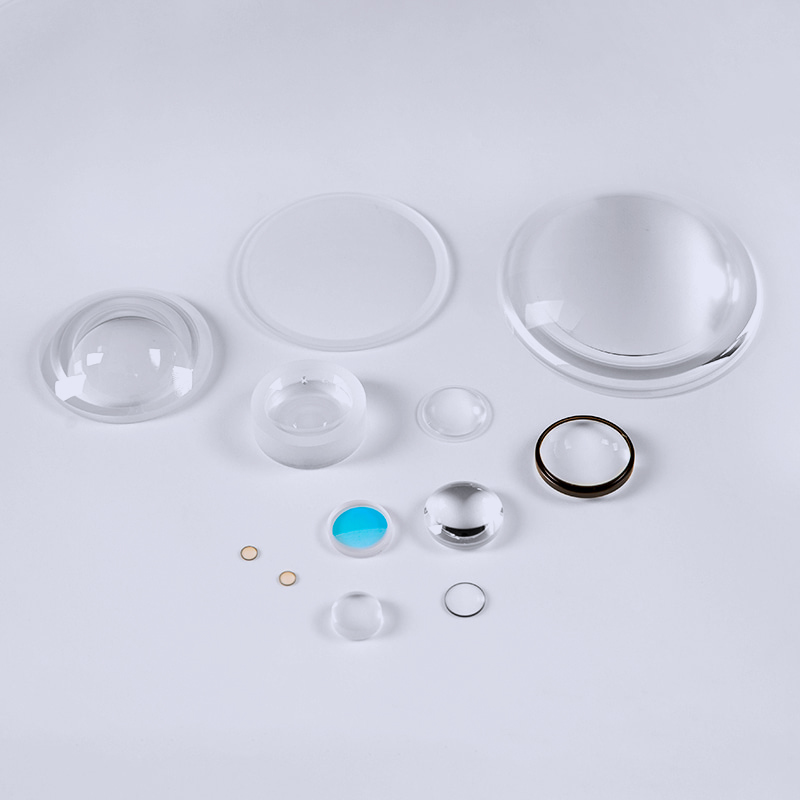
- 19 Product: Optical Window
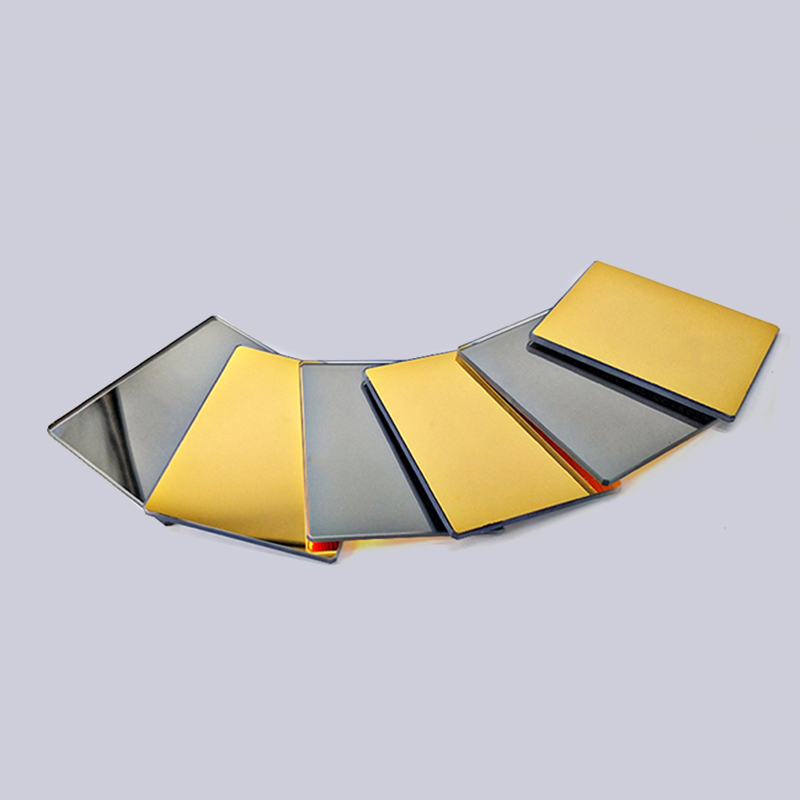
Optical windows are among the most essential yet often underestimated components in modern photonic, imaging, sensing, laser, semiconductor, automotive, and scientific instruments. Unlike a lens, prism, mirror, or filter, an optical window is typically designed not to change the direction, focus, or spectral composition of a beam. Its primary function is to provide reliable protection, separation, transmission, and environmental isolation while preserving the integrity of the optical path. In demanding applications, this apparently simple task requires exceptional material selection, advanced polishing, tight dimensional control, precise surface quality, accurate coating technology, and rigorous inspection.
An optical window must allow light to pass through with minimal wavefront distortion, minimal scattering, high transmission, and stable performance under mechanical, thermal, chemical, and environmental stress. It may protect a sensitive detector from dust and moisture, seal a laser cavity from contamination, isolate a semiconductor process chamber, serve as a transparent viewport in an inspection system, or protect a camera module in an automotive interior. Because the component sits directly in the optical path, even small defects can degrade system performance. For this reason, high-quality optical windows are not commodity glass plates; they are precision optical components manufactured to strict specifications.
The Optical Window introduced here is developed for customers who require stable optical performance, repeatable quality, and dependable supply. It is suitable for laser optics, automotive optics, semiconductor optics, consumer optical devices, machine vision systems, sensing modules, laboratory instruments, and customized optical assemblies. Supported by decades of manufacturing experience in precision optical components, advanced production facilities, certified quality management systems, and strong engineering capabilities, this product provides a competitive solution for customers who need optical clarity, dimensional accuracy, coating reliability, and scalable manufacturing.
What an Optical Window Does in an Optical System
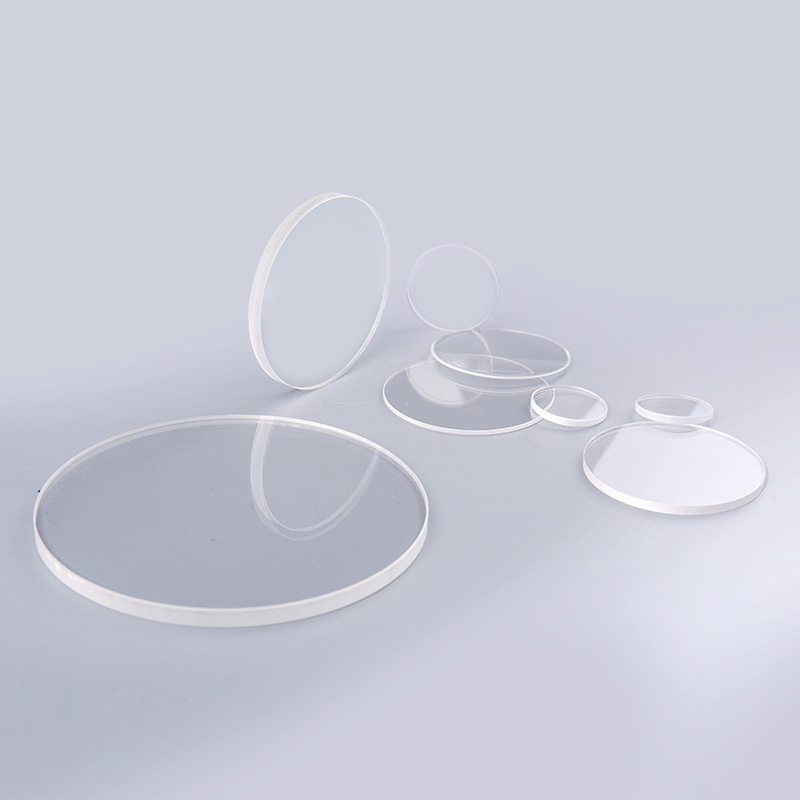
An optical window functions as a transparent barrier. It is placed between an optical system and the surrounding environment, or between two environments that must be separated. The window may protect against dust, oil, water vapor, physical contact, pressure differences, corrosive gases, thermal fluctuations, or process contamination. At the same time, it must permit the required wavelength band to pass through with minimal optical loss.
In many optical systems, the window is the first surface that light meets. If the window has poor flatness, low-grade polishing, incorrect material uniformity, or unstable coating, it can introduce stray light, wavefront error, ghost reflection, beam deviation, or image blur. In laser systems, a low-quality window may absorb excessive energy and heat up, leading to thermal lensing, coating failure, or even fracture. In imaging systems, surface defects can appear as artifacts, reduced contrast, or measurement errors. In semiconductor or industrial inspection systems, contamination and unstable transmission may reduce process reliability.
A precision optical window is therefore engineered as a performance-critical component. It must balance optical transmission, mechanical durability, environmental resistance, coating performance, and manufacturability. The best window for one application may not be the best for another. For example, a visible imaging system may prioritize high transmission and low scattering from 400 nm to 700 nm, while an infrared sensor may require a specialized substrate such as sapphire, silicon, or other infrared-compatible material. A high-power laser window may require extremely low absorption coating, high laser damage threshold, excellent surface cleanliness, and strong thermal stability. A semiconductor viewport may need superior flatness, chemical resistance, and strict contamination control.
Core Advantages of the Optical Window
The Optical Window offers a combination of optical precision, manufacturing consistency, coating flexibility, and application adaptability. Compared with ordinary glass windows or low-cost optical plates, it is produced with tighter process control and more comprehensive inspection. This results in better transmission, reduced beam distortion, improved long-term stability, and higher reliability in real operating conditions.
One of the main advantages is controlled surface quality. Surface scratches, digs, pits, stains, chips, and subsurface damage can scatter light and reduce system performance. A precision manufacturing process helps minimize these defects and ensures the window meets customer requirements for surface quality. For imaging and laser applications, this is especially important because surface defects may cause glare, diffraction, localized heating, or signal noise.
Another important advantage is accurate flatness. Optical windows often appear flat to the naked eye, but a precision system is sensitive to deviations measured in fractions of a wavelength. If the window surface is uneven, transmitted light may experience wavefront distortion. For high-resolution imaging, laser alignment, interferometry, and metrology, such distortion can compromise system accuracy. Precision grinding and polishing allow the optical window to maintain defined flatness specifications and consistent optical behavior.
Dimensional accuracy is also critical. A window must fit properly into mechanical mounts, sealed housings, optical cells, laser modules, or automotive assemblies. Poor diameter tolerance, thickness variation, edge defects, or wedge error can cause mounting stress, alignment drift, sealing leakage, or beam deviation. The Optical Window can be manufactured according to customized size, thickness, shape, edge treatment, and tolerance requirements, supporting both standard and application-specific designs.
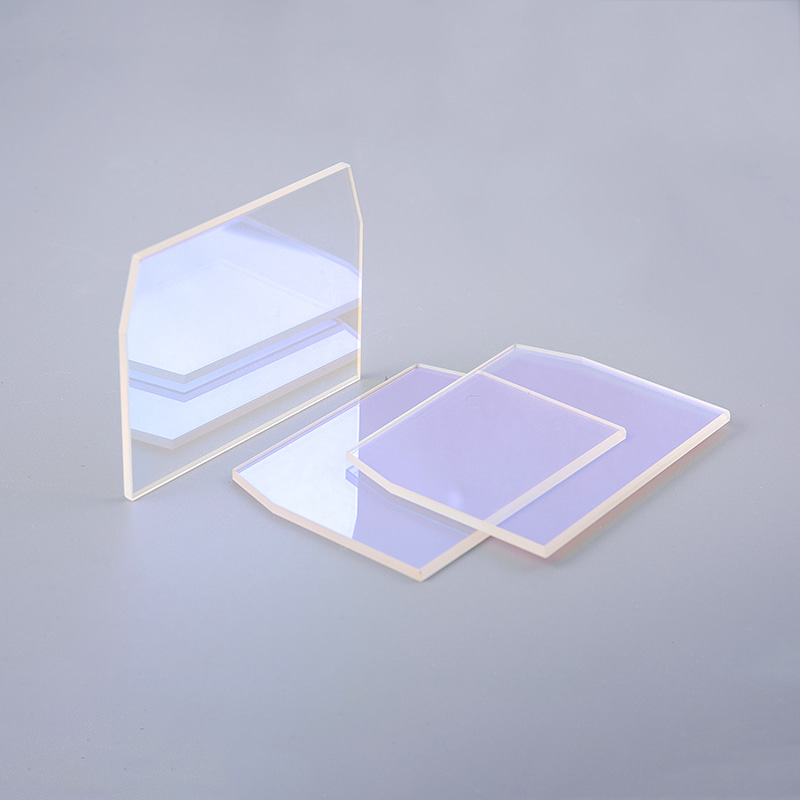
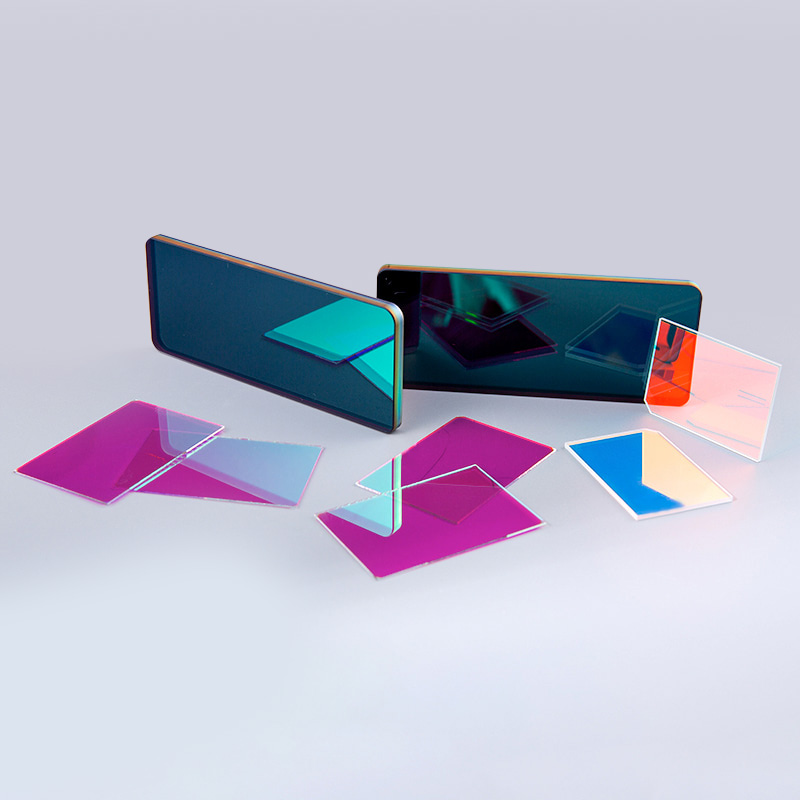
Coating capability is another major advantage. Uncoated glass surfaces reflect a portion of incident light, typically around four percent per surface for common glass in the visible range. In a system with multiple optical surfaces, these reflection losses accumulate and may create ghost images or unwanted feedback. Anti-reflection coatings can significantly increase transmission and reduce reflections. Depending on the application, coatings may be optimized for visible, near-infrared, ultraviolet, infrared, laser line, broadband, or custom spectral ranges. Protective coatings, conductive coatings, hydrophobic coatings, and other functional coatings may also be considered when required by the application.
The product is supported by a manufacturer with long-term experience in precision optics, including optical flat mirrors, wafers, automotive interior glass structural components, optical prisms, optical spherical mirrors, optical lenses, and other customized optical components. This broad manufacturing base is an advantage because optical window quality often depends on the same fundamental skills used in flat optics, polishing, coating, cleaning, and inspection. Customers benefit from integrated engineering knowledge rather than isolated glass cutting capability.
Competitive Advantages Over Common Alternatives
In the marketplace, customers may encounter several alternatives: standard float glass plates, low-grade protective covers, molded transparent parts, generic optical discs, and imported precision windows. Each option has its place, but demanding applications require careful comparison. The Optical Window described here competes by offering a balanced combination of precision, cost efficiency, customization, and reliable mass-production capability.
Compared with standard float glass, a precision optical window provides much better control of surface quality, flatness, thickness tolerance, parallelism, and coating quality. Standard glass may be acceptable for simple mechanical protection, but it is often insufficient for imaging, laser, or high-accuracy sensing. Float glass may contain uneven internal stress, surface waviness, bubbles, inclusions, or inconsistent thickness. These issues can distort images and reduce optical performance. A precision optical window is produced specifically for optical transmission, not merely as a construction or decorative material.
Compared with low-cost protective covers, this product offers stronger technical control and traceable quality. Low-cost covers may prioritize appearance and basic protection, while precision windows must satisfy measurable optical specifications. For customers building professional instruments, the cost of optical failure is often far higher than the cost difference between a commodity cover and a precision optical window. Reduced system rework, improved yield, better customer satisfaction, and long-term performance stability can make a precision window more economical over the full product lifecycle.
Compared with molded transparent plastic parts, optical glass windows often provide superior hardness, thermal stability, chemical resistance, long-term transparency, and dimensional stability. Plastic windows are lightweight and useful in some applications, but they may scratch more easily, absorb moisture, deform under heat, age under ultraviolet exposure, or exhibit higher birefringence. Optical glass, fused silica, sapphire, and other precision substrates can provide better stability in high-performance environments.
Compared with imported precision windows, the product offers the advantage of flexible manufacturing, responsive communication, and scalable supply. Customers seeking wholesale optical components often need not only high quality but also stable delivery, engineering support, and cost-effective customization. A manufacturer with broad production capability and a certified quality system can support prototypes, pilot runs, and volume production. This is especially valuable for industrial, automotive, semiconductor, and consumer optics projects where design changes, documentation, and supply continuity are important.
Another competitive strength is the manufacturer’s integrated production experience. Optical windows may look simple, but failures can occur at many stages: material choice, cutting, edge processing, polishing, cleaning, coating, inspection, packaging, or shipping. A company with mature process control can reduce these risks. The result is a product that supports stable optical performance from sample development to batch production.
Material Selection for Different Optical Requirements
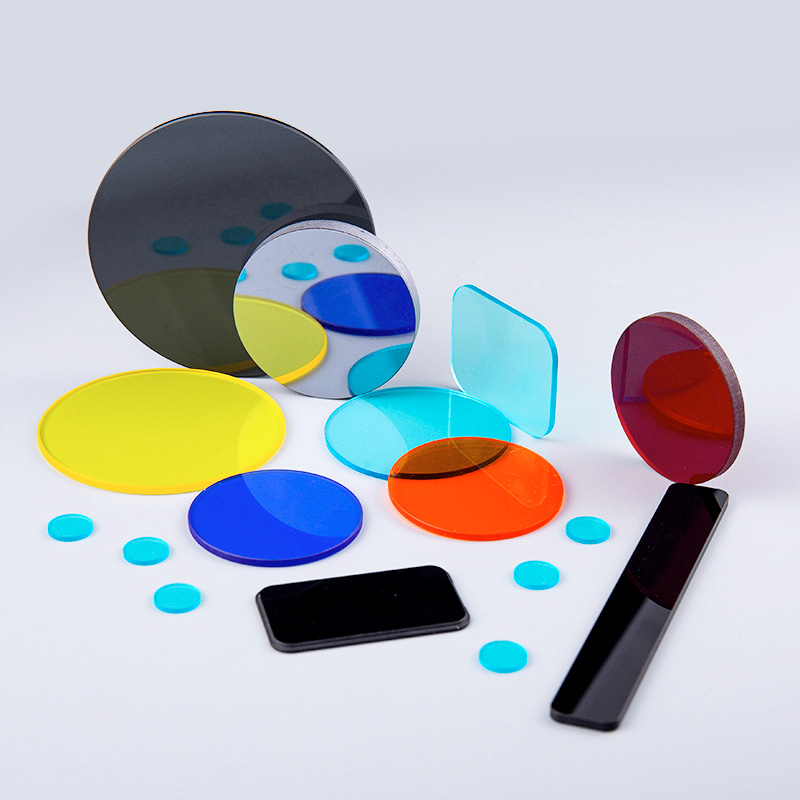
The performance of an optical window begins with the substrate. Different materials provide different transmission ranges, thermal properties, mechanical strength, chemical durability, and cost structures. A professional manufacturer can help customers select suitable materials based on wavelength, power level, operating temperature, environmental exposure, mechanical load, and budget.
Common optical glass materials are widely used for visible and near-infrared applications. They offer good transmission, stable processing characteristics, and cost-effective availability. For imaging systems, sensors, barcode scanners, cameras, measuring instruments, and general protective optical ports, optical glass is often an efficient choice. It can be polished to high surface quality and coated for improved transmission.
Fused silica is often selected for ultraviolet applications, high laser damage threshold requirements, thermal stability, and low fluorescence. It has excellent transmission in the ultraviolet and visible range and lower thermal expansion than many standard glasses. In high-power laser systems, fused silica windows can be advantageous because of their purity, low absorption, and resistance to thermal shock.
Sapphire is valued for exceptional hardness, abrasion resistance, high mechanical strength, chemical resistance, and high-temperature stability. It is commonly used in harsh environments, protective viewports, high-pressure systems, aerospace-related equipment, industrial sensors, and applications where scratching or impact resistance is critical. Sapphire is more challenging to process than many glasses, but its durability can justify the cost in demanding conditions.
Infrared materials may be used when the optical window must transmit wavelengths beyond the visible and near-infrared range. Depending on the spectral requirement, materials such as silicon, germanium, zinc selenide, or other infrared-compatible substrates may be considered. These materials require specialized processing and coating knowledge because they differ in hardness, thermal behavior, refractive index, and environmental sensitivity.
The correct material is not always the most expensive one. The best choice is the material that meets the application’s optical, mechanical, and environmental requirements with the right cost and supply balance. By combining engineering consultation with production experience, the manufacturer can help customers avoid over-designing or under-designing the window.
Typical Specifications and Customization Options
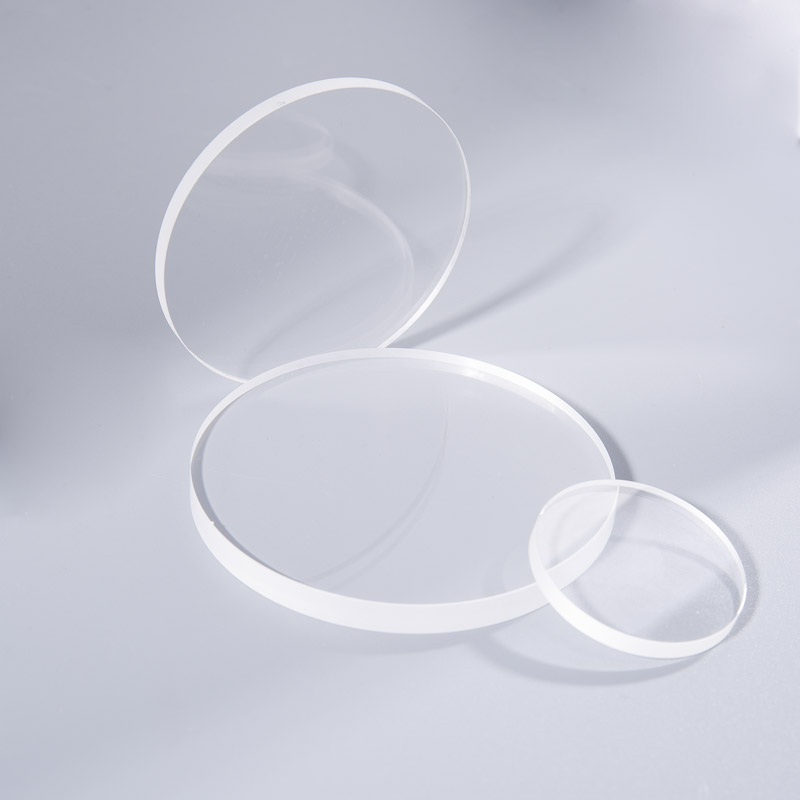
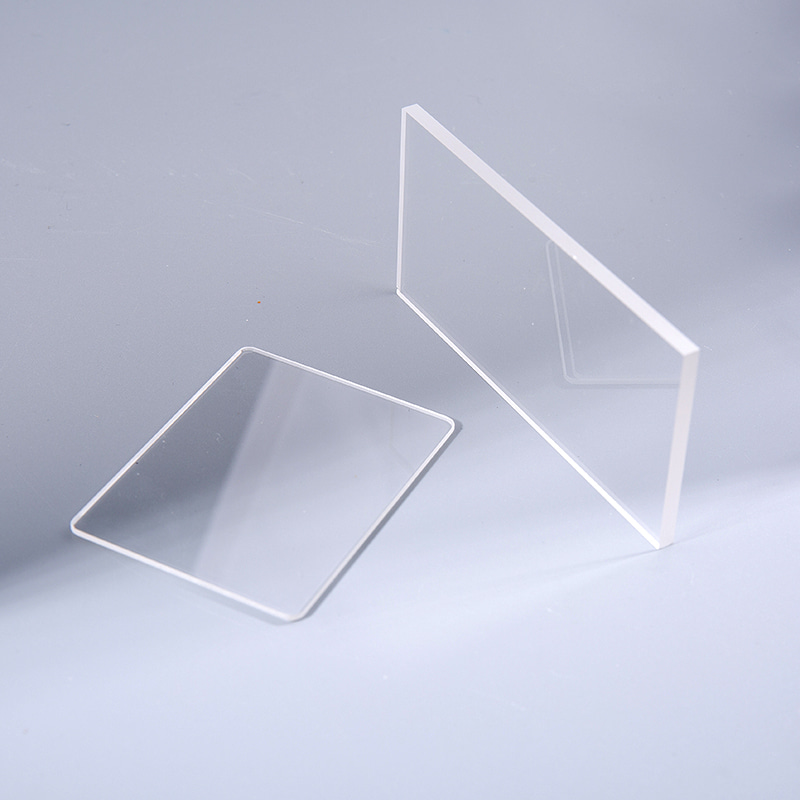
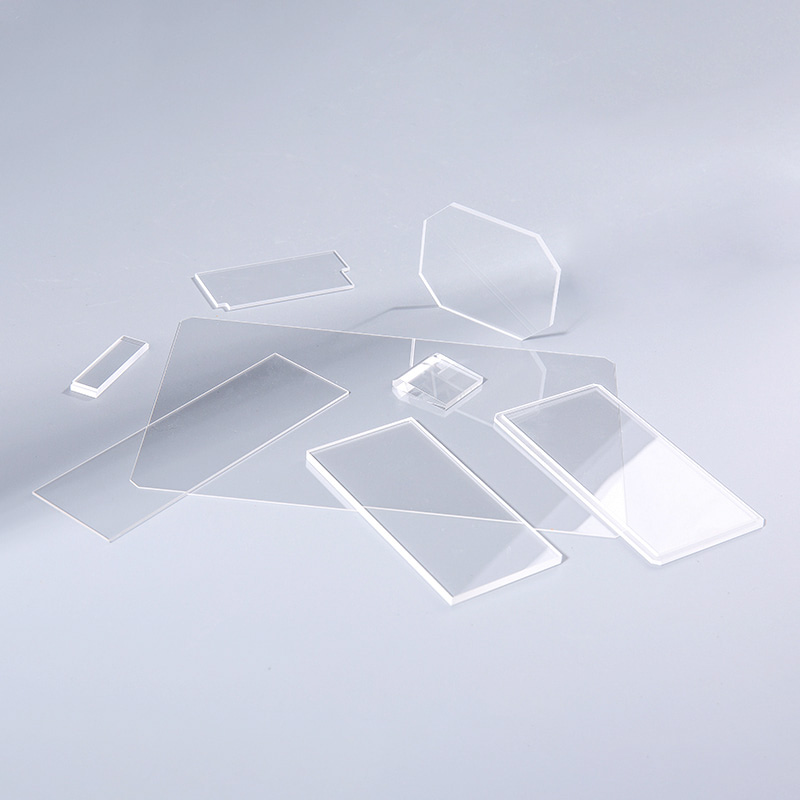
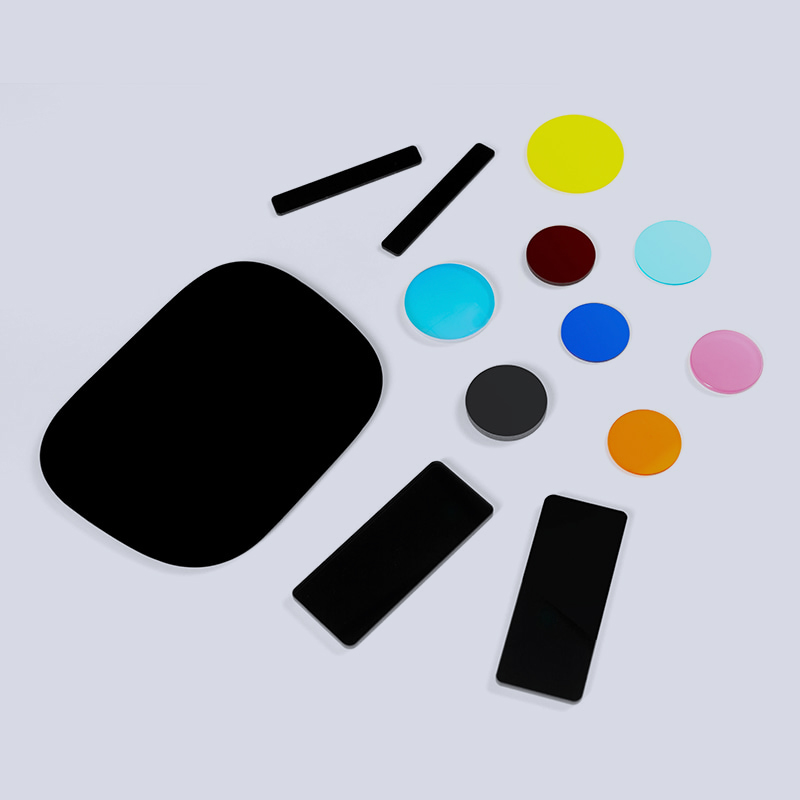
Optical windows can be customized in many ways. Specifications commonly include shape, diameter, length, width, thickness, surface quality, flatness, parallelism, wedge, chamfer, coating, wavelength range, clear aperture, surface roughness, edge treatment, and packaging method. These parameters should be defined according to the optical system rather than selected arbitrarily.
For round windows, diameter tolerance and edge chamfer are important for mounting. For rectangular or square windows, length and width tolerance, corner treatment, and edge quality become more important. For sealing applications, surface finish and dimensional accuracy may affect gasket compression or bonding reliability. For high-power laser applications, clear aperture, coating uniformity, cleanliness, and damage threshold are critical.
The following table summarizes common specification considerations. Actual values can be customized according to drawings, samples, or project requirements.
| Specification Item | Common Options | Why It Matters |
|---|---|---|
| Substrate Material | Optical glass, fused silica, sapphire, infrared materials, custom materials | Determines wavelength transmission, durability, thermal behavior, and cost |
| Shape | Round, square, rectangular, special profile | Ensures compatibility with mechanical housings and optical assemblies |
| Surface Quality | General grade to precision scratch-dig requirements | Controls scattering, cosmetic quality, and laser reliability |
| Flatness | Application-specific wavelength-level requirements | Reduces wavefront distortion and image degradation |
| Parallelism or Wedge | High parallelism or controlled wedge angle | Minimizes beam deviation or prevents unwanted back reflection |
| Coating | Uncoated, anti-reflection, broadband, laser line, protective, custom | Improves transmission, reduces reflections, and supports special functions |
| Edge Processing | Fine ground edge, polished edge, chamfer, bevel | Improves safety, assembly fit, and resistance to chipping |
| Inspection | Dimensional, cosmetic, interferometric, spectral, coating adhesion tests | Confirms product consistency before delivery |
Customization is especially important for customers developing new optical modules. A window may need to fit a compact housing, withstand cleaning solvents, avoid ghost images, support bonding, or meet an automotive reliability test. Early communication about operating wavelength, incident angle, power density, temperature range, and mounting design helps ensure the final window performs as expected.
Advanced Manufacturing Process
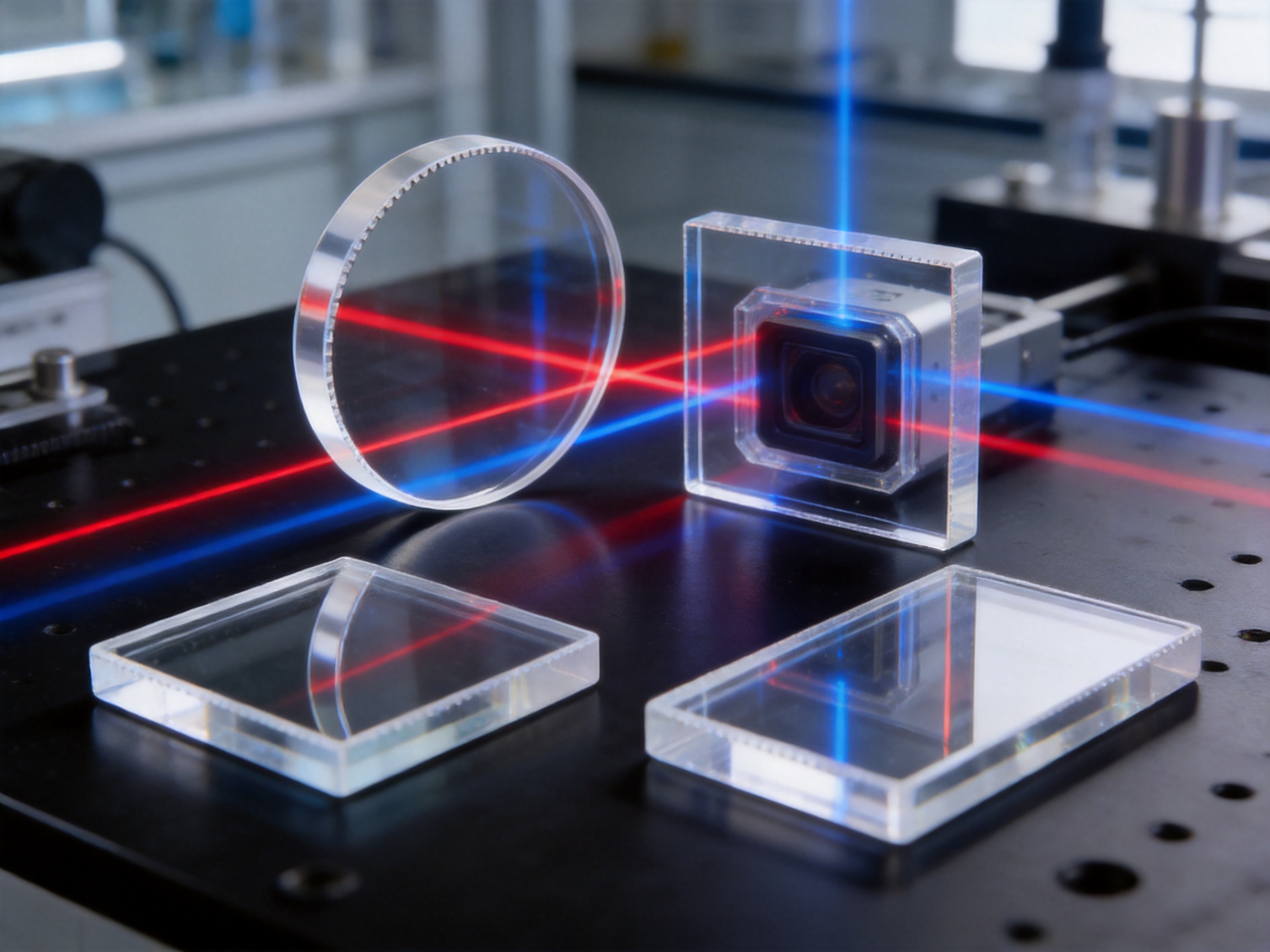
The manufacture of a precision optical window involves multiple controlled steps. Although the final product may appear simple, producing it reliably requires disciplined process engineering. Each step affects the next, and small errors can accumulate. A strong manufacturer therefore combines skilled technicians, precision equipment, process documentation, and inspection procedures.
Material Preparation and Incoming Inspection
The process begins with substrate selection and incoming material inspection. Raw glass or crystal materials must be checked for internal defects, bubbles, inclusions, striae, stress, and dimensional suitability. Material quality directly affects final performance. If poor material is used, even excellent polishing cannot eliminate internal optical defects. For high-end applications, material traceability and documentation may be required.
Different substrate materials require different cutting and processing strategies. Fused silica, sapphire, and infrared materials do not behave the same way under grinding and polishing. A manufacturer experienced in multiple optical components can adapt the process parameters to each substrate, reducing the risk of cracks, edge chips, subsurface damage, or dimensional instability.
Cutting and Shaping
After material inspection, the substrate is cut into blanks. Round, rectangular, square, or custom-shaped windows may be produced according to customer drawings. Precision cutting helps minimize material waste and reduces the amount of grinding needed later. Good cutting control also reduces edge stress and improves processing yield.
Special profiles may require advanced shaping equipment and experienced programming. This is particularly relevant for automotive interior glass structural components, sensor covers, and compact optical modules where the window may need holes, notches, curves, or nonstandard outlines. Proper shaping ensures that the window integrates smoothly into the final device.
Grinding and Thickness Control
Grinding establishes the basic thickness, parallelism, and surface geometry. During this stage, the window is processed to approach the required dimensions while removing cutting marks and preparing surfaces for polishing. The challenge is to remove material efficiently without generating excessive subsurface damage. If subsurface damage remains, it may later cause coating failure, laser damage, or mechanical weakness.
Thickness control is particularly important when the window is part of a sealed assembly, optical module, or mechanical stack. Even small thickness variations can change focus position, mounting force, or sealing compression. Controlled grinding helps ensure consistency across batches.
Fine Polishing
Polishing transforms a ground surface into an optically smooth surface. This stage determines surface quality, roughness, flatness, and transmission performance. Skilled process control is required because polishing involves complex interactions among polishing pads, slurry, pressure, speed, temperature, material hardness, and time.
For optical windows, flatness and surface smoothness are central performance indicators. Poor polishing can introduce surface waviness, zonal errors, scratches, digs, stains, or haze. Advanced polishing procedures help produce surfaces suitable for imaging, laser, and precision sensing applications. The manufacturer’s experience in optical flat mirrors, prisms, lenses, and spherical mirrors supports the technical foundation needed for stable polishing results.
Edge Processing and Chamfering
Edges are often overlooked, but they play an important role in reliability. Sharp edges are prone to chipping and can create safety risks during handling. Edge chips can also propagate cracks under mechanical stress. Chamfering, beveling, or fine grinding improves handling safety, assembly compatibility, and mechanical durability.
In applications where the window is bonded, sealed, or clamped, edge geometry can influence stress distribution. Proper edge processing reduces breakage risk and improves production yield during customer assembly. For high-volume customers, this can be a significant practical advantage.
Cleaning and Surface Preparation
Before coating or final inspection, optical windows must be thoroughly cleaned. Residual polishing compounds, oils, particles, water stains, or organic contaminants can reduce coating adhesion and optical performance. Cleaning may include ultrasonic cleaning, purified water rinsing, solvent cleaning, drying, and controlled handling.
Cleanliness is especially important for laser and semiconductor applications. Particles or residues can absorb energy, create hot spots, contaminate process chambers, or introduce measurement errors. A controlled cleaning process is therefore not merely cosmetic; it is a functional requirement.
Optical Coating
Coating is a key value-added process. Anti-reflection coatings reduce reflection losses and increase usable transmission. Coatings may be designed for a single wavelength, a broad wavelength band, a specific angle of incidence, or a defined polarization condition. In laser applications, coating absorption and damage threshold must be carefully controlled.
Coating design depends on substrate refractive index, wavelength range, incident angle, environmental conditions, and system performance targets. A well-designed coating can greatly improve the optical window’s contribution to system efficiency. A poorly matched coating, however, may fail to provide the required transmission or may create color shift, ghost reflection, or durability problems.
Coating production requires stable deposition equipment, process monitoring, layer thickness control, and post-coating inspection. Adhesion, spectral transmission, reflection, cosmetic quality, and environmental resistance may be tested according to application requirements. The combination of polishing quality and coating quality determines the final performance of the optical window.
Inspection and Quality Verification
Inspection is essential at multiple stages. Dimensional tools verify diameter, length, width, thickness, chamfer, and profile. Optical inspection checks scratches, digs, stains, chips, and surface defects. Interferometric testing may be used to evaluate flatness or transmitted wavefront. Spectrophotometers may verify coating transmission and reflection. Additional tests may check adhesion, durability, or environmental resistance.
A strong quality system reduces variation and supports repeatability. Certifications such as ISO9001:2015, ISO14001:2015, and IATF16949 reflect structured management in quality, environmental responsibility, and automotive-related production discipline. For customers in regulated or high-reliability markets, such management systems are valuable because they support documentation, corrective action, traceability, and process stability.
Manufacturing Strengths Behind the Product
The Optical Window is backed by a professional precision optical component manufacturer founded in 1998 and located in Changzhou, Jiangsu, China. With a manufacturing area of approximately 35,000 square meters and more than 300 employees, the company has built long-term capability in optical processing, coating, inspection, engineering development, and production management. Its products are exported to more than 20 countries, demonstrating international supply experience and adaptability to different customer standards.
The company focuses on laser optics, automotive optics, semiconductor optics, and consumer optics. This multi-market experience strengthens the optical window product because each industry brings different technical expectations. Laser customers emphasize wavefront quality, coating damage threshold, cleanliness, and thermal stability. Automotive customers emphasize reliability, appearance, repeatability, environmental resistance, and large-scale delivery. Semiconductor customers emphasize contamination control, dimensional precision, and process compatibility. Consumer optics customers emphasize cost efficiency, appearance, and consistent volume production.
The company has established technical platforms such as the Jiangsu Precision Optical Lens Engineering Technology Center and the Jiangsu Enterprise Technology Research Center. These platforms support research, process improvement, new product development, and engineering collaboration. The company also holds multiple invention patents, utility model patents, and recognized high-technology products. These achievements reflect a commitment to continuous development rather than basic processing only.
A key strength is the breadth of manufacturing capability. Because the company produces optical flat mirrors, wafers, automotive interior glass structural components, optical prisms, optical spherical mirrors, optical lenses, and other optical components, it has accumulated knowledge across many forms of optical fabrication. This is beneficial for optical windows because customers often require more than a simple flat plate. They may need integrated assemblies, special shapes, coated windows, matching lenses, reflective components, or other optical parts within the same project. A broad manufacturing base can simplify sourcing and improve technical coordination.
Another strength is the ability to support both customization and wholesale supply. Many customers need samples first, followed by design refinement, pilot production, and stable volume manufacturing. A capable factory can support this full path. Engineering teams can review drawings, propose manufacturable tolerances, select materials, optimize coatings, and define inspection criteria. Production teams can then scale the process while maintaining quality control.
The company’s long operating history is also meaningful. Founded in 1998, it has experienced changes in optical technology, laser applications, automotive electronics, semiconductor manufacturing, and global supply chains. This experience helps it understand customer expectations for quality, communication, delivery, and documentation. For customers selecting a long-term supplier, this maturity can be as important as a single specification value.
Applications in Laser Optics
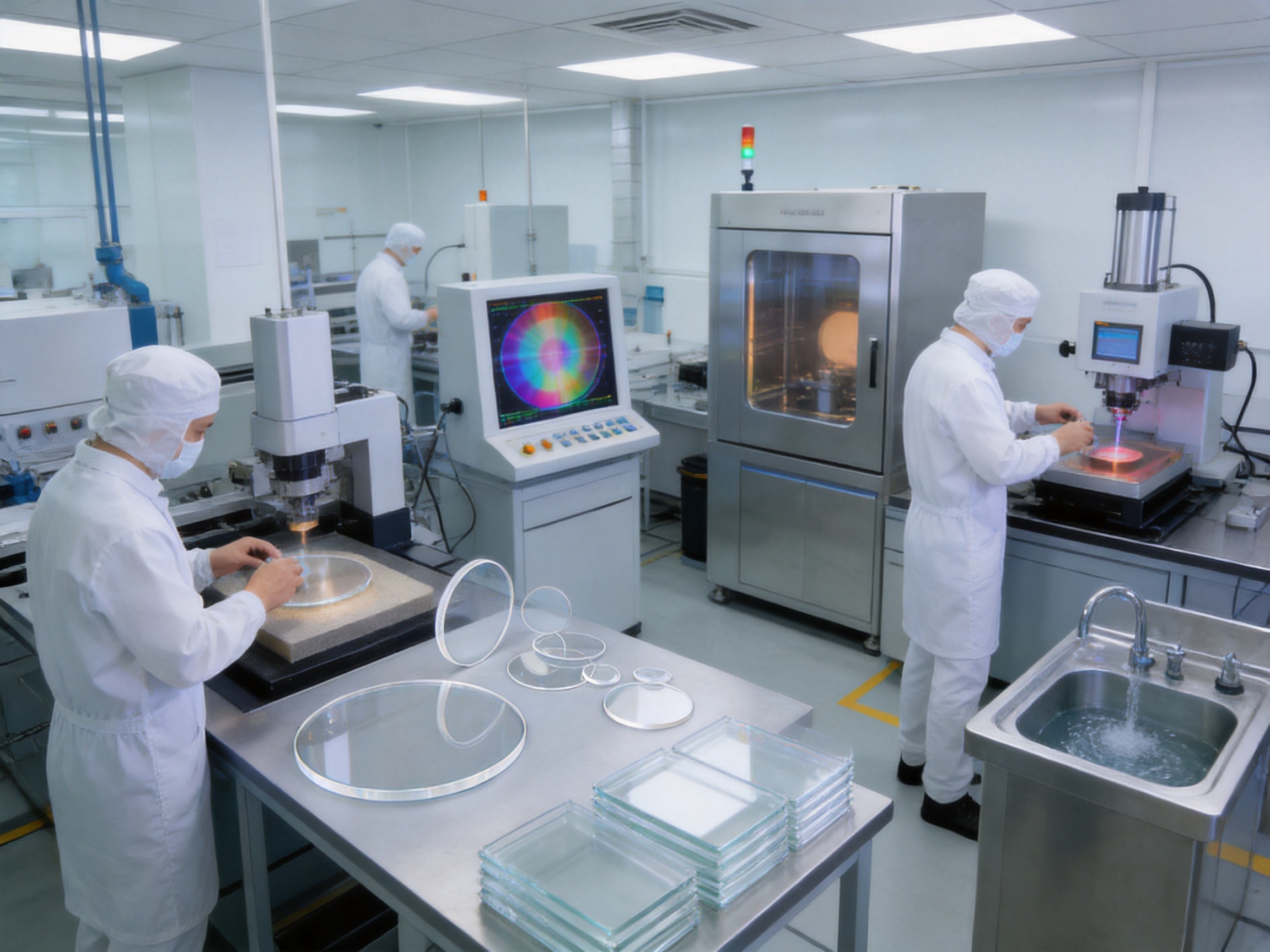
Laser systems place demanding requirements on optical windows. A laser window may protect a cavity, seal a beam delivery path, isolate a work area, or serve as a protective cover in cutting, welding, marking, medical, measurement, or scientific equipment. Because laser beams can have high power density, even small absorption or contamination can cause heating and damage.
For laser applications, the optical window should be produced with high surface quality, low absorption substrate material, suitable flatness, and an anti-reflection coating designed for the laser wavelength. Common laser wavelengths may include ultraviolet, visible, near-infrared, or mid-infrared ranges depending on the system. Coating design must consider incidence angle, polarization, power density, pulse duration, and environmental exposure.
A precision laser window helps reduce power loss, back reflection, beam distortion, and thermal effects. It also protects expensive internal optics from dust, smoke, spatter, or process debris. In industrial laser machines, a replaceable protective window can reduce maintenance costs by shielding more expensive focusing lenses or mirrors. However, the protective window itself must still be optically reliable; otherwise, it can become the weak link in the system.
Applications in Automotive Optics and Interior Glass
Modern vehicles increasingly use cameras, sensors, displays, ambient lighting, driver monitoring modules, head-up displays, and intelligent interior systems. Optical windows and glass structural components can serve as protective covers, transparent interfaces, sensor windows, or decorative-functional elements. Automotive applications require a combination of optical performance, mechanical reliability, appearance quality, environmental resistance, and production consistency.
Automotive interior glass components may experience temperature cycling, vibration, humidity, cleaning chemicals, human touch, and long service life requirements. A precision optical window used in such systems must maintain clarity and dimensional stability. It may also require special coatings to reduce reflection, resist fingerprints, improve durability, or support optical sensing.
The manufacturer’s IATF16949 certification is especially relevant for automotive customers because it reflects a quality management framework aligned with automotive production expectations. Automotive projects often require process documentation, traceability, corrective action systems, advanced planning, and reliable batch control. A supplier familiar with these requirements can help reduce project risk.
Applications in Semiconductor and Industrial Equipment
Semiconductor manufacturing, inspection, lithography support equipment, vacuum systems, plasma systems, and process monitoring tools often require optical windows. These windows may provide visual access, allow laser measurement, support spectroscopy, or separate sensitive optical instruments from harsh process environments. Requirements can include high flatness, low contamination, chemical resistance, thermal stability, and strict cleanliness.
In semiconductor equipment, an optical window may be exposed to vacuum, gas, heat, plasma, cleaning cycles, or pressure differences. Material selection and coating durability become critical. Poor windows can contaminate process chambers, distort measurement beams, or fail under thermal stress. Precision manufacturing and cleaning help improve reliability and reduce downtime.
Industrial inspection systems also rely on optical windows to protect cameras and sensors. Machine vision systems in factories may encounter dust, oil mist, vibration, and frequent cleaning. A high-quality window maintains image quality while protecting the optical module. This is valuable in automated inspection, robotics, barcode reading, alignment systems, and quality control equipment.
Applications in Consumer and Scientific Optics
Consumer devices often demand optical components that are compact, attractive, reliable, and cost-effective. Optical windows may be used in sensors, cameras, smart devices, projectors, wearable devices, and optical modules. Although consumer applications may have different cost targets than scientific instruments, they still require stable quality because high production volumes magnify defect rates.
Scientific and laboratory instruments require precision and repeatability. Optical windows may be used in spectrometers, microscopes, environmental chambers, laser experiments, interferometers, and analytical instruments. These systems often require specific wavelength transmission, low fluorescence, high surface quality, or low wavefront distortion. Custom material and coating selection can help meet these requirements.
The flexibility to serve both consumer and scientific applications demonstrates the adaptability of the optical window product. By adjusting specifications, materials, coatings, and inspection levels, the same manufacturing platform can support a wide range of performance and cost requirements.
Design Considerations for Engineers
When specifying an optical window, engineers should begin with the operating wavelength. Transmission requirements determine the suitable substrate and coating design. A material that works well in the visible range may not transmit ultraviolet or infrared light effectively. Coating performance is also wavelength-dependent, so the required spectral band should be clearly defined.
The next consideration is optical quality. If the window is used in a low-resolution indicator or basic protective cover, moderate flatness may be sufficient. If it is used in a laser beam path, imaging system, or interferometer, higher flatness and better transmitted wavefront may be required. Overly loose specifications can reduce performance, while unnecessarily tight specifications can increase cost and lead time. A good supplier can help balance these factors.
Incident angle is another important factor. Anti-reflection coatings are often optimized for a specific angle, commonly normal incidence. If the window will be tilted, the coating design should account for the actual angle and polarization. Some systems intentionally use a slight wedge or tilt to prevent back reflections from returning to the source. In laser systems, this can protect the laser cavity and improve stability.
Mechanical mounting should be considered early. Windows can fail if clamped too tightly, bonded with incompatible adhesives, or mounted without allowance for thermal expansion. Edge chips, uneven pressure, and hard contact points can create stress. Proper chamfering, gasket design, bonding method, and tolerance definition help prevent damage.
Environmental conditions must also be defined. Temperature range, humidity, chemicals, abrasion, pressure, vacuum, cleaning process, and outdoor exposure can influence material and coating choice. For example, sapphire may be preferred for abrasive environments, while fused silica may be preferred for ultraviolet or high thermal stability requirements. Protective coatings may be needed for specific conditions.
Finally, engineers should define inspection criteria that match functional risk. Cosmetic standards, scratch-dig levels, clear aperture, coating spectral data, flatness testing, and packaging requirements should be agreed upon before production. Clear specifications reduce misunderstanding and improve delivery consistency.
Quality Assurance and Reliability
Quality assurance for optical windows requires more than final visual inspection. A robust process includes incoming material control, in-process inspection, equipment calibration, documented procedures, operator training, coating verification, final inspection, and protective packaging. Each step reduces the probability of nonconforming products reaching the customer.
Surface defects are commonly inspected under defined lighting conditions and according to agreed standards. Dimensional properties are checked with measuring tools suitable for the tolerance level. Flatness may be measured with optical flats or interferometers. Spectral performance is measured with instruments such as spectrophotometers. Coating adhesion may be tested using methods appropriate to the coating and application.
Reliability also depends on packaging. Precision optical windows must be protected from scratches, particles, moisture, and impact during transportation. Clean packaging and proper separation prevent surface damage. For high-cleanliness applications, special packaging may be required to maintain component cleanliness until installation.
The manufacturer’s certifications support systematic quality management. ISO9001:2015 provides a framework for quality processes and continuous improvement. ISO14001:2015 reflects environmental management discipline. IATF16949 supports automotive-related quality requirements. These systems help customers trust that the company is not only capable of making good samples but also capable of maintaining consistency in production.
Why Customers Choose This Optical Window
Customers choose this Optical Window because it combines precision optical performance, flexible customization, advanced processing, coating capability, and reliable manufacturing support. It is designed for customers who understand that optical performance depends on details. Material purity, surface quality, flatness, coating design, cleanliness, and inspection all influence final system behavior.
The product is also attractive because it is supported by a factory with broad optical component experience. Customers may source optical windows together with lenses, prisms, mirrors, wafers, or automotive glass components. This can simplify supplier management and improve design coordination. When different optical components in a system are produced by a capable integrated supplier, tolerance matching and communication can become more efficient.
For wholesale customers, stable capacity and repeatability are essential. A supplier with a 35,000-square-meter manufacturing base, experienced workforce, and international export experience can support ongoing demand. For engineering customers, technical communication and customization matter. The ability to review drawings, recommend materials, produce prototypes, develop coatings, and scale to production is a major advantage.
Compared with competitors who provide only standard catalog parts, this product can be adapted to application-specific requirements. Compared with suppliers focused only on low-cost glass cutting, it offers higher optical precision and better quality control. Compared with high-cost imported options, it can provide competitive manufacturing value and responsive customization. This balance makes it suitable for a wide range of industrial and optical markets.
Procurement Guidance for Optical Window Projects
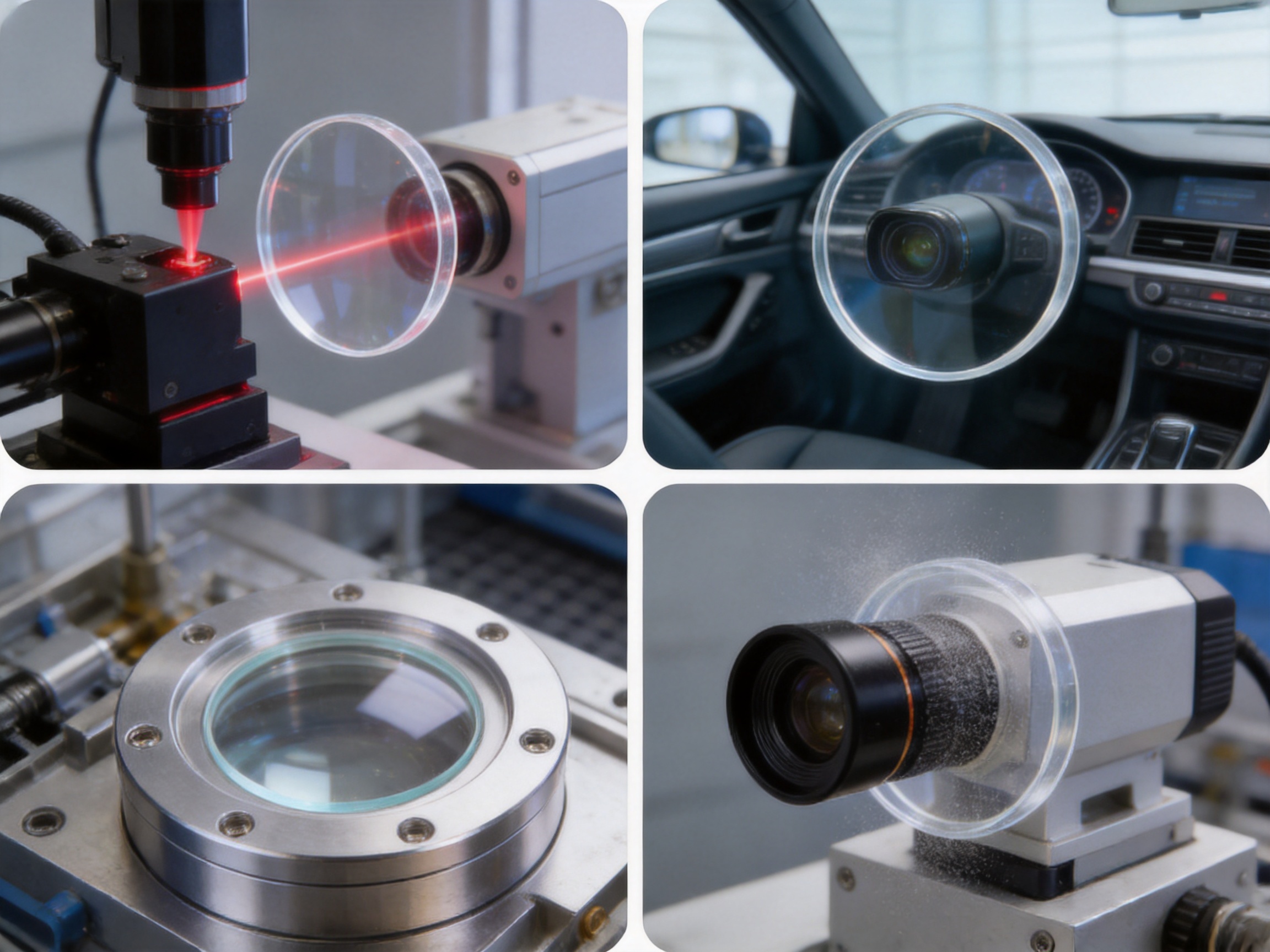
When requesting a quotation or starting a new project, customers should provide as much technical information as possible. Useful information includes drawing dimensions, material preference, wavelength range, transmission requirement, surface quality, flatness, parallelism, coating type, quantity, application environment, inspection requirements, and packaging expectations. If the customer is unsure about some parameters, the supplier can provide recommendations based on the application.
For early-stage development, it may be practical to begin with prototypes or small batches. Sample evaluation can confirm fit, optical performance, coating suitability, and assembly process. After successful testing, the specification can be finalized for production. This approach reduces risk and allows engineering improvements before larger investment.
For high-volume projects, customers should consider manufacturability. Extremely tight tolerances may be possible, but they can increase cost and production time. The best specification is one that meets functional needs without unnecessary difficulty. Collaboration between customer engineers and supplier engineers helps identify practical tolerance ranges and stable processes.
Customers should also clarify quality documentation needs. Some projects may require inspection reports, coating curves, material certificates, reliability test data, or traceability records. Defining these requirements early helps align production and delivery expectations.
Frequently Asked Questions
What is the main function of an optical window?
An optical window provides a transparent barrier that protects an optical system or separates two environments while allowing light to pass through. It is designed to minimize transmission loss, scattering, reflection, and wavefront distortion.
How is an optical window different from an ordinary glass plate?
An ordinary glass plate is usually not manufactured to strict optical specifications. A precision optical window is controlled for material quality, surface quality, flatness, thickness, parallelism, coating performance, and cleanliness. These factors are critical in imaging, laser, sensing, and semiconductor applications.
Which materials can be used for optical windows?
Common materials include optical glass, fused silica, sapphire, and infrared materials. The best material depends on wavelength range, laser power, temperature, mechanical stress, chemical exposure, and budget.
Does every optical window need an anti-reflection coating?
Not every window requires coating, but anti-reflection coating is recommended when high transmission, low reflection, reduced ghost images, or improved laser efficiency is needed. Coating design should match the wavelength range and angle of incidence.
Can the optical window be customized?
Yes. Customization may include size, shape, thickness, material, surface quality, flatness, parallelism, wedge, chamfer, coating, clear aperture, and packaging. Custom windows can be produced according to drawings, samples, or project requirements.
Why is flatness important?
Flatness affects the transmitted wavefront. Poor flatness can distort laser beams, reduce image quality, or introduce measurement errors. High-precision systems generally require better flatness than simple protective applications.
What is the benefit of a wedged optical window?
A wedged window can reduce unwanted back reflections returning to a laser source or detector. This is useful in laser systems and sensitive optical instruments where feedback can cause instability or noise.
How should optical windows be handled?
Optical windows should be handled with clean gloves or appropriate tools. Surfaces should be protected from fingerprints, dust, scratches, and impact. Cleaning should follow suitable optical cleaning procedures and avoid incompatible chemicals.
What information is needed for a quotation?
Important information includes material, dimensions, tolerance, surface quality, flatness, coating requirement, wavelength range, quantity, application environment, and inspection requirements. A drawing is highly helpful for custom parts.
Why is the manufacturer’s experience important?
Optical window quality depends on many connected processes, including material control, cutting, grinding, polishing, coating, cleaning, inspection, and packaging. An experienced precision optics manufacturer can control these stages more reliably and support stable production.
Conclusion
The Optical Window is a critical component for systems that demand reliable transmission, environmental protection, and stable optical performance. Although it may appear simple, its performance depends on sophisticated manufacturing and quality control. Material selection, surface polishing, flatness control, edge processing, coating design, cleaning, inspection, and packaging all contribute to final reliability.
For laser optics, it can protect beam paths and sensitive components while maintaining beam quality. For automotive optics, it can support sensors, displays, and interior glass functions with reliable appearance and durability. For semiconductor and industrial equipment, it can provide clean, stable, and precise optical access. For consumer and scientific instruments, it can balance performance, customization, and cost efficiency.
Supported by a professional precision optical component manufacturer with decades of experience, certified quality systems, advanced technical platforms, and broad production capability, this Optical Window offers clear advantages over ordinary glass plates, low-grade protective covers, and inflexible standard components. It is suitable for customers seeking customized engineering support, wholesale optical component supply, and dependable long-term cooperation.
In modern optical systems, every surface matters. A well-designed optical window protects the system without compromising the light that passes through it. By choosing a precision-manufactured optical window with appropriate material, coating, and quality control, customers can improve system performance, reduce risk, and build more reliable optical products.
References
Hecht, Eugene. Optics. Pearson Education.
Smith, Warren J. Modern Optical Engineering. McGraw-Hill Education.
Malacara, Daniel. Optical Shop Testing. Wiley.
Macleod, H. Angus. Thin-Film Optical Filters. CRC Press.
ISO 10110. Optics and Photonics: Preparation of Drawings for Optical Elements and Systems.
ISO 9001:2015. Quality Management Systems: Requirements.
ISO 14001:2015. Environmental Management Systems: Requirements with Guidance for Use.
IATF 16949. Quality Management System Standard for Automotive Production and Relevant Service Parts Organizations.


 苏公网安备32041102000130号