
 Search
 en
 English
 日本語
 русский
 Español
 Deutsch
 中文简体
Content
- 1 What Is an Optical Window?
- 2 Core Functions of Precision Optical Windows
- 3 Advantages of Precision Optical Windows Compared with General Transparent Covers
- 4 Materials Used for Optical Windows
- 5 Manufacturing Process for High-Quality Optical Windows
- 6 Advanced Manufacturing Strengths
- 7 Optical Window Performance Parameters
- 8 Applications of Optical Windows
- 9 How Optical Windows Offer Competitive Value
- 10 Design Considerations Before Ordering an Optical Window
- 11 Quality Assurance and Customer Support
- 12 Why Choose an Experienced Optical Window Manufacturer?
- 13 Future Development of Optical Windows
- 14 Conclusion
- 15 Questions and Answers
- 15.1 What is the main purpose of an optical window?
- 15.2 How is an optical window different from a lens?
- 15.3 What materials can be used for optical windows?
- 15.4 Why is an antireflection coating needed?
- 15.5 Can optical windows be customized?
- 15.6 Are optical windows suitable for automotive applications?
- 15.7 What information should be provided when requesting a quotation?
- 15.8 How does manufacturing experience affect optical window quality?
- 15.9 What certifications are relevant when selecting a supplier?
- 15.10 How should an optical window be cleaned by the customer?
- 16 References
- 17 Product: Optical Window
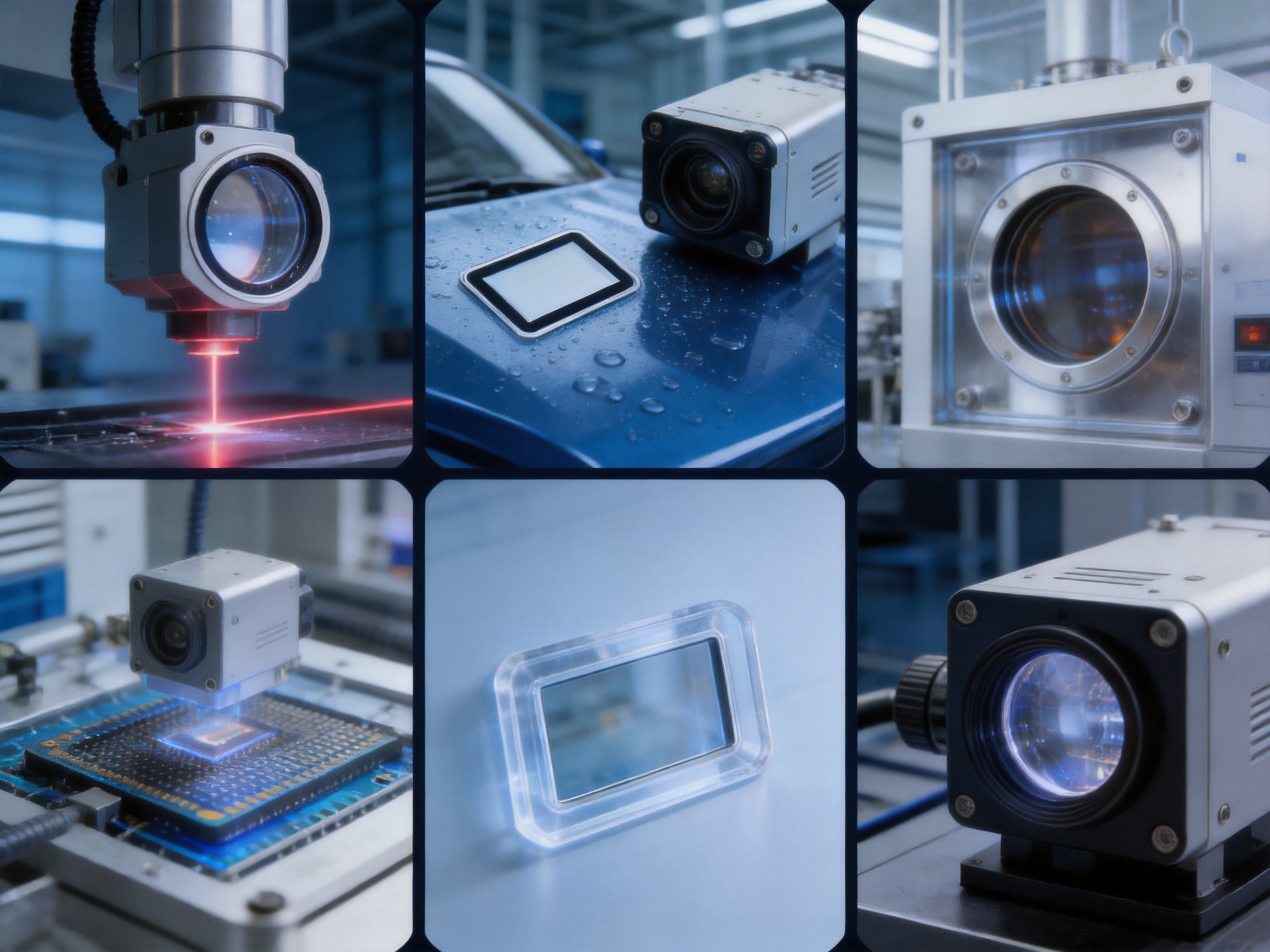
Optical windows are essential components in systems that must transmit light while protecting sensitive internal assemblies from dust, moisture, pressure differences, mechanical contact, and environmental contamination. Although an optical window may appear to be a simple flat piece of transparent material, its performance depends on a combination of optical design, substrate quality, surface accuracy, coating technology, edge treatment, cleanliness, inspection, and application-specific engineering.
In laser equipment, automotive sensing systems, semiconductor manufacturing tools, imaging devices, scientific instruments, consumer electronics, and industrial inspection equipment, the optical window often serves as the first optical interface between the system and its operating environment. It must preserve image quality and beam performance while withstanding thermal, mechanical, chemical, and environmental stress. A poorly selected or poorly manufactured window can introduce unwanted reflection, scattering, wavefront distortion, ghost images, polarization effects, or premature failure.
Precision optical windows manufactured by Changzhou Haolilai Photo-Electricity Scientific and Technical Co., Ltd., commonly known as HLL, are developed for applications requiring stable optical transmission, dependable dimensional accuracy, and consistent production quality. With experience dating back to 1998, the company combines optical design understanding, precision processing, coating capability, inspection systems, and application-oriented manufacturing. Its product development activities cover laser optics, automotive optics, semiconductor optics, consumer optics, and other demanding fields.
The purpose of this article is to explain the structure, advantages, manufacturing process, quality considerations, and application value of precision optical windows. It also examines why a specialized optical component manufacturer can offer advantages over general glass processors and how optical windows can be selected for different operating conditions.
What Is an Optical Window?
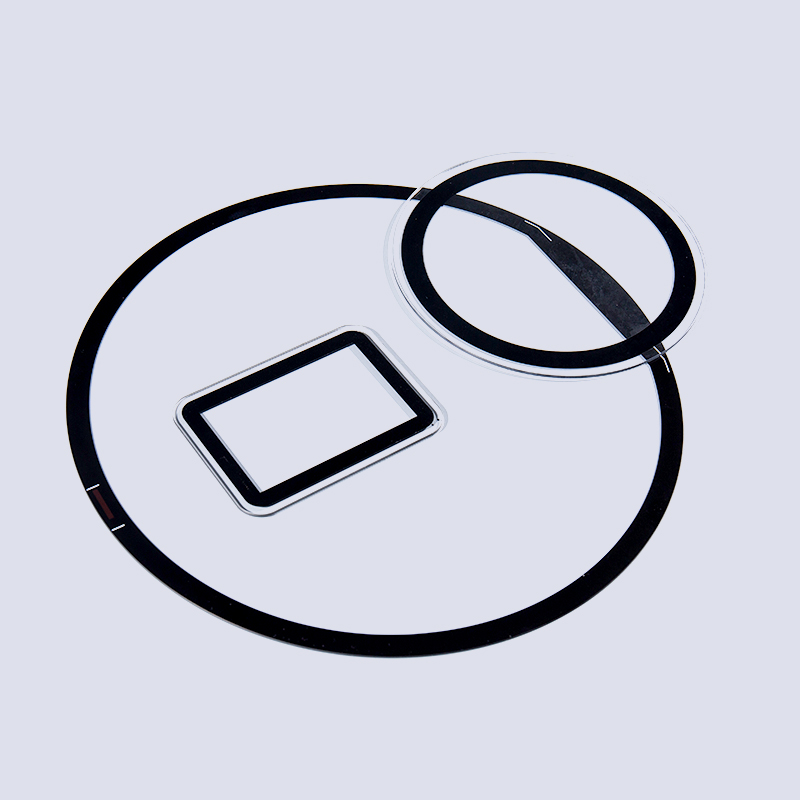
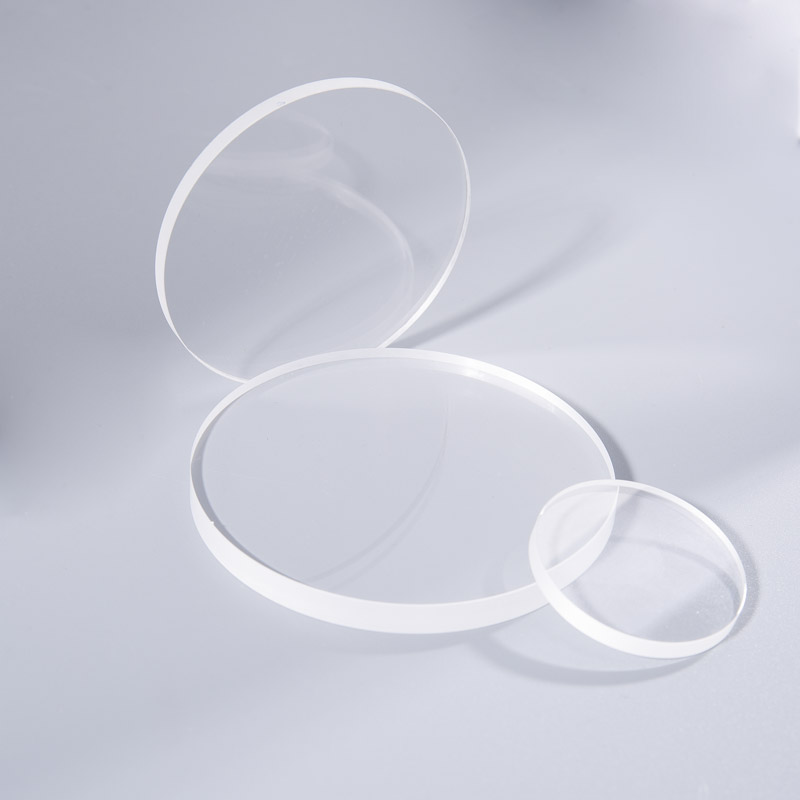
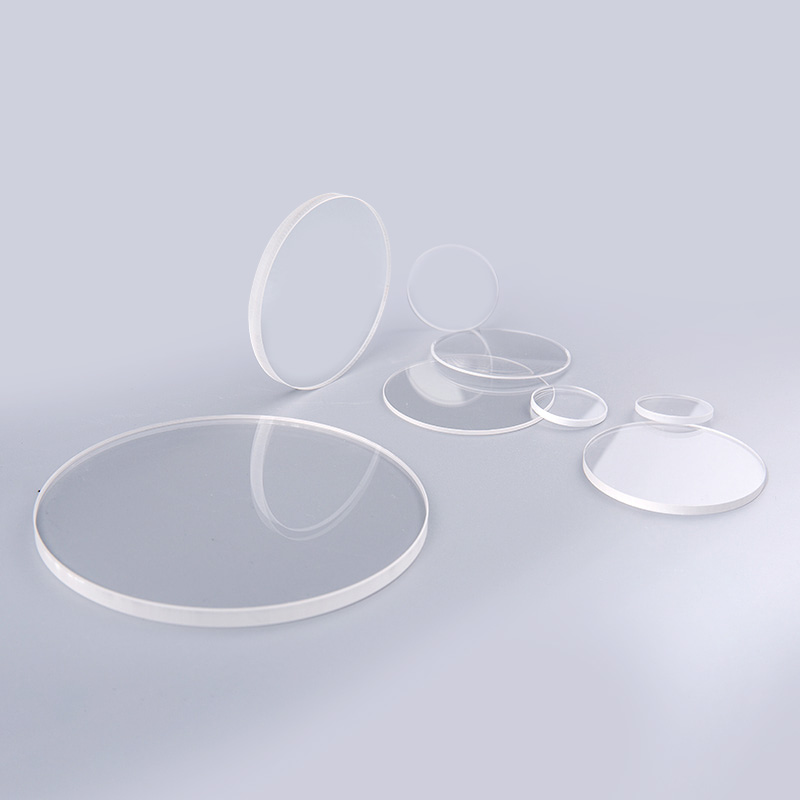
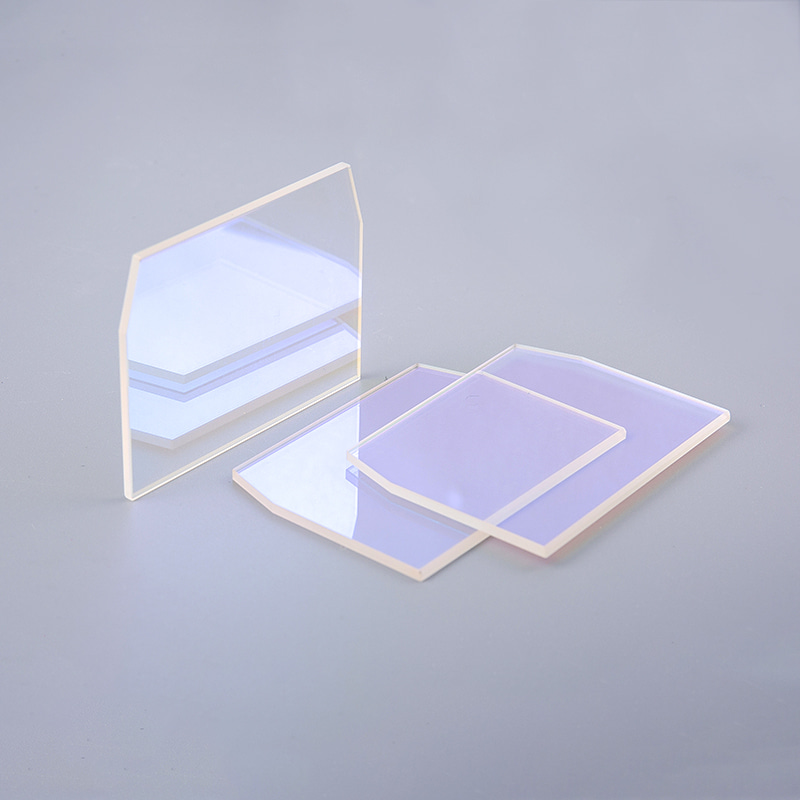
An optical window is a transparent optical component with two generally parallel surfaces. Its main function is to allow light to pass through with minimal alteration while separating two environments or protecting optical elements located behind it. Unlike a lens, an optical window is not primarily designed to focus or diverge light. Unlike a prism, it is not intended to redirect light through angular refraction. Its ideal role is to transmit the required wavelength range while introducing as little optical distortion as possible.
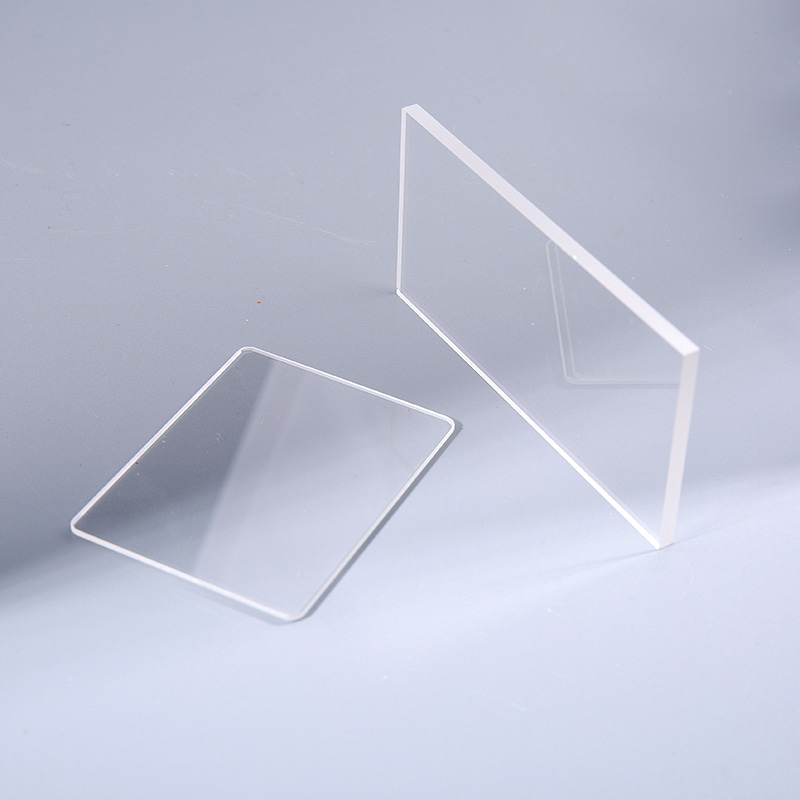
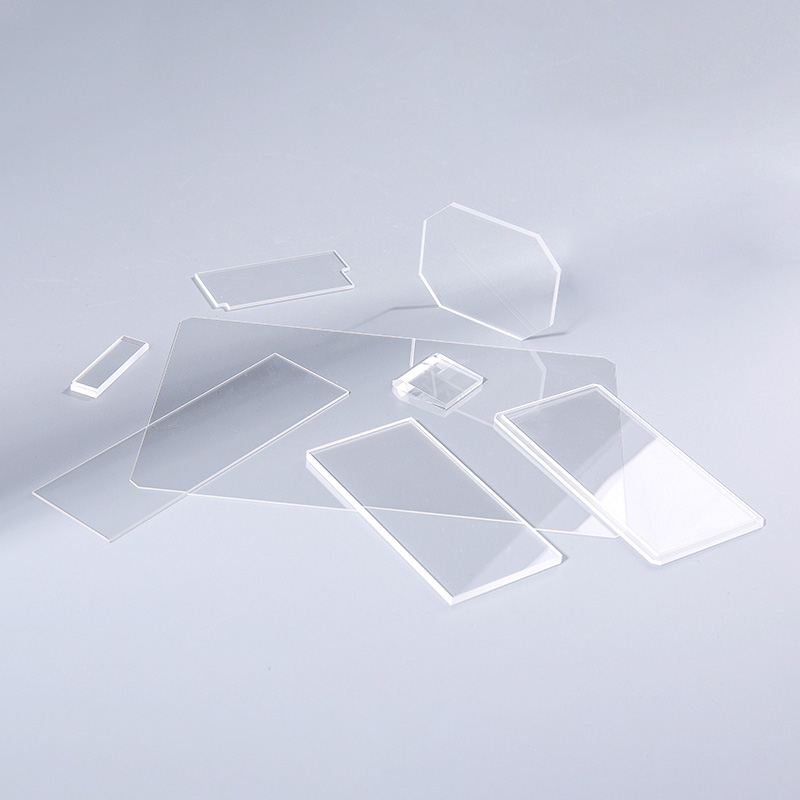
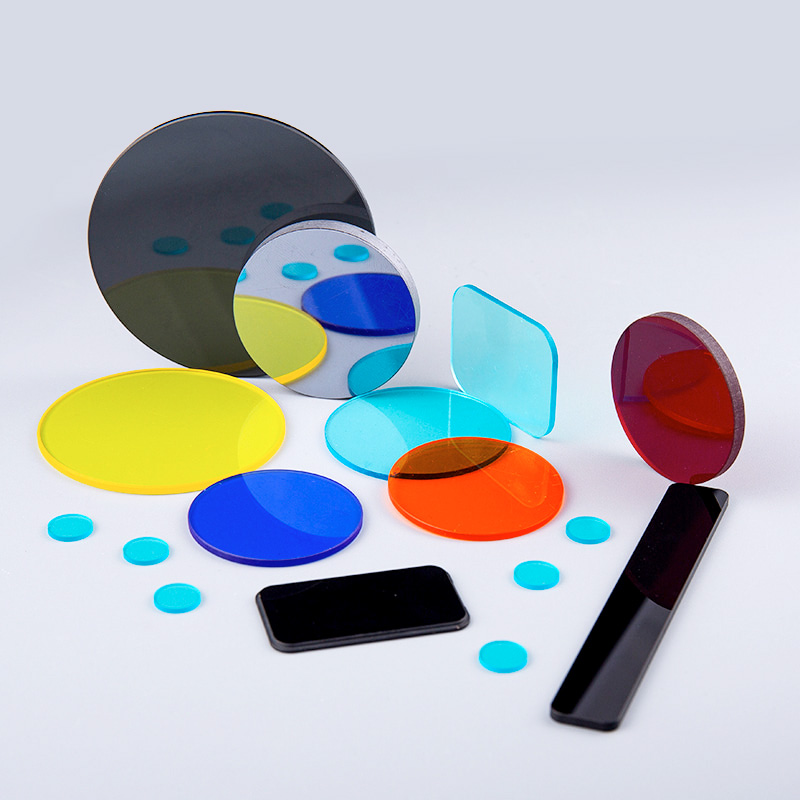
Optical windows can be manufactured from optical glass, fused silica, quartz, sapphire, infrared-transmitting materials, or other transparent substrates. The appropriate material depends on wavelength, environmental conditions, strength requirements, thermal performance, chemical resistance, and cost objectives. The material may be supplied as a circular, rectangular, square, or custom-shaped component.
In many systems, the window is installed in a housing, enclosure, detector package, camera module, laser head, pressure chamber, or protective cover. The component may be exposed to atmospheric conditions on one side and a controlled internal environment on the other. As a result, the window may need to resist pressure loading, temperature changes, vibration, abrasion, humidity, and chemical exposure while maintaining optical performance.
A high-quality optical window typically requires controlled parallelism, surface flatness, surface quality, thickness tolerance, clear aperture, edge quality, and coating uniformity. These specifications must be considered together. For example, a window with excellent surface polishing may still perform poorly if its two surfaces are not sufficiently parallel. Similarly, an accurate substrate may lose efficiency if the antireflection coating is unsuitable for the operating wavelength.
Core Functions of Precision Optical Windows
Protection of Internal Optical Components
The most visible function of an optical window is physical protection. Cameras, laser sources, sensors, detectors, and imaging modules often contain delicate elements that cannot be directly exposed to dust, moisture, particles, corrosive gases, or mechanical contact. A window creates a protective barrier without blocking the required light.
In industrial and automotive systems, the window may be placed at the outer surface of a device. It can protect internal components from road debris, cleaning fluids, dust, vibration, and changing weather conditions. In semiconductor equipment, the window may separate an optical path from a vacuum chamber, process chamber, or chemically active environment. In laser systems, it may protect the beam path from airborne contamination.
Transmission of Selected Wavelengths
Optical windows are selected according to the wavelength range that must pass through the system. Visible imaging may require a window with high transmission across a broad visible band. A laser application may require optimized transmission at one laser wavelength or several closely spaced wavelengths. Infrared systems may require materials and coatings that perform well beyond the visible spectrum.
Substrate absorption, surface reflection, coating design, and internal scattering all influence total transmission. A window manufacturer with optical expertise can evaluate these factors together instead of treating the component as ordinary transparent glass.
Preservation of Image and Beam Quality
A window should introduce minimal wavefront error, beam deviation, astigmatism, ghosting, and scatter. The two surfaces should be sufficiently flat and parallel for the application. If the surfaces are tilted, curved, or uneven beyond the required tolerance, the transmitted beam may be displaced or distorted.
For imaging systems, poor window quality can reduce contrast, create double images, or produce nonuniform image performance across the field of view. For laser systems, it can change beam pointing, increase interference effects, and reduce the stability of downstream focusing. For precision measurement equipment, even small deviations can affect calibration and repeatability.
Environmental Separation
Many optical systems require a transparent barrier between different environments. The window can separate dry and humid regions, atmospheric and vacuum areas, clean and contaminated spaces, or high-temperature and ambient-temperature zones. The mechanical design of the housing, sealing method, mounting stress, and window thickness must be considered along with optical performance.
Advantages of Precision Optical Windows Compared with General Transparent Covers
Ordinary glass covers may be suitable for basic protection, but they are not always suitable for precision optical systems. The principal advantage of a specialized optical window is that its optical, mechanical, and environmental characteristics are controlled as part of one integrated manufacturing process.
Controlled Surface Accuracy
Precision optical windows are ground and polished to achieve defined surface flatness and surface quality. Controlled surface accuracy reduces scattering and prevents unwanted wavefront changes. This is particularly important in laser delivery systems, machine vision equipment, metrology devices, and high-resolution imaging modules.
General glass processing may focus mainly on appearance and thickness. Optical component manufacturing focuses on how the component interacts with light. This difference affects the selection of abrasive processes, polishing methods, inspection equipment, cleaning procedures, and packaging standards.
Improved Parallelism and Reduced Beam Deviation
Parallelism describes the angular relationship between the two principal surfaces of the window. A window with insufficient parallelism can cause a transmitted beam to deviate from its intended path. In an imaging system, this may produce an offset between the expected and actual image position. In a laser system, the effect may become significant over a long optical path.
Precision manufacturing controls both surface geometry and the relationship between surfaces. This gives optical designers greater confidence when integrating the component into systems with strict alignment requirements.
Application-Specific Coatings
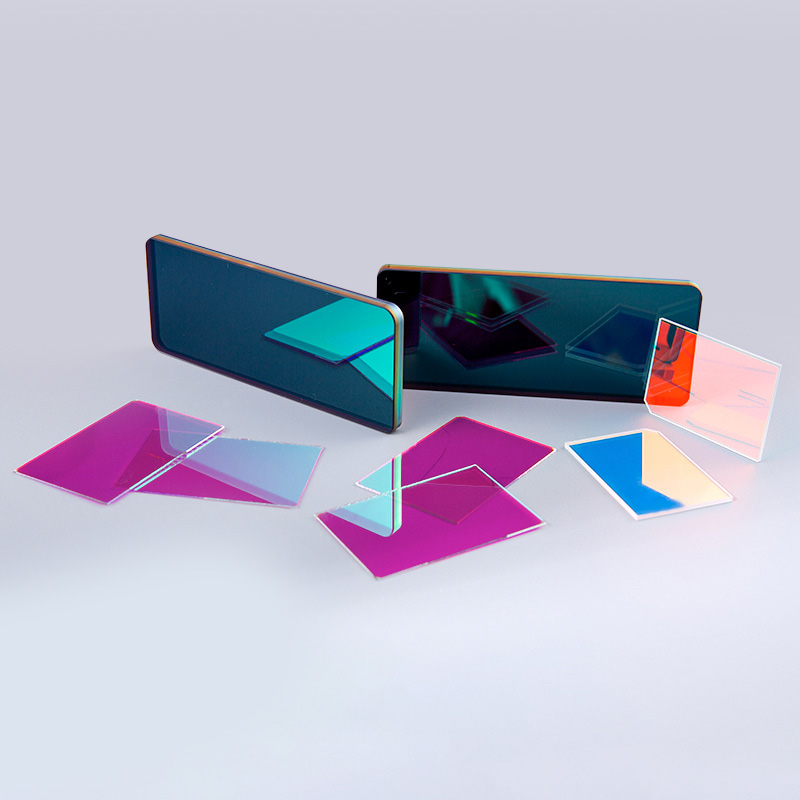
Uncoated optical surfaces reflect a portion of incident light. These reflections can lower transmission, produce ghost images, and create stray light. Antireflection coatings are used to reduce reflection over selected wavelength bands and angles of incidence.
A specialized manufacturer can offer coating designs appropriate for visible light, near-infrared radiation, laser wavelengths, or broader spectral ranges. Coatings can also be selected according to environmental requirements, including humidity resistance, adhesion, abrasion resistance, and temperature stability.
Consistent Batch Quality
Optical windows are often used in products manufactured in series. Stable batch-to-batch performance is therefore as important as the performance of an individual sample. A controlled production system with documented process parameters, calibrated inspection equipment, and traceable quality records helps reduce variation.
HLL operates with quality management systems including ISO9001:2015 and environmental management certification to ISO14001:2015. Its IATF16949 certification is also relevant to automotive production environments, where process control, traceability, risk management, and consistent delivery are particularly important.
Broader Engineering Support
A precision optical window may require more than a standard catalog size. Customers may need a customized diameter, rectangular outline, hole pattern, edge profile, thickness, coating, chamfer, or packaging method. A manufacturer with technical development capability can assess drawings, samples, tolerances, and application conditions before production.
HLL has established technical research and engineering centers focused on precision optical lenses and enterprise technology development. These resources support the transition from design concept to repeatable production and allow the company to address special requirements across multiple industries.
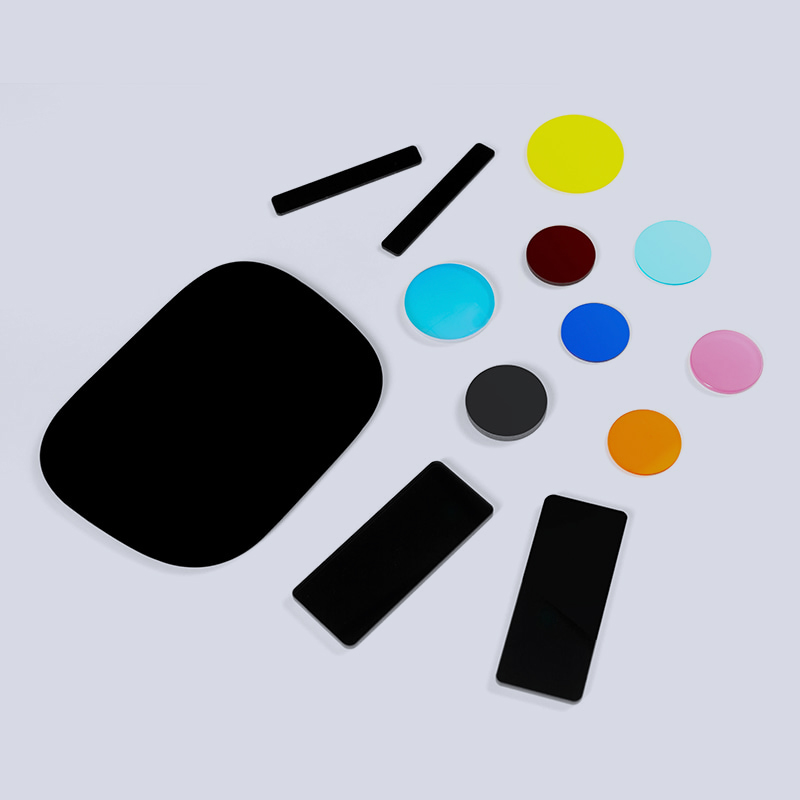
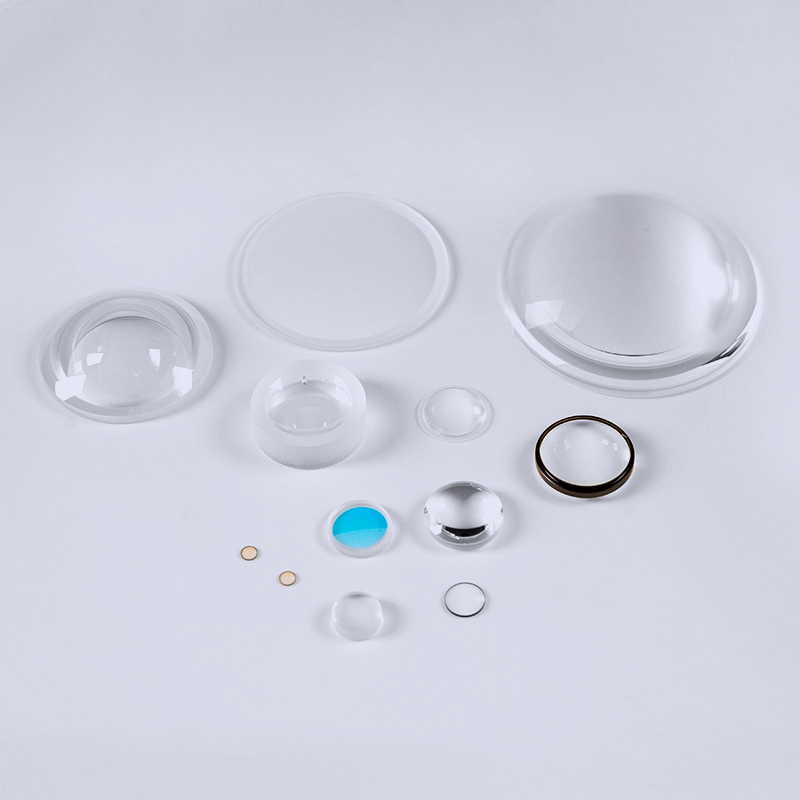
Optical Window
Materials Used for Optical Windows
Optical Glass
Optical glass is widely used because it offers a broad combination of optical clarity, dimensional stability, availability, and manufacturability. Different glass families provide different refractive indices, dispersion characteristics, transmission ranges, and thermal properties.
For visible imaging and general optical protection, optical glass can provide a practical balance between performance and cost. It can be polished to high quality and coated with antireflection layers. The selected grade should be compatible with the required wavelength, environmental conditions, and thermal cycle.
Fused Silica and Quartz
Fused silica and quartz are valued for their broad transmission, low thermal expansion, and strong performance in ultraviolet and high-temperature applications. They are frequently considered for laser systems, scientific instruments, semiconductor processing tools, and applications that experience rapid temperature changes.
The low thermal expansion of fused silica can help preserve dimensional and optical stability. However, material selection must still consider mechanical mounting, thermal gradients, surface contamination, and the specific wavelength range.
Sapphire
Sapphire is known for high hardness, strong scratch resistance, and excellent durability in demanding environments. It may be selected for protective windows exposed to abrasion, impact, elevated temperature, or aggressive operating conditions.
Because sapphire is anisotropic and can require specialized processing, its use should be evaluated carefully. The required optical direction, surface quality, coating system, and machining process must be coordinated to achieve the desired result.
Infrared-Transmitting Materials
Infrared systems may require materials such as silicon, germanium, zinc selenide, or other specialized substrates. These materials have distinctive optical and mechanical characteristics, and their use depends on the wavelength band and environmental conditions.
The component design must account for absorption, reflection, temperature sensitivity, hardness, chemical compatibility, and coating performance. A manufacturer experienced in multiple optical markets can help match material properties with the operating environment.
Manufacturing Process for High-Quality Optical Windows
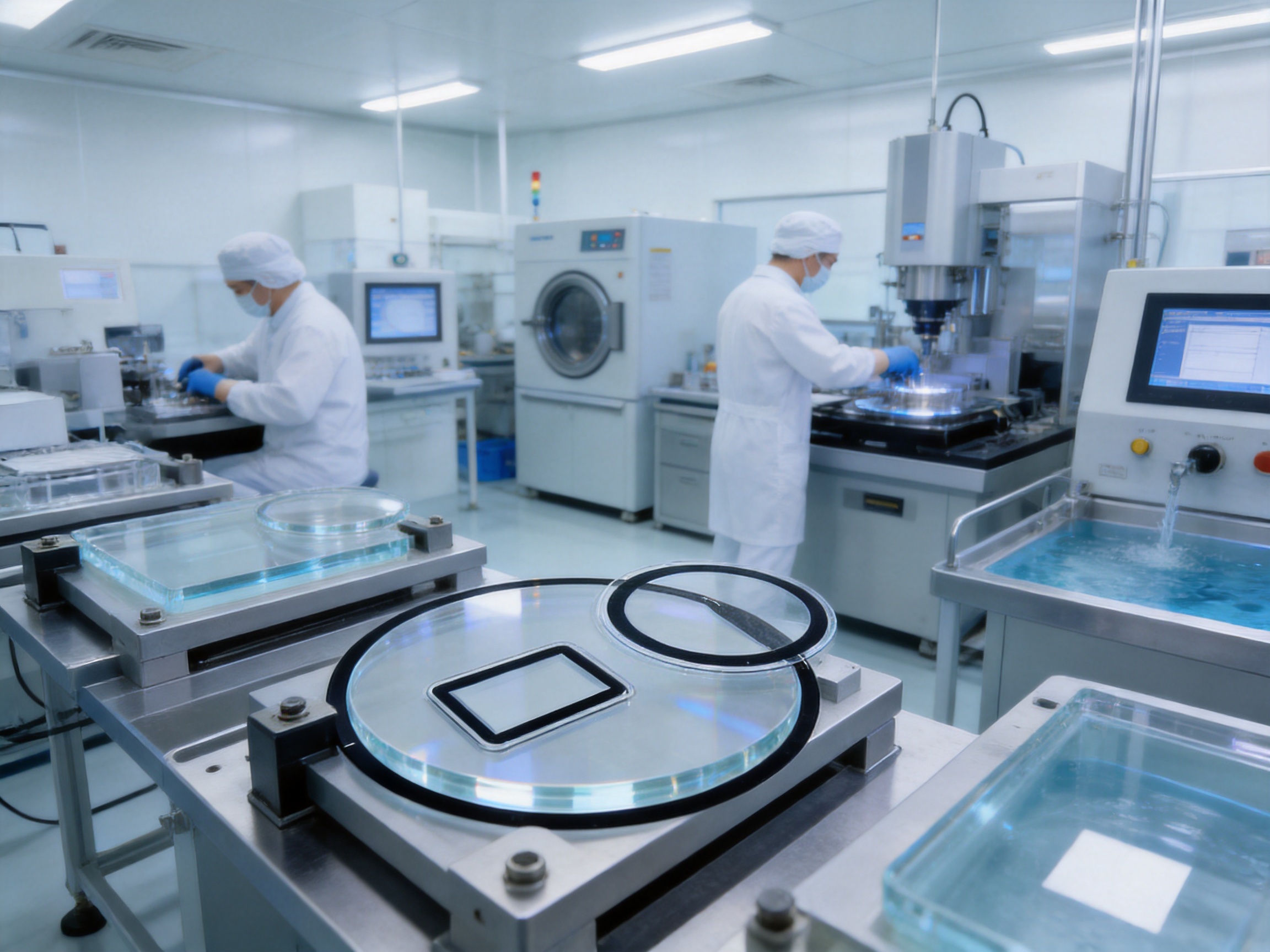
The quality of an optical window is established through a sequence of controlled operations. Each stage influences the next, so manufacturing cannot be reduced to polishing alone. Dimensional preparation, grinding, polishing, cleaning, coating, inspection, and packaging must be coordinated.
1. Technical Review and Requirement Confirmation
Production begins with a review of the drawing, sample, or technical specification. Important parameters may include material type, dimensions, thickness, diameter, shape, clear aperture, surface flatness, parallelism, surface quality, chamfer, edge treatment, coating, wavelength, operating temperature, and environmental requirements.
The manufacturer should also understand how the window will be mounted. A component installed in a precision cell may require tighter dimensional tolerances than one bonded into a protective cover. A window exposed to pressure may require additional mechanical analysis. Mounting stress can distort an otherwise accurate component, so the optical and mechanical designs should be considered together.
2. Material Inspection and Preparation
Incoming material is evaluated for dimensions, visible defects, internal inclusions, striae, bubbles, scratches, and suitability for the application. The material is then cut or shaped into blanks with appropriate allowance for subsequent grinding and polishing.
Material preparation must account for the final clear aperture and edge requirements. Excessive internal defects can increase scatter or reduce transmission. For demanding applications, material selection is a critical step rather than a simple purchasing decision.
3. Edge Processing and Preforming
Edges may be shaped, chamfered, rounded, or otherwise prepared according to the drawing. Proper edge treatment reduces the risk of chipping and improves handling safety. It can also help the component fit correctly into a housing or sealing structure.
Edge quality is especially important for thin windows and components used in vibration-sensitive assemblies. A damaged edge can become a starting point for cracks or failure under mechanical or thermal stress.
4. Grinding
Grinding establishes the basic geometry of the two optical surfaces and removes material from the blank. Coarse grinding is used to reach the approximate shape and thickness, while finer grinding reduces subsurface damage and prepares the surfaces for polishing.
Process control during grinding affects surface flatness, wedge, thickness variation, and the amount of material that must be removed during polishing. Stable fixtures and appropriate abrasives help maintain consistent results across production batches.
5. Fine Grinding and Polishing
Fine grinding creates a smoother surface and reduces damage remaining from earlier operations. Polishing then removes the fine roughness and produces the transparent, low-scatter surface required for optical use.
The polishing method is selected according to material, geometry, size, tolerance, and production volume. Process parameters may include polishing pressure, abrasive type, slurry concentration, tool condition, temperature, and duration. A balance must be maintained between removal rate and surface quality.
For high-performance windows, polishing must achieve more than visual clarity. The surface must meet defined requirements for flatness, roughness, scratches, digs, and wavefront performance. The two surfaces must also be processed in a way that preserves the required parallelism.
6. Cleaning
After polishing, the component must be cleaned to remove abrasive residues, particles, oils, and other contaminants. Cleaning is an important part of optical manufacturing because contamination can affect coating adhesion, transmission, laser damage performance, and product reliability.
Precision cleaning may involve multiple stages, including washing, rinsing, drying, and controlled handling. Cleanroom practices may be applied when required by the end-use application. Operators must avoid recontamination during inspection, coating, assembly, and packaging.
7. Coating
Coatings are applied to optimize transmission and reduce reflection. The coating design depends on wavelength, angle of incidence, polarization, substrate material, laser power, and environmental conditions.
For visible applications, a broadband antireflection coating may be preferred. For a laser window, a narrowband coating optimized for the laser wavelength may provide lower reflection and improved energy handling. For infrared applications, a coating must be compatible with the selected substrate and operating band.
Coating quality depends on surface preparation, vacuum or deposition conditions, layer thickness control, adhesion, and post-coating inspection. A coating that performs well optically but lacks environmental durability may not be suitable for automotive or industrial equipment.
8. Inspection and Testing
Inspection verifies that the finished component meets the agreed specification. Typical checks may include dimensions, thickness, diameter, flatness, parallelism, surface quality, coating appearance, transmission, reflection, and cosmetic condition.
Depending on the application, additional testing may include adhesion, humidity resistance, temperature cycling, abrasion resistance, chemical exposure, laser damage evaluation, and packaging cleanliness. Inspection equipment must be maintained and calibrated to ensure reliable results.
9. Packaging and Shipment
Optical windows must be protected from scratches, particles, moisture, and impact during handling and transportation. Packaging materials should be compatible with the cleanliness level of the product. Components may be separated individually, wrapped in suitable protective material, placed in trays, or sealed in controlled packaging.
Correct labeling and traceability help customers identify material, coating, batch, quantity, and inspection status. For high-volume production, packaging consistency also supports efficient assembly at the customer’s facility.
Advanced Manufacturing Strengths
Integrated Optical Component Expertise
HLL is focused on precision optical components rather than general-purpose glass products. Its product areas include optical windows, lenses, prisms, spherical mirrors, flat mirrors, and other optical elements. This integrated knowledge allows the company to understand the relationship between a window and the surrounding optical system.
For example, a window may need to work with a lens group, a detector, a laser source, a mirror, or a camera module. Experience with several optical component types can help identify alignment, coating, material, and tolerance issues at an earlier stage of product development.
Experience Across Several Industries
The requirements of laser optics differ from those of automotive optics or semiconductor optics. Laser applications may prioritize low absorption, low reflection, wavefront quality, and laser damage resistance. Automotive applications may emphasize environmental durability, vibration performance, reliability, cleanliness, and high-volume consistency. Semiconductor equipment may require strict contamination control, thermal stability, and process compatibility.
HLL’s experience across laser, automotive, semiconductor, and consumer optical fields supports a broad understanding of these requirements. The company’s manufacturing systems can be adapted to different product specifications and production volumes.
Technical Research Capability
HLL has established the Jiangsu Precision Optical Lens Engineering Technology Center and the Jiangsu Enterprise Technology Research Center. These technical resources reflect a commitment to process development, engineering improvement, and product innovation.
Research capability is valuable when a customer requires a new geometry, unusual material, customized coating, or tighter tolerance than a standard product. It supports analysis of manufacturability and helps convert a prototype into a stable mass-production process.
Quality and Environmental Management
ISO9001:2015 certification demonstrates the use of a formal quality management framework. ISO14001:2015 addresses environmental management, including the control and improvement of environmental practices. IATF16949 is associated with the demanding process and quality expectations of the automotive supply chain.
These certifications do not replace product-specific technical verification, but they provide an organizational foundation for documented procedures, corrective actions, process monitoring, supplier control, and continual improvement.
Production Scale and International Service
The company covers approximately 35,000 square meters and has more than 300 employees. Its products are exported to more than 20 countries. This scale provides capacity for both engineering projects and repeat production while supporting communication with international customers.
International supply requires more than production capacity. It also requires consistent documentation, packaging, delivery coordination, technical communication, and response to customer quality requirements. A manufacturer with export experience can better support projects involving multiple locations and structured procurement processes.
Optical Window Performance Parameters
Surface Flatness
Surface flatness describes how closely an optical surface conforms to a specified reference plane. Better flatness generally reduces wavefront distortion, although the appropriate level depends on the system. Extremely tight flatness may increase cost and may not be necessary for a protective viewing window.
Designers should specify flatness according to the optical path, numerical aperture, wavelength, and image quality requirement. Over-specification can increase manufacturing complexity without providing meaningful system improvement.
Parallelism
Parallelism controls the angular relationship between the front and rear surfaces. If the surfaces are not sufficiently parallel, the window can introduce beam deviation or image displacement. The required tolerance depends on the sensitivity of the optical system and the mounting arrangement.
Surface Quality
Surface quality is commonly expressed through scratch and dig classifications or equivalent inspection criteria. Scratches and digs can scatter light, reduce contrast, create stray light, or act as local defects in high-energy laser applications.
Cosmetic requirements should be linked to functional performance. A small mark outside the clear aperture may be acceptable in one application but unacceptable in another. The drawing should identify the clear aperture and the allowable condition of the non-optical edge area.
Thickness and Thickness Uniformity
Thickness affects mechanical strength, transmission path length, mass, and thermal behavior. Thickness variation can influence optical path differences and may contribute to wavefront error. Thin windows require careful handling and mounting design, while thick windows may be selected for pressure resistance or structural rigidity.
Wedge
Wedge is the difference in angular orientation between the two surfaces. It is closely related to beam deviation and should be controlled when the window is installed in a collimated or precision imaging path.
Clear Aperture
The clear aperture is the usable optical area free from unacceptable defects. The overall outside dimension may be larger than the clear aperture because the edge region can be used for mounting, handling, or sealing. Clearly defining the clear aperture prevents misunderstandings between the optical and mechanical teams.
Transmission and Reflection
Transmission requirements should specify the relevant wavelength range, angle of incidence, polarization condition, and measurement method. A window designed for normal-incidence visible imaging may not provide the same performance at a steep angle or under polarized laser illumination.
Applications of Optical Windows
Laser Systems
Laser windows protect laser cavities, beam delivery modules, scanning heads, processing heads, and optical enclosures. They must transmit the laser wavelength efficiently and withstand the associated power density. Low reflection is often important to prevent feedback and interference.
Laser windows may also need high surface quality and low absorption to prevent localized heating. The coating design, substrate cleanliness, and mounting stress must be carefully controlled. In industrial laser equipment, the outer window may be replaceable so that contamination or wear does not damage more expensive internal optics.
Automotive Cameras and Sensing Systems
Automotive optical windows are used in camera modules, sensing systems, lighting assemblies, and other vehicle-mounted optical devices. They may be exposed to rain, dust, temperature cycling, road salt, cleaning chemicals, vibration, and impact.
The optical window must preserve image quality while contributing to a durable and compact assembly. Automotive production also requires stable quality at high volume. HLL’s IATF16949 certification and automotive optics experience support the process discipline required for this sector.
Semiconductor and Electronic Manufacturing Equipment
Semiconductor tools frequently use optical windows to separate sensitive optical systems from process environments. The window may be exposed to vacuum, plasma, reactive gases, temperature variation, or strict cleanliness requirements.
Material selection and cleaning are particularly important in these applications. Particles, outgassing, coating degradation, or chemical attack can affect equipment performance and product yield. A specialized optical manufacturer can evaluate the window as part of the total process environment.
Machine Vision and Industrial Inspection
Machine vision systems depend on clear, stable images for measurement, positioning, sorting, and defect detection. A protective optical window can shield the camera or lens from dust, oil, coolant, and impact. However, it must not introduce reflections, distortion, or contrast loss that could compromise inspection accuracy.
Coating choice and surface quality are especially relevant when the system uses bright illumination, high dynamic range imaging, or oblique viewing angles.
Scientific Instruments
Scientific instruments may require windows for vacuum chambers, spectrometers, imaging systems, detectors, and laboratory equipment. The exact requirements vary widely, from broad ultraviolet transmission to low-scatter visible imaging or infrared performance.
Scientific applications often benefit from customized dimensions, material selection, and documented measurement data. Small quantities and special geometries may require a manufacturer capable of supporting engineering development as well as production.
Consumer Optical Products
Consumer optical devices may include compact cameras, sensing modules, display systems, smart devices, and other products requiring transparent protective elements. These applications often combine tight space constraints, attractive appearance, high-volume manufacturing, and cost control.
Even when the component is small, its impact on system performance can be substantial. Surface reflections, contamination, edge chipping, or dimensional variation can reduce product yield or lead to visible defects. Controlled process design is therefore important for consumer products as well as industrial equipment.
How Optical Windows Offer Competitive Value
The competitive value of an optical window should be evaluated by total system performance rather than unit price alone. A lower-cost cover may become expensive if it causes image degradation, requires additional alignment, fails environmental testing, or increases assembly rejection.
A precision optical window can reduce these risks through controlled geometry, reliable coating, stable batch quality, and application-specific engineering. It may also reduce the need for additional protective structures or corrective optical elements.
Another advantage is supply-chain consolidation. A customer that requires windows, lenses, mirrors, or prisms may benefit from working with one experienced optical component manufacturer. Shared technical communication, unified quality documentation, and coordinated production can simplify procurement and product development.
HLL’s combination of manufacturing scale, research capability, optical specialization, international export experience, and certifications provides a foundation for long-term supply relationships. Its more than 30 certificates and patents reflect accumulated investment in technology, quality, and product development, although each project should still be evaluated against its own technical specification.
Design Considerations Before Ordering an Optical Window
Define the Optical Function
First determine whether the window is purely protective, part of an imaging path, part of a laser path, or integrated into a measurement system. This determines how tightly flatness, parallelism, surface quality, and coating performance must be controlled.
Specify the Wavelength Range
Identify the operating wavelength or spectral band. A coating that is effective for visible light may not be appropriate for ultraviolet or infrared radiation. If multiple wavelengths are used, specify the required transmission and reflection behavior for each one.
Consider the Angle of Incidence
Coating performance changes with angle of incidence. A window used at normal incidence has different requirements from one installed at a steep angle. Polarization may also influence performance, particularly in laser and imaging systems.
Evaluate Environmental Conditions
List temperature range, humidity, pressure, vacuum level, chemical exposure, vibration, abrasion, cleaning methods, and expected service life. These conditions influence substrate choice, coating design, sealing, thickness, and packaging.
Review Mounting Stress
The window should not be clamped, bonded, or sealed in a manner that causes excessive deformation. Thermal expansion differences between the window and housing can create stress during temperature changes. The mechanical designer and optical manufacturer should coordinate tolerances and mounting methods.
Balance Performance and Cost
Not every application requires the highest available optical grade. A practical design specifies the performance needed by the system and avoids unnecessary tolerances. A qualified supplier can help identify which parameters most strongly affect function and where cost can be controlled.
Quality Assurance and Customer Support
Quality assurance begins with clear communication. Drawings should identify dimensions, tolerances, optical surfaces, clear aperture, edge conditions, coating requirements, and inspection standards. If a standard specification is used, both parties should confirm the interpretation of that specification.
During production, process records and inspection results support traceability. If a problem occurs, traceable information makes it easier to identify affected batches, investigate root causes, and implement corrective actions.
Customer support also includes sample evaluation, engineering review, production feasibility analysis, and packaging confirmation. These activities are especially valuable for customized optical windows, where a small misunderstanding can affect fit or performance.
HLL’s technical team and research centers provide a basis for this type of support. The company’s experience in precision optical components enables it to discuss not only manufacturing details but also the relationship between the window and the larger optical system.
Why Choose an Experienced Optical Window Manufacturer?
An experienced manufacturer understands that optical windows are functional optical components, not merely transparent mechanical covers. It knows how material selection, polishing, parallelism, coating, cleaning, inspection, and mounting interact.
Experience also improves risk control. A manufacturer that has produced components for laser, automotive, semiconductor, and consumer applications is more likely to recognize potential problems involving contamination, environmental durability, high-volume consistency, or optical alignment.
For customers, the benefits may include more reliable prototypes, shorter transition to mass production, fewer quality surprises, improved documentation, and better long-term supply stability. The best supplier relationship is based on technical transparency and shared understanding of the system requirements.
Future Development of Optical Windows
Optical windows are expected to become increasingly important as sensing, imaging, automation, and photonics continue to expand. Advanced vehicles require more optical sensors. Semiconductor manufacturing requires more precise inspection and process monitoring. Industrial systems increasingly depend on machine vision and laser processing. Consumer devices continue to integrate compact optical modules.
These trends create demand for thinner, lighter, more durable, and more highly integrated windows. Coatings may need to provide multiple functions, such as antireflection performance, improved scratch resistance, easier cleaning, and resistance to environmental exposure. Materials may be selected for broader spectral transmission or improved thermal stability.
Manufacturing development will also focus on automation, digital quality records, process monitoring, and improved production efficiency. However, the fundamental principles will remain the same: a high-quality optical window must transmit the required light, preserve optical accuracy, withstand its environment, and remain consistent throughout its service life.
Conclusion
Precision optical windows play a vital role in protecting optical systems while maintaining the quality of transmitted light. Their performance depends on far more than transparency. Surface flatness, parallelism, thickness, material, coating, clear aperture, environmental resistance, cleanliness, and mounting compatibility must all be considered.
Compared with general transparent covers, precision optical windows offer better control of beam deviation, image quality, reflection, scattering, and long-term reliability. They can be customized for laser, automotive, semiconductor, scientific, industrial, and consumer applications.
Changzhou Haolilai Photo-Electricity Scientific and Technical Co., Ltd. brings together more than two decades of optical manufacturing experience, a production area of approximately 35,000 square meters, a workforce of more than 300 employees, technical research centers, international export experience, and certifications including ISO9001:2015, ISO14001:2015, and IATF16949. These strengths support the development and production of optical windows and other precision optical components.
For customers seeking a reliable optical window supplier, the most important step is to define the operating conditions and system performance requirements clearly. With the right material, geometry, coating, process controls, and inspection plan, an optical window can provide dependable protection and high-quality transmission throughout the life of the equipment.
Questions and Answers
What is the main purpose of an optical window?
The main purpose of an optical window is to transmit light while protecting internal optical components from dust, moisture, pressure differences, mechanical damage, chemicals, and other environmental conditions. It can also separate two different environments without interrupting the optical path.
How is an optical window different from a lens?
An optical window generally has two nearly parallel surfaces and is designed to transmit light without intentionally focusing or diverging it. A lens has curved surfaces designed to change the convergence or divergence of light. A window may still introduce small optical effects if its surfaces are not sufficiently flat or parallel, which is why precision specifications are important.
What materials can be used for optical windows?
Common materials include optical glass, fused silica, quartz, sapphire, and specialized infrared-transmitting materials. The correct choice depends on wavelength, temperature, chemical exposure, mechanical strength, thermal expansion, coating compatibility, and cost.
Why is an antireflection coating needed?
An antireflection coating reduces surface reflection and increases useful transmission. It can also reduce ghost images and stray light. The coating must be designed for the wavelength range, angle of incidence, polarization, substrate, and environmental conditions of the application.
Can optical windows be customized?
Yes. Optical windows can be customized in diameter, length, width, thickness, shape, surface accuracy, parallelism, edge treatment, clear aperture, material, coating, and packaging. Custom requirements should be reviewed with the manufacturer before production.
Are optical windows suitable for automotive applications?
Yes. Optical windows are used in automotive cameras, sensing systems, lighting assemblies, and other optical modules. Automotive windows must be designed for vibration, temperature cycling, humidity, dust, cleaning chemicals, impact, and high-volume production consistency.
What information should be provided when requesting a quotation?
Useful information includes a drawing or sample, material preference, outside dimensions, thickness, clear aperture, flatness, parallelism, surface quality, coating wavelength, angle of incidence, environmental conditions, quantity, packaging requirements, and inspection documentation.
How does manufacturing experience affect optical window quality?
Experience helps the manufacturer control the interaction between material preparation, grinding, polishing, coating, cleaning, inspection, and packaging. It also helps identify risks associated with mounting, environmental exposure, batch consistency, and application-specific performance.
What certifications are relevant when selecting a supplier?
Quality and environmental management certifications such as ISO9001 and ISO14001 can indicate a structured management system. IATF16949 is particularly relevant to automotive supply chains. Certifications should be considered together with product-specific inspection data, technical capability, and manufacturing experience.
How should an optical window be cleaned by the customer?
Cleaning procedures should follow the material and coating supplier’s recommendations. In general, users should avoid abrasive materials, excessive pressure, unsuitable solvents, and contaminated wipes. Handling should be performed with clean gloves or appropriate tools, and the window should be stored in protective packaging when not installed.
References
1. Changzhou Haolilai Photo-Electricity Scientific and Technical Co., Ltd., Corporate Information and Precision Optical Component Capability Materials.
2. ISO 9001:2015, Quality Management Systems — Requirements.
3. ISO 14001:2015, Environmental Management Systems — Requirements with Guidance for Use.
4. IATF 16949, Quality Management System Requirements for Automotive Production and Relevant Service Parts Organizations.
5. International Organization for Standardization, Geometrical Product Specifications and Optical Surface Quality Practices.
6. Optical Society and Photonics Engineering Literature, Principles of Optical Materials, Surface Finishing, and Antireflection Coatings.
7. Standard Engineering References on Laser Optics, Optical Windows, Wavefront Accuracy, Transmission, and Environmental Durability.


 苏公网安备32041102000130号