
 Search
 en
 English
 日本語
 русский
 Español
 Deutsch
 中文简体
Content
- 1 Understanding the Role of an Optical Lens
- 2 Product Advantages of Precision Optical Lenses
- 3 Application Areas
- 4 Advanced Manufacturing Process
- 5 Quality Control and Manufacturing Strengths
- 6 Comparison with Less Specialized Suppliers
- 7 How Precision Lenses Create Customer Value
- 8 Important Specifications When Selecting an Optical Lens
- 9 Customized Optical Lens Development
- 10 Sustainability and Responsible Manufacturing
- 11 Why Manufacturing Experience Matters
- 12 Frequently Asked Questions
- 12.1 What is a precision optical lens?
- 12.2 What industries use optical lenses?
- 12.3 Can optical lenses be customized?
- 12.4 Why is centering important?
- 12.5 What is the difference between surface quality and surface accuracy?
- 12.6 Do all optical lenses require coatings?
- 12.7 How should customers choose an optical lens supplier?
- 12.8 What certifications does HLL have?
- 12.9 Can the supplier support automotive optical projects?
- 12.10 What information should be provided when requesting a quotation?
- 12.11 How can a supplier help reduce development risk?
- 13 Conclusion
- 14 References
- 15 Product: Optical Lens
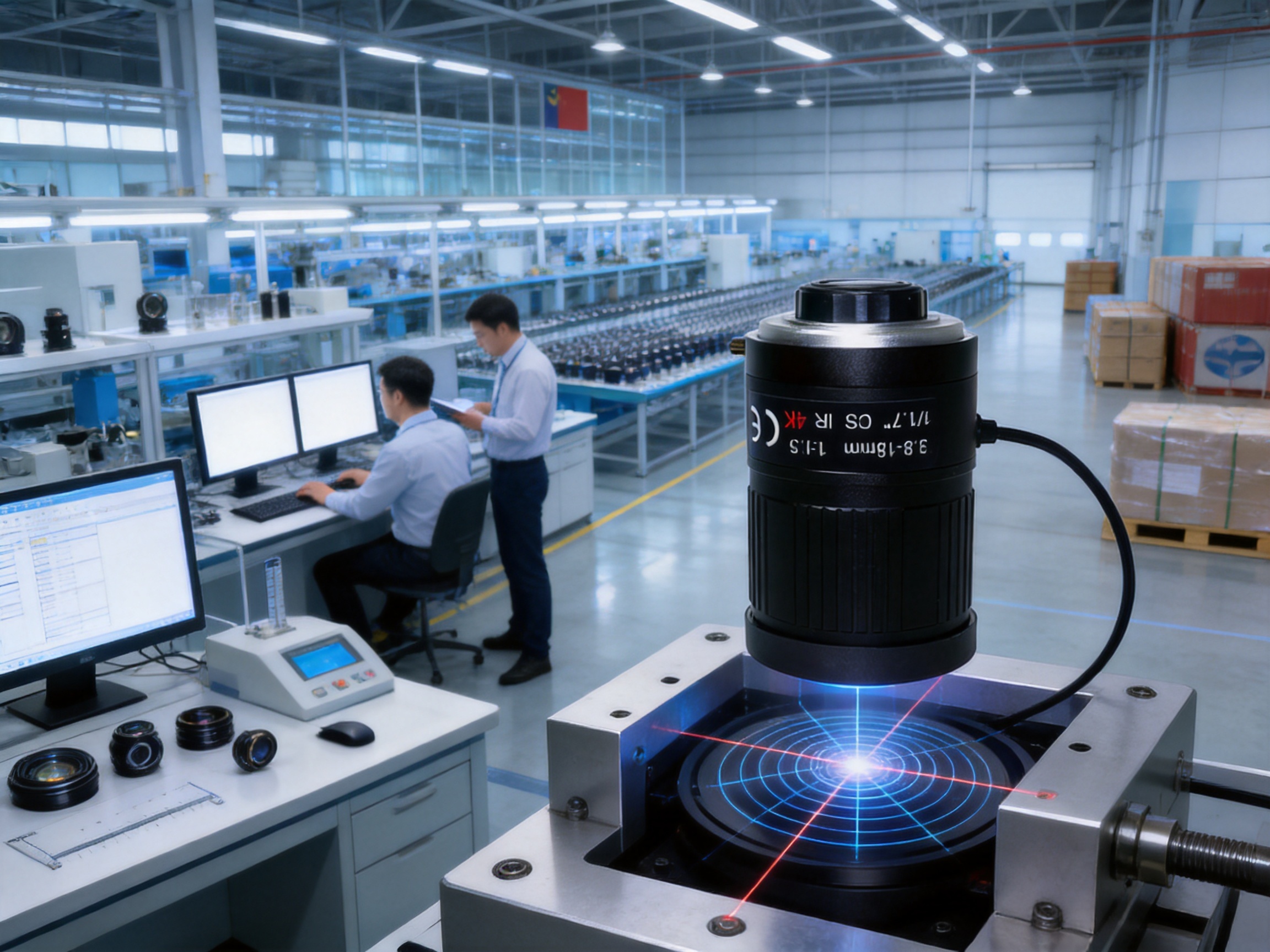
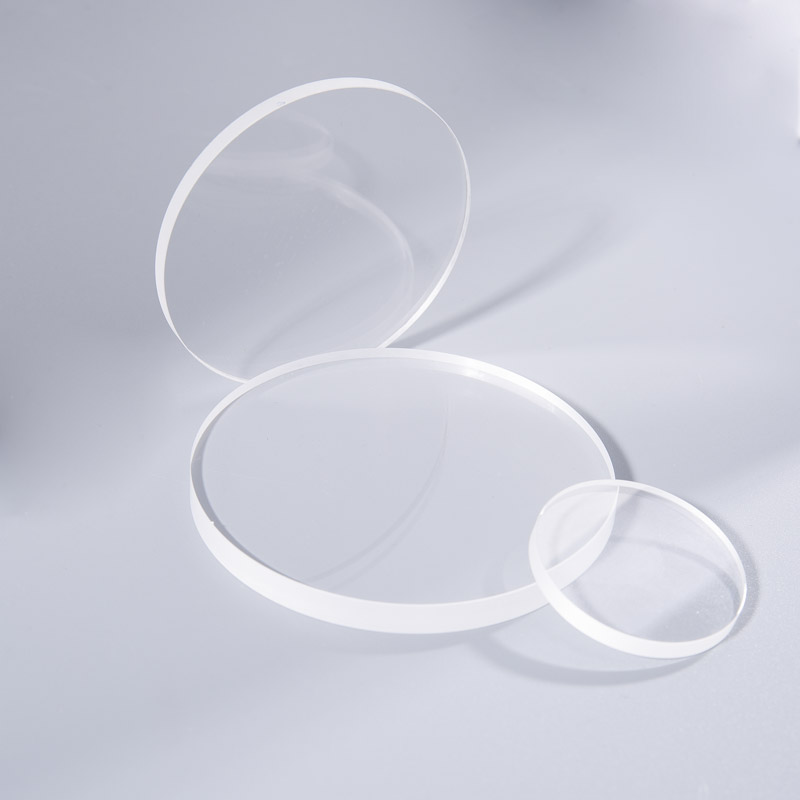
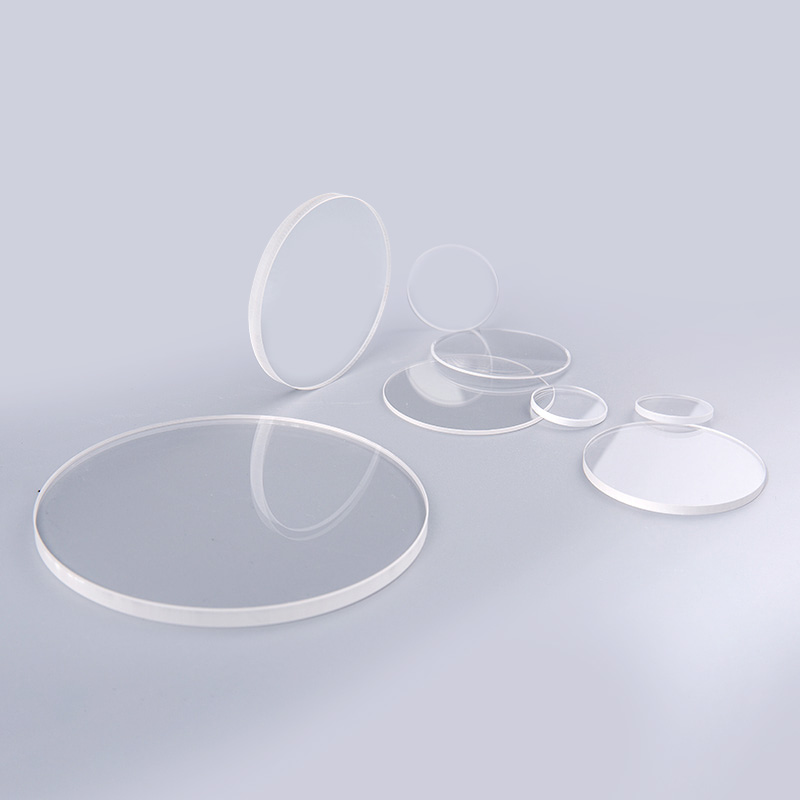
Optical lenses are essential precision components used to control, focus, redirect, and shape light. Although a lens may appear simple in its finished form, its performance depends on a highly controlled combination of optical design, material selection, surface geometry, polishing quality, coating technology, dimensional accuracy, cleanliness, and inspection capability. In demanding applications such as laser systems, automotive optical assemblies, semiconductor equipment, imaging devices, and consumer electronics, even a small deviation in radius, thickness, centering, or surface quality can influence the performance of the complete system.
Precision optical lenses are therefore not ordinary transparent parts. They are engineered components manufactured according to carefully defined optical and mechanical specifications. Their value comes from their ability to deliver stable and repeatable optical performance under real operating conditions. A reliable lens manufacturer must combine technical expertise, advanced processing equipment, quality management, and a deep understanding of customer applications.
Changzhou Haolilai Photo-Electricity Scientific and Technical Co., Ltd., also known as HLL, is an experienced manufacturer of precision optical components in China. Founded in 1998, the company develops and produces optical components for laser optics, automotive optics, semiconductor optics, and consumer optics. Its optical lens products are supported by an established engineering team, dedicated research facilities, certified management systems, and production experience serving customers in more than 20 countries.
This article explains the characteristics, applications, manufacturing processes, quality advantages, and sourcing value of precision optical lenses. It also describes how an experienced optical component manufacturer can help customers improve consistency, reduce development risks, and achieve dependable performance in demanding products.
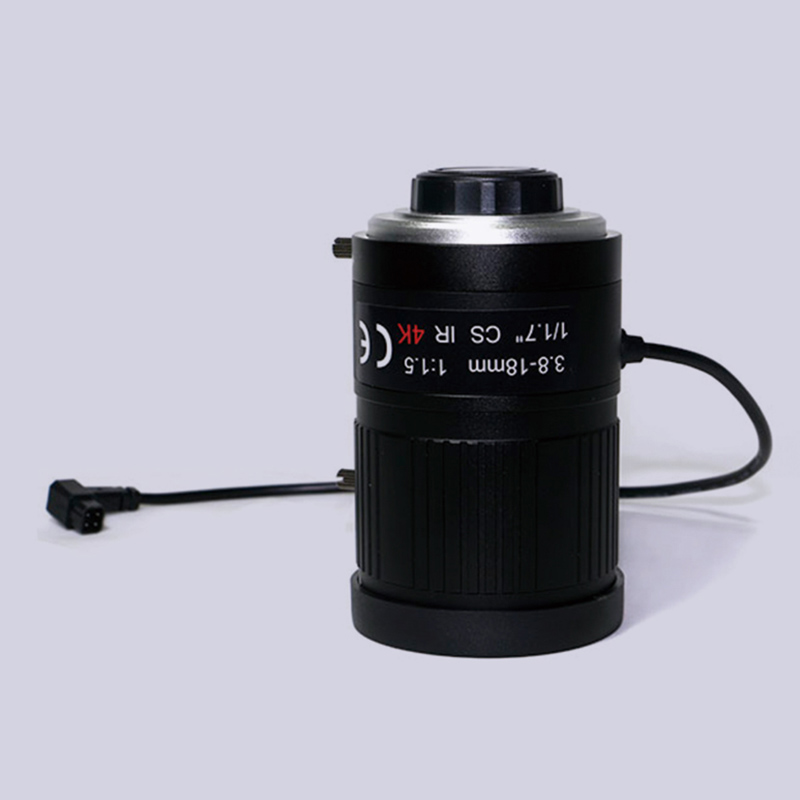
Optical Lens
Understanding the Role of an Optical Lens
An optical lens is a transparent component with one or more curved surfaces designed to refract light. Depending on its geometry and application, a lens may converge light toward a focal point, diverge light away from a virtual focal point, collimate a beam, magnify an image, reduce optical distortion, or help correct aberrations in a larger optical system.
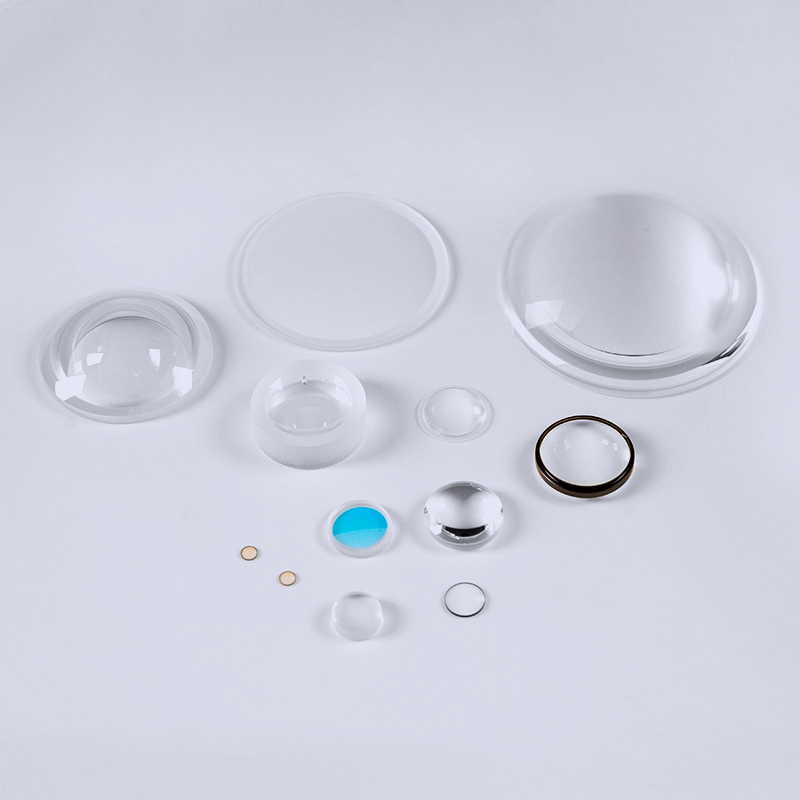
Lenses may be produced in many forms, including plano-convex lenses, plano-concave lenses, biconvex lenses, biconcave lenses, meniscus lenses, cylindrical lenses, aspherical lenses, and customized lens shapes. The correct design is determined by the intended wavelength, focal length, numerical aperture, working distance, field of view, environmental conditions, and mechanical installation requirements.
In a basic imaging system, the lens collects light from an object and forms an image on a sensor or image plane. In a laser system, the lens may focus a beam onto a workpiece, expand a beam, or collimate divergent radiation. In an automotive optical module, lenses may be used in lighting, sensing, driver monitoring, displays, or camera systems. In semiconductor equipment, lenses must support stable and precise light transmission during repeated operation.
The optical function of a lens is influenced by several critical parameters:
Focal length determines the relationship between the lens and the point where parallel light converges or appears to diverge.
Radius of curvature affects the refractive power and must be controlled accurately during forming and polishing.
Center thickness and edge thickness influence optical performance, mechanical compatibility, and assembly positioning.
Clear aperture defines the usable area through which light can pass without unacceptable defects or obstruction.
Centering and wedge control determine whether the optical axis is correctly aligned with the mechanical reference axis.
Surface quality describes the presence of scratches, digs, pits, inclusions, and other surface imperfections.
Surface accuracy describes how closely the actual surface conforms to the designed optical shape.
Coating performance affects transmission, reflection, durability, and suitability for a particular wavelength range.
Because these characteristics interact with one another, lens production requires process control across the entire manufacturing chain rather than inspection only at the final stage.
Product Advantages of Precision Optical Lenses
Accurate Optical Geometry
The primary advantage of a precision optical lens is the accurate reproduction of the intended optical geometry. A lens that has the correct radius, thickness, and surface profile can deliver predictable focusing and imaging performance. This is particularly important in systems where the lens is one part of a tightly integrated optical path.
Accurate geometry helps reduce unwanted aberrations and improves the consistency of focal position, beam concentration, image clarity, and light distribution. For customers producing optical instruments in volume, stable geometry also helps simplify assembly and reduce the need for repeated adjustment.
Reliable Light Transmission
Optical lenses can be manufactured from suitable optical glass or other transparent materials selected according to wavelength, transmission range, thermal behavior, and application conditions. When material selection, polishing, cleaning, and coating are properly controlled, the lens can provide high and consistent light transmission.
Reliable transmission is important in laser systems, machine vision, imaging devices, analytical instruments, and automotive cameras. Unwanted absorption, scattering, or reflection can reduce signal strength and lower system efficiency. A well-manufactured lens helps the optical system use available light more effectively.
Stable Imaging Performance
In imaging applications, lens quality directly affects resolution, contrast, field uniformity, distortion, and image sharpness. Precision lenses help maintain stable imaging performance across production batches. This is valuable for automotive cameras, industrial vision equipment, optical sensors, and consumer imaging products.
Stable imaging performance also supports more efficient system calibration. If the optical characteristics of each lens are consistent, the customer can establish more reliable assembly and testing procedures. This may reduce rework and improve the overall yield of the finished product.
Compatibility with Complex Optical Systems
Modern optical products often contain multiple lenses, mirrors, prisms, filters, sensors, and mechanical components. A lens must therefore satisfy not only its individual optical specification but also the dimensional and assembly requirements of the complete module.
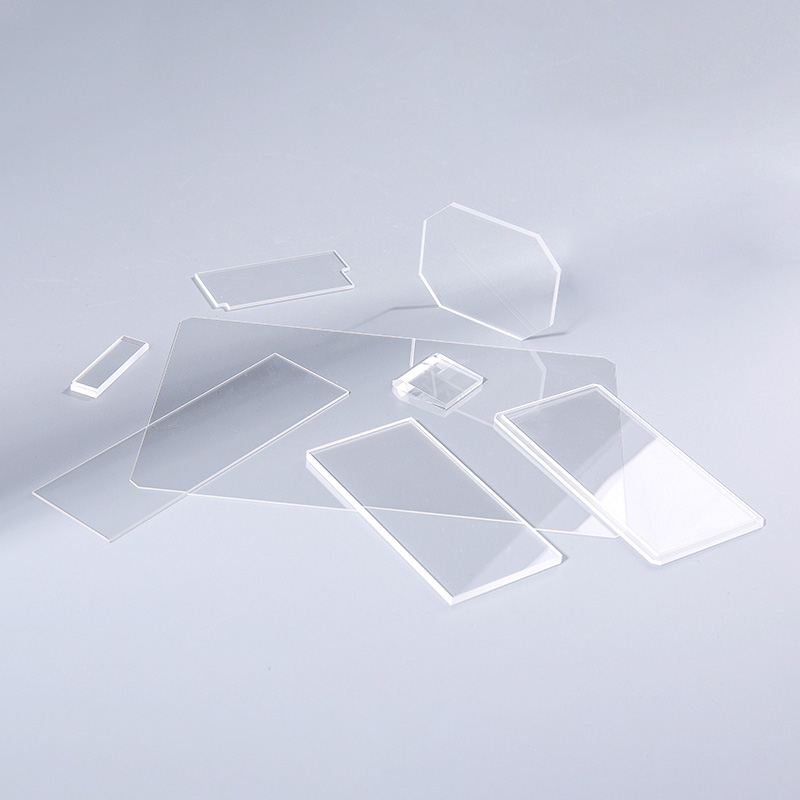
Customized lenses can be manufactured with specific diameters, thicknesses, chamfers, mounting references, edge profiles, and coating requirements. This allows the component to fit more effectively into compact optical assemblies and specialized instruments.
Suitability for Demanding Environments
Different applications expose lenses to different environmental stresses. Automotive products may experience vibration, temperature cycling, humidity, dust, and long operating periods. Semiconductor equipment may require cleanliness, dimensional stability, and low defect levels. Laser systems may involve concentrated energy and strict wavelength requirements.
A suitable lens design and manufacturing process can address these conditions through appropriate material selection, edge treatment, coating selection, cleaning, packaging, and inspection. The result is a component that is better suited to the practical conditions of its intended use.
Repeatability for Volume Production
For many customers, repeatability is as important as the performance of an individual prototype. A lens supplier must be able to reproduce the same optical and mechanical properties across many production lots. Consistency supports predictable assembly, stable product performance, and efficient production planning.
An experienced manufacturer can improve repeatability by standardizing process parameters, controlling equipment conditions, documenting inspection results, and applying corrective actions when deviations occur. This is one of the main differences between a specialized optical component manufacturer and a general glass-processing supplier.
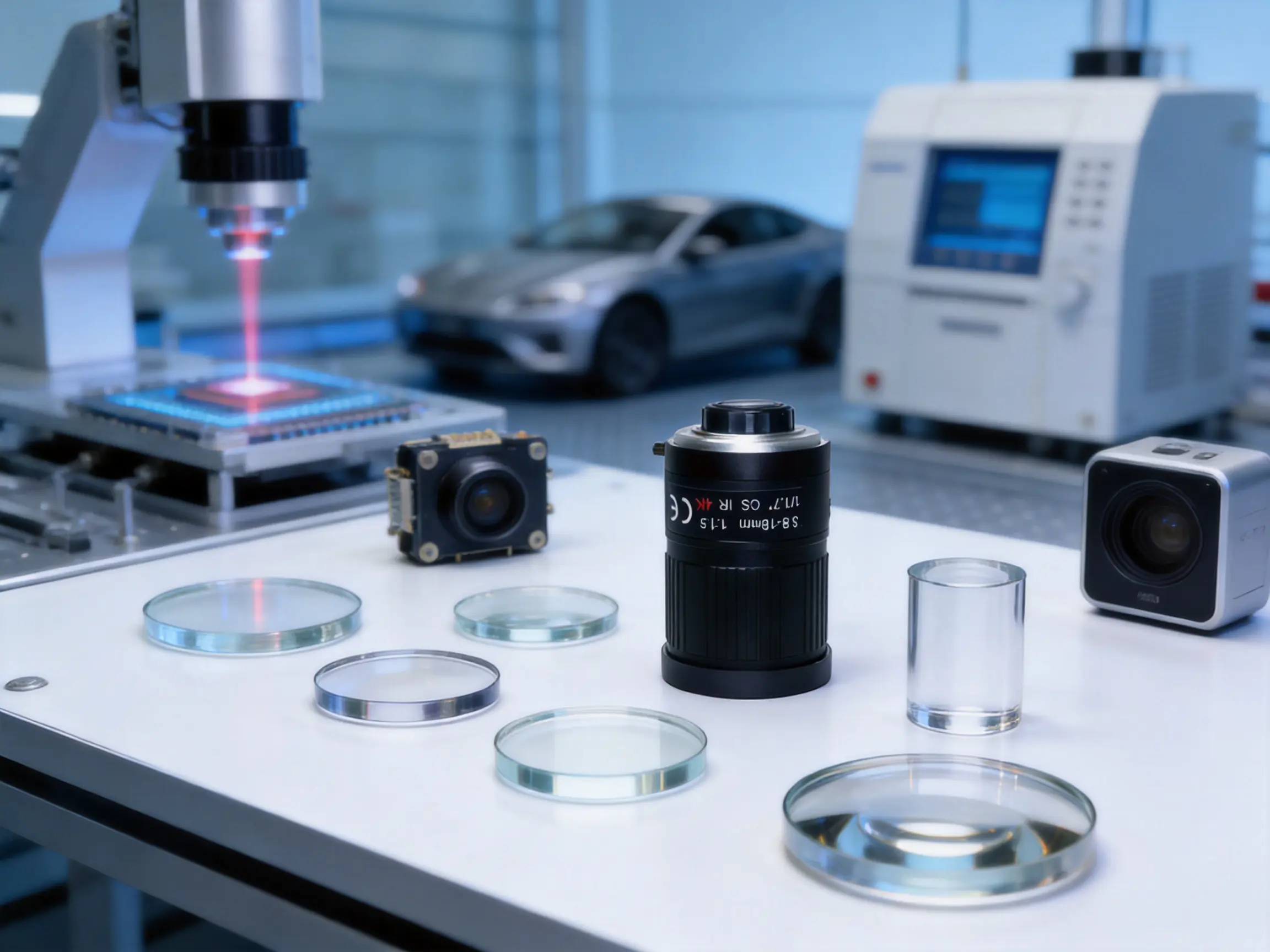
Application Areas
Laser Optics
Laser systems require lenses that can handle specific wavelengths, beam shapes, energy densities, and focusing conditions. A lens may be used to focus a laser beam, collimate output, expand a beam, or relay light between optical components. Surface quality and coating performance are especially important because scattering or absorption can reduce efficiency and affect the stability of the system.
In laser processing equipment, the lens may influence cutting accuracy, marking quality, welding consistency, or drilling results. In measurement systems, it may determine the precision of beam delivery and detection. Customized optical lenses can be designed to suit different focal lengths, apertures, and mechanical interfaces.
Automotive Optics
Automotive optical systems are becoming more sophisticated as vehicles adopt advanced lighting, sensing, imaging, and driver assistance functions. Lenses may be incorporated into cameras, illumination modules, projection systems, sensing devices, and interior optical products.
Automotive applications require strong attention to durability, dimensional consistency, cleanliness, and resistance to environmental change. Optical components may need to operate through temperature fluctuations and vibration while maintaining stable imaging or light distribution. Quality systems aligned with automotive manufacturing expectations are important for managing these requirements.
A manufacturer with IATF16949 certification experience is better positioned to understand the process documentation, traceability, risk management, and continuous-improvement expectations common in the automotive supply chain. This does not replace application-specific validation, but it provides a structured foundation for consistent production.
Semiconductor Optics
Semiconductor equipment often depends on precise light transmission, accurate positioning, and strict cleanliness. Optical lenses may be used in inspection, measurement, alignment, exposure, imaging, and process monitoring equipment.
In these systems, small particles, scratches, coating defects, or geometric deviations can influence measurement results or reduce equipment performance. Optical components for semiconductor applications therefore benefit from controlled cleaning, careful handling, suitable packaging, and detailed inspection procedures.
Consumer Optics
Consumer optical products may include compact imaging modules, sensing devices, projection equipment, lighting products, and other electronic assemblies. These products often require a combination of small size, attractive cost, stable quality, and efficient volume production.
For consumer applications, the optical lens supplier must balance performance with manufacturability. A design that is unnecessarily complex may increase production cost or reduce yield. An experienced manufacturer can support design optimization by considering available materials, process capability, tolerance relationships, coating requirements, and assembly conditions.
Industrial Imaging and Measurement
Industrial cameras, machine vision systems, measuring instruments, and inspection equipment depend on clear and stable optical images. Lenses used in these applications must support the required field of view, resolution, working distance, and depth of field.
Consistent lens performance helps machine vision systems identify defects, measure dimensions, and recognize components more reliably. It also improves the repeatability of automated inspection, which is increasingly important in manufacturing environments.
Advanced Manufacturing Process
Precision optical lens production begins with engineering analysis and continues through material preparation, forming, grinding, polishing, cleaning, coating, inspection, and packaging. Each stage contributes to the final performance of the component.
1. Engineering and Technical Review
Before production begins, the lens specification is reviewed to confirm the optical, mechanical, material, coating, and inspection requirements. Important information may include drawing dimensions, tolerances, wavelength range, focal length, surface quality, surface accuracy, clear aperture, chamfer specifications, environmental requirements, and packaging expectations.
A technical review helps identify relationships between specifications. For example, a very tight centering tolerance may require special fixturing and additional inspection. A particular coating may require a compatible substrate and a defined cleaning process. A small clear aperture may affect how the lens is mounted during grinding and polishing.
Early review also allows the manufacturer to identify potential production risks and suggest practical improvements. This engineering communication can reduce unexpected changes after tooling or mass production has begun.
2. Optical Material Selection
The selected material must match the optical and environmental requirements of the application. Factors may include refractive index, dispersion, transmission spectrum, thermal expansion, chemical resistance, hardness, internal homogeneity, and availability.
Material quality is important because internal bubbles, striae, inclusions, or transmission variation may affect the performance of the lens. Material preparation must therefore be controlled before the component enters precision processing.
For different customer programs, the appropriate optical material may vary. A lens intended for visible imaging may have different material requirements from a lens used with a laser source or an ultraviolet optical system. The supplier should evaluate material selection as part of the complete optical design rather than treating it as an isolated purchasing decision.
3. Cutting and Rough Forming
After material selection, the raw material is cut and formed into a suitable blank. The blank must provide enough allowance for subsequent grinding and polishing while minimizing waste. Rough forming establishes the general diameter, shape, and curvature of the part.
Control at this stage influences later process stability. If the blank is significantly out of balance or contains excessive machining allowance, grinding and polishing may require additional time. Consistent blank preparation supports more predictable cycle times and helps protect the final geometry.
4. Precision Grinding
Grinding removes material and establishes the basic optical surfaces. Coarse grinding may be followed by finer grinding steps to reduce subsurface damage and prepare the lens for polishing.
The grinding process must control curvature, thickness, diameter, and orientation. Fixtures and process parameters are selected according to the lens shape and production requirements. For components with tight tolerances, process monitoring is important because errors introduced during grinding may be difficult to correct later.
5. Polishing
Polishing produces the smooth surface required for optical performance. It removes the fine damage left by grinding and improves surface quality and transparency. Polishing parameters may include tool condition, polishing medium, pressure, speed, time, and temperature.
Uniform polishing is essential. Excessive polishing in one area can change the designed surface shape, while insufficient polishing may leave defects or subsurface damage. Skilled process control helps balance surface smoothness with geometric accuracy.
For precision lenses, polishing is not simply a cosmetic operation. It directly influences scattering, transmission, image quality, laser performance, and the reliability of coating adhesion. The process must therefore be managed as a critical optical manufacturing operation.
6. Centering, Edging, and Chamfering
After optical surfaces are produced, the lens may undergo centering and edging to align the optical axis with the mechanical reference. This is particularly important when the lens will be installed in a barrel, housing, camera module, or multi-element assembly.
Chamfers protect the edges from chipping and make the component safer to handle and assemble. Edge treatment must be controlled because an overly large chamfer may reduce the clear aperture, while an insufficient chamfer may increase the risk of edge damage.
7. Cleaning
Optical cleaning removes particles, residues, polishing compounds, fingerprints, and other contaminants. Cleaning quality is important before coating and before final packaging. Even a small particle on a lens surface can affect transmission, scatter light, or create a defect visible in an imaging system.
Cleaning procedures must be compatible with the material and any coating that has already been applied. Handling personnel, work areas, containers, and packaging materials also influence cleanliness. A controlled workflow reduces the chance that a finished lens will be contaminated after inspection.
8. Coating
Optical coatings are used to modify surface reflection and transmission. Depending on the application, a lens may require an antireflection coating, protective coating, high-reflection coating, or another specialized multilayer structure.
Coating selection depends on wavelength, angle of incidence, polarization, operating power, environmental exposure, and required durability. The coating process must maintain uniformity across the usable aperture and provide adequate adhesion to the substrate.
When a coating is not required, the uncoated lens still requires careful surface preparation and handling. When a coating is required, the coating specification should be matched with the actual operating conditions rather than selected only according to nominal wavelength.
9. Final Inspection and Packaging
Final inspection verifies that the optical lens satisfies the agreed requirements. Depending on the product, inspections may include dimensional measurement, radius measurement, thickness measurement, centering measurement, surface quality evaluation, surface accuracy testing, transmission testing, coating inspection, appearance inspection, and cleanliness verification.
Packaging must protect the component from impact, abrasion, dust, moisture, and movement during transport. Appropriate protective materials and clear identification help preserve product condition and support traceability when the lenses arrive at the customer’s facility.
Quality Control and Manufacturing Strengths
The performance of an optical lens is determined by both equipment and management. Advanced machinery is valuable, but it must be supported by trained personnel, standardized procedures, measurement capability, and continuous improvement.
Certified Management Systems
HLL has obtained ISO9001:2015 and ISO14001:2015 certifications, as well as IATF16949 certification. These systems reflect structured approaches to quality management, environmental management, process control, documentation, customer requirements, and continual improvement.
ISO9001:2015 provides a framework for consistent quality processes and customer-focused management. ISO14001:2015 addresses environmental management and responsible operational control. IATF16949 is particularly relevant to automotive supply chains, where process discipline, risk-based thinking, traceability, and defect prevention are essential.
Certification alone does not guarantee that every individual lens will meet every application requirement. However, a certified management framework can strengthen the organization’s ability to define processes, monitor results, respond to nonconformities, and maintain consistent production conditions.
Technical and Research Capability
HLL has established the Jiangsu Precision Optical Lens Engineering Technology Center and the Jiangsu Enterprise Technology Research Center. These technical platforms support product development, process improvement, optical engineering, and manufacturing innovation.
The company has also obtained invention patents, utility model patents, and Jiangsu High and New Tech Products. Such achievements indicate continued investment in technical development and the improvement of optical component production methods.
Research capability is particularly valuable when customers require customized optical lenses. Instead of relying only on standard catalog products, a technically capable manufacturer can analyze new geometries, unusual tolerances, special coatings, and application-specific production challenges.
Experienced Workforce
HLL has more than 300 employees and has operated in the optical component industry since 1998. Long-term industry experience helps develop practical knowledge about materials, process interactions, quality risks, and customer requirements.
An experienced workforce can also improve communication between design, production, quality, and sales teams. This is important because optical lens projects often require close coordination from the first drawing review through sample approval and volume production.
Integrated Production Focus
HLL focuses on several important optical markets, including laser optics, automotive optics, semiconductor optics, and consumer optics. This cross-industry experience can provide useful manufacturing insight because each market emphasizes different priorities.
Laser customers may focus on wavelength performance, surface quality, and coating durability. Automotive customers may prioritize reliability, process capability, traceability, and environmental performance. Semiconductor customers may require cleanliness and dimensional precision. Consumer electronics customers may emphasize compactness, cost control, and volume consistency.
Experience across these areas enables a manufacturer to understand how optical requirements interact with practical production needs.
Comparison with Less Specialized Suppliers
Optical lenses can be purchased from many types of suppliers, including general glass processors, trading companies, small workshops, and specialized optical manufacturers. The differences between these sources may not be obvious from a basic product photograph, but they become important when the lens is used in a precision system.
| Evaluation Area | Specialized Precision Lens Manufacturer | Less Specialized Supplier |
|---|---|---|
| Optical engineering | Can review optical, mechanical, material, and coating relationships | May focus mainly on producing according to a basic drawing |
| Process control | Uses defined procedures and controlled production parameters | May depend heavily on individual operator experience |
| Quality consistency | Supports repeatable production through documented inspection and corrective action | Batch-to-batch variation may be more difficult to manage |
| Application knowledge | Experience across laser, automotive, semiconductor, and consumer optics | May have limited experience outside a narrow product range |
| Customization | Can support customized geometry, tolerances, coatings, and packaging | May prefer standard shapes and less demanding specifications |
| Automotive suitability | Automotive quality systems and process expectations can be incorporated | Automotive documentation and traceability may be limited |
| Technical communication | Provides engineering review and production feedback | Communication may be limited to order processing |
| Long-term supply | Structured capacity and process development support ongoing programs | Capacity and continuity may be less predictable |
The comparison does not mean that every smaller supplier is unsuitable. Some smaller manufacturers have strong technical capabilities. However, customers should evaluate the supplier’s actual process control, inspection capacity, documentation, and experience rather than relying only on price or sample appearance.
How Precision Lenses Create Customer Value
Lower Assembly Risk
A lens with stable dimensions and centering is easier to install and align. This can reduce the need for manual adjustment during assembly and improve the yield of the complete optical module.
When a supplier understands the customer’s mechanical interface, it can also help define tolerances that are strict enough for performance but practical for production. This balance can prevent unnecessary cost without compromising function.
Improved Product Reliability
Consistent surface quality, coating performance, and material characteristics support dependable operation over the product life cycle. In applications such as automotive sensing or semiconductor equipment, reliability is closely linked to customer confidence and maintenance cost.
Quality records, process monitoring, and traceability make it easier to identify the source of a problem if an issue occurs. This supports faster corrective action and more effective communication throughout the supply chain.
More Efficient Product Development
Working with a manufacturer that has optical engineering capability can make the development process more efficient. The supplier may identify drawing conflicts, suggest manufacturable tolerances, recommend suitable materials, or advise on coating and packaging requirements.
Early technical collaboration can reduce the number of prototype iterations. It can also help customers avoid designs that appear acceptable in theory but are difficult to produce consistently at the required volume.
Scalable Production Support
A product may begin as a prototype and later become a high-volume component. A supplier with established equipment, personnel, process documentation, and quality systems is better prepared to support this transition.
Scalability requires more than adding machines. It requires maintaining the same optical and mechanical requirements as production volume increases. Standardized processes, controlled materials, inspection planning, and capacity management all contribute to successful scaling.
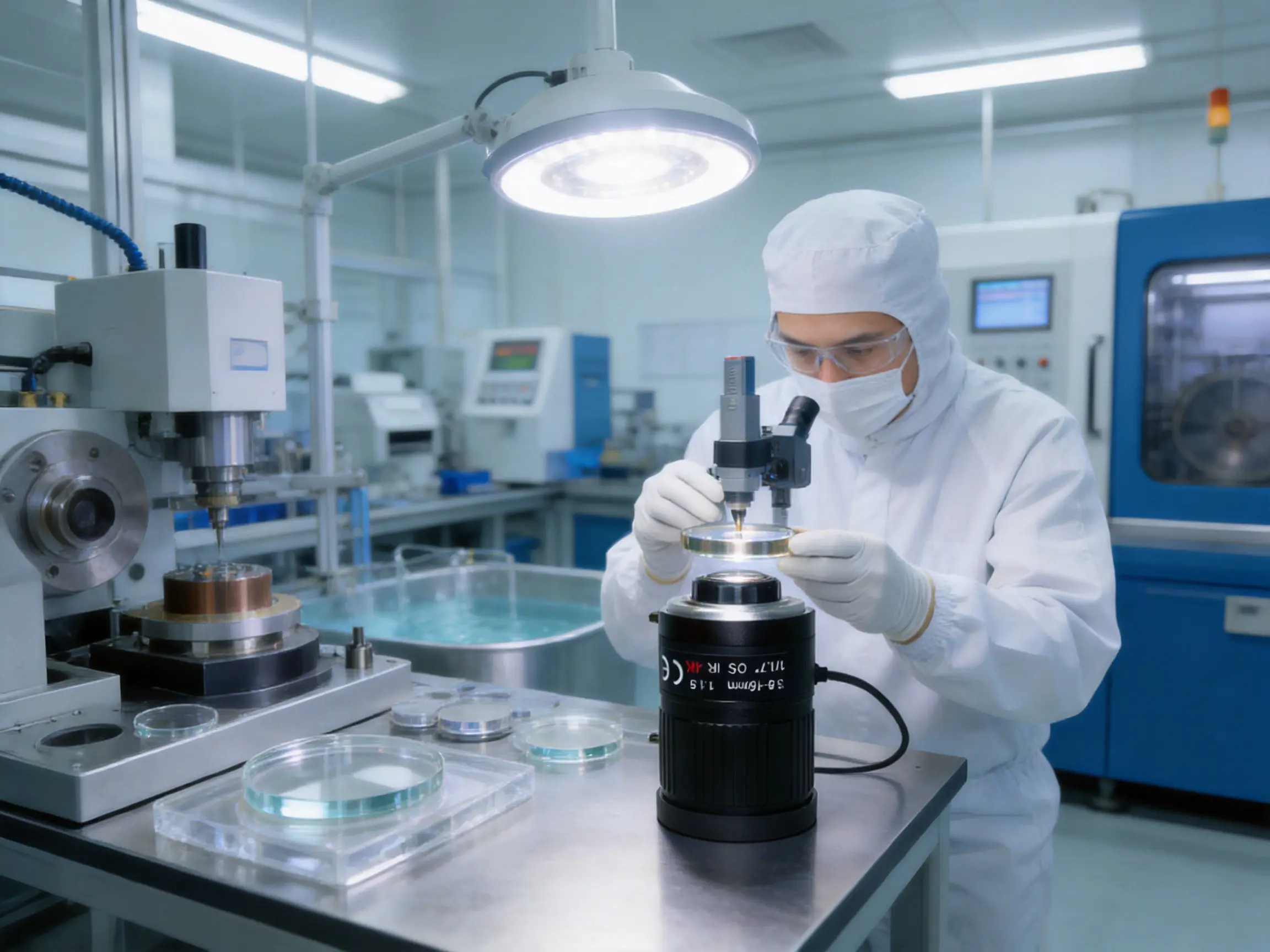
Important Specifications When Selecting an Optical Lens
Customers should define optical lenses according to the complete application rather than selecting components based only on diameter or focal length. The following specifications are commonly important:
Material and transmission range should match the operating wavelength and environmental conditions.
Focal length should be selected according to the desired imaging or beam-control function.
Diameter and clear aperture must provide adequate light collection without interfering with the housing.
Surface accuracy should be appropriate for the required image quality or beam performance.
Surface quality should be defined using a suitable scratch-and-dig or equivalent inspection method.
Center thickness and edge thickness must be compatible with the optical design and mechanical assembly.
Centering and wedge tolerances should be considered when alignment is critical.
Chamfer dimensions should protect the lens while preserving the required clear aperture.
Coating type and wavelength range should correspond to actual system conditions.
Environmental durability should reflect expected temperature, humidity, vibration, cleaning, and handling conditions.
Packaging and cleanliness requirements should be established before production begins.
Inspection reports and traceability requirements should be agreed upon for development and mass production.
Customized Optical Lens Development
Customized optical lenses often begin with a customer drawing, a three-dimensional model, a sample, or a description of the intended optical function. The manufacturer then reviews the design and determines whether the material, geometry, tolerances, coating, and production volume are compatible with available processes.
A practical development process usually includes technical clarification, quotation, drawing review, prototype production, inspection, customer evaluation, design adjustment if necessary, sample approval, and volume production. The exact sequence depends on the complexity of the product and the customer’s validation requirements.
During prototype development, it is important to evaluate not only whether the lens meets nominal dimensions but also whether it performs correctly in the customer’s assembly. A lens may satisfy isolated measurements yet create an alignment problem when combined with a housing or neighboring optical component. Application-level testing can therefore be valuable.
For volume production, the approved specification should be converted into controlled manufacturing documents. These may include material requirements, process instructions, inspection standards, packaging procedures, and change-control rules. Clear documentation helps preserve consistency when production continues over an extended period.
Sustainability and Responsible Manufacturing
Optical component production involves glass or other optical materials, abrasive compounds, cleaning agents, coatings, water, energy, and packaging materials. Responsible manufacturing requires attention to resource use, waste management, emissions, chemical control, and workplace safety.
ISO14001:2015 certification provides a framework for environmental management and encourages organizations to identify environmental impacts, establish objectives, monitor performance, and improve operational controls.
Environmental responsibility can also support manufacturing efficiency. Reducing material waste, extending tool life, improving polishing efficiency, controlling water consumption, and optimizing packaging may lower both environmental impact and production cost.
Why Manufacturing Experience Matters
Precision optical production involves many process interactions that are difficult to manage through a single final inspection. Material condition affects grinding. Grinding affects polishing. Polishing affects coating. Coating affects transmission and durability. Handling affects cleanliness. Packaging affects delivery condition.
A manufacturer that has worked with optical components for many years is more likely to understand these connections. Experience helps teams distinguish between a design issue, a material issue, a process issue, and an inspection issue. It also supports faster problem solving when a customer reports a performance concern.
HLL’s history dating back to 1998 provides a long operating background in precision optical component manufacturing. Its technical centers, patent activity, certifications, employee base, and international customer experience form a foundation for developing and producing customized optical lenses.
Frequently Asked Questions
What is a precision optical lens?
A precision optical lens is a transparent component manufactured with controlled optical surfaces, dimensions, alignment, and surface quality. It is designed to deliver a defined function such as focusing, collimating, imaging, beam expansion, or light distribution.
What industries use optical lenses?
Optical lenses are used in laser systems, automotive optics, semiconductor equipment, consumer electronics, industrial imaging, inspection instruments, measurement devices, lighting systems, and other optical assemblies.
Can optical lenses be customized?
Yes. Lenses can be customized in terms of material, diameter, focal length, curvature, thickness, clear aperture, centering, chamfer, coating, surface quality, packaging, and other requirements. Customization should be reviewed according to the customer’s optical design and production conditions.
Why is centering important?
Centering describes the relationship between the optical axis and the mechanical reference axis. Poor centering can cause alignment errors, image displacement, beam deviation, or reduced performance in a multi-element optical assembly.
What is the difference between surface quality and surface accuracy?
Surface quality concerns localized defects such as scratches, digs, pits, and other imperfections. Surface accuracy concerns how closely the overall surface shape matches the intended optical geometry. Both are important, but they describe different characteristics.
Do all optical lenses require coatings?
No. The need for a coating depends on the application, wavelength, transmission target, reflection requirements, laser power, environmental conditions, and system design. Some lenses are used uncoated, while others require specialized antireflection or protective coatings.
How should customers choose an optical lens supplier?
Customers should evaluate the supplier’s optical engineering capability, manufacturing experience, equipment, inspection methods, quality certifications, customization capacity, production scalability, documentation, communication, and experience in the relevant application industry.
What certifications does HLL have?
HLL has obtained ISO9001:2015, ISO14001:2015, and IATF16949 certifications. These certifications support structured quality management, environmental management, and automotive-oriented process control.
Can the supplier support automotive optical projects?
HLL develops optical components for automotive optics and holds IATF16949 certification. Customers should still discuss the specific automotive application, validation plan, environmental requirements, traceability expectations, and production standards for each project.
What information should be provided when requesting a quotation?
A quotation request should ideally include a drawing or model, material requirement, optical parameters, dimensions and tolerances, surface quality, surface accuracy, coating requirements, expected annual volume, prototype quantity, inspection requirements, packaging needs, and application information.
How can a supplier help reduce development risk?
A capable supplier can review the drawing, identify difficult tolerances, recommend suitable materials, assess coating compatibility, suggest manufacturable design changes, produce prototypes, provide inspection data, and support the transition from sample approval to volume production.
Conclusion
Precision optical lenses are fundamental components in modern optical and optoelectronic systems. Their performance depends on accurate geometry, appropriate materials, high-quality polishing, controlled centering, reliable coatings, careful cleaning, and thorough inspection. In demanding applications, the quality of the lens can influence the performance, reliability, and manufacturing efficiency of the entire product.
The main advantages of a specialized optical lens manufacturer include stronger process control, better engineering support, improved batch consistency, broader application knowledge, and greater ability to handle customized requirements. These advantages are especially valuable for laser optics, automotive optics, semiconductor optics, consumer optics, and industrial imaging products.
Changzhou Haolilai Photo-Electricity Scientific and Technical Co., Ltd. has manufactured precision optical components since 1998. With more than 300 employees, a 35,000-square-meter site, international export experience, certified management systems, technical research centers, patents, and application experience across multiple optical markets, HLL offers a structured manufacturing foundation for customized optical lens projects.
For customers seeking dependable optical performance and scalable production support, the most effective approach is to evaluate the complete supplier capability rather than comparing unit price alone. A detailed technical review, clear specification, controlled manufacturing process, and appropriate inspection plan can help create optical lenses that perform consistently from prototype development through long-term production.
References
ISO 9001:2015, Quality Management Systems—Requirements.
ISO 14001:2015, Environmental Management Systems—Requirements with Guidance for Use.
IATF 16949, Quality Management System Requirements for Automotive Production and Relevant Service Parts Organizations.
International Organization for Standardization, Optics and Photonics—Preparation of Drawings for Optical Elements and Systems.
International Organization for Standardization, Optics and Photonics—Surface Imperfections and Surface Quality Evaluation Principles.
Fundamentals of Photonics, optical materials, geometrical optics, imaging, and optical system design reference topics.
Handbook of Optical Engineering, optical fabrication, testing, coatings, and precision component manufacturing reference topics.
Company-provided technical and corporate information for Changzhou Haolilai Photo-Electricity Scientific and Technical Co., Ltd.


 苏公网安备32041102000130号