
 Search
 en
 English
 日本語
 русский
 Español
 Deutsch
 中文简体
Content
- 1 Understanding Flat Laminated Parts
- 2 Why Flat Laminated Parts Are Important in Modern Products
- 3 Core Advantages of Flat Laminated Parts
- 4 Applications of Flat Laminated Parts
- 5 Materials Used in Laminated Optical Components
- 6 Advanced Manufacturing Process
- 6.1 1. Engineering and Design Review
- 6.2 2. Material Incoming Inspection
- 6.3 3. Precision Cutting and Shaping
- 6.4 4. Edge Processing
- 6.5 5. Surface Cleaning
- 6.6 6. Layer Alignment
- 6.7 7. Adhesive Application and Lamination
- 6.8 8. Curing and Stabilization
- 6.9 9. Optical and Dimensional Inspection
- 6.10 10. Packaging and Shipment Protection
- 7 Manufacturing Strengths of an Experienced Optical Supplier
- 8 Advantages Over General-Purpose Competitors
- 9 Quality Factors Buyers Should Evaluate
- 10 Design Recommendations for Better Laminated Parts
- 11 Cost and Supply-Chain Considerations
- 12 Sustainability and Environmental Responsibility
- 13 How to Select the Right Manufacturing Partner
- 14 Why HLL Is a Suitable Partner for Flat Laminated Parts
- 15 Frequently Asked Questions
- 15.1 What are flat laminated parts?
- 15.2 What is the difference between a laminated part and a single glass plate?
- 15.3 Where are flat laminated parts commonly used?
- 15.4 Can flat laminated parts be customized?
- 15.5 Why is cleanliness important during lamination?
- 15.6 What causes bubbles in a laminated part?
- 15.7 Can laminated parts be used in automotive applications?
- 15.8 What certifications does HLL have?
- 15.9 Does HLL support customized optical components?
- 15.10 How should customers begin a flat laminated parts project?
- 15.11 What information should be included in a request for quotation?
- 15.12 How can customers reduce the cost of laminated parts?
- 16 Conclusion
- 17 References
- 18 Product: Flat Laminated Parts
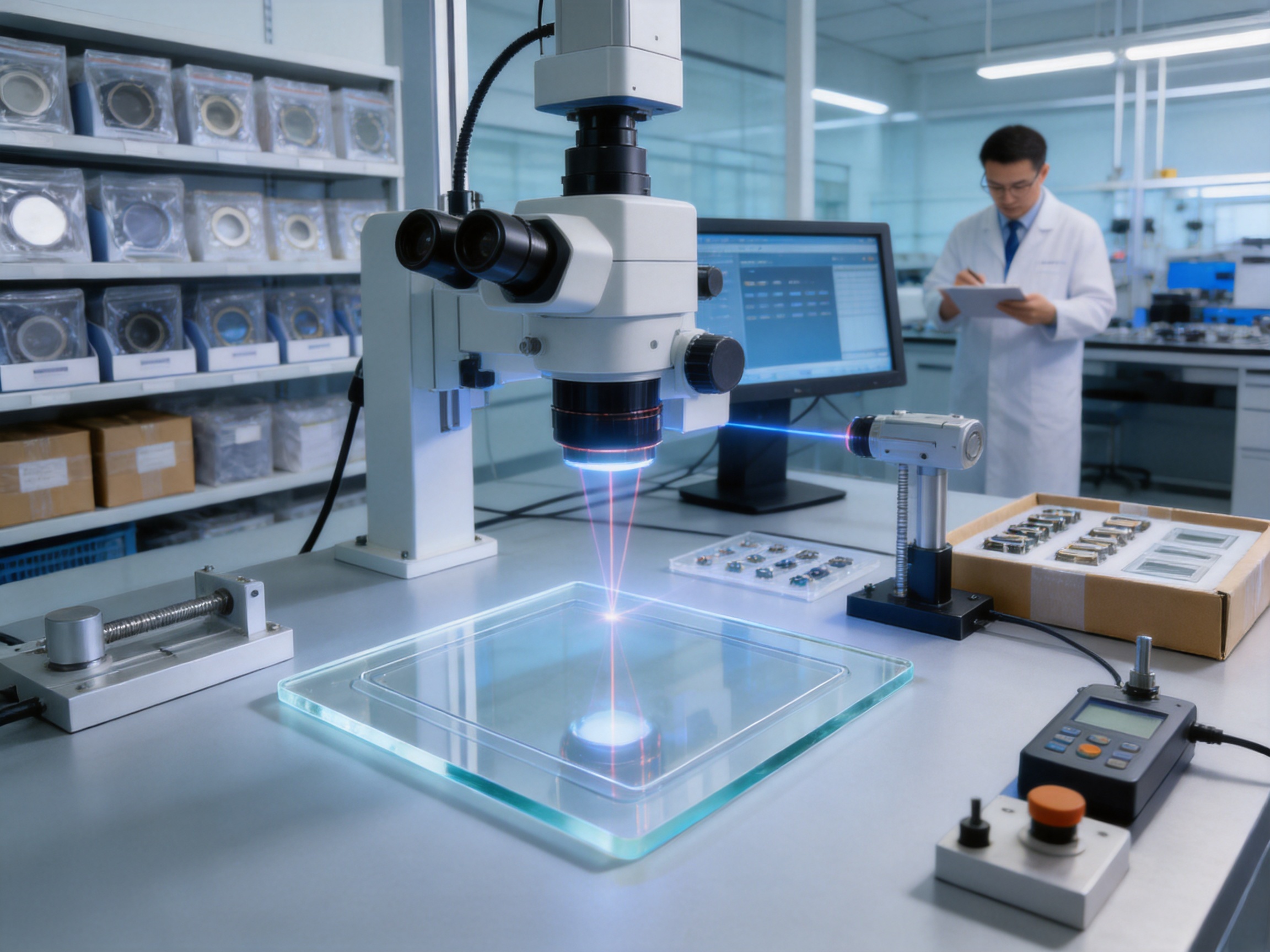
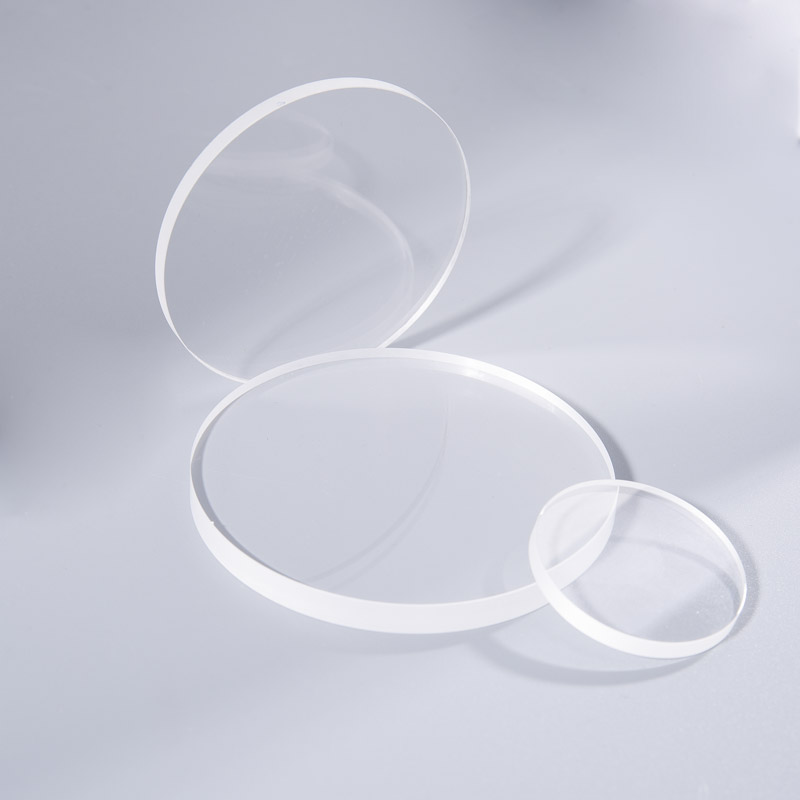
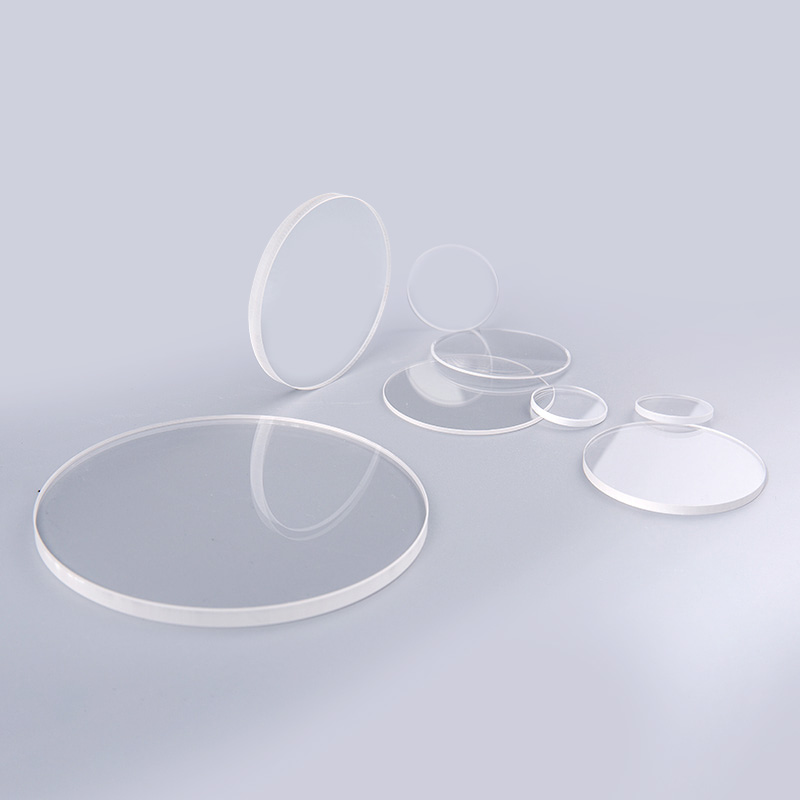
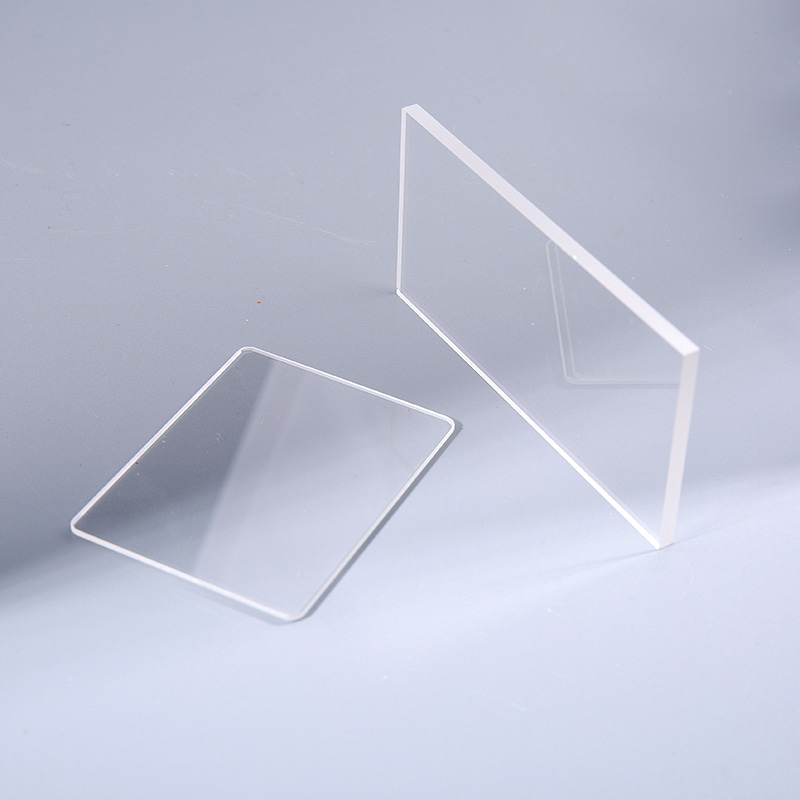
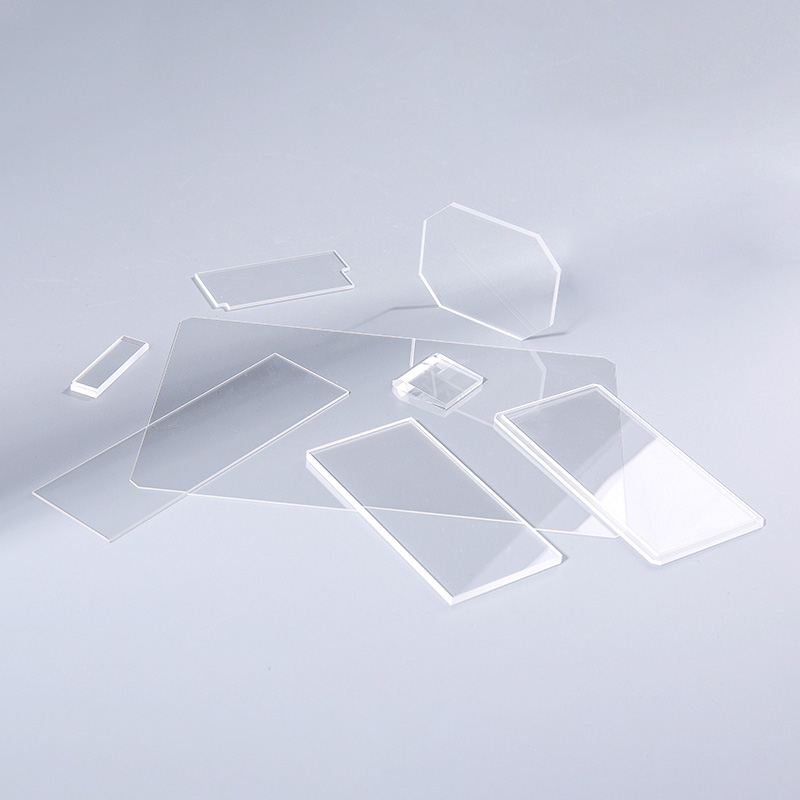
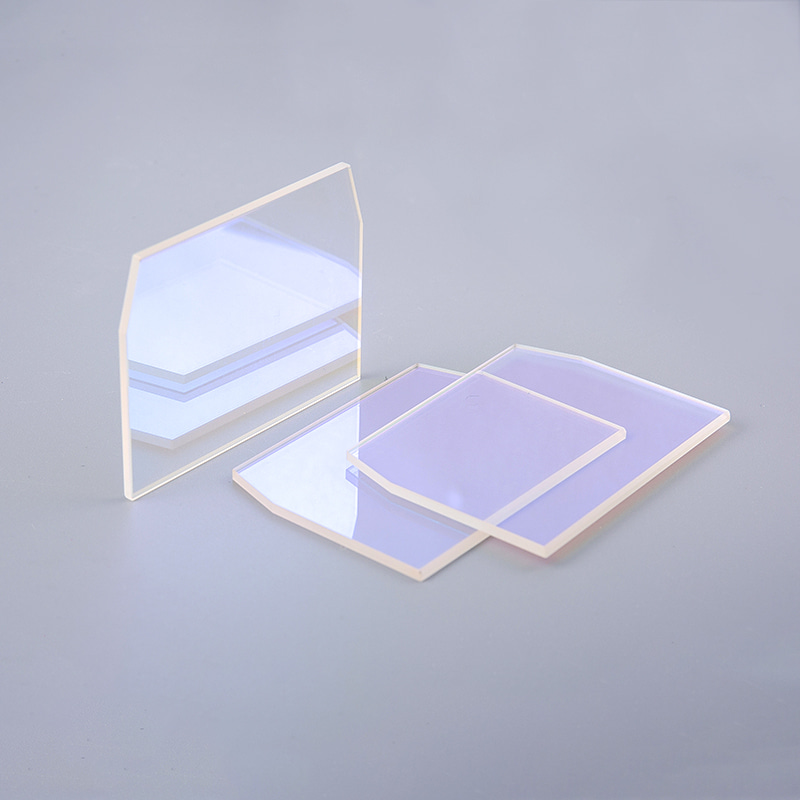
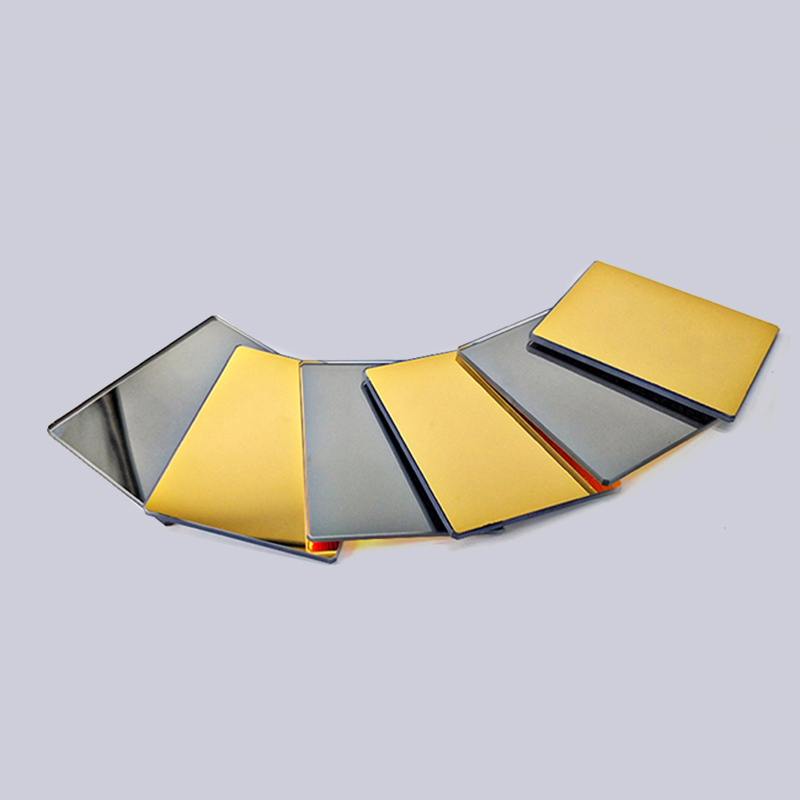
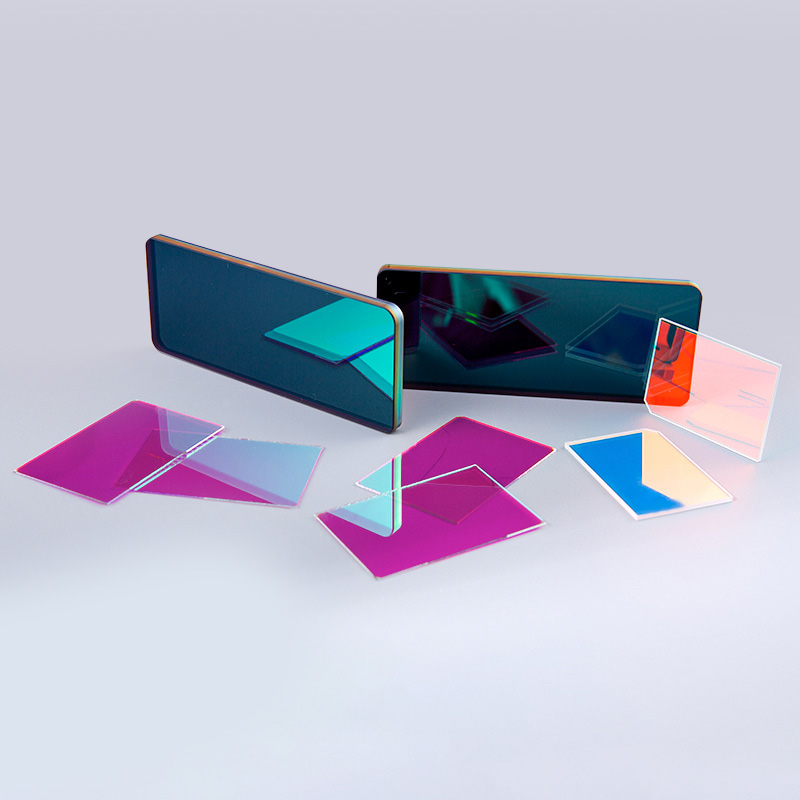
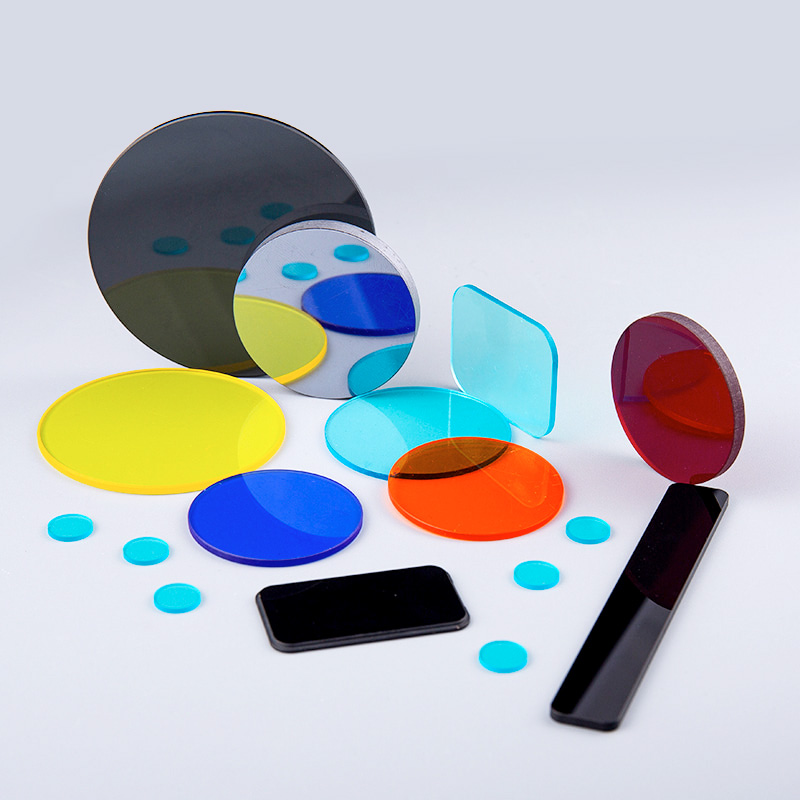
Flat laminated parts are engineered components produced by combining two or more flat layers into a unified structure. Depending on the application, the layers may include optical glass, protective glass, polymer films, coatings, adhesives, transparent substrates, or functional inserts. Although the finished component may appear simple, its performance depends on accurate material selection, controlled surface preparation, precise alignment, stable bonding, and strict inspection.
In optical, automotive, semiconductor, laser, and consumer-electronics applications, flat laminated parts are increasingly valued because they can combine several functions in one compact component. A laminated structure may provide optical transmission, environmental protection, mechanical reinforcement, glare reduction, contamination resistance, or integration with a display and sensor system. This multifunctional character makes flat laminated parts a practical alternative to assemblies made from multiple separate components.
Changzhou Haolilai Photo-Electricity Scientific and Technical Co., Ltd., also known as HLL, manufactures precision optical components for demanding industrial markets. Founded in 1998, the company operates in Changzhou, Jiangsu, China, and has developed capabilities covering laser optics, automotive optics, semiconductor optics, and consumer optics. Its experience in precision optical manufacturing provides an important foundation for producing flat laminated parts with consistent geometry, clean surfaces, controlled bonding, and dependable batch-to-batch performance.
This article examines the structure, advantages, manufacturing process, quality considerations, and application value of flat laminated parts. It also explains why a specialist optical-component manufacturer can offer advantages over general-purpose fabricators, particularly when a project requires tight dimensional control, reliable optical performance, and scalable production.
Understanding Flat Laminated Parts
A flat laminated part consists of multiple flat layers joined together to form one finished component. The layers can be made from similar or dissimilar materials. For example, two glass sheets may be laminated with an intermediate film, or a transparent protective layer may be joined to an optical substrate. In other designs, a glass plate can be combined with a functional film, printed layer, polarizing material, sensor window, or structural backing.
The principal purpose of lamination is to create performance that cannot be achieved as effectively by a single sheet. A laminated component can be designed to resist impact, improve safety, protect a sensitive optical surface, reduce reflection, control light transmission, or provide a stable platform for additional functional features.
Flat laminated parts are generally produced in two broad forms. The first is a transparent or optically active laminate, where light transmission, image quality, haze, color, and surface appearance are major concerns. The second is a structural or protective laminate, where strength, dimensional stability, adhesion, durability, and resistance to environmental conditions are more important. Many modern products combine both categories.
Unlike a basic flat glass plate, a laminated part must be evaluated as a complete system. The performance of the final product depends not only on the properties of each layer, but also on the interaction between layers. Adhesive thickness, curing behavior, thermal expansion, surface cleanliness, and the presence of internal stress can all affect the finished component.
Why Flat Laminated Parts Are Important in Modern Products
Manufacturers of optical and electronic equipment are under constant pressure to reduce size, improve reliability, and simplify assembly. Using separate components for protection, optical transmission, structural support, and environmental sealing can increase the number of parts and assembly steps. It can also create more interfaces where dust, moisture, misalignment, or mechanical failure may occur.
A laminated component combines selected functions into one engineered part. This can reduce assembly complexity and help designers achieve a thinner, cleaner, and more integrated product. The approach is especially useful for automotive displays, optical instruments, laser systems, industrial sensors, semiconductor equipment, and consumer devices.
Flat laminated parts can also improve product consistency. When multiple layers are assembled and bonded under controlled factory conditions, the relationship between them can be defined more accurately than when they are installed separately at the final assembly site. A controlled lamination process can help maintain alignment, reduce variation, and simplify incoming inspection for the customer.
Another benefit is design flexibility. Engineers can select different glass grades, film types, coatings, and bonding materials to create a component suited to a specific operating environment. The laminate may be optimized for visible light, infrared transmission, ultraviolet filtering, thermal resistance, chemical exposure, impact protection, or mechanical rigidity.
Core Advantages of Flat Laminated Parts
Multifunctional Design
The most important advantage of a laminated part is its ability to perform multiple functions simultaneously. A single component may serve as an optical window, protective cover, structural plate, and environmental barrier. This reduces the need for additional brackets, spacers, protective sheets, or secondary assembly operations.
For optical systems, a laminate can protect a precision surface from abrasion or contamination while preserving the required transmission characteristics. For automotive applications, it can integrate a transparent window with decorative, sensing, or display-related functions. For industrial equipment, it can provide a stable interface between an optical path and a mechanical enclosure.
Improved Protection
The outer layer of a flat laminated part can be selected to protect more sensitive internal layers. Depending on the design, it may improve resistance to scratches, impact, humidity, dust, cleaning agents, temperature changes, and handling damage. The protective layer can extend the useful life of the product and reduce the risk of damage during transportation and assembly.
In applications where a single glass sheet could fracture or fail suddenly, a laminated structure may help retain fragments or reduce the spread of damage. The exact safety performance depends on the materials, construction, thickness, bonding method, and applicable standards, so these characteristics should be confirmed through project-specific testing.
Stable Optical Performance
Optical quality is strongly influenced by flatness, parallelism, surface finish, internal defects, and the uniformity of the interface between layers. A carefully manufactured laminate can provide a stable optical path with controlled transmission and a consistent appearance across the usable area.
For displays and imaging systems, a uniform bond line can help reduce visible distortion, local haze, and unwanted reflections. For laser and sensing systems, accurate layer positioning helps preserve beam transmission and reduce the risk of optical deviation. These benefits are only achieved when the manufacturing process controls cleanliness, alignment, adhesive distribution, and curing conditions.
Reduced Assembly Complexity
When separate parts are replaced by a finished laminated component, the customer may reduce the number of assembly stages. This can lower labor requirements, shorten production time, and reduce the possibility of incorrect installation. A pre-laminated component can also simplify automated assembly because the customer receives a more complete and repeatable module.
Reduced assembly complexity can be particularly valuable in high-volume manufacturing. Even a small reduction in handling, alignment, or cleaning operations can produce significant savings when multiplied across thousands or millions of units.
Dimensional and Structural Stability
Precision lamination can improve the structural stability of thin or delicate layers. A supporting layer may reduce flexing, warping, or deformation during handling. This is important when the component must remain flat while being installed in a display, optical instrument, sensor, or automotive interior assembly.
Stable geometry also supports more consistent downstream assembly. If the laminated part has controlled thickness and flatness, it can fit more reliably into a housing or mounting system. Consistent dimensions reduce the need for manual adjustment and help maintain the performance of the completed product.
Design Integration
Flat laminated parts can be manufactured with different layer configurations, edge profiles, apertures, surface treatments, and functional areas. Depending on the project, the structure may support printing, masking, coating, filtering, sensor integration, or other design features.
This integration capability allows product designers to optimize the complete assembly rather than treating every function as a separate component. The result can be a more compact product with a cleaner appearance and fewer visible joints.
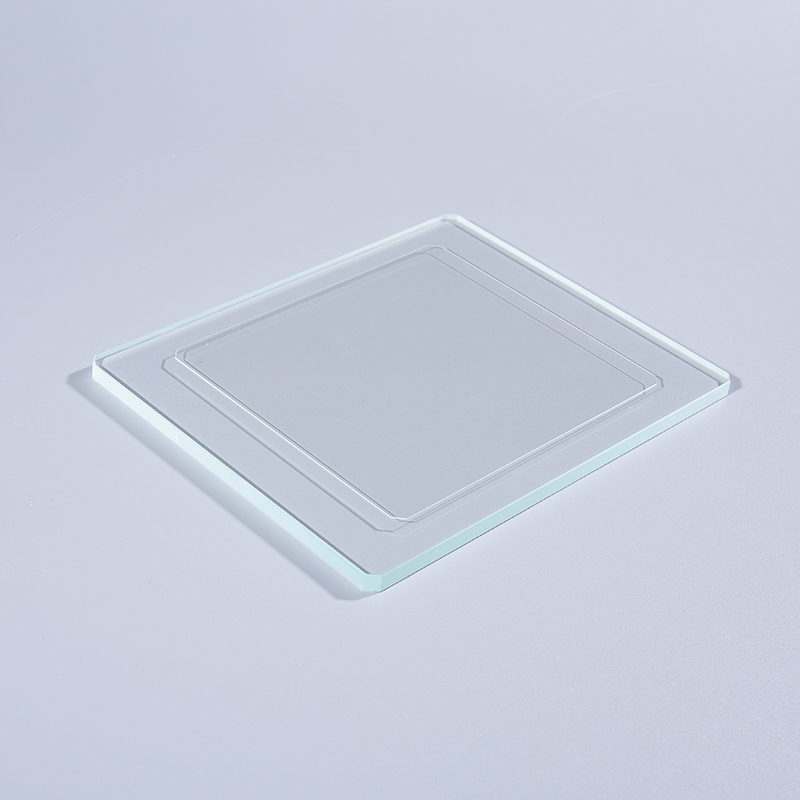
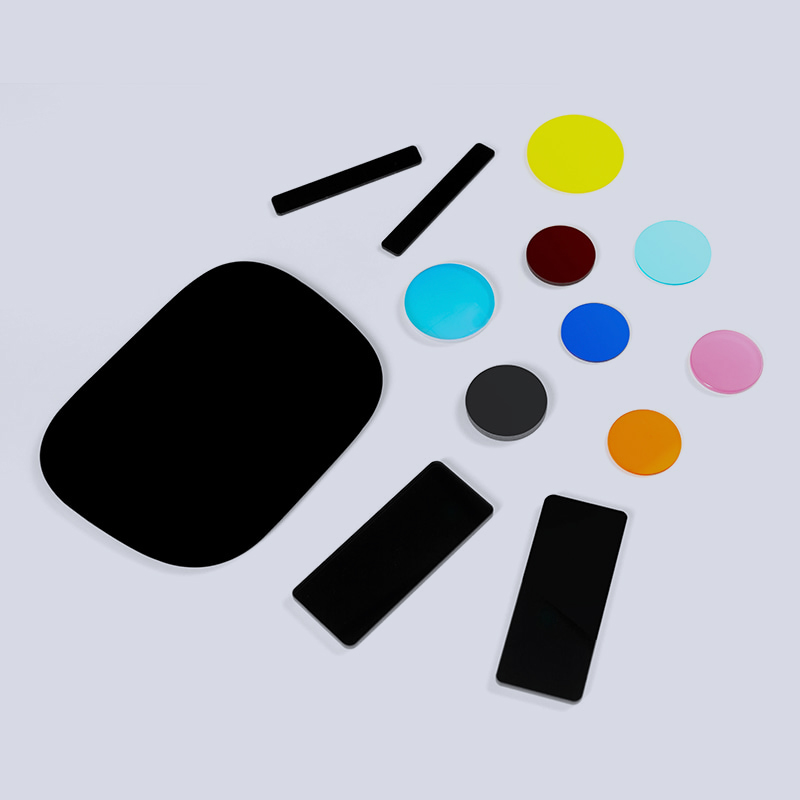
Flat Laminated Parts
Applications of Flat Laminated Parts
Automotive Interior Glass and Display Systems
Automotive interiors increasingly include digital instrument clusters, center displays, head-up display components, touch interfaces, ambient lighting systems, and optical sensors. These systems require transparent parts that combine appearance, durability, and optical performance.
Flat laminated parts can be used as protective display covers, sensor windows, decorative glass assemblies, and integrated transparent panels. The laminate may help protect an electronic display from scratches and contamination while supporting a smooth surface that is easy to clean. It may also help integrate printed graphics, darkened areas, or optical functions into the interior design.
Automotive environments expose components to vibration, temperature cycling, sunlight, cleaning chemicals, and repeated handling. A suitable laminated construction can be engineered to withstand these conditions, provided that the materials and process are selected according to the vehicle manufacturer’s requirements.
Optical Instruments
Optical instruments often require flat windows, protective covers, filters, and beam-path components. A laminated construction can protect a precision optical surface while allowing the designer to incorporate additional functions into the same part.
Applications may include laboratory instruments, measuring equipment, imaging systems, inspection devices, and industrial optical modules. In such products, the laminate must be produced with attention to surface quality, transmission, flatness, parallelism, and low-defect appearance.
Laser Equipment
Laser systems may use flat optical windows and protective plates to separate a laser path from a working environment. A laminated component can provide a protective barrier while maintaining the required transmission characteristics. Depending on the wavelength and power level, the materials, coatings, adhesive system, and manufacturing controls must be carefully selected.
Laser-related components may also require strict control of contamination, edge quality, coating durability, and internal stress. A specialist manufacturer with experience in precision optics can support the evaluation of these factors during product development.
Semiconductor and Industrial Equipment
Semiconductor manufacturing and industrial inspection equipment often use transparent windows and optical interfaces in clean or controlled environments. These components may be exposed to chemicals, temperature variations, vacuum conditions, cleaning cycles, or repeated mechanical movement.
Flat laminated parts can be designed to provide protection and structural support while preserving a clean optical path. The manufacturing process may include controlled cleaning, inspection, packaging, and traceability measures to reduce the risk of particles and surface defects.
Consumer Electronics
Consumer products require attractive appearance, thin construction, and reliable performance at competitive cost. Laminated glass and optical parts can be used in displays, cameras, sensors, control panels, lighting products, and smart devices.
For consumer applications, the component may need to combine high visual quality with efficient mass production. Consistent color, low haze, clean edges, accurate dimensions, and stable adhesive performance are important because small defects can become highly visible in a finished product.
Industrial Sensors and Control Panels
Industrial sensors and control panels often operate in environments containing dust, moisture, oils, vibration, and frequent operator contact. Laminated protective windows can help shield electronic or optical elements while maintaining readability and touch or sensing performance.
The final design may include an anti-glare surface, a printed border, a protective cover, or a transparent area for an optical sensor. Lamination can help join these elements into a single part that is easier to install and maintain.
Materials Used in Laminated Optical Components
Material selection is one of the earliest and most important stages in product development. The correct material depends on optical requirements, mechanical loads, environmental conditions, manufacturing method, and cost objectives.
Optical Glass
Optical glass offers high dimensional stability, good surface quality, and predictable light transmission. Different glass compositions can provide different refractive indices, transmission ranges, thermal properties, and chemical resistance. Glass is often selected when long-term stability and scratch resistance are important.
Protective Glass
Protective glass can be used as an outer layer in display, automotive, industrial, and optical products. It may be selected for hardness, strength, chemical resistance, or surface appearance. The exact performance depends on the glass type and any strengthening or coating process applied to it.
Polymer Films
Polymer films can provide filtering, polarization, privacy, color control, impact absorption, or other functional characteristics. They may be laminated between glass layers or bonded to another substrate. Film handling requires careful control because wrinkles, particles, stretch, and dimensional changes can affect the final result.
Adhesive Materials
The adhesive or bonding layer is critical to the durability and appearance of the laminate. It must be compatible with the selected substrates and suitable for the expected temperature, humidity, radiation, chemical exposure, and mechanical stress.
Important adhesive characteristics may include optical clarity, viscosity, curing behavior, adhesion strength, flexibility, shrinkage, and resistance to yellowing. A suitable adhesive must also support a uniform bond line without trapped air or local defects.
Surface Coatings
Coatings can be applied to improve anti-reflection performance, reduce glare, increase scratch resistance, repel contaminants, control light transmission, or provide a specific appearance. Coating selection must consider the intended environment and compatibility with cleaning, lamination, and subsequent assembly processes.
Advanced Manufacturing Process
The production of a high-quality flat laminated part is a controlled sequence rather than a single bonding operation. Each stage influences the performance of the finished product. A typical process includes engineering review, material preparation, precision cutting, edge processing, cleaning, alignment, lamination, curing, inspection, and protective packaging.
1. Engineering and Design Review
Production begins with a review of the customer’s drawings, specifications, application conditions, and quality requirements. Engineers evaluate the layer structure, tolerances, optical path, adhesive selection, edge design, and inspection method.
This review is essential because a laminated part must be designed for manufacturability as well as performance. For example, a very narrow tolerance may require specialized equipment or additional process controls. A large transparent area may require stricter cleanliness measures. A high-temperature application may require a different adhesive system than a consumer display.
Manufacturing engineers also review the relationship between the part and the customer’s assembly process. Dimensions, datum references, orientation marks, protective films, packaging requirements, and inspection documentation should be considered before production begins.
2. Material Incoming Inspection
Substrate materials, films, adhesives, coatings, and auxiliary supplies should be inspected before entering production. Typical checks may include dimensions, thickness, surface appearance, transparency, color, identification, and certificate information.
Material traceability helps manufacturers identify the source and production batch of each material. This is valuable for process control, customer documentation, and corrective action if an issue is discovered later.
3. Precision Cutting and Shaping
Glass and other substrates are cut to the required dimensions using precision equipment. Depending on the product, the process may include scoring, breaking, milling, drilling, profiling, or other forms of edge processing.
Cutting accuracy influences the final fit of the laminate. Edge quality is also important because chips, cracks, or excessive stress can reduce strength and create problems during bonding or use. A controlled process can help maintain consistent dimensions and minimize edge defects.
4. Edge Processing
Edges may be ground, polished, beveled, rounded, or otherwise treated according to the application. Edge processing can improve safety, reduce stress concentration, support assembly, and produce the required appearance.
For visible automotive or consumer products, edge appearance may be a significant quality factor. For industrial or optical parts, edge treatment may be selected primarily for mechanical reliability and clean integration into a housing.
5. Surface Cleaning
Cleanliness is one of the most important requirements in optical lamination. Dust, oil, fingerprints, fibers, and microscopic particles can become permanently trapped between layers. Such contamination may appear as bubbles, spots, haze, or visual defects.
Manufacturing therefore requires controlled cleaning and handling procedures. Operators and equipment must be managed to reduce contamination. Cleaning methods may include approved solvents, deionized water, air cleaning, lint-free materials, and controlled drying. The exact procedure depends on the substrate and adhesive system.
6. Layer Alignment
After cleaning, the layers are positioned and aligned according to the product drawing. Alignment may involve reference marks, fixtures, optical inspection, mechanical locating features, or automated positioning systems.
Alignment accuracy is important for appearance and function. Misalignment can affect the usable optical area, create uneven borders, interfere with customer assembly, or cause unwanted stress at the edges. Precision fixtures help maintain repeatability during production.
7. Adhesive Application and Lamination
The adhesive is applied in a controlled manner to create a uniform bond between the layers. Process parameters may include material temperature, viscosity, application speed, pressure, gap control, and working time.
For transparent parts, the bond must be free from visible bubbles, voids, streaks, foreign particles, and local thickness variation. The lamination method must also prevent unnecessary stress or deformation of thin substrates.
Depending on the product design, lamination may be performed through pressure bonding, vacuum-assisted methods, heat-assisted bonding, ultraviolet curing, thermal curing, or a combination of these techniques. The selected process must be compatible with the adhesive and all component materials.
8. Curing and Stabilization
After bonding, the laminated part is cured under controlled conditions. Curing parameters can affect adhesion strength, optical clarity, shrinkage, stress, and long-term stability. Insufficient curing may lead to weak bonding or movement between layers, while excessive or unsuitable curing may cause discoloration, deformation, or internal stress.
Some products require a stabilization period after curing so that the component can reach a consistent condition before final inspection. The appropriate process depends on the adhesive chemistry, layer structure, and application requirements.
9. Optical and Dimensional Inspection
Inspection verifies that the finished part meets the required specifications. Dimensional checks may include length, width, thickness, hole position, edge profile, flatness, and parallelism. Optical checks may include transmission, haze, visual appearance, surface defects, bond uniformity, and coating condition.
Inspection criteria should be defined before mass production. A clear standard helps align the manufacturer and customer and reduces uncertainty about acceptable cosmetic variation. Where necessary, inspection may be performed under controlled lighting and viewing conditions.
10. Packaging and Shipment Protection
Even a correctly manufactured laminated part can be damaged by poor packaging. Packaging must protect surfaces and edges from scratching, impact, moisture, dust, and pressure during storage and transportation.
Packaging design should reflect the part’s size, weight, fragility, surface finish, and customer handling method. Protective films, separators, trays, foam supports, cartons, and moisture-control materials may be used as appropriate.
Manufacturing Strengths of an Experienced Optical Supplier
The performance of flat laminated parts depends heavily on the manufacturer’s ability to control many small variables at the same time. A supplier experienced in precision optical components is better positioned to manage these variables than a general fabricator that mainly produces standard glass or plastic parts.
Technical Experience
Changzhou Haolilai Photo-Electricity Scientific and Technical Co., Ltd. was founded in 1998 and has built long-term experience in precision optical component manufacturing. This experience covers different product categories and application environments, allowing the company to understand the relationship between material selection, processing accuracy, optical performance, and final assembly requirements.
A mature technical team can help customers identify potential risks at the design stage. This may include unsuitable adhesive selection, overly restrictive tolerances, difficult cleaning requirements, incompatible thermal expansion, or an edge design that creates unnecessary stress.
Integrated Research and Development Capability
HLL has established the Jiangsu Precision Optical Lens Engineering Technology Center and Jiangsu Enterprise Technology Research Center. These technical platforms support product development, process improvement, testing, and manufacturing innovation.
Research and development capability is particularly important for laminated products because many projects require customized combinations of materials and processes. A supplier that can participate in engineering development can help move a project from concept to stable production more efficiently.
Production Scale and Workforce
The company covers approximately 35,000 square meters and has more than 300 employees. This scale provides a foundation for organized production, engineering support, quality management, procurement coordination, and customer service.
Production scale should not be confused with automatic superiority, but it can provide practical advantages when supported by effective process management. A larger and experienced organization may be better able to support prototype development, pilot production, and volume manufacturing within one supply chain.
Quality Management Systems
HLL has obtained ISO9001:2015, ISO14001:2015, and IATF16949 certifications. ISO9001:2015 supports systematic quality management. ISO14001:2015 addresses environmental management. IATF16949 is associated with automotive quality-management requirements and emphasizes risk control, traceability, process consistency, and continual improvement.
These certifications do not replace product-specific testing, but they provide a structured foundation for manufacturing control. For automotive and industrial customers, a formal quality system can improve communication, documentation, change management, corrective action, and supplier evaluation.
Patent and Technology Development
The company has obtained invention patents, utility model patents, and Jiangsu High and New Tech Products. Intellectual-property activity indicates ongoing attention to technical development and process innovation. In a competitive optical-component market, the ability to improve manufacturing methods can help address new customer requirements and difficult product designs.
International Customer Support
HLL exports products to more than 20 countries. International supply experience requires attention to technical communication, packaging, documentation, delivery coordination, and customer-specific quality expectations.
For overseas buyers, a supplier’s ability to communicate clearly in the early engineering stage is important. Drawings, specifications, inspection standards, packaging instructions, and change notifications should be confirmed in a structured manner to reduce misunderstandings.
Advantages Over General-Purpose Competitors
Flat laminated parts may be available from many glass processors and contract manufacturers, but not every supplier has the same level of optical, automotive, or precision-manufacturing experience. The following advantages can distinguish a specialist optical-component producer from a general-purpose fabricator.
| Evaluation Area | Specialist Optical Manufacturer | General-Purpose Fabricator | Value to the Customer |
|---|---|---|---|
| Optical surface control | Designed around flatness, transmission, haze, defects, and surface quality | May focus mainly on basic appearance and dimensions | More reliable performance in imaging, display, laser, and sensor applications |
| Material selection | Can evaluate optical glass, films, adhesives, coatings, and thermal behavior together | May offer a limited material range | Better suitability for demanding operating conditions |
| Process cleanliness | Controlled cleaning, handling, inspection, and packaging procedures | Cleanliness controls may vary by project | Lower risk of particles, bubbles, haze, and visible contamination |
| Automotive readiness | Experience supported by IATF16949 quality-management certification | Automotive process controls may be less developed | Improved documentation, traceability, and risk management |
| Engineering support | Can assist with design-for-manufacturing and process optimization | May manufacture strictly according to supplied drawings | Fewer design problems and smoother product development |
| Production flexibility | Can support prototype, pilot, and volume requirements | May specialize in only one production scale | More continuity as demand changes |
| Quality systems | Structured quality and environmental management systems | Quality procedures may be less formal | More consistent output and clearer corrective action |
The most important competitive advantage is not simply the ability to bond two flat layers. It is the ability to produce the same result repeatedly while controlling optical, mechanical, environmental, and cosmetic requirements. Customers should therefore evaluate a supplier’s complete process capability rather than comparing unit price alone.
Quality Factors Buyers Should Evaluate
Dimensional Accuracy
Length, width, thickness, hole position, edge shape, and overall profile must match the customer’s assembly requirements. A small dimensional error can prevent installation or create uneven loading in the finished product.
Flatness and Parallelism
Flatness affects appearance, assembly, and optical performance. Parallelism between surfaces is especially important when the component forms part of a precision optical path. Excessive wedge or deformation can create image distortion or beam deviation.
Bond Uniformity
The adhesive layer should be consistent across the active area. Local thickness differences may cause visual variation, optical distortion, or stress. Uniform bonding also supports long-term stability during temperature and humidity changes.
Bubble and Void Control
Bubbles and voids are common concerns in transparent laminates. They may reduce appearance quality, interfere with light transmission, and grow under environmental stress. Effective control requires suitable material preparation, clean handling, correct lamination parameters, and reliable curing.
Surface Quality
Scratches, pits, stains, chips, fibers, and coating defects should be evaluated according to the intended application. A component used behind an opaque housing may have different cosmetic requirements from one used in a visible display or optical instrument.
Environmental Durability
Customers should consider temperature cycling, humidity, ultraviolet exposure, chemical contact, vibration, impact, and cleaning. The required tests depend on the product’s operating environment. Automotive and industrial parts often require more extensive environmental validation than indoor consumer products.
Traceability
Traceability links materials, production batches, inspection results, and shipment information. It supports consistent quality management and helps identify the scope of any issue. For regulated or safety-related applications, traceability is often a fundamental supplier requirement.
Design Recommendations for Better Laminated Parts
Successful lamination begins with a clear and realistic design. Customers should define the functional area, inactive border, overall dimensions, layer sequence, surface requirements, environmental exposure, and inspection criteria as early as possible.
Tolerances should be based on actual product requirements. Overly tight tolerances can increase cost and reduce yield without improving final performance. At the same time, critical optical or assembly dimensions should not be left undefined.
The design should also consider the coefficient of thermal expansion of each layer. When dissimilar materials expand or contract at different rates, the laminate may experience stress during temperature changes. The adhesive must be capable of accommodating the expected movement without losing adhesion or optical clarity.
Edges should be designed for safe handling, suitable assembly, and practical manufacturing. Sharp corners, narrow unsupported areas, and abrupt changes in geometry can create stress concentration or complicate processing.
Customers should specify whether a surface is exposed, covered, visible, touched, cleaned, coated, or bonded to another part. This information helps the manufacturer select appropriate surface treatments and inspection standards.
For optical applications, the wavelength range, angle of incidence, polarization condition, transmission target, reflection limits, and allowable distortion should be defined. For automotive applications, the relevant temperature, vibration, humidity, sunlight, cleaning, and chemical conditions should be communicated before material selection.
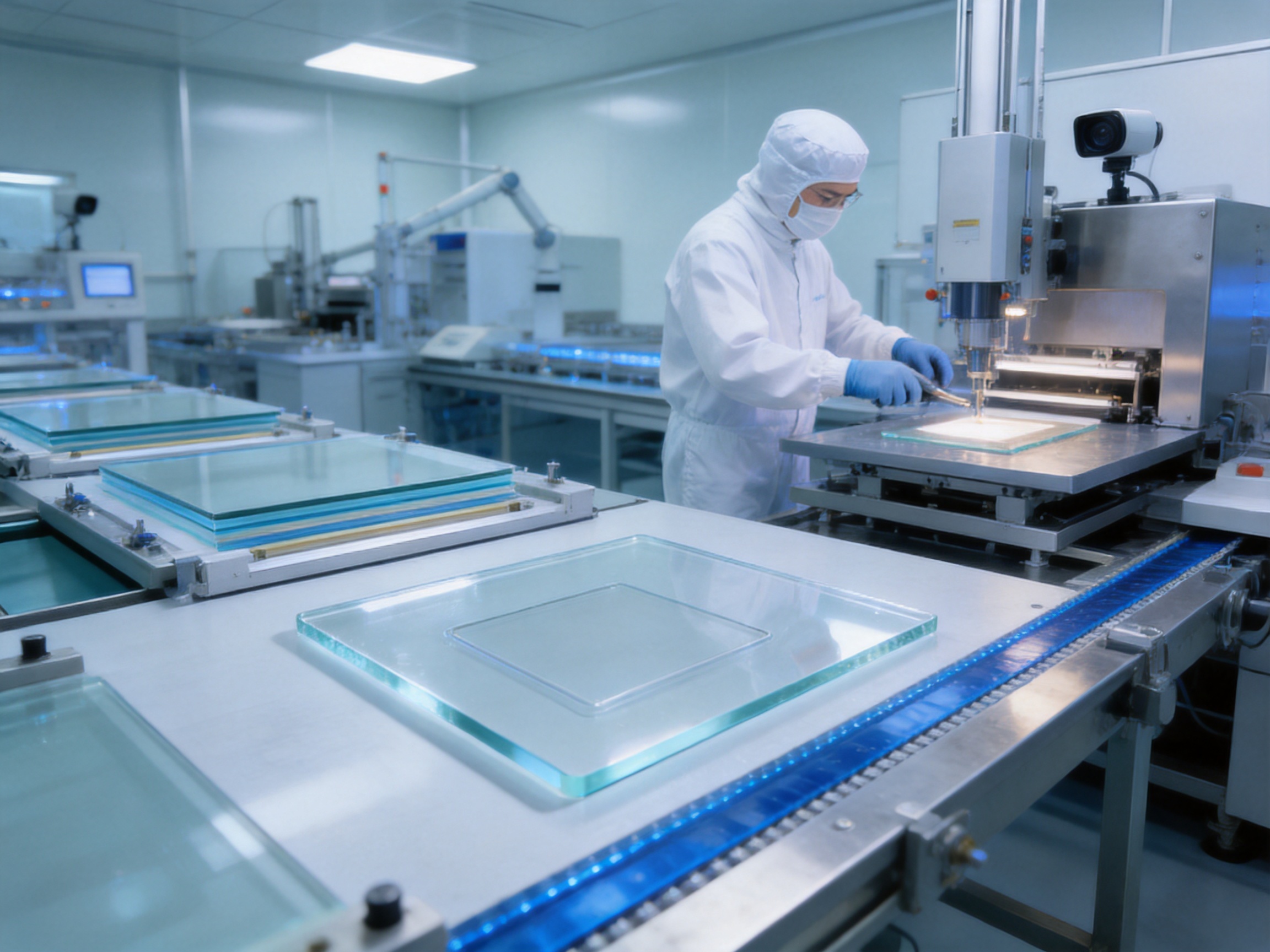
Cost and Supply-Chain Considerations
The cost of a flat laminated part is influenced by materials, dimensions, layer count, adhesive type, surface treatments, tolerances, inspection requirements, production volume, packaging, and yield. A low-cost design is not necessarily the design with the lowest unit price. If poor quality creates rework, assembly delays, or field failures, the total cost can be much higher.
Designing the part for manufacturability can improve yield and shorten production time. Examples include using practical tolerances, avoiding unnecessary layer complexity, defining a clear inspection zone, and selecting materials with stable supply.
Supply-chain reliability also matters. A manufacturer with an established production system and international shipping experience may be better positioned to support repeat orders, engineering changes, and demand fluctuations. Buyers should evaluate capacity, lead times, material sourcing, quality records, packaging, and communication procedures before placing long-term orders.
For new projects, it is useful to divide production into stages: design review, sample development, engineering validation, pilot production, and mass production. Each stage should have defined approval criteria. This staged approach reduces risk and allows process problems to be corrected before large quantities are manufactured.
Sustainability and Environmental Responsibility
Environmental performance is becoming an increasingly important part of component sourcing. Laminated parts can contribute to product sustainability when they improve durability, reduce replacement frequency, or combine several functions into one component. However, the complete material structure should be considered, including glass, films, adhesives, coatings, and packaging.
HLL has obtained ISO14001:2015 certification, reflecting a formal environmental-management framework. An environmental management system can support responsible resource use, waste control, process monitoring, and compliance activities.
Manufacturers can also improve environmental performance by optimizing cutting layouts, reducing material waste, controlling energy use, selecting suitable packaging, and minimizing defect-related scrap. Customers may request information about material composition, restricted substances, packaging materials, and applicable environmental requirements as part of supplier qualification.
How to Select the Right Manufacturing Partner
When selecting a supplier for flat laminated parts, customers should look beyond product photographs and general claims. A thorough evaluation should include technical capability, quality systems, process capacity, inspection equipment, documentation, and customer support.
First, confirm whether the supplier has experience with the required application. Automotive display components, laser windows, semiconductor equipment parts, and consumer optical covers may all be flat laminates, but their requirements are not identical.
Second, review the supplier’s ability to control cleanliness, bonding, alignment, curing, and inspection. Ask how defects are classified, how process changes are controlled, and how production records are maintained.
Third, evaluate engineering communication. A capable supplier should be able to discuss layer construction, material compatibility, tolerance requirements, environmental risks, and manufacturability before quoting a final solution.
Fourth, assess quality certifications and their relevance to the project. ISO9001, ISO14001, and IATF16949 can provide valuable evidence of structured management, but the supplier should also demonstrate product-specific experience and inspection capability.
Finally, request samples or pilot parts that represent the intended production process. Prototype parts made by a different method may not accurately predict mass-production performance. Approval samples should be manufactured under conditions that are as close as possible to regular production.
Why HLL Is a Suitable Partner for Flat Laminated Parts
Changzhou Haolilai Photo-Electricity Scientific and Technical Co., Ltd. combines long-term optical manufacturing experience, technical research capability, organized production, and international supply experience. Its focus on laser optics, automotive optics, semiconductor optics, and consumer optics is relevant to the diverse requirements of flat laminated components.
The company’s approximately 35,000-square-meter facility and workforce of more than 300 employees provide a substantial manufacturing base. Its technical centers support engineering development and process improvement, while its certifications provide a structured approach to quality, environmental management, and automotive production requirements.
For customers, the main value lies in the combination of technical understanding and production discipline. Flat laminated parts require more than simple bonding. They require control of materials, surfaces, geometry, contamination, curing, optical behavior, and long-term reliability. A manufacturer experienced in precision optical components is better equipped to coordinate these requirements.
HLL’s ability to serve customers in more than 20 countries also indicates experience with international technical communication and export logistics. For companies developing a new optical or automotive product, this can simplify cooperation from initial design review through sample approval and repeat production.
Frequently Asked Questions
What are flat laminated parts?
Flat laminated parts are components made by joining two or more flat layers into one finished structure. The layers may include glass, optical substrates, polymer films, adhesives, coatings, or functional inserts. The finished component can provide optical, protective, structural, or decorative functions.
What is the difference between a laminated part and a single glass plate?
A single glass plate generally provides the properties of one material. A laminated part combines the properties of several layers and can therefore offer additional protection, filtering, structural support, optical functionality, or integration. The laminated structure may also simplify downstream assembly.
Where are flat laminated parts commonly used?
They are used in automotive interior displays, sensor windows, optical instruments, laser equipment, semiconductor systems, industrial control panels, consumer electronics, and other products that require a flat transparent or multifunctional component.
Can flat laminated parts be customized?
Yes. Customization may include dimensions, thickness, layer sequence, glass type, film type, adhesive, coating, edge treatment, printed areas, apertures, surface finish, and inspection requirements. The practical options depend on the intended application and production process.
Why is cleanliness important during lamination?
Particles, fibers, oil, and other contaminants can become trapped permanently between layers. They may appear as visible spots, bubbles, haze, or optical defects. Controlled cleaning and handling are therefore essential for transparent and precision optical laminates.
What causes bubbles in a laminated part?
Bubbles can result from trapped air, uneven adhesive application, contamination, unsuitable material viscosity, incorrect pressure, inadequate vacuum conditions, or improper curing. A stable process and suitable material combination are necessary to minimize bubble formation.
Can laminated parts be used in automotive applications?
Yes. They can be used in display covers, sensor windows, decorative glass, optical interfaces, and other automotive interior components. Automotive projects normally require evaluation of temperature, humidity, vibration, sunlight, cleaning chemicals, mechanical loading, and long-term durability.
What certifications does HLL have?
HLL has obtained ISO9001:2015, ISO14001:2015, and IATF16949 certifications. These certifications relate to quality management, environmental management, and automotive quality-management requirements.
Does HLL support customized optical components?
HLL develops and manufactures precision optical components for laser, automotive, semiconductor, and consumer applications. Customers should provide drawings, performance requirements, materials, tolerances, environmental conditions, and expected quantities so that the appropriate manufacturing solution can be evaluated.
How should customers begin a flat laminated parts project?
The process normally begins with technical drawings or preliminary concepts, application information, target quantities, material preferences, quality standards, and environmental requirements. The manufacturer can then review the design, recommend suitable materials and processes, provide samples, and establish inspection criteria before volume production.
What information should be included in a request for quotation?
A request should include part dimensions, layer construction, thickness, material requirements, surface treatments, edge details, tolerances, optical specifications, environmental conditions, annual volume, packaging requirements, and applicable quality standards. Photographs, reference samples, or three-dimensional models may also help clarify the project.
How can customers reduce the cost of laminated parts?
Customers can reduce cost by using practical tolerances, selecting readily available materials, optimizing part dimensions, reducing unnecessary process steps, designing for efficient cutting, standardizing packaging, and providing accurate volume forecasts. Early engineering discussion can also prevent costly redesigns and production problems.
Conclusion
Flat laminated parts are highly adaptable components that combine optical, protective, structural, and design functions in one compact product. Their value is especially clear in applications where space is limited, surface quality is important, or several separate components would otherwise be required.
The quality of a laminated part depends on the complete manufacturing chain. Material compatibility, precision cutting, edge treatment, surface cleaning, layer alignment, adhesive control, curing, inspection, and packaging must all be managed as connected processes. A weakness in any one stage can affect the appearance, performance, or durability of the final component.
Compared with general-purpose fabricators, an experienced optical manufacturer can provide stronger support for demanding products because it understands optical surfaces, dimensional control, contamination prevention, material behavior, and application-specific quality requirements. This capability can help customers reduce development risk and achieve more consistent production results.
Changzhou Haolilai Photo-Electricity Scientific and Technical Co., Ltd. brings together experience dating from 1998, a precision optical manufacturing focus, technical research centers, a substantial production base, more than 300 employees, international export experience, and certifications including ISO9001:2015, ISO14001:2015, and IATF16949. These strengths make the company a suitable manufacturing partner for customized flat laminated parts used in automotive, optical, laser, semiconductor, industrial, and consumer applications.
For companies seeking reliable laminated optical components, the best results begin with early cooperation between the design team and the manufacturer. Clear requirements, realistic tolerances, controlled materials, defined inspection standards, and a staged approval process can transform a basic laminated structure into a precise, durable, and production-ready component.
References
1. ISO 9001:2015, Quality Management Systems—Requirements.
2. ISO 14001:2015, Environmental Management Systems—Requirements with Guidance for Use.
3. IATF 16949, Quality Management System Requirements for Automotive Production and Relevant Service Parts Organizations.
4. Optical Engineering and Manufacturing Principles, technical reference materials on precision optical components and surface quality.
5. Glass Processing and Lamination Technology, reference materials on glass cutting, edge treatment, adhesive bonding, and optical inspection.
6. Automotive Interior Component Development Practices, technical materials concerning display covers, sensor windows, environmental durability, and production validation.
7. Precision Manufacturing Quality Control, reference materials on dimensional inspection, cleanliness management, traceability, and process capability.


 苏公网安备32041102000130号