
 Search
 en
en English
 日本語
日本語 русский
 Español
 Deutsch
 中文简体
中文简体Content
- 1 Understanding the Function of an Optical Window
- 2 Key Performance Characteristics
- 3 Materials Used for Optical Windows
- 4 Manufacturing Process for Precision Optical Windows
- 4.1 1. Technical Review and Specification Confirmation
- 4.2 2. Raw Material Selection and Inspection
- 4.3 3. Cutting and Blank Preparation
- 4.4 4. Precision Grinding
- 4.5 5. Lapping and Polishing
- 4.6 6. Edge Treatment
- 4.7 7. Cleaning
- 4.8 8. Optical Coating
- 4.9 9. Final Inspection and Documentation
- 4.10 10. Protective Packaging
- 5 Advanced Manufacturing Strengths
- 6 Advantages Compared with General Glass Suppliers
- 7 Applications of Precision Optical Windows
- 8 Design Considerations Before Ordering
- 9 Quality Assurance and Continuous Improvement
- 10 Why Choose a Specialized Manufacturing Partner
- 11 Recommended Procurement Process
- 12 Frequently Asked Questions
- 12.1 What is the difference between an optical window and an optical lens?
- 12.2 Can optical windows be customized?
- 12.3 Which materials are suitable for optical windows?
- 12.4 Do all optical windows require anti-reflection coatings?
- 12.5 What information should be included in an inquiry?
- 12.6 Why are flatness and parallelism important if the window is not a lens?
- 12.7 How does coating selection affect performance?
- 12.8 Are optical windows suitable for automotive applications?
- 12.9 Can optical windows be supplied for high-volume production?
- 12.10 What makes HLL suitable for optical window projects?
- 12.11 How should finished optical windows be handled?
- 12.12 Can the manufacturer help improve an existing optical window design?
- 13 Conclusion
- 14 References
- 15 Product: Optical Window
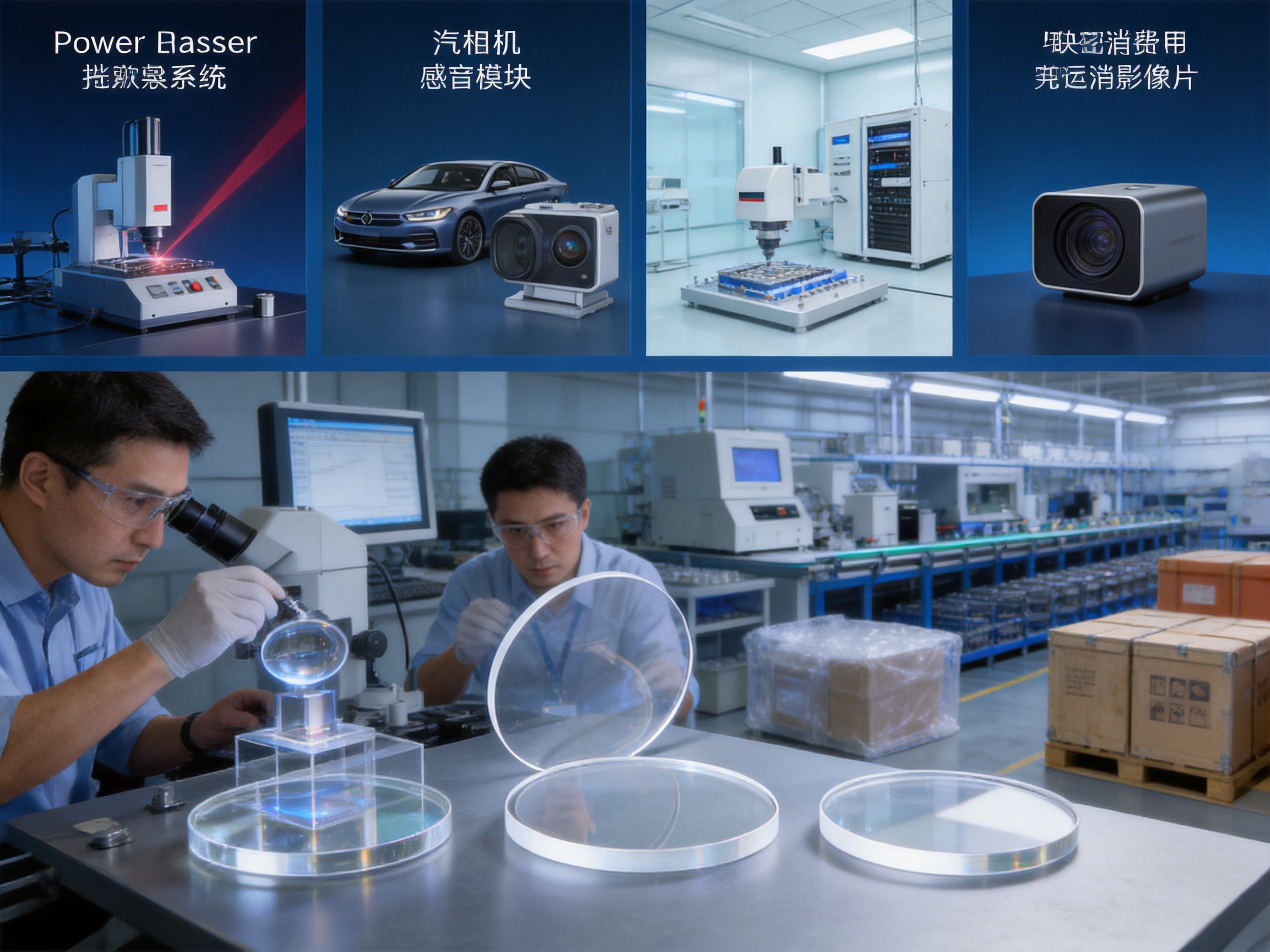
Optical windows are deceptively simple components. Their primary function is to transmit light while protecting an optical system from dust, moisture, pressure, mechanical contact, and other environmental influences. However, a high-performance optical window must do much more than provide a transparent barrier. It must preserve the quality of the transmitted beam, maintain dimensional stability, resist environmental damage, and integrate reliably with the surrounding assembly.
For this reason, the production of an optical window requires far more than cutting a piece of glass to size. Material selection, precision grinding, polishing, edge treatment, coating, cleaning, inspection, packaging, and process control all influence the final performance of the component. A minor deviation in flatness, parallelism, surface quality, or coating uniformity can affect image clarity, laser stability, optical alignment, and equipment service life.
Changzhou Haolilai Photo-Electricity Scientific and Technical Co., Ltd., also known as HLL, develops and manufactures precision optical components for demanding industrial applications. Founded in 1998, the company operates from a 35,000-square-meter facility in Changzhou, Jiangsu, China. Its product and engineering capabilities cover laser optics, automotive optics, semiconductor optics, consumer optics, optical windows, optical lenses, prisms, mirrors, and other precision components.
With ISO9001:2015, ISO14001:2015, and IATF16949 certifications, an experienced technical team, and more than two decades of manufacturing experience, HLL is positioned to supply optical windows for both standard and customized applications. Its technical resources include the Jiangsu Precision Optical Lens Engineering Technology Center and the Jiangsu Enterprise Technology Research Center. These facilities support product development, process improvement, quality control, and the production of components requiring consistent optical and mechanical performance.
This article explains the role of precision optical windows, the design factors that determine their performance, the manufacturing processes used to produce them, and the reasons an experienced optical component manufacturer can offer advantages over less specialized suppliers.
Understanding the Function of an Optical Window
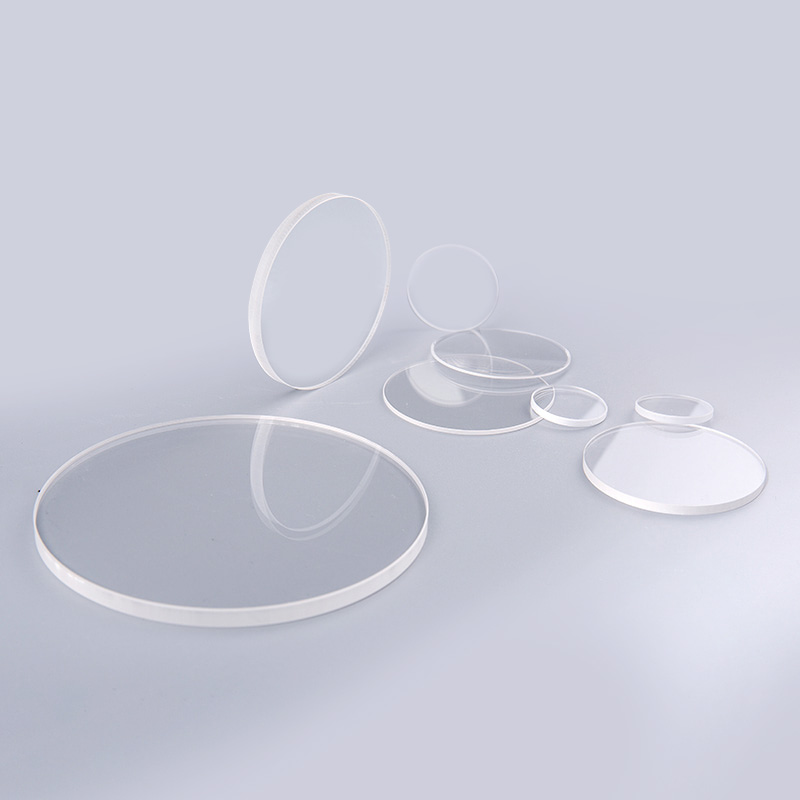
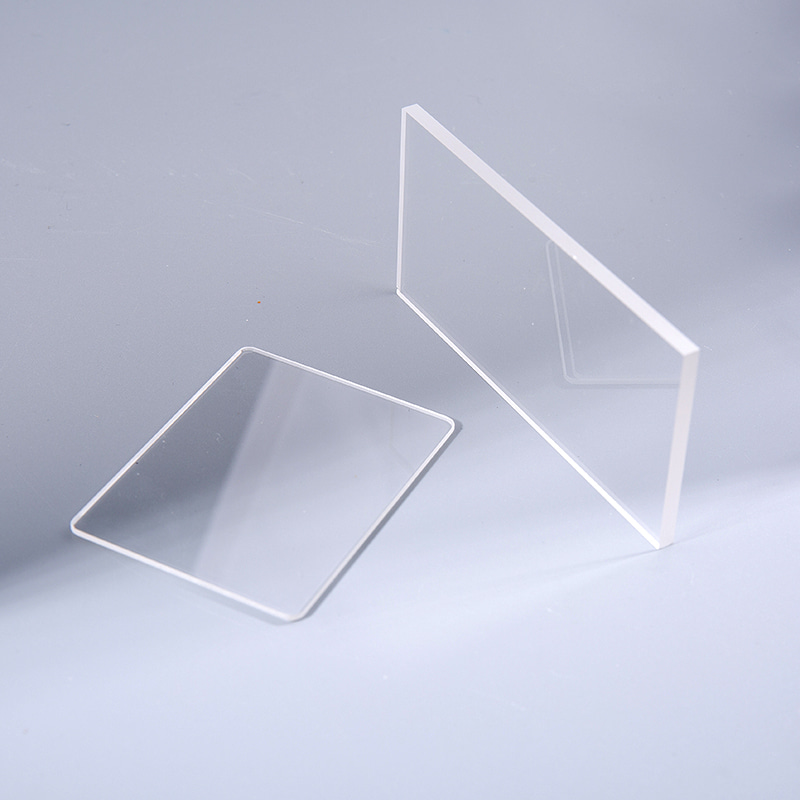
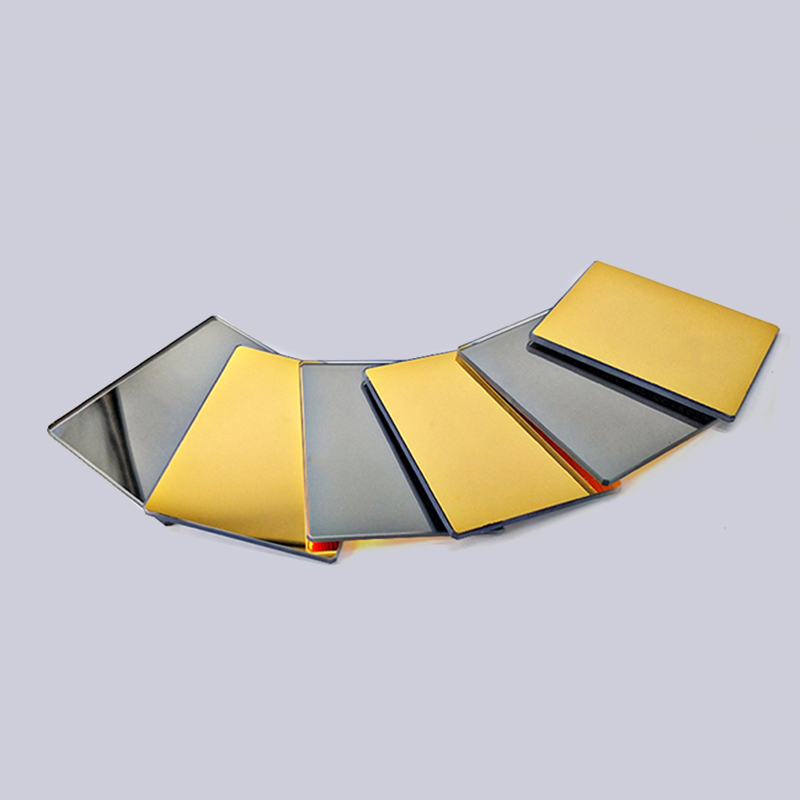
An optical window is a transparent optical component with two primary surfaces designed to transmit light between an optical system and its surrounding environment. Unlike a lens, an optical window is generally intended to provide minimal optical power. Its surfaces are usually flat or nearly flat, and its purpose is to protect or separate optical spaces without significantly changing the direction or focus of the transmitted light.
Optical windows can be used in laser housings, imaging instruments, cameras, sensors, vacuum chambers, analytical equipment, industrial inspection systems, semiconductor manufacturing equipment, automotive systems, and consumer electronics. They may also be incorporated into protective covers, detector assemblies, illumination modules, optical communication devices, and measurement instruments.
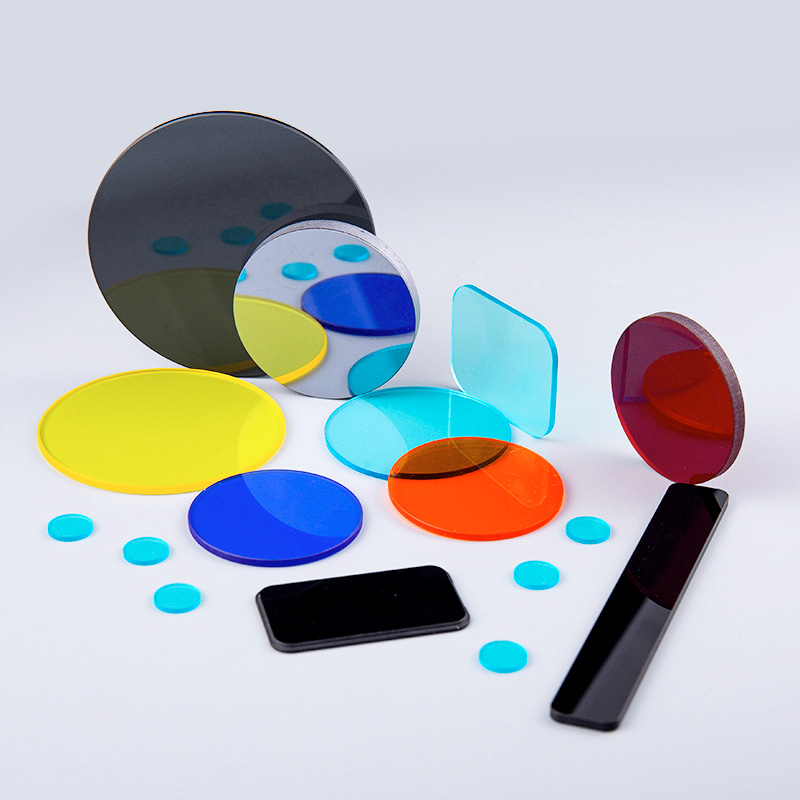
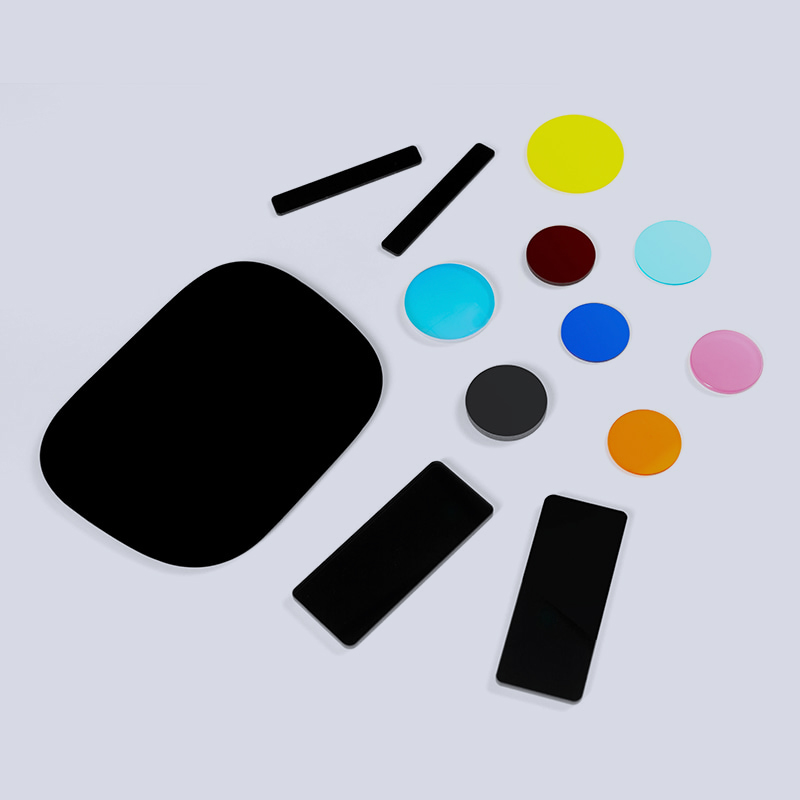
The component may be manufactured from a variety of optical materials, including common optical glasses, fused silica, quartz, sapphire, infrared-transmitting materials, and other specialized substrates. The appropriate material depends on the operating wavelength, environmental conditions, temperature range, mechanical requirements, and cost objectives of the application.
Although an optical window is not normally designed to focus or disperse light, it still affects the optical path. Surface flatness, parallelism, wedge, refractive index, coating performance, and internal material quality can all influence transmitted wavefronts. In laser applications, even a small amount of distortion may cause beam deviation or reduce system stability. In imaging systems, surface defects or uneven coatings may reduce contrast, create artifacts, or cause unwanted reflections.
Key Performance Characteristics
Optical Transmission
Transmission is one of the most important characteristics of an optical window. The substrate must transmit the required wavelength range with minimal absorption, scattering, and reflection. The selected material should match the spectral requirements of the application, whether the component is intended for ultraviolet, visible, near-infrared, short-wave infrared, or another operating band.
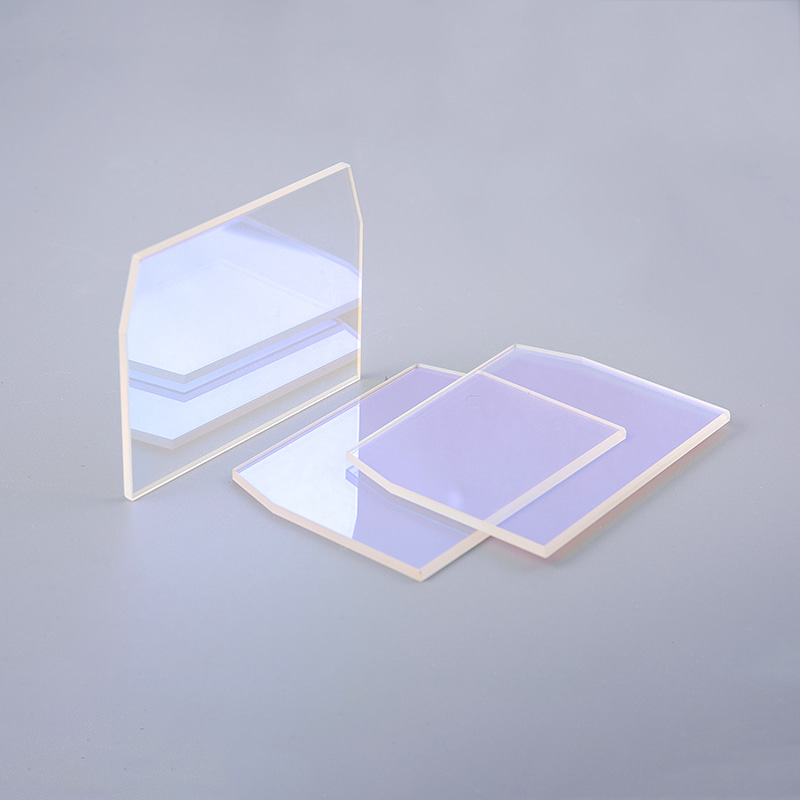
Uncoated glass surfaces reflect a portion of incident light. When high transmission is required, anti-reflection coatings can be applied to reduce surface reflection. Coatings may be designed for a single wavelength, a narrow band, a broad spectral range, or a specialized angle of incidence. The final coating specification should be selected according to the light source, detector, system geometry, polarization requirements, and environmental conditions.
Surface Flatness
Surface flatness describes how closely an optical surface conforms to an ideal plane. A high degree of flatness helps minimize wavefront distortion as light passes through the window. This is especially important in laser systems, interferometers, imaging instruments, and precision measurement equipment.
A window with inadequate flatness may introduce optical aberration even if its external dimensions are correct. In a high-resolution imaging assembly, this may appear as reduced image sharpness. In a laser system, it may affect beam quality or cause changes in propagation. Precision grinding and polishing are therefore essential to achieving stable surface geometry.
Parallelism and Wedge
Parallelism refers to the angular relationship between the two principal surfaces of the window. Wedge is the deviation from perfect parallelism. If the front and rear surfaces are not sufficiently parallel, the transmitted beam may be deflected. This can produce alignment errors, image displacement, or measurement inaccuracies.
The acceptable wedge depends on the application. A general protective cover may tolerate a greater deviation than a window used in an interferometer or high-power laser cavity. During production, parallelism is controlled through careful lapping, polishing, fixturing, measurement, and process adjustment.
Surface Quality
Surface quality generally refers to the size and number of scratches, digs, pits, sleeks, and other visible surface imperfections. A high-quality surface improves transmission, reduces scattering, and supports reliable coating performance.
Surface quality requirements vary according to the optical system. Imaging and laser applications typically require tighter control than general illumination or protective applications. The inspection method and acceptance criteria should be defined before production so that the manufacturer and customer share the same interpretation of the specification.
Dimensional Accuracy
Optical windows must fit correctly into their intended mounts, housings, cells, or bonded assemblies. Outside diameter, length, width, thickness, corner radius, chamfer, and edge condition may all affect installation. Dimensional consistency is particularly important for high-volume production, where every component must integrate with automated assembly equipment.
Excessive thickness variation can also affect optical performance and mechanical fit. Precision measurement throughout the process helps maintain stable dimensions and reduces the need for downstream adjustment.
Environmental Durability
Depending on the application, an optical window may be exposed to humidity, temperature cycling, vibration, chemicals, cleaning agents, vacuum, pressure differences, ultraviolet radiation, laser energy, or repeated handling. The substrate, coating, edge treatment, and packaging must therefore be selected as part of a complete durability strategy.
Automotive and industrial components may require strong resistance to vibration, thermal variation, and contamination. Semiconductor equipment may require low outgassing, high cleanliness, and stable performance under controlled atmospheres. Laser windows may require coatings and substrates that withstand high optical power without damage.
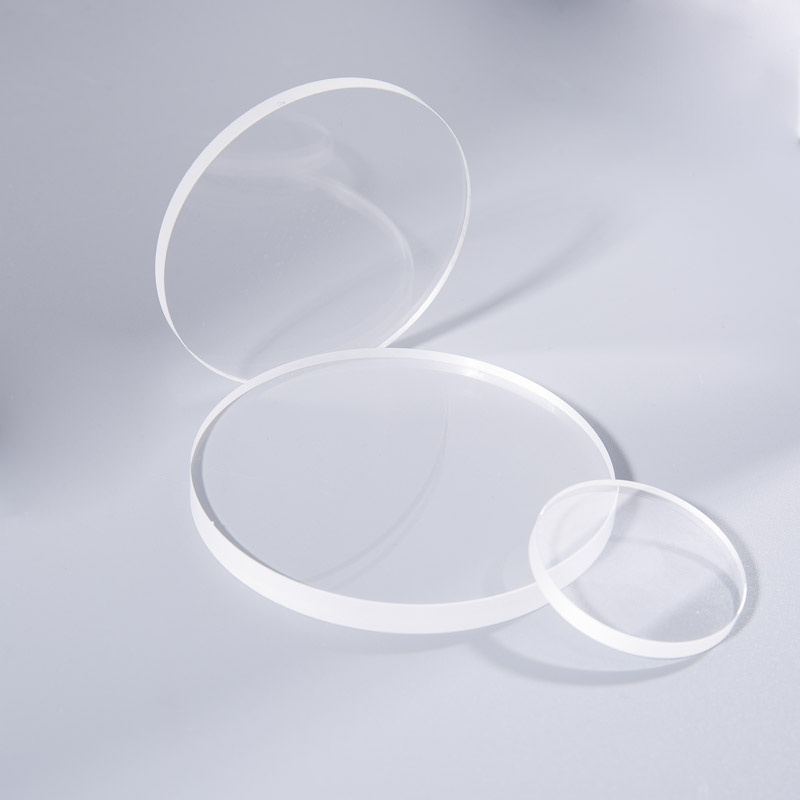
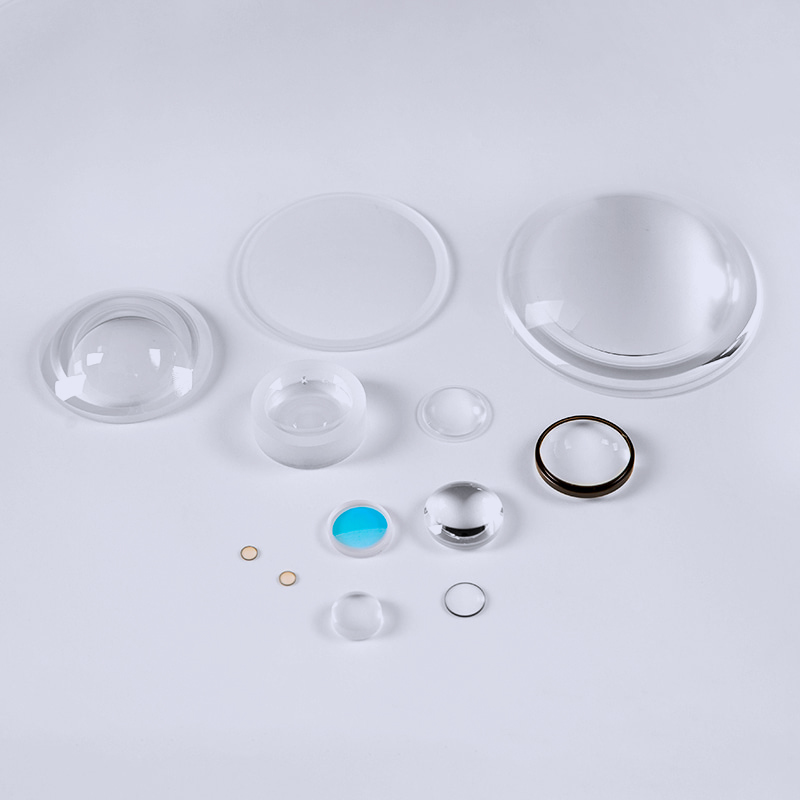
Optical Window
Materials Used for Optical Windows
Material selection is the first major technical decision in optical window design. No single material is ideal for every application. The correct choice balances spectral transmission, hardness, thermal expansion, chemical resistance, refractive index, cost, availability, and manufacturing requirements.
Optical Glass
Optical glass is widely used because it provides a practical balance of transmission, optical quality, manufacturability, and cost. Different glass families offer different refractive indices, dispersion characteristics, thermal properties, and spectral ranges. Optical glass is suitable for many visible and near-infrared applications, including imaging systems, inspection instruments, sensors, and general optical assemblies.
When optical glass is selected, the manufacturer must consider internal homogeneity, striae, bubbles, inclusions, stress, and annealing quality. These internal characteristics can affect wavefront performance and long-term reliability.
Fused Silica and Quartz
Fused silica and quartz are valued for their broad spectral transmission, low thermal expansion, and strong resistance to thermal shock. They are frequently used in ultraviolet systems, high-temperature environments, laser applications, and precision measurement equipment.
The manufacturing process for fused silica windows can require specialized handling and polishing control. Surface contamination, subsurface damage, and coating compatibility must be managed carefully, particularly when the component is intended for high-energy laser transmission.
Sapphire
Sapphire offers exceptional hardness, wear resistance, and resistance to many harsh environments. It is useful where the window must withstand scratching, abrasion, impact, pressure, or severe temperature conditions. Typical applications may include protective sensor covers, high-performance camera windows, and demanding industrial or defense-related optical assemblies.
Because sapphire is harder than conventional optical glass, it requires suitable grinding and polishing methods. Its optical anisotropy and material characteristics must also be considered during design and inspection.
Infrared Materials
Some optical systems operate beyond the visible spectrum and require infrared-transmitting materials. The selected material must provide adequate transmission in the intended band and remain stable under the expected environmental conditions. Coating design is particularly important because reflection losses can be significant in infrared systems.
Material choice should be made in cooperation with the optical component manufacturer. A specialist can help evaluate the trade-offs between transmission, durability, machining complexity, availability, and total component cost.
Manufacturing Process for Precision Optical Windows
The quality of an optical window depends on the interaction of multiple manufacturing stages. A robust process does not rely on final inspection alone. Instead, quality is built into material control, equipment calibration, process parameters, operator training, and documented inspection procedures.
1. Technical Review and Specification Confirmation
Production begins with a review of the customer’s drawing, optical requirements, mechanical dimensions, coating needs, environmental conditions, and packaging expectations. This stage is essential because an optical window can be manufactured in many configurations, and an incomplete specification may lead to unnecessary cost or unsuitable performance.
Important design details include substrate type, wavelength range, clear aperture, outer dimensions, thickness, tolerance, surface flatness, parallelism, surface quality, chamfer requirements, coating type, coating durability, and inspection standard. The manufacturer may also review mount design, sealing requirements, bonding methods, temperature range, and expected service life.
For projects with demanding performance requirements, a design-for-manufacturing review can identify potential risks before production begins. For example, a very thin window may be vulnerable to deformation during polishing or mounting, while a large-diameter window may require special handling and support. Early communication helps prevent these issues.
2. Raw Material Selection and Inspection
Raw material is inspected before entering the production process. Inspection may include confirmation of material type, dimensions, appearance, internal quality, and documentation. Depending on the application, the material may be checked for bubbles, inclusions, striae, stress, transmission properties, and other characteristics.
Using an appropriate starting blank is important because the quality of the final optical surface is influenced by the condition and homogeneity of the substrate. Material traceability also supports consistent production and helps the manufacturer respond effectively to technical questions or quality investigations.
3. Cutting and Blank Preparation
Raw optical material is cut into blanks that are slightly larger than the final dimensions. Cutting methods are selected according to the material, size, thickness, and production volume. The blank preparation process must minimize chipping, cracking, thermal damage, and excessive subsurface defects.
After cutting, the edges may be prepared to remove sharp corners and reduce the risk of breakage during later operations. The blank is then cleaned and inspected before grinding.
4. Precision Grinding
Grinding establishes the basic geometry of the window. It removes material efficiently while controlling thickness, shape, and surface position. Coarse grinding may be followed by one or more finer grinding steps to reduce subsurface damage and prepare the component for polishing.
Process control during grinding includes abrasive selection, tool condition, pressure, speed, coolant management, and workholding. Inconsistent grinding can lead to wedge, uneven thickness, edge roll, or deep subsurface damage that becomes difficult to remove during polishing.
5. Lapping and Polishing
Lapping refines the geometry and reduces surface irregularities. Polishing then creates the final optical surface with the required flatness and surface quality. This stage requires careful control because the goals of high material removal, low defect levels, and precise geometry must be balanced.
Polishing performance depends on the polishing tool, slurry or abrasive, pressure distribution, motion pattern, temperature, cleaning practices, and processing time. Operators and engineers must monitor the process to prevent common defects such as sleeks, pits, orange peel, edge effects, surface waviness, or localized over-polishing.
For high-precision windows, both surfaces must be controlled in relation to each other. It is not enough for each surface to appear visually smooth. The finished component must also meet requirements for flatness, parallelism, thickness, and wedge.
6. Edge Treatment
Edges are often chamfered or otherwise treated to reduce chipping and improve handling safety. The edge design may also affect how the window sits in a mount or seal. Edge treatment must be controlled so that it does not reduce the clear aperture or introduce damage into the optical area.
For components used in automotive, industrial, or high-volume assemblies, consistent edge geometry supports efficient automated handling and reduces the possibility of assembly-related damage.
7. Cleaning
Cleaning is a critical step before inspection and coating. Optical surfaces can be affected by particles, fingerprints, polishing residues, oils, moisture, and chemical contamination. A suitable cleaning process removes contaminants without damaging the surface or leaving residues.
Cleaning procedures may include controlled washing, rinsing, drying, and inspection in a controlled environment. The exact process depends on the substrate, coating system, component size, and cleanliness requirements of the final application.
8. Optical Coating
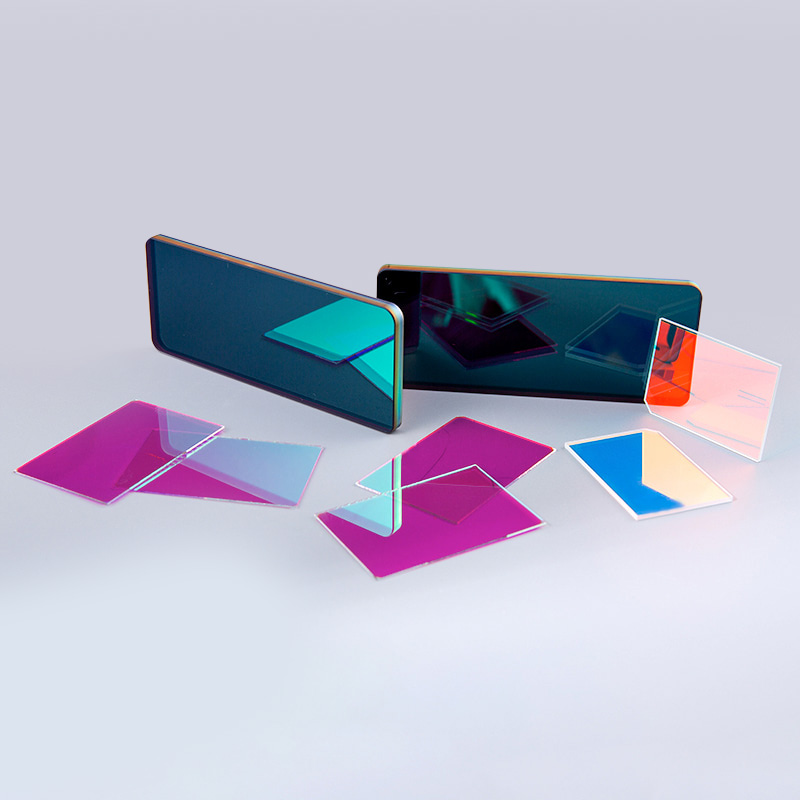
Coating can improve transmission, reduce reflection, increase resistance to environmental exposure, or provide a specialized optical response. Coatings may be applied to one or both surfaces depending on the system design.
Before coating, the substrate must meet strict cleanliness and surface requirements. Coating performance depends on layer design, deposition parameters, substrate preparation, chamber conditions, thickness control, and post-coating inspection. Uniformity across the clear aperture is especially important for larger windows or components used in imaging and laser systems.
A coating should not be selected only by its nominal transmission curve. The application also determines whether the coating must resist humidity, abrasion, temperature cycling, vacuum, ultraviolet exposure, cleaning, or high laser energy. HLL’s experience with precision optical components supports the development and production of windows with application-specific coating requirements.
9. Final Inspection and Documentation
Final inspection verifies that the optical window meets the agreed technical specification. Typical inspection categories include appearance, dimensions, thickness, flatness, parallelism, wedge, surface quality, coating performance, and cleanliness.
Measurement equipment must be suitable for the required tolerance and maintained in a calibrated condition. Inspection records and traceability documents help support quality consistency, customer audits, and process improvement.
10. Protective Packaging
Even a perfectly polished optical window can be damaged by poor packaging. Components should be separated from one another, protected from particles and moisture, and secured against movement during transportation. Packaging materials must be compatible with the required cleanliness level.
For high-value or highly sensitive components, packaging may include individual protective films, trays, sealed bags, desiccants, shock protection, and clear labeling. The packaging method should reflect the component’s size, surface sensitivity, shipping conditions, and customer handling procedures.
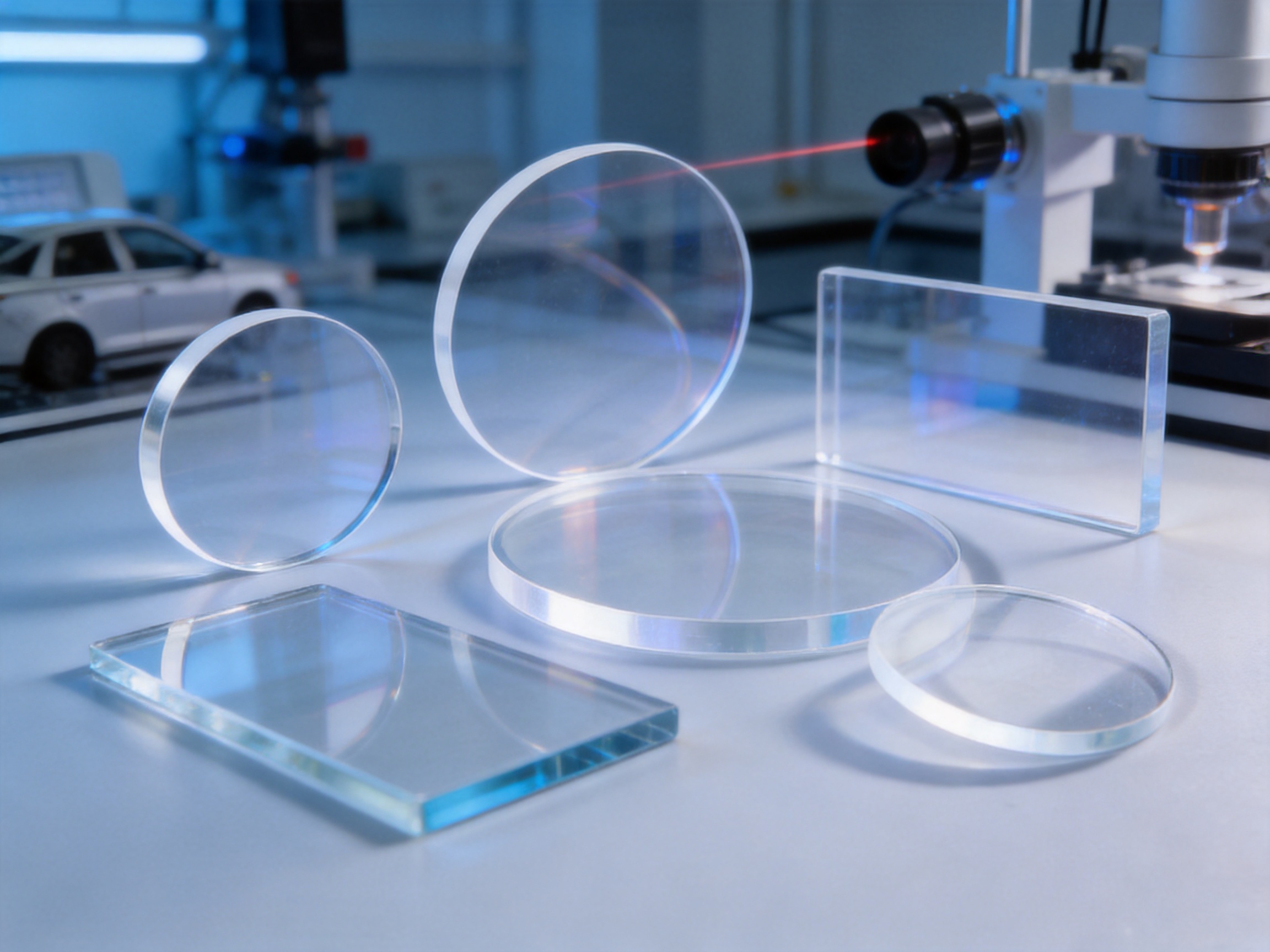
Advanced Manufacturing Strengths
Integrated Optical Component Expertise
A manufacturer that produces optical windows alongside lenses, prisms, mirrors, and other components can apply broader optical engineering knowledge to window production. Different components share many technical challenges, including material behavior, precision polishing, coating adhesion, cleanliness, measurement, and packaging.
HLL focuses on precision optical components for laser optics, automotive optics, semiconductor optics, and consumer optics. This diversified experience enables the company to understand how an optical window interacts with adjacent components and complete assemblies rather than treating it as an isolated glass part.
Long-Term Manufacturing Experience
Since its establishment in 1998, HLL has accumulated extensive experience in optical component development and production. More than two decades of operation provide a foundation for process knowledge, supplier management, equipment maintenance, operator training, quality systems, and customer support.
Long-term experience is particularly valuable for customized products. A drawing may define the nominal dimensions, but practical manufacturing knowledge helps determine suitable tolerances, polishing allowances, coating approaches, inspection methods, and packaging solutions.
Engineering and Research Capabilities
HLL has established the Jiangsu Precision Optical Lens Engineering Technology Center and the Jiangsu Enterprise Technology Research Center. These technical platforms support research, product development, manufacturing improvement, and the conversion of engineering concepts into stable production processes.
The company has also obtained invention patents, utility model patents, and Jiangsu High and New Tech Products. Such technical achievements demonstrate an ongoing focus on developing manufacturing methods and optical component solutions rather than relying only on standard catalog production.
Quality Management
ISO9001:2015 certification reflects the use of a structured quality management system. Such a system helps define responsibilities, control documents, manage production records, address nonconformities, and promote corrective and preventive actions.
ISO14001:2015 certification indicates an environmental management framework. This is increasingly important for customers seeking responsible supply chains, controlled resource use, and systematic management of environmental impacts.
IATF16949 certification is particularly relevant to automotive applications. It emphasizes process consistency, risk management, traceability, defect prevention, and continuous improvement. For automotive optical windows and related components, these principles help support the reliability and repeatability required by vehicle manufacturers and tiered suppliers.
Production Scale and Workforce
HLL employs more than 300 people and operates from a substantial manufacturing site. A capable workforce supports production planning, engineering, quality assurance, procurement, equipment management, inspection, logistics, and customer service.
Production scale can also provide advantages in material purchasing, process standardization, equipment utilization, and delivery coordination. However, scale is most valuable when combined with disciplined quality control. For precision optics, production volume must never replace process stability or inspection rigor.
International Supply Capability
HLL exports to more than 20 countries. International supply experience requires attention to technical documentation, packaging, shipping conditions, customer communication, regulatory expectations, and consistent delivery performance.
For overseas buyers, a manufacturer with established export experience can reduce communication friction and improve coordination from quotation through mass production. Clear technical confirmation, sample approval, production updates, and shipping documentation are important elements of a successful international supply relationship.
Advantages Compared with General Glass Suppliers
General glass suppliers may be able to provide transparent sheets or mechanically finished parts, but they do not always possess the equipment, inspection capability, or process knowledge required for precision optical windows. The difference becomes significant when the application has tight requirements for surface quality, flatness, parallelism, coating, cleanliness, and long-term reliability.
Better Control of Optical Geometry
A precision optical manufacturer understands that a window’s two surfaces must be controlled as an optical pair. It can evaluate flatness, wedge, parallelism, thickness variation, and clear aperture together. This integrated approach is more suitable for beam-sensitive and imaging applications than ordinary dimensional inspection.
More Reliable Surface Quality
Specialized polishing equipment and trained personnel can produce surfaces with lower defect levels and more consistent appearance. This reduces scattering, improves transmission, and supports the performance of downstream optical coatings.
Application-Specific Coating Solutions
Optical coatings are not interchangeable. A coating suitable for a visible imaging system may not be appropriate for a high-power laser or an automotive sensor exposed to temperature and humidity changes. An experienced optical supplier can help match coating design and durability requirements to the intended application.
Stronger Process Traceability
Precision optical applications often require traceability from raw material through final inspection. A structured manufacturer can provide production records, inspection results, material information, and controlled documentation. This is especially valuable for regulated industries and long-term programs.
Improved Customization Support
Optical windows frequently need nonstandard dimensions, special edge geometry, unusual thicknesses, custom coatings, or specific inspection reports. A specialized manufacturer is better equipped to evaluate such requirements and recommend a practical manufacturing route.
More Consistent Batch Production
When optical windows are used in cameras, sensors, industrial modules, or consumer products, batch-to-batch consistency is essential. Process control, equipment maintenance, statistical monitoring, and quality feedback help reduce variation and support stable assembly performance.
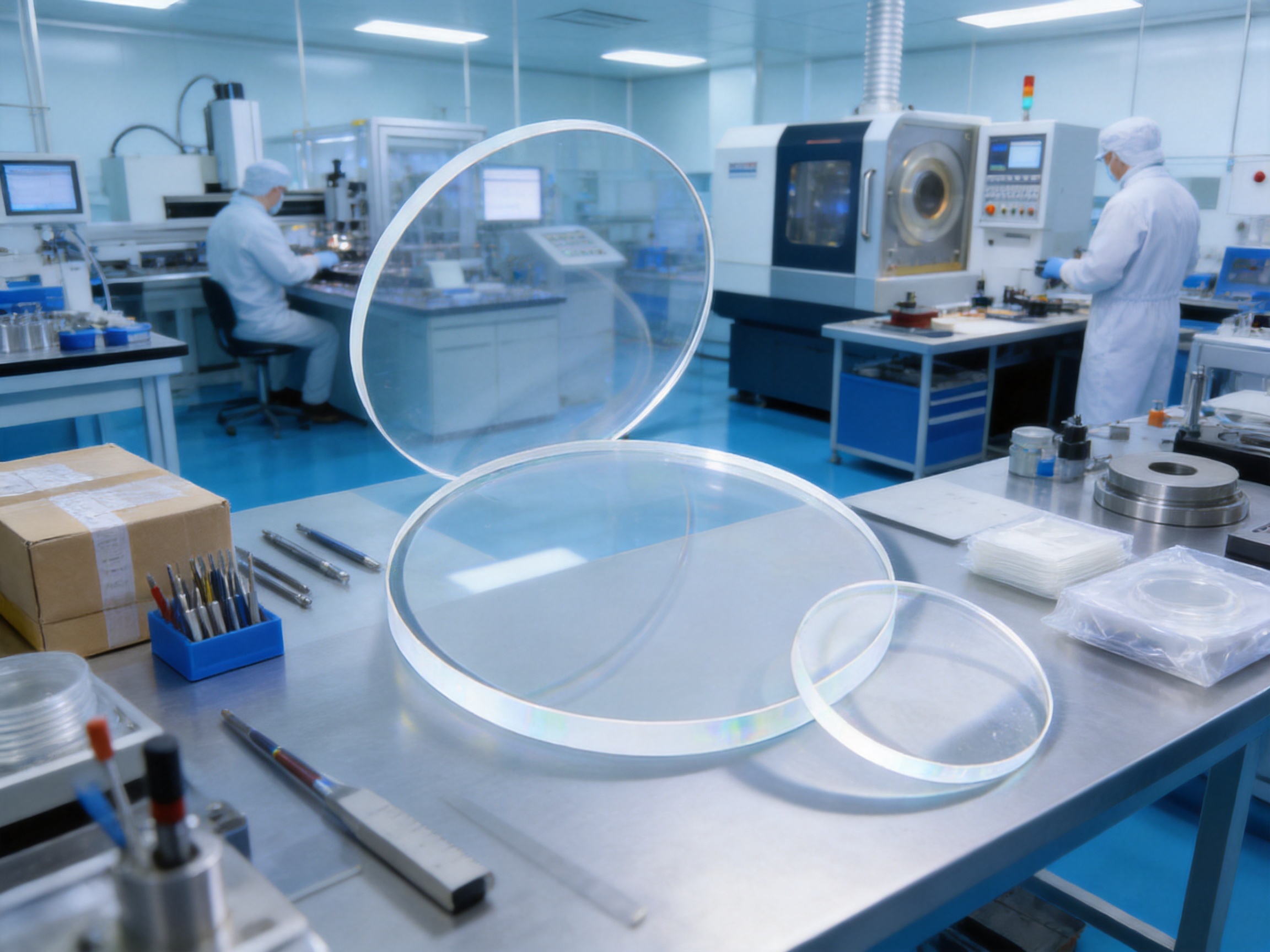
Applications of Precision Optical Windows
Laser Systems
Laser equipment often requires windows that transmit a selected wavelength while maintaining low wavefront distortion and high damage resistance. Windows may be installed in laser cavities, beam delivery systems, protective housings, measurement devices, and medical or industrial laser equipment.
The design must consider power density, pulse duration, beam diameter, angle of incidence, polarization, coating absorption, and thermal effects. For high-power applications, substrate quality and coating durability are particularly important.
Automotive Optical Systems
Automotive optical components are used in cameras, driver-assistance systems, sensing modules, illumination systems, displays, and interior optical assemblies. Windows may protect sensors from dust and impact or provide a transparent interface between the optical system and the vehicle environment.
Automotive applications often involve temperature cycling, humidity, vibration, contamination, and strict production consistency. IATF16949-based quality management and experience in automotive optics are important advantages when developing components for these environments.
Semiconductor Equipment
Semiconductor manufacturing equipment depends on precision optical components for inspection, alignment, measurement, exposure, and process monitoring. An optical window may form part of a chamber interface, imaging path, sensor assembly, or illumination system.
Cleanliness, low defect levels, dimensional stability, and reliable coating performance are critical. Depending on the equipment, the window may also need to withstand vacuum, chemicals, ultraviolet radiation, elevated temperature, or repeated cleaning cycles.
Industrial Inspection
Machine vision and industrial inspection systems use optical windows to protect cameras and lenses in dusty, wet, or mechanically active environments. The window must preserve image quality while resisting contamination and damage.
Applications may include production-line inspection, robotics, metrology, barcode reading, packaging inspection, welding observation, and quality control. Anti-reflection coatings can improve image contrast and reduce glare, especially where illumination and viewing angles are fixed.
Scientific and Analytical Instruments
Optical windows are used in spectrometers, microscopes, laboratory instruments, vacuum equipment, environmental analyzers, and research systems. These applications may require specialized transmission bands, low fluorescence, high flatness, chemical resistance, or compatibility with controlled atmospheres.
Consumer and Imaging Products
Compact cameras, optical sensors, displays, projection systems, and other consumer products require thin and accurately manufactured optical covers. These components must often be produced in high volumes with consistent appearance, dimensions, coating performance, and packaging quality.
HLL’s experience across consumer optics and other precision optical fields can support projects requiring a balance between optical performance, manufacturing efficiency, and commercial cost.
Design Considerations Before Ordering
Define the Optical Requirements
The buyer should specify the operating wavelength or wavelength range, angle of incidence, required transmission, acceptable reflection, polarization conditions, and whether the component will be used with coherent or incoherent light. Laser applications should also identify continuous-wave or pulsed operation and approximate power density.
Define the Mechanical Requirements
Mechanical information should include length, width or diameter, thickness, dimensional tolerances, edge treatment, mounting method, sealing method, and any special features. If the window must fit into an existing assembly, the drawing should identify the actual mating dimensions and available clear aperture.
Consider Temperature and Environment
The temperature range, humidity, pressure, vacuum level, vibration, chemical exposure, cleaning method, and expected service life should be discussed at the beginning of the project. These factors affect substrate selection, coating design, adhesive compatibility, packaging, and inspection.
Set Appropriate Tolerances
Tighter tolerances generally increase manufacturing time, inspection requirements, and cost. Tolerances should be based on actual system needs rather than copied from an unrelated optical specification. A manufacturer’s engineering team can help identify which characteristics require the greatest precision.
Clarify Inspection Standards
Inspection criteria should be agreed before production. Terms such as surface quality, flatness, parallelism, clear aperture, coating durability, and cosmetic acceptance should be linked to measurable standards. Clear requirements reduce misunderstandings and make sample approval more efficient.
Quality Assurance and Continuous Improvement
Quality assurance for optical windows involves more than identifying defective parts at the end of the production line. It includes prevention, measurement, feedback, and improvement at every stage.
Incoming material controls help prevent unsuitable glass or crystal from entering production. In-process inspections identify grinding or polishing drift before large quantities are affected. Final inspections verify compliance with the customer’s requirements. Customer feedback and nonconformance analysis then provide information for further process improvement.
Equipment condition is another important factor. Polishing tools, measurement systems, coating equipment, cleaning stations, and environmental controls must be maintained and monitored. Calibration and preventive maintenance help ensure that measurement results remain reliable and process performance remains stable.
Employee training also contributes directly to quality. Operators must understand how material type, pressure, abrasive condition, handling, cleaning, and inspection technique affect the component. A well-trained workforce can recognize process abnormalities earlier and respond more effectively.
Continuous improvement may involve reducing defect rates, improving yield, shortening cycle time, increasing coating uniformity, enhancing packaging, or developing a more efficient route for a customized product. The goal is not merely to produce an acceptable optical window once, but to produce it consistently over the life of the project.
Why Choose a Specialized Manufacturing Partner
Selecting an optical window supplier is a strategic decision because the component can influence the performance of the entire optical system. A supplier should be evaluated not only on quoted price, but also on technical competence, production stability, inspection capability, communication, customization support, and long-term reliability.
A specialized optical component manufacturer can participate earlier in the design process. It can assess whether the proposed material and tolerance are practical, identify potential risks, suggest alternative solutions, and establish a realistic inspection plan. This collaboration can reduce development delays and prevent costly redesigns.
HLL combines manufacturing experience, engineering resources, quality certifications, a broad optical product portfolio, and international supply experience. Its ability to produce optical windows alongside other precision components can be beneficial when a customer needs several optical parts for a complete module or system.
The company’s focus on laser, automotive, semiconductor, and consumer optics also provides experience across different performance priorities. Laser customers may emphasize wavefront quality and damage resistance. Automotive customers may focus on environmental durability and production consistency. Semiconductor customers may require cleanliness and dimensional stability. Consumer product customers may prioritize appearance, volume capability, and cost control. A versatile manufacturer can adapt its process and quality plan to these different needs.
Recommended Procurement Process
A successful optical window project normally begins with a complete technical inquiry. The customer should provide a drawing or preliminary specification, intended application, wavelength range, quantity, annual demand, environmental conditions, and target delivery schedule.
The manufacturer can then review the requirements and confirm material, process route, coating, inspection method, and packaging. For new or highly customized parts, prototype or sample production allows both sides to verify optical and mechanical performance before mass production.
Once samples are approved, production documentation should be controlled so that the same requirements are applied to subsequent batches. Changes to material, coating, equipment, process parameters, or inspection criteria should be evaluated and communicated through an appropriate change-control procedure.
For high-volume programs, regular quality reviews and delivery planning can further improve supply stability. Forecast sharing, batch scheduling, packaging confirmation, and agreed acceptance procedures help align manufacturing capacity with customer demand.
| Requirement Area | Information to Confirm | Why It Matters |
|---|---|---|
| Substrate | Material type, grade, transmission range, internal quality | Determines spectral performance, durability, and manufacturability |
| Geometry | Length, width or diameter, thickness, tolerances, edge design | Ensures correct fit and stable mechanical integration |
| Optical surfaces | Flatness, parallelism, wedge, surface quality, clear aperture | Controls beam deviation, wavefront distortion, and scattering |
| Coating | Wavelength band, reflectance, transmittance, durability, surface coverage | Improves optical efficiency and environmental resistance |
| Environment | Temperature, humidity, vacuum, chemicals, vibration, cleaning | Supports correct material and coating selection |
| Quality documentation | Inspection reports, traceability, certificates, acceptance criteria | Provides confidence in consistency and compliance |
| Packaging | Individual protection, cleanliness, moisture control, shipping method | Prevents damage and contamination before assembly |
Frequently Asked Questions
What is the difference between an optical window and an optical lens?
An optical lens is designed to focus, diverge, or otherwise modify the path of light through curved surfaces. An optical window is generally designed to transmit light with minimal optical power while protecting an optical system or separating two environments. A window can still affect the beam if its surfaces are not flat or parallel, which is why precision specifications remain important.
Can optical windows be customized?
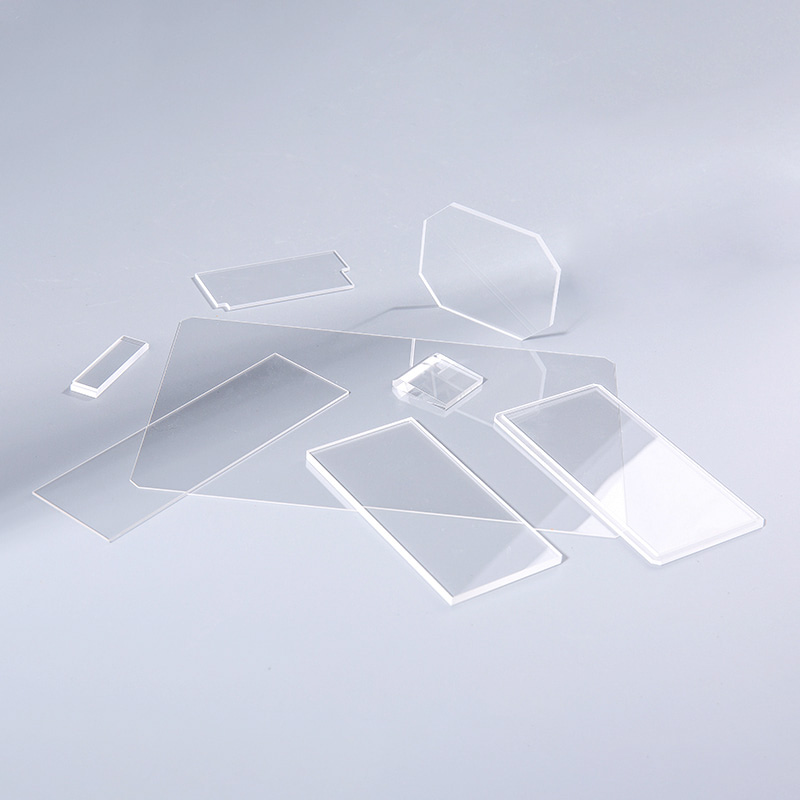
Yes. Optical windows can be customized in material, size, thickness, edge shape, surface accuracy, coating, clear aperture, packaging, and inspection documentation. Customization should be discussed with the manufacturer before production so that the design can be evaluated for optical performance, manufacturability, yield, and cost.
Which materials are suitable for optical windows?
The suitable material depends on wavelength, temperature, mechanical stress, chemical exposure, hardness, and budget. Optical glass is suitable for many visible and near-infrared applications. Fused silica or quartz may be preferred for ultraviolet transmission and thermal stability. Sapphire is useful when hardness and environmental durability are especially important. Infrared systems may require specialized transmitting materials.
Do all optical windows require anti-reflection coatings?
No. Some systems can operate with uncoated surfaces, especially when reflection losses are acceptable or when the window is used mainly as a mechanical barrier. However, anti-reflection coatings are often beneficial when high transmission, low glare, improved image contrast, or reduced laser feedback is required.
What information should be included in an inquiry?
An inquiry should include the drawing or dimensions, material preference, wavelength range, surface requirements, coating requirements, quantity, application environment, expected service life, inspection expectations, and delivery requirements. If the design is still under development, the customer should also describe the intended optical function and assembly conditions.
Why are flatness and parallelism important if the window is not a lens?
A window with poor flatness can distort the transmitted wavefront. A window with excessive wedge or insufficient parallelism can deflect the beam and shift the image. These effects may be small in a basic protective cover but significant in laser, imaging, interferometric, and precision measurement systems.
How does coating selection affect performance?
Coating selection affects transmission, reflection, durability, spectral range, and resistance to environmental exposure. The correct coating depends on wavelength, angle of incidence, polarization, substrate, temperature, humidity, cleaning method, and optical power. A coating designed for one application may not be suitable for another.
Are optical windows suitable for automotive applications?
Yes. Optical windows can protect cameras, sensors, illumination systems, and other optical modules in vehicles. Automotive versions may require resistance to vibration, humidity, temperature cycling, contamination, cleaning, and long-term outdoor exposure. A quality system aligned with automotive requirements is an important consideration for these projects.
Can optical windows be supplied for high-volume production?
Yes. High-volume production requires stable processes, controlled materials, repeatable polishing and coating, reliable inspection, suitable packaging, and production planning. A manufacturer with established facilities and experience in consumer or automotive optics can be better prepared to support repeat orders and consistent batch quality.
What makes HLL suitable for optical window projects?
HLL has operated in the precision optical component field since 1998 and serves laser, automotive, semiconductor, and consumer optics markets. The company has a 35,000-square-meter facility, more than 300 employees, engineering and research centers, ISO9001:2015 and ISO14001:2015 certifications, IATF16949 certification, international export experience, and a product portfolio that includes multiple types of precision optical components.
How should finished optical windows be handled?
Finished windows should be handled by trained personnel using clean gloves or suitable protective tools. Optical surfaces should not be touched directly. Components should remain in their protective packaging until assembly, and cleaning should follow an approved procedure compatible with the substrate and coating.
Can the manufacturer help improve an existing optical window design?
A specialized manufacturer can often review an existing design and suggest changes to material, thickness, edge treatment, coating, tolerances, or inspection methods. The purpose is to preserve the required optical performance while improving manufacturability, reliability, delivery, or cost.
Conclusion
Precision optical windows are essential components in systems that require both optical transmission and environmental protection. Their performance depends on material quality, geometry, surface condition, coating technology, cleanliness, dimensional control, and reliable packaging. Even when the component appears simple, producing it consistently requires specialized equipment, skilled personnel, engineering knowledge, and a comprehensive quality system.
Changzhou Haolilai Photo-Electricity Scientific and Technical Co., Ltd. brings together long-term optical manufacturing experience, research and engineering resources, certified quality and environmental management systems, automotive quality capabilities, international supply experience, and a broad precision optics portfolio. These strengths support the production of optical windows for laser, automotive, semiconductor, industrial, scientific, imaging, and consumer applications.
By working with an experienced optical component manufacturer from the early design stage, customers can select more appropriate materials, establish realistic tolerances, improve coating performance, reduce production risk, and achieve more consistent results in mass production. Whether the requirement is a standard optical window or a highly customized component, careful technical communication and controlled manufacturing remain the foundation of dependable optical performance.
References
International Organization for Standardization. ISO 9001:2015, Quality Management Systems—Requirements.
International Organization for Standardization. ISO 14001:2015, Environmental Management Systems—Requirements with Guidance for Use.
International Automotive Task Force. IATF 16949, Quality Management System Requirements for Automotive Production and Relevant Service Parts Organizations.
American National Standards Institute. Optical Surface Imperfections and Surface Quality Evaluation Practices.
International Organization for Standardization. Standards and guidance related to optics and photonics component specifications.
Optical Society and photonics engineering references on optical materials, surface quality, flatness, parallelism, and thin-film coatings.
Manufacturer technical information supplied for precision optical components, optical windows, laser optics, automotive optics, semiconductor optics, and consumer optics.


 苏公网安备32041102000130号