
 Search
 en
en English
 日本語
日本語 русский
 Español
 Deutsch
 中文简体
中文简体Content
- 1 Understanding the Role of the Optical Lens
- 2 Product Advantages of Precision Optical Lenses
- 3 Applications Across High-Value Industries
- 4 Manufacturing Strengths Behind the Product
- 5 Advanced Optical Lens Production Process
- 6 Table of Key Optical Lens Capabilities and Customer Benefits
- 7 Why These Lenses Stand Out Against Competitors
- 8 Optical Performance Factors Customers Should Evaluate
- 9 Customization and Engineering Support
- 10 Quality Control and Reliability Management
- 11 Sustainability and Responsible Manufacturing
- 12 How Optical Lenses Improve End Products
- 13 Q&A Section
- 13.1 Q1: What is the main function of an optical lens?
- 13.2 Q2: Why is coating important for an optical lens?
- 13.3 Q3: What industries use precision optical lenses?
- 13.4 Q4: How does manufacturing accuracy affect lens performance?
- 13.5 Q5: What makes a professional optical lens supplier different from a basic supplier?
- 13.6 Q6: Why is IATF16949 certification valuable for automotive optical lenses?
- 13.7 Q7: Can optical lenses be customized?
- 13.8 Q8: What should customers provide when requesting a quotation?
- 14 Conclusion
- 15 References
- 16 Product: Optical Lens
Optical lenses are among the most essential components in modern photonics, precision imaging, laser systems, automotive sensing, semiconductor equipment, medical devices, consumer electronics, and scientific instruments. A well-designed optical lens does far more than bend light; it controls wavefront quality, transmission efficiency, aberration, focus stability, thermal performance, and long-term reliability. For manufacturers that require repeatable optical performance at scale, choosing the right optical lens supplier can determine whether a system achieves consistent image clarity, accurate measurement, stable laser delivery, or dependable environmental durability.
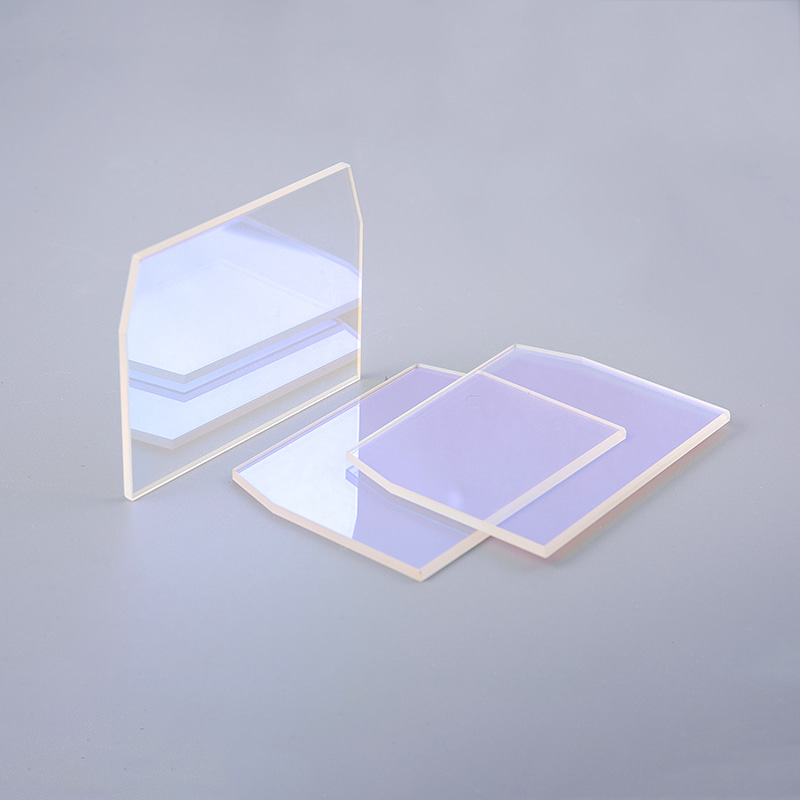
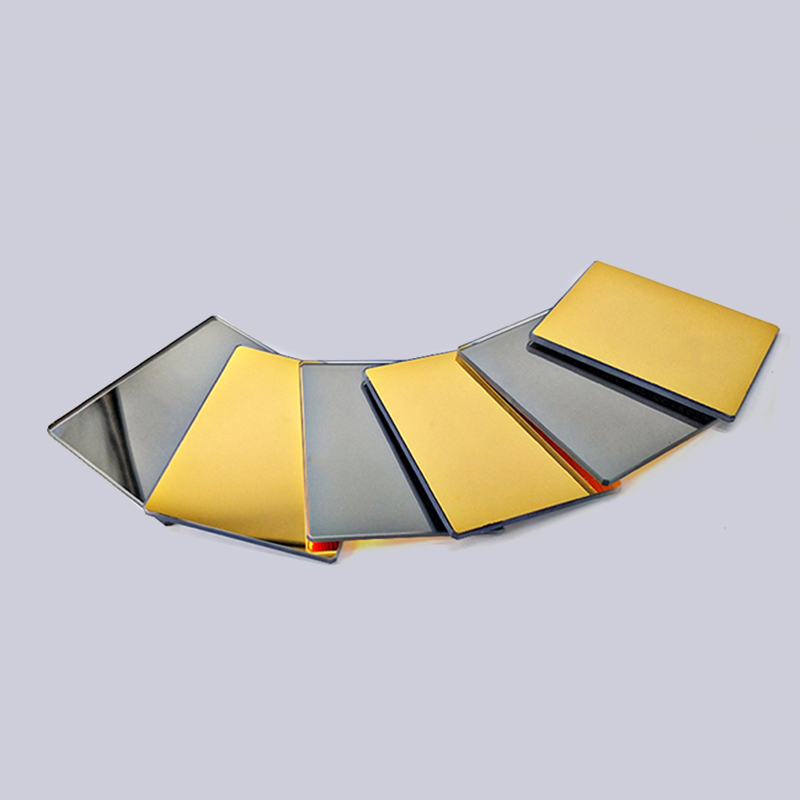
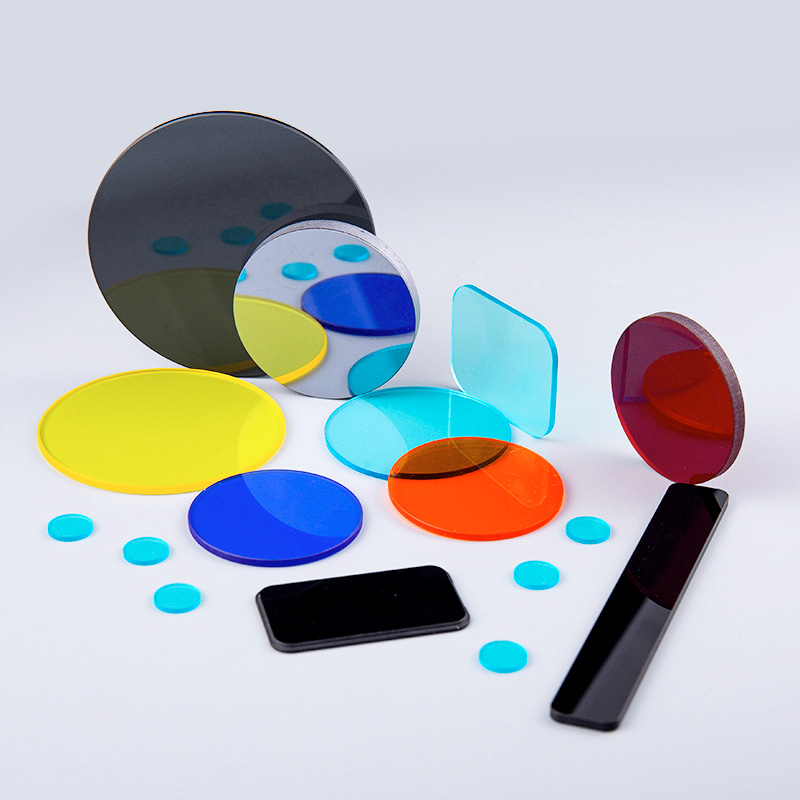
Changzhou Haolilai Photo-Electricity Scientific and Technical Co., Ltd. is a professional manufacturer of precision optical components founded in 1998 and located in Changzhou, Jiangsu, China. With a production area of approximately 35,000 square meters, more than 300 employees, exports to over 20 countries, and a technical foundation supported by multiple certifications and patents, the company provides wholesale optical components for demanding global customers. Its product range includes optical lenses, optical flat mirrors, wafers, automotive interior glass structural components, optical prisms, optical spherical mirrors, and other precision optical elements. Among these, the optical lens is one of the most versatile and important product categories because it directly affects system performance in imaging, laser, automotive, semiconductor, and consumer optical applications.
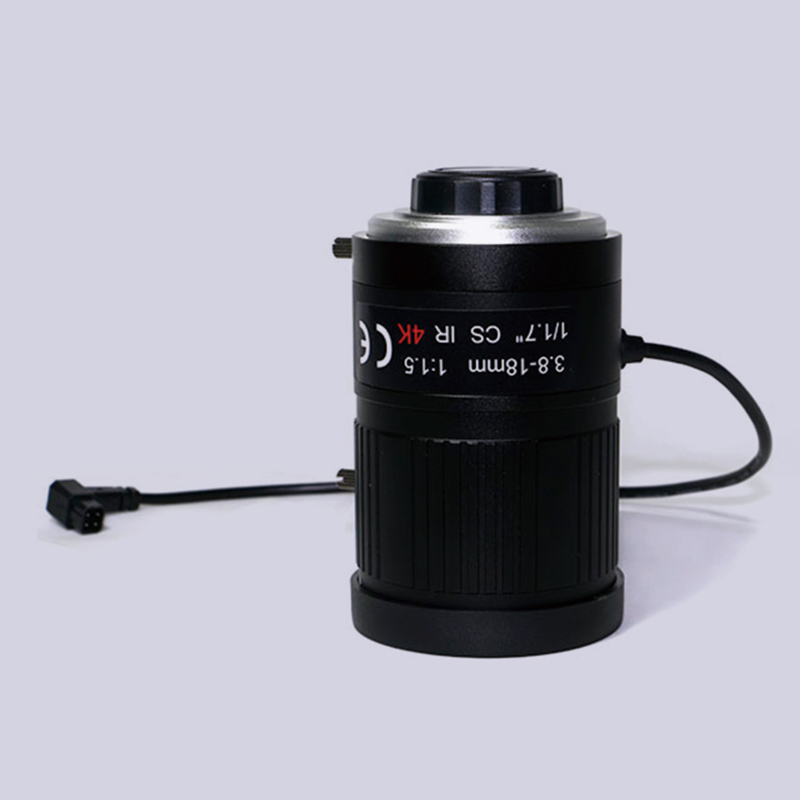
Understanding the Role of the Optical Lens
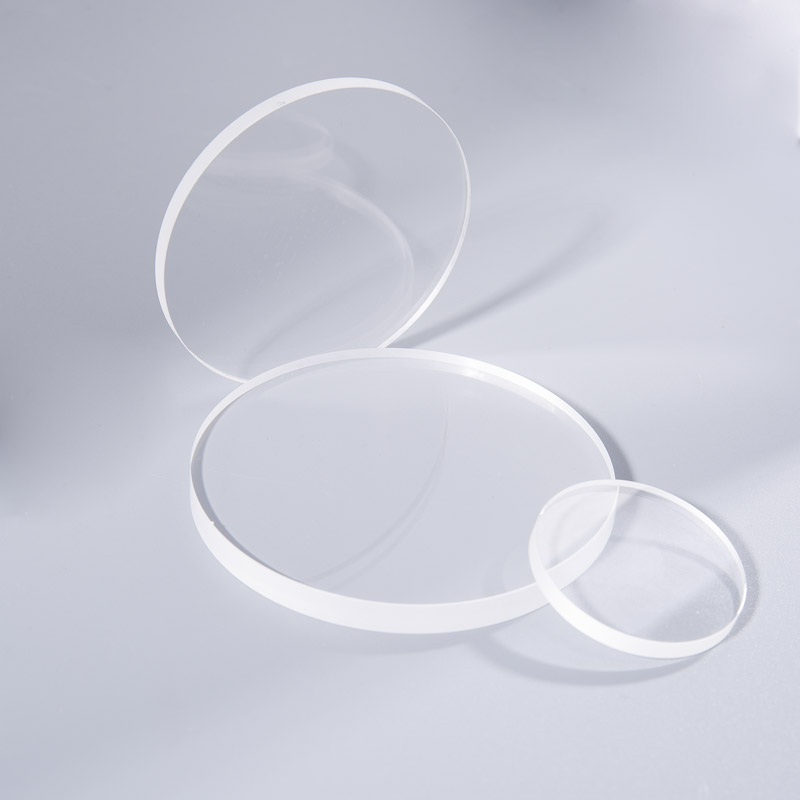
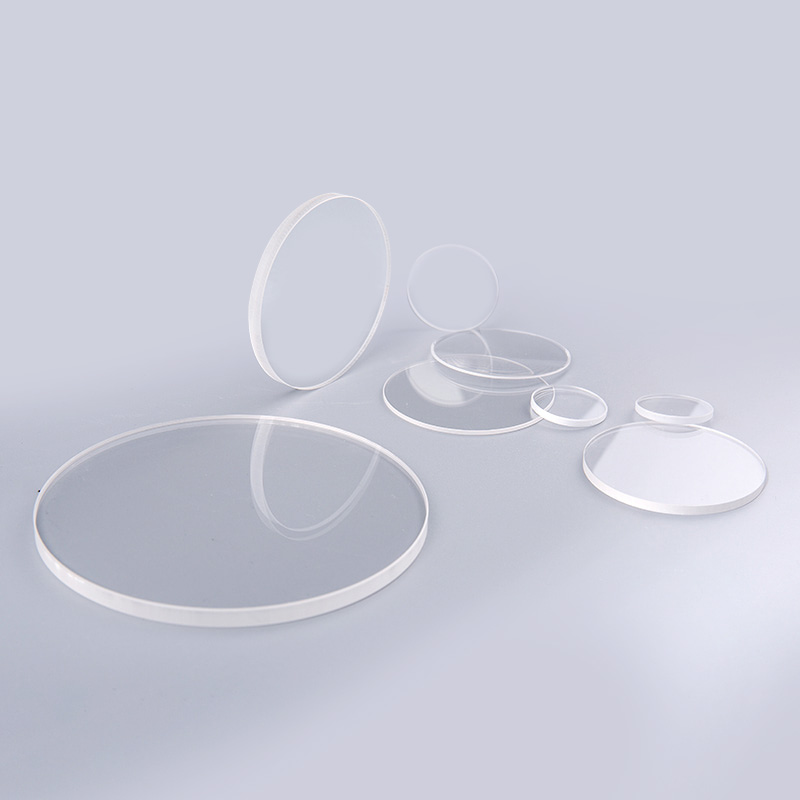
An optical lens is a transparent component engineered to refract light in a controlled way. Depending on its design, a lens may converge light, diverge light, collimate a beam, expand a laser, focus an image, correct aberration, or shape illumination. Lenses may be plano-convex, plano-concave, bi-convex, bi-concave, meniscus, aspheric, cylindrical, achromatic, or custom-designed for specialized applications. The performance of a lens depends on many factors, including optical material, radius accuracy, center thickness, surface quality, coating design, diameter tolerance, centration, wedge, wavefront distortion, and environmental stability.
In many applications, the lens is not a simple passive part. It is an enabling component that determines the precision of the entire optical system. In a laser system, even a minor defect can introduce scattering, thermal lensing, or beam distortion. In an automotive sensor, a small shift in focus or coating performance may affect detection accuracy under changing temperature and humidity conditions. In semiconductor equipment, lens quality influences alignment, inspection, exposure, and measurement precision. In consumer optics, surface quality and coating consistency directly affect user experience, image brightness, and product reliability.
For this reason, the optical lens must be produced by a manufacturer with advanced optical processing capability, strict quality management, reliable coating technology, and the ability to control both small-batch customization and stable mass production. The manufacturing process must transform raw optical glass or crystal into a component that meets strict dimensional, optical, cosmetic, and functional requirements. This is where professional experience, precise equipment, and disciplined process control create a decisive competitive advantage.
Product Advantages of Precision Optical Lenses
The optical lenses manufactured for industrial use provide several practical advantages over ordinary or low-grade alternatives. These advantages include high transmission, stable focusing performance, low wavefront error, precise geometry, durable coatings, and reliable batch consistency. For customers building high-value optical systems, these characteristics reduce assembly risk, improve product yield, and support long-term performance in the field.
One major advantage is optical clarity. A high-quality lens uses carefully selected optical materials with stable refractive properties and low internal defects. Material selection is matched to the application wavelength, whether the requirement involves visible light, near-infrared, laser wavelengths, ultraviolet, or other bands. By controlling material quality and internal homogeneity, the lens can maintain consistent optical performance and reduce unwanted scattering or absorption.
Another advantage is surface precision. The curvature of the lens surface must match the intended optical design. If the radius is inaccurate, the focal length will shift; if the surface figure is poor, the wavefront will deform; if the surface roughness is excessive, scattering will increase. High-precision grinding and polishing processes are therefore essential. Compared with competitors that may rely on less controlled processing or limited inspection, a professional optical component manufacturer can maintain tighter control over surface figure, roughness, and cosmetic quality.
Coating technology is also a critical advantage. Anti-reflection coatings, high-transmission coatings, protective coatings, beam-splitting coatings, and wavelength-specific coatings can greatly improve system performance. A lens without a suitable coating may lose a significant percentage of transmitted light because of Fresnel reflection at each air-glass surface. In contrast, a properly coated optical lens can increase transmission, reduce ghost images, suppress stray light, and improve signal-to-noise ratio. Durable coating design also helps the component resist humidity, temperature change, abrasion, and chemical exposure.
Mechanical consistency provides another competitive advantage. Optical lenses are often assembled into barrels, modules, sensors, laser heads, or precision instruments. If the diameter, center thickness, edge thickness, wedge, or centration varies too much, assembly becomes difficult and optical alignment becomes unstable. Precision manufacturing ensures that the lens fits properly and behaves predictably during module integration. This is especially important for customers requiring large-volume supply, where every part must meet the same functional standard.
Applications Across High-Value Industries
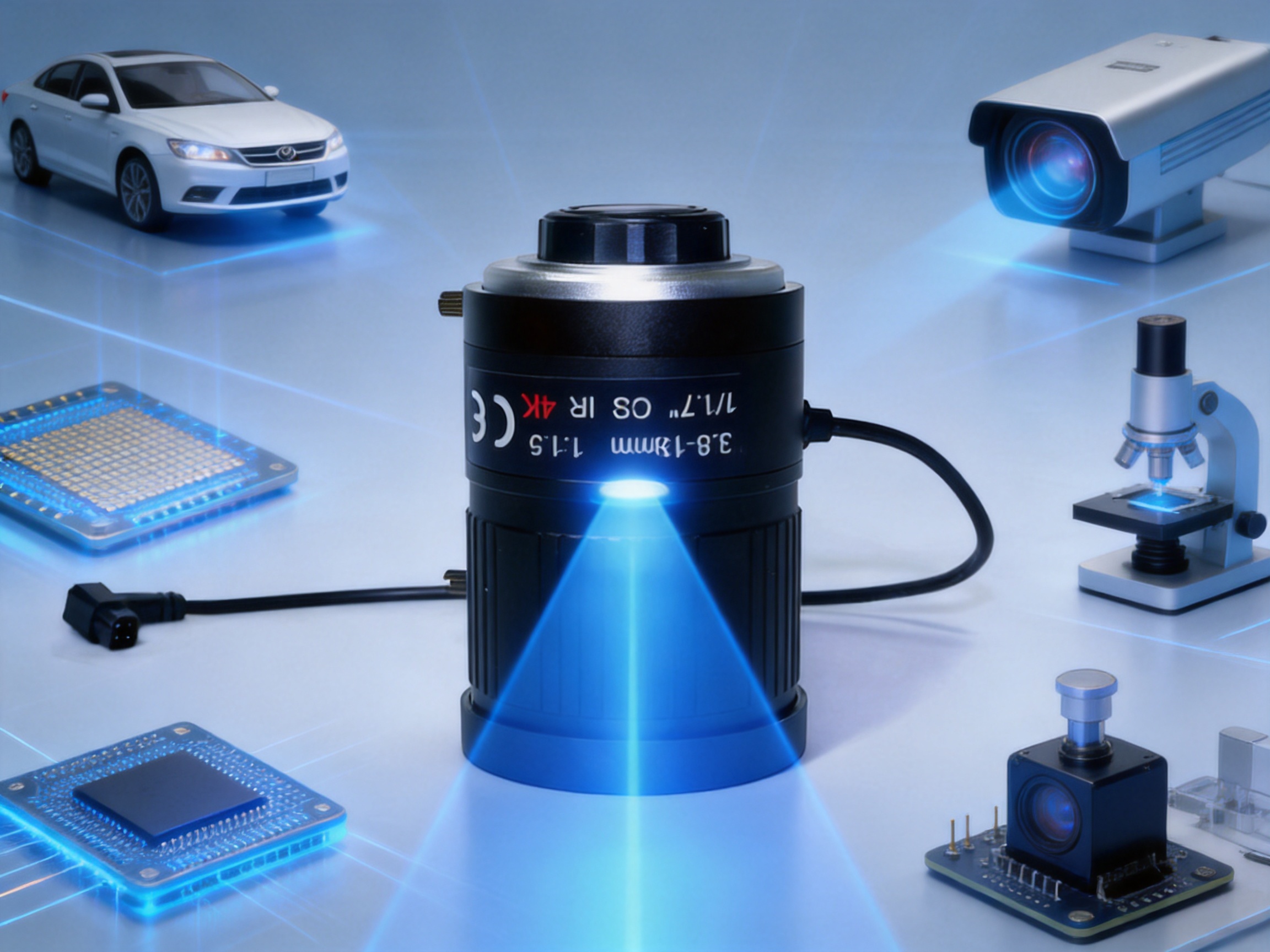
Optical lenses are used in a wide range of industries. In laser optics, lenses may focus, collimate, expand, or shape laser beams. Applications include laser marking, laser cutting, laser welding, medical laser devices, laboratory instruments, and industrial measurement. Laser systems demand lenses with high damage threshold, low absorption, low scattering, and coatings optimized for specific wavelengths. If the lens absorbs too much laser energy, thermal distortion may occur, reducing beam quality and shortening service life.
In automotive optics, lenses support camera modules, interior sensing, heads-up display systems, lighting systems, driver monitoring, lidar-related assemblies, and optical human-machine interfaces. Automotive applications require more than optical performance; they require environmental reliability, production traceability, and quality systems capable of meeting rigorous automotive expectations. The manufacturer’s IATF16949 certification is particularly meaningful for customers in this field because it demonstrates a quality management framework aligned with automotive supply chain requirements.
In semiconductor optics, lenses may be used for wafer inspection, alignment systems, lithography-related tools, metrology platforms, and precision illumination. Semiconductor manufacturing demands outstanding cleanliness, repeatability, and dimensional precision. A small optical defect can affect measurement accuracy or process stability. Therefore, the manufacturer’s ability to produce controlled optical surfaces, maintain stable coating quality, and conduct systematic inspection is a major benefit for semiconductor equipment customers.
In consumer optics, lenses are used in cameras, smart devices, projection systems, scanners, sensors, virtual reality devices, augmented reality devices, and display-related systems. Consumer markets require both optical performance and cost-effective scalability. A strong manufacturer must provide quality consistency while supporting high-volume production. The ability to combine precision manufacturing with efficient production management makes the optical lens suitable for customers seeking stable wholesale supply.
In scientific and medical instruments, optical lenses are used in microscopes, endoscopes, diagnostic systems, spectrometers, laboratory measurement equipment, and imaging modules. These applications often require high light transmission, accurate focus, and stable performance under continuous operation. Custom lens design and tight process control help instrument manufacturers achieve reliable results.
Manufacturing Strengths Behind the Product
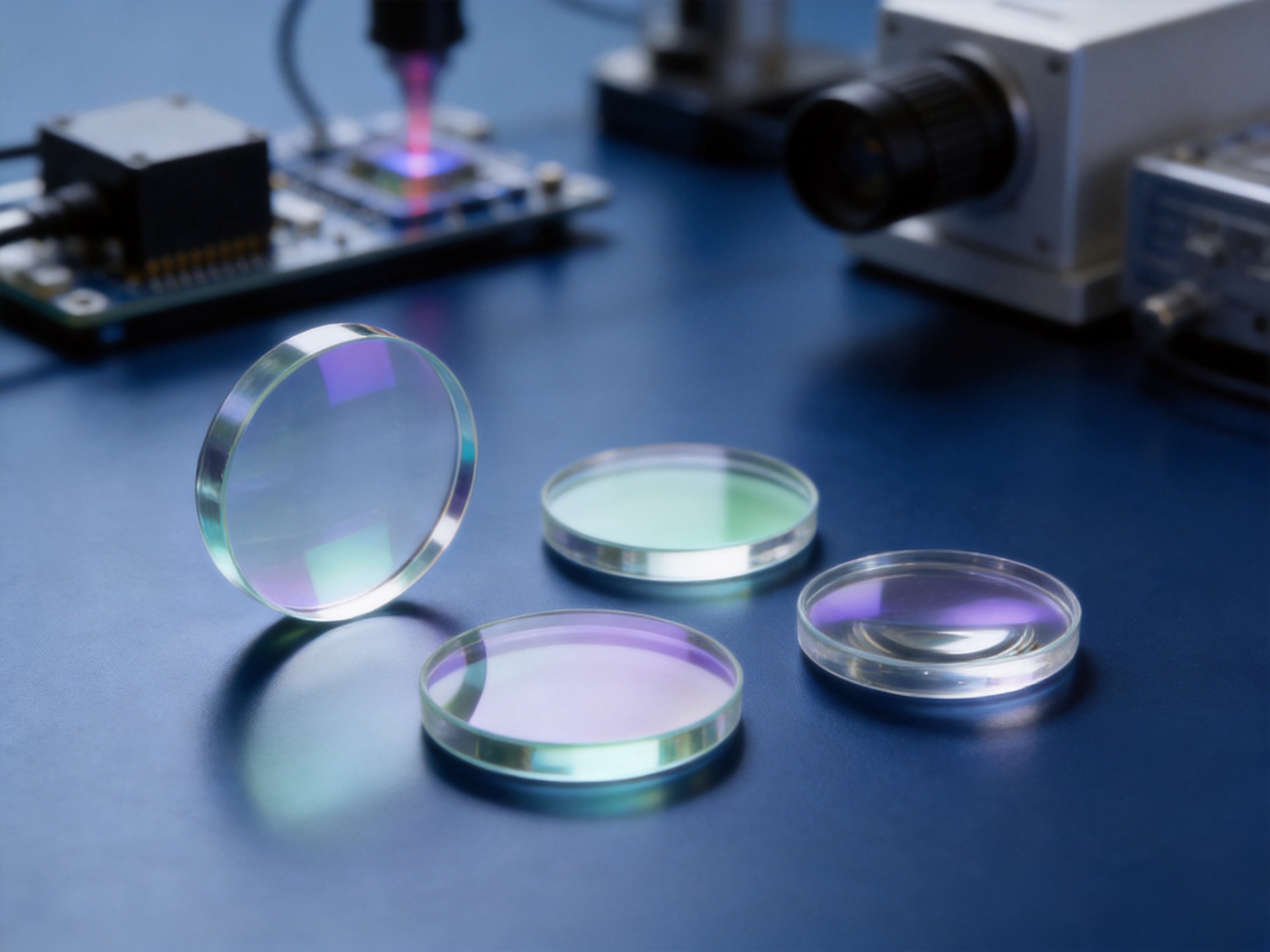
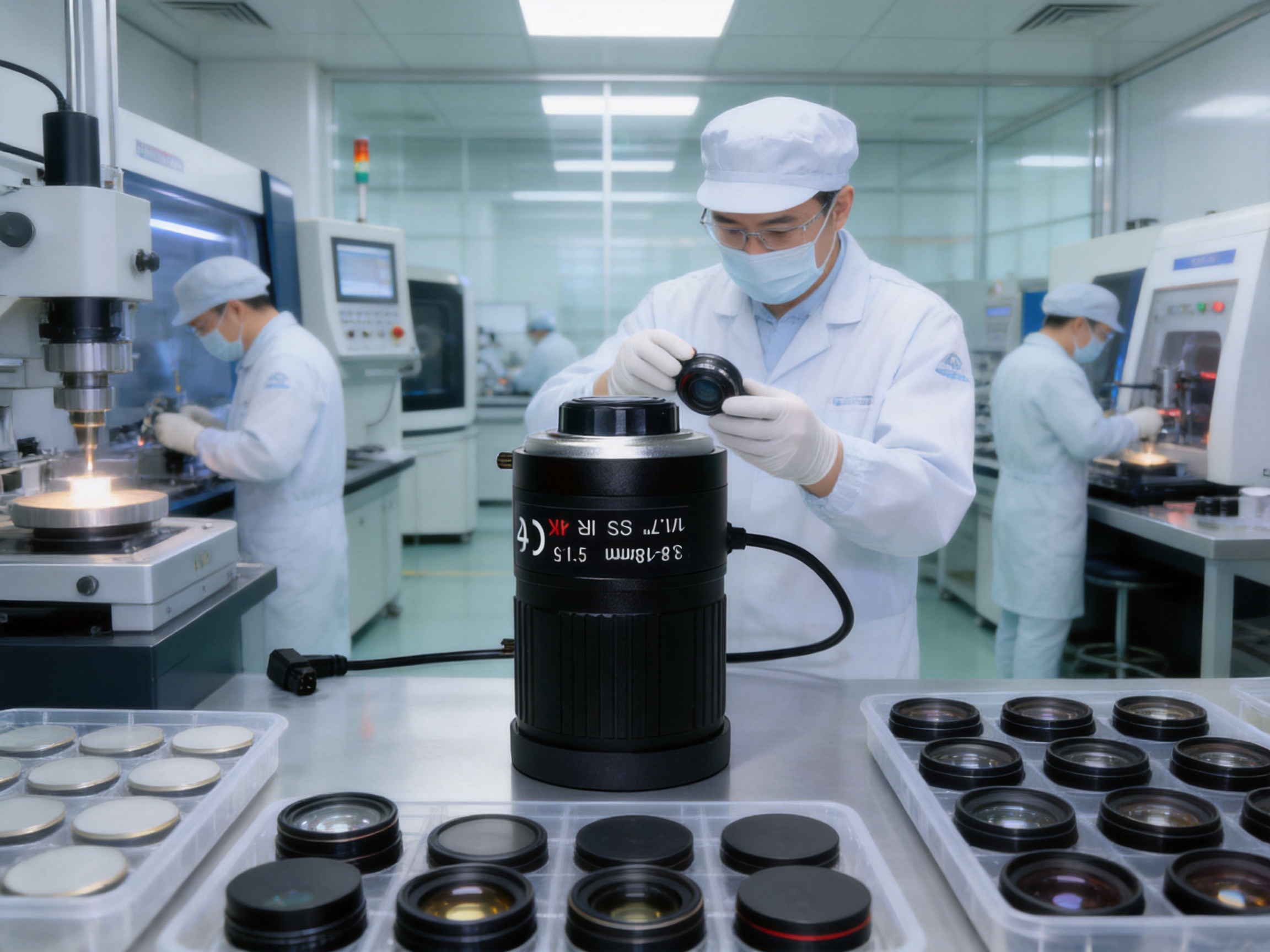
The performance of a precision optical lens depends on the entire manufacturing chain. Changzhou Haolilai Photo-Electricity Scientific and Technical Co., Ltd. has developed its production capabilities over decades, building experience in precision optical processing, coating, inspection, and engineering support. The company’s strengths include a mature manufacturing system, an experienced technical team, certified quality management, research and development capability, and the ability to serve multiple high-precision industries.
The company was founded in 1998 and has accumulated long-term experience in optical manufacturing. This experience is valuable because optical lens production requires both scientific knowledge and practical process expertise. Even when two lenses share the same drawing, the final result can differ depending on material control, tooling, polishing parameters, cleaning methods, coating preparation, and inspection discipline. A manufacturer with many years of production experience can identify risks early, optimize processes, and maintain stable output.
The company operates within a national-level High-tech Development District in Changzhou, Jiangsu, China. Its 35,000-square-meter production environment supports precision optical manufacturing at meaningful scale. Scale matters because customers often require both engineering flexibility and reliable delivery. A supplier must be able to produce samples for design verification, then transition to pilot runs and mass production without losing quality consistency. The company’s workforce of more than 300 employees supports production, inspection, engineering, quality management, and customer service functions.
The company has obtained ISO9001:2015, ISO14001:2015, and IATF16949 certifications. ISO9001:2015 reflects systematic quality management. ISO14001:2015 reflects environmental management and responsible production practices. IATF16949 reflects automotive quality management capability and is especially important for customers in automotive optical systems. These certifications indicate that manufacturing is not handled casually; it is supported by documented procedures, process control, continuous improvement, corrective action systems, and quality traceability.
Research and development capability is another important strength. The company has established the Jiangsu Precision Optical Lens Engineering Technology Center and Jiangsu Enterprise Technology Research Center. It has also obtained multiple invention patents, utility model patents, and recognized high and new technology products. These achievements demonstrate that the company is not limited to basic processing. It has engineering depth and the ability to develop improved processes, product structures, and optical solutions for advanced applications.
Advanced Optical Lens Production Process
The production of a high-precision optical lens begins with understanding the customer’s optical and mechanical requirements. Typical specifications include material type, diameter, focal length, radius of curvature, center thickness, surface figure, surface quality, centration tolerance, clear aperture, coating wavelength range, environmental requirements, and packaging standards. Engineering review is essential because each parameter affects manufacturing feasibility, cost, and performance.
After specification review, material selection is performed. Optical glass, fused silica, crystal materials, or other transparent materials may be selected according to wavelength, refractive index, dispersion, thermal expansion, chemical resistance, and laser damage threshold. The raw material must be inspected for internal defects such as bubbles, striae, inclusions, stress, or discoloration. Material stability is fundamental because even the best polishing process cannot fully compensate for unsuitable raw material.
The next stage is cutting and blank preparation. Raw glass is cut into blanks with dimensions suitable for grinding. Proper blank preparation reduces material stress and improves downstream process stability. The blanks may then undergo generating or rough grinding, where the approximate curvature and thickness are formed. This step removes excess material and creates the basic lens geometry.
Fine grinding follows rough shaping. The purpose of fine grinding is to bring the lens closer to its final radius, thickness, and surface condition. Abrasive size, machine pressure, tool shape, slurry control, and process time must be carefully managed. Too aggressive a process can introduce subsurface damage; too conservative a process may reduce efficiency and increase cost. A mature manufacturer balances precision, yield, and productivity through controlled process recipes.
Polishing is one of the most important stages. During polishing, the ground surface is transformed into a transparent optical surface with required figure and roughness. Polishing quality affects transmission, scattering, imaging performance, and coating adhesion. Precision polishing requires controlled tools, polishing compounds, temperature management, and skilled process monitoring. For higher-end lenses, additional correction may be required to achieve tighter surface figure or wavefront requirements.
Centering and edging ensure that the optical axis and mechanical axis are properly aligned. If a lens has poor centration, it may introduce coma, astigmatism, beam deviation, or image shift when assembled. Centering is particularly important for camera lenses, laser focusing assemblies, precision sensors, and optical modules. Accurate edging also ensures that the lens diameter meets assembly requirements and that the edge is safe and stable.
Cleaning is performed before coating and inspection. Optical surfaces must be free from polishing residue, particles, oils, and contamination. Coating adhesion and appearance depend strongly on surface cleanliness. Professional cleaning procedures may include ultrasonic cleaning, deionized water rinsing, solvent cleaning, filtered drying, and controlled handling. Cleanliness is especially important for semiconductor optics and laser optics, where particles can cause performance degradation or damage.
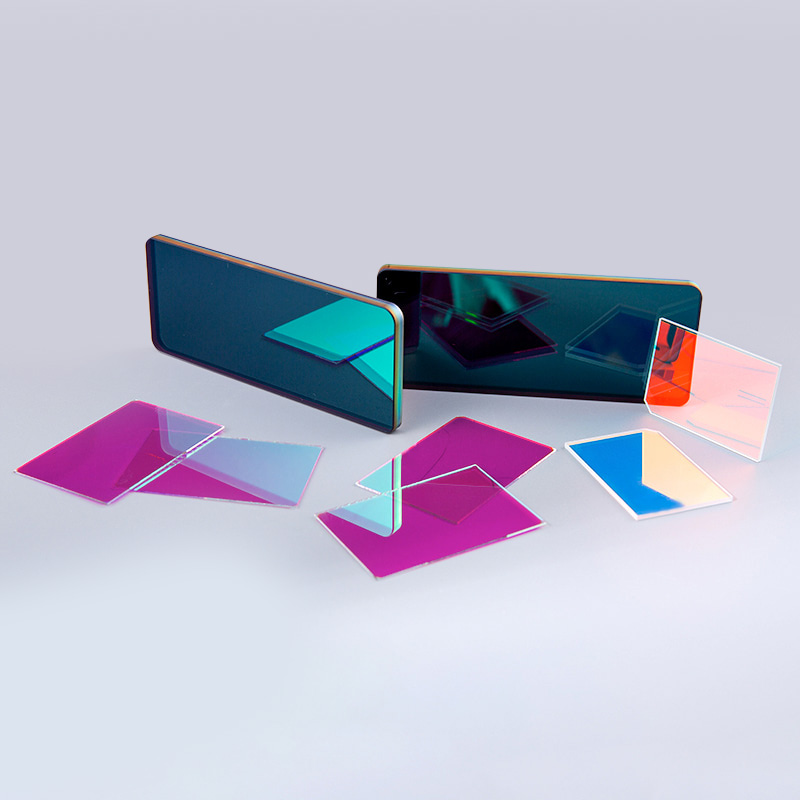
Coating is applied according to the optical function. Anti-reflection coatings reduce surface reflection and increase transmission. High-reflection coatings may be used in mirror-related assemblies, while filtering or beam-splitting coatings may be applied for specialized optical functions. Coating design must match wavelength range, angle of incidence, polarization, environmental requirements, and substrate material. The coating process requires vacuum deposition control, layer thickness monitoring, and post-coating inspection.
Final inspection verifies that the lens meets all defined specifications. Inspection may include dimensional measurement, radius measurement, surface quality inspection, interferometric testing, coating spectral testing, centration measurement, transmission measurement, appearance inspection, and packaging verification. For high-reliability applications, traceability and documentation are important. Proper inspection provides customers with confidence that each lens is suitable for assembly and use.
Table of Key Optical Lens Capabilities and Customer Benefits
| Capability | Product Benefit | Customer Value |
|---|---|---|
| Precision grinding and polishing | Accurate curvature, low surface error, reduced scattering | Improved imaging clarity, laser stability, and system repeatability |
| Controlled centering and edging | Accurate alignment between optical and mechanical axes | Easier assembly and reduced optical deviation |
| Advanced optical coating | Higher transmission, lower reflection, improved durability | Better efficiency, fewer ghost images, and longer service life |
| Material selection expertise | Appropriate refractive index, dispersion, and thermal behavior | Optimized performance for visible, infrared, laser, or specialty systems |
| Certified quality management | Consistent production control and traceability | Lower procurement risk and stable batch-to-batch quality |
| Automotive quality capability | Processes aligned with demanding vehicle applications | Greater confidence for camera, sensing, and interior optical components |
| Research and development support | Customized optical solutions and process optimization | Faster product development and stronger long-term cooperation |
Why These Lenses Stand Out Against Competitors
In a competitive optical component market, customers often compare suppliers based on price, tolerance capability, delivery time, coating quality, technical support, and reliability. A low-cost lens may appear attractive at first, but poor consistency can lead to higher total cost through rejected parts, assembly failure, optical recalibration, product returns, or field performance issues. A stronger supplier provides not only the component but also manufacturing confidence.
One key advantage is the combination of precision manufacturing and production scale. Some competitors may have small workshops with flexible processing but limited capacity, while others may have large production lines but limited customization ability. A manufacturer with long experience, a substantial facility, and an engineering team can support both custom requirements and batch supply. This is valuable for customers moving from prototype to mass production.
Another advantage is the company’s cross-industry experience. Because it serves laser optics, automotive optics, semiconductor optics, and consumer optics, it understands different performance priorities. Laser customers focus on wavefront quality, coating absorption, and damage resistance. Automotive customers focus on reliability, traceability, environmental durability, and large-scale consistency. Semiconductor customers focus on cleanliness, precision, and metrology. Consumer optics customers focus on cost-effective high-volume stability. Experience across these markets helps the company develop robust processes and avoid narrow technical limitations.
The company’s certifications provide an additional advantage. ISO9001:2015 helps assure customers that quality processes are structured and continuously improved. ISO14001:2015 supports customers with environmental responsibility expectations. IATF16949 strengthens confidence for automotive projects where quality discipline and risk management are essential. These certifications distinguish the company from suppliers that may lack formalized management systems.
Technical infrastructure is also important. The establishment of engineering technology and enterprise technology research centers shows commitment to innovation. Patents and recognized high-tech products indicate that the company actively develops new capabilities rather than relying only on traditional processing. For customers with evolving optical systems, this engineering orientation can be highly valuable.
Finally, export experience to more than 20 countries demonstrates familiarity with international customer expectations. Global customers often require clear communication, stable documentation, careful packaging, and reliable logistics. Export experience helps reduce friction in procurement and supports long-term cooperation.
Optical Performance Factors Customers Should Evaluate
When sourcing optical lenses, customers should evaluate more than the basic dimensions. The first major factor is focal length accuracy. Focal length determines where light converges or diverges and is critical for imaging and beam control. Even a small deviation can affect system calibration. Reliable manufacturing helps keep focal length within the required tolerance.
Surface quality is another essential factor. Scratches, digs, chips, stains, coating defects, and surface haze can reduce optical performance. In laser systems, defects may concentrate energy and cause coating damage. In imaging systems, defects may create artifacts or reduce contrast. A professional manufacturer uses defined inspection standards and controlled handling to reduce cosmetic and functional defects.
Wavefront quality affects how accurately the lens transmits the intended optical wavefront. Poor wavefront quality can blur images, distort beams, and reduce system resolution. Interferometric testing is commonly used for higher-precision optical components. Customers with demanding applications should define wavefront requirements clearly in the drawing or specification.
Coating performance must also be evaluated. A coating should match the wavelength range, angle of incidence, environmental conditions, and durability requirements. For example, a lens used in a 532 nm laser system requires different coating optimization than a lens used in a broadband visible imaging system or near-infrared sensor. Coating reflectance, transmission, adhesion, hardness, and environmental stability should be considered.
Centration and wedge are important for system alignment. A decentered lens may cause beam steering or image degradation. In multi-lens assemblies, small errors can accumulate and create significant optical misalignment. High-precision centering reduces assembly correction and improves finished module yield.
Environmental durability should not be overlooked. Optical lenses may operate in high humidity, wide temperature ranges, vibration, dust, chemicals, or continuous optical power. Automotive and industrial customers often require lenses that can survive harsh conditions. Material selection, coating durability, edge treatment, and packaging all contribute to reliability.
Customization and Engineering Support
Standard optical lenses are useful for many applications, but advanced systems often require customized design. Customization may involve nonstandard diameter, special focal length, unusual material, tight centration, narrowband coating, broadband coating, high laser damage threshold coating, reduced edge thickness, special chamfer, blackened edge, or assembly-ready packaging. A capable manufacturer can review the optical drawing and recommend manufacturable solutions.
Engineering support is especially important during early product development. Designers may specify ambitious tolerances without realizing the cost implications. A practical optical manufacturer can explain which tolerances are critical to performance and which can be adjusted to improve manufacturability. This cooperation can reduce cost, shorten development cycles, and improve yield without sacrificing system performance.
The company’s experience in multiple optical categories, including flat mirrors, prisms, spherical mirrors, wafers, and automotive glass structural components, also supports lens-related projects. Many optical systems require several types of components. A supplier with broad optical processing capability can provide coordinated solutions, helping customers simplify sourcing and maintain consistent quality across component types.
Quality Control and Reliability Management
Quality control in optical lens production must be preventive as well as corrective. Preventive quality begins with process design, supplier control, material inspection, operator training, equipment maintenance, and environmental management. Corrective quality involves identifying defects, analyzing root causes, and implementing improvements. A certified quality management system provides the structure for both approaches.
For precision lenses, inspection is not limited to final appearance. The process may include in-process checks after grinding, polishing, centering, cleaning, and coating. In-process inspection helps detect deviations before they become expensive finished-product defects. For example, if radius drift is detected during polishing, adjustments can be made before a full batch is affected. If coating spectral performance deviates, process parameters can be reviewed before shipment.
Traceability is another important element. Customers in automotive, semiconductor, and medical-related fields may need batch records, inspection data, material traceability, or process documentation. Strong traceability helps solve problems quickly and supports customer audits. It also reflects disciplined manufacturing culture.
Packaging quality is part of reliability. A perfect lens can be damaged by poor packaging, contamination, friction, or moisture during shipment. Professional packaging protects optical surfaces, prevents part-to-part contact, controls cleanliness, and supports safe international transport. Export experience helps the manufacturer understand the packaging expectations of global customers.
Sustainability and Responsible Manufacturing
Modern customers increasingly evaluate suppliers not only by product quality but also by environmental and operational responsibility. ISO14001:2015 certification indicates that the company has established an environmental management system. For optical manufacturing, environmental control may include responsible handling of polishing materials, water usage, cleaning processes, waste management, and energy consumption. Responsible production helps customers build supply chains that align with internal sustainability objectives.
Efficient manufacturing can also reduce waste. Better process control means fewer rejected parts, less material loss, and improved production yield. In precision optics, waste reduction is not only an environmental benefit but also a cost and delivery advantage. A stable process creates value by using materials, labor, and equipment more efficiently.
How Optical Lenses Improve End Products
A superior optical lens improves the end product in several direct ways. In imaging systems, it improves resolution, contrast, brightness, and edge-to-edge clarity. In laser systems, it improves beam focus, energy delivery, processing accuracy, and equipment stability. In sensing systems, it improves detection range, signal strength, and measurement reliability. In automotive systems, it supports safer and more reliable visual and sensing functions. In semiconductor tools, it improves precision and repeatability.
These benefits can translate into commercial advantages for customers. Better optical performance can differentiate a finished device in the market. Higher consistency can reduce assembly time and lower quality failure rates. Durable coatings can extend product life and reduce warranty risk. Reliable supply can support production planning and reduce inventory uncertainty.
For purchasing teams, the best optical lens is not always the cheapest unit price. The best value comes from a lens that meets performance requirements, arrives consistently, integrates smoothly, and performs reliably in the field. When total cost of ownership is considered, precision manufacturing and quality assurance often produce substantial savings.
Q&A Section
Q1: What is the main function of an optical lens?
An optical lens controls the direction and behavior of light. It can focus, collimate, diverge, image, magnify, or shape light depending on its design. In industrial systems, the lens is often responsible for image clarity, beam accuracy, sensing precision, or measurement stability.
Q2: Why is coating important for an optical lens?
Coating reduces reflection, increases transmission, improves contrast, and can protect the lens surface. A well-designed coating helps the lens perform efficiently at the required wavelength and improves durability in real operating conditions.
Q3: What industries use precision optical lenses?
Precision optical lenses are used in laser systems, automotive cameras and sensors, semiconductor inspection and alignment equipment, consumer electronics, medical instruments, laboratory devices, projection systems, and industrial imaging systems.
Q4: How does manufacturing accuracy affect lens performance?
Manufacturing accuracy determines whether the lens achieves the required focal length, wavefront quality, surface quality, centration, and mechanical fit. Poor accuracy can lead to blurry images, beam distortion, assembly difficulty, and unstable system performance.
Q5: What makes a professional optical lens supplier different from a basic supplier?
A professional supplier offers controlled material selection, precision grinding and polishing, accurate centering, advanced coating, systematic inspection, certified quality management, engineering support, and reliable batch consistency. These capabilities reduce customer risk and improve end-product performance.
Q6: Why is IATF16949 certification valuable for automotive optical lenses?
IATF16949 certification demonstrates that the manufacturer follows a quality management system aligned with automotive industry requirements. This is important for automotive lenses because vehicle applications require reliability, traceability, risk management, and stable mass production quality.
Q7: Can optical lenses be customized?
Yes. Optical lenses can be customized by material, diameter, focal length, curvature, surface quality, coating, edge treatment, centration tolerance, thickness, and packaging requirements. Customization is often necessary for advanced optical systems.
Q8: What should customers provide when requesting a quotation?
Customers should provide drawings or specifications including material, diameter, thickness, radius or focal length, surface quality, coating requirements, wavelength range, tolerance requirements, quantity, application environment, and inspection requirements. Clear information helps the manufacturer recommend the most suitable solution.
Conclusion
Precision optical lenses are critical components in advanced technologies that depend on accurate light control. Their value is measured not only by shape and size but also by optical performance, coating quality, mechanical precision, environmental durability, and manufacturing consistency. For laser optics, automotive optics, semiconductor optics, consumer optics, medical devices, and scientific instruments, the lens can determine the quality and reliability of the entire system.
Changzhou Haolilai Photo-Electricity Scientific and Technical Co., Ltd. offers the experience, certifications, production scale, engineering resources, and process discipline required to manufacture dependable optical lenses for demanding customers. Founded in 1998, supported by a 35,000-square-meter facility, staffed by more than 300 employees, certified to ISO9001:2015, ISO14001:2015, and IATF16949, and strengthened by research centers, patents, and global export experience, the company provides strong advantages in precision optical component manufacturing.
Compared with competitors that may offer limited process control, weaker quality systems, or insufficient engineering support, the company’s optical lenses stand out through reliable performance, customized capability, coating expertise, and stable production. For customers seeking wholesale optical components and long-term cooperation, these lenses provide a practical path to better optical systems, lower integration risk, and stronger product competitiveness.
References
1. Hecht, Eugene. Optics. Pearson Education.
2. Smith, Warren J. Modern Optical Engineering. McGraw-Hill Education.
3. Malacara, Daniel. Optical Shop Testing. Wiley.
4. Kingslake, Rudolf, and R. Barry Johnson. Lens Design Fundamentals. Academic Press.
5. ISO 9001:2015 Quality Management Systems Requirements.
6. ISO 14001:2015 Environmental Management Systems Requirements.
7. IATF 16949 Automotive Quality Management System Standard.
8. Field Guide to Optical Fabrication. SPIE Press.


 苏公网安备32041102000130号