
 Search
 en
 English
 日本語
 русский
 Español
 Deutsch
 中文简体
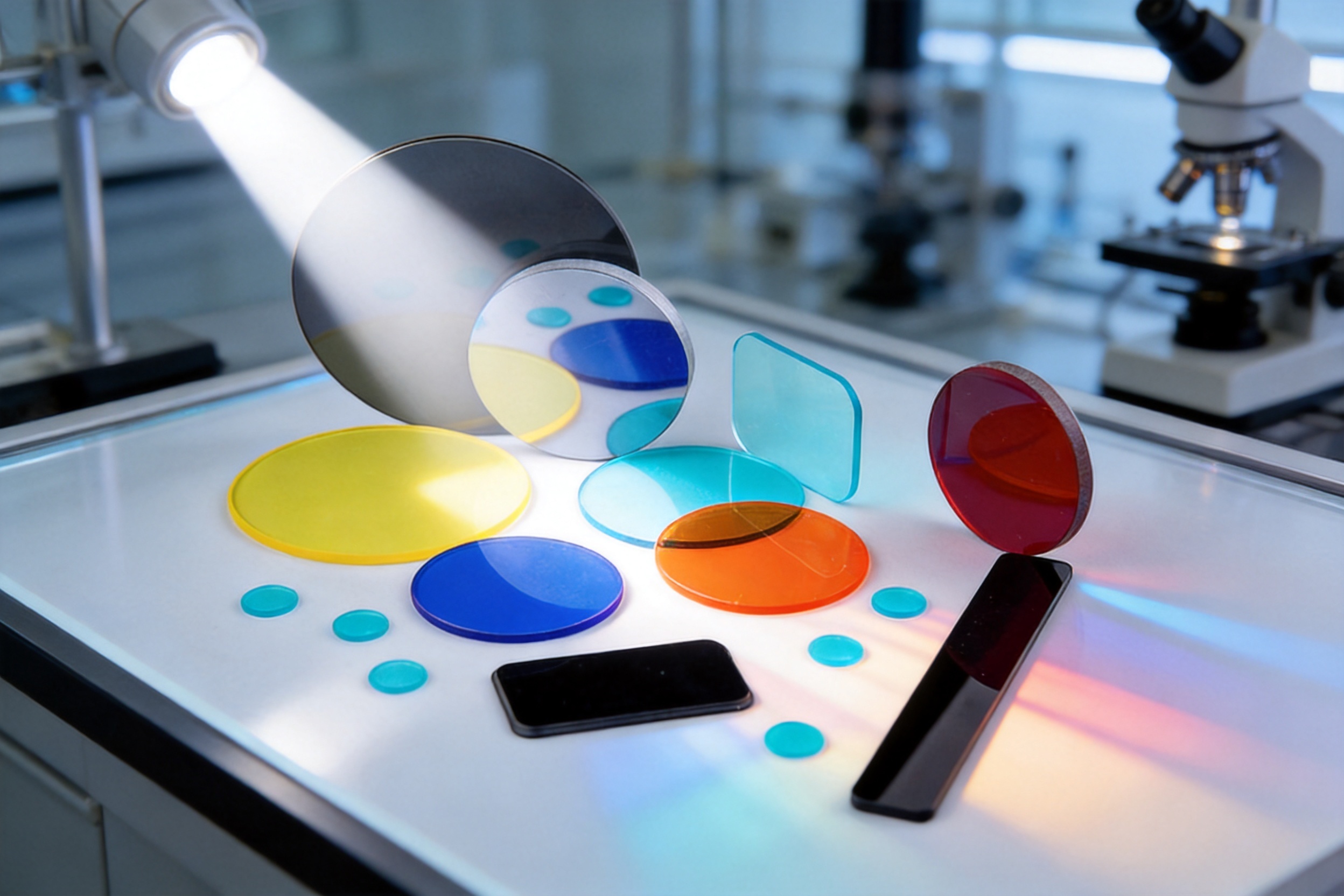
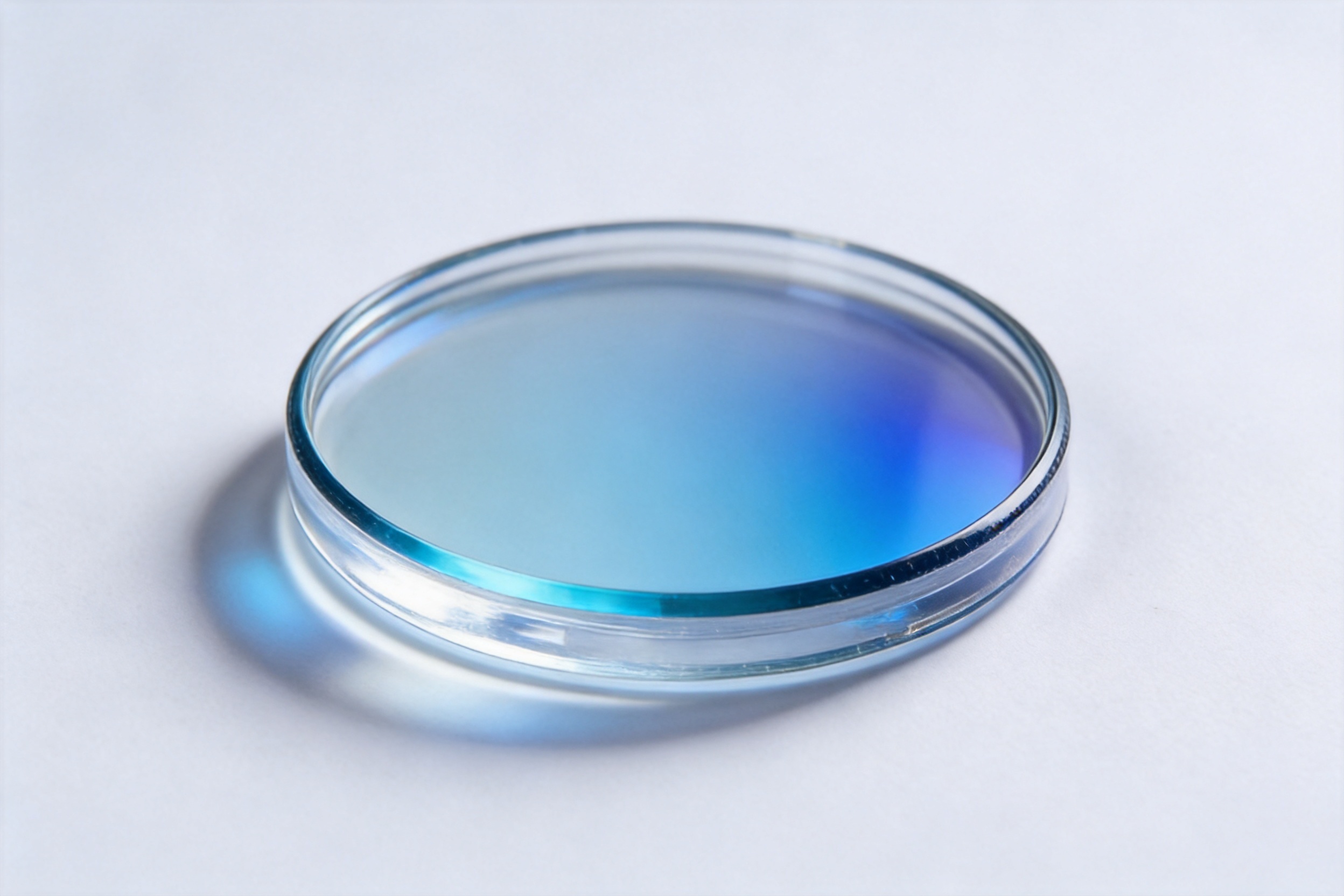
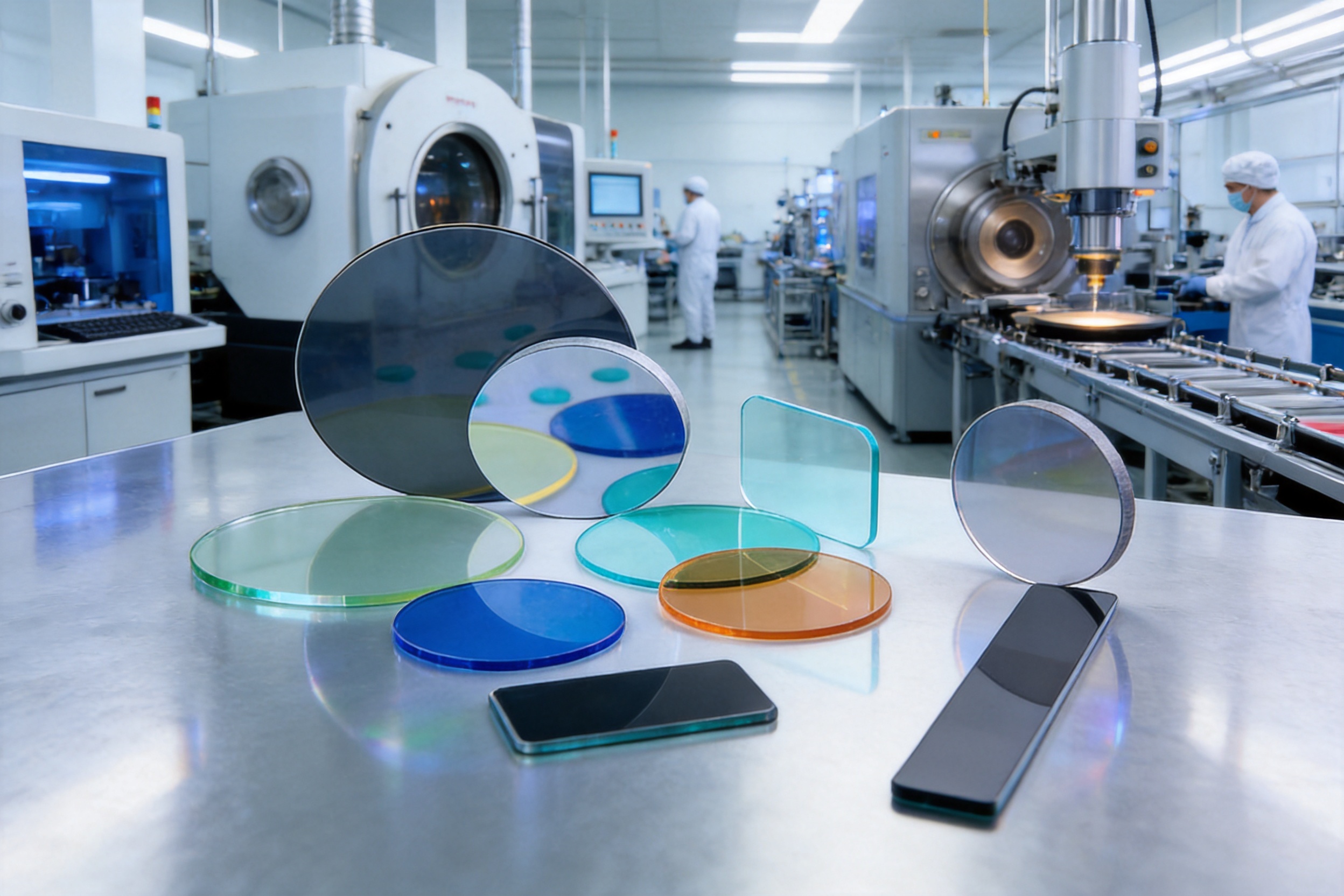
Optical glass filters are essential components in modern optical systems. They selectively transmit, block, reflect, or modify specific portions of light to improve image quality, protect sensitive detectors, control spectral energy, and support accurate measurement. Although a filter may appear to be a relatively simple flat optical element, its performance depends on many factors, including substrate quality, spectral design, surface accuracy, coating uniformity, dimensional stability, cleanliness, and inspection control.
For manufacturers of cameras, sensors, laser equipment, analytical instruments, semiconductor devices, automotive systems, and consumer electronics, the quality of an optical glass filter directly influences the reliability of the finished product. A filter with inconsistent transmission, poor coating adhesion, excessive surface defects, or inadequate dimensional accuracy can reduce system performance and increase production costs. For this reason, the selection of a capable optical component manufacturer is an important part of product development and supply-chain management.
Changzhou Haolilai Photo-Electricity Scientific and Technical Co., Ltd., commonly known as HLL, is an established Chinese manufacturer of precision optical components. Founded in 1998, the company develops and produces optical products for laser optics, automotive optics, semiconductor optics, and consumer optics. Its optical glass filters are manufactured for applications requiring dependable spectral control, stable optical performance, and repeatable production quality.
With a production area of approximately 35,000 square meters, more than 300 employees, international export experience, and certifications including ISO9001:2015, ISO14001:2015, and IATF16949, HLL combines engineering development with controlled manufacturing. Its technical resources include the Jiangsu Precision Optical Lens Engineering Technology Center and the Jiangsu Enterprise Technology Research Center. These capabilities support the production of optical glass filters for both standard requirements and application-specific designs.

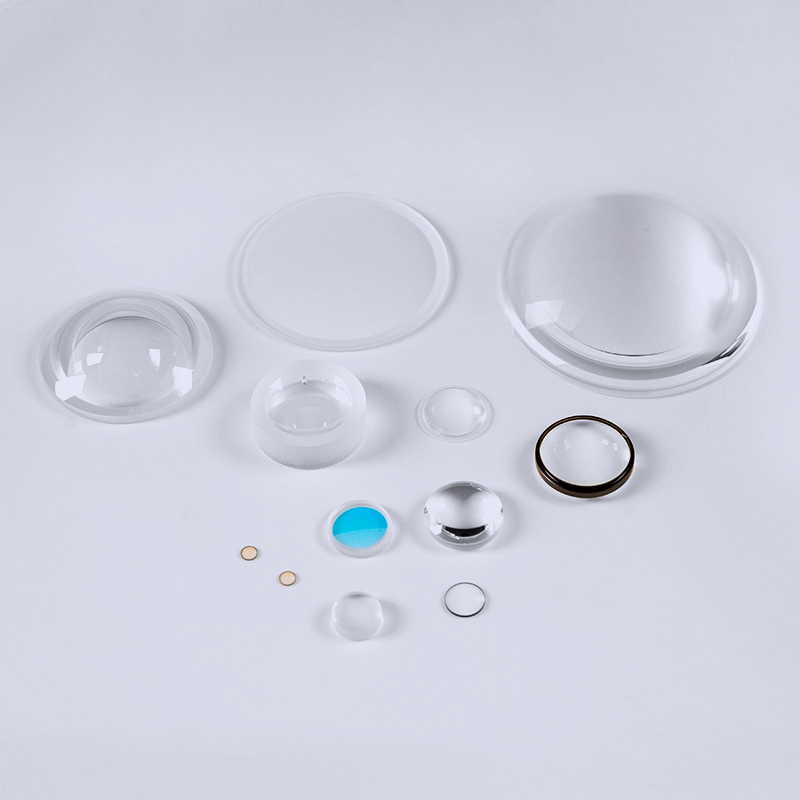
Optical Glass Filters
What Are Optical Glass Filters?
An optical glass filter is a transparent or partially transparent optical component that changes the intensity or spectral distribution of light passing through it. The filter may transmit selected wavelengths while absorbing or reflecting others. Depending on the design, it can also reduce ultraviolet radiation, suppress infrared energy, separate visible colors, control laser wavelengths, or improve contrast in an imaging system.
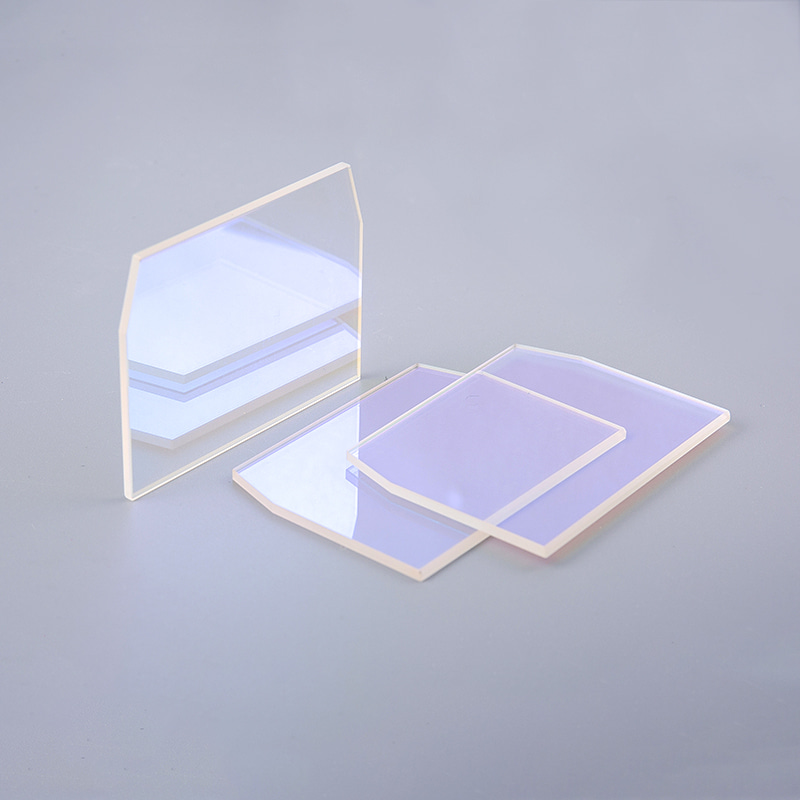
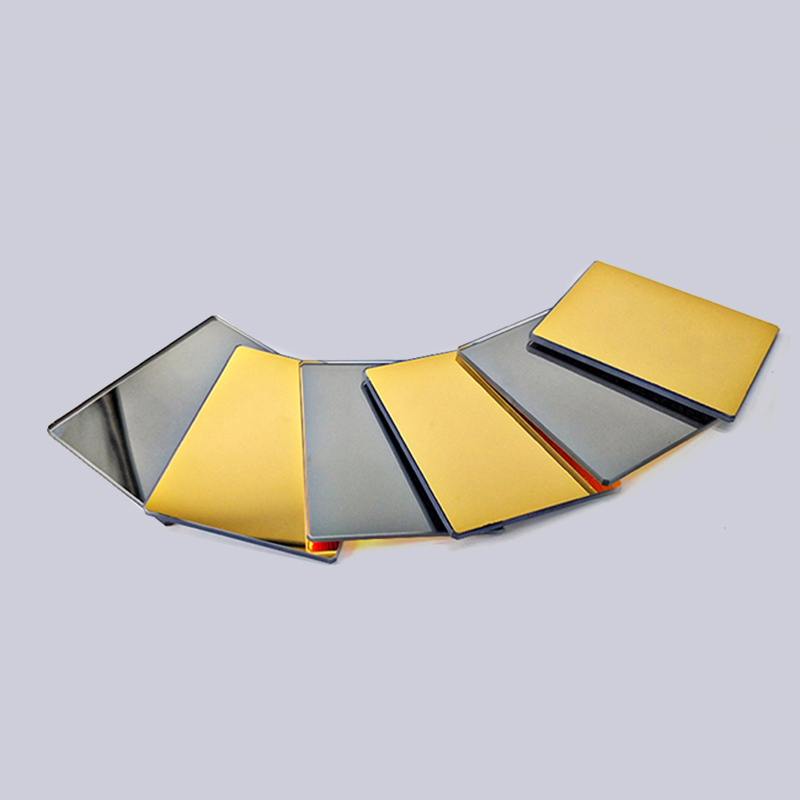
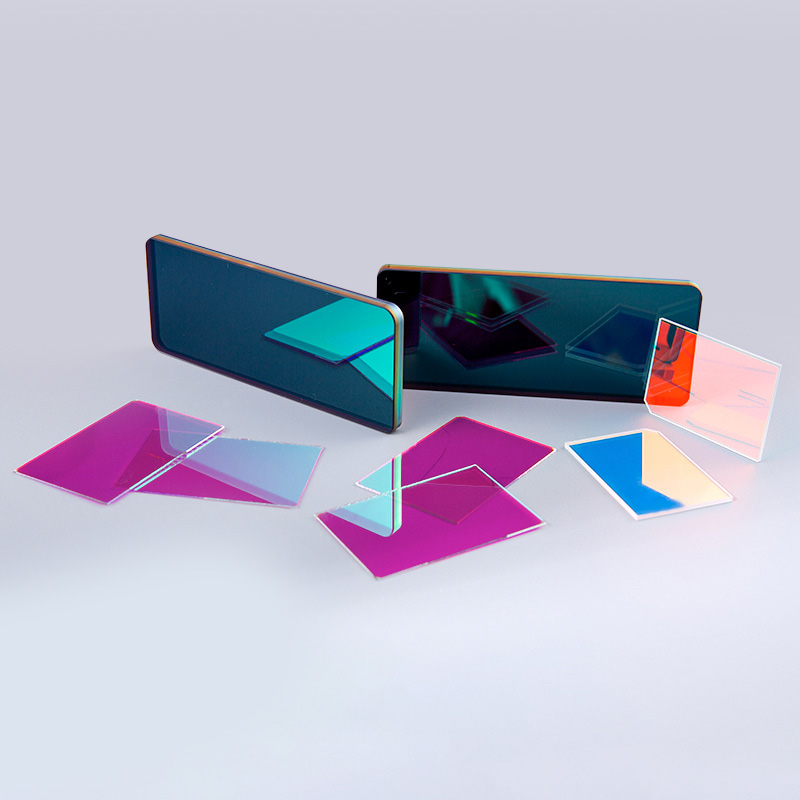
Optical glass filters are generally produced from carefully selected glass substrates. The substrate may provide the basic spectral response, while additional optical coatings refine the transmission and reflection characteristics. Some filters rely primarily on the absorption properties of the glass. Others use multilayer dielectric coatings, metallic films, interference coatings, or combinations of substrate and coating technologies to achieve a more precise spectral function.
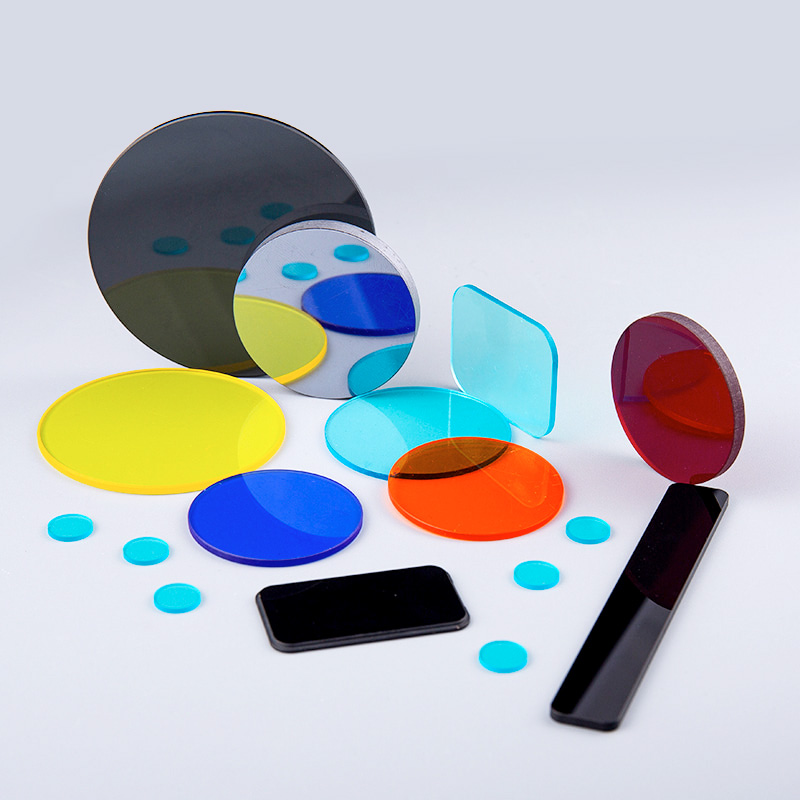
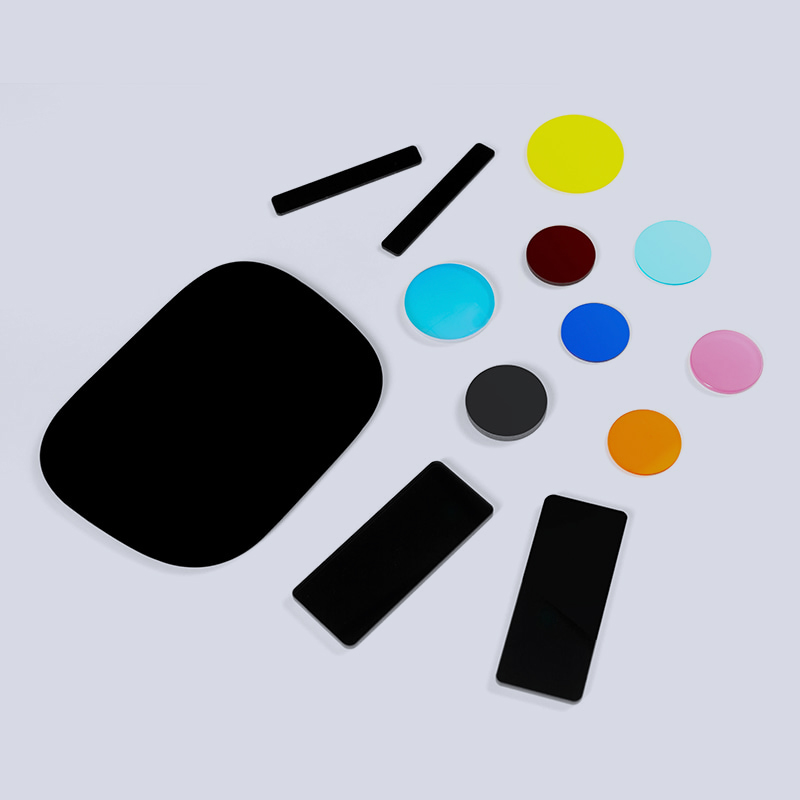
Common filter categories include long-pass filters, short-pass filters, band-pass filters, notch filters, neutral-density filters, ultraviolet filters, infrared filters, color glass filters, and heat-absorbing filters. The appropriate type depends on the optical system, the wavelength range, the angle of incidence, the required transmission, the environment, and the available installation space.
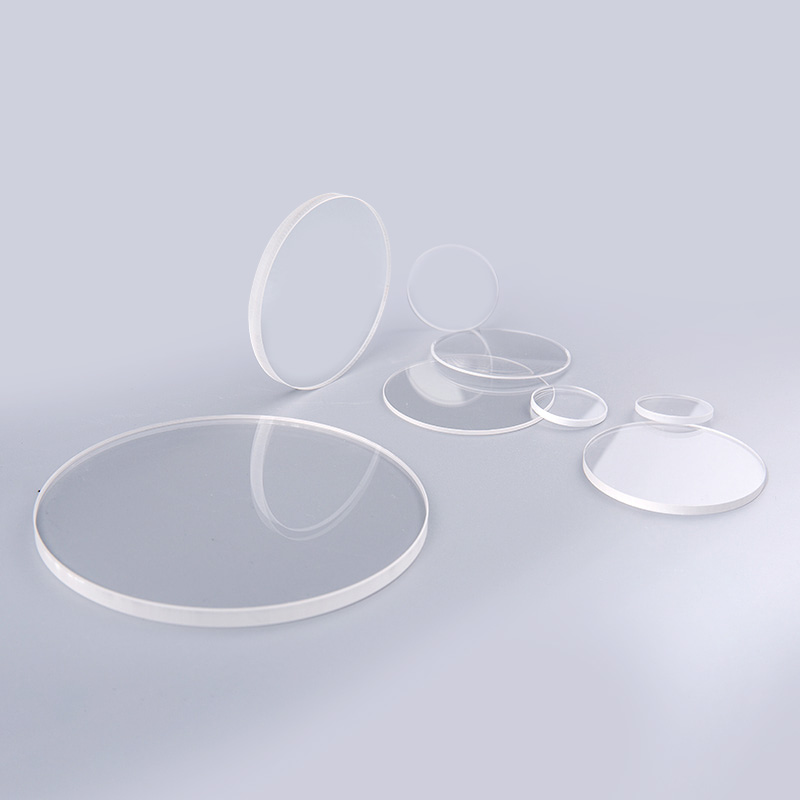
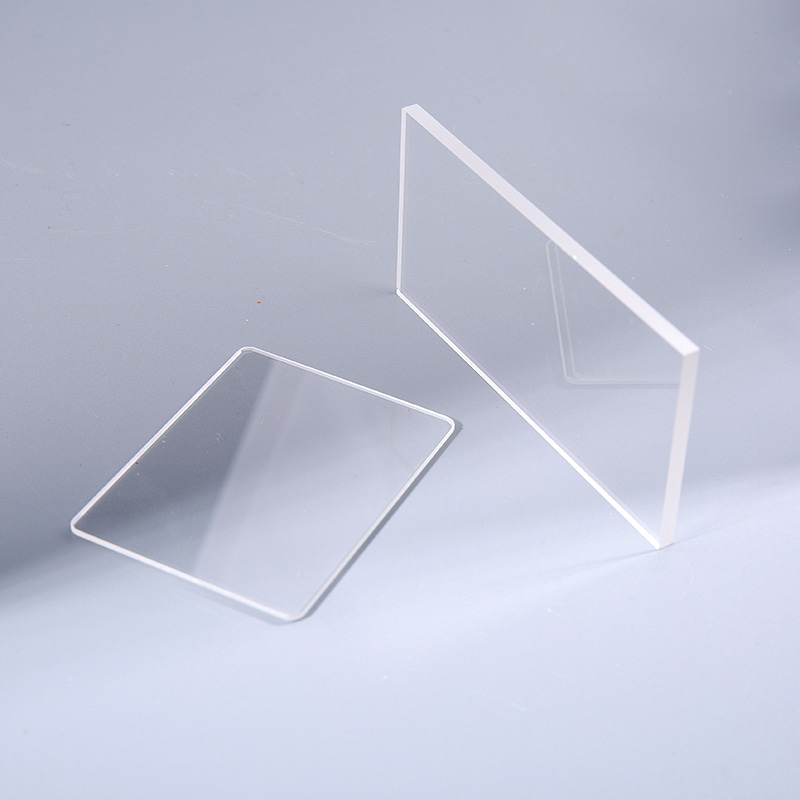
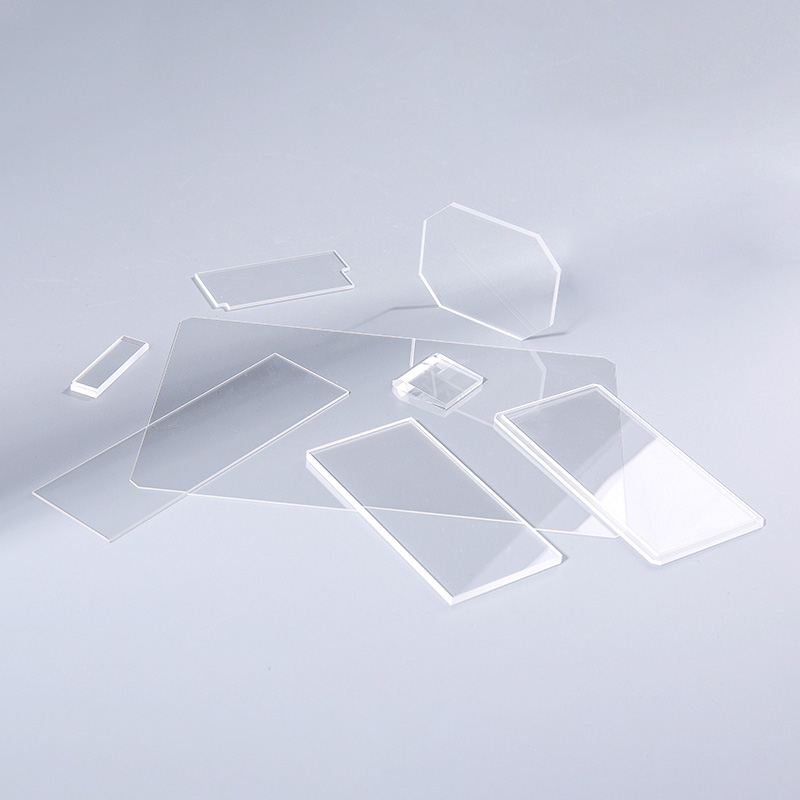
In practical applications, a filter may be round, rectangular, square, custom-shaped, or designed with special edge geometry. It may be supplied as a standalone component or integrated into a larger optical assembly. Thickness, flatness, parallelism, chamfering, coating durability, and cosmetic quality must be controlled according to the final application.
Why Filter Quality Matters
Optical systems often operate with narrow performance margins. A small variation in a filter’s spectral curve can affect color balance, sensor response, laser stability, or measurement accuracy. A slight wedge or surface deformation may introduce unwanted beam deviation. Tiny scratches, pits, stains, or coating defects can scatter light and reduce contrast, particularly in systems using high-intensity illumination or sensitive detectors.
High-quality optical glass filters are therefore evaluated through several performance dimensions:
• Spectral accuracy determines whether the filter transmits and blocks the intended wavelength ranges.
• Surface quality affects scattering, contrast, and the visual appearance of the component.
• Flatness and parallelism influence beam direction, image formation, and assembly accuracy.
• Coating adhesion and environmental resistance determine long-term reliability.
• Dimensional accuracy allows the filter to fit correctly into mounts and optical modules.
• Cleanliness reduces contamination-related losses during assembly and operation.
• Batch consistency supports stable production for customers manufacturing high volumes of equipment.
These requirements are especially important in automotive and semiconductor applications, where optical components must operate reliably under vibration, temperature variation


 苏公网安备32041102000130号