
 Search
 en
en English
 日本語
日本語 русский
 Español
 Deutsch
 中文简体
中文简体Content
- 1 The Strategic Role of Optical Lenses in Modern Photonics
- 2 Core Product Advantages of Precision Optical Lenses
- 3 Product Types and Optical Lens Options
- 4 Comparison of Precision Optical Lenses and Ordinary Market Lenses
- 5 Advanced Manufacturing Process for Optical Lenses
- 6 Company Strengths Supporting Optical Lens Production
- 7 Applications of Precision Optical Lenses
- 8 How Precision Lenses Improve Customer Products
- 9 Design Considerations When Selecting an Optical Lens
- 10 Why Choose a Specialized Precision Optical Lens Manufacturer
- 11 Packaging, Handling, and Delivery Considerations
- 12 Sustainability and Responsible Manufacturing
- 13 Future Trends in Optical Lens Development
- 14 Quality-Oriented Procurement Guidance
- 15 Frequently Asked Questions
- 15.1 What is an optical lens?
- 15.2 What makes a precision optical lens different from a standard lens?
- 15.3 Which materials are commonly used for optical lenses?
- 15.4 Why is coating important for optical lenses?
- 15.5 Can optical lenses be customized?
- 15.6 What information should be provided when requesting a quotation?
- 15.7 Why is centration important?
- 15.8 Are precision optical lenses suitable for automotive applications?
- 15.9 How do precision lenses benefit laser systems?
- 15.10 How does a manufacturer ensure batch consistency?
- 16 Conclusion
- 17 References
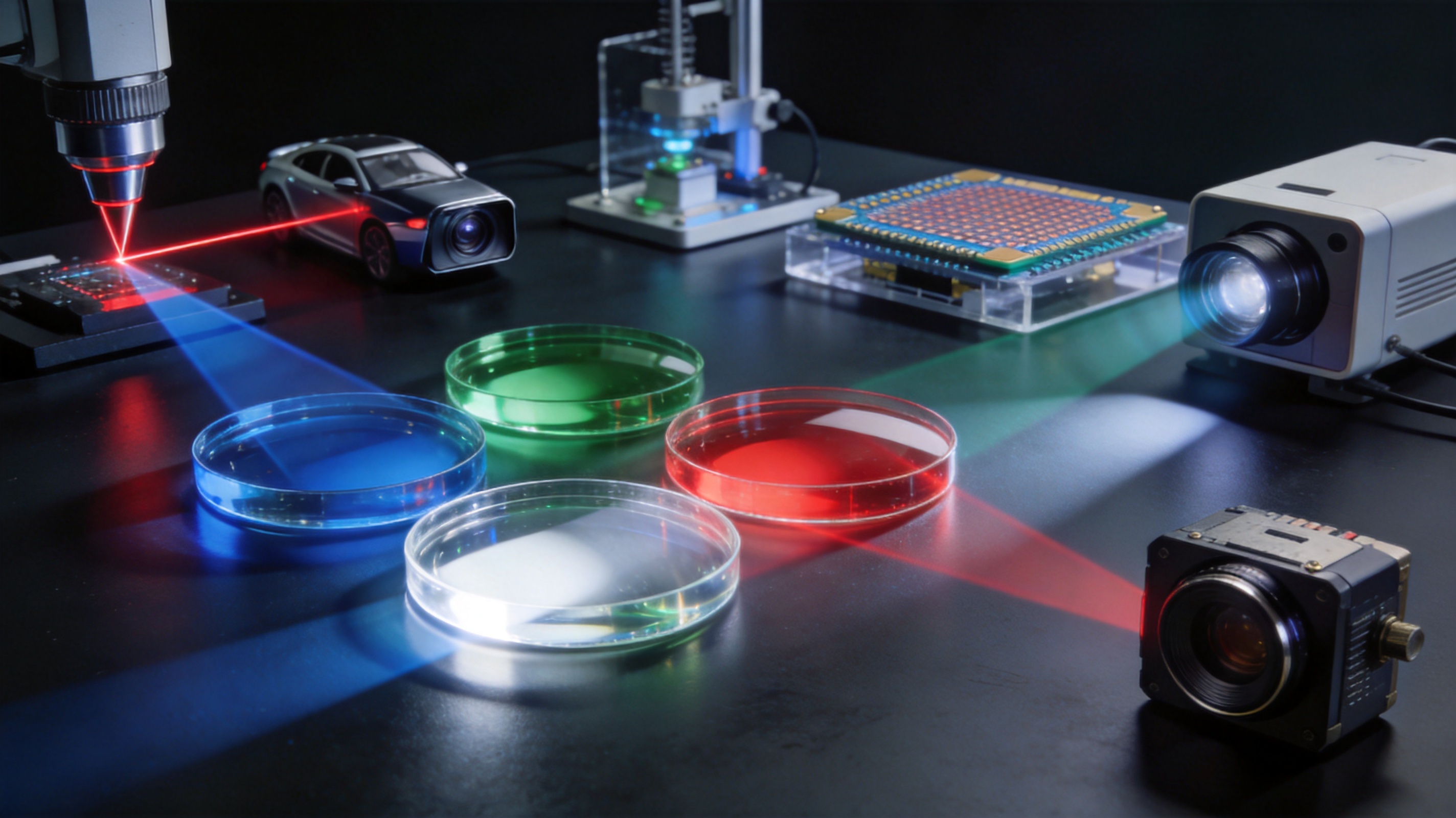
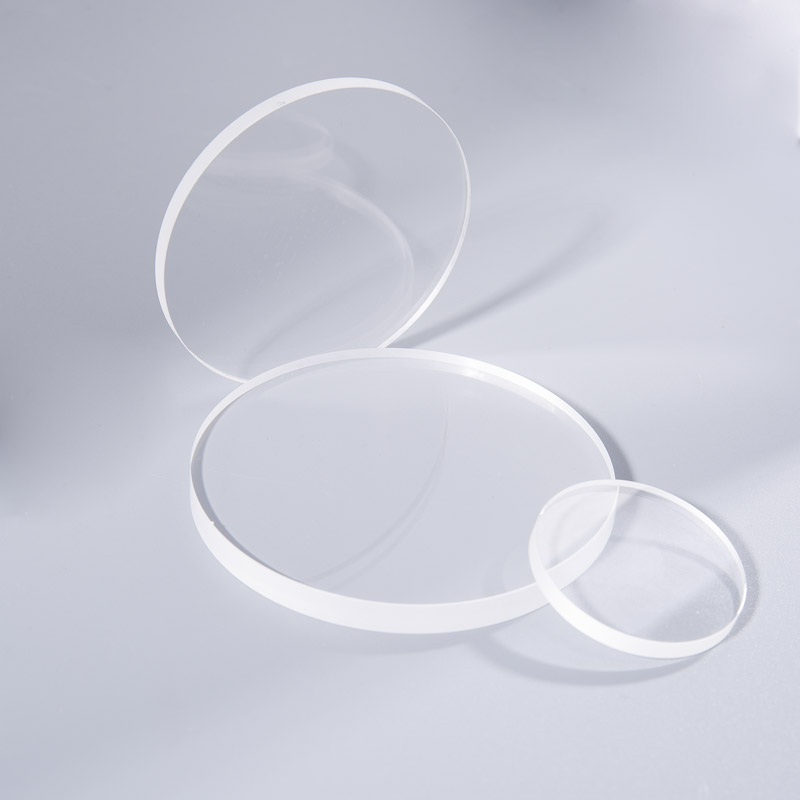
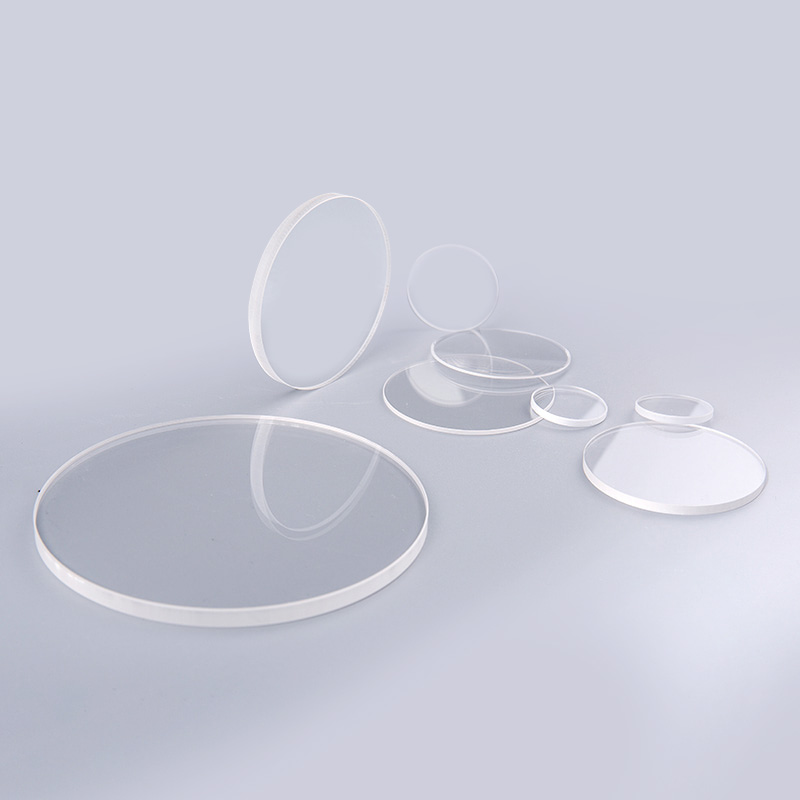
Optical lenses are among the most essential components in modern photonics, converting raw light into controlled, usable, and measurable energy. From laser systems and semiconductor inspection equipment to automotive sensing modules, consumer imaging devices, medical instruments, and industrial vision platforms, the quality of an optical lens determines how accurately light is transmitted, focused, corrected, and stabilized. A well-designed precision optical lens is not merely a piece of shaped glass; it is an engineered component produced through material science, optical design, ultra-precision processing, advanced coating technology, and rigorous metrology.
This article focuses on precision optical lenses manufactured for demanding optical systems. It explains their technical advantages, application value, competitive strengths, manufacturing processes, inspection standards, and customization possibilities. It also introduces the capabilities of Changzhou Haolilai Photo-Electricity Scientific and Technical Co., Ltd., a professional manufacturer of precision optical components founded in 1998 and located in Changzhou, Jiangsu, China. With decades of experience, ISO9001:2015, ISO14001:2015, and IATF16949 certifications, advanced production facilities, and a strong technical team, the company supports optical projects in laser optics, automotive optics, semiconductor optics, consumer optics, and other high-precision fields.
In an industry where nanometer-level surface quality, arc-second angular accuracy, micron-level geometry control, and stable coating performance directly affect system reliability, the choice of lens supplier is critical. High-quality optical lenses help reduce optical loss, improve image resolution, enhance laser transmission efficiency, suppress aberrations, increase environmental durability, and support compact optical system design. Compared with standard commercial lenses, precision custom lenses offer better material matching, more accurate radii, tighter centration control, optimized coatings, and more consistent batch-to-batch performance.
The Strategic Role of Optical Lenses in Modern Photonics
An optical lens functions by refracting light through precisely formed surfaces. Depending on the geometry, material, coating, and mounting environment, a lens can converge light, diverge light, correct distortion, relay an image, collimate a beam, expand a beam, focus a laser, or compensate for optical aberrations. The lens may appear simple from the outside, but its performance depends on a complex relationship among refractive index, dispersion, curvature, surface figure, coating layers, edge shape, thickness, center deviation, and working wavelength.
In imaging systems, lenses are responsible for clarity, resolution, contrast, field flatness, and distortion control. A lens with poor surface accuracy or unstable refractive properties can cause blurred images, chromatic fringes, ghost reflections, reduced brightness, and inaccurate measurement results. In laser applications, a lens must withstand high energy density, maintain low absorption, and preserve beam quality. Even microscopic defects can become damage initiation points under intense laser irradiation. In automotive optical systems, lenses must remain stable under vibration, humidity, heat, cold, and long-term exposure to changing environmental conditions. In semiconductor equipment, lenses often need exceptional cleanliness, dimensional stability, and strict defect control because even minor optical error can influence wafer inspection or lithography-related processes.
As industries move toward miniaturization, intelligent sensing, higher power lasers, autonomous driving, and precision manufacturing, the role of optical lenses becomes more important. Optical systems must become smaller, lighter, more accurate, and more reliable. This creates a need for manufacturers that can provide not only catalog-style components but also engineered lenses designed around specific optical, mechanical, environmental, and commercial requirements.
Core Product Advantages of Precision Optical Lenses
Precision optical lenses offer several advantages over ordinary optical elements. These advantages are especially meaningful in applications where optical signal quality, reliability, and repeatability determine system performance. A high-quality lens can improve the performance of the entire optical assembly, often allowing engineers to reduce compensation requirements elsewhere in the system.
High Transmission and Low Optical Loss
One of the main advantages of a precision optical lens is its ability to transmit light efficiently. Optical loss may arise from absorption in the material, scattering from surface defects, and reflection at air-glass interfaces. By selecting suitable optical glass, fused silica, or other transparent materials and applying optimized anti-reflective coatings, transmission can be significantly improved. For laser and imaging systems, higher transmission means stronger signal intensity, better energy utilization, and improved overall system efficiency.
Compared with lower-grade lenses, precision lenses are processed with more controlled surface roughness and fewer subsurface defects. This reduces scattering and helps preserve wavefront quality. In high-resolution imaging systems, low scatter improves contrast. In laser systems, low scatter minimizes unwanted stray light and thermal effects. For instruments operating in visible, ultraviolet, or infrared bands, coatings can be designed to match the operating wavelength range and incident angle requirements.
Excellent Surface Figure and Wavefront Control
The surface figure of a lens determines how accurately it shapes light. A surface that deviates from the intended curvature can introduce spherical aberration, astigmatism, coma, focus shift, and wavefront distortion. Precision optical lenses are manufactured through careful grinding, polishing, and measurement processes to meet strict surface accuracy requirements. Depending on application requirements, surface figure can be controlled to levels suitable for laser beam delivery, optical metrology, high-resolution imaging, or precision sensing.
This advantage is particularly important in multi-element optical assemblies. When several lenses are combined, small errors in each element can accumulate. A supplier capable of producing stable surface geometry helps optical designers maintain predictable performance during assembly and production. This reduces system tuning time and improves production yield.
Superior Centration and Mechanical Accuracy
Centration error occurs when the optical axis of a lens is not aligned with its mechanical axis. Excessive centration error can cause image shift, beam deviation, uneven focusing, and degraded optical performance. Precision lens manufacturing includes edging, centering, and dimensional inspection to ensure that the optical and mechanical references are controlled. This is essential for compact modules, automotive sensors, machine vision lenses, and laser alignment systems.
Competitor products may meet basic optical specifications but fail to maintain stable mechanical alignment across production batches. In contrast, a process-oriented manufacturer emphasizes both optical surface quality and mechanical consistency. Accurate diameter, center thickness, edge thickness, beveling, and mounting interface control enable smoother integration into holders, barrels, and assemblies.
Customization for Complex Optical Requirements
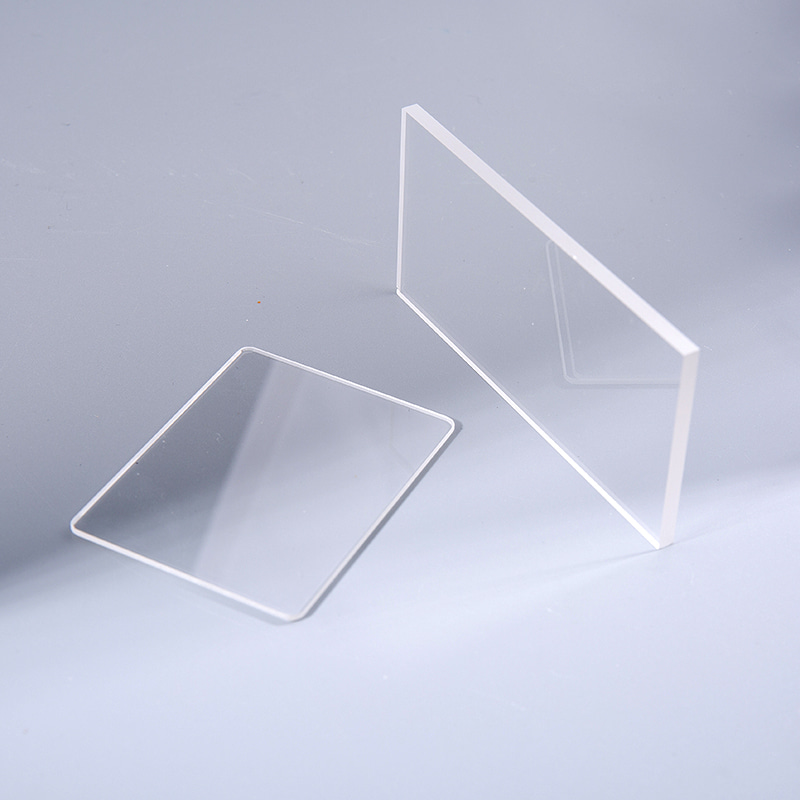
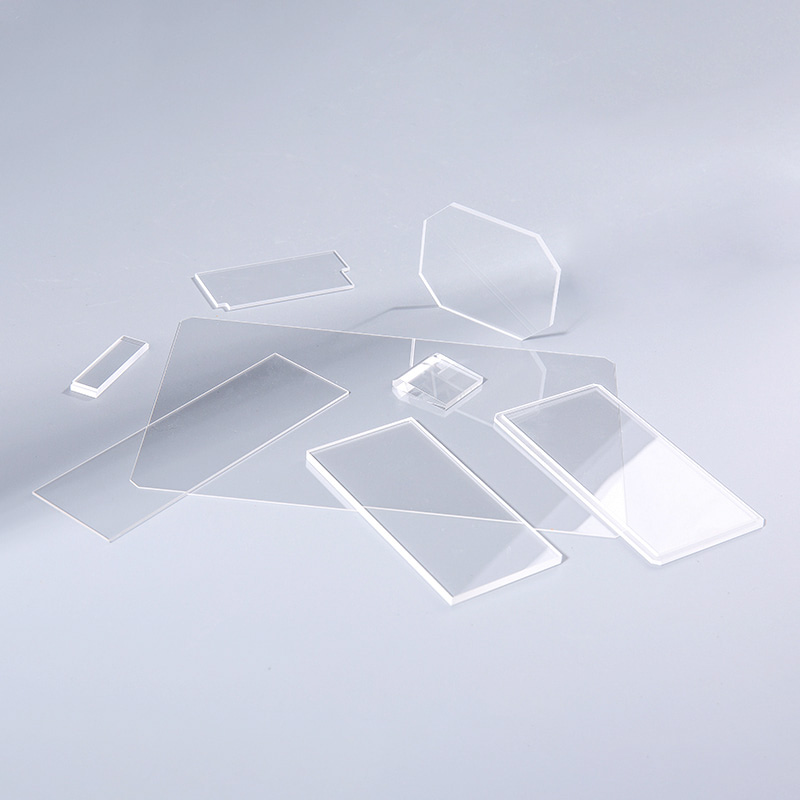
Not all optical systems can rely on standard catalog lenses. Many modern devices require custom radius combinations, special glass materials, unusual dimensions, rectangular or special-shaped lenses, high-damage-threshold coatings, tight edge configurations, or integrated assembly features. Precision optical lens manufacturers with engineering capabilities can provide design-for-manufacturing support, prototype development, and mass production control.
Customization is a key advantage over commodity suppliers. By working from customer drawings, optical design files, or performance specifications, a specialized manufacturer can optimize the lens for the exact wavelength, focal length, aperture, beam diameter, field angle, temperature range, and environmental exposure. This improves system performance and often reduces total cost by avoiding over-design or unnecessary secondary processing.
Stable Quality for High-Volume Production
For automotive, semiconductor, consumer electronics, and industrial equipment customers, lens quality must be repeatable at scale. A prototype lens may perform well, but commercial success depends on whether thousands or millions of parts can be produced with consistent optical and mechanical quality. Stable quality requires documented processes, controlled production environments, trained operators, calibrated inspection equipment, and statistical quality management.
Changzhou Haolilai Photo-Electricity Scientific and Technical Co., Ltd. has more than 300 employees and has developed production capabilities for precision optical components over decades. Its certification background, including IATF16949 for automotive-related quality management, supports applications where batch consistency, traceability, and process control are essential. This gives customers confidence when transitioning from sample validation to mass production.
Product Types and Optical Lens Options
Optical lenses can be designed in many configurations. The correct type depends on how light must be controlled inside the system. A professional manufacturer can provide a range of lens geometries to meet diverse optical requirements.
Spherical Lenses
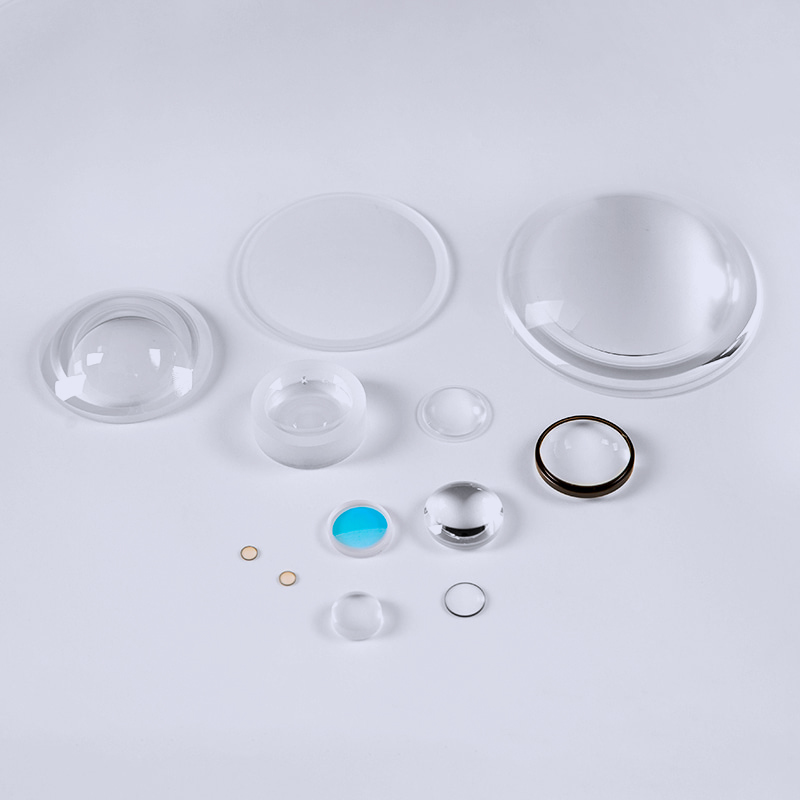
Spherical lenses are among the most widely used lens types. Their surfaces are sections of a sphere, making them suitable for focusing, collimation, imaging, and beam shaping. Common forms include plano-convex lenses, biconvex lenses, plano-concave lenses, biconcave lenses, and meniscus lenses. Plano-convex lenses are often used for focusing parallel light, while plano-concave lenses are used to diverge beams. Meniscus lenses can reduce spherical aberration and are widely applied in imaging assemblies.
The advantage of precision spherical lenses lies in mature manufacturing processes, flexible material choices, and broad application compatibility. For customers seeking reliable optical performance and controlled cost, spherical lenses often provide an excellent balance between performance and manufacturability.
Aspheric and Special-Geometry Lenses
Although the product category provided focuses on optical lenses generally, many advanced systems require non-traditional geometries to reduce aberrations or simplify assemblies. Aspheric lenses, cylindrical lenses, and special-shaped lenses can provide unique optical functions. Aspheric surfaces can reduce spherical aberration and may replace several spherical elements in compact systems. Cylindrical lenses focus light in one axis and are often used for laser line generation, beam shaping, and anamorphic correction.
Special-geometry lenses require more advanced manufacturing and inspection capabilities. Custom tooling, precision polishing, computer-controlled processing, and specialized metrology may be needed. Manufacturers with strong technical teams are better able to support these requirements from design evaluation through production.
Coated Optical Lenses
Coating technology is central to lens performance. Anti-reflective coatings reduce surface reflection and improve transmission. High-reflective coatings, filter coatings, beam-splitter coatings, and protective coatings can be applied depending on the optical function. For laser optics, coating absorption, adhesion, durability, and laser damage threshold are particularly important. For automotive optics, coatings may need environmental stability under thermal cycling and humidity.
A coating is not simply an added layer; it must be matched to the substrate, wavelength range, angle of incidence, polarization state, and application environment. Poor coating control can lead to color shift, reflectance variation, delamination, pinholes, haze, and inconsistent system performance. Precision manufacturers integrate coating design, coating deposition, and coating inspection to ensure stable optical results.
Comparison of Precision Optical Lenses and Ordinary Market Lenses
The following table summarizes key differences between precision optical lenses designed for demanding applications and ordinary market lenses used in less critical systems.
| Evaluation Item | Precision Optical Lens | Ordinary Market Lens | Customer Benefit |
|---|---|---|---|
| Surface Accuracy | Controlled through precision grinding, polishing, and interferometric inspection | Often produced to broader tolerances with limited wavefront control | Sharper imaging, better beam quality, and reduced aberration |
| Surface Quality | Low scratch-dig levels and reduced scattering defects | Higher risk of visible defects, haze, or micro-scratches | Higher contrast, lower stray light, and improved laser reliability |
| Centration | Strict optical-to-mechanical axis control | Looser alignment tolerances | Easier assembly and more stable optical alignment |
| Coating Performance | Custom anti-reflective or functional coatings matched to wavelength and environment | Generic coatings with limited optimization | Improved transmission, durability, and system efficiency |
| Batch Consistency | Managed through documented processes and quality systems | Possible variation between lots | Reliable mass production and reduced incoming inspection risk |
| Customization | Available for material, geometry, coating, size, and tolerance | Usually limited to standard catalog designs | Better fit for specialized optical systems |
| Application Suitability | Suitable for laser, automotive, semiconductor, and high-end imaging | Suitable mainly for general or non-critical use | Higher reliability in demanding environments |
Advanced Manufacturing Process for Optical Lenses
The performance of an optical lens depends heavily on its manufacturing process. Precision optics production is a chain of controlled steps. Each step must be optimized because errors introduced early can affect later processes. A strong manufacturer combines skilled craftsmanship with modern equipment, process engineering, environmental control, and detailed inspection.
Material Selection and Incoming Inspection
The process begins with the selection of optical materials. Common choices include optical glass, fused silica, borosilicate glass, and other specialized materials. The material must match the optical design requirements for refractive index, Abbe number, transmission range, thermal expansion, chemical durability, and internal homogeneity. For ultraviolet applications, fused silica may be chosen for high transmission and low fluorescence. For visible imaging, optical glass types may be selected based on dispersion and refractive index. For infrared applications, special materials may be required.
Incoming inspection is essential. Material defects such as bubbles, inclusions, striae, stress birefringence, and internal contamination can affect optical performance. Proper inspection ensures that only qualified blanks enter the production process. This reduces waste and helps guarantee final product consistency.
Cutting, Shaping, and Generating
After material approval, glass blanks are cut and shaped. Sawing, coring, and generating processes establish the basic geometry of the lens. During curve generation, the approximate radius is formed on the lens surface. The goal is to remove material efficiently while maintaining enough allowance for fine grinding and polishing. Process control at this stage affects center thickness, diameter, wedge, and surface uniformity.
Advanced manufacturers use controlled equipment and fixtures to ensure repeatability. Proper coolant management, tool selection, and feed rates help reduce subsurface damage. Minimizing subsurface damage is important because cracks or stress created during rough shaping may later appear as defects or reduce laser damage resistance.
Fine Grinding
Fine grinding refines the lens surface after generating. Abrasive particles of controlled size are used to reduce roughness and bring the lens closer to final radius and thickness. This stage removes deeper damage from earlier processes and prepares the surface for polishing. Fine grinding must be carefully balanced: too little grinding leaves subsurface defects, while excessive grinding increases production cost and may disturb dimensional targets.
For precision optical lenses, fine grinding is performed with attention to radius control, thickness uniformity, and surface smoothness. Stable process recipes help ensure that each production batch enters polishing under predictable conditions.
Polishing and Surface Figure Control
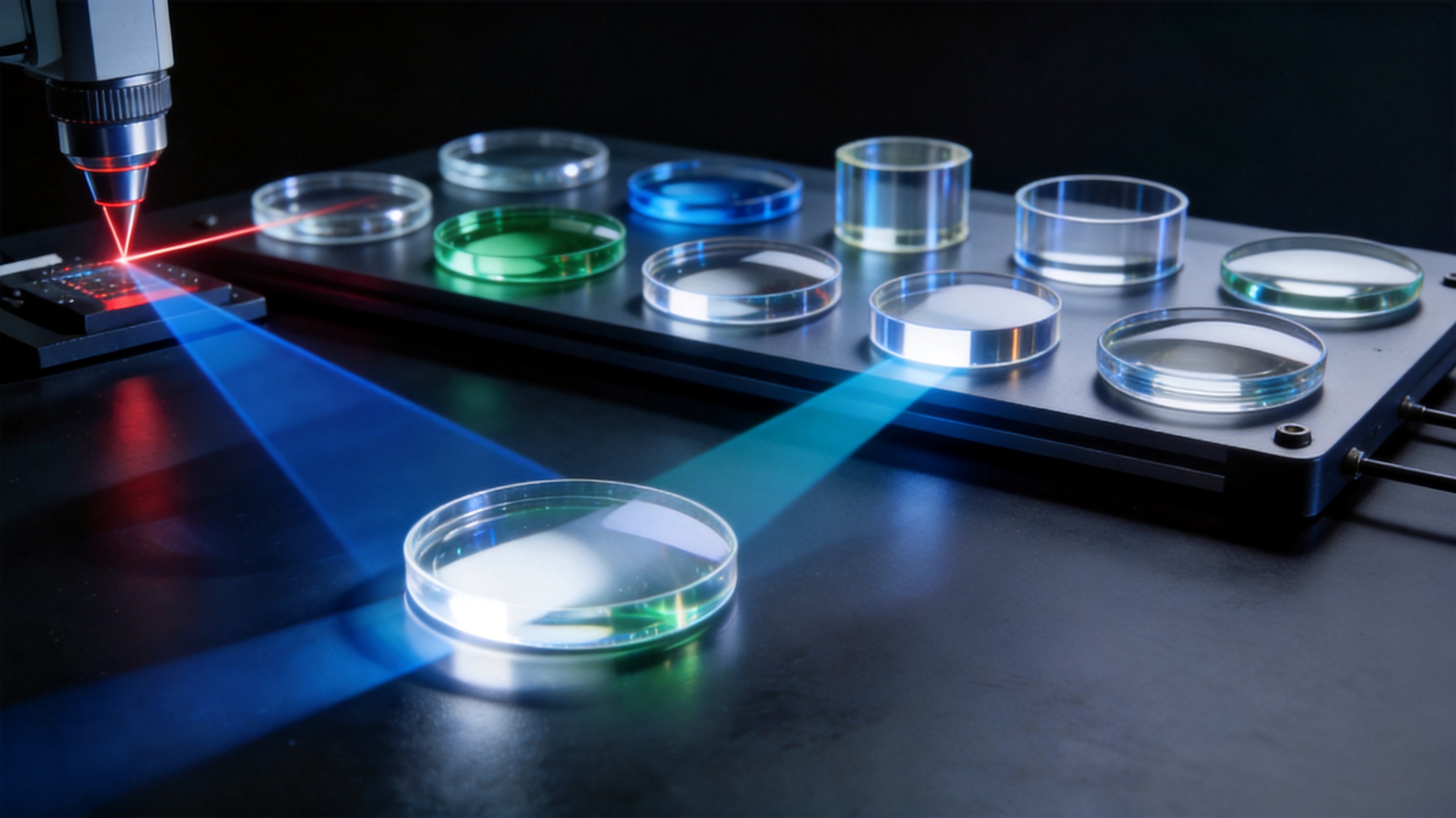
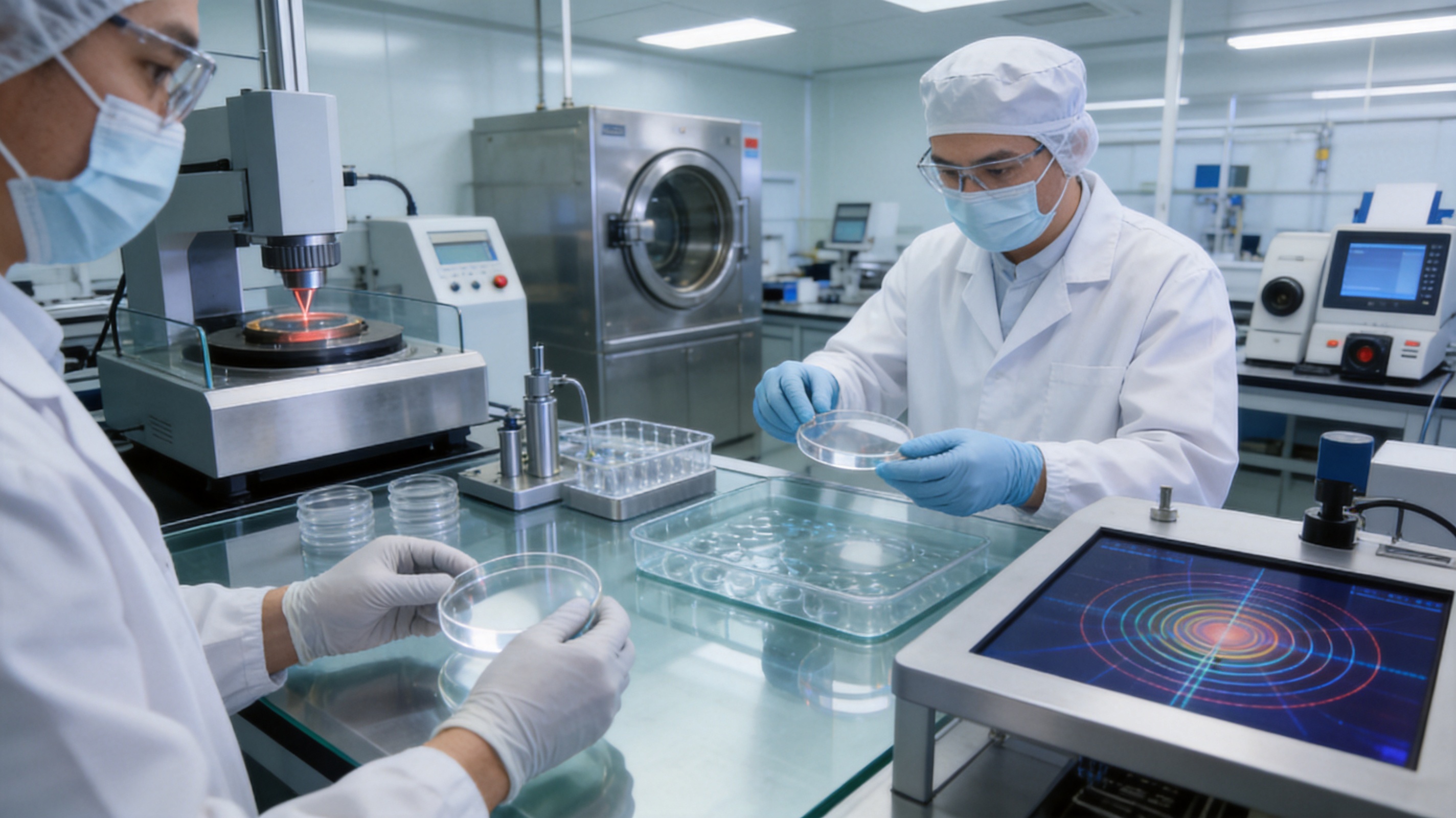
Polishing is one of the most critical stages in optical lens manufacturing. It transforms a ground surface into a transparent optical surface with controlled figure and low roughness. Polishing may use pitch tools, polyurethane pads, computer-controlled polishing, or other specialized methods depending on lens type and precision level. The objective is to achieve the specified radius, surface accuracy, and surface quality without introducing edge roll-off, mid-spatial frequency errors, scratches, or contamination.
Surface figure is checked using interferometers, spherometers, profilometers, or other metrology tools. Skilled technicians adjust polishing parameters to correct high and low zones. For high-performance systems, polishing quality directly determines wavefront performance. A well-polished lens supports high-resolution imaging and stable laser propagation.
Centering and Edging
Once the optical surfaces meet requirements, the lens must be mechanically finished. Centering and edging align the mechanical outer diameter with the optical axis. The lens is rotated and ground to final diameter while maintaining centration accuracy. Bevels may be added to protect edges from chipping and to support safe handling and mounting. Edge blackening or special edge treatment may be requested for stray light control.
Accurate centering is a competitive differentiator. Many suppliers can polish a lens surface, but maintaining tight centration and dimensional tolerance in volume production requires strong process control. This is especially important for lens assemblies, automotive optical modules, and machine vision systems where alignment time must be minimized.
Cleaning and Surface Preparation
Before coating or final inspection, lenses must be thoroughly cleaned. Optical surfaces can be contaminated by polishing residues, particles, oils, moisture, and handling marks. Cleaning may include ultrasonic cleaning, deionized water rinsing, chemical cleaning, drying, and cleanroom handling. The cleaning process must remove contamination without damaging the polished surface.
Cleanliness is especially important before coating. Any particle or residue on the surface can create coating defects such as pinholes, nodules, stains, or adhesion failure. Manufacturers serving semiconductor and laser markets must maintain strict cleaning discipline to achieve reliable results.
Optical Coating Deposition
Coating deposition adds functional thin-film layers to the lens surface. Anti-reflective coatings are widely used to reduce Fresnel reflection and improve transmission. Coatings may be designed for a single wavelength, broad wavelength band, multiple wavelength bands, or specific incidence angles. Deposition technologies may include vacuum evaporation, ion-assisted deposition, magnetron sputtering, or other thin-film methods.
Advanced coating processes require precise control of layer thickness, refractive index, vacuum conditions, substrate temperature, and deposition rate. Thin-film design must also consider environmental durability, adhesion, abrasion resistance, spectral shift, and laser damage threshold. Coating inspection may include spectrophotometry, visual inspection, adhesion testing, humidity testing, and durability testing.
Final Inspection and Quality Assurance
Final inspection verifies whether each lens meets customer specifications. Inspection items may include diameter, center thickness, radius, surface quality, surface figure, centration, bevel, coating spectral performance, coating appearance, transmitted wavefront, and packaging cleanliness. For automotive or semiconductor projects, inspection documentation, lot traceability, and process records may be required.
Changzhou Haolilai Photo-Electricity Scientific and Technical Co., Ltd. supports precision manufacturing through quality systems and technical experience accumulated since 1998. Certifications such as ISO9001:2015, ISO14001:2015, and IATF16949 indicate a structured approach to quality management, environmental management, and automotive production requirements. These systems help customers reduce supplier risk and improve long-term production stability.
Company Strengths Supporting Optical Lens Production
A precision lens is only as reliable as the organization that produces it. The manufacturing partner must combine equipment, talent, quality culture, and application understanding. Changzhou Haolilai Photo-Electricity Scientific and Technical Co., Ltd. has developed strengths that support customers in high-performance optical markets.
Decades of Optical Manufacturing Experience
Founded in 1998, the company has spent more than two decades developing and producing precision optical components. Long-term experience matters because optical manufacturing involves many practical details that cannot be solved by equipment alone. Material behavior, polishing response, coating compatibility, cleaning methods, defect prevention, and tolerance balancing all require accumulated knowledge. Experience helps reduce trial-and-error cycles and supports faster project development.
The company exports to more than 20 countries, reflecting its ability to serve international customers and meet diverse technical expectations. Global customers often require clear communication, stable delivery, documentation support, and consistent quality. Experience in export markets strengthens the company’s ability to work with optical engineers, purchasing teams, and quality departments across different industries.
Strong Technical and Research Capabilities
The company has an experienced technical team and has established the Jiangsu Precision Optical Lens Engineering Technology Center and Jiangsu Enterprise Technology Research Center. These platforms support optical process development, new product introduction, technical problem solving, and continuous improvement. The company has also obtained multiple invention patents, utility model patents, and recognized high-tech products, demonstrating a commitment to innovation.
For customers, this means the supplier is not limited to simple drawing-based production. It can support manufacturability analysis, tolerance discussion, coating selection, process optimization, and production scaling. Technical support is particularly important when a project involves unusual materials, strict optical performance, miniaturized components, or high-volume production requirements.
Certified Quality Management
Quality certifications are not just marketing statements; they represent a framework for production control, corrective action, documentation, training, supplier management, and customer feedback. ISO9001:2015 supports general quality management. ISO14001:2015 demonstrates environmental management awareness. IATF16949 is especially important for automotive-related products because it emphasizes defect prevention, variation reduction, traceability, and continuous improvement.
Automotive optical components must meet demanding reliability requirements. They may be used in head-up displays, interior sensing, driver monitoring systems, ambient lighting modules, camera systems, or other optical assemblies. A manufacturer with IATF16949 experience is better prepared to support automotive customers with production part approval processes, risk analysis, control plans, and process validation.
Broad Optical Component Portfolio
Although this article focuses on optical lenses, the company’s product categories include optical flat mirrors, wafers, automotive interior glass structural components, optical prisms, optical spherical mirrors, optical lenses, and other optical components. A broad portfolio is advantageous because many optical systems require multiple component types. A single supplier capable of manufacturing lenses, mirrors, prisms, and flat components can support integrated projects and reduce sourcing complexity.
This breadth also indicates process versatility. Lenses require curvature control, mirrors require reflective coating and flatness, prisms require angular accuracy, wafers require surface precision and cleanliness, and automotive glass components require structural and environmental reliability. Experience across these categories strengthens the company’s overall competence in precision optics.
Applications of Precision Optical Lenses
Precision optical lenses serve a wide range of industries. Each application has different performance priorities, and the ability to adjust material, geometry, coating, and tolerance is essential.
Laser Optics
In laser systems, lenses are used for focusing, collimating, beam expanding, beam reducing, and beam delivery. Applications include laser cutting, laser welding, laser marking, medical laser devices, scientific research, lidar, and laser measurement. Laser lenses must have high transmission at the operating wavelength, low absorption, low scatter, and suitable coating durability. For high-power lasers, thermal stability and laser damage threshold are critical.
A precision lens improves laser spot quality and energy concentration. Poor lenses may introduce aberrations that enlarge the focal spot, reduce processing accuracy, or create unstable beam profiles. Surface defects and coating absorption can lead to localized heating and damage. Therefore, laser optics customers often require strict surface quality, coating certification, and stable manufacturing records.
Automotive Optics
Automotive optical systems are rapidly expanding. Modern vehicles use optical components for sensing, display, lighting, camera monitoring, driver assistance, interior interaction, and safety systems. Optical lenses in vehicles must withstand temperature cycling, vibration, humidity, and long service life expectations. They must also be suitable for mass production and stable assembly.
Automotive interior glass structural components and optical lenses may be used together in smart cockpit systems, displays, sensors, and decorative functional modules. The company’s IATF16949 certification and experience in automotive optics provide a strong foundation for supporting such applications. Customers benefit from supplier familiarity with automotive quality documentation, traceability, and reliability requirements.
Semiconductor Optics
Semiconductor manufacturing and inspection require high-precision optical components. Lenses may be used in wafer inspection, alignment systems, metrology tools, laser processing equipment, and optical measurement modules. These applications often require strict cleanliness, stable optical performance, and minimal defects. Because semiconductor processes are sensitive to contamination and measurement error, lens quality directly influences equipment performance.
Precision lenses for semiconductor applications may require special materials, high surface quality, low wavefront distortion, and controlled coating characteristics. The ability to manufacture wafers and precision optical components gives the company relevant process experience for this demanding market.
Consumer Optics
Consumer optical products include cameras, projectors, sensors, augmented reality devices, smart home devices, and portable imaging systems. These markets often require a balance between optical performance, compact size, appearance quality, and cost efficiency. Precision manufacturing helps maintain product performance while supporting scalable production.
For consumer optics, lens consistency is essential because small variations may affect focus, image color, assembly yield, or user experience. A reliable manufacturer can support prototypes, pilot production, and mass production with controlled quality and delivery.
Industrial Vision and Measurement
Machine vision systems depend on optical lenses for accurate image capture. Industrial inspection, robotics, automation, barcode reading, dimensional measurement, and defect detection all require stable image quality. Lenses must maintain resolution, contrast, and geometric accuracy across the field of view. In measurement systems, distortion control and repeatability are especially important.
Precision optical lenses help machine vision systems detect smaller defects, measure more accurately, and operate reliably under industrial conditions. Coatings can be optimized to match illumination wavelengths, such as visible, near-infrared, or ultraviolet lighting.
Medical and Scientific Instruments
Medical imaging devices, diagnostic instruments, laboratory analyzers, microscopes, spectroscopy systems, and optical sensors require high-quality lenses. In medical applications, reliability and consistency are crucial because optical performance can affect diagnostic results. In scientific instruments, lenses must support accurate measurement and repeatable experiments.
Custom optical lenses may be designed for fluorescence imaging, laser excitation, endoscopic modules, or compact analytical systems. Material selection, coating performance, and cleanliness are often key considerations.
How Precision Lenses Improve Customer Products
Customers often evaluate optical lenses by unit price, but the true value of a lens is measured by its impact on the entire product. A high-quality lens can reduce system-level cost by improving performance, simplifying alignment, reducing rejects, and increasing reliability.
Improved Optical Performance
Better surface figure, surface quality, and coating performance lead to sharper images, stronger signals, cleaner beams, and improved measurement accuracy. This allows customers to design products with higher specifications and stronger market competitiveness.
Reduced Assembly Time
Accurate centration and mechanical dimensions help lenses fit correctly into mechanical assemblies. This reduces adjustment time, improves assembly yield, and supports automation. In high-volume production, even small reductions in assembly time can create significant cost savings.
Lower Failure Risk
Defects such as coating delamination, edge chips, stress cracks, and surface contamination can cause product failures. Precision manufacturing and quality assurance reduce these risks. For automotive and industrial systems, lower failure risk improves customer reputation and reduces warranty cost.
Better Long-Term Supply Stability
A supplier with mature production systems can support repeat orders and product lifecycle requirements. Stable supply is especially important for automotive, semiconductor, and industrial customers whose products may remain in production for many years. Long-term process control ensures that replacement batches continue to match original specifications.
Design Considerations When Selecting an Optical Lens
Choosing the correct optical lens requires more than specifying diameter and focal length. Engineers should consider optical, mechanical, environmental, and production factors. Early communication with the manufacturer can prevent design problems and improve manufacturability.
Wavelength Range
The operating wavelength determines material and coating selection. A lens designed for visible light may not perform well in ultraviolet or infrared systems. Material transmission, refractive index, and coating design must match the wavelength range. For multi-wavelength systems, chromatic aberration and coating bandwidth must be considered.
Focal Length and Optical Power
Focal length affects system size, magnification, working distance, and beam convergence. Short focal lengths may require stronger curvature and may introduce more aberration. Long focal lengths may require larger system space. The manufacturer can advise whether the desired geometry is practical within tolerance and cost targets.
Surface Quality
Surface quality is often specified using scratch-dig standards. Laser systems typically require stricter surface quality than general imaging systems because defects can scatter light and trigger damage. Surface quality requirements should be matched to the actual application. Overly strict requirements may increase cost unnecessarily, while loose requirements may compromise performance.
Surface Figure and Wavefront
Surface figure tolerance determines how accurately the lens bends light. For high-resolution imaging or laser beam shaping, tighter surface figure may be needed. Customers should specify whether surface accuracy, transmitted wavefront, or both are required. This helps the manufacturer choose appropriate inspection methods.
Centration and Wedge
Centration is critical when lenses are mounted into precision assemblies. Wedge can cause beam deviation and alignment issues. Mechanical design should define reference surfaces and tolerances clearly. If a lens will be bonded, clamped, or press-fitted, edge geometry and bevel requirements should also be discussed.
Coating Requirements
Coating specifications should include wavelength range, reflectance or transmission target, angle of incidence, polarization, environmental requirements, and durability standards. For laser applications, laser damage threshold should be discussed. For outdoor or automotive systems, humidity, temperature cycling, and abrasion resistance may be important.
Production Volume and Quality Documentation
Prototype quantities may be produced with flexible processes, but mass production requires stable control plans, inspection standards, packaging methods, and delivery schedules. Customers should communicate expected annual volume, quality documentation needs, and acceptance criteria early in the project.
Why Choose a Specialized Precision Optical Lens Manufacturer
The market contains many optical component suppliers, but not all are suitable for demanding projects. A specialized manufacturer provides deeper process knowledge, stronger quality control, and more flexible customization. This is especially important when the lens is part of a high-value system.
Changzhou Haolilai Photo-Electricity Scientific and Technical Co., Ltd. offers several competitive strengths. The company has a long history in optical component manufacturing, a large production area of 35,000 square meters, more than 300 employees, recognized high-tech enterprise status, research and engineering centers, numerous certificates and patents, and exports to more than 20 countries. These factors show both capacity and technical depth.
Compared with competitors that focus only on trading or simple standard components, a manufacturing-based company can control the production process directly. Direct process control improves communication, shortens feedback loops, and supports custom requirements. Customers can benefit from engineering collaboration, more stable quality, and better alignment between design intent and final production.
The company’s focus areas, including laser optics, automotive optics, semiconductor optics, and consumer optics, correspond to markets that demand precision and reliability. This application diversity allows the company to transfer knowledge between industries. For example, cleanliness practices from semiconductor optics can support high-end imaging, while automotive quality management can improve mass production discipline for consumer products.
Packaging, Handling, and Delivery Considerations
Even a perfectly manufactured optical lens can be damaged by poor handling or packaging. Precision lenses require careful protection from scratches, moisture, contamination, impact, and electrostatic or environmental exposure where relevant. Proper packaging may include clean lens paper, individual containers, vacuum packaging, desiccants, foam holders, trays, or custom packaging for automated assembly lines.
Handling procedures should prevent fingerprints, dust, and edge damage. Operators should use gloves, clean tools, and controlled environments. For coated lenses, packaging materials must not outgas or contaminate the coating surface. For international shipment, packaging must resist vibration and shock during transport.
A professional manufacturer understands that delivery quality includes more than passing final inspection. Products must arrive in usable condition, with labels, batch information, certificates, and inspection reports when required. This complete delivery approach reduces customer incoming inspection burden and supports smooth production.
Sustainability and Responsible Manufacturing
Modern optical manufacturing must consider environmental responsibility. Processes such as grinding, polishing, cleaning, and coating involve water, chemicals, energy, and waste management. ISO14001:2015 certification indicates that environmental management systems are in place. Responsible manufacturing helps reduce waste, improve resource efficiency, and support customers with sustainability goals.
Environmental management is also connected to process stability. Clean, organized, and well-controlled production environments reduce contamination and defects. Efficient use of materials and process optimization can lower scrap rates, which benefits both cost and sustainability. Customers increasingly prefer suppliers that combine precision manufacturing with responsible operational practices.
Future Trends in Optical Lens Development
The optical lens industry continues to evolve as applications become more advanced. Several trends are shaping future demand.
Higher Precision in Smaller Packages
Devices are becoming more compact, but optical performance expectations continue to rise. This requires tighter tolerances, advanced alignment, and lens designs that deliver more function in less space. Miniature lenses, special shapes, and integrated optical assemblies will become increasingly important.
Growth of Automotive Sensing and Smart Cockpits
Vehicles are becoming intelligent platforms with cameras, lidar, displays, gesture recognition, driver monitoring, and interior sensing. Optical lenses must support safety, comfort, and human-machine interaction. Automotive qualification and stable mass production will be essential supplier capabilities.
Expansion of Laser Processing
Laser manufacturing continues to grow in electronics, batteries, medical devices, aerospace, and precision metal processing. Higher laser power and shorter pulse durations create more demanding lens requirements. Coating quality, thermal control, and laser damage resistance will be key differentiators.
Semiconductor and Advanced Manufacturing Demand
As semiconductor devices become smaller and more complex, inspection and metrology systems require higher optical precision. Lenses used in these systems must meet strict cleanliness and wavefront requirements. Manufacturers with precision process control will be well positioned to support this growth.
More Customized Optical Solutions
Standard components will remain useful, but many high-value products need custom optics. Customers increasingly seek suppliers that can collaborate during design and provide manufacturable solutions. Custom lens design, coating optimization, and assembly compatibility will become increasingly important.
Quality-Oriented Procurement Guidance
When purchasing optical lenses, customers should evaluate suppliers based on more than price. A low-cost lens that causes poor yield, unstable performance, or field failure can become expensive. A quality-oriented procurement process should consider supplier capability, inspection methods, certifications, communication, and production experience.
Customers should provide clear drawings and specifications, including material, diameter, thickness, radius, surface quality, surface figure, centration, bevel, coating, wavelength, environmental requirements, and packaging needs. If specifications are incomplete, the manufacturer should be able to ask relevant technical questions and help refine the design.
Sample evaluation should include both optical performance and mechanical fit. For production projects, customers should request batch consistency data, inspection reports, and packaging validation where necessary. Long-term cooperation with a capable manufacturer often results in better quality, faster development, and more competitive final products.
Frequently Asked Questions
What is an optical lens?
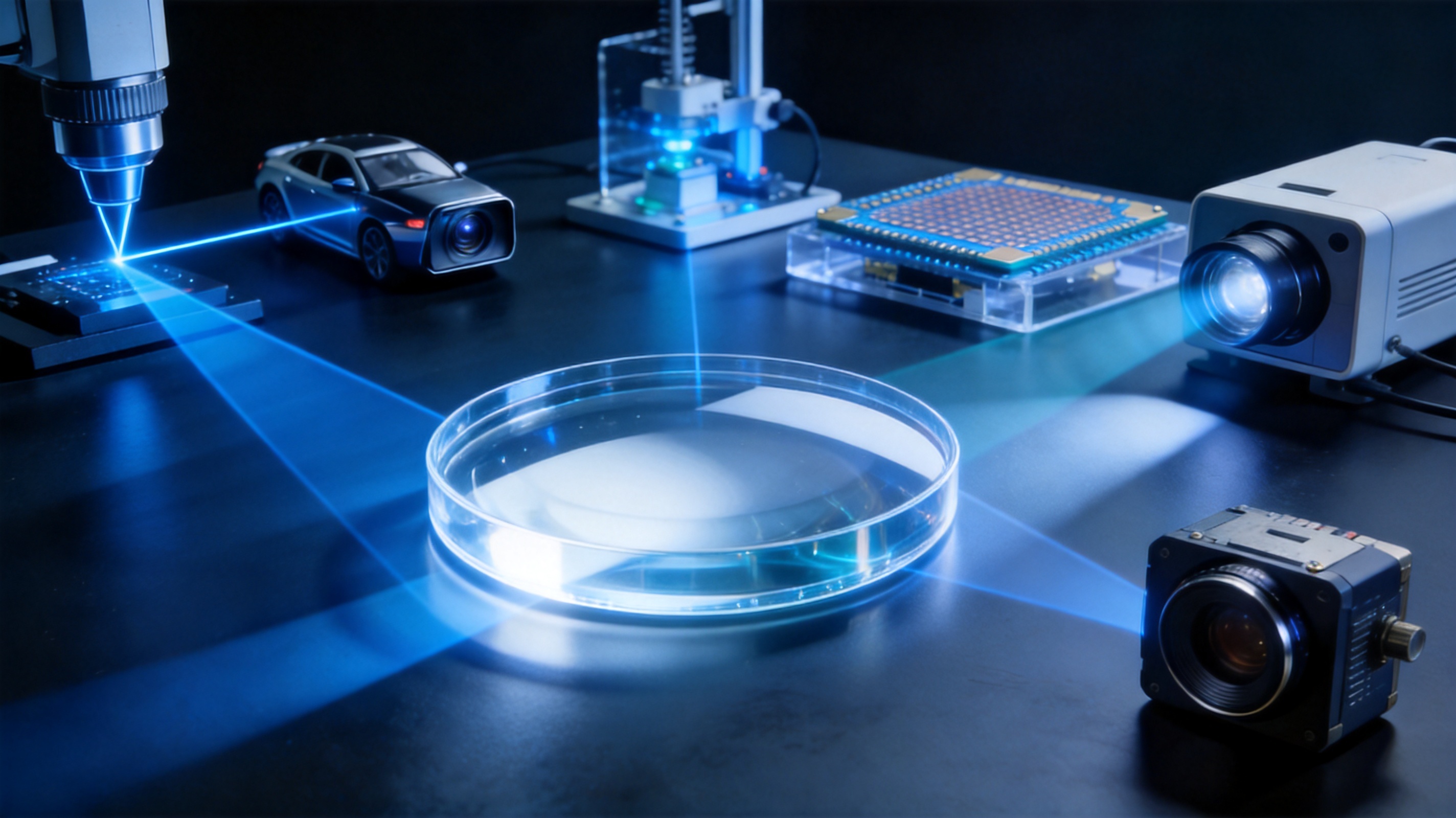
An optical lens is a transparent component with one or more curved or shaped surfaces designed to refract light. It can focus, diverge, collimate, image, or correct light depending on its design. Precision optical lenses are manufactured with tight control of material, surface figure, surface quality, centration, and coating performance.
What makes a precision optical lens different from a standard lens?
A precision optical lens is produced to stricter tolerances and is inspected more carefully. It generally offers better surface accuracy, lower scatter, improved transmission, tighter centration, and more consistent coating performance. These characteristics make it suitable for laser systems, automotive optics, semiconductor equipment, and high-resolution imaging.
Which materials are commonly used for optical lenses?
Common materials include optical glass, fused silica, borosilicate glass, and specialized optical materials for ultraviolet, visible, or infrared applications. The correct material depends on wavelength range, refractive index, dispersion, thermal properties, and environmental requirements.
Why is coating important for optical lenses?
Coating reduces reflection, improves transmission, protects surfaces, or adds special optical functions. Anti-reflective coatings are common, but coatings can also be designed for filtering, beam splitting, high reflection, or laser performance. A properly designed coating improves system efficiency and durability.
Can optical lenses be customized?
Yes. Precision optical lenses can be customized by material, diameter, thickness, radius, focal length, surface quality, surface accuracy, centration, edge shape, and coating. Customization is especially valuable for systems with unique wavelength, space, performance, or environmental requirements.
What information should be provided when requesting a quotation?
Useful information includes lens type, material, dimensions, radius or focal length, surface quality, surface figure, centration tolerance, coating requirements, wavelength range, quantity, application environment, drawing files, and inspection requirements. The more complete the information, the more accurate the technical evaluation and quotation will be.
Why is centration important?
Centration controls the alignment between the optical axis and mechanical axis of the lens. Poor centration can cause image shift, beam deviation, alignment difficulty, and reduced optical performance. Tight centration is especially important for lens assemblies, laser optics, and compact imaging systems.
Are precision optical lenses suitable for automotive applications?
Yes. Precision optical lenses can be used in automotive sensing, display, lighting, camera, and smart cockpit systems. Automotive applications require stable production, environmental reliability, and strong quality management. IATF16949 certification supports automotive-related manufacturing requirements.
How do precision lenses benefit laser systems?
Precision lenses help maintain beam quality, improve focusing accuracy, reduce scatter, and increase transmission. For high-power lasers, high-quality polishing and coating reduce absorption and damage risk. This improves processing stability and extends component life.
How does a manufacturer ensure batch consistency?
Batch consistency is achieved through controlled materials, documented processes, trained operators, calibrated equipment, in-process inspection, final inspection, and quality management systems. Statistical control and traceability further support stable production.
Conclusion
Precision optical lenses are critical components in advanced optical systems. Their performance affects image clarity, laser efficiency, sensing accuracy, measurement reliability, and product durability. Compared with ordinary lenses, precision lenses provide better control of surface figure, surface quality, centration, coating performance, and batch consistency. These advantages help customers improve system performance, reduce assembly difficulty, lower failure risk, and support demanding applications.
Changzhou Haolilai Photo-Electricity Scientific and Technical Co., Ltd. combines decades of optical manufacturing experience, advanced production capabilities, certified quality systems, research platforms, technical expertise, and a broad optical component portfolio. Its focus on laser optics, automotive optics, semiconductor optics, and consumer optics positions it as a strong manufacturing partner for customers seeking reliable optical lens solutions.
As photonics continues to expand into intelligent vehicles, semiconductor manufacturing, industrial automation, medical instruments, consumer electronics, and high-power laser processing, the demand for high-quality optical lenses will continue to grow. Selecting a specialized manufacturer with proven process control and engineering support is a strategic decision. A precision optical lens is not only a component; it is a foundation for better optical performance, stronger product competitiveness, and long-term system reliability.
References
Hecht, E. Optics. Pearson Education.
Smith, W. J. Modern Optical Engineering. McGraw-Hill Education.
Malacara, D. Optical Shop Testing. Wiley.
Bass, M., DeCusatis, C., Enoch, J., Lakshminarayanan, V., Li, G., MacDonald, C., Mahajan, V., and Van Stryland, E. Handbook of Optics. McGraw-Hill.
ISO 9001:2015 Quality Management Systems Requirements. International Organization for Standardization.
ISO 14001:2015 Environmental Management Systems Requirements. International Organization for Standardization.
IATF 16949 Automotive Quality Management System Standard. International Automotive Task Force.
Schroeder, D. J. Astronomical Optics. Academic Press.
MacLeod, H. A. Thin-Film Optical Filters. CRC Press.


 苏公网安备32041102000130号