
 Search
 en
en English
 日本語
日本語 русский
 Español
 Deutsch
 中文简体
中文简体Content
- 1 The Role of Glass Structural Components in Modern Automotive Interiors
- 2 Product Overview: Automotive Interior Glass Structural Components
- 3 Key Advantages Over Conventional Interior Materials and General Glass Suppliers
- 4 Manufacturing Strength Built on Precision Optical Experience
- 5 Advanced Production Process for Automotive Interior Glass Components
- 6 Quality Control and Inspection Discipline
- 7 Performance Characteristics That Matter in the Vehicle Cabin
- 8 Comparison of Precision Automotive Interior Glass and Alternative Solutions
- 9 Customization for Different Automotive Interior Designs
- 10 Design Integration With Displays, Touch Systems, and Smart Cabin Modules
- 11 Environmental and Quality Management Advantages
- 12 Why Precision Optical Manufacturing Matters for Automotive Glass
- 13 Application Scenarios in Modern Vehicles
- 14 From Prototype Development to Mass Production
- 15 Cost, Value, and Long-Term Reliability
- 16 Company Capability Supporting Automotive Interior Glass Projects
- 17 Q&A: Automotive Interior Glass Structural Components
- 17.1 What are automotive interior glass structural components?
- 17.2 Why use glass instead of plastic for interior control panels or displays?
- 17.3 What makes precision optical manufacturing important for this product?
- 17.4 Can the glass components be customized?
- 17.5 What coatings are commonly used on automotive interior glass?
- 17.6 How do these components improve the driving experience?
- 17.7 What quality certifications are relevant for automotive glass manufacturing?
- 17.8 What are the main reliability concerns for interior glass?
- 17.9 Are these components suitable for smart cockpit systems?
- 17.10 How should customers evaluate a supplier for automotive interior glass?
- 18 Conclusion
- 19 References
- 20 Product: Automotive Interior Glass Structural Components
Automotive interior glass structural components are becoming essential elements in the evolution of modern vehicle cabins. As automakers move from traditional mechanical interfaces to integrated digital cockpits, glass is no longer used only as a transparent protective cover. It has become a functional, structural, optical, and aesthetic material that supports displays, touch systems, lighting modules, control panels, sensing windows, and premium interior surfaces. High-quality interior glass components help create a cleaner design language, improve user interaction, protect sensitive electronics, and deliver the durability required for daily vehicle use.
In this field, precision optical manufacturing experience provides a major advantage. Automotive interior glass components must combine mechanical strength, dimensional accuracy, surface quality, optical performance, coating stability, and long-term reliability. A part may appear simple from the outside, but its production involves strict control of glass selection, cutting, grinding, polishing, chamfering, drilling, coating, inspection, cleaning, packaging, and traceability. For applications such as dashboard glass, center console glass, instrument cluster covers, intelligent control panels, touch display cover glass, and interior decorative glass structures, every detail affects both function and passenger experience.
Changzhou Haolilai Photo-Electricity Scientific and Technical Co., Ltd. focuses on precision optical components and applies its optical manufacturing foundation to automotive interior glass structural components. Founded in 1998 and located in Changzhou, Jiangsu, China, the company has developed capabilities in laser optics, automotive optics, semiconductor optics, and consumer optics. With certifications including ISO9001:2015, ISO14001:2015, and IATF16949, it is positioned to serve customers that require stable mass production, controlled quality systems, and engineering support for demanding automotive applications.
Automotive Interior Glass Structural Components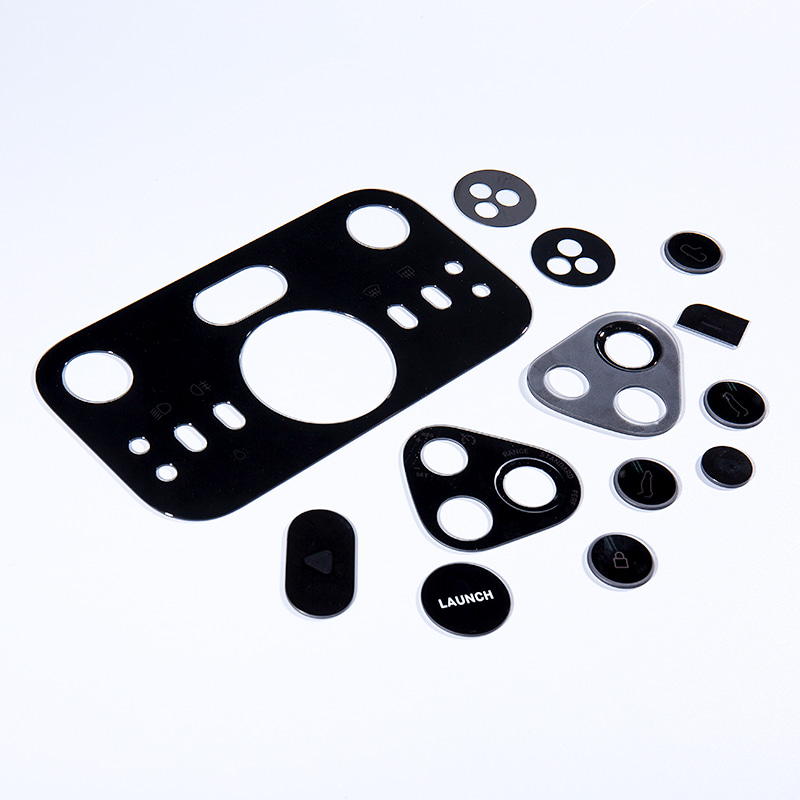
The Role of Glass Structural Components in Modern Automotive Interiors
The modern vehicle interior has changed dramatically in the past decade. Traditional knobs, buttons, and segmented displays are being replaced by seamless panels, large screens, intelligent surfaces, and integrated human-machine interfaces. Glass structural components play a central role in this transformation because they can provide a premium surface, precise optical transmission, high scratch resistance, stable flatness, and compatibility with electronic functions.
Unlike decorative plastic panels, automotive interior glass components offer a hard, smooth, and durable surface that resists abrasion from fingers, keys, cleaning cloths, and everyday contact. Glass also maintains a high-quality appearance over long service periods. It does not easily yellow, deform, or become dull under heat, light, or chemical exposure when processed and coated correctly. This makes it highly suitable for visible cabin areas where both appearance and reliability are important.
In addition, glass can serve as a structural cover for complex display and sensing assemblies. It protects LCD, OLED, mini-LED, touch, camera, infrared, and lighting modules while preserving the visual clarity and functional sensitivity required by the system. For cockpit display covers and interactive panels, the surface must allow accurate touch response, reduce glare, maintain color fidelity, and avoid distortion. These requirements are closely related to optical component manufacturing, where surface accuracy and defect control are fundamental.
Automotive interior glass can also support new design concepts such as hidden-until-lit displays, ambient lighting windows, integrated control surfaces, head-up display optical paths, and smart cabin sensing modules. As vehicles become more connected and intelligent, interior glass components are expected to perform multiple functions at once. They may need to be mechanically strong, optically transparent, electrically compatible, chemically stable, and visually attractive. This multi-functional demand creates a clear difference between ordinary glass processing and precision-engineered automotive glass component manufacturing.
Product Overview: Automotive Interior Glass Structural Components
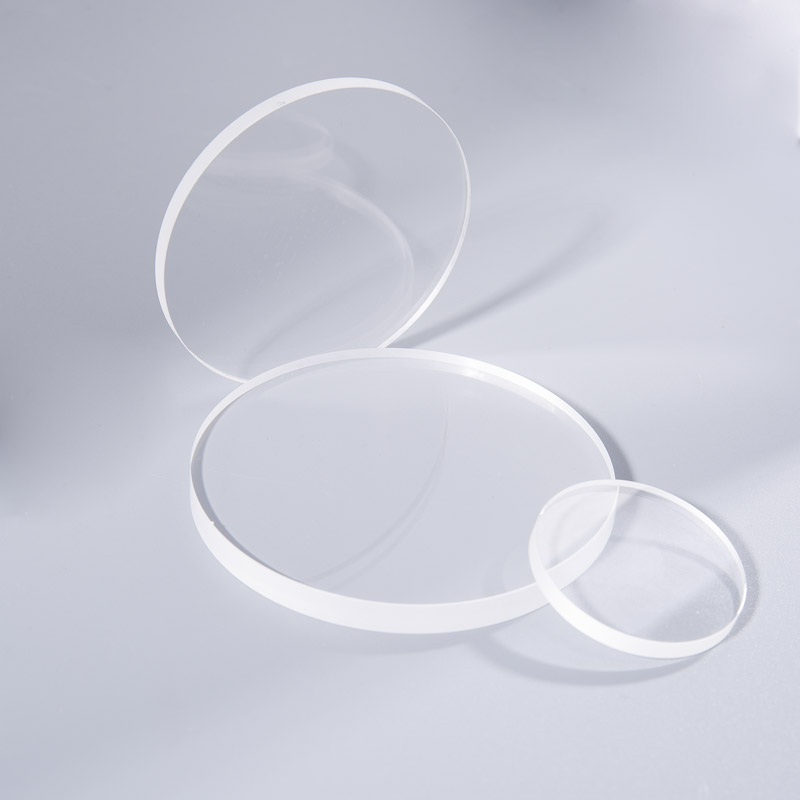
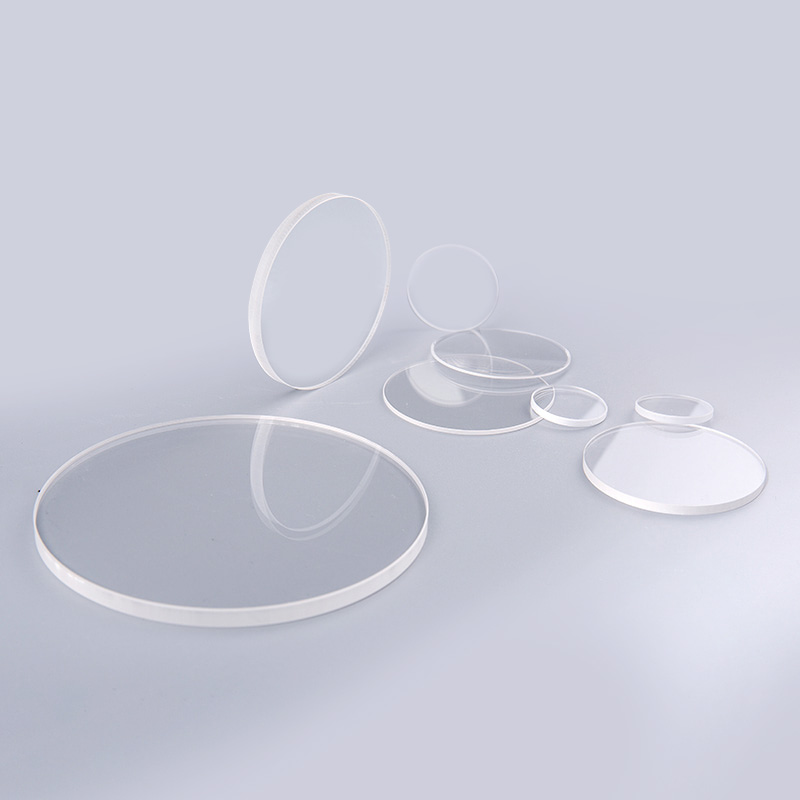
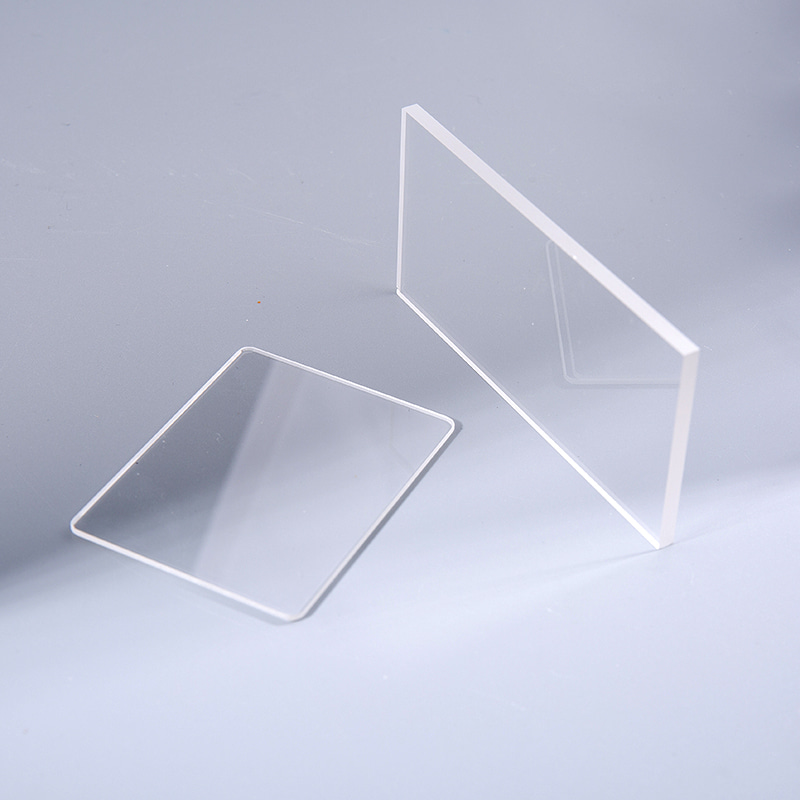
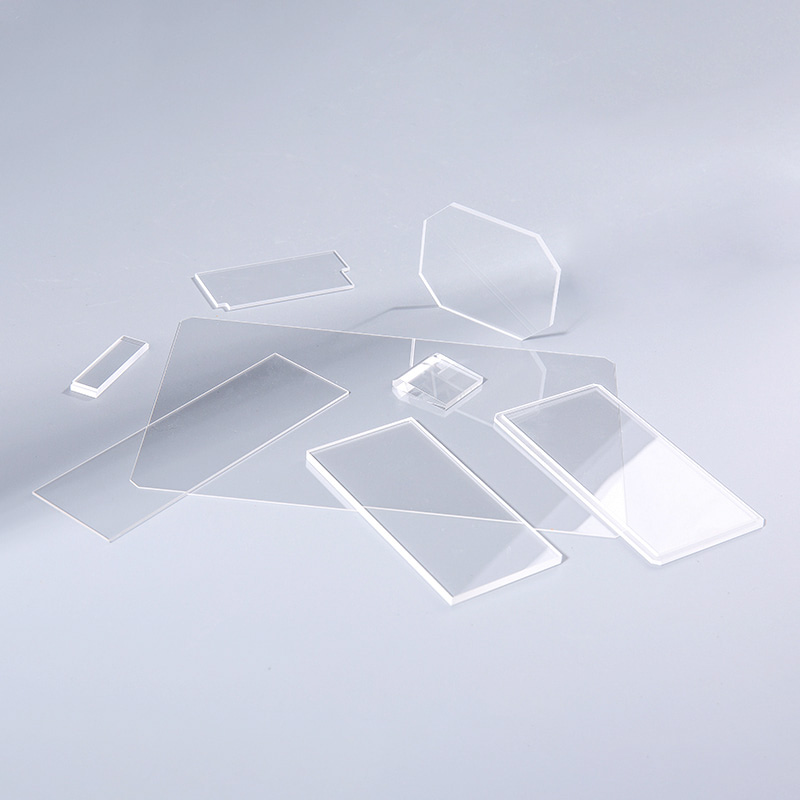
Automotive interior glass structural components are precision-processed glass parts designed for installation inside vehicles. They may be flat, curved, shaped, drilled, slotted, polished, printed, coated, or assembled according to customer design requirements. Their primary purpose is to provide a reliable glass interface or structural surface for interior systems, especially areas where display quality, tactile experience, safety, durability, and design integration are critical.
Typical applications include instrument panel glass, center information display cover glass, passenger display glass, rear-seat entertainment glass, smart control panel glass, gear selector touch panel glass, air-conditioning control glass, interior sensing module glass, decorative optical glass, and protective glass for in-cabin electronic devices. These components can be customized in size, thickness, shape, edge design, hole position, surface treatment, and coating specification.
A high-grade automotive interior glass component must satisfy several key requirements. First, it should have excellent dimensional accuracy so that it fits precisely into surrounding plastic, metal, or electronic assemblies. Second, it should offer high surface quality, with controlled scratches, digs, pits, chips, and contamination. Third, it should provide stable optical properties, such as high transmittance, low haze, controlled reflection, and accurate color performance. Fourth, it should withstand mechanical stress, thermal cycling, humidity, cleaning chemicals, vibration, and long-term use inside the vehicle.
For customers, the value of these components lies not only in the glass itself but also in the manufacturing discipline behind it. Automotive programs require repeatability from sample development to mass production. Every batch must meet drawings, specifications, functional requirements, and traceability rules. The supplier must understand automotive quality expectations, engineering change control, inspection documentation, process capability, and defect prevention. This is where a manufacturer with optical precision experience and automotive certification can provide measurable advantages.
Key Advantages Over Conventional Interior Materials and General Glass Suppliers
Automotive interior glass structural components provide several advantages over conventional materials such as plastic, acrylic, ordinary tempered glass, or low-precision decorative glass. The most obvious advantage is surface hardness. Glass is naturally more resistant to scratches than many polymer materials. In a vehicle cabin, surfaces are frequently touched, cleaned, and exposed to dust or small abrasive particles. A glass control panel or display cover can maintain a premium appearance for years, while softer materials may show wear more quickly.
Another advantage is optical stability. Plastic materials may suffer from birefringence, haze, yellowing, surface waviness, or reduced clarity under temperature and ultraviolet exposure. Precision glass components can maintain clearer transmission and more consistent optical performance. For display applications, this helps preserve brightness, contrast, color quality, and viewing comfort. For sensing windows, it helps maintain accurate signal transmission for cameras, infrared sensors, or optical modules.
Glass also supports premium interior design. It can create a seamless, glossy, matte, anti-glare, or coated surface that matches luxury vehicle styling. It can be combined with printing, coating, edge finishing, and special shapes to achieve clean integration with dashboards and control panels. Compared with fragmented assemblies made from multiple materials, a well-designed glass structural component can reduce visual complexity and improve perceived quality.
Compared with general glass suppliers, precision optical component manufacturers can provide tighter control over flatness, surface defects, edge quality, coating performance, and inspection methods. General suppliers may focus mainly on cutting and shaping, while automotive interior optical glass requires deeper understanding of light transmission, reflection, cosmetic standards, dimensional tolerances, and functional reliability. This distinction becomes important when glass is placed over a high-resolution display, a touch sensor, or an optical sensing module.
Another competitive advantage is process integration. When cutting, grinding, polishing, coating, and inspection are managed through a disciplined system, the final product is more consistent. Poor edge processing can create stress concentration and breakage risk. Poor cleaning can leave contamination that affects bonding or display appearance. Poor coating control can cause color shift, reflection problems, or durability failures. Integrated precision manufacturing reduces these risks and supports stable quality from prototype to volume production.
Manufacturing Strength Built on Precision Optical Experience
The production of automotive interior glass structural components benefits strongly from a company background in precision optical components. Optical manufacturing requires meticulous control of material properties, surface accuracy, polishing quality, cleanliness, coating uniformity, and metrology. These capabilities can be transferred to automotive glass components, especially when the parts must serve both structural and optical roles.
Changzhou Haolilai Photo-Electricity Scientific and Technical Co., Ltd. has experience in optical flat mirrors, wafers, optical prisms, optical spherical mirrors, optical lenses, and other precision optical components. This broad product foundation helps support complex glass processing because many core principles are shared across optical applications. For example, a display cover glass may not require the same wavefront precision as a laser optic, but the discipline of controlling surface defects, flatness, and cleanliness remains highly valuable. Similarly, experience with coated optical components supports the development of anti-reflective, anti-glare, or functional surface treatments for automotive interiors.
The company operates in a 35,000-square-meter facility and has more than 300 employees. Its technical resources include an experienced engineering team and established research platforms such as the Jiangsu Precision Optical Lens Engineering Technology Center and the Jiangsu Enterprise Technology Research Center. These capabilities support product development, process optimization, testing, and customer-specific engineering. In automotive programs, such support can shorten development cycles and improve the transition from design intent to manufacturable parts.
The company’s certifications, including ISO9001:2015, ISO14001:2015, and IATF16949, are also important strengths. ISO9001 supports quality management discipline, ISO14001 reflects environmental management responsibility, and IATF16949 is especially relevant for automotive supply chains. Automotive customers generally require suppliers to demonstrate structured process control, risk analysis, corrective action systems, traceability, and continuous improvement. These systems help reduce production variation and support long-term cooperation.
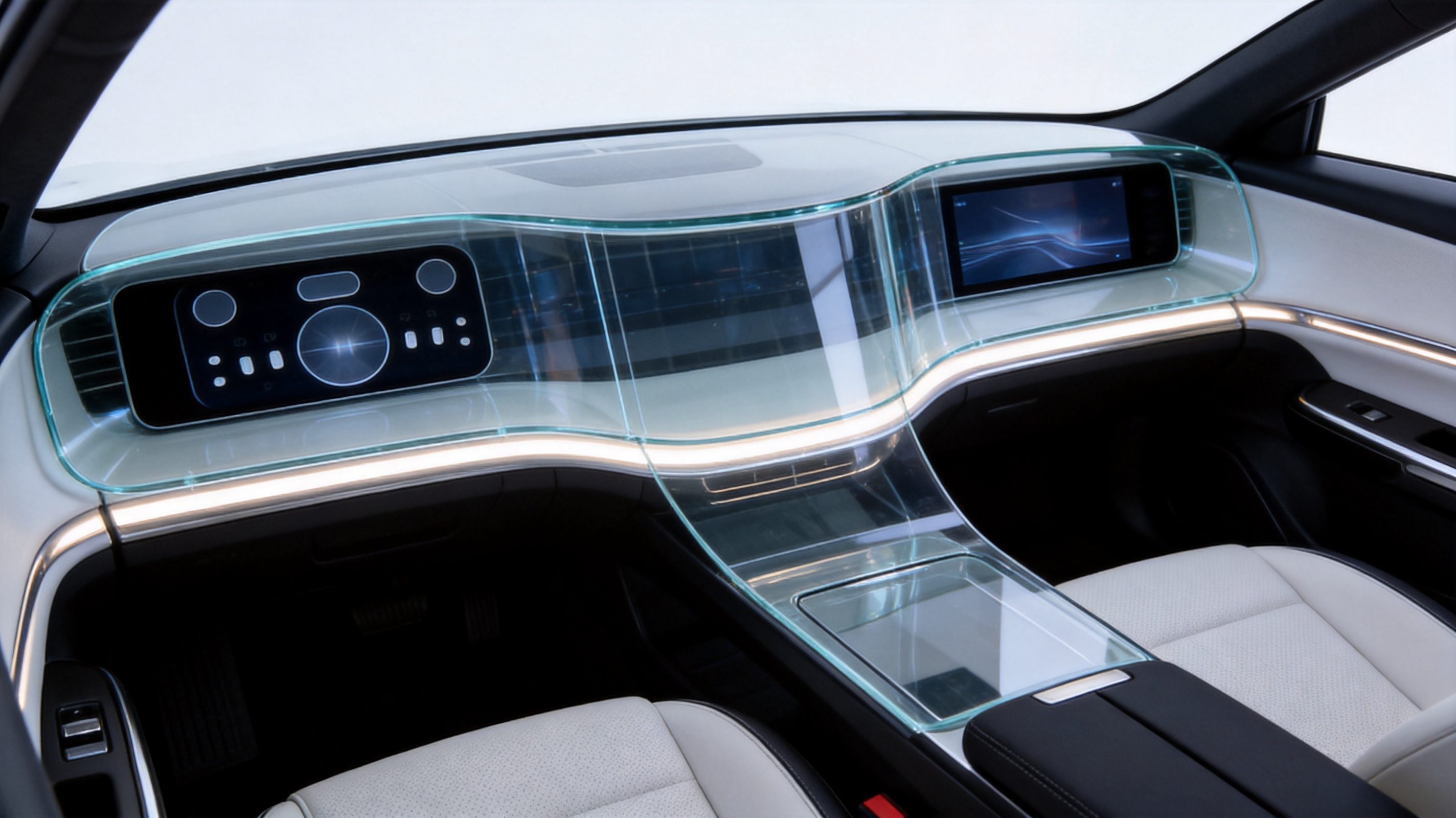
Advanced Production Process for Automotive Interior Glass Components
The manufacturing process for automotive interior glass structural components begins with material selection. The choice of glass depends on application requirements such as strength, thickness, optical clarity, thermal performance, chemical resistance, and processing compatibility. For interior applications, the material must meet both functional and safety expectations. It may need to support strengthening, printing, coating, bonding, or assembly with electronic modules.
After material selection, cutting and shaping are performed according to customer drawings. The geometry of automotive interior glass is often more complex than a simple rectangle. It may include curved outlines, narrow sections, holes, slots, notches, and special mounting features. Precision cutting reduces material waste and helps establish a stable foundation for later processes. Accurate shaping is especially important because the glass must fit into tight cabin assemblies without interference, excessive gaps, or misalignment.
Edge grinding and chamfering are critical for safety and strength. Sharp or poorly processed edges can create stress points, increase breakage risk, and compromise user safety. A well-controlled edge profile improves handling, assembly, and long-term durability. Depending on the design, the edge may be polished, beveled, rounded, or specially shaped. Consistent edge quality also improves the visual appearance of exposed glass components in premium interiors.
Surface polishing and finishing help achieve the required smoothness, clarity, and cosmetic quality. For parts used over displays or control panels, surface defects can be highly visible under lighting. Scratches, pits, digs, stains, and waves can reduce user satisfaction and affect optical performance. Precision polishing and strict inspection help prevent these issues. The goal is not only to make the glass look clean but also to ensure that it performs correctly when integrated with displays, touch sensors, or lighting systems.
Drilling, slotting, and special feature processing may be required for mounting, cable routing, alignment, sensors, buttons, or decorative integration. These features must be produced with high positional accuracy and minimal edge damage. Poorly processed holes can become crack origins under vibration or thermal stress. Therefore, machining parameters, tool selection, cooling, cleaning, and inspection must be carefully controlled.
Coating and surface treatment are important value-adding processes. Automotive interior glass may require anti-reflective coating to reduce glare, anti-glare treatment to improve viewing comfort, anti-fingerprint coating to reduce visible smudges, hydrophobic or oleophobic treatment for easier cleaning, or other functional coatings depending on application needs. Coating uniformity, adhesion, abrasion resistance, chemical durability, and color consistency are key evaluation points. Optical coating experience is a major advantage because coating defects can directly influence customer perception and system performance.
Cleaning and packaging are often underestimated, but they are essential for high-end glass components. Dust, particles, oil, and residue can cause defects during bonding, lamination, display assembly, or final vehicle integration. A disciplined cleaning process and protective packaging system help preserve glass quality during storage and transportation. For automotive customers, packaging must also support handling efficiency, traceability, and damage prevention.
Quality Control and Inspection Discipline
Automotive interior glass structural components require strict quality control throughout the entire production chain. Inspection cannot be limited to the final stage because defects introduced early in the process may become more difficult or costly to correct later. Effective quality management includes incoming material inspection, in-process dimensional checks, surface defect monitoring, edge quality evaluation, coating verification, reliability testing, and final outgoing inspection.
Dimensional inspection verifies length, width, thickness, hole position, radius, chamfer size, curvature, and other drawing requirements. Precision is essential because glass components are often assembled with displays, plastic frames, metal brackets, adhesive layers, or electronic modules. Even small dimensional deviations can affect assembly yield or cause stress after installation.
Surface inspection focuses on scratches, chips, pits, digs, stains, inclusions, coating marks, and other cosmetic defects. In a vehicle interior, the glass is directly visible to the driver and passengers, so appearance standards are demanding. Inspection conditions must be carefully defined, including lighting angle, viewing distance, background, magnification, and acceptance criteria. Consistency in inspection judgment is essential for stable customer satisfaction.
Optical inspection may include transmittance, reflectance, haze, color difference, coating uniformity, and visual distortion assessment. For display cover glass, high haze or uneven reflection can reduce readability. For sensing windows, optical variation can affect signal accuracy. For decorative glass, color deviation can cause mismatch with surrounding trim. These factors require both measurement equipment and experienced judgment.
Reliability testing evaluates performance under automotive conditions. Components may be exposed to thermal cycling, high temperature, low temperature, humidity, vibration, abrasion, chemical cleaning agents, and adhesive compatibility tests. The purpose is to ensure that the part remains stable throughout vehicle service life. Coatings should not peel, discolor, or lose function prematurely. Edges should not crack under normal assembly stress. Surfaces should maintain acceptable appearance after repeated use and cleaning.
The company’s automotive quality system supports traceability, process control, corrective action, and continuous improvement. For customers, this means that quality is managed systematically rather than reactively. When a project moves from prototype to mass production, the ability to maintain stable quality over large quantities becomes a decisive competitive factor.
Performance Characteristics That Matter in the Vehicle Cabin
Automotive interiors expose glass components to a unique combination of challenges. The cabin may experience high temperatures when parked under sunlight, low temperatures in winter, rapid temperature changes during climate control operation, repeated human touch, cleaning chemicals, dust, vibration, and long-term exposure to visible and ultraviolet light. A successful glass component must withstand these conditions without losing function or appearance.
Thermal stability is one of the most important characteristics. Interior surfaces near dashboards and windows can become hot under sunlight. Glass components must maintain dimensional stability, coating adhesion, and optical clarity under elevated temperature. They should also resist thermal shock when the cabin cools rapidly. Proper material selection and process control help minimize the risk of cracking, warping of assemblies, or coating degradation.
Mechanical durability is equally important. Interior glass may be touched thousands of times during vehicle use. It may be pressed during control operation, cleaned repeatedly, or exposed to accidental impact. Edge strength, surface integrity, thickness design, and strengthening strategy all influence durability. A polished, well-finished edge is not only attractive but also helps reduce failure risk.
Optical comfort affects the driver’s experience and safety. Excessive reflection from glossy interior surfaces can create glare, especially under sunlight or night lighting. Anti-reflective or anti-glare treatments can improve readability and reduce visual fatigue. For display cover glass, maintaining high contrast and low haze helps ensure that information is visible under different lighting conditions. For smart cockpit systems, optical performance is not a luxury feature; it is part of functional usability.
Chemical resistance also matters because vehicle interiors are cleaned with various agents. Users may apply alcohol-based cleaners, detergents, disinfectants, or specialized automotive care products. Glass and coatings must resist staining, clouding, peeling, or loss of surface function. Anti-fingerprint coatings should continue to perform after repeated wiping. This requires appropriate coating materials and durability testing.
Safety is another core requirement. Glass parts inside the vehicle should be designed and processed to minimize breakage risk and reduce sharp-edge hazards. Proper edge finishing, strength control, installation design, and material choice all contribute to passenger safety. Automotive interior glass components should be engineered as system parts rather than isolated decorative pieces.
Comparison of Precision Automotive Interior Glass and Alternative Solutions
| Evaluation Item | Precision Automotive Interior Glass Structural Components | Common Plastic or Acrylic Panels | General Decorative Glass Parts |
|---|---|---|---|
| Surface Durability | High hardness, strong scratch resistance, suitable for frequent touch and cleaning | More prone to scratches, haze, and surface wear over time | Better than plastic, but performance depends on processing quality |
| Optical Performance | Controlled transmittance, reflection, haze, flatness, and coating behavior | May show yellowing, birefringence, haze, or lower clarity | Often acceptable for decoration but less controlled for display or sensing use |
| Dimensional Precision | Manufactured according to tight automotive and optical requirements | Can be molded accurately but may deform under heat | May have wider tolerances depending on supplier capability |
| Premium Appearance | Supports seamless, high-end, modern cockpit design | May appear less premium after long-term use | Can appear premium but may lack functional consistency |
| Coating Options | Anti-reflective, anti-glare, anti-fingerprint, hydrophobic, oleophobic, and other functional treatments | Coating durability may be limited by substrate properties | Coating options may be available but with less optical process control |
| Automotive Reliability | Designed for thermal, humidity, vibration, abrasion, and chemical resistance requirements | Performance varies; heat and UV exposure can be challenging | Reliability depends heavily on supplier testing and process control |
| Supply Chain Suitability | Supported by automotive quality systems and traceability | Widely available, but high-end applications require strict validation | May be suitable for simple parts but less ideal for complex optical functions |
Customization for Different Automotive Interior Designs
Automotive interior glass structural components are rarely one-size-fits-all products. Each vehicle platform has its own styling, functional architecture, mounting structure, electronic interface, and environmental requirements. Therefore, customization is a major part of product value. A capable manufacturer must be able to understand customer drawings, discuss manufacturability, support prototype development, and adjust production processes for stable mass manufacturing.
Customization may begin with the glass outline. Some components require simple rectangular forms, while others use irregular contours to match dashboard curves, center console shapes, or integrated control areas. Rounded corners, special radii, notches, and holes may be needed for assembly. The challenge is to produce these features precisely while maintaining edge strength and cosmetic quality.
Thickness selection is another design factor. Thinner glass can reduce weight and support compact assemblies, while thicker glass may provide greater stiffness and a more substantial tactile feel. The appropriate thickness depends on part size, mounting method, impact requirements, optical function, and assembly design. Engineering support helps customers balance weight, strength, cost, and performance.
Surface treatment customization allows the same basic glass component to serve different interior concepts. A premium central display may require low-reflection coating and anti-fingerprint performance. A climate control panel may require a glossy black hidden display effect. A sensing module window may require specific transmission in visible or infrared bands. Decorative interior glass may need color matching, partial transparency, or special visual effects. These requirements demand precise process control and clear communication between customer and manufacturer.
Edge design can also be customized. Exposed glass edges may need high visual polish, while hidden edges may prioritize strength and assembly fit. Chamfer size, bevel angle, corner radius, and edge smoothness can all influence both appearance and reliability. A refined edge is especially important for luxury interiors where passengers can see or touch the component.
In addition, automotive customers may request custom packaging, labeling, inspection standards, and documentation. For mass production, these details help protect parts during transportation and simplify assembly plant operations. A strong supplier can support not only the physical product but also the complete delivery system required by automotive manufacturing.
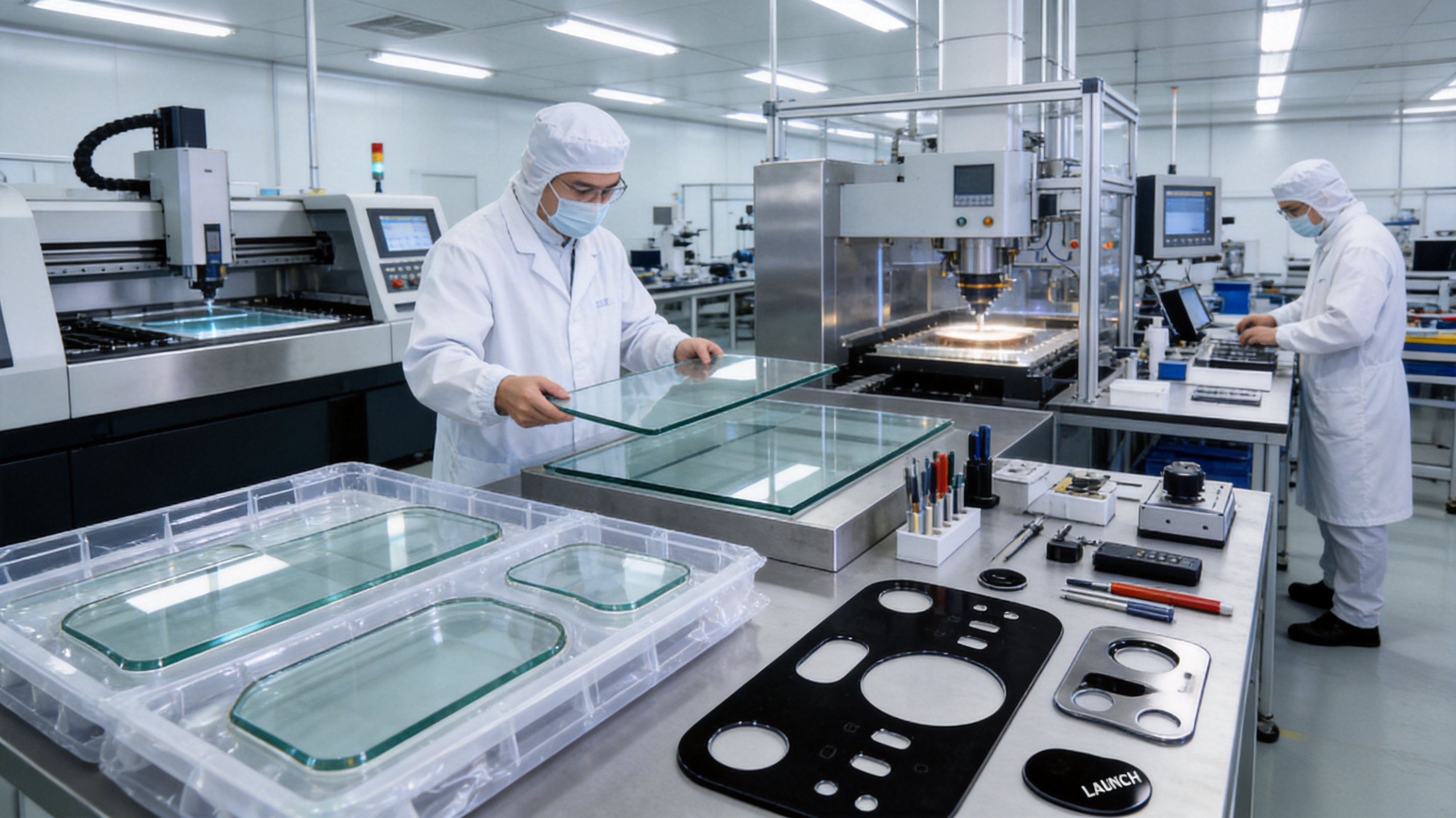
Design Integration With Displays, Touch Systems, and Smart Cabin Modules
One of the fastest-growing uses of automotive interior glass is integration with electronic display systems. The cockpit display has become a central user interface, and glass cover components directly influence how the driver and passengers perceive display quality. A high-quality glass cover can improve clarity, reduce reflection, protect the display stack, and provide a smooth touch surface. Poor glass quality, however, can reduce contrast, introduce distortion, or reveal defects under backlighting.
Touch systems require stable surface properties and precise dimensional control. The glass must support accurate touch sensitivity while protecting underlying sensors. Thickness, coating, surface cleanliness, and assembly method can influence touch response. If the glass is too variable or contaminated, bonding and sensor performance may be affected. Precision manufacturing helps reduce such risks.
Smart cabin modules may include cameras, infrared sensors, gesture recognition devices, driver monitoring systems, and ambient light sensors. Glass windows for these modules must transmit required wavelengths while blocking or controlling unwanted reflections. They may also need hidden appearance when the module is inactive. This requires optical knowledge beyond ordinary decorative glass processing. Experience in optical components, coatings, and precision inspection provides a strong foundation for such applications.
Interior lighting systems can also benefit from glass structural components. Glass can provide controlled light transmission, diffusion, reflection, or decorative illumination effects. It can be used in ambient lighting areas, illuminated logos, control panels, and premium trim features. Proper surface treatment and dimensional control ensure that the lighting effect remains consistent across parts and batches.
As vehicle interiors continue to merge electronics with design surfaces, the boundary between optical components and structural components becomes less distinct. A single glass part may serve as a protective cover, decorative element, optical window, touch interface, and mechanical support. This multi-functional role rewards suppliers that can combine engineering, precision processing, coating, and automotive quality management.
Environmental and Quality Management Advantages
Automotive customers increasingly evaluate suppliers not only by product quality but also by management systems, sustainability practices, and long-term reliability. ISO14001:2015 certification reflects an organized approach to environmental management. For glass processing, this may relate to resource use, waste management, chemical handling, energy efficiency, and process discipline. Responsible environmental management supports stable, professional operations and aligns with the expectations of global automotive supply chains.
ISO9001:2015 certification provides a quality management foundation, helping ensure that processes are documented, monitored, and improved. For customers, this reduces uncertainty and supports consistent communication. Quality management systems are especially important when multiple product types, custom specifications, and batch production schedules are involved.
IATF16949 certification is highly relevant because automotive programs require strong process discipline. It emphasizes defect prevention, risk-based thinking, process capability, traceability, supplier management, and continuous improvement. When producing automotive interior glass structural components, these requirements help ensure that each part is manufactured under controlled conditions and that any issues can be traced, analyzed, and corrected effectively.
Beyond certifications, the company’s long operating history and technical development provide confidence for customers seeking stable supply. Founded in 1998, the company has accumulated experience across multiple optical markets and exports to more than 20 countries. It has obtained multiple certificates and patents, supporting its position as a high-tech enterprise with sustained investment in engineering and innovation.
Why Precision Optical Manufacturing Matters for Automotive Glass
At first glance, automotive interior glass may seem unrelated to optical prisms, spherical mirrors, flat mirrors, wafers, or lenses. In reality, these product families share important manufacturing principles. Optical components require exact geometry, controlled surfaces, stable coatings, and accurate inspection. Automotive interior glass, especially for smart cockpits, requires many of the same capabilities adapted to larger, shaped, or customized structures.
Flatness control is one example. A cover glass used over a display must not introduce visible distortion or assembly stress. Optical manufacturing experience helps manage surface shape and polishing quality. Surface cleanliness is another example. Dust or residue that might be unacceptable on an optical lens can also cause serious problems in display bonding or sensor window assembly. Coating discipline is a third example. Anti-reflective and functional coatings must be uniform, durable, and visually consistent.
Precision optical manufacturing also supports problem-solving. When customers face issues such as glare, color shift, surface marks, bonding defects, or dimensional fit problems, a supplier with optical engineering knowledge can analyze root causes more effectively. The solution may involve changing polishing parameters, improving cleaning steps, adjusting coating design, modifying edge treatment, or refining inspection conditions. This engineering mindset is a key advantage over suppliers that only provide basic cutting and shaping.
In competitive automotive interiors, small details matter. The driver may notice a reflection on the display, a fingerprint-prone surface, a tiny edge chip, or an uneven black appearance. These details influence brand perception. Precision manufacturing helps control these details before the component reaches the assembly line.
Application Scenarios in Modern Vehicles
Automotive interior glass structural components can be used across many areas of the cabin. In the instrument cluster, glass protects the display and ensures clear visibility of driving information. In central control displays, it provides the main touch interface for navigation, entertainment, climate control, and vehicle settings. In passenger displays, it supports entertainment and information functions while maintaining a unified cockpit appearance.
In center consoles, glass can create a clean control surface for gear selection, drive mode selection, climate adjustment, seat controls, or multimedia operation. When combined with backlighting and hidden icons, the panel can remain visually minimal when inactive and become interactive when illuminated. This design approach is popular in intelligent and luxury vehicle interiors.
In rear-seat entertainment systems, glass cover components protect displays from frequent contact and provide a durable viewing surface. For family vehicles and premium passenger cars, scratch resistance and easy cleaning are important. Glass offers an advantage because rear-seat displays may be touched by passengers, children, or cleaning staff more often than traditional fixed screens.
In driver monitoring and sensing systems, glass windows can protect cameras or infrared sensors while preserving optical transmission. The window may need to blend into the interior trim while allowing accurate sensing. This combination of hidden design and optical function requires careful material and coating selection.
In decorative trim, glass can be used to create high-end visual effects, especially when combined with lighting, printing, or special surface textures. It can help create a modern cabin atmosphere that aligns with electric vehicles, premium models, and smart mobility concepts. The value of glass in this context is not only functional but also emotional, contributing to the user’s impression of quality and innovation.
From Prototype Development to Mass Production
The development path for automotive interior glass structural components usually begins with customer requirements and drawings. During the prototype stage, manufacturability review is important. The supplier evaluates glass type, thickness, geometry, tolerance, edge design, coating needs, inspection criteria, and potential risks. Early technical communication can prevent costly redesign later.
Prototype production allows customers to evaluate appearance, fit, optical performance, touch response, coating effect, and assembly compatibility. At this stage, feedback may lead to adjustments in edge treatment, surface finish, printing, coating, or dimensions. A responsive engineering team helps accelerate design validation and supports customer decision-making.
Once the design is approved, process development focuses on repeatability. Production parameters must be defined and controlled. Inspection methods must be standardized. Packaging must be tested. Traceability must be established. For automotive programs, documentation such as control plans, inspection records, failure mode analysis, and process capability data may be required depending on customer needs.
Mass production requires stable equipment, trained operators, preventive maintenance, quality monitoring, and timely communication. The challenge is not only to make a good sample but also to produce consistent parts over months and years. This is where company scale, quality systems, and process discipline become decisive strengths.
The ability to export to more than 20 countries also demonstrates experience with international customer expectations. Different markets may have different technical standards, documentation requirements, and communication styles. A supplier with global business experience is better prepared to support cross-border automotive supply chains.
Cost, Value, and Long-Term Reliability
Automotive purchasing decisions often involve cost comparison, but the lowest unit price does not always provide the lowest total cost. Interior glass components are visible, functional, and often integrated with expensive electronic modules. If a low-cost component causes assembly defects, display complaints, coating failures, breakage, or warranty issues, the total cost can become much higher than the initial savings.
Precision automotive interior glass provides value by reducing quality risks and improving user experience. Better dimensional accuracy can improve assembly yield. Better surface quality can reduce rejection rates. Better coating durability can reduce warranty complaints. Better edge strength can reduce breakage during handling and installation. Better optical performance can improve display readability and customer satisfaction.
Long-term reliability is especially important because vehicles are expected to perform for many years under varied climates and usage patterns. A glass component that looks excellent at delivery must continue to perform after heat exposure, cold starts, sunlight, humidity, vibration, cleaning, and repeated touch. This requires more than attractive appearance; it requires validated materials, stable processes, and quality control.
For premium vehicles, the interior experience strongly influences brand value. A flawless glass control panel can communicate advanced technology and craftsmanship. A scratched, reflective, distorted, or poorly fitted panel can create dissatisfaction even if the underlying electronics work properly. Therefore, investing in high-quality glass structural components supports both technical reliability and brand perception.
Company Capability Supporting Automotive Interior Glass Projects
Changzhou Haolilai Photo-Electricity Scientific and Technical Co., Ltd. brings together several strengths that are relevant to automotive interior glass structural components. Its long history in precision optical manufacturing provides technical depth. Its facility scale supports production capacity. Its experienced workforce supports process execution. Its certifications support automotive-grade management. Its research platforms support continuous development and problem-solving.
The company’s experience across laser optics, automotive optics, semiconductor optics, and consumer optics also provides a broad technical foundation. Automotive interior glass may require both consumer-level appearance quality and automotive-level reliability. It may also require optical coating knowledge and precision manufacturing similar to more specialized optical components. This cross-industry experience supports flexible solutions for customers developing smart cockpit systems and advanced interior designs.
With more than 30 certificates and patents, the company demonstrates ongoing technical investment. In fast-changing automotive interiors, innovation capability is important because customer requirements continue to evolve. Larger displays, curved panels, hidden interfaces, integrated sensors, and new lighting effects all create new manufacturing challenges. A supplier with engineering resources is better prepared to respond.
The company is located in Changzhou, Jiangsu, China, an industrial region with access to skilled manufacturing resources and supply chain infrastructure. Its address is No.10 Wangcai Road, Luoxi Town, Xinbei District, Changzhou, Jiangsu, China. Customers can contact the company by phone at +86-519-83200018 or by email at [email protected] for project discussions, specifications, and cooperation opportunities.
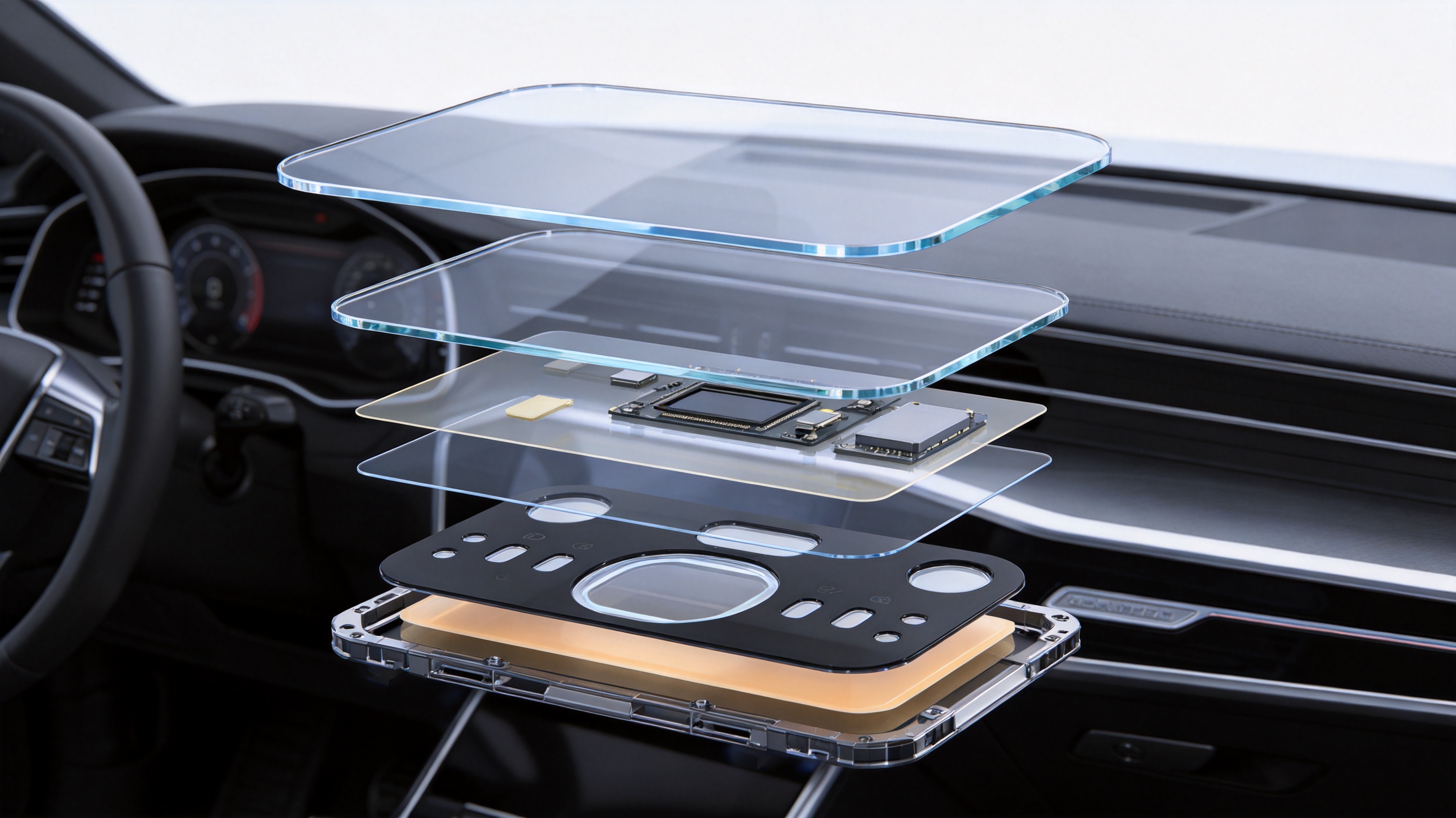
Q&A: Automotive Interior Glass Structural Components
What are automotive interior glass structural components?
They are precision-processed glass parts used inside vehicles for displays, touch panels, control surfaces, sensing windows, decorative structures, and protective covers. They combine mechanical support, optical performance, surface durability, and design value.
Why use glass instead of plastic for interior control panels or displays?
Glass provides higher scratch resistance, better optical clarity, stronger long-term appearance stability, and a more premium tactile feel. It is especially suitable for visible and frequently touched surfaces such as center displays, control panels, and smart cockpit interfaces.
What makes precision optical manufacturing important for this product?
Precision optical manufacturing supports tight control of surface quality, flatness, coating uniformity, cleanliness, and dimensional accuracy. These factors are critical when the glass is used over displays, sensors, touch modules, or illuminated interior systems.
Can the glass components be customized?
Yes. They can be customized by size, thickness, shape, edge design, hole position, surface finish, coating type, optical performance, and packaging requirements. Customization is usually based on customer drawings and application needs.
What coatings are commonly used on automotive interior glass?
Common coatings and treatments include anti-reflective coating, anti-glare treatment, anti-fingerprint coating, hydrophobic coating, oleophobic coating, and other functional optical coatings. The exact choice depends on display readability, touch use, cleaning requirements, and design goals.
How do these components improve the driving experience?
They improve display clarity, reduce glare, create a smoother touch interface, protect electronic systems, and contribute to a clean, modern cabin appearance. High-quality glass also helps maintain a premium look after long-term use.
What quality certifications are relevant for automotive glass manufacturing?
ISO9001:2015, ISO14001:2015, and IATF16949 are highly relevant. IATF16949 is especially important for automotive supply chains because it emphasizes defect prevention, traceability, risk control, and continuous improvement.
What are the main reliability concerns for interior glass?
Main concerns include thermal stability, coating adhesion, scratch resistance, chemical resistance, edge strength, vibration durability, humidity resistance, and long-term optical performance. Proper material selection, processing, and testing help address these concerns.
Are these components suitable for smart cockpit systems?
Yes. They are well suited for smart cockpit applications because they can support displays, touch interfaces, sensor windows, hidden lighting, and integrated control surfaces. Their optical and structural properties make them valuable for intelligent vehicle interiors.
How should customers evaluate a supplier for automotive interior glass?
Customers should evaluate technical experience, optical manufacturing capability, coating expertise, quality certifications, automotive project experience, inspection discipline, customization support, reliability testing, traceability, and mass production stability.
Conclusion
Automotive interior glass structural components are essential to the next generation of vehicle cabin design. They support seamless digital interfaces, premium appearance, reliable touch operation, display protection, sensing integration, and long-term durability. As vehicles become more intelligent and interior design becomes more digital, the performance requirements for glass components continue to increase.
Compared with common plastic panels, acrylic parts, or general decorative glass, precision automotive interior glass offers clear advantages in scratch resistance, optical clarity, coating capability, dimensional stability, and premium design value. However, achieving these advantages requires advanced manufacturing processes and strict quality control. Cutting, shaping, edge grinding, polishing, drilling, coating, cleaning, inspection, packaging, and traceability must all be managed with discipline.
A manufacturer with a strong foundation in precision optical components is well positioned to meet these requirements. By applying optical manufacturing knowledge to automotive interiors, it can produce glass components that are not only attractive but also reliable, functional, and suitable for demanding vehicle applications. Certifications such as ISO9001:2015, ISO14001:2015, and IATF16949 further strengthen the ability to support automotive customers from prototype development to mass production.
For automakers and system suppliers seeking high-quality interior glass solutions, the most important choice is not simply a glass part, but a manufacturing partner capable of delivering consistency, engineering support, and long-term reliability. Precision automotive interior glass structural components represent the intersection of optical science, industrial craftsmanship, and modern mobility design.
References
1. International Automotive Task Force. IATF 16949: Quality Management System Requirements for Automotive Production and Relevant Service Parts Organizations.
2. International Organization for Standardization. ISO 9001:2015 Quality Management Systems: Requirements.
3. International Organization for Standardization. ISO 14001:2015 Environmental Management Systems: Requirements with Guidance for Use.
4. Schott Technical Glass Solutions. Technical Principles of Specialty Glass for Display and Automotive Applications.
5. Hecht, Eugene. Optics. Pearson Education.
6. Smith, Warren J. Modern Optical Engineering. McGraw-Hill Education.
7. Society of Automotive Engineers. Automotive Interior Materials, Durability, and Human-Machine Interface Design Guidelines.
8. Harper, Charles A. Handbook of Materials for Product Design. McGraw-Hill Education.


 苏公网安备32041102000130号