
 Search
 en
en English
 日本語
日本語 русский
 Español
 Deutsch
 中文简体
中文简体Content
- 1 Product Overview: What an Optical Window Does
- 2 Why Optical Window Quality Matters
- 3 Key Advantages of a Precision Optical Window
- 4 Competitive Strengths in Optical Window Manufacturing
- 5 Materials Commonly Used for Optical Windows
- 6 Important Specifications for Optical Windows
- 7 Advanced Manufacturing Process
- 8 Optical Coating Capabilities and Performance Benefits
- 9 Advantages Over Ordinary Glass Covers
- 10 Applications in Laser Optical Systems
- 11 Applications in Semiconductor Optics
- 12 Applications in Automotive Optical Modules
- 13 Applications in Consumer and Industrial Imaging
- 14 Design Considerations for Custom Optical Windows
- 15 Quality Control and Inspection Strengths
- 16 Manufacturing Scalability and Customization
- 17 Environmental and Reliability Considerations
- 18 How Optical Windows Improve System Performance
- 19 Why Choose an Experienced Precision Optics Manufacturer
- 20 Procurement Guidance for Optical Windows
- 21 Q&A: Common Questions About Optical Windows
- 21.1 What is the main purpose of an optical window?
- 21.2 How is an optical window different from a normal glass plate?
- 21.3 When should an anti-reflection coating be used?
- 21.4 What information is needed for a custom optical window quotation?
- 21.5 Why is surface flatness important?
- 21.6 Can optical windows be made in custom shapes?
- 21.7 Why is IATF16949 certification relevant for automotive optical windows?
- 21.8 How do optical windows support semiconductor applications?
- 22 Conclusion
- 23 References
- 24 Product: Optical Window
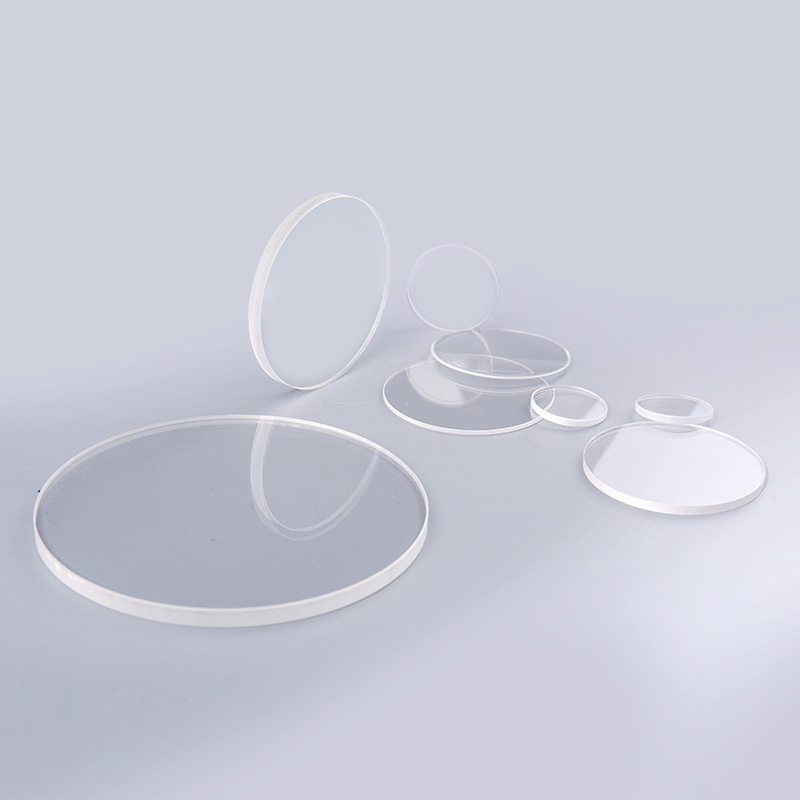
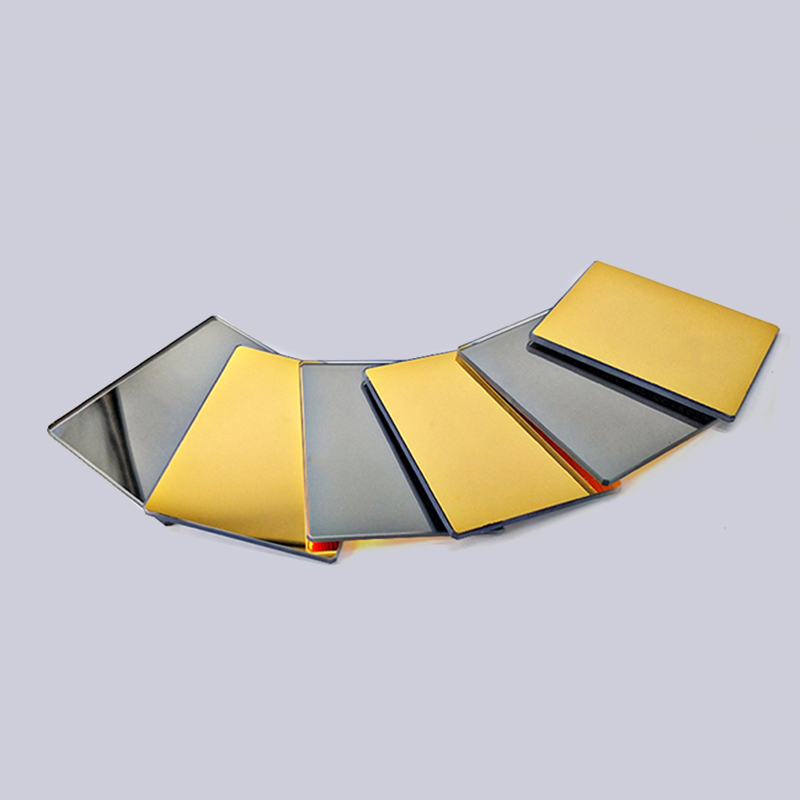
Optical windows are among the most important yet often underestimated components in advanced optical systems. Their function appears simple: they provide a transparent barrier while allowing light to pass through. In practice, however, a high-performance optical window must maintain wavefront quality, protect sensitive assemblies, resist environmental stress, preserve spectral transmission, and fit precisely into complex mechanical structures. In laser equipment, semiconductor inspection, automotive optical modules, medical instruments, imaging devices, and scientific measurement systems, the quality of the optical window can directly influence the performance, stability, and lifetime of the entire system.
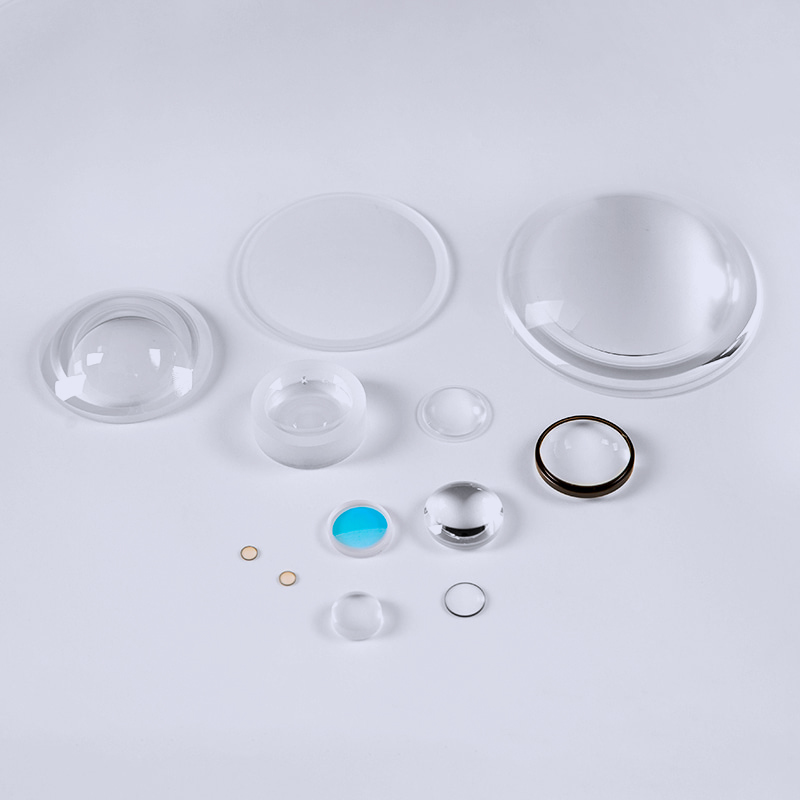
Optical Window
Product Overview: What an Optical Window Does
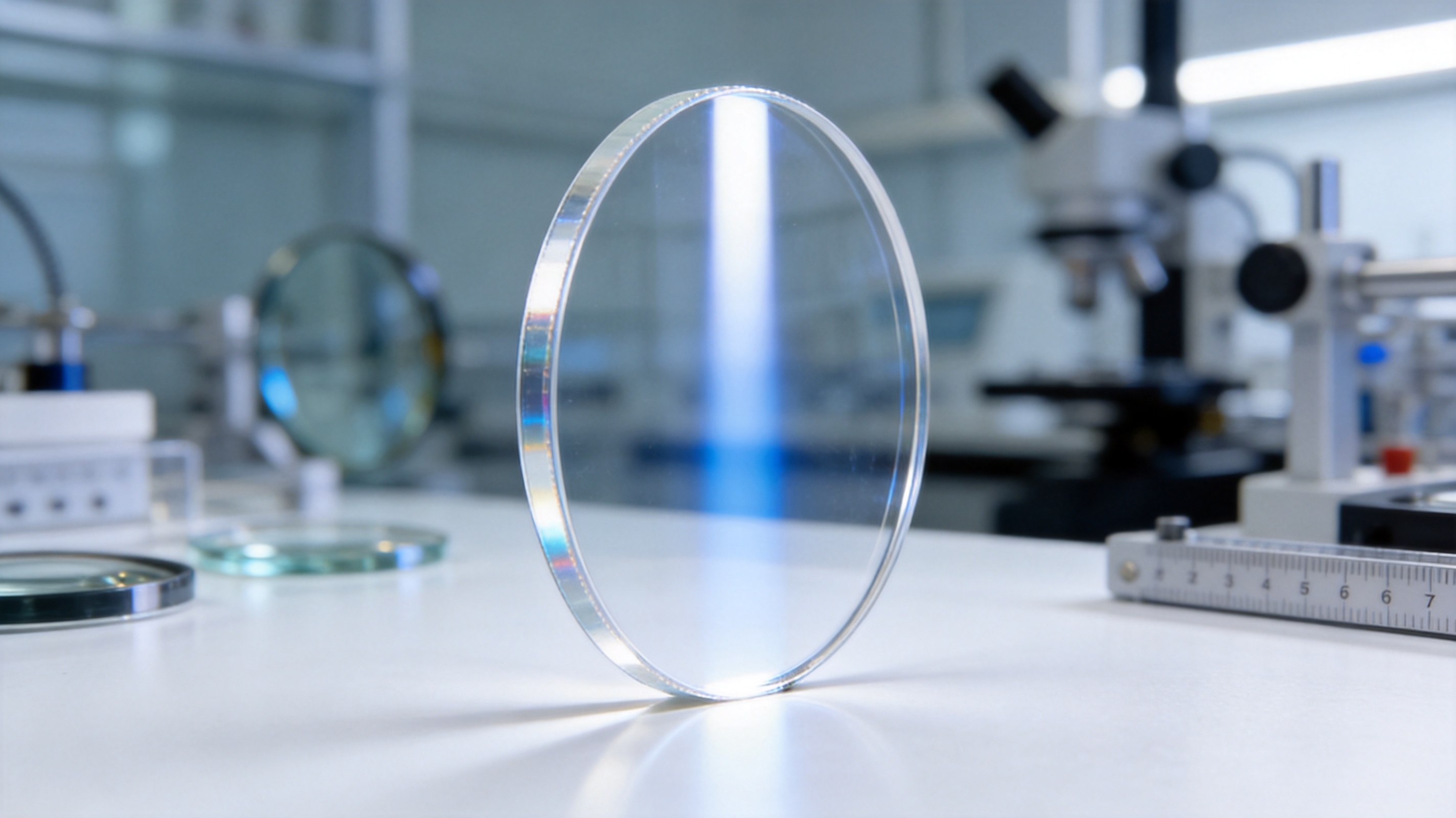
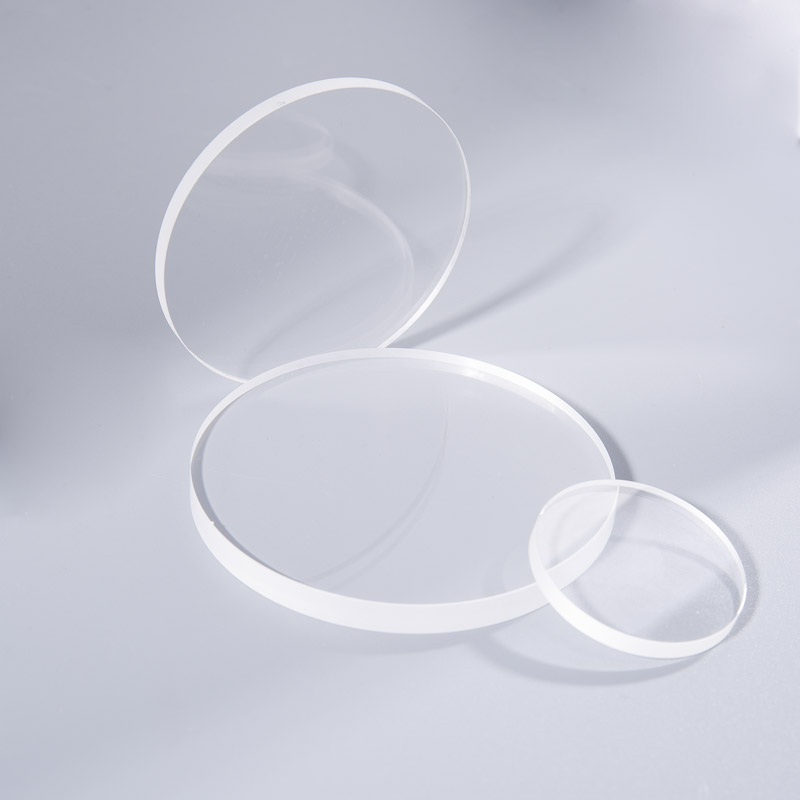
An optical window is a flat, transparent optical component designed to separate environments while transmitting light with minimal distortion. Unlike a lens, it is not primarily intended to focus or diverge light. Unlike a prism, it is not mainly used to disperse or redirect light. Its core role is to act as a protective and transmissive interface. In many instruments, the optical window protects sensors, lasers, detectors, cameras, or internal optical paths from dust, moisture, chemical exposure, air pressure differences, mechanical impact, and thermal variation.
Although the geometry is usually simple, the manufacturing requirements are demanding. A precision optical window may require tight control of surface quality, flatness, parallelism, chamfer dimensions, coating uniformity, and material purity. If these properties are not controlled, the window can introduce wavefront distortion, unwanted reflections, ghost images, beam deviation, scattering, polarization changes, or localized heating. For high-end applications, an optical window is therefore not a commodity sheet of glass; it is a precision-engineered optical component.
Changzhou Haolilai Photo-Electricity Scientific and Technical Co., Ltd. manufactures precision optical components including optical windows, flat mirrors, wafers, automotive interior glass structural components, prisms, spherical mirrors, lenses, and other customized optical parts. Founded in 1998 and located in Changzhou, Jiangsu, China, the company has developed capabilities in laser optics, automotive optics, semiconductor optics, and consumer optics. Its manufacturing background, certification system, and engineering resources allow it to supply optical windows for customers requiring consistency, customization, and scalable production.
Why Optical Window Quality Matters
In a simple protective cover, minor defects may be acceptable. In a precision optical system, even small deviations can become significant. For example, poor surface flatness can distort a collimated beam. In laser systems, a window with excessive absorption may heat unevenly and cause thermal lensing. In imaging systems, scratches, digs, or coating defects may reduce contrast and increase stray light. In semiconductor inspection tools, tiny particles or surface irregularities can compromise measurement accuracy. In automotive optical modules, inconsistent transmission or durability may affect sensing reliability and long-term environmental stability.
The optical window is often installed at the boundary between the controlled internal environment and the external working environment. This position makes it mechanically and optically critical. It must withstand cleaning, sealing, assembly stress, temperature fluctuation, humidity, vibration, and sometimes direct exposure to intense radiation. Because it is placed in the optical path, any defect can become visible in the final output. A reliable optical window helps protect the optical system without becoming a performance bottleneck.
For manufacturers of instruments, vehicles, sensors, or laser systems, choosing a precision optical window supplier can reduce risk during product development and mass production. High-quality windows improve yield, reduce alignment problems, support system repeatability, and contribute to long-term customer satisfaction. The value of an optical window is not only in the glass itself, but in the stability it brings to the complete device.
Key Advantages of a Precision Optical Window
A well-manufactured optical window offers several advantages over ordinary transparent plates or low-grade optical covers. The first advantage is optical clarity. Precision substrate materials are selected for stable transmission in the required wavelength range, whether visible, near-infrared, ultraviolet, or specialized laser wavelengths. The second advantage is dimensional control. Accurate thickness, diameter, length, width, bevel, and parallelism allow the window to fit into mechanical assemblies without inducing stress or misalignment.
The third advantage is surface quality. Scratches, pits, contamination, and edge defects can scatter light and weaken the part. Controlled polishing and inspection help achieve clean optical surfaces. The fourth advantage is wavefront preservation. A precision optical window transmits a beam while keeping the transmitted wavefront as close as possible to its original state. This is crucial for interferometry, beam delivery, machine vision, laser processing, and high-resolution imaging.
The fifth advantage is coating performance. Anti-reflection, high-transmission, protective, conductive, or filter coatings can be applied depending on application needs. A suitable coating reduces reflection loss, improves signal throughput, and minimizes ghost images. The sixth advantage is reliability. A properly designed optical window can survive repeated use, environmental exposure, and assembly processes. Compared with lower-cost alternatives, a precision optical window provides a stronger balance between optical performance, mechanical stability, and lifecycle value.
Competitive Strengths in Optical Window Manufacturing
The optical components market includes many suppliers, from basic glass processors to precision optics manufacturers. The difference between suppliers becomes clear when customers require stable tolerances, repeatable quality, and support for custom specifications. Changzhou Haolilai Photo-Electricity Scientific and Technical Co., Ltd. has several competitive strengths relevant to optical window production. The company has operated since 1998, giving it long-term experience in processing precision optical glass and related components. It has more than 300 employees and exports to more than 20 countries, demonstrating the capacity to serve international customers.
The company holds ISO9001:2015, ISO14001:2015, and IATF16949 certifications. These certifications are especially meaningful for customers who require structured quality management, environmental responsibility, and automotive-grade production discipline. IATF16949 is particularly relevant for optical components used in automotive interior glass structural components, sensing systems, display protection, and vehicle optical modules, where traceability and defect prevention are essential.
Another competitive advantage is the company’s technical foundation. It has established the Jiangsu Precision Optical Lens Engineering Technology Center and Jiangsu Enterprise Technology Research Center, and it has obtained multiple invention patents, utility model patents, and high and new technology product recognitions. This background supports engineering problem-solving, process improvement, and product customization. Customers developing new optical systems often need more than a standard catalog item; they need a manufacturer that can interpret optical drawings, advise on manufacturability, and maintain quality as volumes increase.
Materials Commonly Used for Optical Windows
The material of an optical window determines its transmission range, thermal behavior, chemical resistance, hardness, refractive index, and mechanical strength. Common choices include optical glass, fused silica, borosilicate glass, sapphire, quartz, and specialized glass types for particular spectral regions. The best material depends on the wavelength, operating environment, budget, coating requirements, and system design.
For visible and near-infrared applications, optical glass provides stable clarity and can be processed to high precision. Fused silica is often selected for ultraviolet transmission, high thermal stability, and low fluorescence. Borosilicate glass is valued for thermal shock resistance and cost-effective performance. Sapphire offers exceptional hardness, scratch resistance, and mechanical durability, making it suitable for harsh environments. For semiconductor and laser systems, material purity and low absorption are especially important because even small absorption can create heating effects under high-energy illumination.
Material selection is not only a purchasing decision; it is an engineering decision. The substrate must match the expected wavelength band, angle of incidence, laser power, cleaning method, sealing method, and operating temperature. An experienced optical manufacturer can help evaluate trade-offs such as cost versus flatness, durability versus processing difficulty, or broadband transmission versus coating complexity. This guidance helps customers avoid over-specification, under-specification, and costly redesign.
Important Specifications for Optical Windows
When defining an optical window, engineers usually consider diameter or length and width, thickness, dimensional tolerance, clear aperture, surface quality, surface flatness, transmitted wavefront error, parallelism, wedge, chamfer, coating type, spectral performance, environmental durability, and packaging cleanliness. Each specification influences performance and cost. A window for a simple LED cover may not need the same flatness as a window used in a laser interferometer. A protective cover in an automotive sensor may need stronger environmental testing than a laboratory component used indoors.
Surface quality is commonly specified using scratch-dig standards. A lower scratch-dig value indicates tighter cosmetic and scattering control. Surface flatness may be described in fractions of a wavelength, such as lambda or lambda over several units, depending on the application. Parallelism is important when beam deviation must be minimized. Wedge can be intentionally designed into the window to prevent back reflections from coupling into a laser source. Coating specifications include reflection level, transmission percentage, wavelength range, angle of incidence, polarization sensitivity, adhesion, abrasion resistance, and environmental stability.
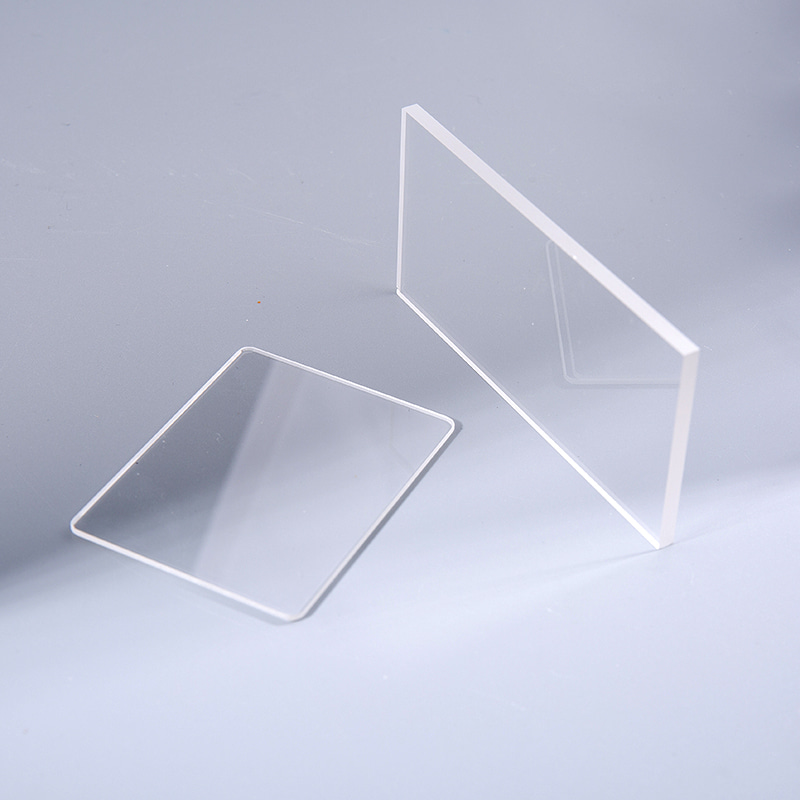
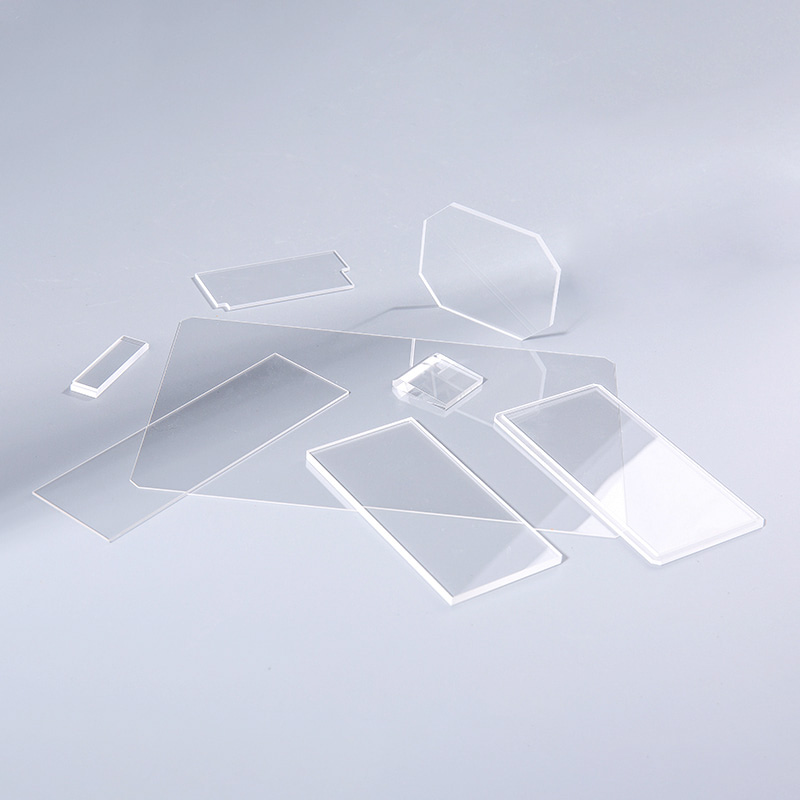
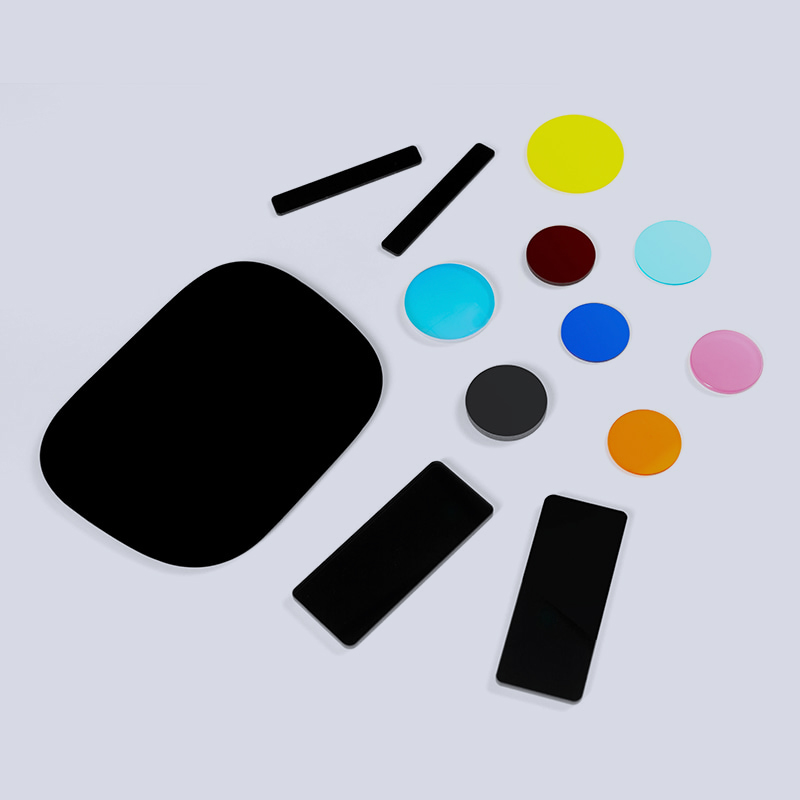
Because every optical system has different priorities, custom optical window manufacturing is often necessary. A supplier with broad processing capability can produce round, square, rectangular, oval, or irregular shapes, as well as different edge treatments and coating designs. This flexibility allows the optical window to serve the actual system instead of forcing the system to adapt to a standard part.
| Specification | Why It Matters | Typical Engineering Consideration |
|---|---|---|
| Material | Determines transmission, durability, and thermal behavior | Match substrate to wavelength, environment, and power level |
| Surface Flatness | Controls transmitted wavefront distortion | Critical for lasers, interferometry, and precision imaging |
| Surface Quality | Reduces scatter and cosmetic defects | Important for high-contrast imaging and low-noise detection |
| Parallelism or Wedge | Influences beam deviation and back reflection | Parallel windows suit alignment; wedged windows reduce feedback |
| Coating | Improves transmission and reduces unwanted reflections | Choose anti-reflection, protective, filter, or custom coatings |
| Dimensional Tolerance | Ensures mechanical fit and assembly repeatability | Important for sealed modules and automated assembly |
| Cleanliness | Prevents contamination in sensitive systems | Essential for semiconductor, laser, and high-resolution optics |
Advanced Manufacturing Process
Producing an optical window begins with material evaluation and preparation. The selected substrate must meet requirements for optical homogeneity, internal defects, bubbles, inclusions, stress, and spectral behavior. Material is cut to a rough shape with allowance for later grinding and polishing. Cutting precision helps reduce waste and provides a stable foundation for dimensional accuracy. For high-volume or custom projects, process planning is established before production begins so that tolerances, inspection points, and yield requirements are clear.
After cutting, the workpiece undergoes grinding to approach the required size, thickness, and surface geometry. Grinding removes saw marks and corrects dimensional variations. Controlled grinding is important because excessive subsurface damage can remain beneath the surface and later affect polishing, strength, and coating durability. Skilled manufacturers manage abrasive selection, pressure, coolant, and process time to balance efficiency and optical integrity.
Polishing is the stage where the optical window achieves its final optical surface. The goal is to produce a smooth, clean, and flat surface while meeting surface quality requirements. Polishing requires precise control over machine settings, polishing pads, slurry chemistry, temperature, pressure, and handling. For high-performance windows, both sides may need careful polishing to maintain parallelism, flatness, and transmitted wavefront quality. The company’s experience in optical lenses, mirrors, prisms, and wafers supports process knowledge across different surface geometries and materials.
Edge processing is also important. Sharp edges can chip easily, create safety risks, and generate particles during assembly. Beveling, chamfering, or rounding edges improves mechanical reliability. For windows installed into sealed housings, edge dimensions must be compatible with gaskets, adhesives, retaining rings, or mechanical clamps. A well-designed edge reduces stress concentration and improves assembly yield.
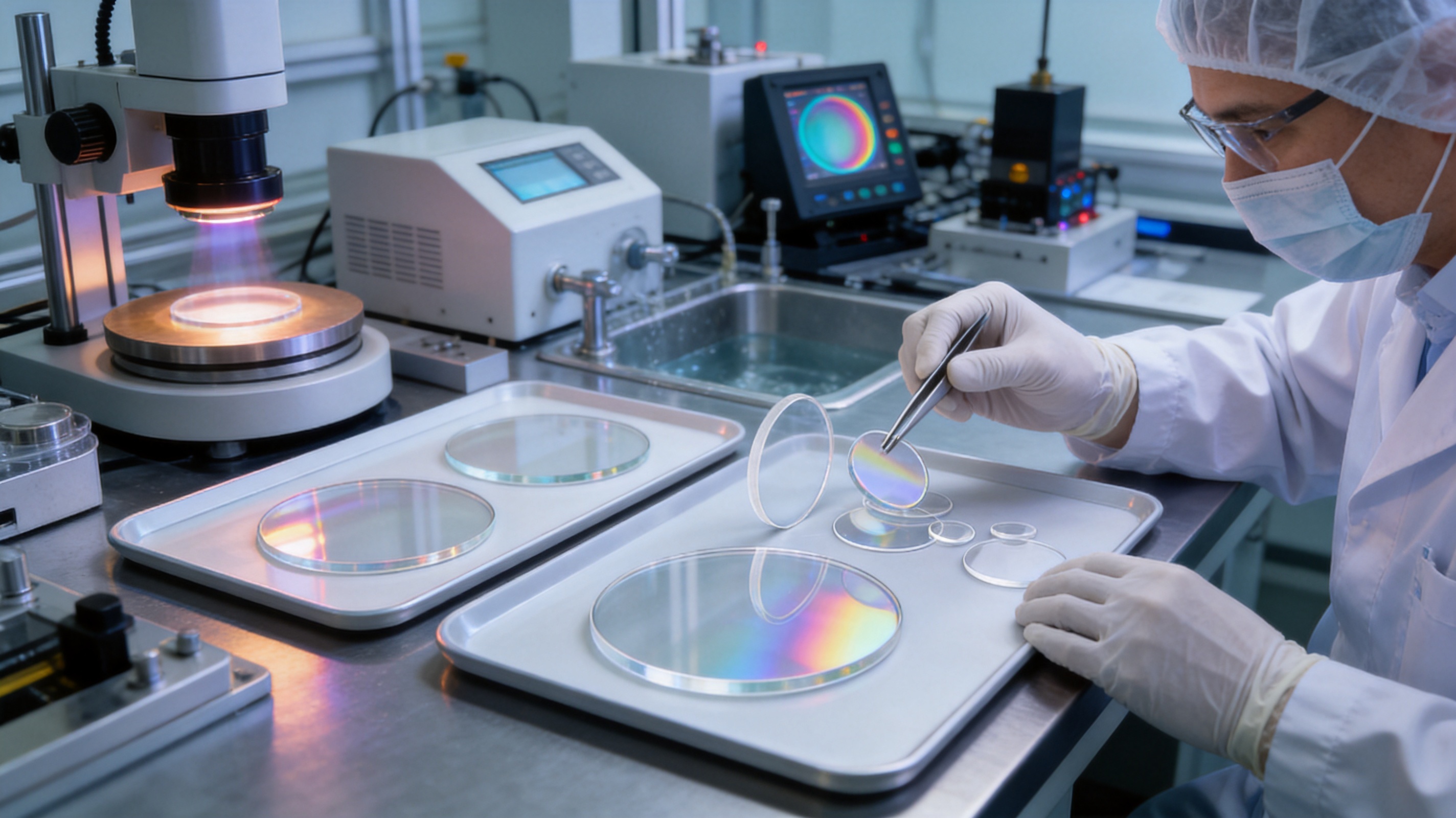
Cleaning and inspection occur throughout the manufacturing process. Precision optical components must be protected from particles, fingerprints, stains, and residues. After polishing and edge processing, the optical window may undergo ultrasonic cleaning, controlled drying, and visual or instrumental inspection. Depending on requirements, inspection may include dimensional measurement, surface quality evaluation, flatness testing, transmitted wavefront measurement, coating inspection, and spectral transmission testing. This layered inspection approach helps prevent defects from moving downstream.
Optical Coating Capabilities and Performance Benefits
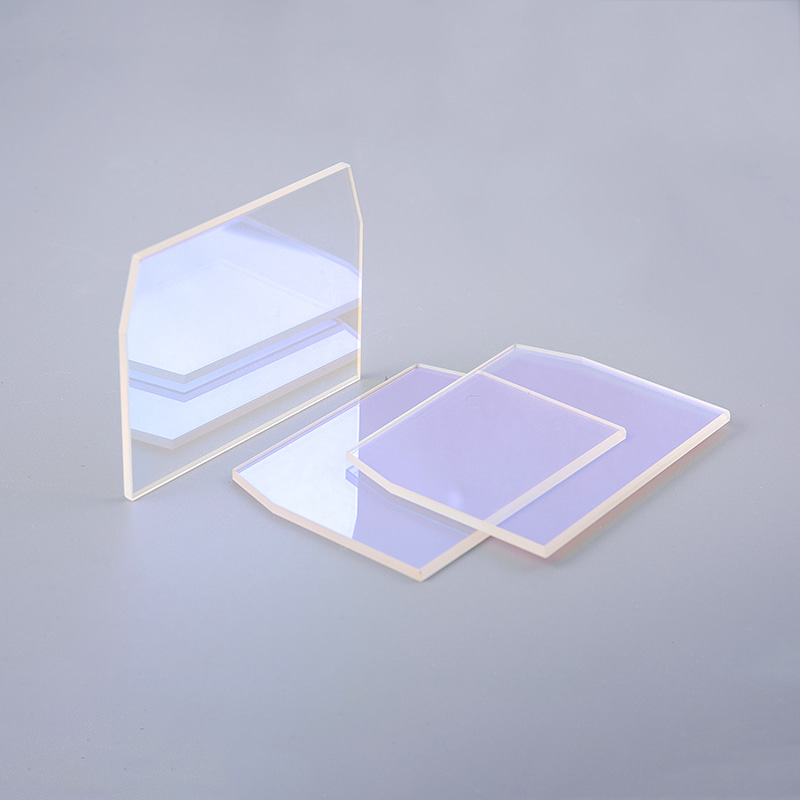
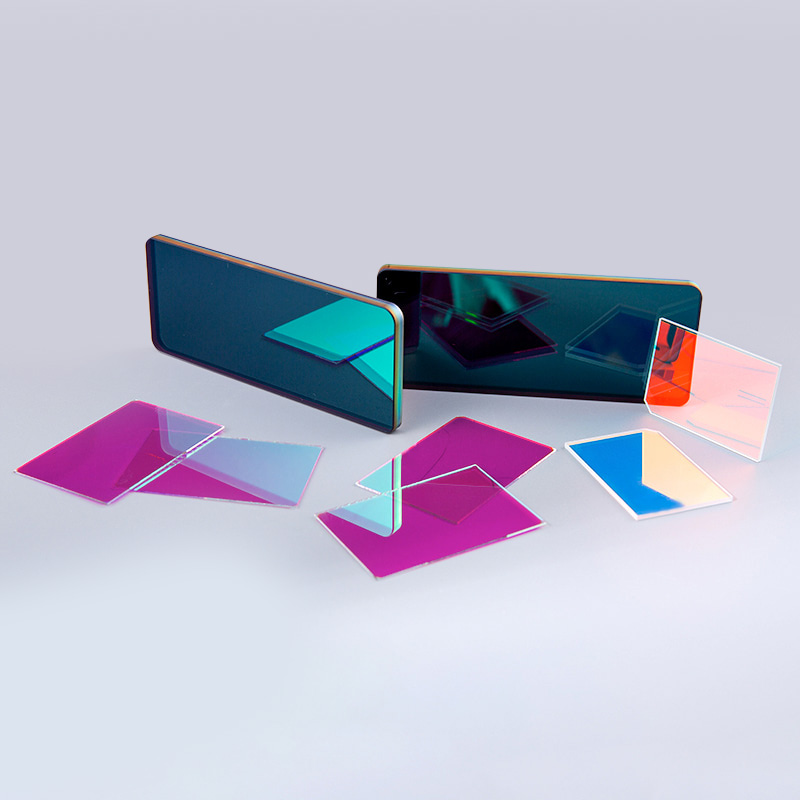
Many optical windows require coatings to perform well in real systems. An uncoated glass surface reflects a portion of incident light, and two surfaces can create multiple reflections. In imaging systems, these reflections may produce ghost images and reduce contrast. In laser systems, they can create dangerous feedback or reduce transmitted power. Anti-reflection coatings are therefore widely used to increase transmission and reduce reflection at specified wavelengths or wavelength bands.
Single-wavelength anti-reflection coatings are useful for laser applications where the operating wavelength is fixed, such as common industrial, medical, or measurement lasers. Broadband anti-reflection coatings are used when the system operates over a wider spectral range, such as machine vision, microscopy, sensing, or multispectral imaging. Coatings may also be designed for specific angles of incidence and polarization states. In demanding applications, coating durability is just as important as optical performance. The coating must adhere well and resist cleaning, humidity, temperature cycling, and handling.
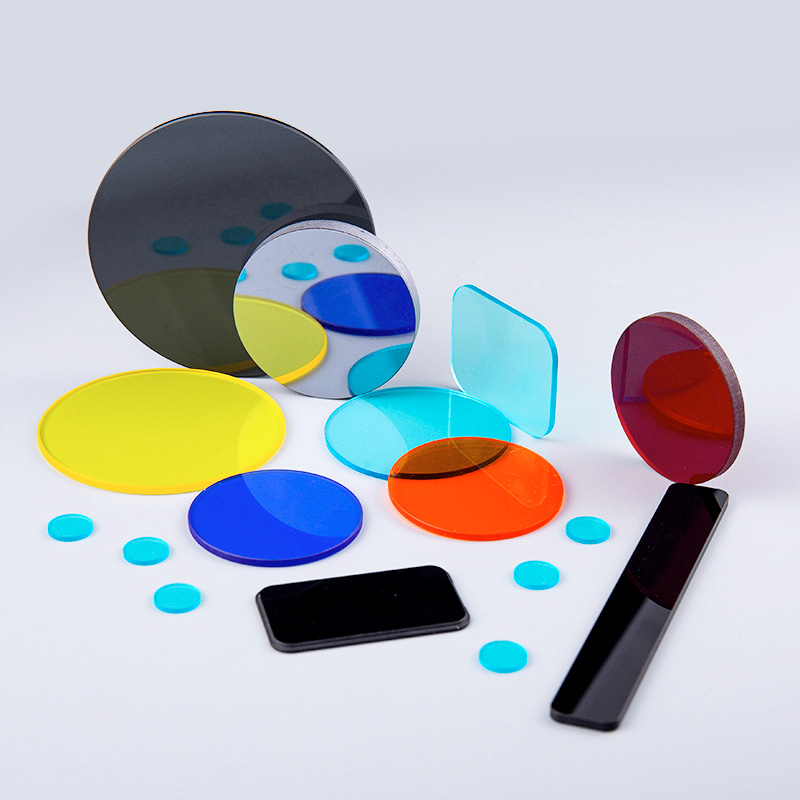
Protective coatings can improve scratch resistance or chemical resistance. Filter coatings can allow certain wavelengths to pass while blocking others. Conductive coatings may be useful in applications requiring electrostatic control or electromagnetic shielding. The appropriate coating transforms a simple transparent barrier into a functional optical interface. A manufacturer with coating knowledge can help customers choose practical coating solutions that support system performance without unnecessary complexity.
Advantages Over Ordinary Glass Covers
Compared with ordinary glass covers, precision optical windows provide measurable improvements. Ordinary covers may be acceptable when the optical path is not critical, but they often lack controlled flatness, parallelism, spectral consistency, and coating quality. Their surfaces may contain waviness, scratches, internal stress, or thickness variation. These issues can degrade imaging sharpness, shift a beam, or create unpredictable reflections.
Precision optical windows are manufactured according to defined optical specifications. They are polished rather than simply formed, inspected rather than assumed, and packaged to preserve cleanliness. Their materials are selected for the operating wavelength and environment. Their coatings are designed for optical performance rather than decorative appearance. Their edges are processed to reduce chipping and support assembly. For customers building high-value equipment, these differences reduce risk and improve final product performance.
Another important advantage is consistency. In mass production, a single good sample is not enough. The optical window must be repeatable from batch to batch. Stable manufacturing processes and certified quality systems help ensure that replacement parts, production lots, and future orders remain compatible. This repeatability is especially important for automotive, semiconductor, and industrial customers who cannot afford frequent optical redesigns or inconsistent field performance.
Applications in Laser Optical Systems
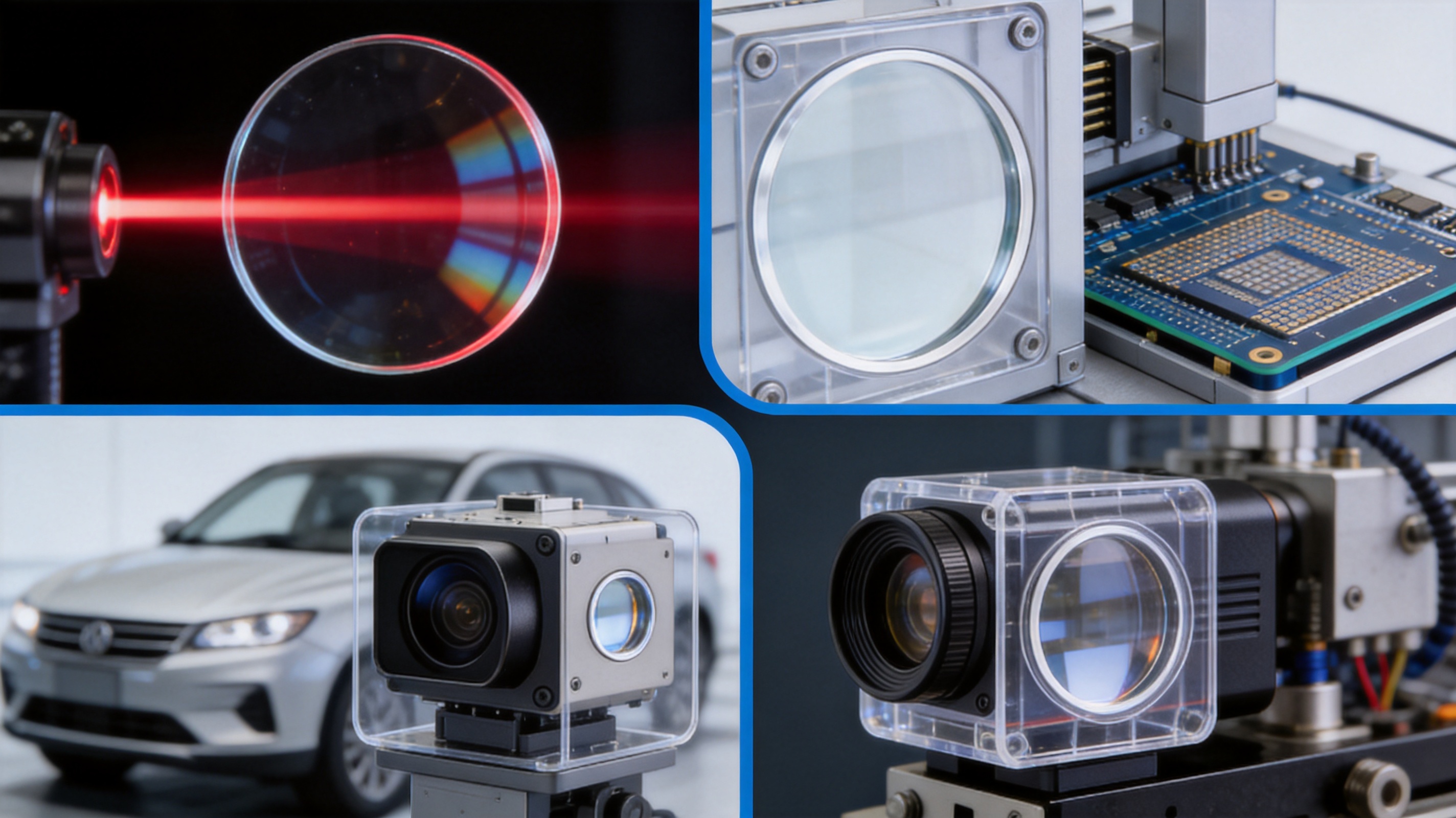
Laser systems often use optical windows to protect internal optics, isolate beam paths, seal housings, and allow safe transmission of controlled energy. In laser cutting, welding, marking, measurement, and medical equipment, the window may be exposed to high intensity light, fumes, dust, and temperature variation. The wrong window can absorb energy, crack, scatter the beam, or reflect energy back into the laser source.
For laser applications, material purity, low absorption, surface flatness, coating quality, and damage resistance are critical. Anti-reflection coatings must be matched to the laser wavelength and power conditions. In some cases, wedged windows are preferred to reduce back reflection. Surface contamination must be minimized because particles can absorb laser energy and create localized damage. Precision cleaning and packaging are therefore important parts of the product value.
Changzhou Haolilai Photo-Electricity Scientific and Technical Co., Ltd. focuses on laser optics as one of its major product directions. This experience helps the company understand requirements such as beam quality preservation, coating reliability, and high precision surface finishing. Customers using optical windows in laser systems benefit from a supplier familiar with the interaction between substrate, coating, cleanliness, and beam performance.
Applications in Semiconductor Optics
Semiconductor manufacturing and inspection require extremely controlled optical performance. Optical windows may be used in inspection tools, lithography-related equipment, vacuum viewports, metrology systems, wafer processing devices, and sensor assemblies. These applications often demand cleanliness, low defect levels, stable transmission, and precise mechanical integration. Contamination or distortion can affect measurement accuracy and process yield.
In semiconductor environments, material selection may include fused silica or other high-purity substrates, depending on the wavelength and process conditions. The window may need to withstand cleaning chemicals, vacuum conditions, thermal cycling, or strict particle control. Packaging and handling are also critical because even a well-manufactured component can become unsuitable if contaminated before installation.
The company’s broader product categories include wafers and precision optical components, giving it relevant experience for semiconductor-related optical requirements. Its engineering centers and quality management systems support disciplined production, inspection, and documentation. For semiconductor customers, this combination of precision processing and process control can provide meaningful value.
Applications in Automotive Optical Modules
Modern vehicles increasingly depend on optical systems. Cameras, sensors, displays, lighting modules, driver monitoring systems, heads-up displays, and interior glass structures all require reliable optical interfaces. Optical windows used in automotive systems must combine optical clarity with mechanical durability and environmental resistance. They may face vibration, temperature cycling, humidity, cleaning agents, sunlight exposure, and long operating lifetimes.
Automotive applications also demand production consistency and traceability. A window installed in a vehicle module must perform reliably for years, often under harsh conditions. The company’s IATF16949 certification is highly relevant here because it reflects a quality management structure aligned with automotive industry expectations. This includes attention to process control, risk prevention, continuous improvement, and stable production.
Compared with general optical suppliers that lack automotive quality experience, a manufacturer with IATF16949 certification can better support vehicle-related projects. This is especially important as optical systems become central to safety, comfort, automation, and user experience. An optical window in an automotive camera or sensor is not merely a cover; it is part of the vehicle’s perception and information system.
Applications in Consumer and Industrial Imaging
Optical windows are widely used in cameras, scanners, barcode readers, projectors, smart devices, industrial inspection systems, and machine vision equipment. In these products, the window protects internal optics while preserving image quality. If the window has poor flatness, uneven coating, scratches, or contamination, image contrast and resolution may suffer. In high-volume consumer products, cost control is important, but quality cannot be ignored because visible defects can affect user perception.
For industrial imaging, the window may be exposed to dust, oil mist, vibration, cleaning cycles, or impact. A robust optical window helps protect the camera or sensor and reduce maintenance. Coatings can improve transmission and reduce glare under complex lighting. Custom shapes and dimensions allow the window to fit compact assemblies. For machine vision systems, consistent optical performance helps maintain measurement reliability and production line accuracy.
The ability to produce both standard and customized optical components gives customers flexibility. A product developer may start with prototypes, then require larger quantities after design validation. A manufacturer with experience in custom optical windows can support this transition by refining process flow, controlling tolerances, and maintaining stable quality during scale-up.
Design Considerations for Custom Optical Windows
When designing a custom optical window, engineers should begin by identifying the optical function and environmental conditions. The wavelength range determines material and coating choices. The beam size or image field determines clear aperture. The mounting method influences dimensions, edge treatment, and mechanical tolerance. The operating environment determines durability requirements. The expected production volume affects process planning and cost optimization.
One common design decision is whether the window should be parallel or wedged. A parallel window is easier to align and is suitable for many imaging and protective applications. A wedged window can deflect reflected light away from the source, which is useful in laser systems and sensitive detectors. Another decision is coating type. A narrowband coating can provide excellent performance at a laser wavelength, while a broadband coating supports wider spectral use. However, broadband coatings may involve different cost and angle sensitivity considerations.
Thickness is also important. A thicker window may provide stronger mechanical protection but can add weight, cost, and optical path length. A thinner window may reduce weight and absorption but may be more fragile or difficult to keep flat. The best choice depends on system requirements. A qualified optical manufacturer can help customers balance these variables and create a manufacturable specification.
Quality Control and Inspection Strengths
Quality control is central to optical window manufacturing. Because the component is transparent, some defects are visually subtle but optically significant. A strong inspection system combines skilled human inspection with measurement equipment. Dimensional inspection verifies size, thickness, bevel, and tolerance. Surface inspection checks scratches, digs, chips, stains, and coating defects. Flatness and wavefront measurements evaluate optical performance. Spectral testing confirms transmission and coating behavior.
Changzhou Haolilai Photo-Electricity Scientific and Technical Co., Ltd. operates under ISO9001:2015 quality management, which supports controlled procedures, documented processes, corrective action, and continuous improvement. ISO14001:2015 reflects environmental management awareness, while IATF16949 supports automotive-level process discipline. These systems are important because precision optical manufacturing depends on repeatability. A good process should not rely only on final inspection; it should prevent defects through controlled production.
Packaging inspection is also essential. Optical windows can be damaged or contaminated after passing final inspection if they are not packed properly. Clean packaging, protective separation, and careful labeling help customers receive parts in usable condition. For international shipments, packaging must protect against vibration, humidity, and handling stress. A supplier experienced in exporting to more than 20 countries is better prepared for these logistics requirements.
Manufacturing Scalability and Customization
Optical window projects may range from small prototype orders to high-volume production. Prototype work requires flexibility, engineering communication, and rapid adjustment. Mass production requires process stability, yield improvement, supply chain control, and documentation. A supplier that can support both phases provides significant value because customers can avoid transferring production to another manufacturer after development.
The company’s 35,000 square meter facility and workforce of more than 300 employees provide a foundation for production capacity. Its experience with multiple optical component categories also supports diverse customer needs. For example, a customer developing a complete optical assembly may require windows, lenses, prisms, mirrors, or other components. Working with a manufacturer that understands these related products can simplify sourcing and technical coordination.
Customization can include different shapes, sizes, materials, coatings, tolerances, and packaging methods. It can also include special inspection reports or production documentation depending on customer requirements. In competitive markets, customization is a key advantage because device designs are becoming more compact, more integrated, and more application-specific. A standard window may not fit the available space or meet the required optical angle. Custom manufacturing allows the window to match the system design precisely.
Environmental and Reliability Considerations
An optical window must often survive conditions beyond normal laboratory use. Temperature changes can cause expansion, stress, or coating fatigue. Humidity can challenge coating adhesion and surface durability. Mechanical vibration can loosen mounting structures or create edge stress. Chemical exposure can attack glass or coatings. Cleaning processes can scratch or degrade surfaces if materials and coatings are not selected properly.
Reliability should therefore be considered from the beginning of design. The substrate should match environmental stress. The coating should be tested or selected for durability. The edge treatment should reduce the risk of chips and cracks. The mounting design should avoid excessive pressure on the optical surface. In sealed systems, the window should be compatible with adhesives, gaskets, or soldering methods if applicable.
High-reliability manufacturing also depends on process control. Consistent polishing, cleaning, coating, inspection, and packaging reduce variation. For automotive and industrial customers, long-term reliability is often more valuable than the lowest initial price. A low-cost window that fails in the field can create warranty costs, customer dissatisfaction, and system downtime. A precision window designed and manufactured correctly helps protect the whole product lifecycle.
How Optical Windows Improve System Performance
A high-quality optical window improves system performance in several ways. It increases useful transmission by reducing absorption and reflection. It preserves beam shape or image quality by maintaining surface flatness and parallelism. It reduces stray light by minimizing scratches, digs, and coating defects. It protects expensive internal components from contamination and damage. It supports stable calibration by providing consistent optical properties over time.
In laser systems, this means more stable output, fewer reflections, and better protection for internal optics. In imaging systems, it means higher contrast, cleaner images, and reduced ghosting. In semiconductor tools, it means cleaner optical paths and more reliable measurements. In automotive systems, it means durable sensing and display performance across real-world conditions. These benefits make the optical window a strategic component rather than a simple accessory.
When customers compare suppliers, they should consider not only unit price but also total system value. A window with better flatness, coating, cleanliness, and reliability may reduce adjustment time, reject rates, maintenance, and field failures. For high-value equipment, these savings can be far greater than the difference in component cost.
Why Choose an Experienced Precision Optics Manufacturer
Choosing an experienced optical manufacturer provides advantages during both design and production. During design, the manufacturer can review drawings, recommend material options, suggest manufacturable tolerances, and identify risk points. During production, the manufacturer can control grinding, polishing, coating, inspection, and packaging. During scale-up, it can improve yield and maintain consistency.
Changzhou Haolilai Photo-Electricity Scientific and Technical Co., Ltd. combines decades of experience with recognized certifications and technical research platforms. Its focus on precision optical components allows it to support demanding sectors such as laser optics, automotive optics, semiconductor optics, and consumer optics. Its patents and engineering centers demonstrate investment in technical development rather than simple processing.
For customers, this means access to practical manufacturing knowledge. A supplier with deep optical experience can help determine whether a tolerance is necessary, whether a coating is suitable, whether a material is cost-effective, and whether a design can be produced reliably. This collaboration can shorten development time and improve final product performance.
Procurement Guidance for Optical Windows
When purchasing optical windows, customers should prepare a clear specification. Useful information includes application, wavelength range, size, thickness, material preference, surface quality, flatness, parallelism or wedge angle, coating requirements, environmental conditions, quantity, inspection standards, and packaging needs. If the customer is unsure about some parameters, describing the application can help the manufacturer recommend suitable options.
It is also useful to distinguish critical requirements from flexible ones. Overly tight specifications can increase cost and lead time, while insufficient specifications can result in poor performance. A good supplier can help optimize this balance. For example, if the window is used only as a protective cover in a non-imaging path, extremely tight transmitted wavefront error may not be necessary. If it is used in a high-power laser cavity, coating and substrate quality may be critical.
Customers should also evaluate supplier capabilities beyond the quoted price. Important factors include certification status, process experience, inspection capability, communication quality, export experience, customization ability, and production capacity. Optical windows are often installed in expensive systems, so supplier reliability is a major part of component value.
Q&A: Common Questions About Optical Windows
What is the main purpose of an optical window?
An optical window protects an optical system while allowing light to pass through with minimal distortion. It separates environments, blocks dust or moisture, and preserves the performance of sensors, lasers, cameras, or other internal optical components.
How is an optical window different from a normal glass plate?
A precision optical window is manufactured with controlled material, surface quality, flatness, thickness, edge treatment, coating, and inspection standards. A normal glass plate may transmit light, but it usually does not provide the optical accuracy required for lasers, imaging, semiconductor tools, or automotive optical modules.
When should an anti-reflection coating be used?
An anti-reflection coating should be used when reflection loss, ghost images, glare, or laser feedback must be reduced. It is especially useful in imaging systems, laser equipment, measurement devices, and any application requiring high transmission.
What information is needed for a custom optical window quotation?
Helpful information includes material, dimensions, thickness, tolerance, wavelength range, surface quality, flatness, parallelism or wedge, coating requirements, operating environment, order quantity, and inspection needs. If these details are not fully known, the application description can guide material and specification recommendations.
Why is surface flatness important?
Surface flatness affects how much the optical window distorts the transmitted wavefront. Poor flatness can degrade beam quality, reduce imaging resolution, and affect precision measurements. High-flatness windows are important for lasers, interferometers, and high-resolution optical systems.
Can optical windows be made in custom shapes?
Yes. Optical windows can be produced in round, square, rectangular, and special shapes depending on system design. Custom edge treatments, bevels, coatings, and packaging methods can also be provided according to project requirements.
Why is IATF16949 certification relevant for automotive optical windows?
IATF16949 reflects automotive quality management discipline, including process control, defect prevention, traceability, and continuous improvement. This is valuable for optical windows used in vehicle cameras, sensors, displays, lighting modules, and interior glass structural components.
How do optical windows support semiconductor applications?
In semiconductor equipment, optical windows help maintain clean, stable optical paths for inspection, metrology, and process monitoring. They may require high-purity materials, strict cleanliness, low defect levels, and stable transmission to support accurate measurement and process reliability.
Conclusion
An optical window may look simple, but its performance is vital in precision optical systems. It protects sensitive components, transmits light, preserves beam or image quality, and supports long-term system reliability. Compared with ordinary glass covers, a precision optical window provides superior control of surface quality, flatness, dimensional accuracy, coating performance, cleanliness, and durability.
Changzhou Haolilai Photo-Electricity Scientific and Technical Co., Ltd. offers strong manufacturing advantages for optical windows and related optical components. With a history dating back to 1998, a 35,000 square meter facility, more than 300 employees, international export experience, certifications including ISO9001:2015, ISO14001:2015, and IATF16949, and established engineering technology centers, the company is well positioned to serve customers in laser optics, automotive optics, semiconductor optics, and consumer optics.
For customers seeking reliable optical windows, the best choice is a manufacturer that understands both optical performance and production discipline. Through careful material selection, advanced grinding and polishing, precise coating, strict inspection, and custom engineering support, a high-quality optical window becomes more than a protective cover. It becomes a stable, value-adding component that helps the entire optical system perform as designed.
References
Hecht, Eugene. Optics. Pearson Education.
Smith, Warren J. Modern Optical Engineering. McGraw-Hill Education.
Malacara, Daniel. Optical Shop Testing. Wiley.
ISO 10110. Optics and Photonics: Preparation of Drawings for Optical Elements and Systems.
ISO 9001:2015. Quality Management Systems: Requirements.
IATF 16949. Quality Management System Requirements for Automotive Production and Relevant Service Parts Organizations.


 苏公网安备32041102000130号