
 Search
 en
 English
 日本語
 русский
 Español
 Deutsch
 中文简体
Content
- 1 Understanding the Role of an Optical Lens
- 2 Product Scope and Optical Lens Types
- 3 Why Optical Lens Quality Matters
- 4 Advanced Optical Lens Manufacturing Process
- 4.1 1. Technical Review and Product Engineering
- 4.2 2. Optical Material Selection and Preparation
- 4.3 3. Cutting, Blocking, and Preforming
- 4.4 4. Precision Grinding
- 4.5 5. Fine Grinding and Polishing
- 4.6 6. Centering and Edge Processing
- 4.7 7. Cleaning and Surface Preparation
- 4.8 8. Optical Coating
- 4.9 9. Inspection and Testing
- 4.10 10. Packaging and Delivery
- 5 Manufacturing Strengths That Create Customer Value
- 6 Advantages Compared with Less Specialized Suppliers
- 7 Optical Lenses for Key Application Markets
- 8 Quality Control from Incoming Material to Final Shipment
- 9 Designing for Manufacturability
- 10 Environmental and Operational Considerations
- 11 Global Supply and Customer Support
- 12 Recommended Customer Qualification Process
- 13 Technical Comparison of Common Lens Considerations
- 14 Why Choose an Experienced Optical Component Partner
- 15 Frequently Asked Questions
- 15.1 What is an optical lens?
- 15.2 What types of optical lenses can be manufactured?
- 15.3 Which industries use precision optical lenses?
- 15.4 Why is lens centering important?
- 15.5 What is the purpose of an optical coating?
- 15.6 Can custom optical lenses be produced?
- 15.7 How does a manufacturer control optical lens quality?
- 15.8 What makes an optical lens manufacturer reliable?
- 15.9 Why are ISO and IATF certifications useful?
- 15.10 Can one supplier support different industries?
- 15.11 What information should customers provide when requesting an optical lens quotation?
- 15.12 How can customers improve the cost-effectiveness of a custom lens?
- 16 Conclusion
- 17 References
- 18 Product: Optical Lens
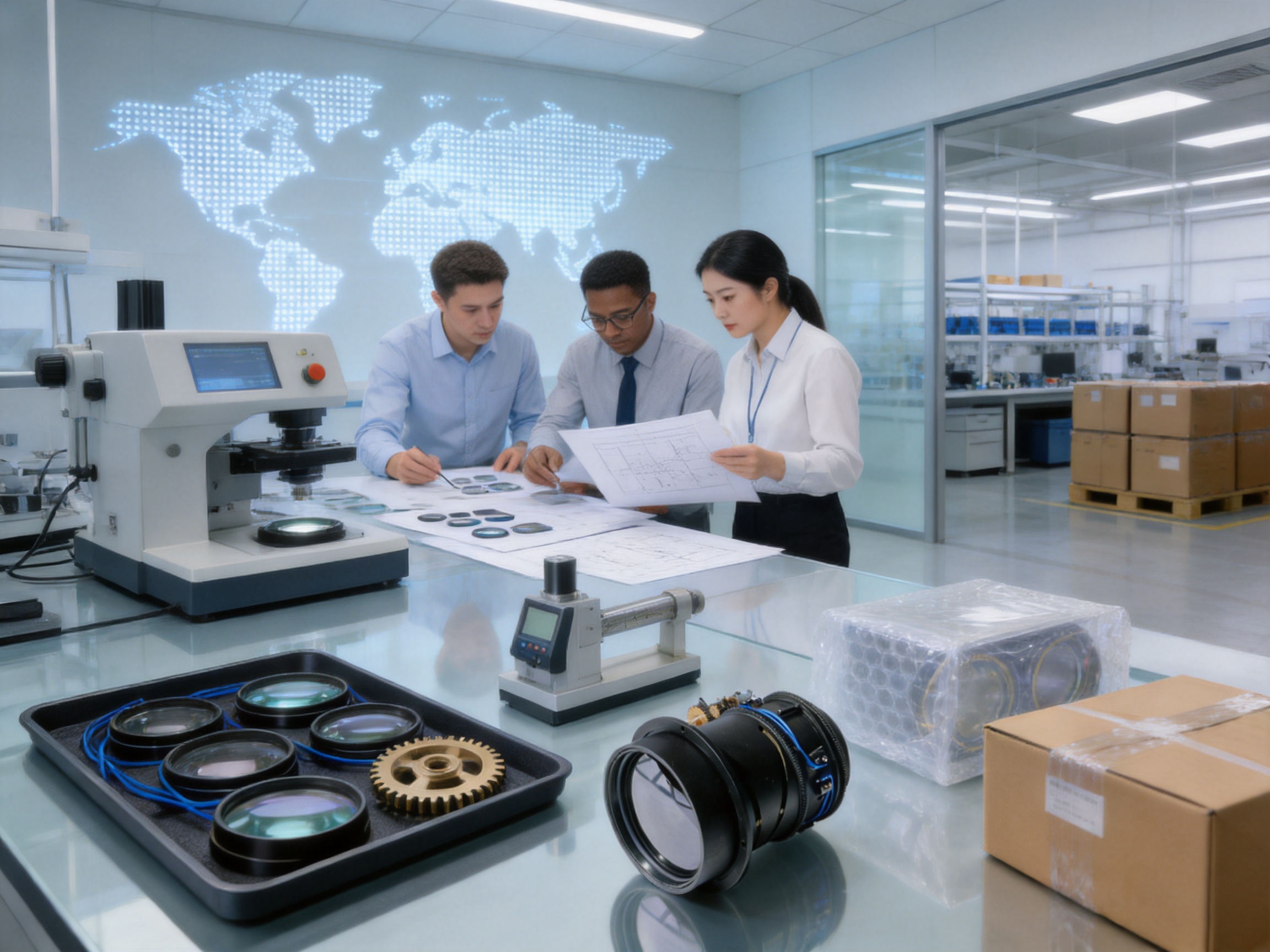
Optical lenses are among the most important components in modern photonic systems. They control the direction, focus, magnification, imaging quality, and distribution of light in products ranging from laser equipment and machine-vision systems to automotive displays, semiconductor instruments, cameras, sensors, and consumer electronics. Although a lens may appear to be a relatively small component, its optical performance can determine the accuracy, reliability, service life, and commercial value of an entire product.
Precision optical lens manufacturing therefore requires much more than basic glass shaping. It involves material selection, optical design, precision grinding, polishing, centering, coating, cleaning, inspection, assembly, and process management. Each stage influences the final result. A slight deviation in surface form, center thickness, wedge, surface quality, or coating performance can lead to image distortion, unwanted reflections, reduced transmission, beam divergence, or system instability.
Changzhou Haolilai Photo-Electricity Scientific and Technical Co., Ltd., commonly known as HLL, is an experienced manufacturer of precision optical components established in 1998. Located in Changzhou, Jiangsu, China, the company specializes in optical products for laser optics, automotive optics, semiconductor optics, and consumer optics. Its experience, technical resources, manufacturing infrastructure, and quality certifications support the production of optical lenses for demanding industrial and commercial applications.
This article explains the role of optical lenses, the major manufacturing processes used to produce them, the advantages of working with an experienced optical component manufacturer, and the reasons precision lenses from a vertically organized supplier can offer advantages over less specialized alternatives.
Understanding the Role of an Optical Lens
An optical lens is a transparent component with one or more curved surfaces designed to refract light. By changing the direction of light rays, a lens can focus light to a point, spread it over a wider area, form an image, correct optical aberrations, or guide energy through a complex optical path.
Convex lenses generally converge light. They are widely used for focusing laser beams, forming images, collecting light from a scene, and coupling light into optical fibers or detectors. Concave lenses generally diverge light and may be used for beam expansion, optical correction, or system balancing. More advanced optical systems can use compound lenses, aspheric lenses, cylindrical lenses, meniscus lenses, or custom geometries to achieve precise performance within a limited space.
The performance of a lens depends on several interacting factors. These include the refractive index and dispersion of the material, the radius of curvature, center thickness, diameter, clear aperture, surface figure, surface roughness, wedge, centration, coating design, and environmental stability. The lens must also be compatible with the wavelength range, operating temperature, mechanical mounting method, and expected service conditions of the final product.
For this reason, optical lens production must be approached as an integrated engineering activity rather than a simple machining task. A reliable manufacturer must understand how the lens will function within the customer’s optical system and must convert design specifications into stable, measurable production processes.
Product Scope and Optical Lens Types
A precision optical lens supplier may produce a wide range of geometries and configurations. Product selection depends on the optical design, available installation space, wavelength, required transmission, and application environment.
Spherical Lenses
Spherical lenses have surfaces based on a spherical radius. They are commonly used because they are relatively efficient to design and manufacture. Depending on the geometry, they may be plano-convex, plano-concave, bi-convex, bi-concave, or meniscus lenses. Spherical lenses are suitable for many imaging, illumination, beam-conditioning, and sensor applications.
When properly designed and manufactured, spherical lenses offer a practical balance between optical performance, cost, and production efficiency. They are often selected for standard optical assemblies and systems where the level of aberration correction required can be achieved through a combination of multiple elements.
Aspheric Lenses
Aspheric lenses use a non-spherical surface profile to reduce optical aberrations. They can replace multiple spherical elements in certain designs, allowing a system to become smaller, lighter, and more efficient. Aspheric lenses are frequently used in laser collimation, compact imaging modules, barcode scanners, optical sensors, and consumer electronics.
Because an aspheric surface contains a more complex geometry, manufacturing and inspection requirements are more demanding. The surface must be accurately generated and polished, and the finished component must be measured against its designed profile. A manufacturer with strong process control and optical metrology capabilities is better positioned to produce repeatable aspheric components.
Cylindrical Lenses
Cylindrical lenses focus or expand light in one axis rather than two. They are used in line generation, laser scanning, beam shaping, machine vision, spectroscopy, and certain illumination systems. Cylindrical lenses require careful control of axis orientation, surface geometry, and edge condition.
Even a small angular error in the cylinder axis can affect the alignment of the complete system. This makes accurate inspection and clear communication between the optical designer, manufacturer, and assembly partner especially important.
Achromatic and Compound Lens Elements
Achromatic systems combine materials with different dispersion characteristics to reduce chromatic aberration. These lenses are useful in imaging, microscopy, measurement equipment, and systems that operate across a broad wavelength range.
Compound lens elements may include cemented or air-spaced groups. Their manufacturing process requires accurate surface matching, cleanliness, optical alignment, and, where applicable, controlled bonding or assembly. A supplier capable of supporting both individual optical elements and more complex optical assemblies can simplify the customer’s sourcing process.
Custom Optical Lenses
Many industrial applications cannot be served by standard catalog lenses. Custom lenses may be required for unusual diameters, specific wavelengths, restricted installation spaces, high-temperature environments, specialized coatings, or demanding imaging and beam-control requirements.
Custom production begins with engineering review. The manufacturer evaluates drawings, optical prescriptions, tolerances, materials, coatings, packaging requirements, and inspection criteria. Early communication at this stage can prevent design problems, clarify achievable tolerances, and support a more efficient transition from prototype to mass production.
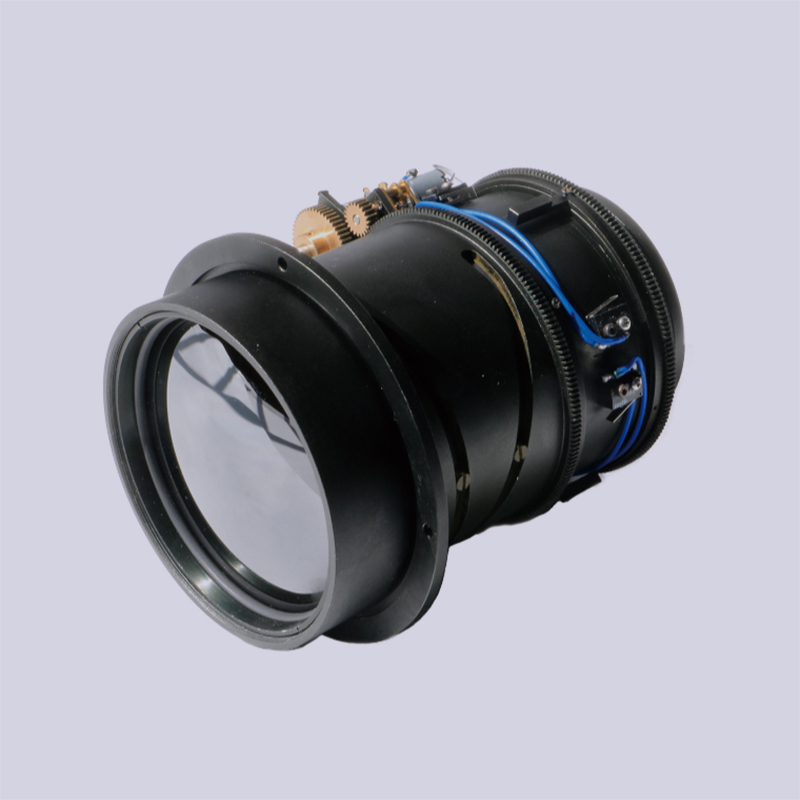
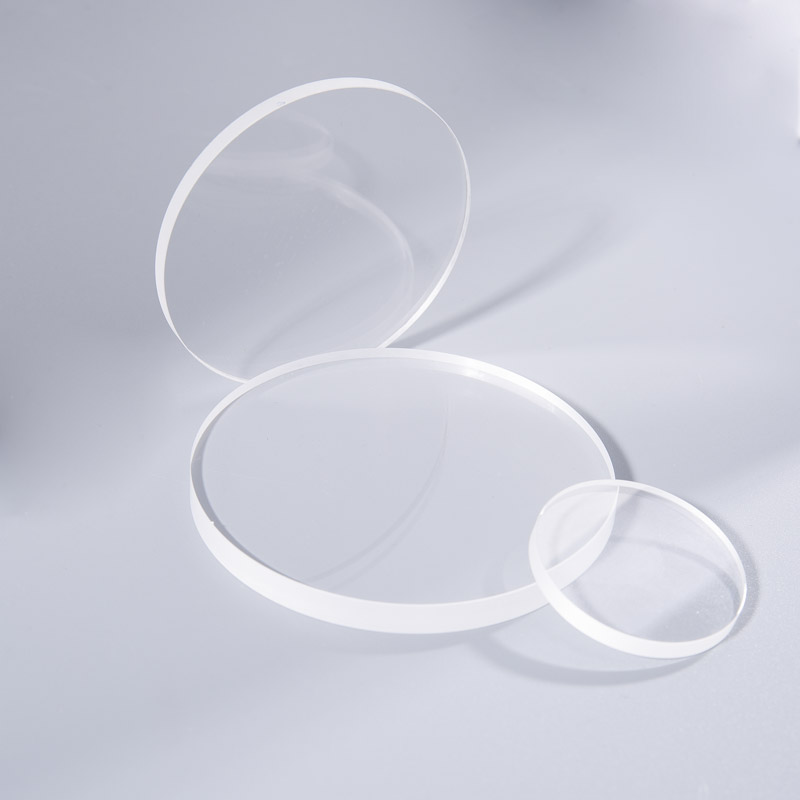
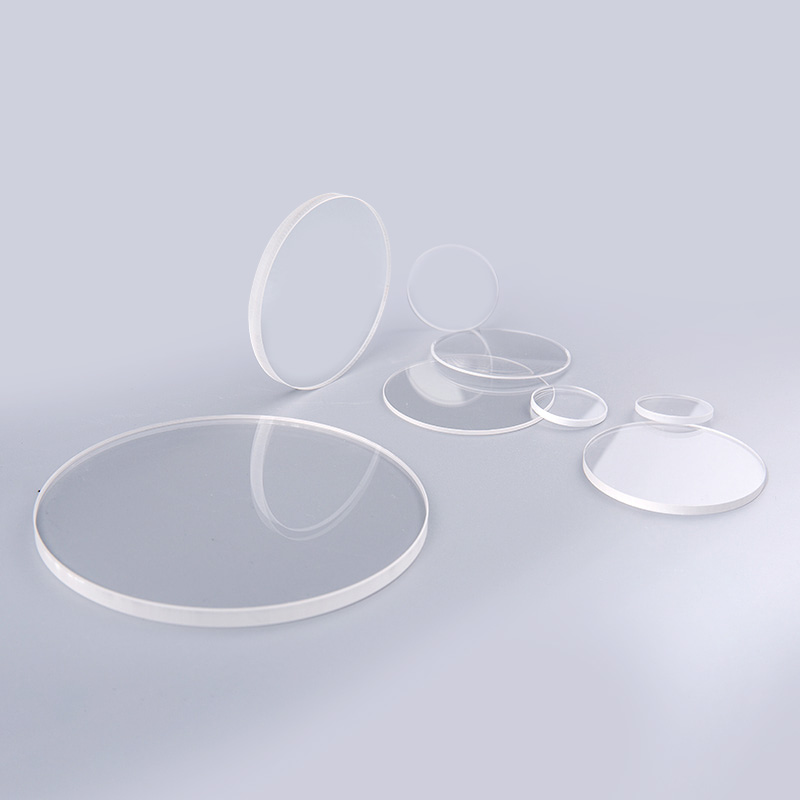
Optical Lens
Why Optical Lens Quality Matters
Optical quality directly influences system performance. In imaging applications, a high-quality lens helps preserve resolution, contrast, color fidelity, and geometric accuracy. In laser applications, it helps control beam shape, focal position, transmission, and energy distribution. In automotive applications, it contributes to the clarity and reliability of displays, sensing modules, lighting systems, and driver-assistance equipment.
Low-quality or poorly controlled lenses may introduce several problems. Surface defects can scatter light and reduce contrast. Inaccurate curvature can shift the focal point. Poor centering can create image decentering or uneven beam behavior. Excessive wedge can affect alignment. Inappropriate coatings can reduce transmission or cause reflection-related losses. Inadequate cleaning may lead to contamination inside a sealed optical assembly.
These problems are not always visible during a basic visual inspection. They may only appear when the lens is integrated into a high-performance system. This is why dimensional measurement, surface inspection, optical testing, coating verification, and process documentation are essential parts of professional optical manufacturing.
Advanced Optical Lens Manufacturing Process
The manufacturing process for a precision optical lens is made up of multiple controlled stages. The exact route depends on lens geometry, material, dimensions, optical tolerances, and volume requirements. However, the following sequence represents the main production activities used by experienced optical component manufacturers.
1. Technical Review and Product Engineering
Production starts with a review of the customer’s technical requirements. Engineers examine the optical drawing, lens prescription, material specification, diameter, thickness, radii, clear aperture, edge profile, tolerances, coating requirements, and packaging conditions.
This review is important because optical drawings often contain several interconnected requirements. For example, a tolerance on center thickness may influence the effective focal length, while a tolerance on centration may influence image quality or beam alignment. The manufacturer must identify which characteristics are critical to function and which can be optimized for production efficiency.
For customized products, engineering teams may also review the application wavelength, working temperature, environmental exposure, mounting structure, and expected production quantity. A clear technical review helps establish realistic manufacturing and inspection plans before materials are committed.
2. Optical Material Selection and Preparation
Material selection affects refractive index, dispersion, transmission range, thermal behavior, chemical resistance, and mechanical processing characteristics. Optical glass is commonly selected for many imaging and laser applications, while other transparent materials may be appropriate for specialized ultraviolet, infrared, lightweight, or high-temperature systems.
Before processing, raw material must be inspected and prepared. The manufacturer considers factors such as internal homogeneity, inclusions, striae, bubbles, stress, and transmission properties. Material traceability is also important, particularly for products used in automotive, semiconductor, and other regulated or high-reliability industries.
Careful material preparation reduces the risk of defects being carried into later stages. It also supports more stable grinding, polishing, coating, and final inspection.
3. Cutting, Blocking, and Preforming
Large optical blanks may be cut into smaller pieces suitable for the required lens diameter. During blocking, one or more workpieces can be secured in a way that supports stable processing and accurate positioning. Preforming creates an initial approximation of the desired geometry before fine grinding and polishing.
At this stage, efficient material utilization can help reduce waste and control production cost. However, productivity must not compromise edge integrity or dimensional stability. The workpiece must remain secure throughout processing, and the process must accommodate the characteristics of the selected optical material.
4. Precision Grinding
Grinding removes material and generates the basic curved surfaces of the lens. Coarse grinding establishes the general radius and shape, while finer grinding improves dimensional accuracy and prepares the surface for polishing.
Grinding parameters must be controlled to prevent excessive subsurface damage. If microscopic damage extends too deeply into the material, subsequent polishing may require additional material removal and may affect the final geometry. Professional process control balances removal rate, surface condition, heat generation, tool condition, and workpiece stability.
5. Fine Grinding and Polishing
Polishing is one of the most important stages in optical lens production. It removes fine grinding marks and produces a smooth, optically functional surface. The polishing process must control surface figure, roughness, edge condition, and dimensional change.
Surface figure describes how closely the finished surface matches the intended optical shape. Surface roughness affects scattering and transmission. Edge quality matters because chips, turned edges, and other defects can reduce the usable aperture or create assembly problems.
Different lens geometries require different polishing strategies. A spherical surface, an aspheric surface, and a cylindrical surface cannot always be processed using the same tooling and motion pattern. Experienced technicians and engineers select suitable equipment, tools, abrasives, fixtures, and process parameters for each product family.
6. Centering and Edge Processing
Centering aligns the optical axis of the lens with its mechanical reference. This is essential for lenses installed in barrels, mounts, imaging modules, laser systems, and precision instruments. A lens may have excellent surface quality but still perform poorly if its optical axis is not correctly positioned relative to its outside diameter or mounting surface.
Edge processing may include beveling, chamfering, edging, and dimensional finishing. These operations protect the lens from chipping and make it easier to handle and install. The final edge profile must be compatible with the customer’s mounting method and should not interfere with the clear aperture.
7. Cleaning and Surface Preparation
Optical surfaces must be cleaned carefully before inspection and coating. Dust, oils, polishing residue, fingerprints, and other contaminants can reduce coating adhesion or remain trapped beneath a film layer.
Professional cleaning processes are selected according to the material, coating type, component geometry, and cleanliness requirements. Handling procedures are equally important. Clean gloves, controlled work areas, suitable containers, and protective packaging help prevent contamination after cleaning.
8. Optical Coating
Many optical lenses require anti-reflection, high-reflection, beam-splitting, protective, or wavelength-selective coatings. Coatings are designed according to the operating wavelength, angle of incidence, polarization condition, substrate material, and environmental requirements.
An anti-reflection coating can improve transmission and reduce unwanted reflections. In a laser system, this may help increase energy efficiency and reduce stray light. In an imaging system, it can improve contrast and reduce ghost images. In a sensor or automotive display, it may enhance readability and signal quality.
Coating performance depends on both the film design and the substrate preparation. A coating cannot compensate for a damaged or contaminated optical surface. Therefore, coating work must be integrated with surface inspection, cleaning, process control, and final testing.
9. Inspection and Testing
Inspection confirms that the finished lens meets dimensional, optical, cosmetic, and coating requirements. Depending on the product, inspection may include diameter, thickness, radius, centration, wedge, surface figure, surface roughness, clear aperture, cosmetic quality, transmission, and coating performance.
Testing methods should be selected according to the actual function of the component. For example, a lens intended for laser beam focusing may require different emphasis from one designed for a high-resolution imaging module. A robust quality plan connects measurable inspection data with the customer’s system-level requirements.
Inspection records also provide valuable information for process improvement. If a recurring trend is identified, engineers can investigate tool wear, material variation, fixture condition, polishing parameters, or environmental factors. This data-driven approach improves consistency over time.
10. Packaging and Delivery
Optical lenses require protective packaging to prevent scratches, contamination, moisture exposure, and impact during transportation. Packaging design depends on component size, surface sensitivity, quantity, coating type, and customer assembly procedures.
Correct identification and traceability are also important. Product labels, batch records, inspection reports, and packing documentation help customers manage incoming inspection and production planning. For export shipments, reliable packaging supports safe delivery across long distances and varied handling conditions.
Manufacturing Strengths That Create Customer Value
The advantages of a specialized optical lens manufacturer extend beyond the ability to produce a single part. Customers benefit from engineering knowledge, process stability, quality systems, application experience, and coordinated production support.
Long-Term Industry Experience
HLL was founded in 1998 and has developed more than two decades of experience in precision optical component manufacturing. Long-term experience is valuable because optical production involves many practical variables that are not fully represented by a drawing. Operators and engineers learn how material behavior, tool condition, polishing chemistry, fixture design, and cleaning procedures affect final performance.
This experience can shorten the path from initial sample to stable production. It can also help identify potential manufacturing risks earlier, allowing customers to make informed decisions about tolerances, materials, surface treatments, and inspection requirements.
Specialized Technical Team
Optical manufacturing requires cooperation among optical engineers, process engineers, production technicians, quality personnel, and equipment specialists. HLL has an experienced technical team supporting product development and manufacturing activities.
A multidisciplinary team is particularly important for customized lenses. Optical design requirements must be translated into practical manufacturing steps. At the same time, production feedback may suggest improvements to the design, tolerance allocation, or inspection plan. Close technical cooperation can make the final product more economical without sacrificing necessary performance.
Engineering and Research Resources
The company has established the Jiangsu Precision Optical Lens Engineering Technology Center and the Jiangsu Enterprise Technology Research Center. These research and engineering resources support the development of optical components and manufacturing technologies.
Continuous engineering development is important in a competitive market. Customers increasingly require smaller components, tighter tolerances, higher transmission, improved environmental performance, and more consistent quality. A manufacturer with dedicated technical development resources is better prepared to respond to these needs.
Quality Management Certifications
HLL has obtained ISO9001:2015 and ISO14001:2015 certifications, as well as IATF16949 certification. These standards reflect structured approaches to quality management, environmental management, and automotive-related quality requirements.
Certification alone does not replace product inspection or technical competence, but it provides an important framework for documentation, process control, corrective action, supplier management, and continual improvement. IATF16949 experience is especially relevant when optical components are supplied for automotive systems, where traceability, consistency, change control, and risk management are critical.
Broad Application Experience
HLL focuses on laser optics, automotive optics, semiconductor optics, and consumer optics. Each field has different priorities. Laser optics often emphasizes transmission, surface quality, beam control, and coating performance. Automotive optics may emphasize durability, temperature stability, vibration resistance, production consistency, and traceability. Semiconductor optics may require precision, cleanliness, and stable performance in demanding equipment. Consumer optics often combines compact dimensions, attractive cost, high volume, and consistent appearance.
Experience across these sectors allows the manufacturer to apply lessons from one product family to another while still adapting the process to each application’s requirements.
Established Production Infrastructure
The company covers approximately 35,000 square meters and employs more than 300 people. A substantial manufacturing base supports organized production, engineering activities, inspection, storage, and logistics.
Scale can provide practical advantages when it is combined with effective management. It may support dedicated production areas, better equipment utilization, improved material planning, and the ability to handle both development projects and larger orders. Customers can also benefit from a supplier capable of supporting product growth as volumes increase.
Patent and Product Development Activity
HLL has obtained invention patents, utility model patents, and Jiangsu high- and new-technology product recognitions. These achievements indicate continuing attention to process development, product innovation, and technical improvement.
In optical manufacturing, innovation may involve tooling, polishing methods, inspection technologies, coating solutions, fixtures, cleaning procedures, or application-specific component designs. Such improvements can support higher productivity and more stable performance.
Advantages Compared with Less Specialized Suppliers
Optical lenses can be purchased from general glass processors, low-cost traders, or suppliers focused mainly on standard parts. These sources may be appropriate for simple applications, but they can create limitations when a project requires custom specifications, stable batches, or close technical cooperation.
Better Control of Optical Performance
A specialized optical manufacturer understands that lens quality is determined by a combination of geometry, material, surface condition, centering, coating, and cleanliness. This integrated understanding helps reduce the risk of treating each characteristic as an isolated requirement.
Compared with a general machining supplier, a precision optical manufacturer is more likely to have established methods for controlling optical figure, surface roughness, clear aperture, and axis alignment. This is especially important for systems where small errors can produce significant performance changes.
More Reliable Customization
Standard lenses may not meet the needs of every application. A specialized supplier can review customer drawings, recommend suitable materials, discuss tolerance priorities, and develop an appropriate process route. This supports efficient customization rather than forcing a project to adapt to unsuitable standard products.
Improved Batch-to-Batch Consistency
High-performance products often require consistent characteristics across thousands or even millions of components. Stable procedures, documented process parameters, inspection standards, and trained personnel help reduce variation between batches.
Consistency is particularly important when lenses are installed in automated assemblies. Variations in focal position, centration, or transmission can affect calibration, yield, and field performance.
Stronger Support for Automotive and Industrial Projects
Automotive and industrial customers often require more than a product sample. They may need quality documentation, process approvals, traceability, change notification, corrective action, and reliable delivery planning. A manufacturer familiar with formal quality systems is better prepared to meet these expectations.
Greater Potential for Long-Term Cooperation
When an optical lens supplier supports product development, prototyping, qualification, volume production, and continuous improvement, the relationship can become more efficient over time. The supplier gains knowledge of the customer’s application, while the customer gains confidence in the manufacturing process.
Long-term cooperation can also improve communication. Technical terminology, inspection methods, packaging preferences, and delivery requirements become standardized, reducing the likelihood of misunderstandings in future projects.
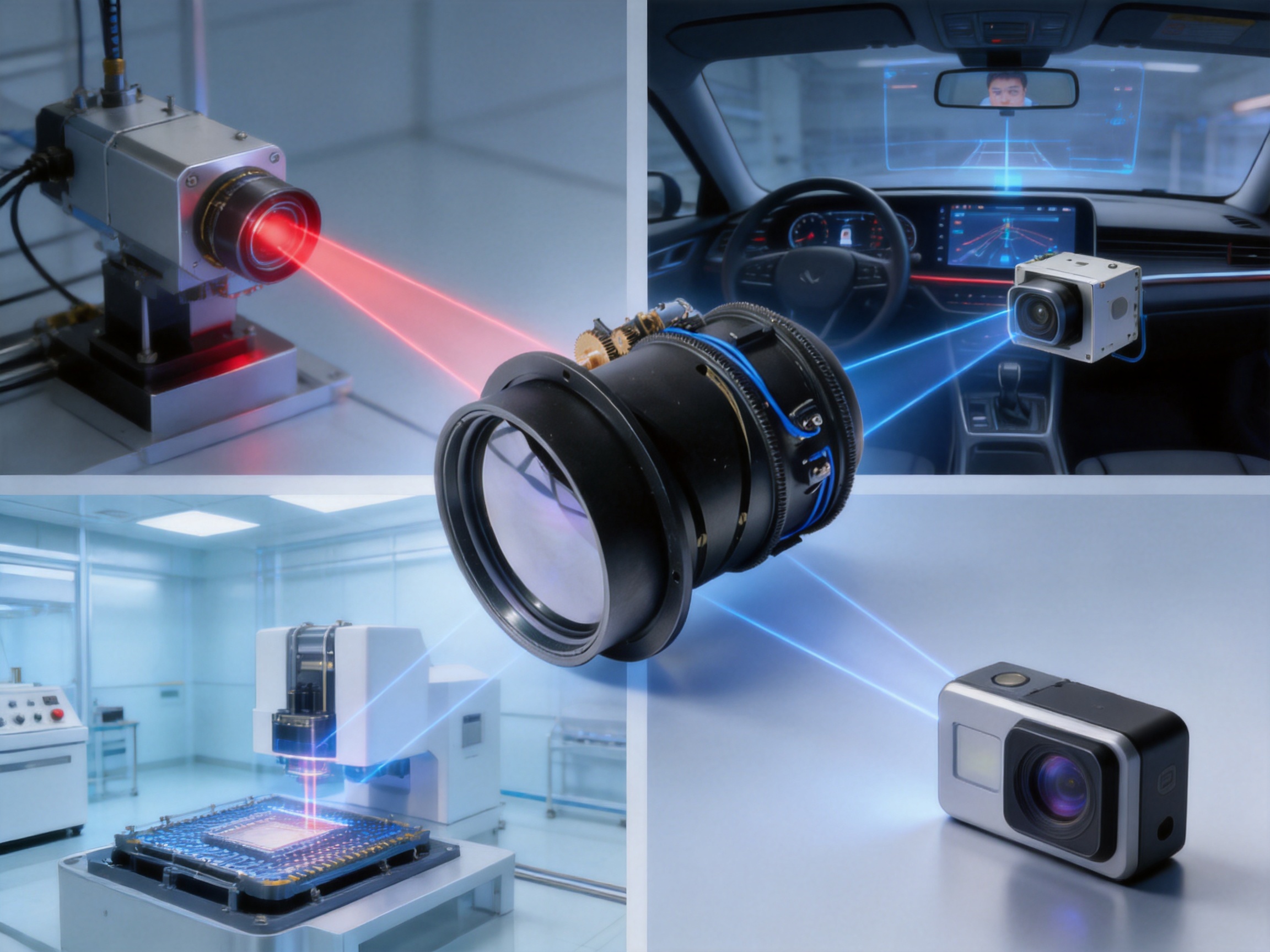
Optical Lenses for Key Application Markets
Laser Optics
Laser systems require optical components that can transmit, focus, expand, collimate, or redirect concentrated light. Lens performance influences beam quality, focal spot size, working distance, and energy efficiency.
Laser applications may require high surface quality, appropriate anti-reflection coatings, accurate centering, and stable performance under thermal loading. The correct lens material and coating must be selected according to laser wavelength and power level. A manufacturer experienced in laser optics can help coordinate substrate processing and coating requirements.
Automotive Optics
Optical components are increasingly used in automotive displays, instrument panels, head-up displays, lighting modules, sensing systems, cameras, and driver-assistance technologies. These applications may expose components to vibration, temperature cycling, humidity, dust, and long operating periods.
Automotive optical lenses must therefore combine optical clarity with mechanical and environmental reliability. Consistent production, traceability, controlled change management, and documented quality processes are valuable advantages. HLL’s IATF16949 certification and automotive optics experience support its role as a supplier for this demanding market.
Semiconductor Optics
Semiconductor manufacturing equipment depends on accurate optical systems for inspection, alignment, measurement, imaging, and process control. The optical components used in these systems must provide stable geometry, high cleanliness, reliable transmission, and repeatable performance.
In semiconductor environments, contamination control and consistency are especially important. A small particle, coating defect, or dimensional variation can affect equipment performance or reduce production yield. Optical suppliers serving this market must maintain disciplined cleaning, handling, inspection, and packaging procedures.
Consumer Optics
Consumer electronics and optical devices often require small, lightweight, attractive, and cost-effective components. Products may include cameras, sensing modules, projectors, scanning devices, display systems, and portable instruments.
Consumer applications can involve high volumes and short product cycles. This creates a need for efficient process development, scalable production, stable quality, and responsive technical communication. The supplier must balance optical performance with manufacturing cost and delivery requirements.
Industrial Imaging and Machine Vision
Machine-vision systems use lenses to capture images for inspection, measurement, sorting, robotics, and automated production. Image clarity, distortion control, contrast, and focus stability are important for accurate analysis.
Custom optical lenses may be needed when the system has a specialized field of view, working distance, sensor format, or space limitation. Precision manufacturing and reliable centering help ensure that the lens performs as intended when integrated with the camera and mechanical housing.
Scientific and Measurement Instruments
Scientific instruments require optical components with predictable performance and reliable long-term stability. Lenses may be used in spectroscopy, microscopy, laboratory measurement, analytical equipment, and photonic research systems.
These applications often place strong emphasis on transmission range, optical accuracy, repeatability, and documentation. A capable manufacturer can support both prototype quantities for research and repeat production for commercial instruments.
Quality Control from Incoming Material to Final Shipment
Quality control should begin before the first manufacturing operation. Incoming material inspection helps confirm that the substrate is appropriate for the intended product. Production-stage checks monitor geometry, surface condition, and process stability. Final inspection verifies whether the completed component satisfies the technical specification.
Important quality characteristics may include the following:
Diameter and dimensional accuracy help ensure compatibility with the customer’s mount or barrel.
Center thickness influences optical power and mechanical fit.
Radius accuracy affects focal length and imaging performance.
Surface figure indicates whether the optical surface matches its intended form.
Surface roughness affects scatter and transmission.
Centration and wedge influence optical axis alignment.
Clear aperture determines the usable optical area.
Cosmetic quality identifies scratches, digs, chips, bubbles, stains, or other visible defects.
Coating performance affects reflection, transmission, durability, and wavelength response.
Cleanliness helps prevent contamination in sensitive assemblies.
Not every product requires the same inspection plan. An experienced manufacturer establishes inspection criteria according to the lens function and customer requirements. This avoids both under-inspection, which can allow defects to pass, and unnecessary inspection, which can increase cost without improving product performance.
Designing for Manufacturability
Optical lens performance depends on design, but design must also consider manufacturability. A lens with extremely tight tolerances in every dimension may be technically impressive but unnecessarily expensive or difficult to produce. A better approach is to identify which characteristics are functionally critical and allocate tolerances accordingly.
Designers should consider available materials, minimum edge thickness, clear aperture, coating limitations, mounting method, environmental conditions, and inspection capability. Rounded edges and suitable chamfers can reduce chipping. Appropriate tolerances can improve yield. A practical coating specification can reduce unnecessary complexity while maintaining the required transmission or reflection performance.
Early collaboration between the customer and manufacturer is therefore highly beneficial. The manufacturer can identify potential risks before tooling and production begin. The customer can explain system priorities, allowing the supplier to focus resources on the characteristics that matter most.
Environmental and Operational Considerations
Optical lenses may operate in environments that include temperature changes, humidity, vibration, chemical exposure, dust, ultraviolet radiation, or laser energy. These conditions should be considered when selecting materials, coatings, adhesives, packaging, and mounting methods.
Thermal expansion can change lens spacing or focus. Humidity can affect certain coatings or bonded assemblies. Vibration can place stress on the lens or its mount. High-energy laser operation can create localized heating. Automotive applications may require stable performance across broad temperature ranges and long service periods.
ISO14001:2015 certification reflects a structured approach to environmental management. Responsible manufacturing can include efficient use of materials, control of process waste, appropriate chemical management, and continual improvement of environmental performance. These practices can benefit both the manufacturer and customers seeking more responsible supply chains.
Global Supply and Customer Support
HLL exports optical components to more than 20 countries. International supply requires reliable communication, accurate documentation, secure packaging, production planning, and awareness of customer requirements in different markets.
For overseas customers, a supplier’s ability to manage technical clarification is particularly important. Drawings, inspection standards, units of measurement, coating definitions, packaging methods, and acceptance criteria should be confirmed before production. Clear records help prevent delays and make incoming inspection more efficient.
International customers may also require samples before placing volume orders. A well-managed sample process should represent the proposed production method as closely as possible. This helps the customer evaluate optical performance and helps the manufacturer confirm that the process can meet the required specifications.
Recommended Customer Qualification Process
When selecting an optical lens supplier, buyers should evaluate more than price. The following questions can help determine whether a manufacturer is suitable for a specific project.
Does the supplier have experience with the required lens geometry and material?
Can the supplier support the required wavelength, coating, and environmental conditions?
Are optical and dimensional inspection methods available for the critical specifications?
Does the supplier have documented quality and traceability procedures?
Can the supplier support prototype development as well as volume production?
Are engineering and process teams available to review drawings and manufacturability?
Can the supplier provide suitable packaging and export support?
Does the supplier have experience in the customer’s target industry?
Will the supplier communicate changes, nonconformities, and corrective actions clearly?
These questions help distinguish a true optical manufacturing partner from a supplier that only resells standard components.
Technical Comparison of Common Lens Considerations
| Consideration | Why It Matters | Typical Manufacturing Focus | Application Examples |
|---|---|---|---|
| Material | Determines refractive index, dispersion, transmission, and thermal behavior | Material verification, traceability, internal quality, and suitability review | Laser optics, imaging, spectroscopy |
| Surface Figure | Influences focal accuracy, wavefront quality, and image performance | Controlled grinding, polishing, and optical measurement | Imaging, measurement, beam focusing |
| Surface Roughness | Affects scatter, contrast, and transmission | Fine polishing, cleaning, and surface inspection | Laser systems, sensors, cameras |
| Centration | Controls the relationship between optical and mechanical axes | Precision centering, edging, and alignment inspection | Barrel-mounted lenses, machine vision, automotive modules |
| Coating | Controls reflection, transmission, durability, and wavelength response | Substrate preparation, coating design, adhesion, and spectral testing | Displays, lasers, optical sensors |
| Cleanliness | Prevents contamination, scatter, and assembly failure | Controlled cleaning, handling, inspection, and packaging | Semiconductor equipment, scientific instruments |
| Traceability | Supports quality management and production investigation | Batch records, labels, inspection documentation, and change control | Automotive and industrial products |
Why Choose an Experienced Optical Component Partner
A precision optical lens is not simply a transparent piece of glass. It is a carefully engineered component whose geometry, surface condition, material, coating, and cleanliness must work together. Choosing a specialized supplier reduces technical risk and helps ensure that the component will perform reliably after assembly.
HLL combines long-term optical manufacturing experience with a broad application focus, an established technical team, dedicated engineering centers, formal quality certifications, and international supply experience. Its manufacturing capabilities support optical lenses and other precision optical components for laser, automotive, semiconductor, consumer, and industrial applications.
The company’s strengths are particularly relevant to customers that require custom products, stable batch production, application-specific coatings, quality documentation, and close engineering cooperation. Its scale, workforce, patents, product development activity, and experience serving multiple sectors create a foundation for continued technical improvement.
For customers comparing optical lens manufacturers, the most important advantage is the ability to connect design intent with repeatable production. A capable supplier does not only make a lens according to a drawing. It helps determine whether the drawing is practical, establishes a suitable process, verifies the critical characteristics, protects the product during delivery, and supports improvement throughout the product life cycle.
Frequently Asked Questions
What is an optical lens?
An optical lens is a transparent component with curved or specially shaped surfaces that refracts light. It may focus, diverge, collimate, magnify, reduce, or otherwise control light in an optical system.
What types of optical lenses can be manufactured?
Common types include spherical, aspheric, cylindrical, plano-convex, plano-concave, bi-convex, bi-concave, meniscus, achromatic, and other custom lens designs. The suitable type depends on the optical prescription and application.
Which industries use precision optical lenses?
Precision optical lenses are used in laser equipment, automotive displays and sensing systems, semiconductor manufacturing equipment, consumer electronics, machine vision, scientific instruments, cameras, measurement systems, and industrial automation.
Why is lens centering important?
Centering controls the alignment between the optical axis and the mechanical reference of the lens. Poor centering can cause image decentering, beam deviation, uneven illumination, or alignment problems during assembly.
What is the purpose of an optical coating?
An optical coating can reduce reflection, improve transmission, increase reflection at a selected wavelength, protect the surface, or provide wavelength-selective performance. The coating design must match the application and operating conditions.
Can custom optical lenses be produced?
Yes. Custom lenses can be developed according to specific drawings, optical prescriptions, dimensions, materials, coatings, tolerances, and environmental requirements. Technical review before production is recommended.
How does a manufacturer control optical lens quality?
Quality is controlled through material inspection, process monitoring, precision grinding and polishing, centering, cleaning, coating control, dimensional inspection, optical testing, cosmetic inspection, traceability, and protective packaging.
What makes an optical lens manufacturer reliable?
Important factors include relevant experience, engineering capability, suitable equipment, trained personnel, documented quality systems, inspection resources, material traceability, stable production processes, effective communication, and the ability to support both samples and volume orders.
Why are ISO and IATF certifications useful?
These certifications provide structured frameworks for quality management, environmental management, process control, documentation, corrective action, and continual improvement. IATF16949 is especially relevant to automotive supply chains.
Can one supplier support different industries?
A supplier with experience in multiple fields can support different application requirements, provided each project receives an appropriate technical review and quality plan. Laser, automotive, semiconductor, and consumer products may require different materials, coatings, cleanliness levels, and inspection criteria.
What information should customers provide when requesting an optical lens quotation?
Useful information includes the optical drawing or prescription, material, diameter, thickness, radii, clear aperture, tolerances, wavelength, coating requirements, operating environment, expected quantity, packaging needs, and inspection documentation requirements.
How can customers improve the cost-effectiveness of a custom lens?
Customers can improve cost-effectiveness by identifying functionally critical tolerances, sharing complete technical information early, selecting practical materials, avoiding unnecessary complexity, considering manufacturability during design, and discussing expected production volume with the manufacturer.
Conclusion
Precision optical lenses are essential to the performance of modern photonic, imaging, sensing, automotive, semiconductor, and consumer systems. Their quality depends on a complete chain of activities, including material selection, optical engineering, grinding, polishing, centering, coating, cleaning, inspection, and packaging.
An experienced optical component manufacturer can provide significant advantages over less specialized suppliers. These advantages include better control of optical performance, more dependable customization, stronger batch consistency, improved documentation, application-specific engineering, and greater support for long-term production.
Changzhou Haolilai Photo-Electricity Scientific and Technical Co., Ltd. brings together experience dating from 1998, an established manufacturing base, more than 300 employees, international export experience, engineering technology centers, multiple patents and product recognitions, and certifications including ISO9001:2015, ISO14001:2015, and IATF16949. Its focus on laser optics, automotive optics, semiconductor optics, and consumer optics positions it to serve customers seeking reliable precision optical lenses and related components.
For a successful optical project, the lens should be treated as a critical engineered element rather than a commodity part. Early technical cooperation, clearly defined specifications, robust process control, and consistent inspection can help customers achieve better optical performance, lower production risk, and more dependable final products.
References
ISO 9001:2015, Quality Management Systems—Requirements.
ISO 14001:2015, Environmental Management Systems—Requirements with Guidance for Use.
IATF 16949, Quality Management System Requirements for Automotive Production and Relevant Service Parts Organizations.
International Organization for Standardization, Geometrical Product Specifications and Related Optical Measurement Principles.
Optical Society of America, Handbook of Optics, selected technical principles concerning optical materials, lens design, imaging, and optical measurement.
Warren J. Smith, Modern Optical Engineering, principles of optical system design, aberration control, and component performance.
National Institute of Standards and Technology, general principles of dimensional measurement, surface characterization, and optical metrology.


 苏公网安备32041102000130号