
 Search
 en
 English
 日本語
 русский
 Español
 Deutsch
 中文简体
Content
- 1 What Is an Optical Window?
- 2 Core Performance Characteristics
- 3 Material Selection for Optical Windows
- 4 Precision Manufacturing Process
- 5 Advantages Compared with Generic Optical Window Suppliers
- 6 Optical Window Applications
- 7 Specification Guide for Buyers
- 8 Quality Control and Inspection
- 9 Process Advantages That Improve Product Value
- 10 Design Recommendations for Better Window Performance
- 11 Sustainability and Responsible Manufacturing
- 12 Why Choose a Specialized Optical Component Manufacturer?
- 13 Frequently Asked Questions
- 13.1 What is the primary function of an optical window?
- 13.2 How is an optical window different from an optical lens?
- 13.3 Can optical windows be produced in custom shapes?
- 13.4 Which materials are available for optical windows?
- 13.5 Do optical windows require antireflection coatings?
- 13.6 What information should be included in a request for quotation?
- 13.7 Can the supplier support both samples and mass production?
- 13.8 Why are flatness and wedge important?
- 13.9 How should optical windows be cleaned?
- 13.10 What quality certifications does HLL have?
- 13.11 Does HLL manufacture other optical components?
- 13.12 Can optical windows be used in automotive applications?
- 13.13 What makes a precision optical window different from a basic glass cover?
- 14 Conclusion
- 15 References
- 16 Product: Optical Window
Optical windows are essential components in systems that must transmit, protect, isolate, or separate light without significantly changing its optical path. Although an optical window may appear to be a simple flat piece of transparent material, its performance depends on a complex combination of substrate quality, surface accuracy, parallelism, coating design, edge condition, cleanliness, and manufacturing control. In laser equipment, imaging instruments, automotive sensing systems, semiconductor tools, scientific devices, and consumer products, the window can directly influence image quality, laser stability, signal strength, environmental durability, and the service life of the complete assembly.
Modern equipment manufacturers increasingly require optical windows that combine high transmission with tight dimensional tolerances, dependable environmental performance, consistent quality between production batches, and compatibility with automated assembly. These requirements make precision manufacturing capabilities more important than the apparent simplicity of the component. A well-designed optical window must be produced from suitable optical glass or another engineered substrate, processed with controlled grinding and polishing methods, inspected through multiple stages, and packaged in a way that preserves its quality until installation.
Changzhou Haolilai Photo-Electricity Scientific and Technical Co., Ltd., also known as HLL, is a professional manufacturer of precision optical components with experience dating back to 1998. Located in Changzhou, Jiangsu, China, the company provides optical component manufacturing for laser optics, automotive optics, semiconductor optics, and consumer optics. Its product capabilities include optical windows and other precision components such as optical lenses, prisms, flat mirrors, spherical mirrors, and wafer-related products.
With a production area of approximately 35,000 square meters, more than 300 employees, an experienced technical team, and certifications including ISO9001:2015, ISO14001:2015, and IATF16949, HLL is positioned to support both technically demanding development projects and stable volume production. The company also operates technical research centers focused on precision optical lenses and enterprise technology development. These resources support a manufacturing approach that emphasizes process stability, engineering support, traceability, and continuous improvement.
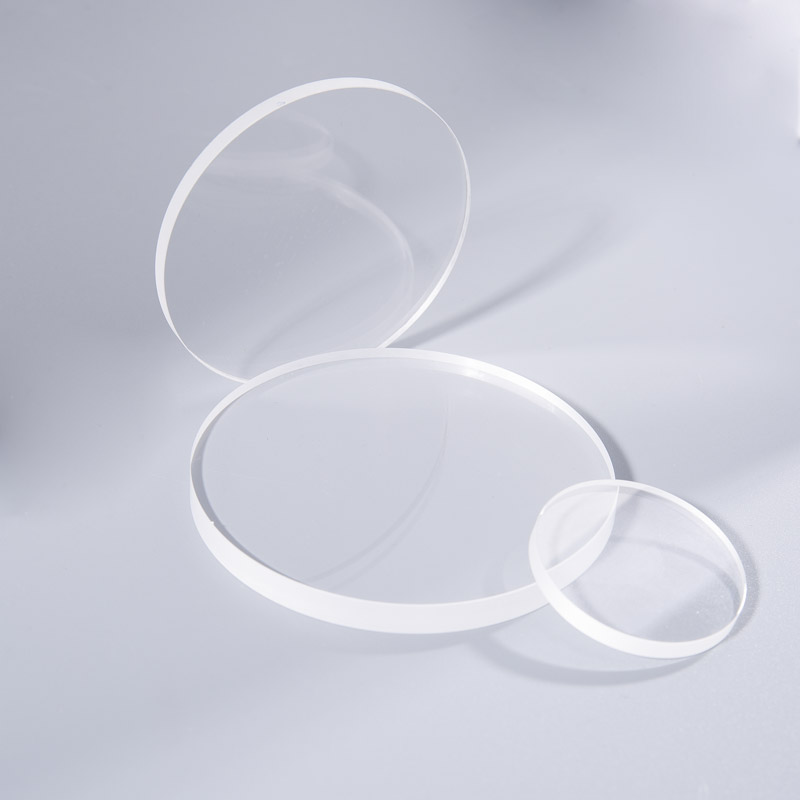
Optical Window
What Is an Optical Window?
An optical window is a transparent optical component designed primarily to allow light to pass through while protecting a sensitive internal environment or separating two regions of a system. Unlike a lens, an ideal optical window does not intentionally focus or defocus light. Unlike a prism, it is not designed to redirect a beam through a significant angular change. Its principal optical function is to maintain the original beam direction and wavefront as closely as possible while providing mechanical, environmental, or contamination protection.
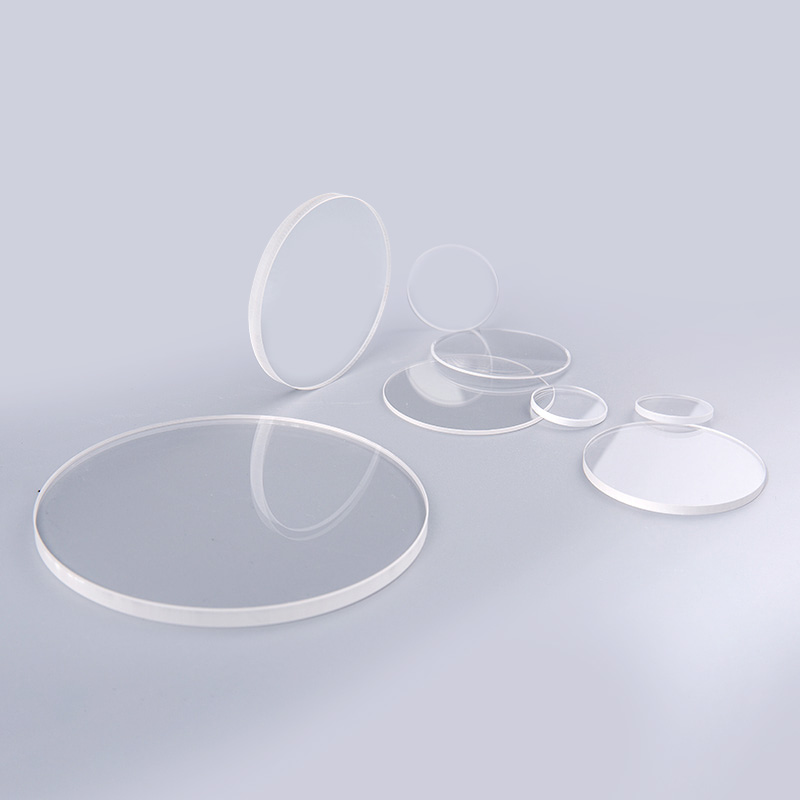
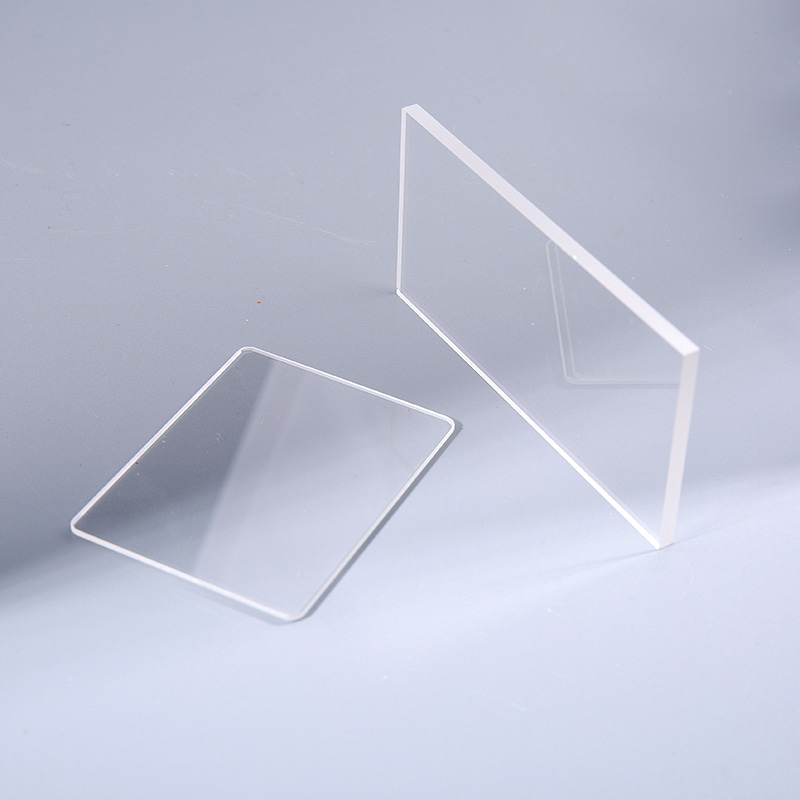
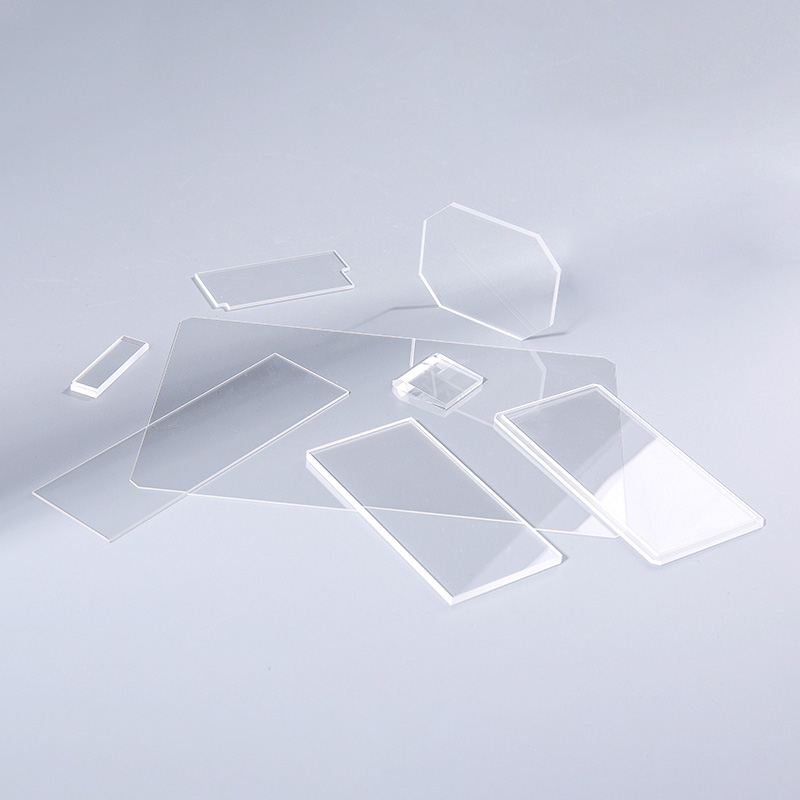
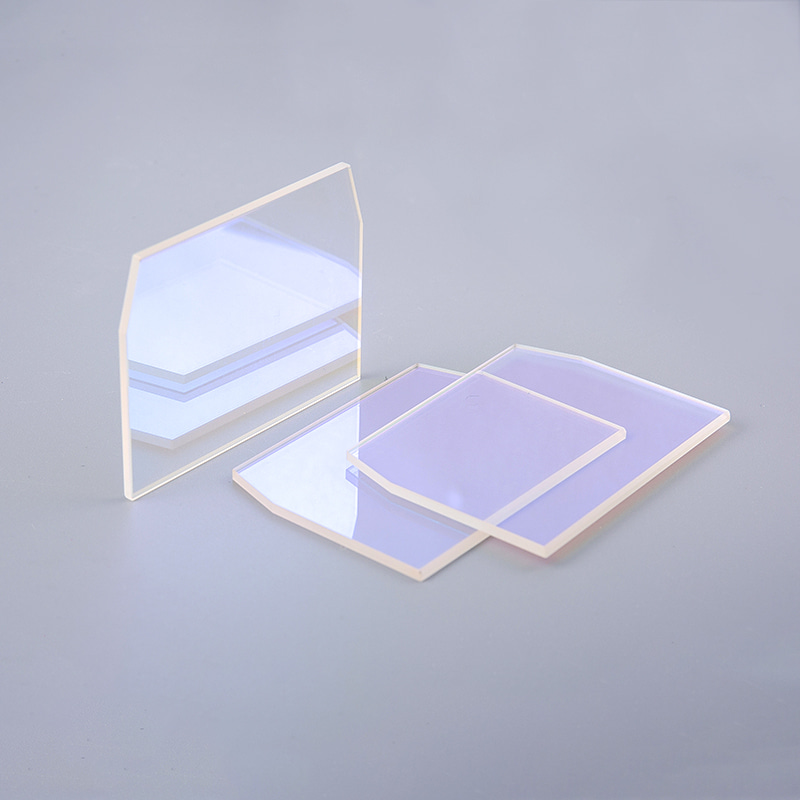
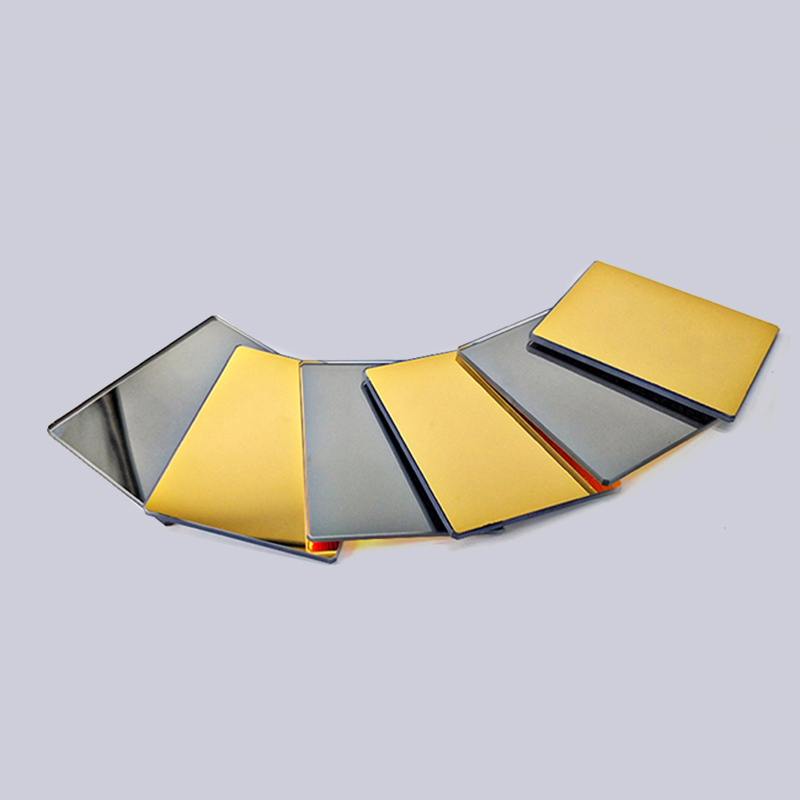
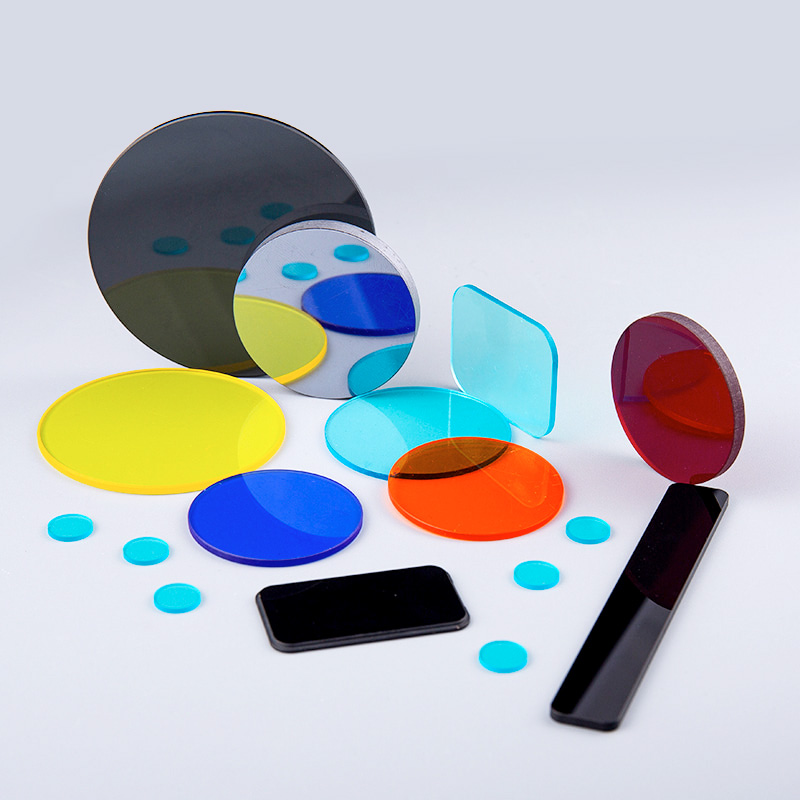
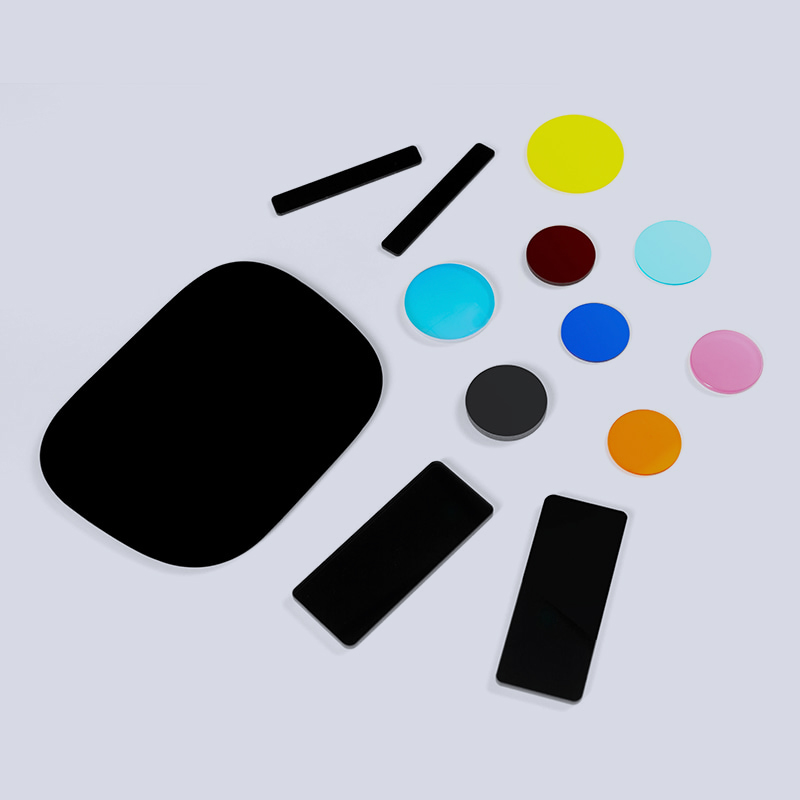
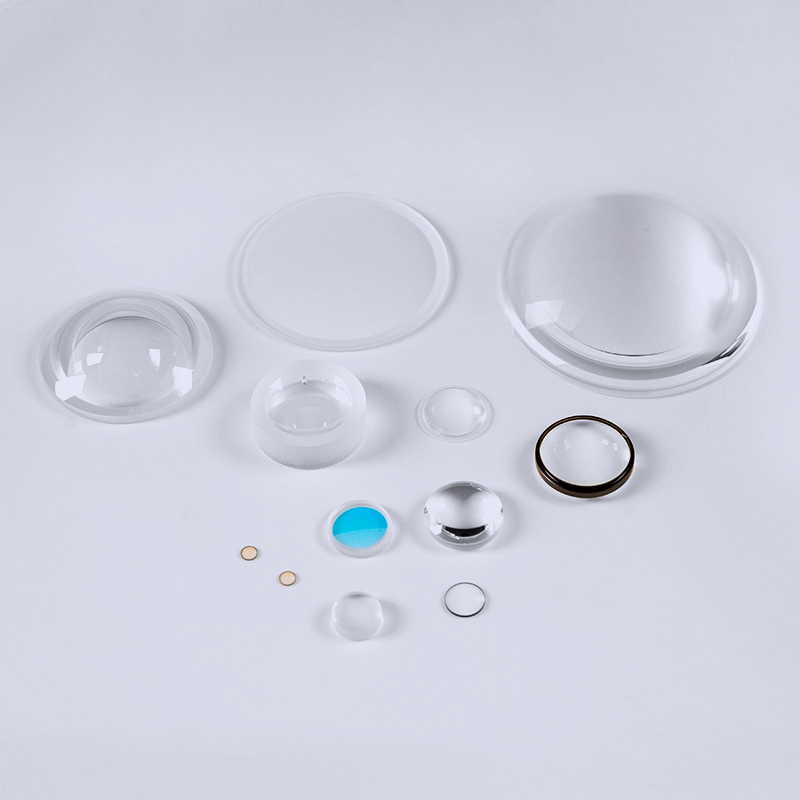
Optical windows may be circular, rectangular, square, polygonal, or custom-shaped. They may be supplied as uncoated substrates or with single-layer, multilayer, antireflection, protective, conductive, infrared, ultraviolet, or other functional coatings. The material may be selected from optical glass, fused silica, quartz, sapphire, ceramic glass, or other transparent materials according to wavelength, temperature, mechanical loading, chemical exposure, and cost requirements.
In a basic optical assembly, the window can protect a camera sensor from dust and moisture. In a laser system, it can seal a chamber while transmitting a high-energy beam. In an automotive interior or sensing module, it can provide a clean optical interface between electronics and the passenger compartment or external environment. In semiconductor equipment, it may be required to withstand vacuum, cleaning chemicals, temperature variation, and strict contamination limits.
The quality of an optical window is therefore defined by more than transparency. Important factors include surface flatness, wedge, parallelism, surface quality, clear aperture, thickness tolerance, dimensional accuracy, coating performance, laser damage resistance, environmental stability, and cosmetic cleanliness. The correct combination depends on the application and should be established before production begins.
Core Performance Characteristics
High Optical Transmission
Transmission is one of the most visible performance characteristics of an optical window. The substrate must transmit the required wavelength range with low absorption and low scattering. If the window is used in the visible range, color neutrality and visual clarity may be important. For ultraviolet or infrared systems, the material must be selected according to its spectral transmission characteristics and resistance to radiation or thermal loading.
Uncoated optical surfaces reflect a portion of incident light. In systems with multiple windows or multiple passes through a component, these losses can become significant. Antireflection coatings can be applied to reduce surface reflection over a specified wavelength band and angle-of-incidence range. Coating design must be matched to the substrate, operating wavelength, incident polarization, environmental conditions, and cleaning requirements.
Low Wavefront Distortion
A window with insufficient flatness or excessive wedge can change the direction or quality of a transmitted beam. This can be particularly harmful in interferometry, laser processing, machine vision, metrology, and high-resolution imaging. Surface flatness describes how closely a surface conforms to a reference plane, while wedge refers to the angular difference between the two surfaces. Parallelism and wedge control are especially important when a window is installed in a precision optical path.
HLL’s precision optical manufacturing experience supports the production of components with controlled surface geometry. Through carefully managed grinding, polishing, measurement, and process feedback, the manufacturer can develop optical windows for applications requiring repeatable dimensional and optical performance.
Mechanical Protection
An optical window must often perform as a protective barrier. It may shield a camera, laser cavity, detector, display, or vacuum chamber from dust, humidity, particles, pressure differences, impact, and chemical exposure. The window’s thickness, shape, edge treatment, mounting method, and material strength must be considered together.
Thin windows can reduce weight and optical path length, but may be more sensitive to flexure, handling damage, and pressure loading. Thick windows provide greater mechanical rigidity but can increase weight, reflection losses, and material cost. A qualified manufacturer can help balance these factors according to the equipment design.
Stable Dimensions and Repeatable Assembly
Automated equipment requires components that fit consistently. Outside diameter, length, width, thickness, corner radius, hole position, chamfer, and edge profile may all affect installation. Dimensional variations that seem minor in isolation can create assembly interference, tilt, sealing problems, or alignment errors in a high-precision module.
Precision optical windows can be manufactured to customer drawings or technical specifications. When a project involves a new design, the supplier can review tolerances and recommend practical specifications that protect performance without imposing unnecessary processing costs.
Environmental Resistance
Windows used in automotive, industrial, medical, semiconductor, and outdoor applications may face rapid temperature changes, vibration, humidity, cleaning agents, dust, and long operating cycles. The substrate and coating must maintain their performance throughout the expected service environment.
Environmental resistance may involve resistance to humidity, abrasion, salt spray, thermal cycling, ultraviolet exposure, chemical contact, or vacuum conditions. Not every optical window requires the same qualification plan. A suitable program should be determined from actual use conditions rather than from a general specification alone.
Material Selection for Optical Windows
Material selection is the first major decision in optical window design. The best material is not necessarily the one with the highest visible transparency. It must also satisfy wavelength, thermal, mechanical, chemical, processing, and cost requirements.
Optical Glass
Optical glass is widely used because it offers a broad range of refractive indices, dispersion characteristics, transmission bands, and manufacturing options. Different glass families can be selected for visible, near-infrared, ultraviolet, or specialized optical applications. Optical glass is suitable for many general-purpose windows, camera covers, laser components, and imaging assemblies.
Glass can be ground, polished, coated, edged, drilled, and shaped into a wide range of geometries. Its processability makes it a practical choice for both prototype quantities and larger production volumes. However, the specific glass grade must be checked for internal quality, thermal expansion, chemical durability, and transmission in the target wavelength band.
Fused Silica and Quartz
Fused silica and quartz materials are commonly selected for ultraviolet transmission, low thermal expansion, and demanding thermal environments. They can provide excellent transmission over a broad spectral range and are useful in laser, scientific, semiconductor, and ultraviolet illumination systems.
These materials may require specialized processing because their hardness and thermal characteristics differ from those of common optical glass. The selection should account for surface finish, coating compatibility, edge quality, and the intended cleaning or operating environment.
Sapphire and Other Hard Materials
Sapphire offers high hardness, good scratch resistance, and strong environmental durability. It may be considered for protective windows exposed to abrasion, impact, or harsh conditions. The material can be more difficult and costly to process than conventional glass, so the application must justify its advantages.
Other transparent ceramics and specialty materials may be selected for infrared transmission, high-temperature operation, or particular mechanical requirements. HLL’s technical approach allows material selection to be considered as part of the complete component design rather than as an isolated purchasing decision.
| Material or Material Family | Typical Strengths | Common Application Considerations |
|---|---|---|
| Optical glass | Broad material choices, good processability, flexible optical performance | Visible and near-infrared windows, imaging systems, laser assemblies, general precision optics |
| Fused silica or quartz | Ultraviolet transmission, low thermal expansion, strong thermal performance | UV systems, semiconductor equipment, scientific instruments, demanding laser environments |
| Sapphire | High hardness, scratch resistance, mechanical durability | Protective covers, harsh environments, abrasion-prone assemblies |
| Specialty optical materials | Application-specific spectral or environmental characteristics | Infrared, high-temperature, vacuum, or specialized sensing applications |
Precision Manufacturing Process
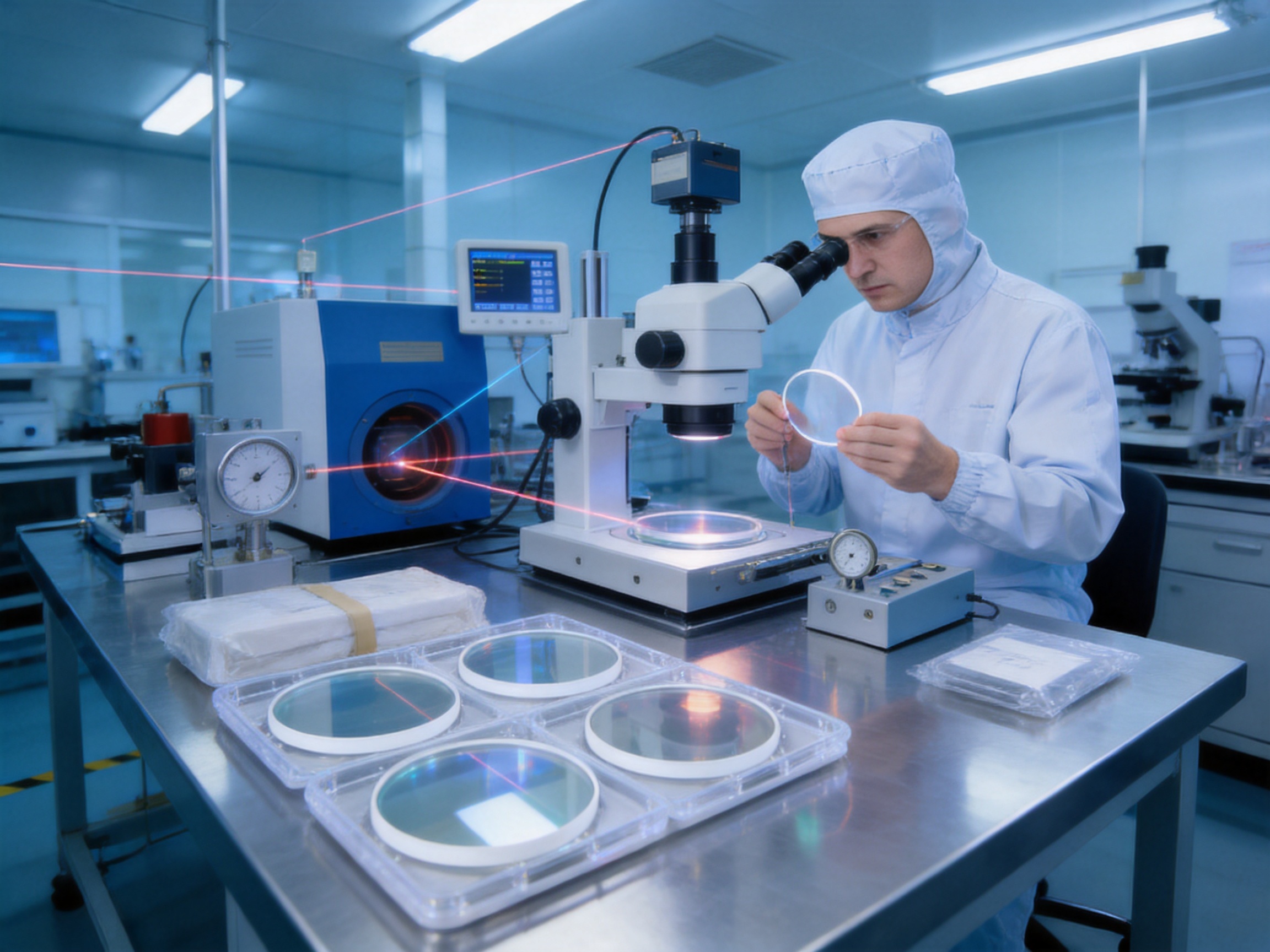
The manufacturing of a high-quality optical window is a sequence of controlled operations. Each stage affects later stages, so process planning must begin with the final optical and mechanical requirements. A stable production system reduces variation, prevents avoidable defects, and supports reliable delivery.
1. Technical Review and Process Planning
Production begins with a review of the customer’s drawing, three-dimensional model, sample, or technical specification. Engineers evaluate material grade, dimensions, thickness, flatness, wedge, surface quality, clear aperture, coating requirements, edge treatment, inspection standards, packaging, and expected quantity.
This review is important because an optical window may have requirements that interact with one another. For example, a very thin substrate with tight flatness tolerances may need special handling and support during polishing. A coating specification may require a particular surface finish. A narrow edge chamfer may improve assembly but increase the risk of handling damage if not properly controlled.
Process planning establishes the manufacturing route, equipment requirements, inspection points, acceptance criteria, and documentation. For repeat orders, historical process data can be used to improve consistency and reduce setup time.
2. Raw Material Inspection
Substrate material is inspected before precision processing. Depending on the project, checks may include material identification, dimensions, visual condition, internal quality, transmission characteristics, and evidence of damage or contamination. Proper material storage and handling are essential because scratches, chips, stains, and particles can be introduced before grinding begins.
Material traceability is also valuable. It allows production and quality teams to connect finished components with material batches, process records, inspection results, and shipment documentation. This supports root-cause analysis and makes quality management more effective.
3. Cutting, Shaping, and Blanking
Glass blanks are cut or shaped to approximate the required final geometry. At this stage, the objective is to remove excess material efficiently while preserving enough allowance for subsequent grinding and polishing. Circular windows may be prepared from round blanks, while rectangular and custom-shaped windows require controlled cutting and edge preparation.
Improper cutting can create hidden stress, edge fractures, or excessive material loss. Controlled equipment settings and suitable tooling help reduce these risks. For complex shapes, the process may include specialized fixtures or multi-stage shaping.
4. Grinding and Lapping
Grinding establishes the basic dimensions and geometry of the window. Coarse grinding removes material, while finer grinding and lapping gradually improve surface condition and dimensional accuracy. This stage influences parallelism, thickness, flatness, and edge integrity.
A well-managed grinding process uses suitable abrasives, controlled pressure, stable fixtures, and frequent measurement. Excessive force can create subsurface damage or deformation. Insufficient process control can leave uneven material removal that becomes difficult to correct during polishing.
Lapping provides a more uniform surface and prepares the substrate for final polishing. It is particularly important when both sides of the window must meet tight geometry requirements. The relationship between the two surfaces must be monitored throughout processing to control wedge and thickness variation.
5. Fine Polishing
Polishing removes the remaining microscopic irregularities and produces the required optical surface. The process may use different polishing methods according to material, size, thickness, shape, and tolerance. Process control includes polishing time, slurry condition, pad condition, pressure distribution, temperature, and cleaning between stages.
For high-performance optical windows, polishing must achieve a balance between surface smoothness and geometric accuracy. A surface may appear visually clear but still have flatness or wavefront errors that affect an optical system. Conversely, a very flat surface may not meet the required surface quality if polishing defects remain.
HLL’s experience in precision optical components supports the development of polishing processes for different product categories and application requirements. The company’s technical resources are especially relevant for customers who need repeatable performance rather than one-time sample production.
6. Edge Processing and Chamfering
Edges are often overlooked, yet they have a direct effect on handling, assembly, durability, and yield. Sharp edges can chip during installation or create safety risks. Proper chamfering or rounding reduces edge fragility and helps protect the component during transport.
Edge dimensions must be controlled so that the chamfer does not reduce the clear aperture or interfere with a sealing surface. For windows installed in holders, the edge profile may also influence clamping force and stress distribution.
7. Cleaning
Cleaning removes polishing residue, particles, fingerprints, oils, and other contaminants. Optical cleaning must be performed with compatible chemicals, controlled water quality, suitable tools, and appropriate drying procedures. Aggressive or poorly selected cleaning methods can damage coatings or leave residues.
Cleanliness requirements vary by application. A consumer optical cover may have different acceptance criteria from a semiconductor inspection window or a laser cavity component. HLL can establish inspection and packaging requirements according to the customer’s use environment.
8. Coating
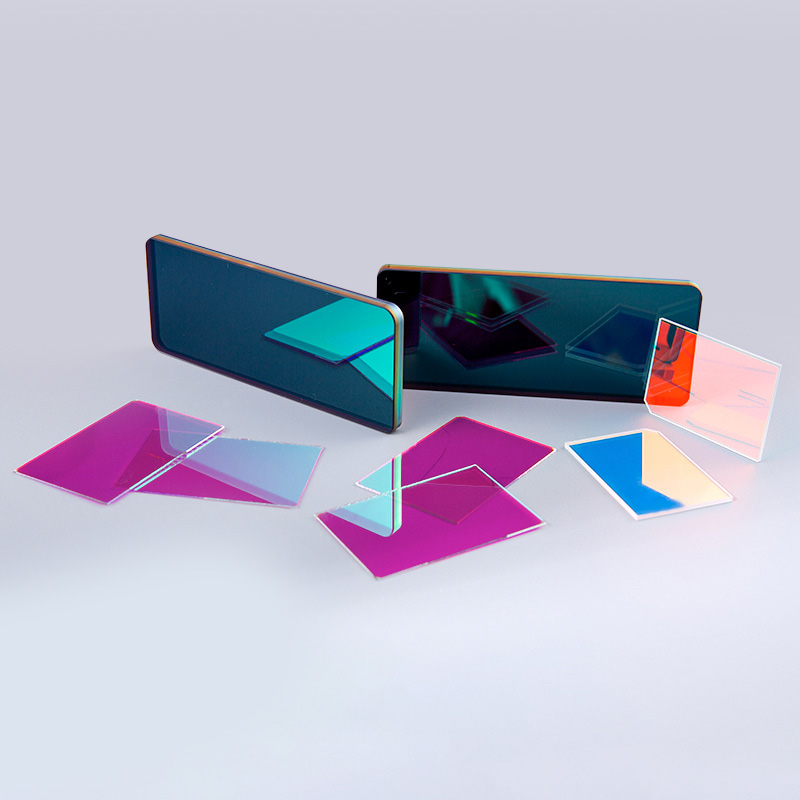
Coating is an important value-added process for optical windows. Antireflection coatings reduce reflection and increase useful transmission. Protective coatings can improve resistance to handling, humidity, abrasion, or chemical exposure. Other coatings may provide spectral filtering, infrared transmission, ultraviolet control, conductive behavior, or thermal management.
Coating design must consider the wavelength range, angle of incidence, polarization, substrate material, operating temperature, cleaning process, and environmental exposure. A coating that performs well at one wavelength may not be suitable for a broad-band system. Likewise, a coating designed for normal incidence may not provide the intended performance at a large angle.
After coating, the windows should be inspected for uniformity, adhesion, visible defects, and spectral performance where required. Coating and handling processes must be integrated because a clean, polished substrate can be compromised by poor post-coating practices.
9. Final Inspection and Packing
Final inspection verifies that the finished window meets the agreed requirements. Measurements may include dimensions, thickness, flatness, parallelism, wedge, surface quality, clear aperture, coating performance, appearance, and cleanliness. Inspection records can be retained for traceability and customer quality review.
Packaging is the final protection against scratches, particles, moisture, and impact. Precision windows should be separated from one another, supported against movement, and protected from contact with hard or contaminated materials. For export shipments, packaging must also withstand vibration and changes in temperature and humidity.
Advantages Compared with Generic Optical Window Suppliers
Application-Oriented Engineering
A major advantage of an experienced precision optical manufacturer is the ability to connect product specifications with application requirements. Generic suppliers may provide standard sizes and broad material descriptions, but complex projects often require more than catalog selection. The window may need to fit a custom holder, match a sensor field of view, withstand a specific cleaning procedure, or maintain performance at a particular wavelength and temperature.
HLL’s product experience across laser, automotive, semiconductor, and consumer optics enables technical discussions to be based on actual component integration. This application-oriented approach can help customers avoid over-specification, identify hidden risks, and select a practical combination of material, geometry, coating, and inspection criteria.
Integrated Precision Optical Manufacturing
Optical windows are often used alongside lenses, prisms, mirrors, and other components. A supplier capable of producing multiple optical component categories can provide better consistency in manufacturing language, inspection practices, packaging, and project coordination. It may also simplify procurement for customers developing complete optical modules.
HLL develops and produces a variety of precision optical components rather than focusing on a single standard window format. This broader capability supports projects in which the window must be evaluated together with other optical parts.
Support for Development and Volume Production
Customers commonly need a supplier that can move from prototype samples to repeatable mass production. The transition can be difficult if the original supplier relies on manual methods without stable process records or if the sample process cannot be scaled economically.
A structured manufacturing organization can review sample results, identify critical-to-quality characteristics, define production controls, and establish inspection procedures for repeated orders. HLL’s production scale, technical team, and experience exporting to more than 20 countries support this type of project progression.
Quality and Automotive-Oriented Systems
ISO9001:2015 demonstrates a systematic approach to quality management, while ISO14001:2015 relates to environmental management. IATF16949 is associated with the demanding quality expectations of the automotive supply chain. These certifications do not replace product-specific testing, but they indicate that management systems, documentation, corrective action, and process control are treated as important parts of manufacturing.
For automotive interior glass structural components and automotive optical applications, repeatability, traceability, change control, and defect prevention are especially important. A supplier familiar with automotive-oriented requirements can better understand the need for stable production and disciplined quality records.
Technical Innovation and Research Resources
HLL has established the Jiangsu Precision Optical Lens Engineering Technology Center and the Jiangsu Enterprise Technology Research Center. These technical resources support process development, product improvement, and engineering problem solving. The company has also obtained invention patents, utility model patents, and Jiangsu High and New Tech Products.
For customers, this means that manufacturing challenges can be addressed through engineering analysis rather than only through repeated trial production. Technical innovation may involve fixture improvements, polishing process optimization, inspection method development, coating integration, or more efficient production planning.
International Supply Capability
HLL exports to more than 20 countries and has accumulated experience serving customers with different technical documentation, packaging, communication, and delivery requirements. International supply capability is valuable when a customer requires consistent coordination across purchasing, quality, engineering, and logistics teams.
The company’s location in Changzhou, Jiangsu, provides access to a developed industrial region with supporting manufacturing, engineering, and logistics resources. Its dedicated contact channels allow customers to discuss product specifications, sampling, quotations, and production planning directly with the manufacturer.
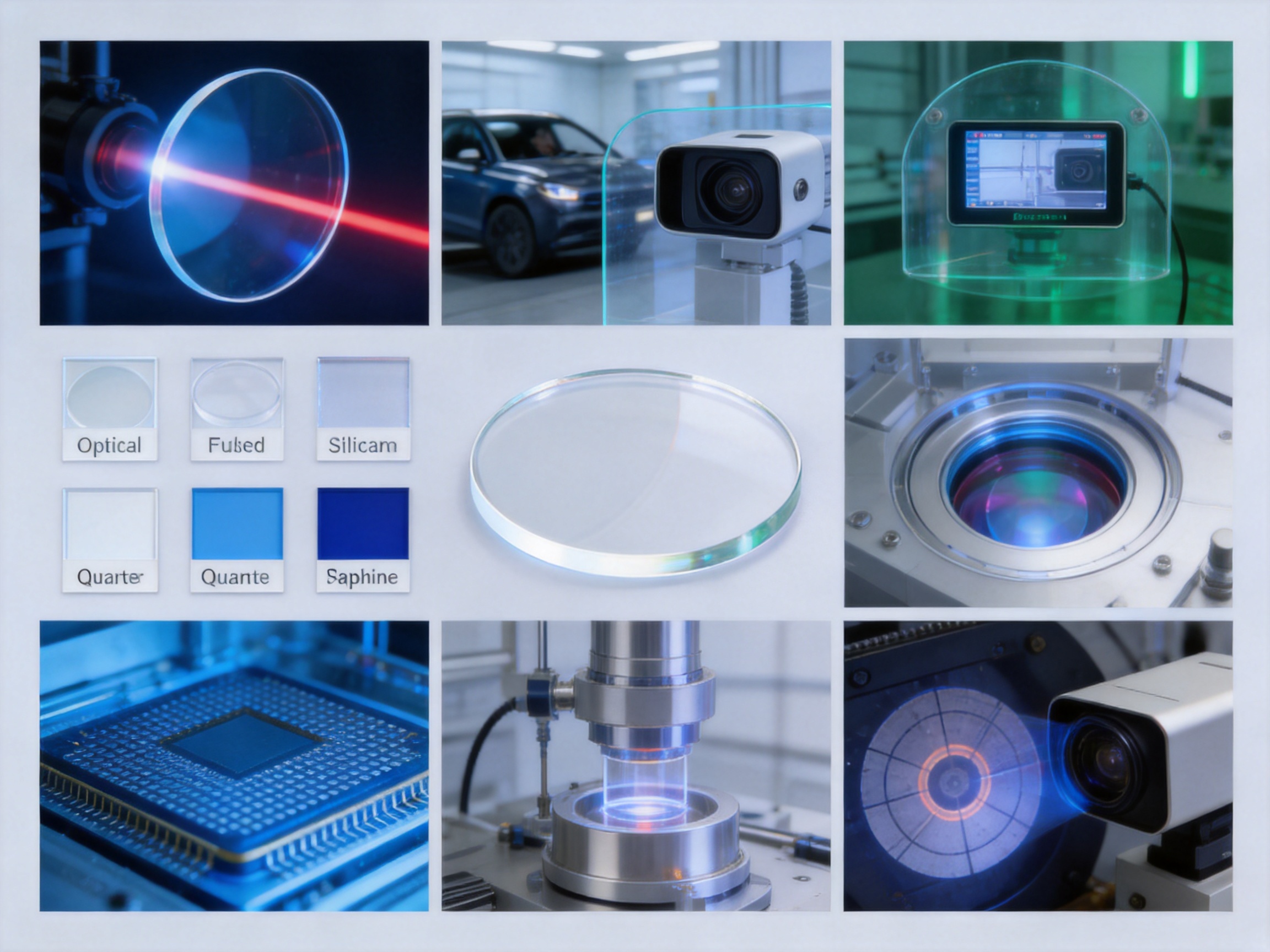
Optical Window Applications
Laser Systems
Laser windows must transmit the operating wavelength with low loss and preserve beam quality. Depending on the system, they may also need high laser damage resistance, low absorption, precise flatness, low wedge, and a coating optimized for the laser wavelength and angle of incidence.
Windows can be used as protective barriers for laser cavities, beam delivery assemblies, processing heads, sensors, and sealed optical modules. The required specification depends on laser power, pulse duration, beam diameter, repetition rate, and the position of the window relative to the beam focus.
Automotive Optical and Interior Systems
Automotive optical windows can protect cameras, displays, lighting modules, driver monitoring sensors, and other optical interfaces. Interior applications may require resistance to cleaning products, abrasion, fingerprints, temperature variation, and long-term exposure to cabin conditions.
Appearance is also important. The component may be visible to the vehicle occupant, so uniform color, low haze, clean edges, and stable surface quality can affect perceived product quality. Automotive production additionally requires reliable dimensional consistency and strong traceability.
Semiconductor Equipment
Semiconductor manufacturing equipment often uses optical windows for illumination, inspection, alignment, monitoring, and process observation. These windows may operate in vacuum, near vacuum, controlled atmospheres, high-temperature zones, or environments with strict particle limits.
Material selection, cleaning compatibility, outgassing control, coating durability, and surface cleanliness are critical in this field. The window must not become a source of contamination or introduce optical errors into precision measurement and inspection systems.
Machine Vision and Imaging
Machine vision systems depend on stable image transmission. A protective window placed in front of a camera can prevent dust, moisture, oil, or impact damage, but it must not introduce unacceptable distortion, ghost images, flare, or color variation.
For imaging applications, the clear aperture, surface flatness, parallelism, coating reflectance, and installation stress should be evaluated together. A properly specified window can improve system reliability without compromising resolution.
Scientific and Laboratory Instruments
Scientific equipment often requires specialized optical windows for spectroscopy, microscopy, vacuum chambers, photodetectors, and experimental systems. The appropriate component may need a custom aperture, unusual material, special coating, or controlled transmission band.
Research systems may be produced in small quantities, but the optical requirements can be demanding. A manufacturer with engineering flexibility can help produce samples, refine the design, and establish a repeatable process if the equipment later enters commercial production.
Consumer Optical Products
Consumer devices may use optical windows as camera covers, sensor protection plates, display interfaces, or compact light-transmission elements. These components typically require a balance between appearance, cost, production speed, scratch resistance, and dimensional compatibility with automated assembly.
Large-volume consumer applications benefit from stable tooling, efficient inspection, clean handling, and careful packaging. Cosmetic defects that are acceptable in a hidden industrial assembly may not be acceptable in a visible consumer product, so inspection standards must be defined clearly.
Specification Guide for Buyers
Before requesting a quotation, buyers should prepare as much technical information as possible. A complete specification reduces misunderstanding and helps the manufacturer recommend a suitable process.
The first requirement is the overall geometry. This includes round, rectangular, square, or custom shape; outside dimensions; thickness; corner radii; holes or slots; edge chamfers; and mounting features. A drawing with tolerances is preferable to a general size description.
The optical requirements should include the operating wavelength or wavelength range, angle of incidence, polarization conditions if relevant, required transmission or reflectance, surface flatness, wedge, parallelism, surface quality, and clear aperture. If the window is part of an imaging system, the allowable wavefront distortion and image quality requirements should be discussed.
Material information should identify the preferred glass or material family, or describe the required transmission and environmental properties if the material is not yet selected. Temperature range, pressure difference, humidity, radiation, chemical exposure, vibration, and cleaning methods should also be supplied.
Coating requirements should state whether the window is uncoated, antireflection-coated, protective-coated, conductive-coated, or designed for a specific spectral function. The target wavelength band, angle of incidence, coating side, durability standard, and cosmetic acceptance criteria should be included.
Finally, the buyer should identify the expected annual volume, initial sample quantity, delivery schedule, inspection documentation, packaging method, and any special compliance requirements. These details allow the supplier to plan tooling, process capacity, and quality controls more accurately.
| Specification Area | Information to Provide | Why It Matters |
|---|---|---|
| Geometry | Shape, length, width, diameter, thickness, holes, chamfers, corner radii | Determines tooling, fixtures, machining route, and assembly compatibility |
| Optical performance | Wavelength, transmission, flatness, wedge, parallelism, clear aperture | Defines beam quality, imaging performance, and optical alignment behavior |
| Material | Glass grade or required spectral, thermal, and mechanical properties | Influences transmission, durability, processing, and cost |
| Coating | Coating type, wavelength band, incidence angle, durability, coated surfaces | Controls reflection, transmission, environmental resistance, and appearance |
| Environment | Temperature, humidity, vacuum, chemicals, vibration, cleaning conditions | Supports correct material and qualification selection |
| Quality documents | Inspection reports, certificates, traceability, sample approval requirements | Creates objective acceptance criteria and supports supply-chain control |
Quality Control and Inspection
Quality control should begin before production and continue through shipment. Optical component defects can originate in raw material, shaping, grinding, polishing, coating, cleaning, handling, or packaging. A final visual inspection alone cannot always identify the source or significance of a defect.
Dimensional Inspection
Dimensional inspection confirms that the window fits the mechanical assembly. Measurements may include diameter, length, width, thickness, hole position, chamfer size, and corner geometry. Measuring equipment should be suitable for the tolerance level, and fixtures should avoid introducing stress or deformation.
Surface and Wavefront Inspection
Surface flatness and wavefront performance may be evaluated with optical interferometry or other suitable methods. The test arrangement must correspond to the specification and account for aperture, reference accuracy, and measurement conditions.
Surface quality is commonly assessed by identifying scratches, digs, pits, stains, coating defects, and other visible imperfections according to an agreed inspection standard. The acceptance criterion should be defined before production because different industries use different cosmetic thresholds.
Transmission and Coating Inspection
Transmission testing verifies that the component performs within the required spectral range. Coating inspection may include spectral measurement, adhesion testing, abrasion evaluation, humidity exposure, or thermal cycling, depending on the application.
It is important to distinguish between a coating’s initial optical performance and its long-term durability. A coating may meet its initial transmission target but fail if the cleaning method, humidity, temperature, or mechanical handling conditions are not considered during qualification.
Cleanliness and Packaging Inspection
Cleanliness inspection is especially important for semiconductor, laser, medical, and imaging applications. The component should be protected after final cleaning because even a high-quality window can be compromised by particles or fingerprints introduced during packing.
Packaging should be checked for movement, contact marks, moisture protection, labeling, and traceability. Correct packaging also reduces the risk of damage during international transportation.
Process Advantages That Improve Product Value
The value of a precision optical window is determined by its total performance and reliability, not only by its initial unit price. An inexpensive component that creates assembly delays, alignment problems, coating failures, or early replacement can cost more over the life of a project.
Controlled manufacturing helps reduce variation between batches. Stable polishing and inspection methods improve the probability that every component will meet the required optical geometry. Consistent edge treatment reduces handling damage. Proper cleaning and packaging reduce contamination-related rejection. Clear technical communication reduces the risk of manufacturing a part that matches a drawing but fails in the actual application.
HLL’s combination of optical component experience, manufacturing scale, technical research resources, quality certifications, and international supply experience provides a foundation for this type of total-value approach. The company can support customers from product definition and sample development through production and delivery.
Another advantage is the ability to coordinate several optical components through one technical organization. When a project includes windows, lenses, mirrors, prisms, or wafer-related parts, a common supplier may simplify engineering communication and quality coordination. This can be especially useful when optical performance depends on the interaction of multiple components.
Design Recommendations for Better Window Performance
Do Not Specify Only Transparency
High transparency alone does not guarantee good system performance. The specification should also address reflection, flatness, wedge, surface quality, coating durability, and cleanliness. A window can transmit light effectively while still causing beam deviation or image distortion.
Match Tolerances to the Application
Very tight tolerances can increase production cost and reduce yield if they are not required by the system. Conversely, loose tolerances can cause alignment or performance problems. Buyers should identify which characteristics are critical and allow practical tolerances for non-critical features.
Consider Mounting Stress
A high-quality window can perform poorly if it is clamped unevenly or bonded with excessive stress. The mounting design should account for thermal expansion, gasket behavior, adhesive shrinkage, pressure loading, and installation torque. When possible, the window supplier should review the interface between the optical component and its holder.
Control the Clear Aperture
The clear aperture is the usable optical area. Edges, chamfers, coating transitions, mounting masks, or contamination can reduce it. The required clear aperture should be stated on the drawing, especially when the beam or image approaches the edge of the component.
Plan Cleaning and Handling Procedures
Cleaning instructions should be compatible with the substrate and coating. Operators should use suitable gloves, tools, solvents, and storage containers. Components should not be stacked without protection, and coated surfaces should not contact abrasive or contaminated materials.
Evaluate Thermal Effects
Temperature can affect dimensions, refractive index, coating behavior, and mounting stress. In high-power laser systems or equipment with large temperature changes, thermal expansion and thermal lensing should be considered during design verification.
Sustainability and Responsible Manufacturing
Responsible optical manufacturing includes efficient material use, process optimization, controlled chemical handling, waste reduction, energy management, and proper packaging selection. ISO14001:2015 certification reflects the importance of environmental management within the company’s operating system.
Reducing rework and scrap also improves sustainability. Stable process control helps manufacturers use raw materials more efficiently and avoid repeated production caused by preventable defects. Durable windows can further reduce waste by extending equipment service life and decreasing replacement frequency.
Environmental considerations should be balanced with product protection. Packaging that is too light may lead to breakage, while excessive packaging creates unnecessary material consumption. The right approach is to use secure, efficient, and application-appropriate packaging.
Why Choose a Specialized Optical Component Manufacturer?
A specialized optical component manufacturer offers more than machining capacity. It provides knowledge of optical materials, surface generation, polishing, coating, inspection, cleanliness, and component integration. This experience is important when a window must perform consistently in a demanding system.
Changzhou Haolilai Photo-Electricity Scientific and Technical Co., Ltd. has operated in the precision optical industry since 1998. Its product scope covers laser optics, automotive optics, semiconductor optics, and consumer optics. The company’s approximately 35,000-square-meter operating area, technical centers, experienced staff, certifications, patents, and international customer base demonstrate a substantial foundation for optical component supply.
For customers, the practical benefits include access to engineering review, flexible product development, process control, quality documentation, and production support. The company’s capabilities are suitable for customers seeking optical windows as standalone products or as part of a broader precision optical component program.
Every optical window project should still be evaluated according to its own requirements. Material, geometry, wavelength, coating, environment, quantity, and inspection criteria must be confirmed before production. A strong supplier relationship begins with complete technical communication and continues through sample approval, process validation, production monitoring, and delivery review.
Frequently Asked Questions
What is the primary function of an optical window?
The primary function is to transmit light while protecting an internal optical or electronic system from dust, moisture, pressure, particles, impact, or other environmental influences. An ideal window introduces minimal optical distortion and does not intentionally focus the transmitted light.
How is an optical window different from an optical lens?
A lens is designed to change the convergence or divergence of light, while a window is generally designed to maintain beam direction and wavefront. A window may still introduce small effects because of its thickness, refractive index, wedge, or surface errors, so precision specifications remain important.
Can optical windows be produced in custom shapes?
Yes. Optical windows may be manufactured as round, rectangular, square, polygonal, or other custom geometries. The drawing should define dimensions, tolerances, edge treatment, clear aperture, and any holes or mounting features.
Which materials are available for optical windows?
Common options include optical glass, fused silica, quartz, sapphire, and specialty transparent materials. The correct choice depends on wavelength, temperature, mechanical loading, chemical exposure, abrasion requirements, coating compatibility, and budget.
Do optical windows require antireflection coatings?
Not every window requires a coating, but antireflection coatings can reduce surface reflection and increase useful transmission. Coatings are particularly valuable in systems with multiple optical surfaces, weak signals, high laser power, or strict imaging requirements. The coating should be designed for the actual wavelength and angle of incidence.
What information should be included in a request for quotation?
A request should include a drawing or model, material preference, dimensions, tolerances, optical wavelength, flatness, wedge, surface quality, clear aperture, coating requirements, environmental conditions, quantity, inspection documents, and packaging expectations. Complete information helps the manufacturer provide a more accurate quotation and process proposal.
Can the supplier support both samples and mass production?
A precision optical manufacturer with engineering and production resources can often support the complete product lifecycle, from prototype samples and process evaluation to repeat orders and volume production. The production route should be reviewed early to ensure that the approved sample process can be scaled consistently.
Why are flatness and wedge important?
Flatness affects transmitted wavefront quality, while wedge can change the direction of the transmitted beam. These characteristics are important in lasers, imaging, metrology, interferometry, and other systems where small optical deviations can affect alignment or measurement accuracy.
How should optical windows be cleaned?
Cleaning procedures depend on the substrate and coating. The supplier should provide compatible cleaning guidance, and operators should use clean gloves, suitable optical tissues or tools, approved solvents, and controlled drying methods. Abrasive materials and unapproved chemicals should be avoided.
What quality certifications does HLL have?
Changzhou Haolilai Photo-Electricity Scientific and Technical Co., Ltd. has obtained ISO9001:2015, ISO14001:2015, and IATF16949 certifications. These systems support quality management, environmental management, and automotive-oriented process control. Product-specific requirements and inspection criteria should still be confirmed for each project.
Does HLL manufacture other optical components?
Yes. The company develops and produces precision optical components including optical windows, lenses, prisms, flat mirrors, spherical mirrors, and other products for laser, automotive, semiconductor, and consumer applications.
Can optical windows be used in automotive applications?
Yes. They can be used in camera modules, sensing systems, displays, lighting assemblies, driver monitoring equipment, and interior optical interfaces. Automotive applications may require high dimensional consistency, cosmetic quality, resistance to cleaning agents, durability, and traceability.
What makes a precision optical window different from a basic glass cover?
A precision optical window is manufactured and inspected according to controlled optical and mechanical requirements. In addition to transparency, it may require specified flatness, wedge, surface quality, coating performance, clear aperture, cleanliness, and environmental durability. A basic glass cover may not provide this level of consistency.
Conclusion
Optical windows are foundational components in modern optical, electronic, automotive, scientific, and industrial systems. Their function extends beyond simple light transmission: they protect sensitive assemblies, preserve beam quality, support environmental sealing, and influence the reliability of the complete product.
Achieving dependable performance requires careful material selection, precise shaping, controlled grinding and polishing, suitable edge treatment, effective coating, rigorous inspection, and protective packaging. The best manufacturing partner also contributes engineering experience, process development, quality management, and support for the transition from prototypes to stable production.
Changzhou Haolilai Photo-Electricity Scientific and Technical Co., Ltd. combines experience since 1998 with a broad precision optical product range, an approximately 35,000-square-meter facility, more than 300 employees, technical research centers, patents, international supply experience, and certifications including ISO9001:2015, ISO14001:2015, and IATF16949. These strengths make the company a suitable partner for customers seeking precision optical windows and related optical components.
By defining the application clearly and working with a manufacturer that understands both optical performance and production control, buyers can obtain windows that deliver reliable transmission, stable assembly, environmental durability, and consistent long-term value.
References
International Organization for Standardization. ISO 9001:2015, Quality Management Systems—Requirements.
International Organization for Standardization. ISO 14001:2015, Environmental Management Systems—Requirements with Guidance for Use.
International Automotive Task Force. IATF 16949, Quality Management System Requirements for Automotive Production and Relevant Service Parts Organizations.
International Organization for Standardization. ISO 10110, Optics and Photonics—Preparation of Drawings for Optical Elements and Systems.
International Organization for Standardization. ISO 14997, Optics and Photonics—Preparation and Identification of Drawings for Optical Elements and Systems.
International Organization for Standardization. ISO 9211, Optics and Photonics—Optical Coatings.
American National Standards Institute and Optical Society. Standard terminology and guidance for optical surfaces, coatings, and optical component specifications.
General technical literature on optical glass, fused silica, sapphire, precision polishing, thin-film coatings, optical metrology, and environmental qualification of optical components.


 苏公网安备32041102000130号