
 Search
 en
 English
 日本語
 русский
 Español
 Deutsch
 中文简体
Content
- 1 What Is a Light Guide Block?
- 2 Core Optical Principles
- 3 Key Advantages of a Precision Light Guide Block
- 4 Applications Across Multiple Industries
- 5 Materials Used for Light Guide Blocks
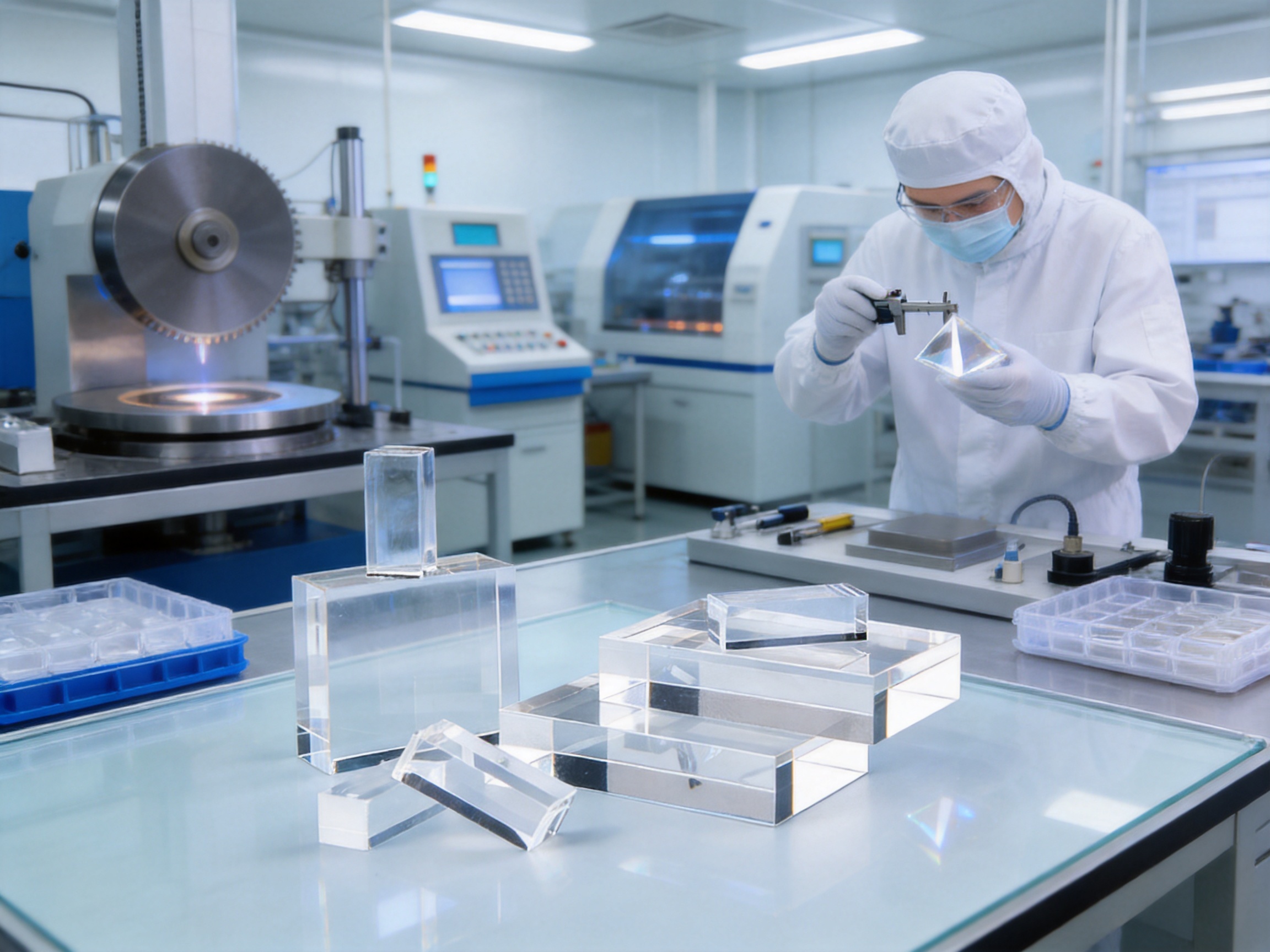
- 6 Precision Manufacturing Process
- 7 Manufacturing Strengths and Quality Management
- 8 Quality Parameters Buyers Should Evaluate
- 9 Advantages Compared with Less Specialized Alternatives
- 10 Design and Specification Guidance
- 11 Inspection and Testing Considerations
- 12 Sustainability and Responsible Production
- 13 Why Manufacturing Location and Supply Capability Matter
- 14 Applications and Product Development Support
- 15 Common Challenges in Light Guide Block Production
- 16 Purchasing Checklist
- 17 Frequently Asked Questions
- 17.1 What is the primary function of a light guide block?
- 17.2 Is a light guide block the same as an optical prism?
- 17.3 Which materials can be used?
- 17.4 Does every light guide block need an optical coating?
- 17.5 What information should be provided for a quotation?
- 17.6 Why are angular tolerances important?
- 17.7 Can light guide blocks be customized?
- 17.8 What is the benefit of using an experienced optical component manufacturer?
- 17.9 Are light guide blocks suitable for automotive applications?
- 17.10 How should finished components be handled?
- 17.11 Can a light guide block improve system compactness?
- 17.12 How should prototype performance be evaluated?
- 18 Conclusion
- 19 References
- 20 Product: Light Guide Block

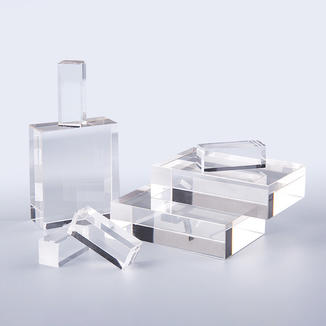
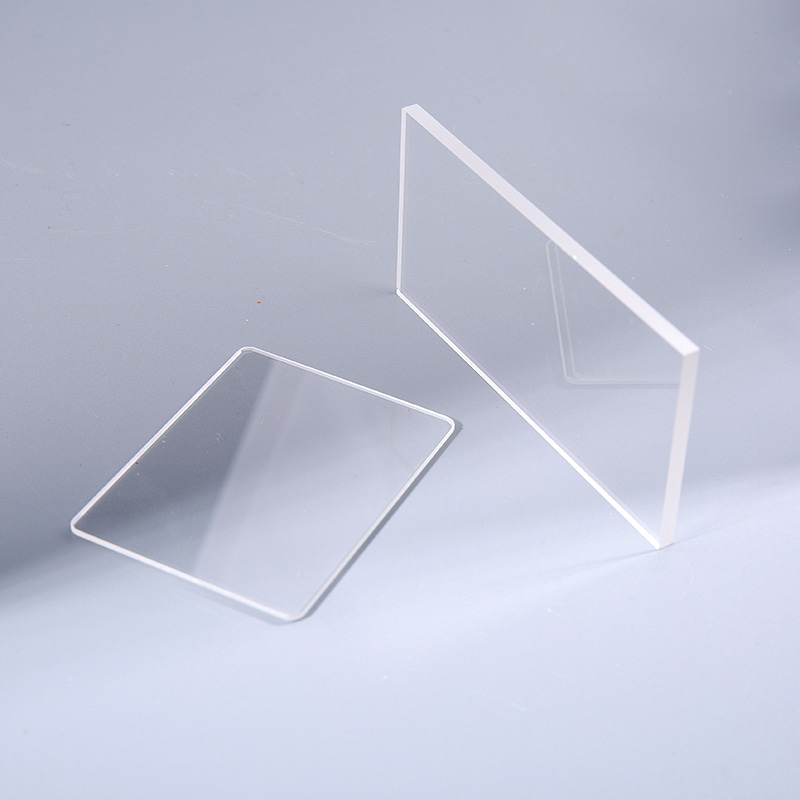
A light guide block is a precision optical component designed to collect, redirect, distribute, or shape light within an optical system. Although its geometry may appear straightforward, the performance of a light guide block depends on a carefully controlled combination of material quality, surface accuracy, angular precision, dimensional stability, cleanliness, and application-specific design. When these factors are properly coordinated, the component can improve light utilization, support compact system architecture, and provide stable optical performance in demanding environments.
Light guide blocks are commonly classified as optical prisms because they use controlled refraction, reflection, total internal reflection, or a combination of these principles to guide light. They can be manufactured for laser optics, automotive optical systems, semiconductor equipment, consumer electronics, imaging instruments, illumination modules, and other precision applications. Depending on the design, a light guide block may redirect light through a fixed angle, homogenize illumination, couple light between optical elements, or transfer an optical path through a restricted mechanical space.
The quality of the finished component is especially important in systems where a small optical error can affect image clarity, beam position, illumination uniformity, or equipment reliability. For this reason, buyers increasingly seek optical component manufacturers capable of controlling the complete production process rather than merely supplying a shaped piece of glass. Material selection, optical design support, precision grinding, polishing, coating, cleaning, inspection, packaging, and technical communication all contribute to the final result.
Changzhou Haolilai Photo-Electricity Scientific and Technical Co., Ltd. develops and manufactures precision optical components for international customers. Founded in 1998, the company has built manufacturing capabilities for laser optics, automotive optics, semiconductor optics, consumer optics, and related applications. Its product range includes optical prisms, optical lenses, optical spherical mirrors, optical flat mirrors, wafers, automotive interior glass structural components, and other customized optical products.
This article explains the working principles, design considerations, manufacturing process, quality advantages, application value, and purchasing considerations associated with light guide blocks. It also describes how an experienced optical component manufacturer can help customers achieve repeatable results in both prototype and volume production.
Light Guide Block
What Is a Light Guide Block?
A light guide block is a solid optical element that directs light from one location or orientation to another. In contrast with a simple transparent spacer, it is engineered to perform an optical function. Its shape, refractive index, surface condition, and angular relationships are selected according to the intended light path and system requirements.
The component can have planar surfaces, curved surfaces, stepped features, grooves, apertures, or other geometric details. Many light guide blocks are based on prism structures, with one or more surfaces acting as entrance, exit, reflective, or coupling interfaces. The optical path may rely on refraction through polished surfaces or on total internal reflection inside the material. In some applications, an external reflective coating is applied to a surface to improve control over the light path.
A light guide block may be used to turn a beam without requiring a mirror, to distribute light across an illumination area, or to connect separate optical subassemblies. Because the component is often integrated into a compact module, it may also provide mechanical and optical functions at the same time. Its external dimensions must fit the housing, while its optical surfaces must maintain the specified relationship with neighboring components.
Compared with fiber-based light guides, a prism-style light guide block is generally better suited to systems requiring a rigid, compact, free-space optical path. It can offer high transmission over a selected spectral range, strong environmental stability, and a geometry that is easier to integrate into a precision housing. Compared with a basic reflector, it can provide a more controlled optical path and may eliminate the need for a separate reflective substrate in certain configurations.
Core Optical Principles
Refraction
When light passes from one medium into another, its direction changes according to the refractive indices of the materials and the angle of incidence. A light guide block uses this behavior to bend light at an entrance or exit surface. The exact result depends on the material dispersion, surface angle, wavelength, and surrounding medium.
For applications using broad-spectrum light, dispersion must be considered because different wavelengths may bend by slightly different amounts. In imaging or illumination systems, uncontrolled dispersion can create color separation or reduce the uniformity of the output. Proper material selection and optical modeling help limit these effects or use them intentionally when a wavelength-dependent function is required.
Total Internal Reflection
Total internal reflection occurs when light traveling inside a material reaches an interface at an angle greater than the critical angle for the material pair. Under suitable conditions, the light is reflected internally with very low loss, without requiring a metallic coating. This principle is valuable for compact light guide blocks because it can produce a highly efficient turning surface while maintaining a clean, durable optical structure.
The performance of a total-internal-reflection surface depends on the refractive index, surface angle, interface condition, surrounding medium, and surface quality. Contamination, scratches, chips, air gaps, or incorrect assembly can affect the expected optical behavior. Therefore, both manufacturing cleanliness and installation control are important.
Beam Redirection and Light Distribution
In many applications, the light guide block is designed to redirect a beam through a predetermined angle. The angle may be selected to fit a folded optical path inside a compact device. In illumination systems, the component may instead spread light, couple light into a target region, or improve the uniformity of a projected pattern.
When several optical surfaces work together, their angular relationship must be maintained carefully. A small deviation on one surface may shift the beam or create a change in the output pattern. This is why precision grinding, polishing, and inspection are fundamental to the product’s performance.

Key Advantages of a Precision Light Guide Block
Efficient Use of Available Light
A well-designed light guide block can direct more of the available light toward the intended target. By reducing unnecessary changes in direction and minimizing avoidable scattering, it can help an optical module achieve better energy utilization. This is particularly valuable in systems with limited power, such as portable electronics, vehicle displays, sensing devices, and compact illumination assemblies.
High optical efficiency also supports thermal management. When more light is delivered to the useful output, less energy is wasted within the system. In laser and high-intensity illumination applications, efficient light management can contribute to more stable operating temperatures and longer component life.
Compact Optical Architecture
Light guide blocks can fold or redirect an optical path within a small volume. This enables designers to place light sources, detectors, displays, and imaging sensors in locations that would not be possible with a straight optical path. The result may be a thinner, shorter, or more mechanically integrated product.
The rigid structure of a glass or optical crystal block also supports accurate alignment. Unlike flexible light-guiding materials, a precision prism maintains a fixed geometry once installed. This is useful in systems where the optical axis must remain stable through vibration, temperature changes, and long operating periods.
Stable Optical Performance
High-quality optical materials and controlled surfaces can provide stable transmission and reflection behavior over the intended operating range. The selection of material should consider wavelength, temperature, environmental exposure, and mechanical requirements. When these factors are matched correctly, the light guide block can support consistent performance throughout the service life of the equipment.
Stability is especially important in automotive and industrial environments. Components may be exposed to vibration, humidity, temperature cycling, dust, cleaning agents, or continuous operation. A precision-manufactured light guide block can be designed and processed to meet the environmental expectations of the complete assembly.
Design Flexibility
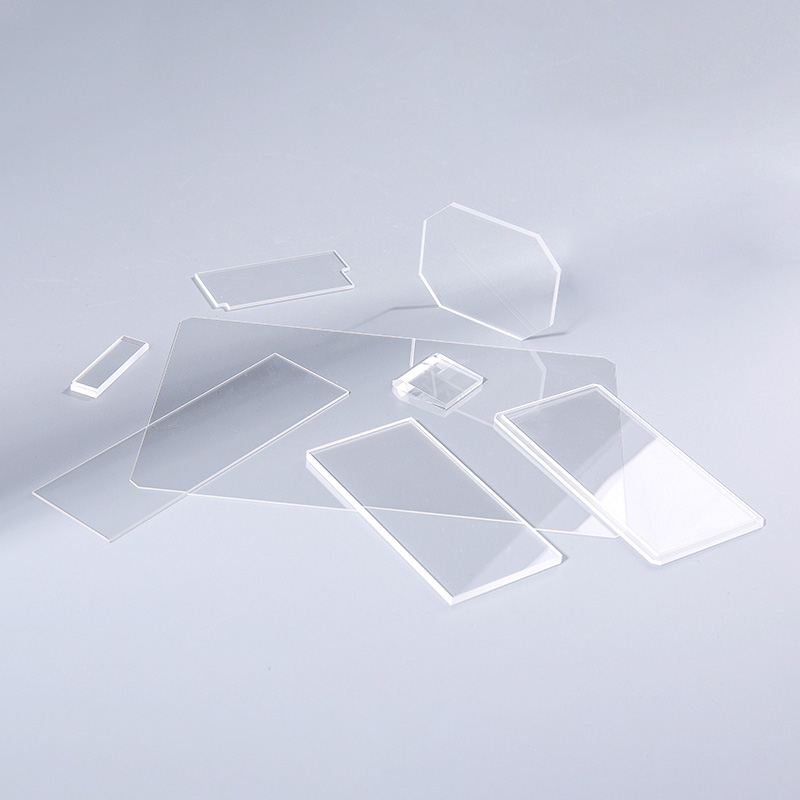
Light guide blocks can be manufactured in different shapes and sizes to meet application-specific requirements. Customers may require a standard prism geometry, a custom block with multiple functional faces, or a component with specialized coating and edge conditions. An experienced manufacturer can support the transition from drawing review to prototype verification and volume production.
Design flexibility also allows the optical component to be adapted to the mechanical system. Mounting surfaces, reference edges, chamfers, corner reliefs, and other features can be incorporated when they are compatible with the optical design and manufacturing process.
Potential for High-Volume Repeatability
For commercial products, prototype performance is only one part of the requirement. The same optical and dimensional results must be repeated across many production lots. A controlled manufacturing system, supported by documented procedures and inspection records, helps reduce variation between batches.
Repeatability is a significant advantage over low-control production sources. A supplier may produce a visually acceptable prism while failing to maintain the angular, flatness, parallelism, or coating requirements needed for system-level consistency. Professional optical manufacturing addresses these requirements as measurable process characteristics rather than subjective appearance criteria.
Applications Across Multiple Industries
Laser Optics
In laser systems, a light guide block may redirect a beam, couple light into another optical path, separate a source from a detector, or support a compact beam delivery design. Laser applications are sensitive to surface damage, scattering, angular error, coating performance, and contamination. The component must therefore be matched to the laser wavelength and power level.
Depending on the system, the light guide block may require anti-reflection coatings, high-reflectivity coatings, specialized substrate materials, or enhanced cleaning standards. The manufacturer should understand whether the component will be used with continuous-wave or pulsed radiation, because the thermal and laser-induced damage requirements can differ considerably.
Automotive Optical Systems
Automotive optical systems increasingly use precision components in displays, sensing devices, head-up displays, interior lighting, cameras, and driver-assistance equipment. A light guide block can help redirect light in a compact instrument panel, distribute illumination across a display, or transfer light through a restricted interior structure.
Automotive applications place strong emphasis on reliability, traceability, environmental resistance, and consistent mass production. Components may need to withstand temperature changes, vibration, humidity, and long-term exposure to vehicle operating conditions. A manufacturer with IATF16949 certification and automotive-oriented production experience can provide a stronger foundation for these requirements.
Semiconductor Equipment
Semiconductor manufacturing and inspection equipment often uses precision optics for alignment, measurement, imaging, exposure, inspection, and process monitoring. In such systems, a small optical deviation can influence positioning accuracy or measurement repeatability. Light guide blocks may be used to transfer illumination or observation paths within compact equipment modules.
Semiconductor applications may also require strict cleanliness, low particulate contamination, controlled surface quality, and careful packaging. The optical component must be protected from handling damage and contamination between final inspection and installation.
Consumer Optics
Consumer products such as compact cameras, projection devices, displays, wearable products, and smart appliances may use light guide blocks to reduce module size or improve illumination distribution. These products typically require a balance between optical performance, appearance, production cost, and delivery capacity.
High-volume consumer applications benefit from standardized processes, stable tooling, efficient inspection, and supply-chain coordination. A component manufacturer with experience across both precision optics and volume production can help customers find a practical balance between performance and manufacturability.
Imaging and Measurement Equipment
Imaging systems require accurate control of the light path to maintain resolution, contrast, field uniformity, and image position. A light guide block may be installed in a camera module, optical measurement device, machine-vision assembly, or scientific instrument. The design may focus on light redirection, illumination uniformity, or coupling between a source and a detector.
Measurement equipment often demands stable results over time. In addition to optical accuracy, the light guide block should have predictable thermal behavior and reliable mechanical integration. Material selection and dimensional control are therefore as important as the initial optical design.
Materials Used for Light Guide Blocks
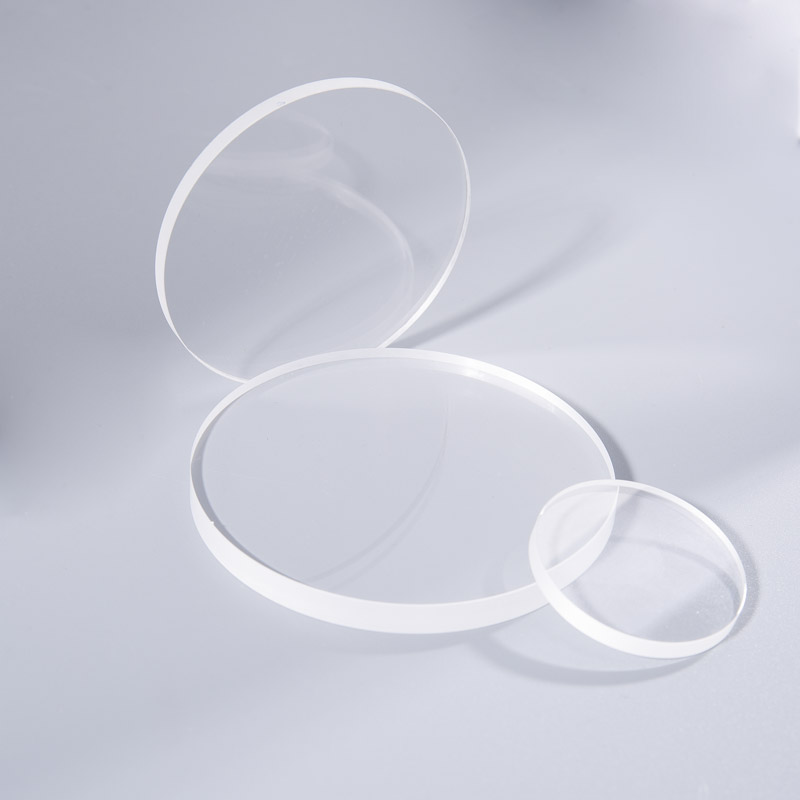
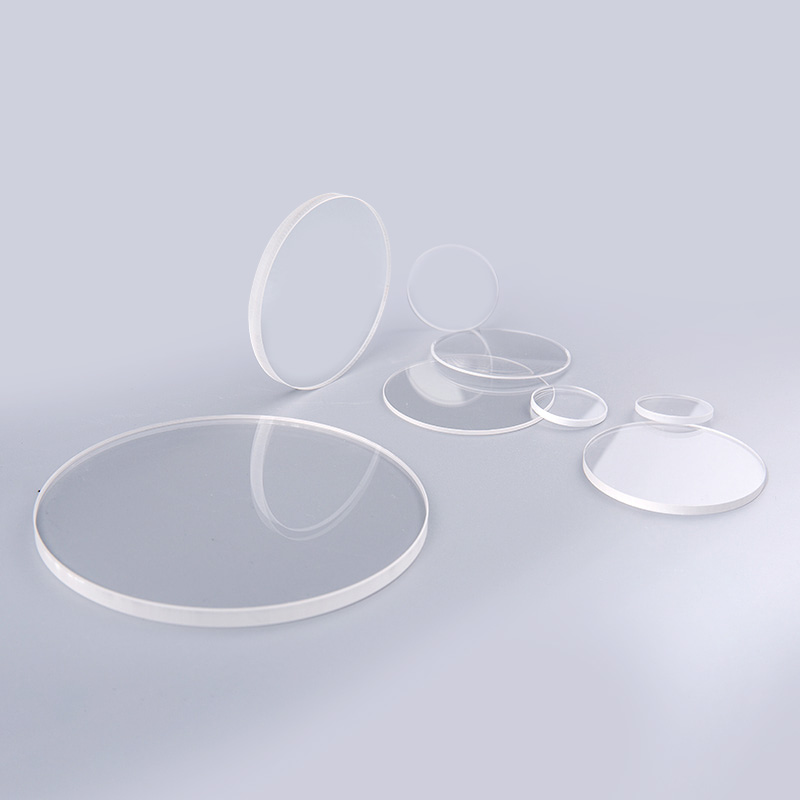
The appropriate material depends on the operating wavelength, transmission range, thermal environment, mechanical requirements, and manufacturing method. Optical glass is widely used because it can provide good transmission, dimensional stability, surface quality, and compatibility with precision polishing. Different glass families offer different refractive indices, dispersion characteristics, thermal properties, and chemical resistance.
Fused silica may be selected for ultraviolet transmission, low thermal expansion, or demanding laser applications. Optical crystals may be considered when a system requires specialized transmission or nonlinear optical behavior. Other transparent materials can be used where weight, impact resistance, or particular molding characteristics are important, although their long-term stability and surface performance must be evaluated for the application.
Material selection should not be based only on nominal transmission. The manufacturer and customer should also consider homogeneity, striae, bubbles, inclusions, stress, coefficient of thermal expansion, hardness, coating compatibility, and expected environmental exposure. A material that appears suitable in a basic optical calculation may not be suitable for high-power or high-temperature operation.
For a light guide block, the material also affects manufacturing difficulty. Harder materials may require longer grinding and polishing cycles. Materials with specific thermal characteristics may require special handling to prevent stress or deformation. A capable production team can recommend a practical material based on the required performance and production volume.
Precision Manufacturing Process
1. Technical Review and Optical Design Assessment
Manufacturing begins with a review of the customer’s drawing, optical data, material requirement, coating specification, quantity, inspection standard, and application environment. The supplier should confirm the functional surfaces, reference datums, tolerances, edge conditions, and packaging expectations before production starts.
This stage is important because optical and mechanical requirements can sometimes conflict. For example, a very small edge feature may be difficult to polish without increasing the risk of edge chips. A tight angular tolerance may require additional inspection or specialized fixturing. Early technical review helps identify these issues and allows the design to be adjusted before tooling or production is initiated.
2. Raw Material Preparation
Selected optical material is cut or prepared into blanks with suitable allowance for grinding and polishing. The blank must be inspected for visible defects and, when required, evaluated for internal quality. Proper material preparation reduces the risk of producing a finished component that meets dimensional requirements but fails optical or cosmetic expectations.
Material identification and lot control are also important. Traceable material records support consistent production and make it easier to investigate any variation that may arise during manufacturing.
3. Precision Grinding
Grinding establishes the basic geometry of the light guide block. It removes excess material, forms planar or angular surfaces, and brings the component close to its final dimensions. Coarse grinding may be followed by finer grinding stages to reduce subsurface damage and prepare the surfaces for polishing.
Control of grinding pressure, abrasive size, cooling, fixture stability, and processing time affects the final result. Poor control can introduce chipping, cracks, uneven material removal, or excessive subsurface damage. A structured grinding sequence helps provide a stable foundation for the next stages.
4. Lapping and Polishing
Lapping and polishing improve surface flatness, smoothness, transparency, and optical quality. Polishing removes the fine damage left by grinding and creates the surface condition required for transmission or reflection. The process must be adjusted according to the material, surface size, geometry, and required specification.
Optical polishing is not simply a cosmetic finishing step. Surface irregularity can distort the transmitted wavefront, while roughness can increase scatter and reduce contrast. For a light guide block, the relationship between several polished surfaces may be just as important as the quality of each individual surface.
Polishing tools and fixtures must support the component without creating unwanted deformation. Large flat areas, narrow surfaces, angled faces, and multi-surface designs can require different process approaches. Experienced technicians use controlled parameters and inspection feedback to maintain the required geometry throughout the process.
5. Edge Treatment
Edges and corners are vulnerable areas during handling, coating, assembly, and use. Appropriate chamfers or edge treatments can reduce the risk of chipping and improve safety during installation. However, edge treatment must be carefully controlled so that it does not intrude into the functional aperture or alter the intended optical path.
For miniature components, edge treatment may be particularly challenging because the available area is limited. The drawing should define the acceptable edge condition, and the inspection process should verify that the finished component is free from unacceptable chips or fractures.
6. Cleaning
Optical cleaning removes particles, polishing residue, fingerprints, oils, and other contaminants. Cleanliness is critical because a small particle on an optical surface can scatter light, create a localized defect, or damage the surface during assembly. In laser applications, contamination can also increase the risk of localized heating.
Cleaning procedures should be compatible with the material and any applied coating. After cleaning, components should be handled with suitable gloves or tools and stored in protective packaging. Maintaining cleanliness after final inspection is as important as achieving it during the cleaning operation.
7. Optical Coating
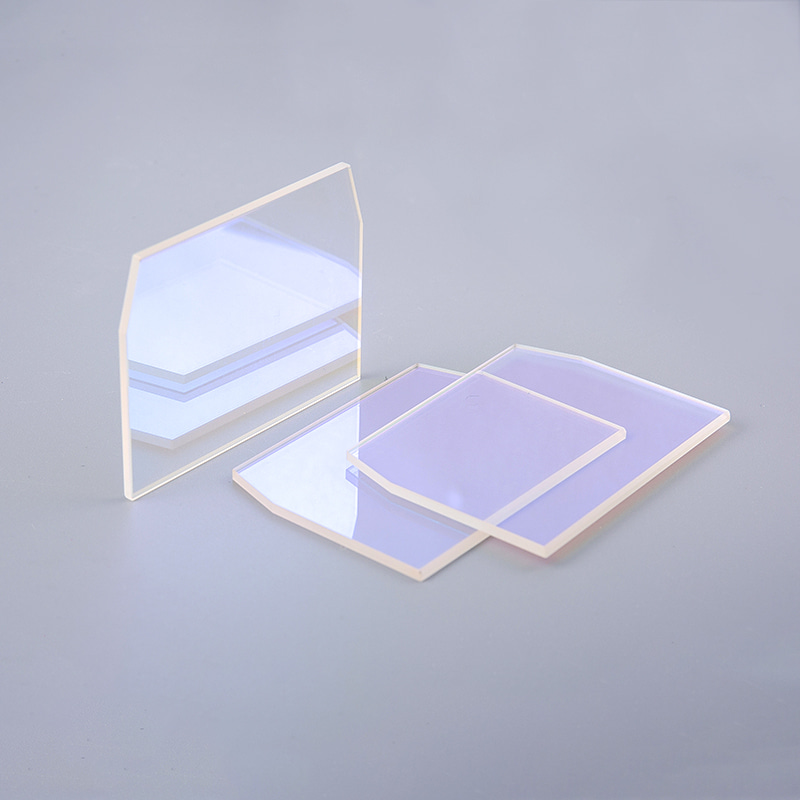
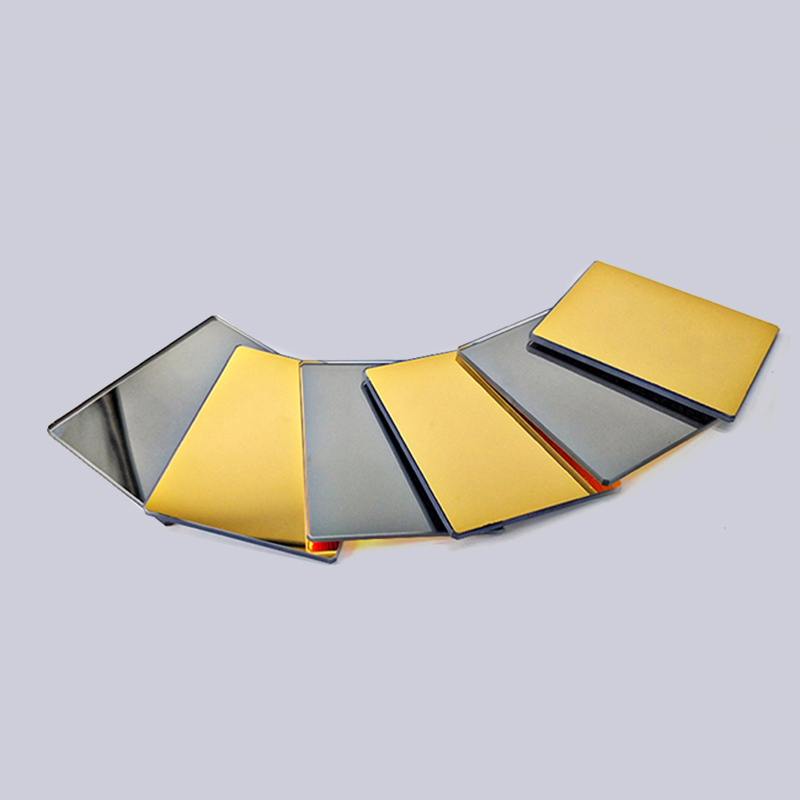
Some light guide blocks are used without coatings, particularly when total internal reflection or uncoated transmission is sufficient. Other designs require anti-reflection coatings to reduce surface losses or reflective coatings to control the beam path. Coating selection depends on wavelength, angle of incidence, polarization, power density, environmental conditions, and durability expectations.
A coating specification should identify the working wavelength range, target reflectance or transmittance, angle of incidence, acceptable uniformity, and environmental durability. Coating adhesion and cosmetic quality should also be checked. The coating process must be performed on properly cleaned surfaces because contamination can reduce adhesion or create defects.
8. Final Inspection and Packaging
Final inspection verifies that the component meets the agreed optical, dimensional, cosmetic, and cleanliness requirements. Depending on the product, inspection may include measurement of dimensions, angles, thickness, flatness, parallelism, surface quality, transmission, reflection, coating performance, and visual defects.
Packaging should prevent contact between functional surfaces and protect the light guide block from vibration, impact, moisture, and contamination. Individual wrapping, trays, separators, or custom protective fixtures may be used according to the component’s shape and sensitivity.
Manufacturing Strengths and Quality Management
Changzhou Haolilai Photo-Electricity Scientific and Technical Co., Ltd. was founded in 1998 and has developed long-term experience in precision optical component production. The company operates in Changzhou, Jiangsu, China, within a facility covering approximately 35,000 square meters. Its manufacturing organization includes more than 300 employees and serves customers in more than 20 countries.
The company has obtained ISO9001:2015, ISO14001:2015, and IATF16949 certifications. These certifications reflect structured approaches to quality management, environmental management, and automotive quality requirements. For customers purchasing light guide blocks, such systems can support clearer process control, better documentation, traceability, corrective action, and continuous improvement.
HLL is recognized as a High-Tech enterprise in Jiangsu Province and has established the Jiangsu Precision Optical Lens Engineering Technology Center and Jiangsu Enterprise Technology Research Center. These technical resources support product development, process improvement, and the adaptation of manufacturing methods to different optical applications.
The company also holds invention patents, utility model patents, and Jiangsu High and New Tech Products. More than 30 certificates and patents are associated with its technical and management development. While certifications do not replace product-specific verification, they provide an important framework for consistent production and customer communication.
Integrated Technical Capability
An integrated optical supplier can support customers beyond the final polishing operation. It can review drawings, identify tolerance conflicts, recommend materials, evaluate coating options, and plan inspection methods. This reduces the risk that a product will be designed in a way that is difficult or unnecessarily expensive to manufacture.
For light guide blocks, integrated capability is valuable because optical performance depends on multiple related factors. A prism angle, surface flatness, edge condition, coating, and mounting reference may each influence the final system. Coordination among engineering, production, coating, quality, and logistics teams helps keep these factors aligned.
Experience Across Multiple Optical Markets
Experience in laser, automotive, semiconductor, and consumer optics exposes the manufacturer to different standards and operating conditions. Laser products emphasize wavefront quality and coating performance. Automotive products emphasize reliability and process consistency. Semiconductor products emphasize precision and cleanliness. Consumer products may emphasize compactness, appearance, cost, and production volume.
This broad experience can help a supplier respond more effectively to application-specific priorities. A light guide block for an imaging instrument should not automatically be processed in the same way as a block for an interior automotive display. The most suitable method depends on the system’s actual requirements.
Quality Parameters Buyers Should Evaluate
| Parameter | Why It Matters | Typical Purchasing Consideration |
|---|---|---|
| Material and refractive index | Determines transmission, refraction, dispersion, and thermal behavior. | Confirm material grade, wavelength range, homogeneity, and lot traceability. |
| Surface quality | Influences scattering, contrast, transmission, and appearance. | Define scratch-dig or equivalent visual criteria where applicable. |
| Surface flatness | Affects wavefront accuracy and beam quality. | Specify measurement method and functional aperture. |
| Angular accuracy | Controls beam direction and alignment with adjacent components. | Identify each functional angle and its reference datum. |
| Parallelism and thickness | Influence installation, optical path length, and mechanical fit. | State dimensional tolerances and measurement references. |
| Coating performance | Determines reflection, transmission, durability, and power handling. | Specify wavelength, incidence angle, polarization, and environmental conditions. |
| Edge condition | Reduces handling damage and assembly risk. | Define chamfer dimensions and maximum allowable chips. |
| Cleanliness | Prevents scattering, contamination, and laser damage. | Agree on cleaning, inspection, and packaging requirements. |
| Traceability | Supports quality control and problem resolution. | Request lot identification and inspection documentation when needed. |
Buyers should avoid evaluating a light guide block only by appearance or nominal dimensions. Two components can look similar while producing different beam behavior because of differences in surface angle, flatness, material homogeneity, or coating response. Product drawings, optical specifications, inspection reports, and sample testing should be considered together.
Advantages Compared with Less Specialized Alternatives
More Reliable Than General Glass Fabrication
General glass processing may be suitable for non-critical windows or covers, but it does not necessarily provide the angular control, surface quality, cleanliness, or optical inspection required for a light guide block. A specialized optical manufacturer understands that a component’s function depends on wavefront and beam behavior, not only on shape and transparency.
Specialized optical production also provides better control over process sequencing. Grinding, polishing, coating, cleaning, and inspection are coordinated around the optical specification. This reduces the possibility that a later operation will compromise an earlier result.
More Stable Than Uncontrolled Small-Batch Production
Small suppliers may produce a successful prototype but struggle to repeat it at higher quantities. A professional production system uses process documentation, equipment maintenance, inspection standards, operator training, and lot management to reduce variation. This is particularly important for customers who need regular deliveries over several years.
Better Integration Than Buying Separate Process Stages
When grinding, polishing, coating, inspection, and packaging are divided among unrelated suppliers, communication gaps may lead to inconsistent interpretation of the drawing. An integrated manufacturer can maintain a single technical record and coordinate changes more efficiently.
Stronger Support for Customization
Standard catalog components may not fit the required optical path or mechanical enclosure. A custom light guide block can be optimized for the customer’s design, including dimensions, angles, material, coating, edge treatment, and inspection requirements. Custom production also permits the supplier to consider manufacturability before the design is frozen.
Design and Specification Guidance
When requesting a quotation, the customer should provide as much technical information as possible. A complete drawing should show overall dimensions, functional surfaces, datums, tolerances, chamfers, apertures, and any nonfunctional areas. Optical data should include wavelength, polarization if relevant, beam size, incidence angle, and expected power level.
The application environment should also be explained. Temperature range, humidity, vibration, pressure, chemical exposure, cleaning method, and expected service life may influence material and coating selection. If the component will be installed in an automotive system, semiconductor tool, or laser module, the supplier should know the relevant qualification expectations.
Customers should identify which surfaces are optically active. Not every surface requires the same finish or tolerance. Distinguishing functional and nonfunctional areas can help reduce unnecessary processing cost without compromising performance.
It is also useful to provide information about assembly. The light guide block may be mounted with adhesive, clamps, precision seats, elastomeric supports, or mechanical retainers. Mounting stress can distort an optical component or shift its position. A supplier may recommend suitable reference surfaces, relief features, or handling methods to reduce assembly risk.
Prototype-to-Production Planning
A prototype should be used to verify more than visual appearance. It should confirm beam direction, transmission, illumination uniformity, fit, coating behavior, and compatibility with the assembly process. If possible, the customer should test the component under representative environmental and operating conditions.
After prototype approval, the production plan should define critical-to-quality characteristics, inspection frequency, acceptable variation, packaging, and change-control procedures. This helps ensure that volume production remains consistent with the approved sample.
Inspection and Testing Considerations
Dimensional inspection may include length, width, height, thickness, angle, radius, parallelism, perpendicularity, and chamfer measurements. The selected instruments and methods should be appropriate for the tolerance level. Reference datums must be clearly defined so that supplier and customer are measuring the same features in the same way.
Surface inspection may evaluate scratches, digs, chips, pits, stains, polishing marks, and other cosmetic or functional defects. The inspection environment, lighting, magnification, and acceptance standard should be agreed in advance. For high-performance optics, visual inspection may be supplemented by instrument-based measurements.
Optical testing can include transmission, reflection, wavefront quality, scattering, beam deviation, angular accuracy, and coating spectral performance. The correct test depends on the light guide block’s function. A component used for simple illumination redirection may require different testing from one used in a precision laser beam path.
Environmental testing may include humidity exposure, temperature cycling, adhesion testing for coatings, abrasion resistance, vibration, or thermal stability. Not every application requires every test, but critical products should be evaluated according to their actual operating conditions.
Sustainability and Responsible Production
Environmental responsibility is increasingly relevant to optical component supply chains. Manufacturing processes consume energy, water, abrasives, cleaning agents, and packaging materials. Effective environmental management can help reduce waste, control emissions, improve resource efficiency, and support compliance with customer requirements.
Changzhou Haolilai Photo-Electricity Scientific and Technical Co., Ltd. has obtained ISO14001:2015 certification, indicating the implementation of an environmental management framework. Responsible production does not mean compromising optical quality. Instead, better process control can reduce rework, scrap, unnecessary material use, and rejected shipments.
Packaging design is another area where sustainability and product protection must be balanced. Optical components require secure protection, but packaging can be optimized through reusable trays, appropriately sized separators, recyclable materials, and efficient carton design. The correct approach depends on the component geometry and shipping conditions.
Why Manufacturing Location and Supply Capability Matter
For international buyers, supplier capability includes more than machinery. Communication, production planning, documentation, export experience, packaging, and after-sales support all affect the success of a project. A manufacturer with established export experience can be better prepared to coordinate technical requirements and delivery schedules across different markets.
HLL is located in Changzhou, Jiangsu, China, at No. 10 Wangcai Road, Luoxi Town, Xinbei District. The company exports to more than 20 countries and has developed experience serving customers with varied optical requirements. Its workforce of more than 300 employees supports engineering, manufacturing, quality, administration, and customer service activities.
For customers requiring regular supply, production capacity and organizational stability are important. A supplier should be able to explain its lead times, minimum order quantities, sample policy, capacity planning, quality documentation, and procedures for handling engineering changes. These practical details can be as important as the initial product quotation.
Applications and Product Development Support
The light guide block can be developed as a standalone component or as part of a larger optical assembly. In the early design stage, the manufacturer may review the optical path and identify opportunities to reduce the number of elements, shorten the module, or simplify assembly. In some cases, a prism block can replace multiple separate optical parts and thereby reduce alignment steps.
Product development should consider the entire system. Increasing the refractive index may reduce the required prism angle but may also affect dispersion and material cost. Adding a coating may improve transmission but introduce additional environmental or handling requirements. Tightening every tolerance may appear beneficial but can increase cost without improving system performance. Engineering review helps establish the right balance.
HLL’s technical centers and experienced team provide a foundation for this kind of development support. The company’s focus on precision optical components allows it to address designs for laser optics, automotive optics, semiconductor optics, consumer optics, and other specialized fields.
Common Challenges in Light Guide Block Production
Maintaining Angles Across Multiple Surfaces
Multi-face prism structures can be difficult to fixture and measure. A small angular error may accumulate through several surfaces and produce a noticeable beam deviation. Stable fixturing, controlled reference surfaces, and appropriate inspection equipment are essential.
Preventing Edge Chipping
Chipping can occur during cutting, grinding, polishing, cleaning, handling, or assembly. Suitable edge treatment, process sequencing, protective fixtures, and careful packaging reduce this risk. The acceptable level of edge damage must be defined according to whether the edge is within or outside the functional aperture.
Controlling Subsurface Damage
Grinding can create microscopic cracks below the visible surface. If these are not sufficiently removed during subsequent processing, they may increase scattering or reduce long-term durability. Progressive abrasive stages and properly controlled polishing help manage subsurface damage.
Achieving Uniform Coatings
Coating uniformity can be affected by component geometry, fixture position, chamber conditions, and surface cleanliness. The coating process should be validated for the particular light guide block design rather than assumed to perform identically to a flat test sample.
Protecting Clean Surfaces During Delivery
Even a properly polished and cleaned component can be compromised by poor packaging. Direct contact between optical surfaces, loose particles, moisture, or excessive vibration may create defects. Packaging should be treated as part of the quality process, not as an afterthought.
Purchasing Checklist
Before placing an order, buyers should confirm the following points with the optical component manufacturer.
First, confirm the exact product geometry and identify all optical surfaces. The drawing should show the intended light direction, reference datums, and any special assembly features.
Second, confirm the material and spectral range. The selected material must provide suitable transmission, refractive index, dispersion, thermal behavior, and coating compatibility.
Third, define the optical tolerances. These may include beam deviation, surface flatness, wedge, parallelism, wavefront error, transmission, reflection, or scattering.
Fourth, define the appearance and cleanliness standard. State the permitted level of scratches, digs, chips, stains, particles, and handling marks.
Fifth, clarify coating requirements. Include wavelength range, incidence angle, polarization, reflectance or transmittance target, durability, and environmental conditions.
Sixth, discuss sample approval and production validation. A first article or pilot lot can confirm that the manufacturing interpretation matches the customer’s system requirements.
Seventh, confirm inspection documentation and traceability. Depending on the application, the customer may require inspection reports, material certificates, coating records, lot identification, or certificates of conformity.
Eighth, review packaging and transportation. The packaging should be suitable for the component’s shape, surface sensitivity, shipping distance, and storage conditions.
Frequently Asked Questions
What is the primary function of a light guide block?
Its primary function is to guide, redirect, distribute, or couple light within an optical system. It may use refraction, total internal reflection, external reflection, or a combination of these principles.
Is a light guide block the same as an optical prism?
A light guide block is generally considered a specialized optical prism when its geometry is designed to control the path of light. The term “light guide block” emphasizes its functional role, while “optical prism” describes the broader component category.
Which materials can be used?
Optical glass, fused silica, optical crystals, and selected transparent materials may be used. The correct choice depends on wavelength, thermal conditions, mechanical requirements, environmental exposure, and production method.
Does every light guide block need an optical coating?
No. Some designs operate effectively using uncoated transmission or total internal reflection. Others require anti-reflection or reflective coatings to achieve the desired optical performance. The need for a coating should be determined by the optical design and operating conditions.
What information should be provided for a quotation?
Useful information includes a technical drawing, material requirement, wavelength, optical path, surface specifications, tolerances, coating data, quantity, application environment, inspection requirements, and packaging expectations.
Why are angular tolerances important?
Angular tolerances determine the direction of the emerging beam or image path. An angular error can cause misalignment, uneven illumination, reduced coupling efficiency, or measurement errors in the complete system.
Can light guide blocks be customized?
Yes. Customization may include dimensions, prism angles, surface geometry, material, coating, edge treatment, reference features, cleanliness level, packaging, and inspection documentation. The design should be reviewed for both optical function and manufacturability.
What is the benefit of using an experienced optical component manufacturer?
An experienced manufacturer can coordinate optical design review, material preparation, precision grinding, polishing, coating, cleaning, inspection, packaging, and production control. This integrated approach helps improve repeatability and reduces communication gaps between separate suppliers.
Are light guide blocks suitable for automotive applications?
They can be suitable for automotive displays, interior lighting, sensing, imaging, and other optical modules when the material, coating, assembly, and production process are selected for the required environmental conditions. Automotive quality systems and documented process control are important for consistent supply.
How should finished components be handled?
Components should be handled with clean gloves or approved tools, protected from contact between optical surfaces, and stored in clean packaging. Installers should avoid touching polished or coated faces and should follow the supplier’s cleaning and assembly instructions.
Can a light guide block improve system compactness?
Yes. By folding or redirecting the optical path, it can allow the source, detector, display, or imaging element to be positioned within a smaller mechanical volume. The actual benefit depends on the system geometry and optical design.
How should prototype performance be evaluated?
Prototype evaluation should include fit, beam direction, transmission, illumination pattern, image quality, coating performance, environmental behavior, and assembly compatibility. Testing only the visual appearance or basic dimensions may not reveal system-level issues.
Conclusion
A light guide block is a compact but highly engineered optical prism that can improve light management, reduce optical system size, and support stable performance in demanding applications. Its value comes from the accuracy of the complete component rather than from its shape alone. Material quality, surface finish, angular control, coating performance, cleanliness, edge condition, and packaging all contribute to its effectiveness.
Compared with general glass fabrication or uncontrolled small-batch production, precision optical manufacturing provides stronger control over repeatability, inspection, technical documentation, and customization. These advantages are particularly important in laser optics, automotive optical systems, semiconductor equipment, consumer products, imaging devices, and precision measurement instruments.
Changzhou Haolilai Photo-Electricity Scientific and Technical Co., Ltd. brings more than two decades of optical manufacturing experience to this product area. Founded in 1998, the company operates a 35,000-square-meter facility, employs more than 300 people, exports to over 20 countries, and maintains certifications including ISO9001:2015, ISO14001:2015, and IATF16949. Its technical centers, patents, experienced personnel, and application focus support the development and production of precision optical components.
For buyers, the best results come from engaging the manufacturer early, providing complete optical and mechanical requirements, defining measurable inspection standards, and validating prototypes under realistic conditions. With careful design and disciplined manufacturing, a light guide block can become a reliable and efficient element in a wide range of advanced optical systems.
References
1. Eugene Hecht, Optics, principles of geometrical and physical optics.
2. Warren J. Smith, Modern Optical Engineering, optical system design and component tolerancing.
3. International Organization for Standardization, ISO 9001:2015, Quality Management Systems.
4. International Organization for Standardization, ISO 14001:2015, Environmental Management Systems.
5. International Automotive Task Force, IATF 16949, Quality Management System Requirements for Automotive Production.
6. Optical Society and professional optical engineering references concerning prism design, total internal reflection, optical materials, coatings, and surface quality.
7. Technical documentation and manufacturing information supplied for precision optical component production.



 苏公网安备32041102000130号