
 Search
 en
en English
 日本語
日本語 русский
 Español
 Deutsch
 中文简体
中文简体Content
- 1 Understanding the Optical Spherical Mirror
- 2 Why Spherical Mirrors Remain Important in Modern Optics
- 3 Core Advantages of a Well-Manufactured Optical Spherical Mirror
- 4 Applications Across Advanced Industries
- 5 Comparison With Alternative Optical Components
- 6 Advantages Over Competitor Offerings
- 7 Manufacturing Process of Optical Spherical Mirrors
- 8 Key Technical Specifications Customers Should Consider
- 9 How Advanced Manufacturing Strengthens Product Reliability
- 10 Coating Options for Optical Spherical Mirrors
- 11 Quality Control and Inspection Methods
- 12 Design Considerations for Better System Performance
- 13 Customization Possibilities
- 14 Environmental and Reliability Considerations
- 15 Why Supplier Selection Matters
- 16 Company Strengths Supporting Optical Spherical Mirror Production
- 17 Purchasing Guidance for Optical Spherical Mirrors
- 18 Q&A: Optical Spherical Mirror Selection and Manufacturing
- 18.1 Q1: What is the main function of an optical spherical mirror?
- 18.2 Q2: Why choose a spherical mirror instead of a lens?
- 18.3 Q3: What are the most important specifications?
- 18.4 Q4: How does coating selection affect performance?
- 18.5 Q5: Can optical spherical mirrors be customized?
- 18.6 Q6: What manufacturing steps determine mirror quality?
- 18.7 Q7: Why is interferometric testing important?
- 18.8 Q8: What advantages does an experienced manufacturer provide?
- 18.9 Q9: Are optical spherical mirrors suitable for automotive applications?
- 18.10 Q10: How should customers begin a project?
- 19 Conclusion
- 20 References
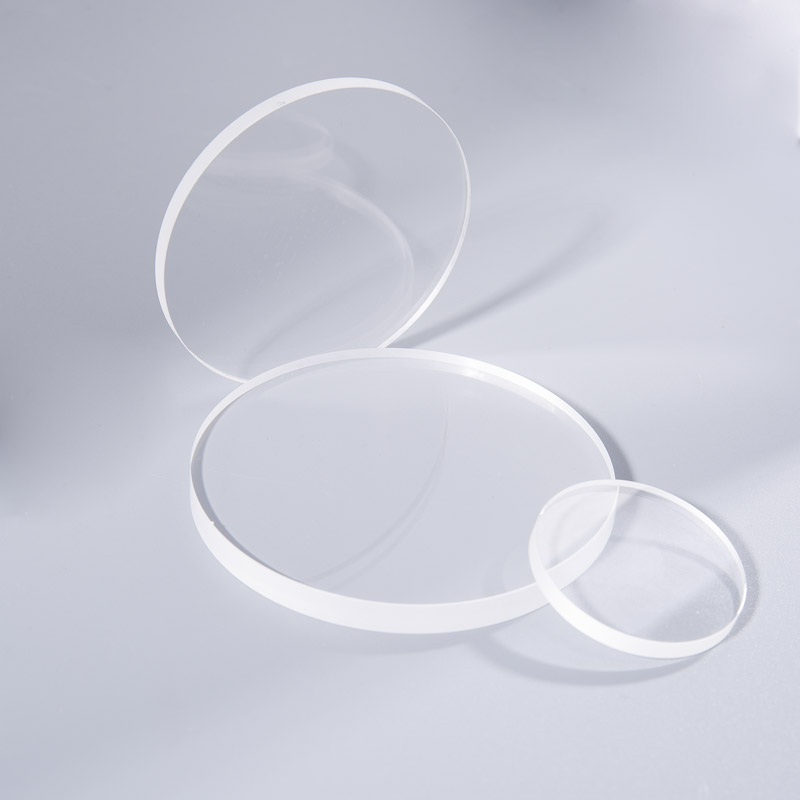
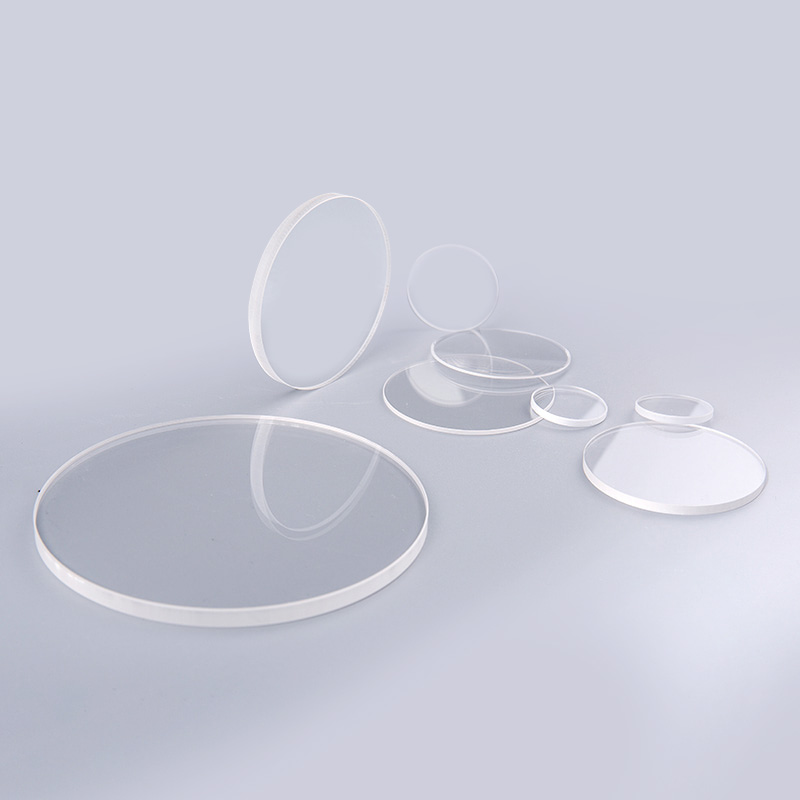
- 21 Product: Optical Spherical Mirror
Optical spherical mirrors are essential precision components used to collect, focus, collimate, redirect, and shape light in advanced optical systems. In applications where stability, surface quality, repeatable curvature, and dependable reflection performance determine the success of an instrument, a well-manufactured optical spherical mirror becomes far more than a simple reflective part. It becomes a controlled optical surface engineered to guide photons with predictable accuracy.
Among the many categories of precision optical components, the optical spherical mirror occupies a special position because it combines a geometrically efficient form with broad compatibility across laser optics, imaging systems, semiconductor equipment, automotive optical modules, scientific instruments, detection systems, and consumer optical products. Compared with flat mirrors, a spherical mirror can actively influence the wavefront by converging or diverging light. Compared with many complex aspheric alternatives, it is often easier to specify, test, align, and manufacture with high consistency, while still delivering strong optical performance when properly designed.
Changzhou Haolilai Photo-Electricity Scientific and Technical Co., Ltd. focuses on the development and production of precision optical components, including optical spherical mirrors. Founded in 1998 and located in Changzhou, Jiangsu, China, the company has built a manufacturing platform that supports laser optics, automotive optics, semiconductor optics, and consumer optics. With a production site covering 35,000 square meters, more than 300 employees, ISO9001:2015, ISO14001:2015, and IATF16949 certifications, and established provincial engineering and technology research centers, the company provides a strong foundation for stable, scalable, and high-precision optical manufacturing.
This article introduces the technical value of optical spherical mirrors, explains how they are manufactured, compares their advantages against common alternatives and competitor offerings, and shows why process control, inspection capability, coating expertise, and experienced engineering support are critical for customers who require reliable optical performance.
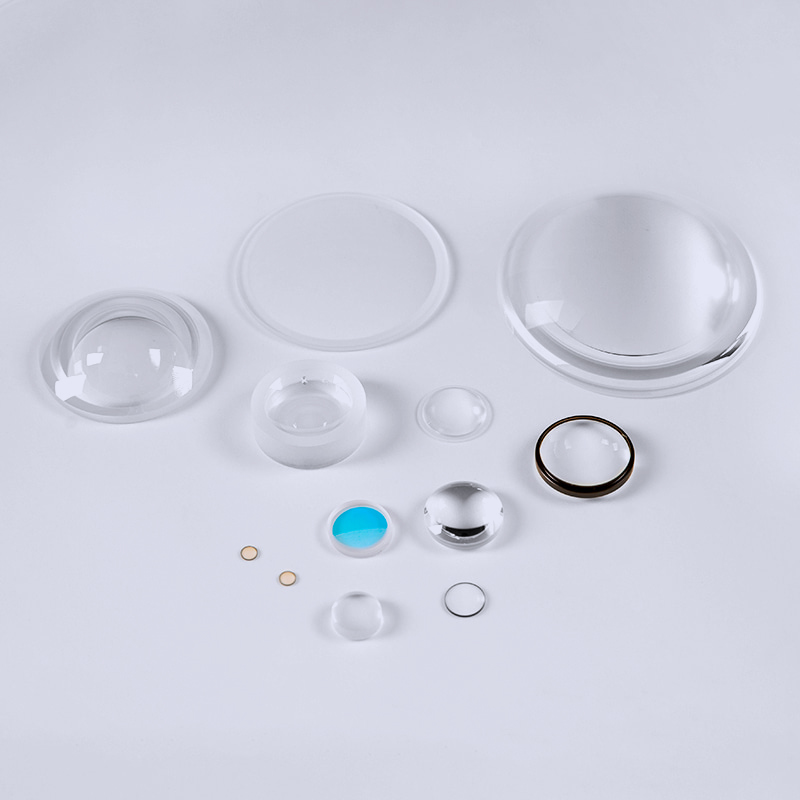
Understanding the Optical Spherical Mirror
An optical spherical mirror is a reflective optical component whose working surface is part of a sphere. Depending on the direction of curvature, it may be concave or convex. A concave spherical mirror can focus parallel incoming light toward a focal point, while a convex spherical mirror can diverge light and expand the field of view. Both types are widely used in optical layouts where controlled reflection is needed.
The fundamental parameters of an optical spherical mirror include radius of curvature, diameter, center thickness or substrate thickness, clear aperture, surface quality, surface accuracy, coating type, coating reflectivity, coating durability, wedge, chamfer, and mechanical tolerances. These parameters are not isolated specifications. They work together to define the mirror’s performance in a real system. For example, an excellent reflective coating cannot compensate for an inaccurate curvature in a focusing system, while a precisely shaped surface can lose performance if coating stress deforms the mirror after deposition.
In many optical instruments, spherical mirrors are chosen because they provide a practical balance between performance and manufacturability. A spherical geometry can be produced and verified through mature optical manufacturing methods, including grinding, polishing, profilometry, and interferometric testing. When paired with appropriate coating technology, spherical mirrors can achieve high reflectance over ultraviolet, visible, near-infrared, or infrared wavelength ranges.
The product category of optical spherical mirrors serves many demanding industries. In laser systems, spherical mirrors can be used to form resonator cavities, beam expanders, beam shaping assemblies, and focusing modules. In imaging systems, they may support reflective telescopes, scanners, projection equipment, and inspection devices. In semiconductor optics, they can be incorporated into precision alignment, metrology, and illumination systems. In automotive and consumer optics, spherical reflective surfaces can support sensors, display modules, interior optical structures, and light guidance components.
Why Spherical Mirrors Remain Important in Modern Optics
Modern optical engineering often celebrates complex freeform and aspheric designs, but spherical mirrors remain indispensable because they provide predictable optical behavior and high production repeatability. A spherical surface is mathematically simple, mechanically robust, and comparatively easier to inspect than many non-rotationally symmetric surfaces. For many applications, especially where the optical design has been optimized around spherical elements, a high-quality spherical mirror can deliver stable performance with excellent cost efficiency.
One important advantage is alignment practicality. In complex optical assemblies, every component introduces potential alignment sensitivity. Spherical mirrors, particularly concave spherical mirrors, can be integrated into systems with known focal properties and manageable alignment procedures. Their predictable geometry helps optical engineers evaluate tolerance budgets and assembly strategies more efficiently.
Another advantage is scalable production. Because spherical surfaces can be generated through established precision processes, qualified manufacturers can produce custom or batch quantities with strong consistency. This matters for customers moving from prototype development to volume production. A component that performs well in the laboratory but cannot be manufactured consistently will create delays, yield losses, and quality risks. A well-controlled spherical mirror process reduces those risks.
A third advantage is inspection reliability. Spherical surfaces can often be measured using interferometric methods with high sensitivity. This enables manufacturers to verify radius, surface form, irregularity, and wavefront-related performance. Reliable inspection is essential because optical performance depends not only on nominal design but also on actual manufactured geometry.
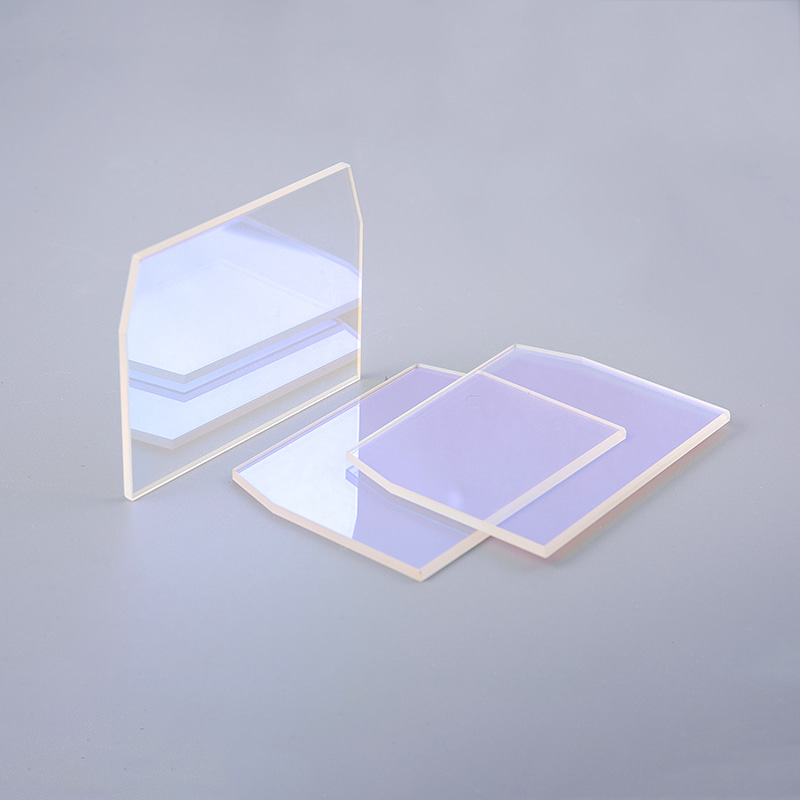
Finally, spherical mirrors are compatible with a wide range of coating systems. Enhanced aluminum, protected silver, protected gold, dielectric high-reflection coatings, broadband coatings, and wavelength-specific laser coatings may be applied depending on the application. A manufacturer with coating process control can tailor the mirror for reflectivity, environmental resistance, adhesion, laser damage threshold, and spectral performance.
Core Advantages of a Well-Manufactured Optical Spherical Mirror
A high-quality optical spherical mirror offers several advantages that directly influence system performance. These advantages include accurate focusing behavior, stable reflected wavefront, high reflectance, durable coating, reduced scattering, improved repeatability, and dependable mechanical integration.
Accurate Radius of Curvature
The radius of curvature determines the focal length of a spherical mirror. For a concave spherical mirror in air, the paraxial focal length is approximately half of the radius of curvature. If the radius deviates significantly from specification, the focal position changes, which can reduce coupling efficiency, imaging sharpness, or beam focus quality. Precision manufacturing therefore requires controlled material removal, careful tool selection, and accurate metrology throughout the process.
High Surface Accuracy
Surface accuracy describes how closely the mirror’s surface conforms to the intended spherical geometry. Errors in surface form can distort the reflected wavefront, introduce aberrations, and reduce optical system performance. For laser systems, surface error may affect beam quality and cavity stability. For imaging instruments, surface error may reduce resolution and contrast. Advanced polishing and interferometric testing are key to achieving high surface accuracy.
Low Surface Roughness and Reduced Scatter
Surface roughness influences scatter, especially in laser and high-contrast imaging applications. A smooth mirror surface helps maintain energy in the desired beam path and reduces stray light. Low scatter is particularly important in semiconductor inspection, fluorescence instruments, scientific imaging, and precision laser modules. Achieving low roughness requires optimized polishing materials, controlled slurry chemistry, stable process environments, and disciplined cleaning practices.
Optimized Reflective Coating
The reflective coating determines how much light is reflected at specific wavelengths and under specific angles of incidence. Metallic coatings offer broad spectral reflection, while dielectric coatings can provide very high reflectivity in selected wavelength bands. Coating design must match the optical system’s wavelength, polarization, angle, power density, and environmental requirements. A strong optical mirror supplier does not treat coating as an afterthought; coating is part of the complete optical design and manufacturing solution.
Reliable Dimensional and Mechanical Tolerances
An optical spherical mirror must fit accurately into mechanical mounts and optical assemblies. Diameter, thickness, edge shape, wedge, bevel, and mounting reference surfaces all affect installation and long-term stability. Poor dimensional control can cause stress during mounting, leading to deformation of the optical surface. A precision manufacturer controls both optical and mechanical parameters to ensure the mirror performs after assembly, not only during standalone inspection.
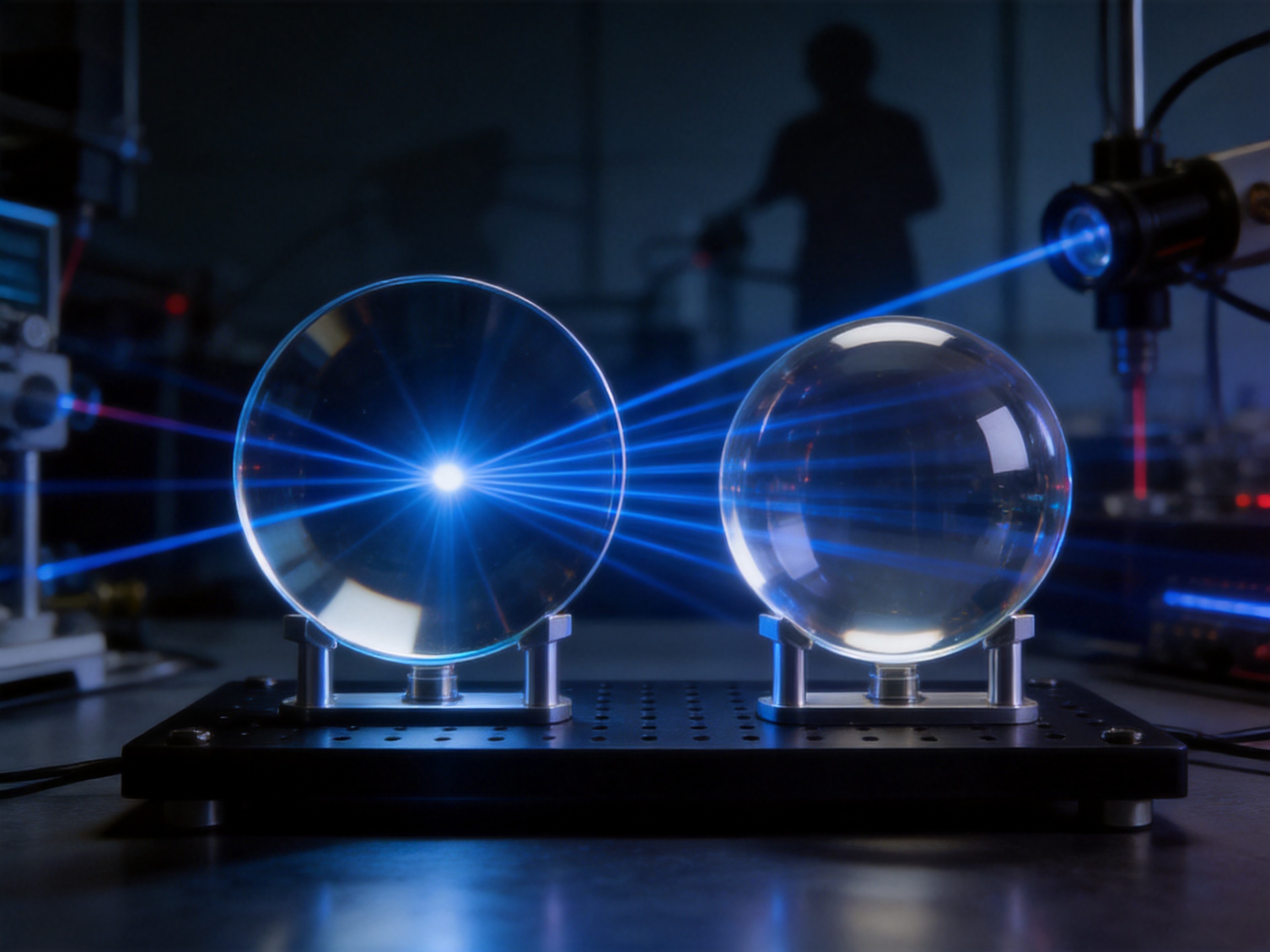
Applications Across Advanced Industries
Optical spherical mirrors are used in a diverse range of technologies. Their role may differ from one system to another, but the requirement remains the same: accurately controlled reflection.
Laser Optics
In laser systems, spherical mirrors may be used as focusing mirrors, cavity mirrors, beam conditioning mirrors, or components in beam delivery modules. Their reflective nature avoids chromatic dispersion associated with refractive lenses, making them useful in multi-wavelength or high-power systems. With suitable high-reflection coatings and low-defect surfaces, they can help maintain beam quality and minimize power loss.
Laser applications often impose demanding requirements on coating adhesion, thermal stability, surface contamination control, and laser damage threshold. Even small coating defects can become failure points under high power density. For this reason, precision cleaning, coating chamber control, and final inspection are essential.
Automotive Optics
Automotive optical systems increasingly include sensors, displays, interior lighting modules, driver monitoring systems, and intelligent lighting. Optical spherical mirrors can support compact folded optical paths, light guidance, image formation, and sensor field management. In automotive applications, manufacturing consistency and reliability are particularly important because components may need to satisfy strict quality systems and withstand temperature cycling, vibration, humidity, and long service life requirements.
The availability of IATF16949 certification is meaningful for automotive customers because it reflects quality management practices aligned with automotive industry expectations. It demonstrates that production control, traceability, corrective action, and continuous improvement are part of the manufacturing culture.
Semiconductor Optics
Semiconductor manufacturing and inspection tools require stable optical components with tight tolerances. Spherical mirrors may be used in alignment, illumination, inspection, measurement, and laser-related subsystems. In these environments, cleanliness and surface quality are critical because particle contamination and scatter can affect measurement reliability. A mirror used in semiconductor optics must be manufactured and handled with special attention to cleaning, packaging, and process control.
Scientific Instruments
Spherical mirrors are commonly found in spectroscopy, microscopy, telescopes, analytical instruments, and laboratory optical benches. Researchers often require custom specifications, including unusual diameters, special radii, narrowband coatings, or substrate choices. An experienced optical manufacturer can support these custom requirements by evaluating feasibility and recommending practical tolerance levels.
Consumer and Industrial Optical Products
Consumer optics and industrial modules may require efficient production, compact design, and stable performance at scale. Spherical mirrors can be used in projection systems, scanning modules, optical sensors, laser range devices, barcode readers, and imaging accessories. For these markets, cost-effective production must not sacrifice essential optical performance. The combination of manufacturing experience and process discipline helps deliver consistent components for repeated production.
Comparison With Alternative Optical Components
Optical spherical mirrors do not replace every type of optical component, but they offer specific advantages when the design calls for reflective focusing, compact path folding, or chromatic independence. The following table summarizes common comparisons.
| Component Type | Main Function | Key Advantages | Limitations Compared With Optical Spherical Mirrors | Typical Use Cases |
|---|---|---|---|---|
| Optical Spherical Mirror | Reflects and converges or diverges light using a spherical surface | Good manufacturability, predictable focal behavior, no chromatic dispersion, compatible with many coatings | May introduce spherical aberration in some high-numerical-aperture systems | Laser systems, imaging instruments, semiconductor optics, sensor modules |
| Optical Flat Mirror | Redirects light without focusing | Simple alignment, path folding, high reflectivity possible | Does not focus or diverge light | Beam steering, periscopes, optical benches, scanners |
| Optical Lens | Refracts light to focus, collimate, or image | Common design flexibility, easy transmission-based layouts | Chromatic dispersion, absorption, thermal lensing, material wavelength limitations | Cameras, microscopes, laser focusing, sensors |
| Optical Prism | Redirects, disperses, or rotates light | Stable angular control, compact beam folding | Generally does not provide spherical focusing unless combined with other optics | Rangefinders, binoculars, spectrometers, alignment systems |
| Aspheric Mirror | Reflects light with non-spherical correction | Can reduce aberrations and improve advanced imaging | Higher manufacturing and testing complexity, often higher cost | High-end imaging, aerospace optics, precision laser shaping |
This comparison shows why spherical mirrors remain attractive for many optical systems. They provide more optical power than flat mirrors, avoid dispersion associated with lenses, and are usually more economical and repeatable than complex aspheric mirrors. When the optical design can accommodate spherical geometry, a precision spherical mirror often provides an excellent combination of performance, manufacturability, and cost stability.
Advantages Over Competitor Offerings
The market for optical mirrors includes standard catalog suppliers, small workshop producers, coating-only providers, and integrated precision manufacturers. A customer choosing an optical spherical mirror must consider not only unit price but also technical communication, custom capability, repeatability, measurement reliability, coating performance, delivery stability, and long-term support.
Integrated Manufacturing Capability
An important advantage of working with an established precision optical component manufacturer is the integration of multiple process stages. Optical spherical mirrors require substrate preparation, shaping, grinding, polishing, cleaning, coating, inspection, and packaging. If these steps are separated among unrelated vendors, process responsibility can become fragmented. Integrated capability improves communication between departments and helps identify issues early.
For example, coating stress may be influenced by substrate thickness, surface preparation, coating material selection, and deposition parameters. A supplier that understands the entire process can adjust manufacturing choices to protect final performance. In contrast, a competitor that only polishes or only coats may not be able to solve system-level problems efficiently.
Custom Engineering Support
Many customers do not need a simple standard mirror. They need a mirror that fits a specific optical path, mechanical envelope, wavelength, and environmental requirement. Engineering support helps translate system requirements into manufacturable specifications. This can include recommending substrate materials, coating designs, tolerances, bevels, clear aperture definitions, packaging methods, or inspection criteria.
Experienced manufacturers can also help customers avoid over-specification. Overly tight tolerances may increase cost and lead time without improving system performance. Conversely, under-specified requirements may cause performance risk. Proper specification guidance is a major competitive advantage because it improves the customer’s final design and procurement efficiency.
Certified Quality Systems
Certifications such as ISO9001:2015, ISO14001:2015, and IATF16949 demonstrate a systematic approach to quality, environmental management, and automotive production requirements. These certifications do not merely decorate a company profile; they reflect process documentation, control plans, corrective action procedures, internal audits, supplier management, and continuous improvement.
For customers in automotive, semiconductor, and laser industries, quality systems are critical. A low-cost competitor without robust traceability may appear attractive for early prototypes but can create serious risk during volume production. Certified production systems reduce uncertainty and improve confidence in repeated deliveries.
Research and Technology Foundation
The establishment of the Jiangsu Precision Optical Lens Engineering Technology Center and Jiangsu Enterprise Technology Research Center reflects a commitment to engineering development. Optical manufacturing is not static. New materials, coatings, equipment, and application requirements continue to emerge. A company with technical centers, patents, and experienced engineers is better positioned to solve unusual problems, refine processes, and support customers in new product development.
Production Scale and Export Experience
With more than 300 employees, a 35,000-square-meter site, and exports to over 20 countries, the company has experience serving different technical standards, documentation expectations, packaging requirements, and communication practices. Production scale matters because customers often need a supplier capable of handling both prototypes and repeated orders. Export experience also helps reduce misunderstandings related to specifications, inspection reports, and logistics.
Balanced Cost and Precision
One of the strongest advantages of a capable optical manufacturer is the ability to balance precision with practical cost. The most expensive mirror is not always the best solution; the best mirror is the one that meets the optical, mechanical, and environmental needs of the application with stable repeatability. By combining mature processes, trained technicians, inspection systems, and production planning, a manufacturer can provide cost-effective precision without compromising essential performance.
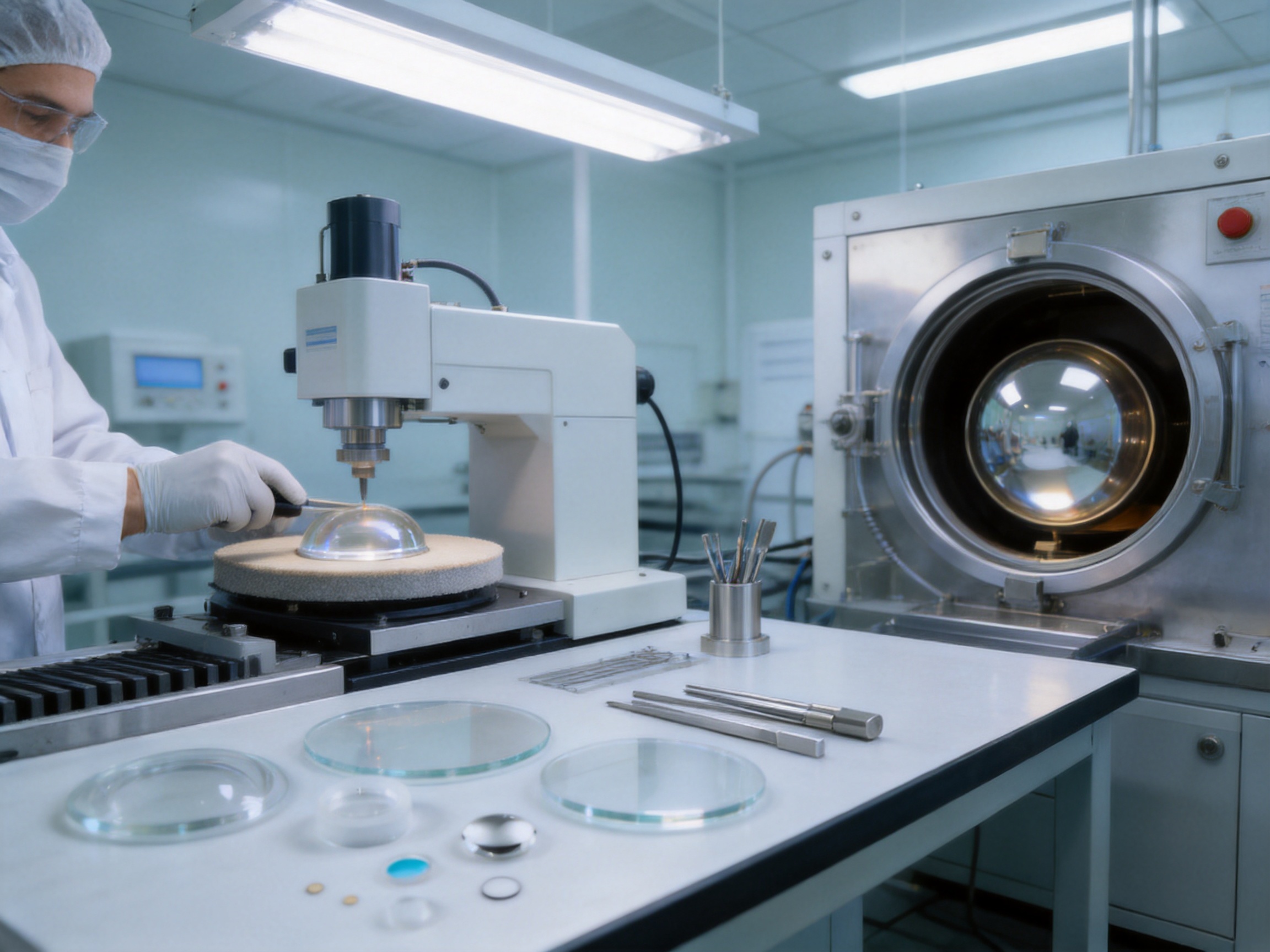
Manufacturing Process of Optical Spherical Mirrors
The performance of an optical spherical mirror depends on a sequence of carefully controlled manufacturing steps. Each step influences the next, and the final mirror quality is the result of process discipline from raw material to packaged component.
1. Material Selection
The process begins with substrate selection. Common materials may include optical glass, fused silica, borosilicate glass, low-expansion glass, or other specialty materials depending on wavelength, thermal conditions, mechanical requirements, and cost targets. Material choice affects thermal expansion, polishing behavior, transmission or absorption characteristics, coating compatibility, and long-term stability.
For high-power laser or thermal-sensitive applications, low thermal expansion and high homogeneity may be important. For general visible systems, optical glass may provide a practical balance of machinability and cost. For ultraviolet or high-cleanliness applications, fused silica may be preferred. The manufacturer’s role is to match the substrate to the application rather than treating all mirrors as identical.
2. Blank Preparation and Cutting
After material selection, blanks are cut or prepared to the required approximate size. This stage may include slicing, edging, and rough shaping. Proper blank preparation reduces internal stress and ensures enough material allowance for later grinding and polishing. If blank preparation is poor, later processes may reveal chips, stress marks, thickness inconsistency, or edge defects.
3. Curve Generation
The spherical surface is generated through controlled machining or grinding processes. The goal is to create the desired curvature with appropriate allowance for fine grinding and polishing. CNC generation equipment and precision tools improve repeatability, especially for custom radii and batch production. At this stage, technicians control radius, sag, diameter, and surface condition.
Curve generation must be accurate but not overly aggressive. Excessive subsurface damage can prolong polishing time and risk residual defects. A disciplined manufacturer selects grinding parameters that balance efficiency with surface integrity.
4. Fine Grinding
Fine grinding removes damage from rough generation and brings the surface closer to the final form. Abrasive size, tool condition, pressure, rotation, coolant, and process duration are carefully controlled. Fine grinding determines how efficiently polishing can achieve the final optical surface. Poor fine grinding may leave deep damage that later appears as scratches, pits, or surface irregularities.
5. Precision Polishing
Polishing transforms the ground spherical surface into an optical-quality reflective surface. This is one of the most critical steps in the entire process. Polishing must achieve the required surface accuracy, roughness, and cosmetic quality without distorting the radius or introducing mid-spatial-frequency errors.
Polishing may involve pitch polishing, pad polishing, CNC polishing, or a combination depending on specifications. Experienced technicians monitor surface evolution and adjust parameters based on measurement feedback. The skill involved in polishing cannot be overstated. Optical polishing is both scientific and craft-based, requiring knowledge of materials, pressure distribution, tool wear, slurry behavior, and environmental conditions.
6. Intermediate Inspection
Inspection is not limited to the final stage. Intermediate checks help ensure that the process remains on target. Radius measurement, surface form checks, visual inspection, and dimensional verification may be performed before coating. Early detection prevents wasted coating runs and reduces rework.
7. Cleaning Before Coating
Before coating, the polished mirror must be cleaned thoroughly. Particles, oils, residues, and moisture can cause coating defects, poor adhesion, pinholes, or reduced reflectivity. Cleaning may involve ultrasonic cleaning, chemical cleaning, deionized water rinsing, drying, and controlled handling. The cleaning process must be compatible with the substrate and surface quality requirements.
8. Reflective Coating Deposition
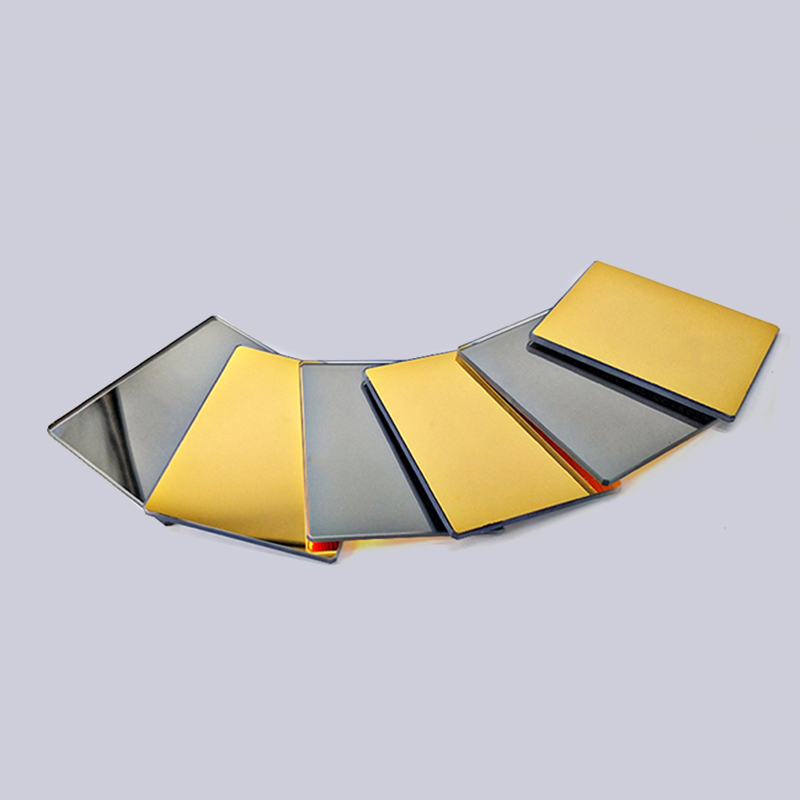
The coating step gives the spherical mirror its final reflective function. Coating options may include protected aluminum for broad visible and ultraviolet performance, protected silver for high visible and near-infrared reflectivity, protected gold for infrared applications, or dielectric high-reflection coatings for selected laser wavelengths.
Deposition technology must control coating thickness, uniformity, adhesion, stress, and spectral performance. For spherical surfaces, coating uniformity can be more challenging than on flat substrates because geometry affects deposition angle and thickness distribution. Experienced coating engineers compensate through fixture design, deposition parameters, and process validation.
9. Final Inspection
Final inspection verifies that the mirror meets optical, mechanical, cosmetic, and coating requirements. Tests may include visual inspection under specified lighting, dimensional measurement, radius verification, interferometric surface accuracy testing, coating reflectance measurement, adhesion testing, and environmental testing when required. Inspection reports may be provided according to customer requirements.
10. Packaging and Delivery
Packaging protects the finished optical surface during storage and transport. Optical mirrors are vulnerable to scratches, contamination, moisture, and mechanical shock. Proper packaging uses clean materials, secure spacing, and protective containers. For export shipments, packaging must also consider logistics conditions and documentation needs.
Key Technical Specifications Customers Should Consider
When ordering an optical spherical mirror, customers should define specifications clearly. However, the most effective specification is not necessarily the longest list of strict tolerances. It is a practical description of what the optical system needs. Important parameters include the following.
Diameter and Clear Aperture
The diameter defines the physical size of the mirror, while the clear aperture defines the usable optical area. The edge region may contain bevels or mounting zones that are not intended for optical use. Clear aperture should be large enough for the beam footprint plus alignment margin.
Radius of Curvature
The radius of curvature determines focal behavior. Customers should specify whether the value is concave or convex and define tolerance according to system sensitivity. If focal length is more important than radius, that should be communicated.
Surface Accuracy
Surface accuracy may be specified in terms of wavelength fractions, peak-to-valley, RMS, or interferometric irregularity. Customers should align this parameter with imaging or wavefront requirements. Overly strict surface accuracy increases cost, especially for larger diameters.
Surface Quality
Surface quality addresses scratches, digs, and cosmetic defects. Laser systems often require stricter surface quality than general illumination systems. High-power applications also require careful defect control because surface defects can absorb energy and initiate damage.
Coating Type and Wavelength Range
Coating selection must match wavelength, angle of incidence, polarization, reflectance target, and environmental conditions. For example, a mirror for 1064 nm laser use may need a different coating from a mirror used in broadband visible imaging. Customers should also define whether durability, cleanability, or high laser damage threshold is required.
Substrate Material
Substrate material affects thermal behavior, weight, stiffness, polishing potential, and cost. If the operating environment includes temperature changes or high power, material selection becomes especially important.
Mounting and Edge Requirements
Mounting conditions influence optical performance. A mirror clamped too tightly can deform. Edge bevels reduce chipping risk and improve handling. Mechanical references should be defined for assemblies that require precise positioning.
How Advanced Manufacturing Strengthens Product Reliability
Precision optical manufacturing depends on equipment, process experience, metrology, and quality culture. Changzhou Haolilai Photo-Electricity Scientific and Technical Co., Ltd. has developed capabilities that support reliable optical component production. The company’s long history since 1998 provides accumulated experience across many product categories, including optical flat mirrors, wafers, automotive interior glass structural components, optical prisms, optical spherical mirrors, optical spherical lenses, and other precision optical components.
Manufacturing strength begins with process knowledge. Optical spherical mirrors may appear simple in shape, but achieving stable performance requires controlling small errors at every stage. Skilled process engineers understand how material removal, polishing pressure, cleaning chemistry, and coating stress influence final performance. This accumulated knowledge helps reduce trial-and-error and supports efficient production.
Another strength is quality management. ISO9001:2015 supports consistent quality processes, ISO14001:2015 reflects environmental management, and IATF16949 supports automotive-grade quality discipline. These systems help ensure that production is documented, monitored, and improved. For customers, this means better traceability and reduced supply risk.
The company’s engineering centers and patent achievements also support product development. Optical component customers often bring challenging requirements that cannot be solved with catalog parts. Engineering resources allow the manufacturer to evaluate requirements, design manufacturing routes, test process improvements, and develop practical solutions.
Production scale is equally important. A company with more than 300 employees and a large manufacturing area can support multiple projects, manage production flow, and respond to varied customer requirements. Scale alone does not guarantee precision, but when combined with quality systems and experienced teams, it improves delivery stability and repeatability.
Coating Options for Optical Spherical Mirrors
The coating is one of the most important features of an optical spherical mirror. Without the right coating, even a precisely polished substrate may fail to meet optical requirements. Coating design depends on spectral range, reflectivity target, durability, angle of incidence, polarization, thermal load, and environmental exposure.
Protected Aluminum Coatings
Protected aluminum coatings are widely used because they provide broad reflectivity across ultraviolet, visible, and near-infrared regions. A protective overcoat improves durability and reduces oxidation. These coatings are practical for many general optical systems and instruments.
Protected Silver Coatings
Protected silver coatings offer high reflectivity in the visible and near-infrared range. They are often chosen when maximum broadband reflectance is needed. Because silver can tarnish, protective layers and proper environmental sealing are important.
Protected Gold Coatings
Gold coatings are valuable for infrared applications. They provide high infrared reflectance and good chemical stability in many environments. Their visible reflectance is lower than silver or aluminum, so they are chosen mainly for infrared systems.
Dielectric High-Reflection Coatings
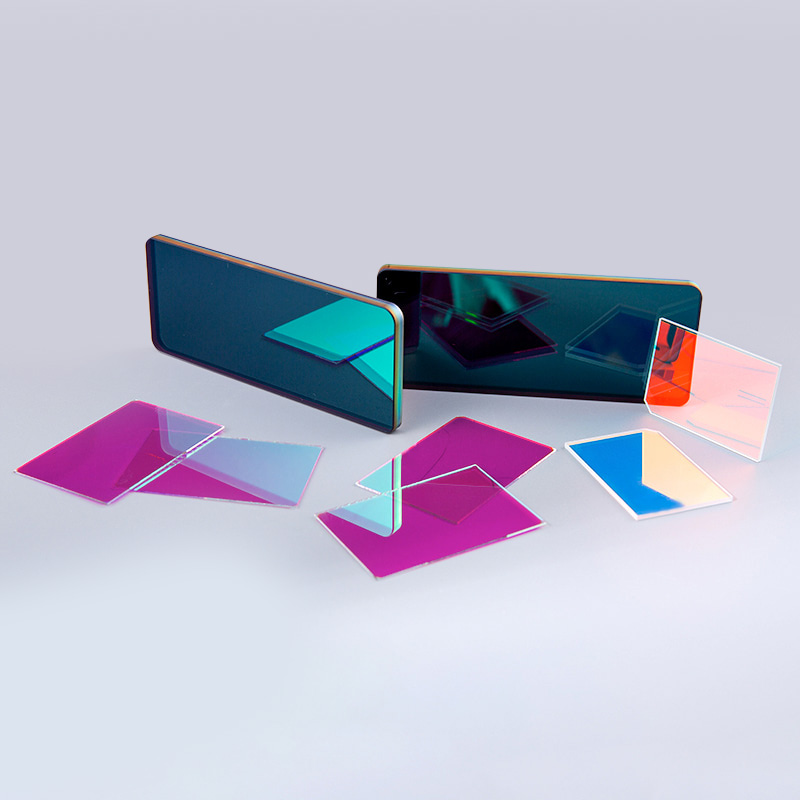
Dielectric coatings can achieve very high reflectivity at selected wavelengths or wavelength bands. They are common in laser systems where reflection must be extremely efficient. However, dielectric coatings are more sensitive to angle and polarization than simple metallic coatings, so design details must be carefully communicated.
Broadband Dielectric Coatings
Broadband dielectric coatings are designed to maintain high reflection across a defined spectral range. They can support imaging, illumination, and multi-wavelength instruments. Achieving broadband performance while controlling stress and durability requires experienced coating design and deposition control.
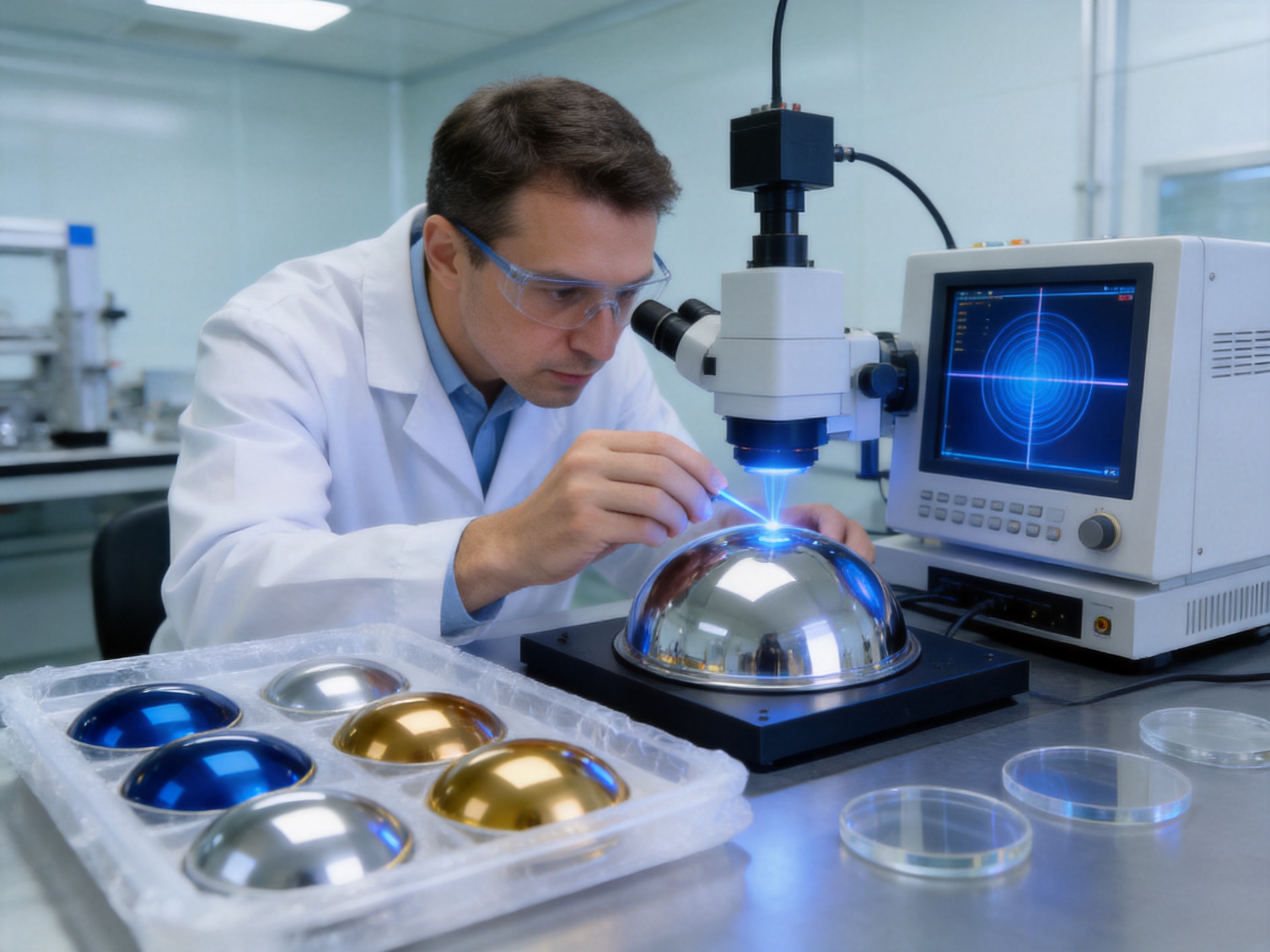
Quality Control and Inspection Methods
Quality control is the bridge between manufacturing intention and customer confidence. For optical spherical mirrors, inspection must verify both optical surface quality and practical usability.
Interferometric Testing
Interferometry is widely used to measure surface accuracy and wavefront-related errors. For spherical mirrors, interferometric setups can compare the manufactured surface against a reference wavefront. Results help identify figure errors, astigmatism, zones, and polishing defects. This method provides quantitative evidence that the mirror meets specification.
Radius Measurement
Radius measurement verifies the curvature. Depending on tolerance requirements, this may involve spherometers, contact or non-contact profilometry, interferometric methods, or coordinate measurement techniques. Accurate radius control is essential for predictable focal performance.
Surface Quality Inspection
Surface quality inspection identifies scratches, digs, pits, stains, coating defects, and contamination. Inspection conditions must be standardized because cosmetic evaluation can otherwise become subjective. For laser optics, defect control is especially important.
Spectral Reflectance Testing
Reflectance testing verifies coating performance across the required wavelength range. A coating that looks visually acceptable may still fail spectral requirements. Reflectance measurement confirms that the optical mirror will perform in the intended system.
Adhesion and Durability Testing
Depending on customer requirements, coating adhesion and durability may be evaluated. Environmental tests may include humidity exposure, temperature cycling, abrasion resistance, or cleaning resistance. Such tests are particularly relevant for automotive, outdoor, or high-reliability instruments.
Dimensional Inspection
Mechanical dimensions are checked to ensure the mirror fits into the intended mount. Diameter, thickness, bevel, wedge, and edge conditions may all be measured. Dimensional accuracy supports assembly efficiency and reduces mechanical stress risks.
Design Considerations for Better System Performance
Customers can improve optical system performance by considering several practical design factors when specifying spherical mirrors.
Manage Spherical Aberration
Spherical mirrors can introduce spherical aberration, especially when used at large apertures or with fast focal ratios. Optical designers may manage this by limiting aperture, using appropriate conjugates, combining the mirror with corrective optics, or choosing an aspheric alternative when necessary. For many moderate numerical aperture systems, spherical mirrors remain highly effective.
Define the Angle of Incidence
The coating performance and reflected beam shape can depend on angle of incidence. If the mirror will be used at a significant angle, the coating should be designed accordingly. Polarization effects may also become important in laser systems.
Consider Thermal Effects
High-power beams and changing environments can heat the mirror. Thermal expansion may shift curvature or introduce deformation. Substrate material, thickness, coating absorption, and mounting design all influence thermal stability.
Avoid Mounting Stress
Even a high-quality mirror can perform poorly if it is mounted incorrectly. Clamping forces should be controlled, and contact points should avoid stressing the optical surface. Mechanical designs should accommodate thermal expansion and avoid edge damage.
Specify Realistic Tolerances
Practical tolerance selection balances performance and cost. A precision manufacturer can help determine which tolerances are critical and which can be relaxed. This collaboration often reduces cost and improves delivery time without compromising system performance.
Customization Possibilities
Optical spherical mirrors can be customized in many ways. Customization may include diameter, radius of curvature, substrate material, coating type, reflectivity range, surface accuracy, surface quality, edge shape, thickness, and packaging. For customers developing new optical products, customization enables compact layouts, wavelength-specific performance, and improved integration.
A professional manufacturer can support custom prototypes and transition to volume production. This is valuable because prototype requirements may change after testing. A supplier with engineering support can help modify curvature, coating, or mechanical features based on test feedback. Once the design is confirmed, process documentation and quality control help stabilize production.
Customization is especially important in laser and semiconductor applications, where standard catalog mirrors may not meet exact wavelength, damage threshold, cleanliness, or geometry requirements. It is also important in automotive optics, where components must fit constrained spaces and meet reliability expectations.
Environmental and Reliability Considerations
Optical spherical mirrors may operate in controlled laboratories, industrial factories, vehicles, outdoor instruments, or sealed electronic devices. Each environment presents different challenges.
Humidity can affect certain coatings if protective layers are inadequate. Temperature cycling can stress coatings and substrates. Vibration can affect mounted mirrors in automotive or industrial systems. Dust and contamination can increase scatter and reduce reflectivity. Cleaning procedures can damage coatings if they are not compatible with the coating design.
Manufacturing and coating choices should consider these conditions from the beginning. A mirror for a laboratory spectrometer may not require the same environmental durability as a mirror used in an automotive sensor module. By discussing the operating environment early, customers and manufacturers can select appropriate materials, coatings, and packaging.
Why Supplier Selection Matters
An optical spherical mirror is a precision component whose value depends on performance consistency. Supplier selection therefore has a direct impact on technical success, cost control, and production schedule. A capable supplier provides more than a quotation. It provides manufacturability review, engineering communication, process control, inspection evidence, and long-term production support.
Some competitors may offer low prices by simplifying inspection, using less controlled polishing, or applying generic coatings. Such mirrors may work in low-demand applications but can cause problems in high-performance systems. Issues may include inconsistent focal length, coating reflectance variation, surface defects, poor adhesion, stress deformation, contamination, or unreliable batch-to-batch quality.
By contrast, a manufacturer with established quality systems, experienced optical technicians, coating knowledge, and production scale can reduce these risks. The result is not only a better mirror but also a more reliable supply chain.
Company Strengths Supporting Optical Spherical Mirror Production
Changzhou Haolilai Photo-Electricity Scientific and Technical Co., Ltd. has developed a broad precision optical component platform since its founding in 1998. The company is located in the national-level High-tech Development District of Changzhou, Jiangsu, China, and has grown into a professional manufacturer serving multiple optical industries.
The company’s strengths include a large manufacturing area, an experienced technical team, more than 300 employees, exports to more than 20 countries, and more than 30 certificates and patents. These capabilities support both technical development and stable production. The company’s certifications, including ISO9001:2015, ISO14001:2015, and IATF16949, reflect a structured management system suitable for demanding industrial customers.
As a High-Tech enterprise in Jiangsu Province, the company has established the Jiangsu Precision Optical Lens Engineering Technology Center and Jiangsu Enterprise Technology Research Center. These platforms help support innovation, process improvement, and customer-specific development. In optical manufacturing, such technical infrastructure is important because customer needs continue to evolve toward higher precision, smaller form factors, better coatings, and stronger reliability.
The company develops and produces various precision optical components with focus areas in laser optics, automotive optics, semiconductor optics, and consumer optics. This diversified experience benefits spherical mirror production because techniques and quality expectations from one industry often strengthen capability in another. For example, automotive quality discipline supports traceability and consistency, while laser optics experience strengthens surface and coating control.
Purchasing Guidance for Optical Spherical Mirrors
When requesting a quotation or technical review for an optical spherical mirror, customers can improve efficiency by providing a clear set of information. Useful details include application, wavelength range, mirror type, concave or convex geometry, diameter, radius of curvature, clear aperture, substrate preference, surface accuracy, surface quality, coating type, angle of incidence, operating environment, quantity, and inspection documentation requirements.
If some details are unknown, customers can describe the optical system goal. For example, they may explain that the mirror must focus a 1064 nm laser beam, reflect broadband visible light in an imaging instrument, or fit into an automotive sensor assembly. The manufacturer can then provide suggestions based on experience.
Customers should also consider whether they need prototype support, small-batch production, or long-term supply. Early communication about future volume helps the manufacturer design a process that can scale. For high-reliability applications, customers should discuss testing requirements before production begins.
Q&A: Optical Spherical Mirror Selection and Manufacturing
Q1: What is the main function of an optical spherical mirror?
An optical spherical mirror reflects light using a surface that is part of a sphere. A concave spherical mirror can focus or collect light, while a convex spherical mirror can diverge light or expand a field of view. It is used in laser systems, imaging instruments, semiconductor equipment, automotive optics, and other precision optical applications.
Q2: Why choose a spherical mirror instead of a lens?
A spherical mirror reflects light rather than transmitting it, so it avoids chromatic dispersion that can occur in lenses. It can also be useful in high-power or multi-wavelength systems. A mirror may help create compact folded optical paths and reduce material absorption issues.
Q3: What are the most important specifications?
Important specifications include diameter, clear aperture, radius of curvature, surface accuracy, surface quality, coating type, wavelength range, substrate material, dimensional tolerances, and environmental requirements. The most critical specifications depend on the application.
Q4: How does coating selection affect performance?
The coating determines reflectivity, spectral range, durability, and suitability for specific angles or polarizations. Metallic coatings are often broadband, while dielectric coatings can provide very high reflectivity at selected wavelengths. Proper coating selection is essential for laser, imaging, and infrared applications.
Q5: Can optical spherical mirrors be customized?
Yes. They can be customized by size, curvature, material, coating, surface accuracy, surface quality, thickness, edge treatment, and packaging. Customization is common for laser optics, semiconductor optics, automotive modules, and scientific instruments.
Q6: What manufacturing steps determine mirror quality?
Key steps include material selection, blank preparation, curve generation, fine grinding, precision polishing, cleaning, coating deposition, final inspection, and packaging. Each step affects final optical performance and reliability.
Q7: Why is interferometric testing important?
Interferometric testing measures surface accuracy and wavefront-related errors. It provides quantitative confirmation that the spherical surface meets required form specifications. This is especially important for high-performance imaging and laser systems.
Q8: What advantages does an experienced manufacturer provide?
An experienced manufacturer provides process control, engineering support, coating expertise, quality management, inspection capability, and production repeatability. These strengths reduce risk compared with suppliers that provide only standard parts or limited process control.
Q9: Are optical spherical mirrors suitable for automotive applications?
Yes, they can be used in automotive sensors, display modules, interior optical structures, and light guidance systems. Automotive applications require strong quality management, environmental durability, and repeatable production.
Q10: How should customers begin a project?
Customers should provide application details, wavelength, geometry, size, radius, coating needs, quantity, and operating environment. If exact specifications are not finalized, they can discuss performance goals with the manufacturer to develop a practical specification.
Conclusion
The optical spherical mirror remains a vital component in modern optical engineering because it offers a powerful combination of predictable geometry, reflective optical function, coating flexibility, inspection reliability, and scalable manufacturability. Whether used for laser focusing, beam shaping, imaging, semiconductor inspection, automotive sensing, or scientific instrumentation, its performance depends on precision at every stage of production.
A superior optical spherical mirror is not defined by curvature alone. It is defined by accurate radius control, smooth polished surface, low scatter, reliable coating, stable mechanical dimensions, clean handling, and verified inspection results. These qualities require advanced manufacturing processes and a disciplined quality system.
Changzhou Haolilai Photo-Electricity Scientific and Technical Co., Ltd. brings together long-term optical manufacturing experience, certified quality systems, engineering research platforms, production scale, and international supply experience. Its capabilities support the development and production of precision optical spherical mirrors for demanding industries, including laser optics, automotive optics, semiconductor optics, and consumer optics.
For customers seeking a dependable optical spherical mirror supplier, the most important factors are not only price and delivery time but also process control, technical communication, coating capability, inspection evidence, and long-term consistency. A well-manufactured optical spherical mirror can improve system performance, reduce integration risk, and support stable production from prototype to volume manufacturing.
References
1. Hecht, Eugene. Optics. Pearson Education.
2. Smith, Warren J. Modern Optical Engineering. McGraw-Hill Education.
3. Malacara, Daniel. Optical Shop Testing. Wiley.
4. Macleod, H. Angus. Thin-Film Optical Filters. CRC Press.
5. ISO 10110. Optics and Photonics: Preparation of Drawings for Optical Elements and Systems.
6. ISO 9001:2015. Quality Management Systems: Requirements.
7. ISO 14001:2015. Environmental Management Systems: Requirements with Guidance for Use.
8. IATF 16949. Quality Management System Standard for Automotive Production and Relevant Service Parts Organizations.


 苏公网安备32041102000130号