
 Search
 en
en English
 日本語
日本語 русский
 Español
 Deutsch
 中文简体
中文简体Content
- 1 1. Understanding the Function of an Optical Window
- 2 2. Product Positioning and Application Value
- 3 3. Main Advantages of a Precision Optical Window
- 4 4. Comparison with Ordinary Glass and Lower-Grade Competitor Products
- 5 5. Materials for Optical Window Manufacturing
- 6 6. Manufacturing Process and Technical Control
- 7 7. Company Strengths Supporting Optical Window Quality
- 8 8. Optical Performance Factors Customers Should Consider
- 9 9. Competitive Advantages in Custom Manufacturing
- 10 10. Role in Laser Optics
- 11 11. Role in Automotive Optics
- 12 12. Role in Semiconductor Optics
- 13 13. Role in Consumer Optics and Instruments
- 14 14. Quality Control as a Competitive Advantage
- 15 15. Packaging, Handling, and Delivery Considerations
- 16 16. Design Guidance for Buyers
- 17 17. Why This Optical Window Stands Out
- 18 18. Frequently Asked Questions
- 18.1 Q1: What is the main purpose of an optical window?
- 18.2 Q2: How is an optical window different from ordinary glass?
- 18.3 Q3: Can the optical window be customized?
- 18.4 Q4: What materials are commonly used for optical windows?
- 18.5 Q5: Why is anti-reflection coating important?
- 18.6 Q6: What industries use precision optical windows?
- 18.7 Q7: What specifications should buyers provide when ordering?
- 18.8 Q8: Why choose a professional optical component manufacturer?
- 19 19. Conclusion
- 20 References
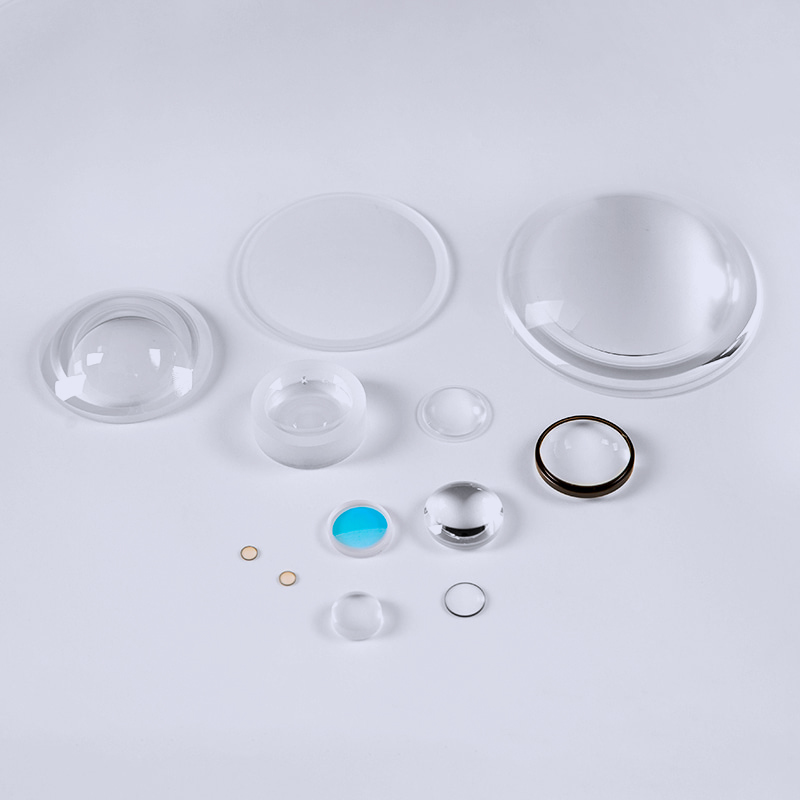
- 21 Product: Optical Window
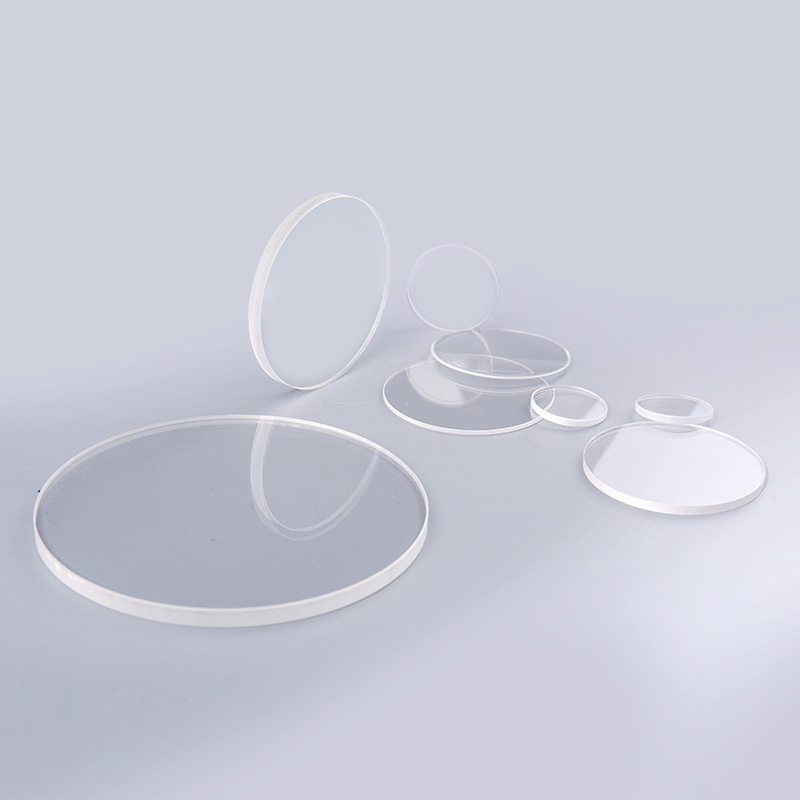
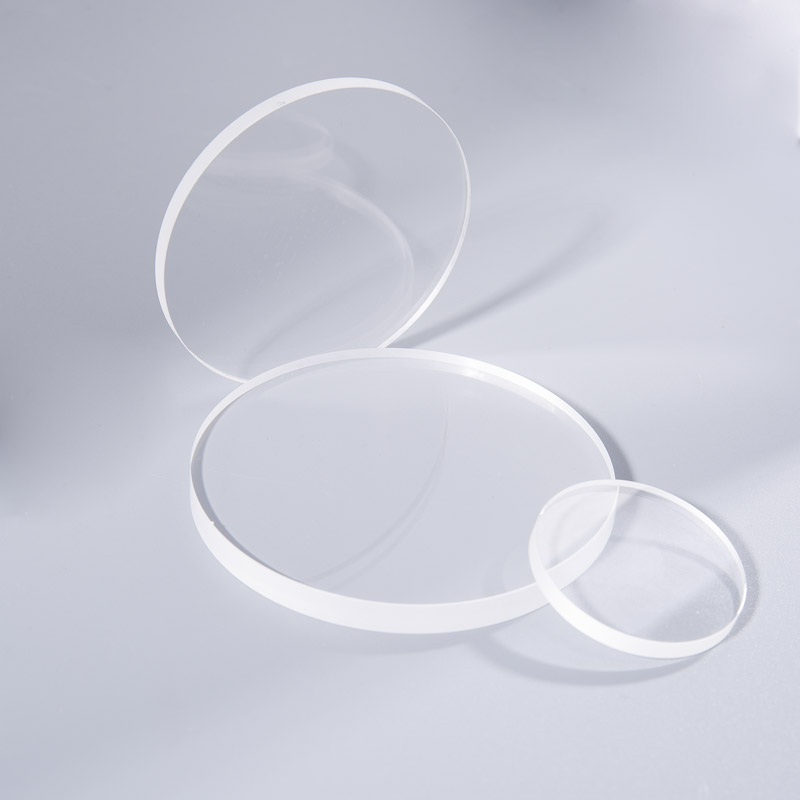
Optical windows are essential components in modern optical assemblies, serving as transparent protective barriers that transmit light while isolating sensitive instruments from environmental, mechanical, thermal, and chemical influences. In laser systems, imaging devices, semiconductor equipment, automotive optical modules, measurement instruments, and consumer electronics, the performance of an optical window can directly affect system accuracy, durability, and long-term stability.
This article focuses on the Optical Window product offered by Changzhou Haolilai Photo-Electricity Scientific and Technical Co., Ltd., a professional manufacturer of precision optical components founded in 1998 in Changzhou, Jiangsu, China. With decades of experience in optical component manufacturing, the company provides optical windows designed for high transmission, excellent surface quality, tight dimensional control, reliable coating performance, and customized application compatibility.
Unlike ordinary glass plates, a precision optical window is engineered to maintain the optical path with minimal distortion. It must protect without noticeably changing beam direction, wavefront quality, spectral output, or imaging clarity. For demanding applications, this requires advanced material selection, precision grinding and polishing, coating technology, inspection capability, and process control. The company’s strengths in laser optics, automotive optics, semiconductor optics, and consumer optics provide a solid manufacturing foundation for producing high-quality optical windows for global customers.
1. Understanding the Function of an Optical Window
An optical window is a flat, transparent optical element placed between two environments or in front of an optical system. Its primary function is to allow light to pass through while protecting components behind it. The window may be used to seal a chamber, protect a lens, isolate a sensor, resist dust and moisture, or separate a high-vacuum environment from ambient air.
In many systems, the optical window is not intended to focus or reflect light. Instead, it should transmit the incident light as faithfully as possible. However, this simple function requires high precision. A window with poor flatness can distort a laser beam. A window with low-quality polishing can scatter light and reduce contrast. A window with unsuitable material can absorb key wavelengths or fail under heat, humidity, or chemical exposure. A window with weak coating adhesion can deteriorate during use.
Therefore, the quality of an optical window is determined not only by its transparency but also by its material properties, surface accuracy, parallelism, roughness, coating design, edge processing, cleanliness, and consistency from batch to batch. In high-end optical systems, a well-made window can improve system reliability and reduce maintenance costs. A poorly made window can become the weakest link in an otherwise advanced device.
2. Product Positioning and Application Value
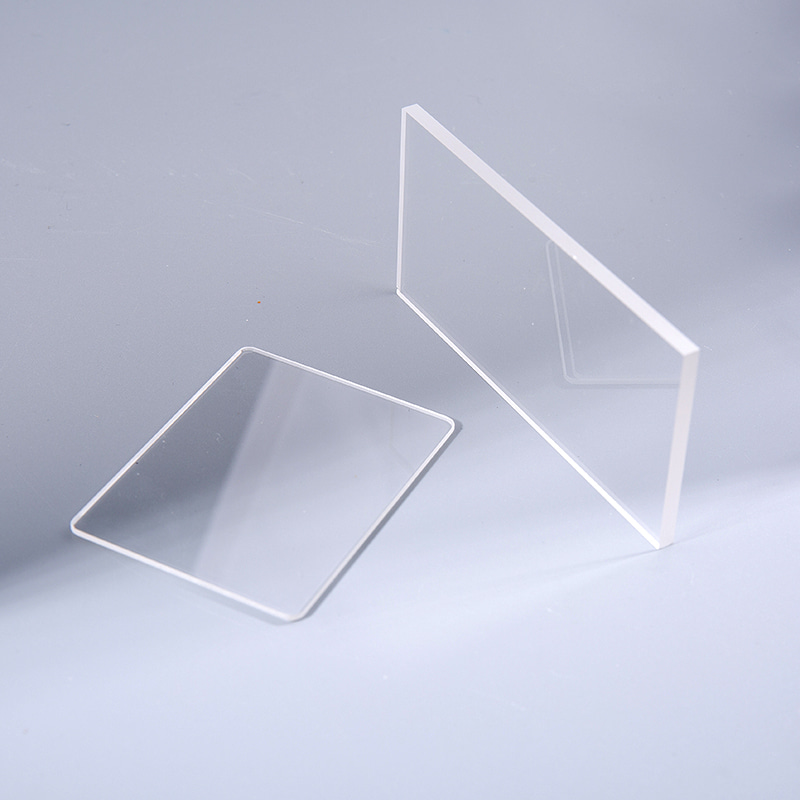
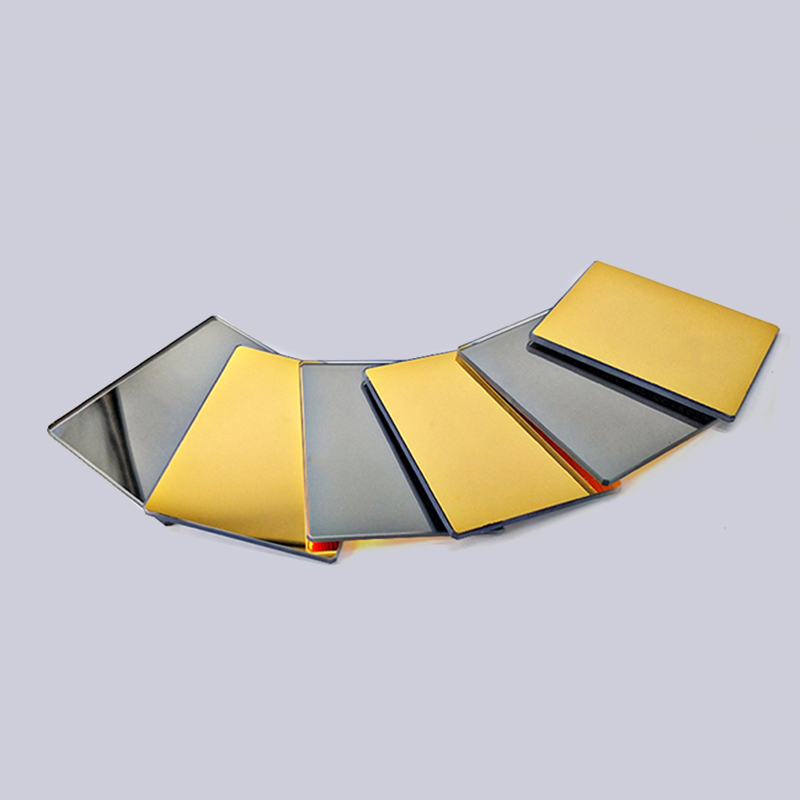
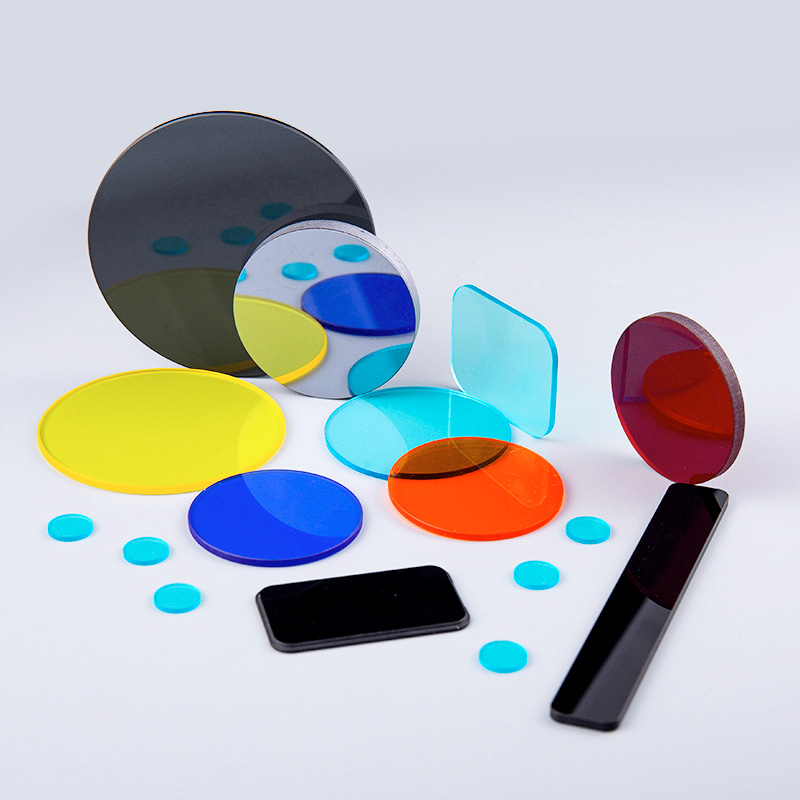
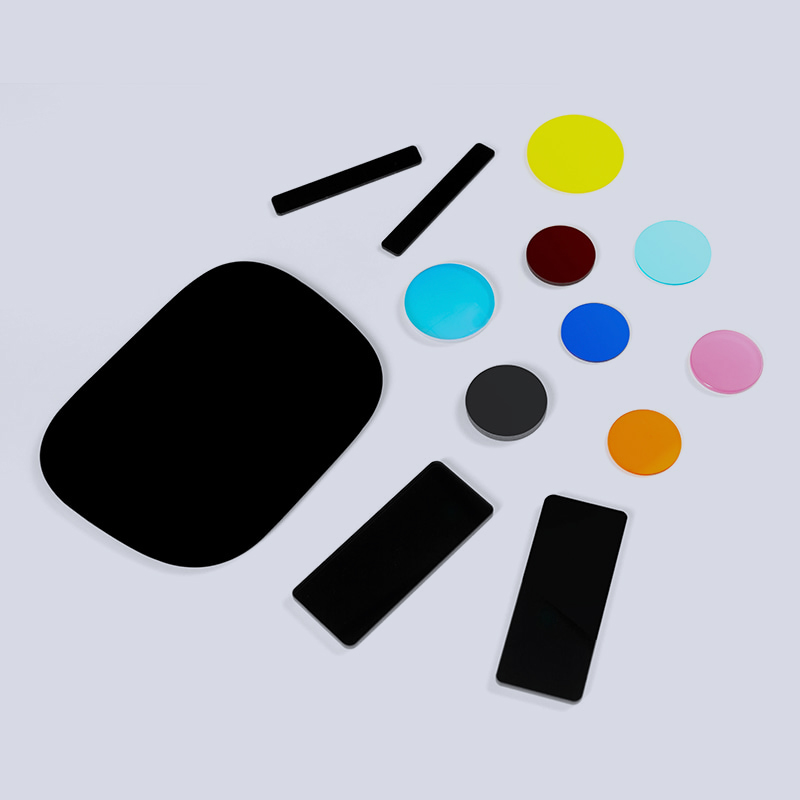
The Optical Window is positioned as a precision optical component suitable for demanding industrial and technical fields. It is designed for customers who require stable optical transmission, controlled dimensional accuracy, and dependable manufacturing quality. The product can be customized according to wavelength range, size, thickness, substrate material, surface quality, coating type, and mechanical installation requirements.
Typical applications include laser protection windows, machine vision protective covers, optical sensor windows, camera system windows, vacuum chamber viewports, semiconductor inspection equipment, automotive optical modules, infrared or visible light transmission windows, laboratory instruments, and photonics research equipment. In these applications, the window often operates at the interface between an external environment and a precise optical path.
The product’s value lies in its ability to combine protection and optical performance. For example, in a laser processing system, the optical window may protect expensive focusing optics from smoke, particles, and splatter. In semiconductor equipment, it may enable optical detection through a sealed process chamber. In automotive interior optical systems, it may protect sensors while preserving light transmission and appearance. In imaging devices, it may shield the lens assembly from dust while maintaining image sharpness.
Because optical windows are frequently used in critical positions, manufacturers and system designers must consider both optical specifications and manufacturing reliability. Changzhou Haolilai Photo-Electricity Scientific and Technical Co., Ltd. supports this need through precision processing capability, certified quality management, and long-term experience in producing optical components for international customers.
3. Main Advantages of a Precision Optical Window
A high-quality optical window provides several advantages over ordinary transparent plates and many standard commercial alternatives. These advantages are especially important when the component is used in professional optical, laser, semiconductor, or automotive systems.
3.1 High Optical Transmission
The first advantage is high light transmission. Depending on the substrate and coating design, optical windows can be optimized for visible, near-infrared, ultraviolet, or other spectral bands. High transmission reduces energy loss, improves measurement sensitivity, increases image brightness, and supports efficient laser operation.
Compared with common glass sheets, precision optical windows can be made from carefully selected optical-grade materials with lower absorption, better homogeneity, and predictable refractive characteristics. When anti-reflection coatings are applied, reflection losses can be further reduced. This is critical in systems where every percentage of transmission matters, such as laser systems, medical diagnostic equipment, machine vision, and semiconductor inspection.
3.2 Excellent Surface Quality
Surface defects such as scratches, digs, pits, stains, and polishing marks can scatter light and reduce optical performance. In imaging systems, scattered light lowers contrast. In laser systems, surface defects may become local heat points and increase the risk of damage. In measurement systems, defects can introduce noise or uncertainty.
Precision manufacturing processes make it possible to achieve controlled surface quality according to customer specifications. The company’s experience in optical lens, prism, mirror, and wafer-related products contributes to a strong understanding of surface defect control. Through grinding, fine polishing, cleaning, and inspection, the optical window can meet demanding requirements for clarity and reliability.
3.3 Controlled Flatness and Parallelism
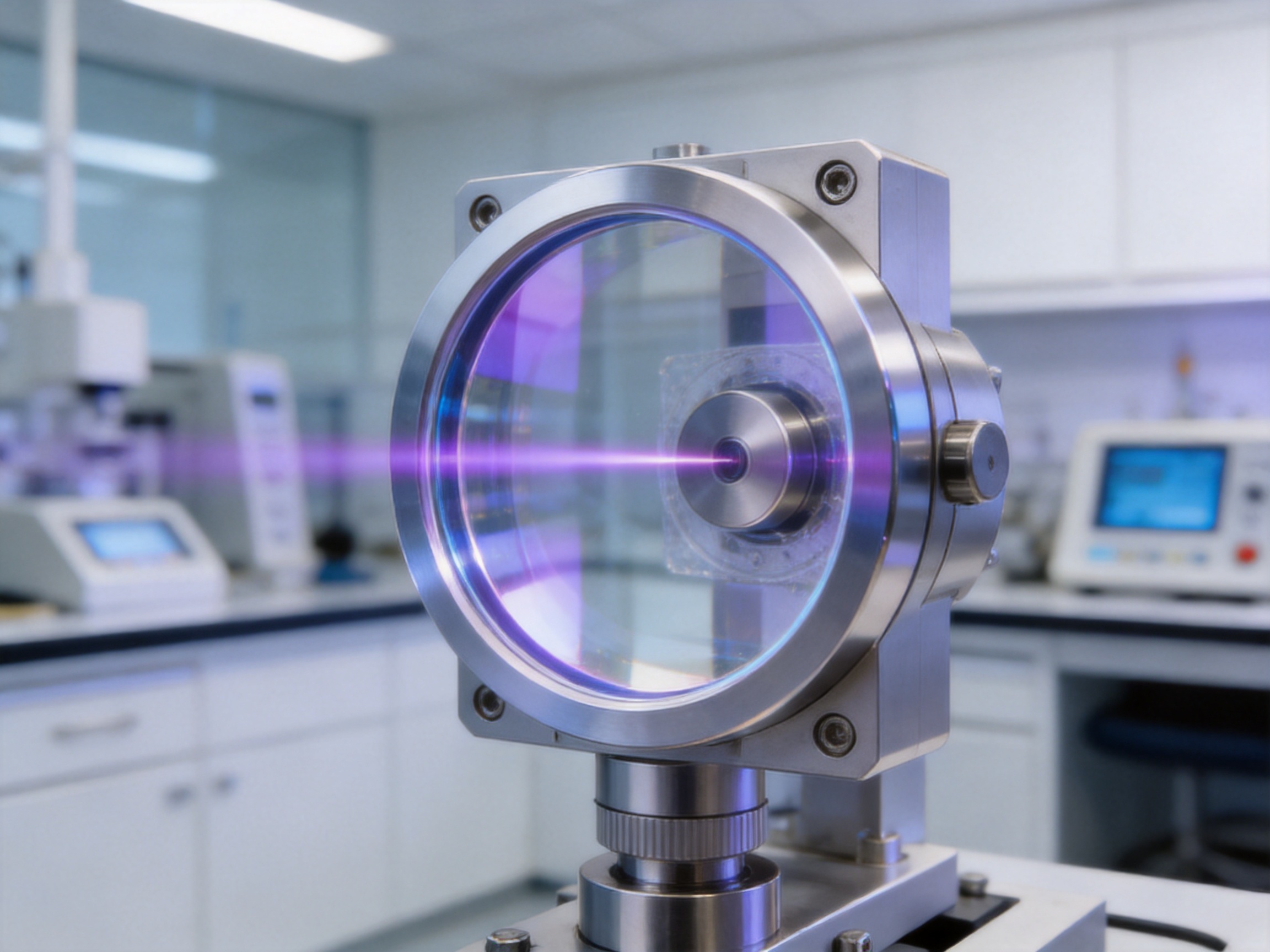
Flatness and parallelism are two key parameters that distinguish an optical window from ordinary glass. Flatness refers to the degree to which a surface conforms to an ideal plane. Parallelism refers to the alignment of the two surfaces relative to each other. Poor flatness or wedge can cause beam deviation, wavefront distortion, ghost images, and measurement errors.
For laser optics and precision imaging, controlled flatness helps preserve wavefront quality. Controlled parallelism helps maintain beam direction. In applications involving interferometry, alignment, high-resolution imaging, or collimated beams, these properties are essential. Advanced polishing and inspection processes allow the product to achieve specifications that are difficult for general glass processors to maintain consistently.
3.4 Strong Environmental Protection
An optical window often works as a protective barrier. It can protect inner optical parts from dust, moisture, oil mist, corrosive gases, particles, fingerprints, mechanical contact, and other contaminants. This extends the service life of expensive lenses, sensors, detectors, and laser optics.
When designed with suitable material and coating, the window can also resist temperature changes, humidity, chemical exposure, and cleaning cycles. For industrial users, this means less downtime, fewer replacement parts, and more stable equipment performance. For automotive and consumer applications, it contributes to product durability and appearance stability.
3.5 Customizable Design
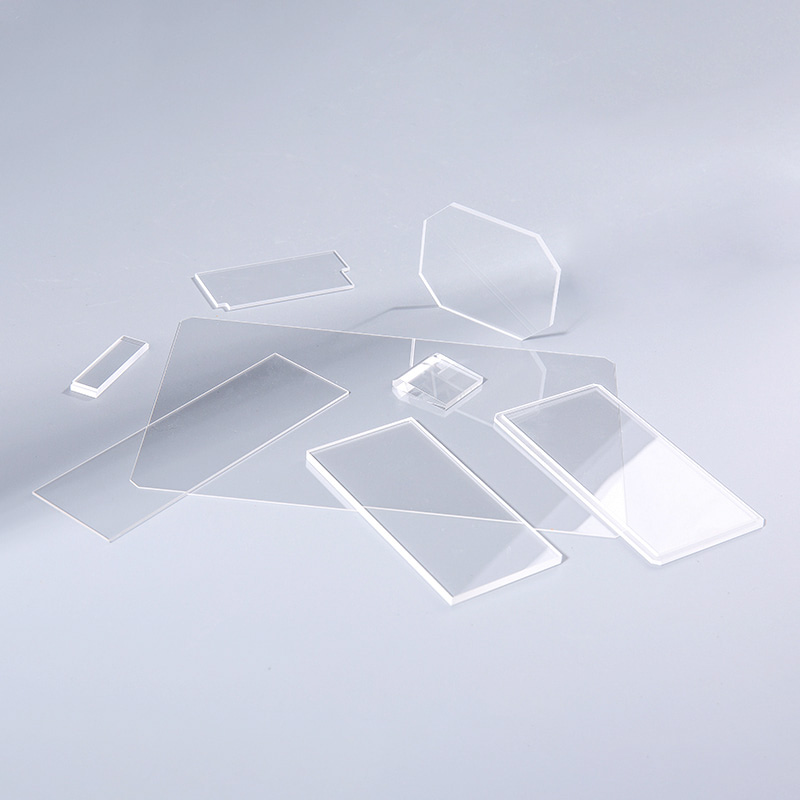
Many optical systems require windows with special dimensions, shapes, coatings, edge treatments, or mounting features. Standard stock components may not fit the mechanical or optical design. A manufacturer with customization capability can produce round, square, rectangular, or special-shaped windows according to drawings and technical requirements.
Customization can include substrate selection, diameter or length and width, thickness tolerance, bevel design, chamfer, clear aperture, surface quality grade, flatness, parallelism, coating wavelength, coating reflectance, and packaging conditions. This flexibility allows customers to optimize the component for their own products rather than redesigning their systems around a limited standard part.
4. Comparison with Ordinary Glass and Lower-Grade Competitor Products
The difference between a precision optical window and a lower-grade transparent plate is often not visible at first glance. Both may appear clear to the naked eye. However, under optical measurement and real operating conditions, the differences become significant.
Ordinary glass is generally produced for architectural, display, or protective purposes rather than precision optical transmission. It may have internal stress, uneven thickness, wavefront distortion, surface waviness, bubbles, inclusions, or coating limitations. These issues may be acceptable in non-critical use but problematic in lasers, sensors, cameras, or scientific instruments.
Lower-grade competitor products may be produced without strict inspection or process consistency. Even if a sample performs well, batch-to-batch variation may create problems during mass production. In contrast, precision optical windows benefit from controlled manufacturing workflows, documented quality standards, advanced inspection methods, and experienced technical teams.
| Evaluation Item | Precision Optical Window | Ordinary or Lower-Grade Transparent Plate |
|---|---|---|
| Optical Transmission | Optimized by optical-grade substrate and optional anti-reflection coating | May have higher absorption and uncontrolled reflection loss |
| Surface Quality | Controlled scratches, digs, roughness, and cleanliness | Surface defects may be uncontrolled or only visually inspected |
| Flatness | Specified and measured for optical system compatibility | May show waviness and optical distortion |
| Parallelism | Controlled to reduce beam deviation and imaging errors | Thickness variation may cause unwanted wedge effects |
| Coating Performance | Designed for target wavelength and application environment | May lack coating or use simple coating with limited durability |
| Customization | Available for size, shape, material, coating, and tolerance | Often limited to standard sizes and basic processing |
| Quality Control | Supported by professional optical inspection and certified management systems | Inspection may be inconsistent or insufficient for precision applications |
| Application Reliability | Suitable for laser, semiconductor, automotive, and precision instruments | Suitable mainly for non-critical protection or general transparent covering |
This comparison shows why customers in advanced industries often prefer a specialized optical component manufacturer. The cost of a precision optical window may be higher than that of ordinary glass, but its value is measured by system stability, lower failure risk, improved optical performance, and reduced replacement frequency.
5. Materials for Optical Window Manufacturing
Material selection is one of the most important decisions in optical window design. Different materials provide different transmission ranges, thermal properties, mechanical strength, chemical resistance, refractive index, and processing characteristics. A reliable manufacturer helps customers select the most suitable substrate based on application conditions.
5.1 Optical Glass
Optical glass is commonly used for visible and near-infrared windows. It offers good transparency, stable optical properties, and relatively flexible processing. Optical glass materials can be selected for specific refractive index, dispersion, and environmental requirements. For many machine vision systems, imaging modules, and laboratory instruments, optical glass is an effective solution.
5.2 Fused Silica
Fused silica is valued for its excellent ultraviolet transmission, low thermal expansion, high purity, and strong resistance to thermal shock. It is widely used in UV optics, high-power laser systems, semiconductor equipment, and precision instruments. Compared with common glass, fused silica provides better performance in demanding thermal and spectral environments.
5.3 Borosilicate Glass
Borosilicate glass offers good thermal resistance and chemical durability. It is suitable for applications requiring moderate optical performance and improved environmental resistance. It can be used for protective windows, industrial instruments, and viewports where cost-effectiveness and durability are both important.
5.4 Sapphire
Sapphire is a premium material with very high hardness, strong scratch resistance, broad transmission range, and excellent mechanical durability. It is often used in harsh environments, high-pressure conditions, sensor protection, aerospace-related devices, and demanding industrial optical systems. Although sapphire is more difficult to process, its durability can justify the investment in specialized applications.
5.5 Other Specialty Materials
Depending on wavelength and operating conditions, other materials may be selected for infrared, ultraviolet, or special optical requirements. The ideal choice depends on transmission band, temperature, mechanical stress, chemical exposure, and budget. The company’s experience across different optical component categories supports informed material selection and process planning.
6. Manufacturing Process and Technical Control
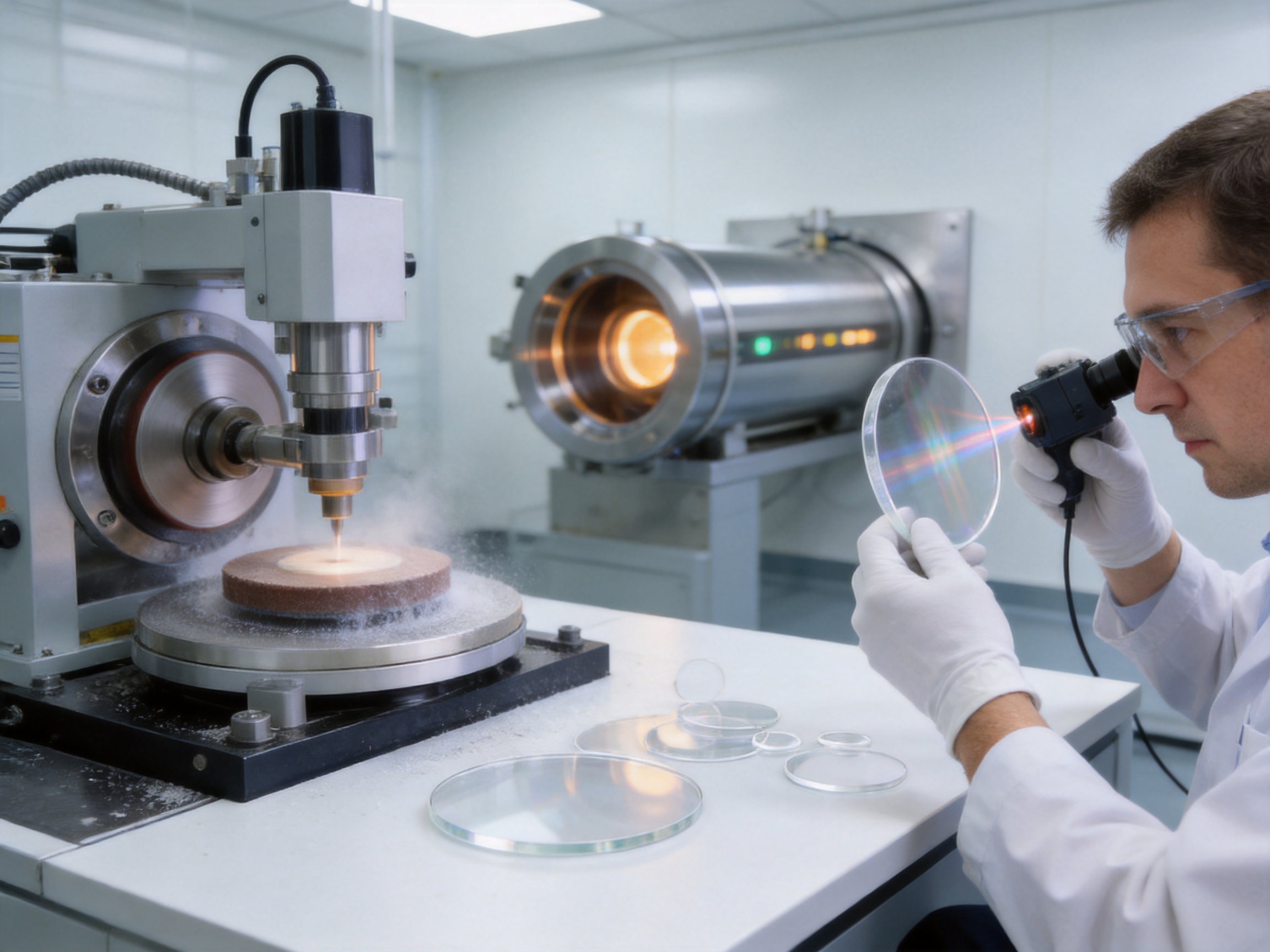
The performance of an optical window depends heavily on manufacturing process control. Even excellent material can fail to deliver good optical performance if it is cut, ground, polished, coated, or cleaned improperly. Changzhou Haolilai Photo-Electricity Scientific and Technical Co., Ltd. has built manufacturing capability around precision optical processing, supported by experienced engineers and quality management systems.
6.1 Material Inspection and Preparation
The process begins with material selection and inspection. Raw substrates are checked for visible defects, internal bubbles, inclusions, stress, and dimensional suitability. For high-end applications, material traceability and batch consistency are important. Proper material preparation reduces the risk of hidden defects appearing later in production.
Before cutting, engineers review drawings, tolerances, coating requirements, application notes, and inspection standards. This preparation step is essential because optical windows may appear simple but can involve strict combinations of size tolerance, surface accuracy, coating performance, and cosmetic requirements.
6.2 Cutting and Shaping
Substrate material is cut into the required blank size. Depending on design, the window may be round, square, rectangular, or custom-shaped. Cutting accuracy affects material yield and later grinding efficiency. Careful cutting also reduces edge chipping and internal stress.
After cutting, blanks may undergo edging, beveling, or shaping. Edge quality is important for safe handling, mechanical mounting, and resistance to chipping. For windows used in sealed assemblies, dimensional and edge control can affect bonding, sealing, and alignment.
6.3 Grinding
Grinding removes material to approach the final thickness and shape. This stage corrects thickness variation and prepares the surface for polishing. Precision grinding requires suitable abrasive selection, machine stability, coolant control, and process monitoring. Excessive grinding damage can create subsurface cracks, while insufficient grinding control can affect flatness and parallelism.
For optical windows, the challenge is to maintain two high-quality flat surfaces with controlled thickness. Skilled process engineers adjust parameters according to material hardness, size, required tolerance, and final optical specification.
6.4 Fine Polishing
Polishing is a critical step that determines final surface quality, roughness, and flatness. A good polishing process removes grinding damage and creates a smooth optical surface. Surface roughness must be low enough to minimize scattering, especially for laser and imaging applications.
The polishing process may involve multiple stages, polishing pads, slurries, and inspection loops. Flatness correction requires experience because material removal must be controlled across the entire surface. Precision optical manufacturers distinguish themselves through their ability to produce stable flatness and surface quality rather than relying only on final selection.
6.5 Cleaning and Surface Preparation
After polishing, the window must be thoroughly cleaned. Particles, polishing residues, fingerprints, and organic contaminants can affect coating adhesion and optical performance. Cleaning procedures may include ultrasonic cleaning, deionized water rinsing, chemical cleaning, filtered drying, and clean handling practices.
Cleanliness is particularly important before coating. Contaminants trapped under a coating can lead to defects, pinholes, poor adhesion, or reduced laser damage resistance. A disciplined cleaning process helps ensure coating uniformity and long-term reliability.
6.6 Optical Coating
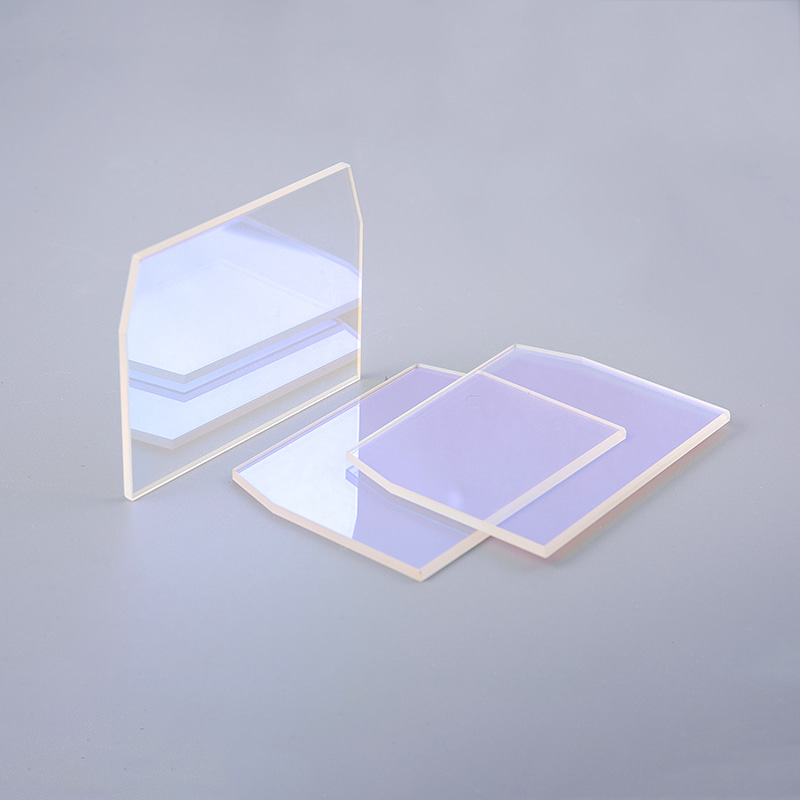
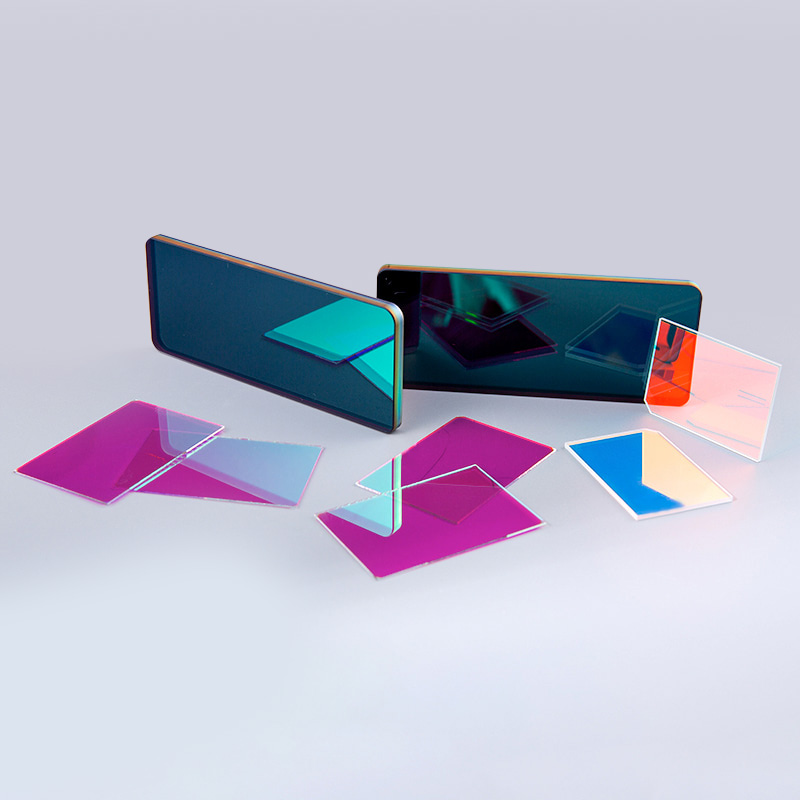
Many optical windows are coated to improve performance. Anti-reflection coating is one of the most common choices. Without coating, each air-glass surface reflects part of the incident light. With a properly designed anti-reflection coating, reflection can be greatly reduced at target wavelengths or across a selected band.
Coatings can be designed for visible light, near-infrared, ultraviolet, laser wavelengths, or broadband transmission. Depending on application, coatings may also provide scratch resistance, hydrophobic behavior, filtering function, or environmental durability. Coating design must consider incident angle, polarization, spectral bandwidth, substrate material, and operating environment.
Advanced coating capability is a major advantage over competitors that only provide uncoated glass or basic coating options. For customers, a well-designed coating can increase transmission, reduce ghost reflections, improve signal-to-noise ratio, and enhance system performance.
6.7 Final Inspection
Final inspection verifies that the optical window meets customer requirements. Inspections may include dimension measurement, thickness measurement, surface quality inspection, flatness measurement, parallelism verification, coating spectral testing, visual inspection, and packaging cleanliness checks.
For precision components, inspection is not merely a formality. It is a confirmation that the process has delivered the intended optical function. Certified quality systems such as ISO9001:2015, ISO14001:2015, and IATF16949 demonstrate the company’s commitment to systematic management, environmental responsibility, and automotive-grade quality discipline.
7. Company Strengths Supporting Optical Window Quality
Changzhou Haolilai Photo-Electricity Scientific and Technical Co., Ltd. was founded in 1998 and has developed into a professional manufacturer of precision optical components. The company is located in the national-level High-tech Development District of Changzhou, Jiangsu, China, and covers an area of approximately 35,000 square meters. With more than 300 employees and exports to over 20 countries, the company has strong production and service capabilities for global optical component customers.
The company’s strengths are not limited to one product type. Its product range includes optical flat mirrors, wafers, automotive interior glass structural components, optical prisms, optical spherical mirrors, optical lenses, optical windows, and other optical components. This broad product background is valuable because optical window manufacturing shares many process requirements with lenses, mirrors, prisms, and wafers, including surface quality control, dimensional accuracy, coating technology, and precision inspection.
7.1 Experience Since 1998
Experience is a key advantage in optical manufacturing. Since 1998, the company has accumulated practical knowledge in material behavior, polishing techniques, coating stability, batch quality control, and customer application requirements. This long-term experience helps reduce risk for customers who need reliable optical windows for industrial production or technical projects.
7.2 Certified Quality Management
The company has obtained ISO9001:2015, ISO14001:2015, and IATF16949 certifications. ISO9001 supports consistent quality management, ISO14001 reflects environmental management capability, and IATF16949 is particularly significant for automotive-related manufacturing. For optical windows used in automotive sensor modules, interior glass structures, or other vehicle-related optical systems, this quality discipline is highly valuable.
7.3 Technical Research Platforms
The company has established the Jiangsu Precision Optical Lens Engineering Technology Center and Jiangsu Enterprise Technology Research Center. These platforms demonstrate a focus on engineering development, technical improvement, and innovation. For optical windows, such resources can support customized specifications, process optimization, coating development, and application-specific problem solving.
7.4 Patents and High-Tech Enterprise Recognition
As a High-Tech enterprise in Jiangsu Province, the company has obtained multiple invention patents, utility model patents, and Jiangsu High and New Tech Products. These achievements indicate that the company is not merely a basic processor but an innovation-oriented manufacturer. In precision optical component production, innovation can improve yield, quality stability, coating durability, and design flexibility.
7.5 Focus on Key Industrial Fields
The company focuses on laser optics, automotive optics, semiconductor optics, and consumer optics. These fields demand different combinations of performance. Laser optics requires low absorption, high surface quality, and coating reliability. Automotive optics requires durability, consistency, and strict production management. Semiconductor optics requires cleanliness, precision, and stable spectral performance. Consumer optics requires scale, appearance quality, and cost control.
This multi-field experience gives the company a competitive advantage when producing optical windows for diverse applications. Customers benefit from a manufacturer that understands not only the component but also the system environment in which the component will be used.
8. Optical Performance Factors Customers Should Consider
When selecting an optical window, customers should define the required performance parameters clearly. The best design depends on application needs. Over-specification can increase cost unnecessarily, while under-specification can cause system failure.
8.1 Wavelength Range
The operating wavelength determines material and coating selection. A window for visible imaging may use different materials and coatings than a window for ultraviolet lithography inspection or near-infrared laser transmission. Customers should specify the central wavelength or spectral band and whether transmission needs to be optimized at normal incidence or a specific angle.
8.2 Transmission Requirement
Transmission may be specified as average transmission across a band or minimum transmission at key wavelengths. Anti-reflection coatings can improve transmission significantly. For systems with multiple optical surfaces, reducing reflection at each interface can have a strong cumulative effect.
8.3 Surface Quality
Surface quality should match system sensitivity. A protective window in a low-resolution sensor may not require the same scratch-dig specification as a high-power laser window. However, high surface quality is essential where scattering, contrast, laser damage, or cosmetic appearance is critical.
8.4 Flatness and Wavefront Distortion
Flatness requirements depend on beam size, wavelength, and system tolerance for wavefront distortion. For collimated laser beams or interferometric systems, tighter flatness may be needed. For simple protective covers, moderate flatness may be sufficient.
8.5 Parallelism and Wedge
Parallelism affects beam deviation. Some systems require highly parallel surfaces. Others may intentionally use a slight wedge to prevent back reflections from returning into a laser cavity or detector. A professional manufacturer can produce either parallel windows or wedged windows according to optical design requirements.
8.6 Thickness and Mechanical Strength
Thickness affects strength, weight, transmission, and optical path length. A window used as a pressure barrier may require mechanical calculations. A thin window may reduce weight and absorption but may be less robust. The optimal thickness balances optical and mechanical requirements.
8.7 Coating Durability
Coating durability is essential for long-term use. Environmental exposure, cleaning methods, humidity, temperature cycling, and laser power should be considered. Customers should communicate operating conditions so the coating can be designed and tested appropriately.
9. Competitive Advantages in Custom Manufacturing
In the optical component industry, customization capability is one of the most important differentiators. Many competitors can provide simple catalog products, but fewer can support engineering-level customization with stable mass production. Optical windows often need to fit precise mechanical assemblies, optical paths, and environmental conditions.
Changzhou Haolilai Photo-Electricity Scientific and Technical Co., Ltd. offers advantages through integrated precision manufacturing and application-oriented support. The company can work with customers to evaluate drawings, materials, tolerances, coating targets, and production feasibility. This helps avoid design problems before mass production begins.
Customization also improves product competitiveness for customers. A device manufacturer may require an optical window that fits a compact housing, reduces reflection at a non-standard wavelength, survives automotive environmental testing, or matches a specific appearance standard. A customized optical window can make the final product more reliable and differentiated in its market.
10. Role in Laser Optics
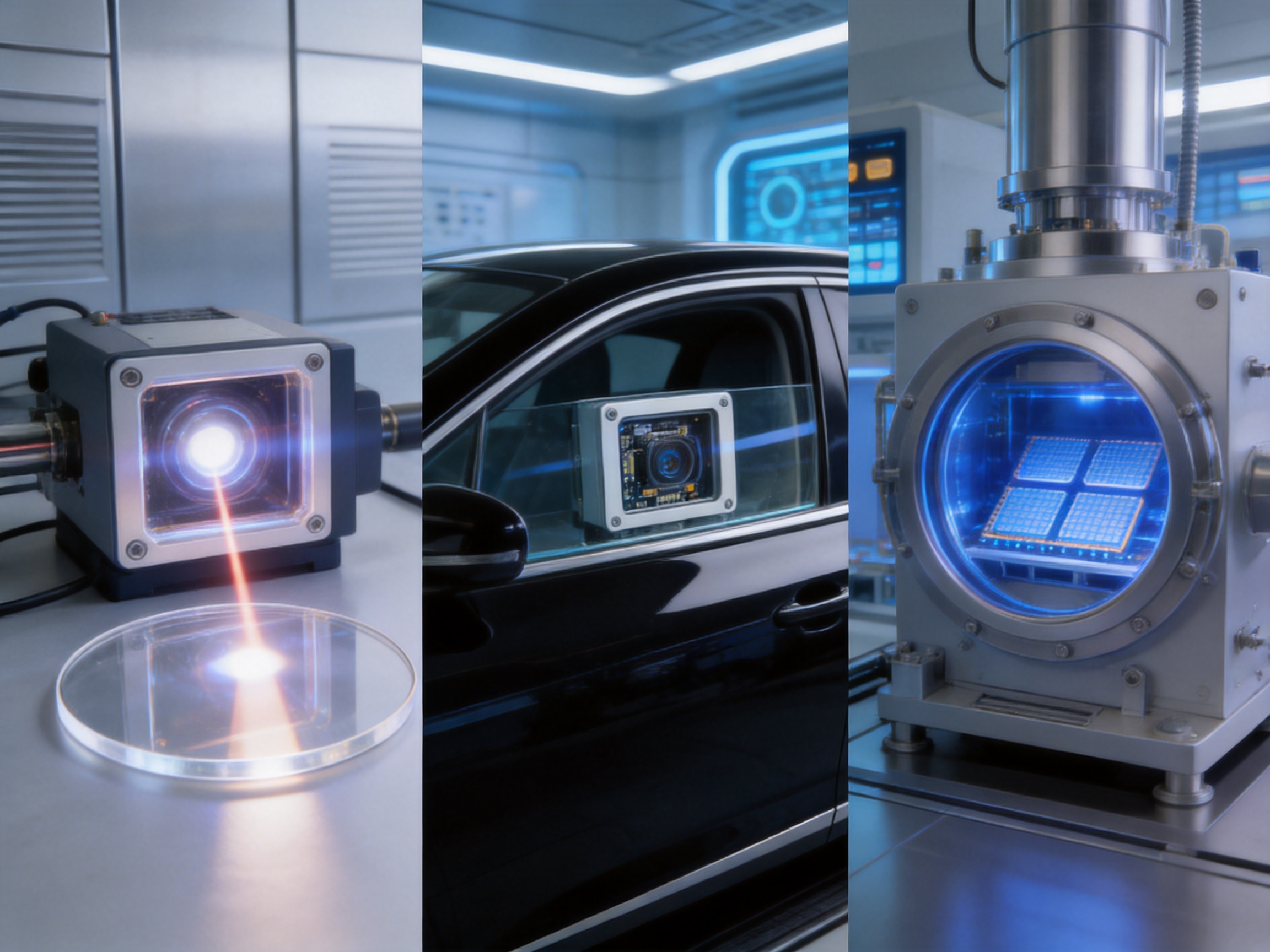
Laser systems are among the most demanding applications for optical windows. Laser beams can have high power density, narrow wavelength, strict beam quality requirements, and sensitivity to back reflection. In such systems, the optical window must have high transmission, low absorption, excellent surface quality, and durable coating.
A laser protection window may be placed in front of focusing optics to protect against smoke, debris, and processing splatter. This window may be replaced periodically, but its quality still matters. If the window absorbs too much energy or has surface defects, it can heat, distort the beam, or become damaged. If the coating is poor, it can reduce power delivery and create reflections.
For laser measurement and beam delivery systems, wavefront quality is also important. A precision optical window helps maintain beam direction and focus. Compared with lower-grade windows, a carefully manufactured component reduces the risk of power fluctuation, scattered light, and optical instability.
11. Role in Automotive Optics
Automotive optical systems require durability, consistency, and strict quality management. Optical windows may be used in sensors, interior optical modules, display-related structures, camera covers, and other vehicle systems. These components may face temperature changes, vibration, humidity, cleaning agents, sunlight exposure, and long service life requirements.
The company’s IATF16949 certification is an important strength in this field. Automotive customers require not only product performance but also process documentation, traceability, defect prevention, and continuous improvement. Optical windows for automotive use must meet functional, cosmetic, and reliability expectations.
Compared with suppliers without automotive quality experience, a manufacturer with automotive optics capability can better support stable production and qualification procedures. This is especially valuable as vehicles increasingly integrate cameras, sensors, displays, driver monitoring systems, and intelligent interior optical functions.
12. Role in Semiconductor Optics
Semiconductor manufacturing and inspection equipment require high precision and cleanliness. Optical windows may be used in process chambers, inspection tools, alignment systems, laser modules, and metrology instruments. In these applications, contamination control, spectral stability, flatness, and coating reliability can be critical.
Semiconductor environments may involve vacuum, controlled gases, ultraviolet light, high temperature, or strict particle limits. A window used in such equipment must be manufactured and packaged with care. Material selection may favor fused silica or other high-purity substrates. Coatings must be compatible with the operating wavelength and environment.
The company’s focus on semiconductor optics gives it an advantage in understanding these requirements. A precision optical window for semiconductor use is not just a transparent barrier; it is a controlled interface in a high-value production system.
13. Role in Consumer Optics and Instruments
Consumer optics and instruments often require a balance of performance, appearance, reliability, and cost. Optical windows may protect cameras, sensors, scanners, projectors, smart devices, or measurement modules. Although individual components may be small, production volumes can be large, making consistency and yield important.
In consumer applications, cosmetic quality can be as important as technical performance. Users may notice scratches, stains, color differences, or coating marks. At the same time, the window must protect internal optics from daily use conditions. A manufacturer with both precision and scalable production capability can help customers achieve stable quality at practical cost.
14. Quality Control as a Competitive Advantage
Quality control is one of the strongest differentiators in optical window manufacturing. A product may meet specifications only if every step is controlled, from material selection to packaging. Final inspection alone cannot compensate for poor process control. Therefore, a mature manufacturer builds quality into each stage.
Quality control may include incoming material inspection, in-process dimensional measurement, surface inspection after polishing, flatness testing, cleaning verification, coating spectral measurement, adhesion checks, and final outgoing inspection. For batch production, statistical process control and traceability may be applied to ensure consistency.
Customers benefit from reduced risk. When optical windows are used in assembled equipment, a defective window can cause rework, field failure, warranty cost, or production delay. Reliable quality control reduces these hidden costs and supports stable supply chains.
15. Packaging, Handling, and Delivery Considerations
Even a well-manufactured optical window can be damaged by poor packaging or handling. Scratches, chips, particles, and fingerprints may occur if packaging is not suitable. For precision optical products, clean and protective packaging is part of the manufacturing value.
Optical windows should be separated to avoid surface contact, protected from vibration, and packed to prevent contamination. For coated components, handling instructions may be required. In some applications, cleanroom-compatible packaging or special labeling may be necessary.
As the company exports to more than 20 countries, international packaging and logistics experience are important. Global customers need components that arrive safely and consistently. Strong packaging practices help preserve the value created during manufacturing.
16. Design Guidance for Buyers
When requesting optical windows, buyers can improve communication and reduce lead time by providing complete technical information. Important details include drawing, material preference, size and tolerance, thickness, clear aperture, surface quality, flatness, parallelism or wedge, wavelength range, transmission target, coating requirements, operating environment, quantity, inspection standard, and packaging requirements.
If the customer is unsure of the best specification, the manufacturer can provide suggestions based on application. For example, a high-power laser system may need fused silica and a laser-grade anti-reflection coating. A machine vision cover may need broadband visible anti-reflection coating and good surface quality. A harsh industrial sensor may need sapphire for scratch resistance.
Good specification planning prevents two common problems. The first problem is under-design, where the window fails to meet system needs. The second problem is over-design, where specifications are tighter than necessary and increase cost. A knowledgeable manufacturer helps customers find the right balance.
17. Why This Optical Window Stands Out
The Optical Window stands out because it is supported by a manufacturer with long-term optical expertise, certified management systems, advanced technical platforms, and experience in demanding industries. The product is not a generic transparent sheet but a precision component designed to meet optical, mechanical, and environmental needs.
Its competitive strengths include high transmission potential, controlled surface quality, customizable material and coating options, reliable flatness and parallelism control, professional inspection, and suitability for laser, automotive, semiconductor, and consumer optical systems. These strengths help customers improve product performance and reduce operational risk.
Compared with competitors that offer only basic processing or limited customization, Changzhou Haolilai Photo-Electricity Scientific and Technical Co., Ltd. provides broader manufacturing capability and application understanding. The company’s engineering centers, patents, certifications, and export experience support a higher level of confidence for international buyers.
18. Frequently Asked Questions
Q1: What is the main purpose of an optical window?
An optical window allows light to pass through while protecting sensitive components or separating different environments. It is commonly used to shield lenses, sensors, detectors, laser optics, and instruments from dust, moisture, particles, pressure, or chemical exposure.
Q2: How is an optical window different from ordinary glass?
An optical window is manufactured with controlled optical properties such as surface quality, flatness, parallelism, transmission, and coating performance. Ordinary glass may appear transparent but can introduce distortion, scattering, reflection loss, or dimensional inconsistency in precision optical systems.
Q3: Can the optical window be customized?
Yes. Optical windows can be customized by material, size, shape, thickness, surface quality, flatness, parallelism, wedge, coating type, wavelength range, and packaging requirements. Customization is important for applications with specific optical and mechanical designs.
Q4: What materials are commonly used for optical windows?
Common materials include optical glass, fused silica, borosilicate glass, sapphire, and other specialty substrates. The best material depends on wavelength range, temperature, mechanical strength, chemical resistance, and budget.
Q5: Why is anti-reflection coating important?
Anti-reflection coating reduces surface reflection and increases transmission. It can improve brightness, laser efficiency, signal strength, image contrast, and measurement accuracy. Coating design should match the required wavelength and operating environment.
Q6: What industries use precision optical windows?
Precision optical windows are used in laser equipment, semiconductor tools, automotive optical modules, machine vision systems, imaging devices, medical instruments, laboratory equipment, consumer electronics, and industrial sensors.
Q7: What specifications should buyers provide when ordering?
Buyers should provide drawings, dimensions, tolerances, material, wavelength range, transmission requirement, surface quality, flatness, parallelism or wedge, coating requirements, operating environment, quantity, and packaging needs.
Q8: Why choose a professional optical component manufacturer?
A professional manufacturer offers better process control, inspection capability, coating expertise, customization support, and batch consistency. This reduces risk and improves the performance of the final optical system.
19. Conclusion
An optical window may look simple, but its performance depends on a highly controlled combination of material, surface quality, flatness, parallelism, coating, cleanliness, and inspection. In precision systems, the window must protect without compromising optical performance. This makes the choice of manufacturer extremely important.
The Optical Window from Changzhou Haolilai Photo-Electricity Scientific and Technical Co., Ltd. is supported by decades of optical manufacturing experience, certified quality systems, advanced engineering platforms, and strong capabilities in laser optics, automotive optics, semiconductor optics, and consumer optics. These strengths allow the company to deliver customized, reliable, and high-performance optical window solutions for demanding applications.
For customers seeking a component that provides clear transmission, environmental protection, stable quality, and professional customization, a precision optical window offers advantages that ordinary glass or lower-grade alternatives cannot match. With careful specification and expert manufacturing support, it becomes a key element in building durable, accurate, and competitive optical systems.
References
1. Hecht, Eugene. Optics. Pearson Education.
2. Bass, Michael, ed. Handbook of Optics. McGraw-Hill.
3. Malacara, Daniel. Optical Shop Testing. Wiley.
4. Macleod, H. Angus. Thin-Film Optical Filters. CRC Press.
5. ISO 10110. Optics and Photonics: Preparation of Drawings for Optical Elements and Systems.
6. ISO 9211. Optics and Photonics: Optical Coatings.
7. Smith, Warren J. Modern Optical Engineering. McGraw-Hill.


 苏公网安备32041102000130号