
 Search
 en
en English
 日本語
日本語 русский
 Español
 Deutsch
 中文简体
中文简体Content
- 1 The Role of Optical Lenses in Modern Photonic Systems
- 2 Core Product Value of Precision Optical Lenses
- 3 Key Advantages Over Ordinary Competitor Products
- 4 Important Lens Types and Their Uses
- 5 Advanced Manufacturing Processes Behind High-Quality Optical Lenses
- 6 Quality Management and Certifications
- 7 Application Strength in Laser Optics
- 8 Application Strength in Automotive Optics
- 9 Application Strength in Semiconductor Optics
- 10 Application Strength in Consumer Optics
- 11 Engineering Support and Customization Capability
- 12 Manufacturing Scale and Long-Term Supply Reliability
- 13 Why Precision Optical Lenses Improve System Performance
- 14 Comparison with Low-Cost General Optics
- 15 Customer-Oriented Value
- 16 Q&A: Common Questions About Precision Optical Lenses
- 16.1 Q1: What makes a precision optical lens different from a standard lens?
- 16.2 Q2: Why is surface quality important for optical lenses?
- 16.3 Q3: How do coatings improve lens performance?
- 16.4 Q4: Why is IATF16949 certification important for automotive optical lenses?
- 16.5 Q5: Can optical lenses be customized for special applications?
- 16.6 Q6: What factors should be considered when selecting an optical lens supplier?
- 16.7 Q7: Why does batch consistency matter?
- 16.8 Q8: Which industries benefit most from high-quality optical lenses?
- 17 Future Trends in Optical Lens Manufacturing
- 18 Conclusion
- 19 References
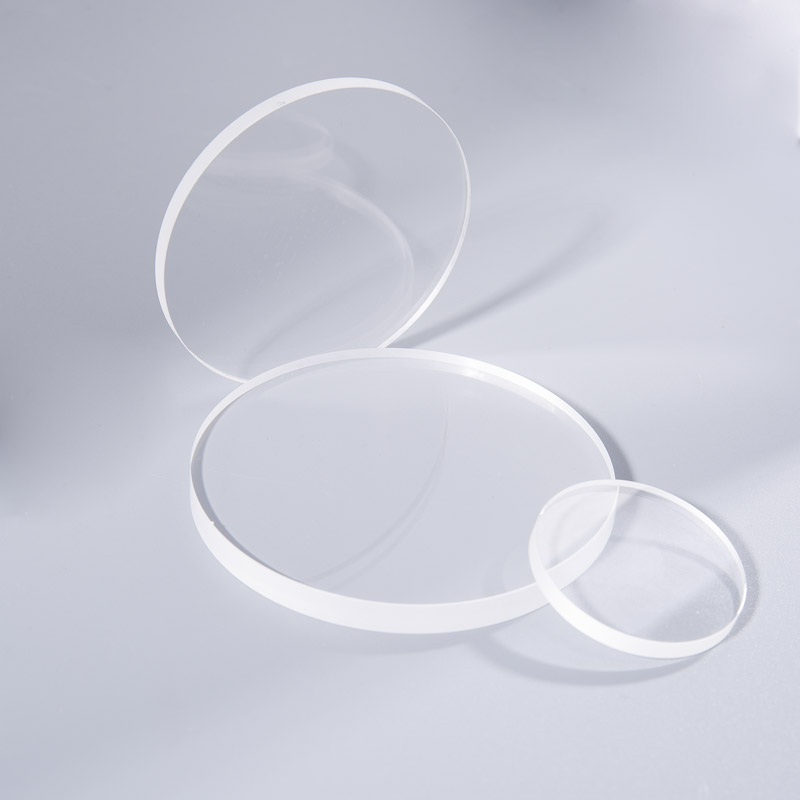
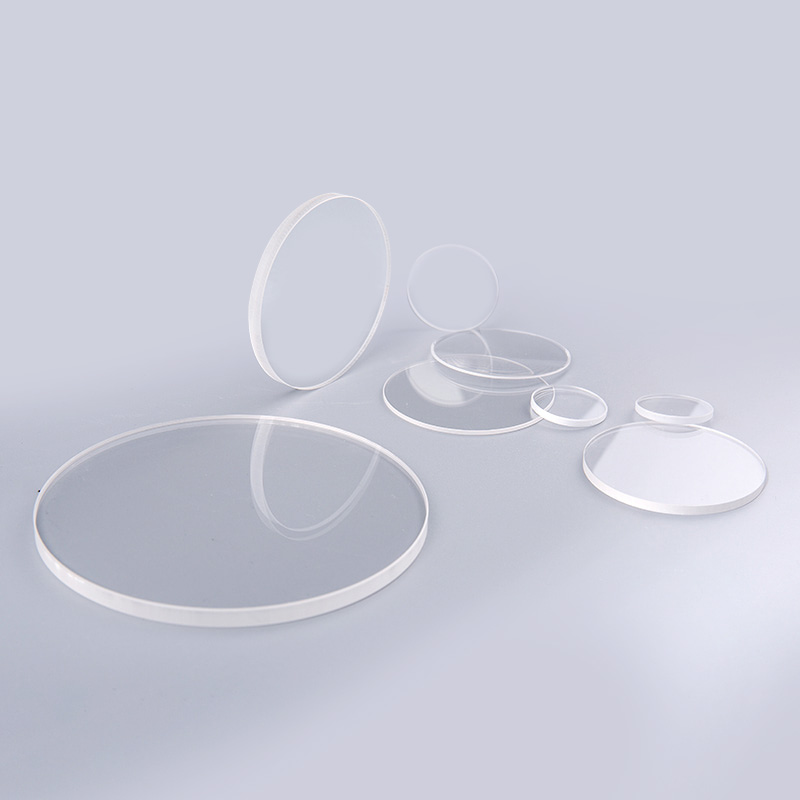
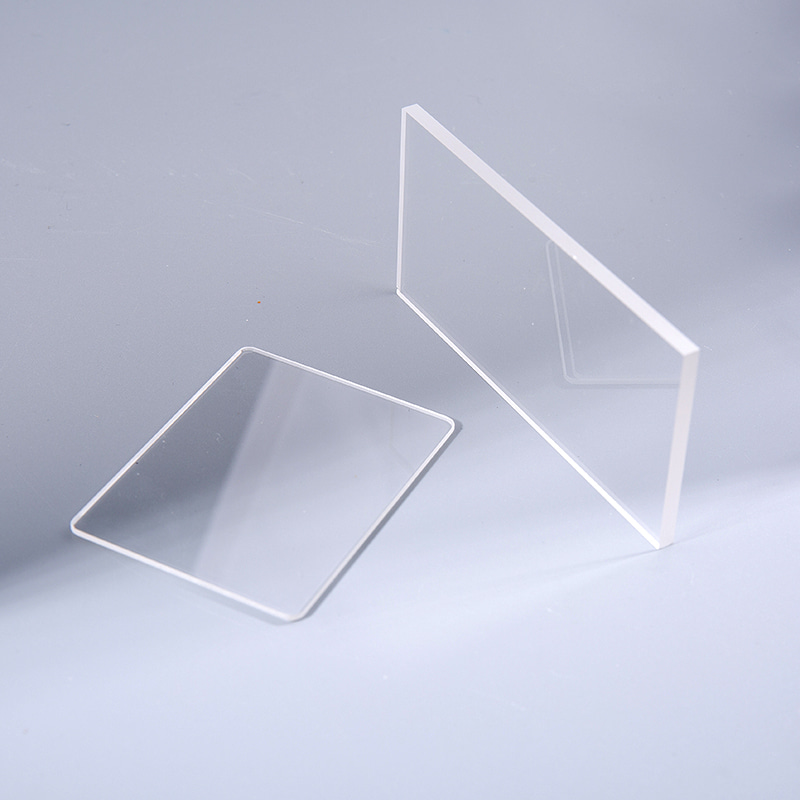
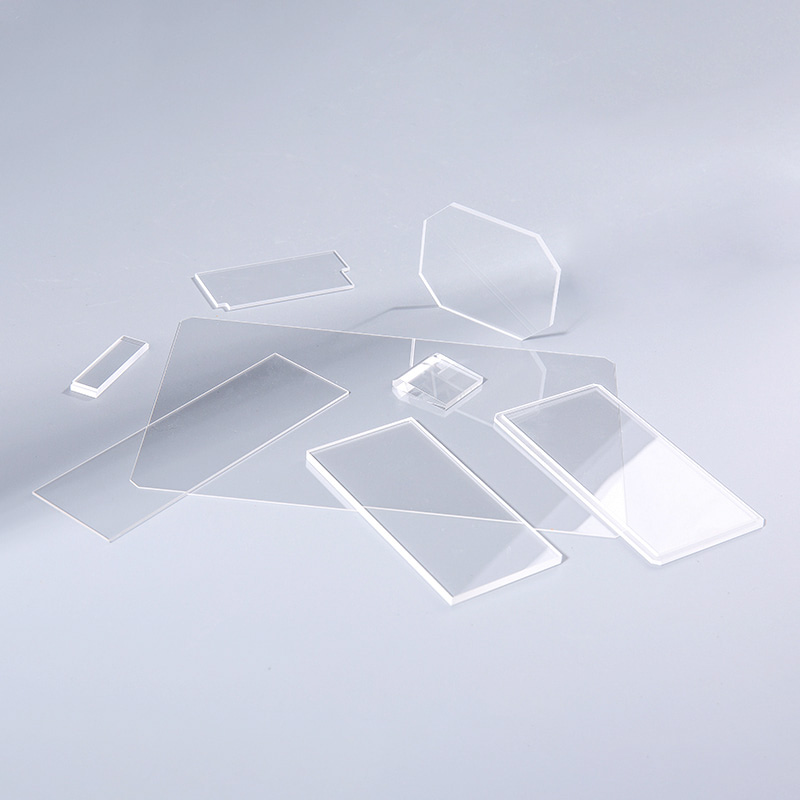
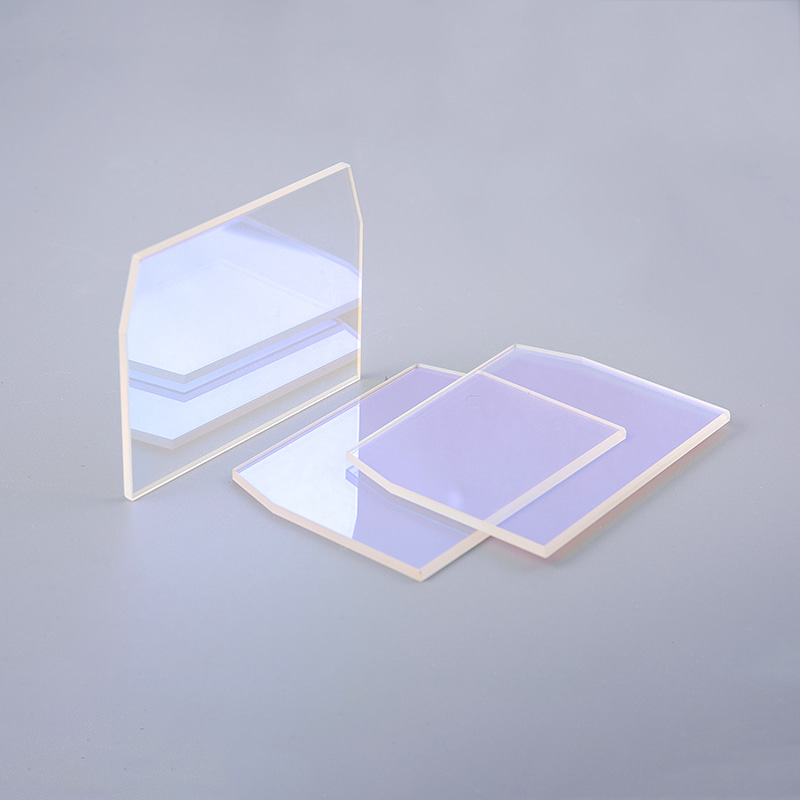
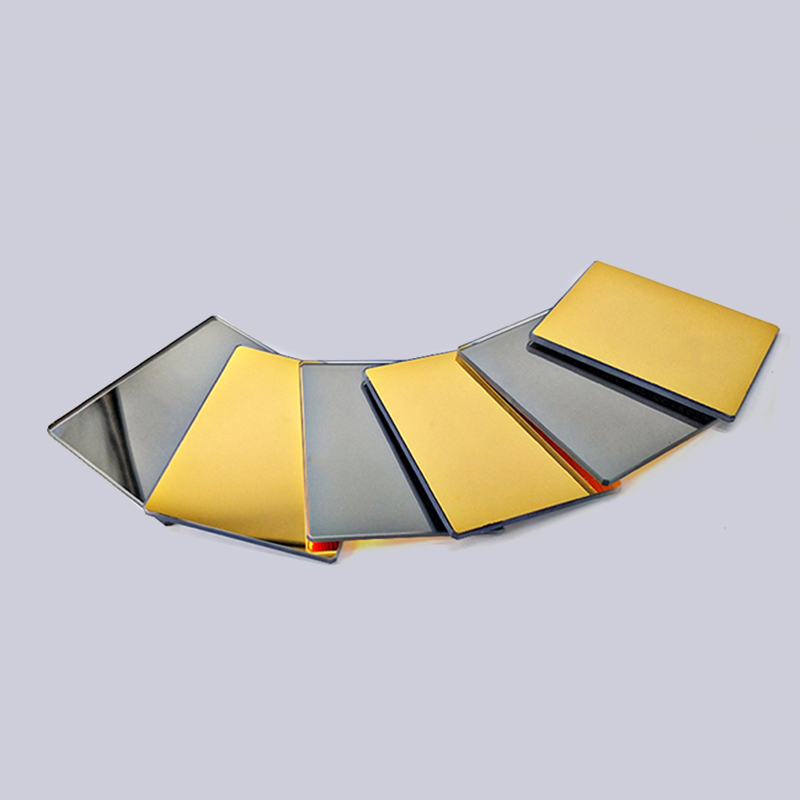
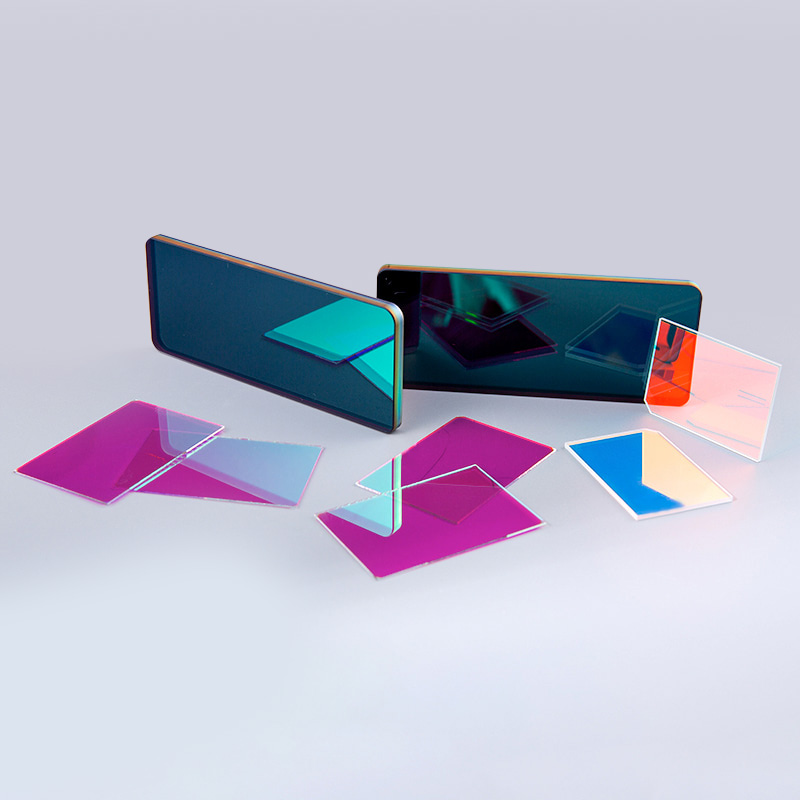
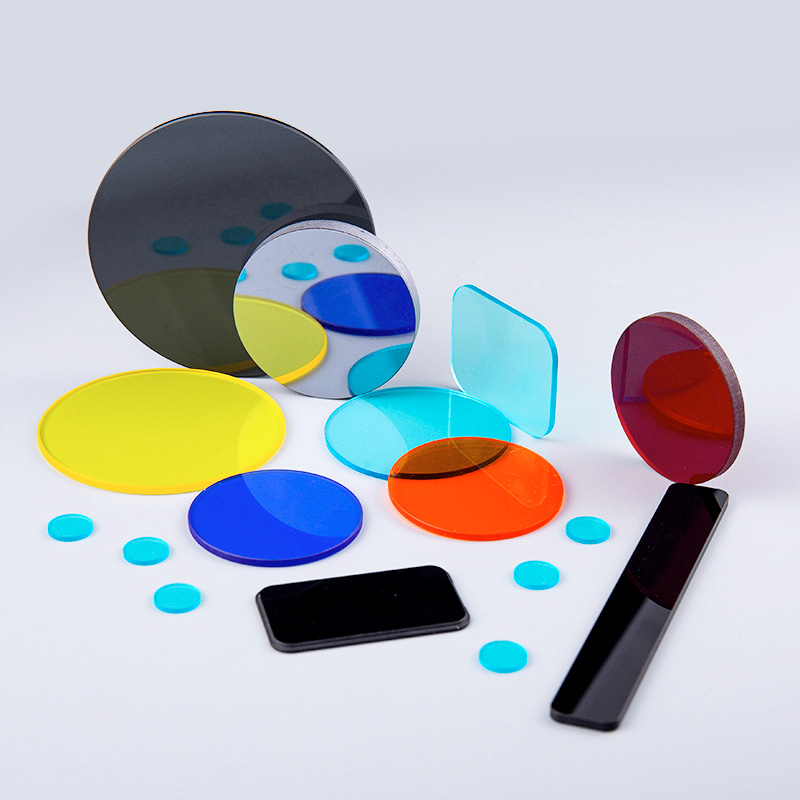
- 20 Product: Optical Lens
Optical lenses are fundamental components in modern photonics, enabling the controlled transmission, focusing, collimation, magnification, correction, and shaping of light. From laser processing systems and semiconductor inspection equipment to automotive sensing modules, consumer optical devices, machine vision platforms, and scientific instruments, the quality of an optical lens directly influences system accuracy, stability, efficiency, and lifetime.
As optical systems become more compact, more automated, and more demanding, the requirements placed on optical lenses continue to rise. Customers increasingly need lenses with tighter dimensional tolerances, improved surface quality, reliable coating performance, high consistency between production batches, and stable behavior under thermal, mechanical, and environmental stress. A lens is no longer simply a transparent component with curvature; it is a precision-engineered product shaped by material science, optical design, ultra-precision processing, coating technology, inspection capability, and manufacturing discipline.
Changzhou Haolilai Photo-Electricity Scientific and Technical Co., Ltd. is a professional manufacturer of precision optical components founded in 1998 and located in Changzhou, Jiangsu, China. With more than 300 employees, a 35,000 m² production base, and certifications including ISO9001:2015, ISO14001:2015, and IATF16949, the company has built strong capabilities in the development and production of optical lenses and related optical components. Its product scope includes optical lenses, optical prisms, optical flat mirrors, optical spherical mirrors, wafers, automotive interior glass structural components, and other precision optics. The company focuses on laser optics, automotive optics, semiconductor optics, and consumer optics, serving customers in more than 20 countries.
This article explores the value of high-quality optical lenses, the advantages of precision manufacturing, the technical strengths behind advanced optical component production, and the reasons why customers in demanding industries choose carefully engineered lenses rather than ordinary commercial optics.
The Role of Optical Lenses in Modern Photonic Systems
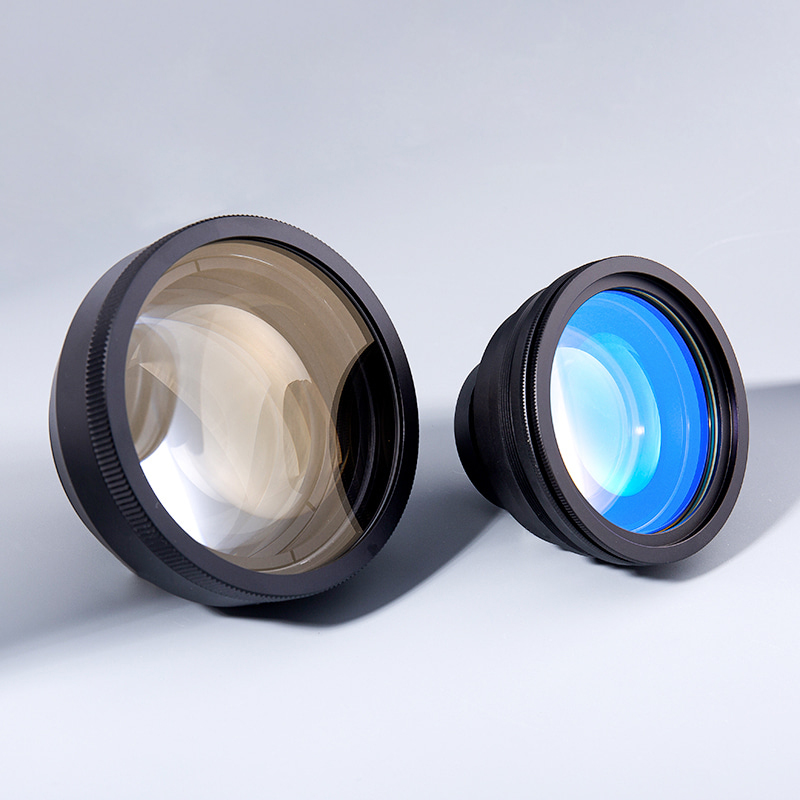
An optical lens manipulates light by refraction. By using carefully selected materials and precisely controlled curved or flat surfaces, a lens can converge, diverge, collimate, relay, or image light. Although the working principle is well established, real-world performance depends on many subtle factors, including refractive index, Abbe number, surface figure, center thickness, wedge, decentration, coating uniformity, surface roughness, cleanliness, and edge quality.
In a laser system, an optical lens may be used to focus laser energy onto a workpiece, expand a beam, collimate output from a fiber, or shape the beam for cutting, welding, marking, medical treatment, or scientific measurement. In these applications, even a small defect can cause energy loss, scattered light, hot spots, wavefront distortion, or coating damage.
In semiconductor optics, lenses are used for inspection, lithography support systems, metrology, alignment, and imaging. Here, stability and surface quality are especially critical because tiny deviations can affect measurement accuracy or reduce yield. As semiconductor devices continue to shrink, the demand for lenses with extremely low defect levels and excellent repeatability becomes stronger.
In automotive optics, lenses are used in sensors, cameras, interior monitoring systems, displays, lighting systems, and intelligent driving modules. These components must combine optical performance with resistance to vibration, temperature change, humidity, and long-term use. Automotive applications also require disciplined quality systems, traceability, and stable mass production capability.
In consumer optics, lenses must support compact size, attractive appearance, cost efficiency, and stable imaging performance. Products such as smart devices, projection systems, scanners, cameras, augmented reality modules, and household optical equipment all depend on consistent lens quality.
Because optical lenses are used across such diverse fields, a capable manufacturer must understand not only how to process glass but also how lens performance affects final system results. This application-oriented understanding is a key difference between a basic parts supplier and a professional precision optical component manufacturer.
Core Product Value of Precision Optical Lenses
The product identified here is an optical lens, categorized within precision optical components. Its primary value lies in accurate light control. Customers purchasing optical lenses typically care about optical performance, mechanical compatibility, environmental reliability, and production consistency. A lens must meet specifications on paper, but it must also perform predictably after assembly into the final device.
Precision optical lenses offer several important advantages over low-grade alternatives. First, they provide better imaging or beam quality. When the surface figure is accurately controlled and surface defects are minimized, the transmitted wavefront is cleaner, allowing sharper images, smaller focal spots, and improved measurement repeatability.
Second, precision lenses improve optical efficiency. High-quality anti-reflective coatings reduce reflection loss and unwanted ghost images. Low absorption materials and clean processing help preserve energy transmission, which is especially important in laser and high-power applications.
Third, precision lenses support system miniaturization. In compact modules, there is limited room for adjustment. A lens with strict tolerances on diameter, center thickness, curvature, and centration helps engineers design smaller assemblies without sacrificing performance.
Fourth, precision lenses reduce hidden costs. Lower-quality lenses may appear economical initially, but they can increase system calibration time, assembly rejection rates, maintenance frequency, or field failure risk. A stable optical lens made under controlled manufacturing and inspection conditions can reduce total cost of ownership.
Fifth, precision lenses enable custom design. Many advanced optical systems require non-standard dimensions, coatings, materials, or tolerances. A manufacturer with strong technical capability can develop tailored optical solutions rather than forcing customers to compromise with generic catalog parts.
Key Advantages Over Ordinary Competitor Products
In the global optical component market, many suppliers can provide simple lenses. However, advanced customers often require more than basic supply. The competitive value of a precision optical lens depends on whether the manufacturer can deliver stable quality, technical support, process control, and reliable production scaling.
High Precision in Surface Figure and Dimensional Control
One of the most important advantages of a professionally manufactured optical lens is accurate geometry. Surface curvature, flatness, center thickness, diameter, chamfer, and wedge must be tightly controlled. Poor geometry can lead to aberration, misalignment, focus shift, and assembly difficulty.
Compared with ordinary competitors that may rely heavily on general-purpose processing and limited inspection, an advanced manufacturer uses refined grinding, polishing, centering, edging, and metrology systems. This allows lenses to be produced with improved consistency across both prototype and volume orders. Precision control is particularly valuable for laser optics, semiconductor optics, and automotive sensor applications where small variations can have large system consequences.
Superior Surface Quality for Low Scatter and High Clarity
Surface defects such as scratches, digs, pits, sleeks, stains, and subsurface damage can scatter light and reduce contrast. In laser applications, defects may also absorb energy and become damage initiation points. High-quality lenses require controlled polishing and careful cleaning, combined with inspection under appropriate lighting and magnification.
A strong optical manufacturer emphasizes surface quality from the earliest processing stages. Material selection, rough grinding, fine grinding, polishing slurry control, tool maintenance, washing methods, and handling procedures all influence final surface quality. By controlling each step, the lens can achieve better clarity, lower scatter, and improved reliability compared with lenses produced under less disciplined conditions.
Advanced Coating Capability for Application-Specific Performance
Modern optical lenses often require coatings. Anti-reflective coatings can increase transmission, protective coatings can improve durability, and specialized coatings can manage wavelength bands. Coating performance depends on design, deposition process, layer thickness control, adhesion, environmental stability, and cleanliness.
For many systems, coating quality is as important as the glass substrate. A poorly coated lens may show high reflection, spectral shift, pinholes, poor adhesion, or reduced laser damage resistance. A capable manufacturer provides coating solutions matched to the customer’s operating wavelength, angle of incidence, power level, and environmental requirements. This creates a clear advantage over suppliers that offer only standard coating options.
Strong Batch-to-Batch Consistency
Customers in industrial and automotive markets often need stable supply over long periods. A lens used in a production system cannot vary significantly from one batch to the next. Inconsistent batches can force customers to adjust assembly processes, recalibrate instruments, or revise quality controls.
With ISO9001:2015 and IATF16949 certification, Changzhou Haolilai Photo-Electricity Scientific and Technical Co., Ltd. operates under recognized quality management frameworks. These systems support process standardization, traceability, corrective action, and continuous improvement. Compared with smaller or less structured competitors, this provides a stronger foundation for repeatable production.
Integrated Experience Across Multiple Optical Categories
The company’s product portfolio includes optical lenses, optical prisms, optical flat mirrors, optical spherical mirrors, wafers, automotive interior glass structural components, and other optical components. This broad experience is valuable because many optical systems require multiple component types working together. Understanding lenses in relation to mirrors, prisms, wafers, and structural glass allows better support for customers developing complete optical modules.
For example, a laser optical path may require lenses and mirrors with compatible coatings. A sensing system may combine lenses, prisms, and protective windows. An automotive interior module may require both optical function and structural glass integration. A supplier with diversified optical expertise can help customers solve system-level challenges more effectively than a supplier focused on only one basic product category.
Important Lens Types and Their Uses
Optical lenses can be designed in many forms depending on the application. Common types include plano-convex lenses, biconvex lenses, plano-concave lenses, biconcave lenses, meniscus lenses, achromatic lenses, cylindrical lenses, spherical lenses, and custom-shaped optical elements. Each type has a specific function in beam control or imaging.
Plano-convex lenses are widely used for focusing collimated light or collimating point sources. They are common in laser processing, illumination, imaging, and measurement systems. Biconvex lenses can provide shorter focal lengths and are useful when object and image distances are relatively balanced.
Plano-concave and biconcave lenses diverge light. They are often used in beam expansion, optical correction, and system layout control. Meniscus lenses can reduce spherical aberration and are frequently used in imaging systems and beam shaping designs.
Achromatic lenses combine different optical materials to reduce chromatic aberration. They are useful in broadband imaging and measurement systems where multiple wavelengths must focus accurately. Cylindrical lenses focus light in one axis and are used for line generation, anamorphic beam shaping, laser scanning, and optical correction.
Custom optical lenses are increasingly important as devices become more specialized. Customization may involve unique diameter, thickness, radius, material, coating, edge shape, aperture, surface quality, or packaging requirement. The ability to produce custom lenses is a major advantage for customers developing new equipment or upgrading existing optical systems.
| Lens Requirement | Why It Matters | Manufacturing Focus | Application Benefit |
|---|---|---|---|
| Surface figure accuracy | Controls wavefront quality and focus precision | Precision grinding, polishing, and interferometric inspection | Sharper imaging and stable beam control |
| Surface quality | Reduces scatter, absorption, and defect-related failure | Controlled polishing, cleaning, and visual inspection | Higher contrast and better laser reliability |
| Coating performance | Improves transmission and manages reflection | Application-specific coating design and deposition | Greater optical efficiency and lower ghosting |
| Centration and wedge | Maintains optical axis alignment | Accurate centering, edging, and mechanical inspection | Easier assembly and reduced alignment error |
| Batch consistency | Supports stable mass production | Quality management, process control, and traceability | Lower rejection rates and predictable supply |
Advanced Manufacturing Processes Behind High-Quality Optical Lenses
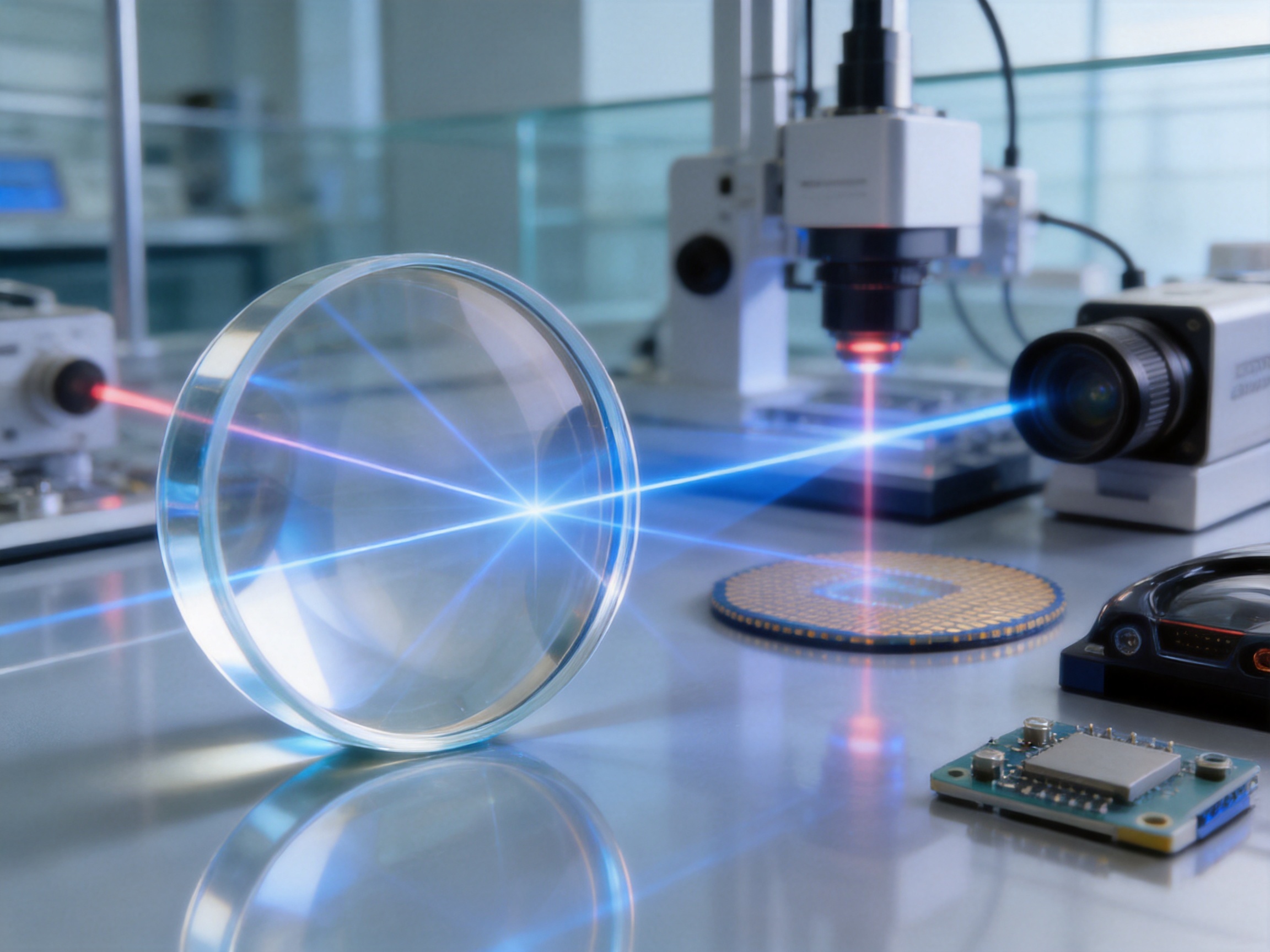
The production of a precision optical lens requires a chain of controlled processes. Each stage affects the next, and defects introduced early may be difficult or impossible to remove later. A strong manufacturer treats lens production as a complete engineering workflow rather than a collection of isolated operations.
Material Selection and Incoming Inspection
Lens performance begins with optical material selection. Depending on application requirements, glass may be chosen for refractive index, dispersion, thermal expansion, transmittance, chemical stability, laser resistance, and cost. For high-performance systems, material homogeneity and internal quality are essential. Bubbles, inclusions, striae, or stress can degrade optical performance.
Incoming inspection helps ensure that raw materials meet production requirements before processing begins. This may include checking dimensions, visual quality, material grade, and supplier documentation. For demanding projects, traceability from raw material to finished product is important, especially in automotive and semiconductor applications.
Cutting and Blanking
Raw optical glass is prepared into blanks of suitable size. Cutting and blanking must be controlled to minimize chipping, stress, and material waste. The blank geometry must allow enough material for later grinding and polishing while maintaining efficiency.
Stable blank preparation contributes to repeatability. If blanks vary too much in size or internal stress, subsequent processing becomes less predictable. Advanced manufacturers use controlled equipment and procedures to prepare blanks for consistent downstream production.
Rough Grinding
Rough grinding establishes the approximate shape and curvature of the lens. This stage removes material efficiently but can create surface damage. The goal is to approach the desired geometry while leaving enough allowance for fine grinding and polishing to remove subsurface damage.
Good rough grinding control improves productivity and reduces risk. Excessive damage can increase polishing time or reduce yield, while insufficient shaping can make later processes inefficient. Experienced technicians and well-maintained equipment help maintain stable grinding results.
Fine Grinding
Fine grinding refines the surface and reduces roughness before polishing. Abrasive size, pressure, tool condition, coolant, and process time must be carefully controlled. The quality of fine grinding strongly influences polishing efficiency and final surface quality.
A manufacturer with long experience in precision optics understands how to balance removal rate and damage control. This is especially important for lenses requiring strict surface quality or high laser damage resistance. The better the fine grinding process, the easier it is to achieve excellent polishing results.
Polishing
Polishing creates the final optical surface. It must achieve the required surface figure, smoothness, and cosmetic quality. Polishing is both a technical and experience-driven process involving tools, pitch or pad materials, slurry chemistry, pressure distribution, temperature control, and timing.
For high-end optical lenses, polishing must remove subsurface damage from grinding while maintaining the designed curvature. Over-polishing or uneven polishing can introduce figure error. Under-polishing can leave residual damage or haze. Advanced process control and skilled operators are essential.
Centering and Edging
After polishing, lenses often require centering and edging to align the mechanical diameter with the optical axis. Decentration can cause image displacement, coma, and assembly problems. Accurate centering is especially important in multi-lens systems where errors accumulate.
Edging also defines the final diameter, chamfer, and edge condition. Proper edge treatment reduces chipping risk during handling and assembly. For automated assembly lines, accurate mechanical dimensions are critical because components must fit consistently into mounts or housings.
Cleaning
Cleaning is vital before inspection, coating, and packaging. Residues, particles, oils, and polishing compounds can affect coating adhesion and optical appearance. Precision cleaning may involve multiple washing, rinsing, ultrasonic, and drying steps depending on material and coating requirements.
Clean handling protocols help prevent recontamination. Gloves, clean work areas, proper containers, and controlled packaging materials all contribute to final quality. In optical manufacturing, cleanliness is not merely cosmetic; it directly affects performance and reliability.
Coating Deposition
Coating transforms a polished lens into an application-specific optical component. Anti-reflective coatings are among the most common, but coatings may also be designed for filtering, partial reflection, wavelength selection, protection, or high-power laser use.
Coating deposition requires careful control of vacuum environment, material evaporation or sputtering, layer thickness, substrate temperature, and process monitoring. Coating uniformity across curved surfaces is an important challenge. Adhesion and durability must also be verified according to customer requirements.
By offering coating capability aligned with laser, automotive, semiconductor, and consumer optical applications, the manufacturer can provide lenses optimized for practical operating conditions rather than generic laboratory specifications.
Inspection and Testing
Inspection confirms that the lens meets specifications. Typical inspection items may include diameter, thickness, radius, surface quality, surface figure, focal length, coating transmission, reflection, cosmetic appearance, centration, wedge, and environmental durability. The exact inspection plan depends on the application.
Advanced metrology allows problems to be detected before shipment. For customers, this reduces incoming inspection burden and improves confidence. A disciplined inspection system also supports continuous process improvement by identifying trends and root causes.
Packaging and Delivery
Packaging protects lenses from scratches, chips, contamination, and environmental exposure during transport. Optical components require suitable separators, trays, clean bags, cushioning, labels, and handling instructions. Packaging must match the lens size, coating sensitivity, and customer production environment.
Reliable delivery is part of product value. A manufacturer serving global customers needs stable production planning, export experience, and communication capability. Since Changzhou Haolilai Photo-Electricity Scientific and Technical Co., Ltd. exports to more than 20 countries, its experience in international supply supports customers requiring dependable logistics and documentation.
Quality Management and Certifications
Quality management is essential in precision optics because optical defects are often microscopic yet highly consequential. The company has obtained ISO9001:2015, ISO14001:2015, and IATF16949 certifications, demonstrating commitment to quality systems, environmental management, and automotive quality standards.
ISO9001:2015 supports structured quality management. It emphasizes customer focus, leadership, process control, risk-based thinking, performance evaluation, and continual improvement. For optical lens customers, this means production is guided by documented procedures rather than informal practices.
ISO14001:2015 reflects environmental management. Optical manufacturing involves materials, water, energy, chemicals, and waste handling. An environmental management system helps ensure responsible operations and supports customers with sustainability expectations.
IATF16949 is particularly important for automotive applications. It requires strong process control, defect prevention, traceability, change management, and continuous improvement. Automotive optics must perform reliably over long service lifetimes, and a supplier with IATF16949 certification is better positioned to meet the strict expectations of automotive customers.
The company is also recognized as a High-Tech enterprise in Jiangsu Province and has established the Jiangsu Precision Optical Lens Engineering Technology Center and Jiangsu Enterprise Technology Research Center. These platforms reflect investment in technical development, engineering capability, and innovation. With multiple invention patents, utility model patents, and Jiangsu High and New Tech Products, the company demonstrates long-term commitment to optical technology advancement.
Application Strength in Laser Optics
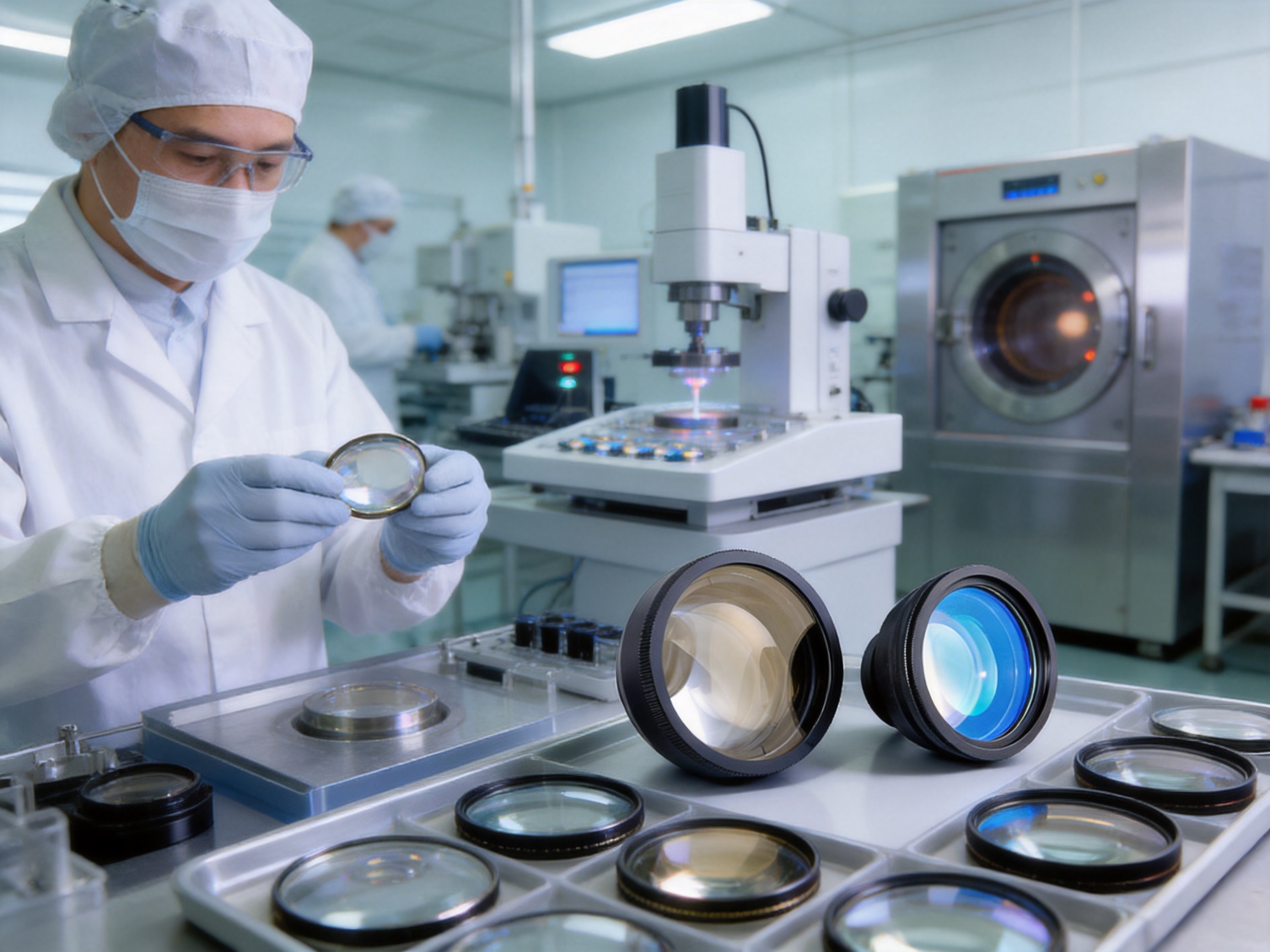
Laser optics demand exceptional control over transmission, absorption, surface quality, and coating durability. Whether used in industrial laser cutting, welding, marking, medical systems, research instruments, or beam delivery modules, lenses must maintain performance under concentrated optical power.
In laser systems, a lens may focus a beam to a small spot. Any surface defect, coating imperfection, or contamination can create localized heating. This can reduce efficiency, distort the beam, or cause catastrophic damage. Therefore, laser lenses require excellent polishing, low defect density, clean coating processes, and careful packaging.
Compared with ordinary lenses, precision laser lenses offer improved energy handling and beam quality. High transmittance coatings reduce power loss and thermal load. Accurate curvature and surface figure help produce predictable focal spots. Low scatter supports clean beam propagation. These features contribute to improved processing accuracy and longer system uptime.
The company’s focus on laser optics allows it to understand wavelength-specific requirements and the practical needs of laser equipment manufacturers. Customers can request lenses optimized for common laser wavelengths or customized for specific system designs. This flexibility is valuable for both equipment development and stable production supply.
Application Strength in Automotive Optics
Automotive optics represent one of the fastest-growing areas for precision lenses. Modern vehicles increasingly rely on cameras, sensors, displays, interior monitoring systems, smart lighting, and advanced driver assistance systems. Optical lenses in vehicles must operate reliably in complex environments involving temperature variation, vibration, humidity, dust, and long service life.
Automotive customers also require strict quality control and supply consistency. A lens used in a vehicle platform may need to be produced in large quantities over several years. Dimensional changes, coating variation, or cosmetic inconsistency can disrupt assembly and testing.
With IATF16949 certification and experience in automotive optical products, the company is well suited to support automotive customers. Its broader product range, including automotive interior glass structural components, indicates familiarity with automotive-grade requirements beyond traditional laboratory optics.
Precision optical lenses for automotive applications can help improve image clarity, sensor reliability, display readability, and system integration. As vehicles move toward higher levels of intelligence, optical component quality will become even more important. Manufacturers with strong process control, engineering support, and certification systems will have a clear advantage over suppliers that lack automotive production discipline.
Application Strength in Semiconductor Optics
Semiconductor manufacturing and inspection require extreme precision. Optical lenses may be used in metrology tools, wafer inspection systems, alignment modules, optical sensors, and process monitoring equipment. These applications demand stable imaging, low distortion, clean surfaces, and tight tolerances.
Semiconductor optics often operate in controlled environments where contamination and particles must be minimized. The lens must not introduce optical errors that compromise measurement accuracy. Even small imperfections can become significant when inspecting micro-scale structures.
A manufacturer experienced in semiconductor optics can support customers with high-cleanliness processing, careful inspection, and customized specifications. The company’s experience with wafers and precision optics provides a useful foundation for serving this market. As semiconductor devices continue to evolve, demand will grow for lenses that support higher resolution, better alignment, and more reliable automated inspection.
Application Strength in Consumer Optics
Consumer optical products require a balance between performance, size, cost, and production efficiency. Lenses may be used in cameras, projection systems, scanners, smart home devices, displays, wearable products, and imaging modules. While some consumer applications are cost-sensitive, they still require stable optical quality because end users quickly notice poor image clarity, distortion, glare, or inconsistency.
Precision manufacturing allows consumer product developers to achieve compact designs and consistent performance. Coatings can reduce reflections and improve visual appearance. Accurate dimensions support automated assembly and reduce production rejects. Stable batch quality helps protect brand reputation in high-volume markets.
The ability to produce both standard and customized optical lenses gives customers flexibility. During product development, engineers may require prototypes, design adjustments, and performance validation. During mass production, they need stable quality, predictable delivery, and cost-effective manufacturing. A company with long experience and scalable production capability can support both phases.
Engineering Support and Customization Capability
Many optical projects begin with a system-level problem rather than a fixed part drawing. A customer may need a lens that improves transmission, reduces aberration, fits into a smaller module, survives an automotive environment, or performs at a specific laser wavelength. In these cases, engineering support is crucial.
Customization may involve choosing the proper optical material, defining curvature and focal length, determining tolerances, designing coatings, selecting edge treatment, improving manufacturability, and planning inspection methods. A professional optical manufacturer can help customers balance ideal performance with practical production considerations.
For example, a very tight tolerance may improve theoretical performance but greatly increase cost and lead time. An experienced manufacturer can advise which tolerances are truly critical and which can be optimized. This helps customers achieve reliable optical performance without unnecessary expense.
Custom coating design is another important area. A lens used at a single laser wavelength may require a different coating from a lens used across a wide visible or infrared band. A lens operating at a high angle of incidence may require coating compensation. A lens exposed to humidity or cleaning may require improved durability. By matching coating design to actual operating conditions, the final lens can deliver better system value.
The company’s technical centers, experienced team, patents, and high-tech enterprise status support its ability to develop tailored solutions. This is a significant advantage over suppliers that can only sell existing catalog items.
Manufacturing Scale and Long-Term Supply Reliability
For industrial customers, supply reliability is often as important as technical capability. A lens may be a small component within a larger machine, but if supply is unstable, the customer’s entire production plan can be affected. Long-term cooperation requires stable capacity, organized production, quality documentation, and responsive communication.
The company was founded in 1998 and has developed for more than two decades. Its 35,000 m² facility and workforce of more than 300 employees provide a foundation for both specialized production and larger-scale manufacturing. Export experience to more than 20 countries indicates familiarity with diverse customer requirements, international logistics, packaging expectations, and documentation needs.
Long-term supply also depends on knowledge retention and process maturity. Optical manufacturing is experience-intensive. Process know-how in grinding, polishing, centering, coating, inspection, and packaging accumulates over years. A company with a long operating history can use this experience to improve yield, solve problems faster, and maintain consistent product quality.
Why Precision Optical Lenses Improve System Performance
The performance benefits of precision optical lenses can be understood in practical terms. In imaging systems, better lenses improve resolution, contrast, and distortion control. In laser systems, better lenses improve focus quality, transmission efficiency, and damage resistance. In sensing systems, better lenses improve signal stability and measurement repeatability. In automotive systems, better lenses support long-term reliability and consistent operation under environmental stress.
Precision lenses also simplify system assembly. When optical axis, diameter, thickness, and focal length are stable, assembly fixtures and alignment procedures become more predictable. This reduces labor time and production variation. For high-volume manufacturers, even small improvements in assembly efficiency can produce major cost savings.
High-quality coatings further enhance system performance by reducing reflection and increasing transmission. Reflections can cause ghost images, feedback, noise, and energy loss. In laser systems, unwanted reflections may also create safety or stability concerns. Application-specific coatings help manage these risks.
Finally, reliable lenses reduce field failure risk. A lens that chips easily, delaminates, absorbs energy, or shifts performance over time can damage the reputation of the final equipment manufacturer. Investing in a well-made optical lens is therefore an investment in the reliability of the entire system.
Comparison with Low-Cost General Optics
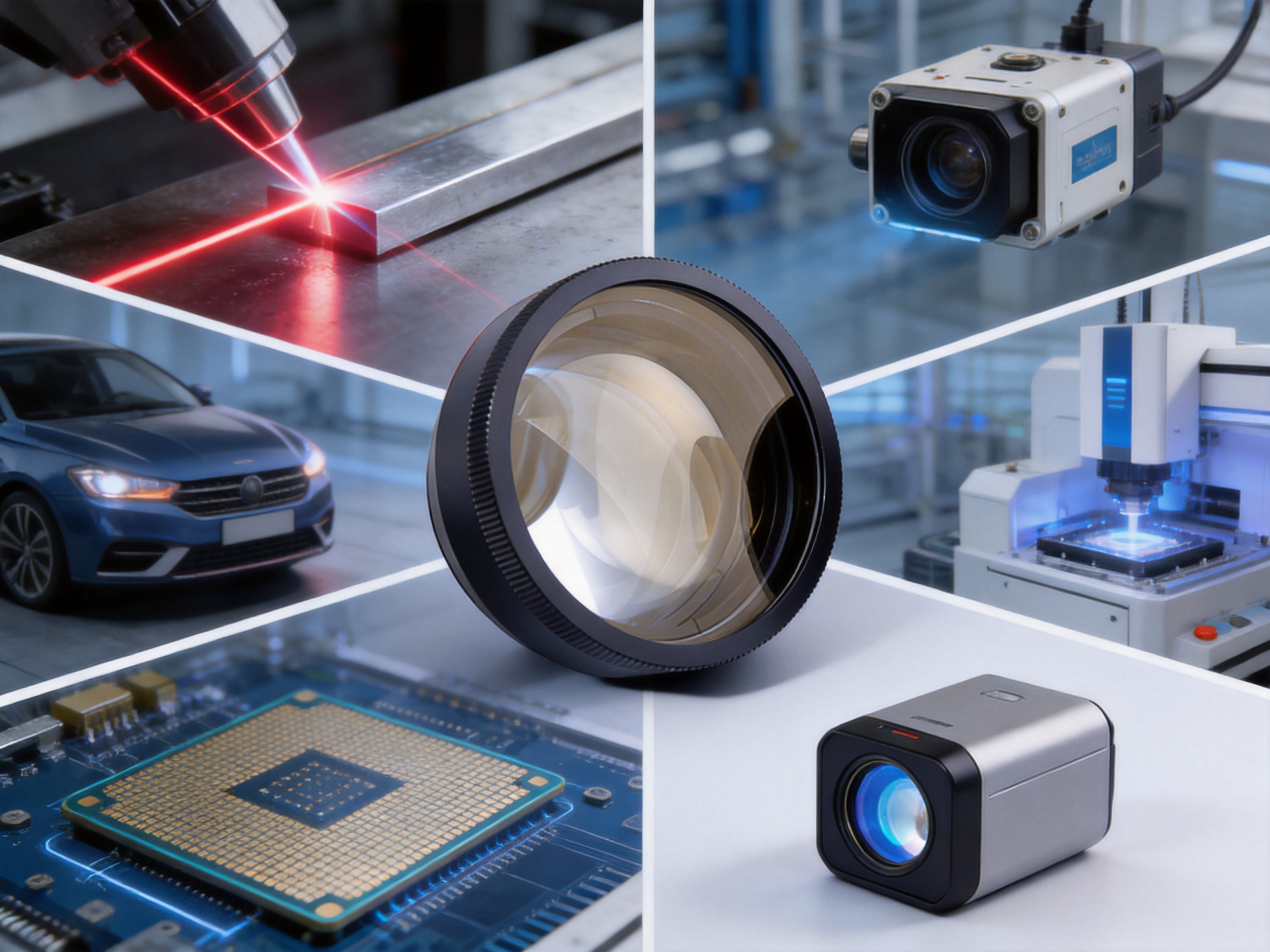
Low-cost general optics may be sufficient for simple educational kits, non-critical illumination, or basic experiments. However, they are often unsuitable for demanding industrial, automotive, laser, or semiconductor applications. The difference is not always visible to the naked eye, but it becomes obvious in system performance and production reliability.
General optics may have wider tolerances, inconsistent coating quality, higher scatter, weaker documentation, and limited traceability. They may also lack application-specific engineering support. If used in a demanding system, these weaknesses can cause alignment problems, reduced throughput, image defects, or premature failure.
Precision optical lenses manufactured under controlled processes provide greater confidence. They are designed and produced to meet specific requirements rather than approximate needs. For customers developing advanced equipment, this difference can determine whether the final product meets market expectations.
Customer-Oriented Value
A strong optical lens supplier should deliver more than physical components. Customers benefit from technical consultation, process stability, quality assurance, customization, responsive communication, and long-term partnership. This is especially important when optical lenses are integrated into products with strict performance requirements.
Changzhou Haolilai Photo-Electricity Scientific and Technical Co., Ltd. combines manufacturing history, certification systems, technical centers, patent achievements, and broad product experience. These strengths help customers reduce development risk and obtain lenses that are practical for production.
For a customer, choosing a precision optical lens supplier means evaluating not only price but also capability. Important questions include: Can the supplier maintain surface quality? Can it control coating performance? Can it support custom specifications? Can it scale from prototype to production? Can it provide quality documentation? Can it meet automotive or semiconductor expectations? Can it deliver consistently over time?
The company’s background suggests strong alignment with these requirements, especially for customers in laser optics, automotive optics, semiconductor optics, and consumer optics.
Q&A: Common Questions About Precision Optical Lenses
Q1: What makes a precision optical lens different from a standard lens?
A precision optical lens is manufactured with tighter control of surface figure, surface quality, dimensional accuracy, centration, coating performance, and cleanliness. Standard lenses may be suitable for simple applications, but precision lenses are designed for systems where optical performance, reliability, and repeatability are critical.
Q2: Why is surface quality important for optical lenses?
Surface quality affects scattering, contrast, transmission, and laser damage resistance. Scratches, digs, pits, and contamination can reduce image clarity or create local absorption points. In high-power laser systems, poor surface quality can lead to coating damage or lens failure.
Q3: How do coatings improve lens performance?
Coatings can reduce reflection, increase transmission, protect surfaces, or control specific wavelength bands. Anti-reflective coatings are especially common because they improve optical efficiency and reduce ghost images. Coating design should match the wavelength, angle of incidence, power level, and operating environment.
Q4: Why is IATF16949 certification important for automotive optical lenses?
IATF16949 is an automotive quality management standard focused on defect prevention, process control, traceability, and continuous improvement. Automotive optical lenses must be reliable under vibration, temperature change, humidity, and long-term use. Certification supports confidence in the supplier’s ability to meet automotive industry expectations.
Q5: Can optical lenses be customized for special applications?
Yes. Optical lenses can be customized by material, diameter, thickness, curvature, focal length, coating, surface quality, edge shape, and tolerance level. Customization is important for laser systems, semiconductor tools, automotive sensors, and compact consumer optical modules.
Q6: What factors should be considered when selecting an optical lens supplier?
Customers should consider manufacturing experience, quality certifications, inspection capability, coating technology, customization support, production scale, batch consistency, and application knowledge. A supplier with strong engineering and process control can reduce project risk and improve final system performance.
Q7: Why does batch consistency matter?
Batch consistency ensures that lenses perform similarly across different production lots. This is essential for mass production because variations can cause assembly issues, calibration changes, and increased rejection rates. Consistent lenses help customers maintain stable manufacturing processes.
Q8: Which industries benefit most from high-quality optical lenses?
Industries such as laser processing, semiconductor inspection, automotive sensing, machine vision, medical optics, scientific instrumentation, projection, consumer electronics, and industrial automation all benefit from high-quality optical lenses.
Future Trends in Optical Lens Manufacturing
The optical lens market is moving toward higher precision, smaller size, multifunctional coatings, stronger environmental reliability, and closer integration with electronic and mechanical systems. Several trends are shaping future demand.
First, laser systems are becoming more powerful and more widely used. This increases the need for lenses with high laser damage resistance, low absorption, and excellent coating durability. Manufacturers must continue improving polishing quality and coating control.
Second, automotive intelligence is accelerating. Cameras, lidar-related optics, interior monitoring, smart lighting, and display systems require reliable optical components. Automotive optical lenses must meet strict quality and environmental requirements while supporting high-volume production.
Third, semiconductor manufacturing requires more precise inspection and metrology. As chip structures become smaller and more complex, optical systems must deliver higher resolution and stability. This drives demand for advanced lenses with excellent surface quality and tight tolerances.
Fourth, consumer devices are becoming more compact and visually sophisticated. Optical lenses must support miniaturized modules, improved imaging, reduced glare, and efficient mass assembly. Customization and production scalability will become increasingly important.
Fifth, sustainability and environmental management will become more important in supply chains. Manufacturers with ISO14001:2015 and responsible production practices will be better positioned to support global customers with environmental requirements.
Conclusion
Optical lenses are essential precision components that determine the performance of many modern systems. Whether used in laser equipment, automotive sensors, semiconductor inspection tools, consumer devices, or scientific instruments, a lens must provide accurate light control, stable quality, reliable coating performance, and consistent mechanical compatibility.
Compared with ordinary competitor products, precision optical lenses offer important advantages: better surface figure, superior surface quality, improved coating performance, stronger batch consistency, easier assembly, and longer system reliability. These benefits reduce hidden costs and support higher-value optical system design.
Changzhou Haolilai Photo-Electricity Scientific and Technical Co., Ltd. brings together more than two decades of manufacturing experience, a 35,000 m² facility, more than 300 employees, international export experience, advanced technical centers, multiple patents, and quality certifications including ISO9001:2015, ISO14001:2015, and IATF16949. Its focus on laser optics, automotive optics, semiconductor optics, and consumer optics gives it strong application knowledge and production capability.
For customers seeking dependable optical lenses, the most valuable supplier is one that understands both precision manufacturing and real-world application needs. A well-engineered optical lens is not just a component; it is a performance-critical element that helps advanced systems operate with greater accuracy, efficiency, and reliability.
References
1. Hecht, Eugene. Optics. Pearson Education.
2. Smith, Warren J. Modern Optical Engineering. McGraw-Hill Education.
3. Malacara, Daniel. Optical Shop Testing. Wiley.
4. ISO 9001:2015 Quality Management Systems — Requirements.
5. ISO 14001:2015 Environmental Management Systems — Requirements with Guidance for Use.
6. IATF 16949 Automotive Quality Management System Standard.
7. Kingslake, Rudolf, and R. Barry Johnson. Lens Design Fundamentals. Academic Press.
8. Bass, Michael, editor. Handbook of Optics. McGraw-Hill.


 苏公网安备32041102000130号