
 Search
 en
en English
 日本語
日本語 русский
 Español
 Deutsch
 中文简体
中文简体Content
- 1 Understanding the Role of an Optical Lens
- 2 Product Value in Modern Optical Systems
- 3 Key Advantages of Precision Optical Lenses
- 4 Advanced Manufacturing Processes Behind a High-Quality Lens
- 5 Comparison with Ordinary Optical Lens Suppliers
- 6 Application Areas
- 7 Company Manufacturing Strengths
- 8 Quality Management and Certification Advantages
- 9 Design and Engineering Support
- 10 Why Manufacturing Process Control Matters More Than Price Alone
- 11 Optical Coating as a Performance Multiplier
- 12 Environmental and Reliability Considerations
- 13 Customization Options for Optical Lenses
- 14 How to Select the Right Optical Lens
- 15 Supply Chain Benefits for Global Buyers
- 16 Frequently Asked Questions
- 16.1 What is the main function of an optical lens?
- 16.2 Why is surface quality important for optical lenses?
- 16.3 What makes a precision optical lens different from a standard low-cost lens?
- 16.4 Which industries use precision optical lenses?
- 16.5 Why does coating matter?
- 16.6 How should customers choose lens material?
- 16.7 Can optical lenses be customized?
- 16.8 Why are certifications such as ISO9001 and IATF16949 important?
- 16.9 What information should a buyer provide when requesting an optical lens quotation?
- 16.10 Why choose a manufacturer with experience in multiple optical fields?
- 17 Conclusion
- 18 References
- 19 Product: Optical Lens
Precision optical lenses are among the most important components in modern photonics, imaging, sensing, illumination, and laser systems. Although a lens may appear simple from the outside, its performance depends on a highly controlled combination of optical design, material selection, surface geometry, polishing accuracy, coating technology, cleanliness, assembly discipline, and quality verification. In applications such as laser processing, automotive sensing, semiconductor inspection, medical instruments, machine vision, and consumer optics, even a small deviation in curvature, surface roughness, coating uniformity, or centering accuracy can influence the efficiency and stability of the entire system.
This article focuses on optical lenses manufactured for demanding industrial and commercial applications, with particular attention to performance advantages, manufacturing discipline, quality assurance, and the production strengths of Changzhou Haolilai Photo-Electricity Scientific and Technical Co., Ltd. The company, founded in 1998 and located in Changzhou, Jiangsu, China, has developed into a professional manufacturer of precision optical components. Its product scope includes optical lenses, optical flat mirrors, wafers, automotive interior glass structural components, optical prisms, optical spherical mirrors, and other custom optical components. Among these categories, optical lenses are a core product because they serve as the functional heart of many optical systems.
For buyers, engineers, and system designers, choosing an optical lens supplier is not simply a matter of comparing unit price. The correct decision must consider optical accuracy, material traceability, repeatability, coating durability, response speed, customization capability, certification, and the ability to support both prototype development and mass production. A precision lens manufacturer with advanced processing capability can help reduce system redesign, shorten development cycles, improve optical throughput, stabilize field performance, and lower long-term ownership cost.
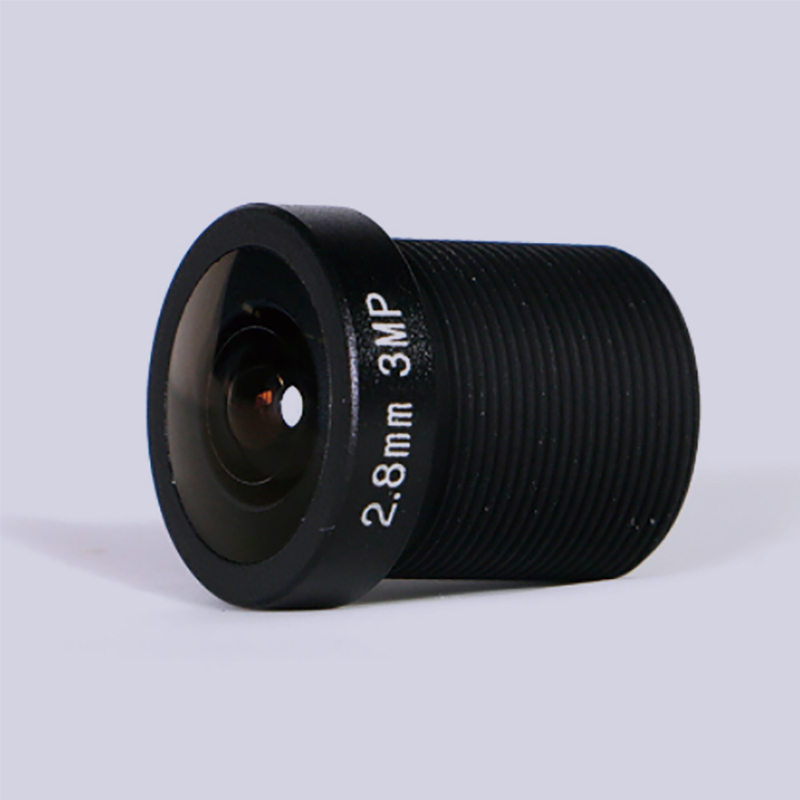
Understanding the Role of an Optical Lens
An optical lens is designed to refract light in a controlled way. Depending on its shape, material, and coating, it may focus light, collimate a beam, expand a beam, correct aberrations, relay an image, improve illumination uniformity, or support spectral filtering when integrated with other optical elements. In many optical systems, the lens is responsible for transforming a raw light source or incoming image into a usable optical output.
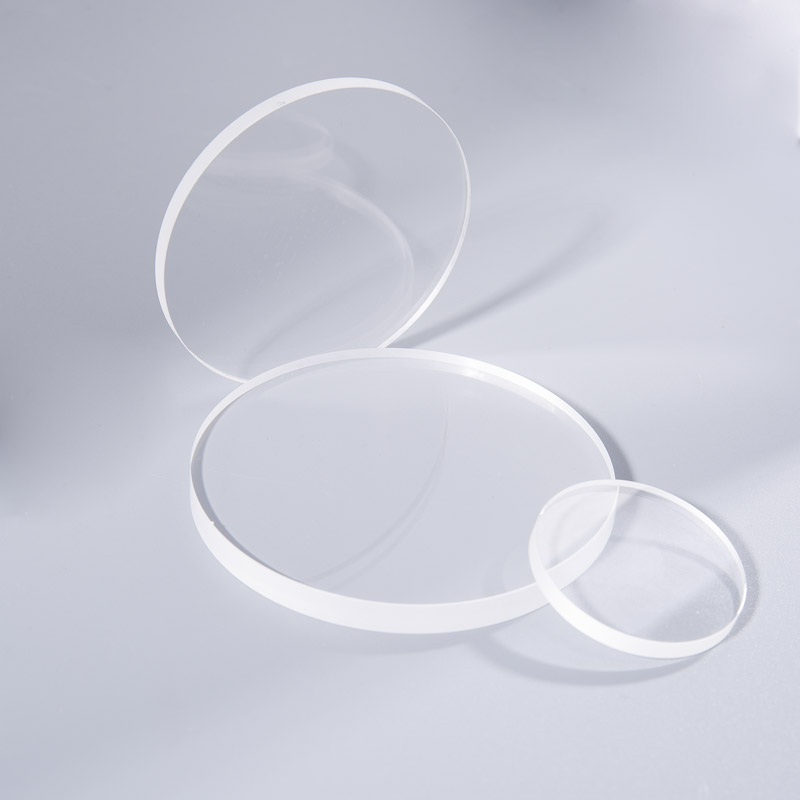
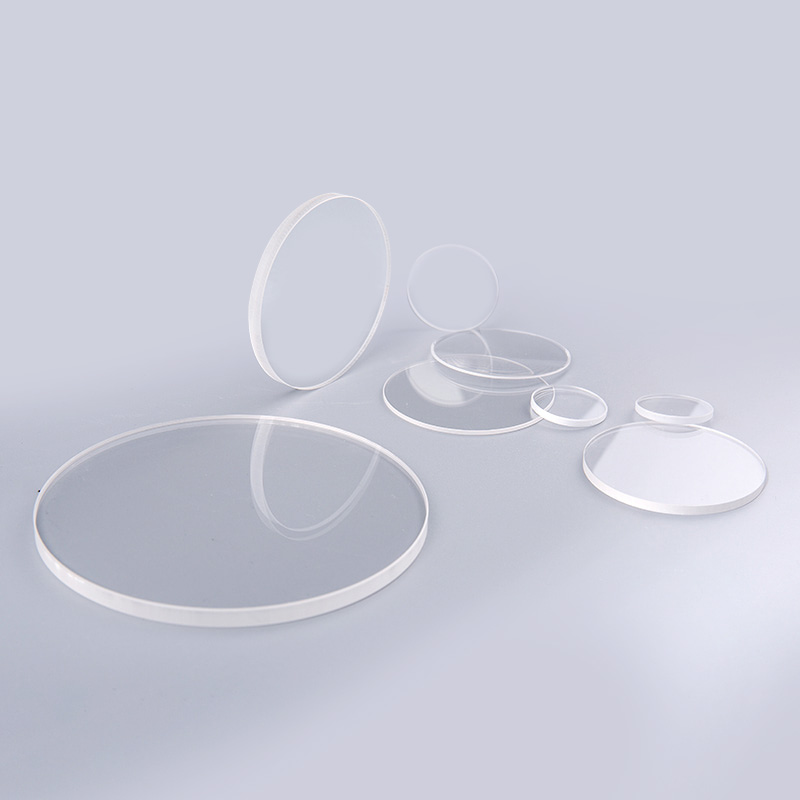
Common lens types include plano-convex lenses, bi-convex lenses, plano-concave lenses, bi-concave lenses, meniscus lenses, achromatic lenses, cylindrical lenses, spherical lenses, and customized lens structures. Each design has a specific purpose. A plano-convex lens may be used for focusing collimated light, while a plano-concave lens may be selected to expand a beam. A meniscus lens may reduce spherical aberration, and an achromatic lens may reduce chromatic aberration by combining different glass materials. In laser systems, a lens may need to withstand high power density while maintaining low absorption and minimal wavefront distortion. In imaging systems, the same lens may require tight control over resolution, distortion, contrast, and stray light.
The performance of a lens is determined by both its theoretical design and its real manufactured condition. Optical design software can specify radii, thickness, glass type, aperture, and tolerance, but the final outcome depends on manufacturing. Surface quality, scratch-dig grade, transmitted wavefront error, surface figure, wedge, decenter, coating reflection, and cleanliness all influence optical performance. Therefore, the value of a lens manufacturer is measured by its ability to translate an optical drawing into a stable, repeatable, production-ready component.
Product Value in Modern Optical Systems
Optical lenses are used across a wide range of industries because light-based systems are becoming increasingly important. In laser optics, lenses are used in cutting, welding, marking, medical laser instruments, beam shaping, and laboratory equipment. In automotive optics, lenses support sensors, displays, driver monitoring systems, head-up displays, lighting modules, and cabin intelligent systems. In semiconductor optics, lenses are essential for inspection, metrology, alignment, lithography support, and precision measurement. In consumer optics, lenses are used in cameras, projectors, wearable devices, smart appliances, and visual recognition products.
The demand for high-quality optical lenses continues to rise because systems are becoming smaller, faster, more automated, and more intelligent. A modern optical module often requires compact size, high optical efficiency, stable operation under thermal stress, and reliable performance over long service life. These requirements place pressure on lens manufacturing. A supplier must not only manufacture a correct lens once; it must produce many lenses with consistent optical properties from batch to batch.
Changzhou Haolilai Photo-Electricity Scientific and Technical Co., Ltd. has built its production and technical capabilities around the needs of industries where reliability matters. With more than 300 employees, a production base covering about 35,000 square meters, and export experience to more than 20 countries, the company serves customers that require stable precision optical components rather than generic low-grade parts. Its certifications, including ISO9001:2015, ISO14001:2015, and IATF16949, further demonstrate a management structure suitable for quality-focused industrial supply.
Key Advantages of Precision Optical Lenses
High Optical Accuracy
One of the strongest advantages of a high-quality optical lens is its ability to deliver accurate light control. Optical accuracy includes curvature control, center thickness control, clear aperture precision, surface figure, and transmitted wavefront quality. When a lens is manufactured with tight control, the resulting system benefits from sharper focus, improved beam quality, lower image distortion, and more predictable optical performance.
Compared with ordinary optical parts produced mainly for cost-sensitive applications, precision lenses are manufactured with stricter tolerance control. This is especially important in laser and semiconductor applications, where tiny deviations can cause power loss, beam asymmetry, measurement error, or alignment instability. A lens with high optical accuracy reduces the burden on downstream adjustment and allows system engineers to design with greater confidence.
Reliable Surface Quality
Surface defects such as scratches, digs, pits, stains, and polishing marks may scatter light and reduce system performance. In imaging applications, these defects may lower contrast or create unwanted artifacts. In laser applications, defects may absorb energy, create hot spots, and reduce the damage threshold of the component. Therefore, surface quality is more than an appearance standard; it is a functional requirement.
A professional optical lens manufacturer uses controlled polishing, inspection, and cleaning processes to achieve reliable surface quality. This advantage is particularly valuable when customers need components for high-power laser systems, precision measurement, or optical modules with strict stray-light requirements. By controlling surface defects, the manufacturer helps the final system maintain stable output and longer operational life.
Material Selection and Application Matching
Optical lenses can be made from different materials, including optical glass, fused silica, borosilicate glass, filter glass, infrared materials, and other specialty substrates. Material selection affects refractive index, dispersion, transmission range, thermal expansion, mechanical strength, chemical resistance, and laser damage resistance. A lens used for ultraviolet transmission may require a different material from a lens used in the near infrared. A lens used inside a vehicle must tolerate environmental stress, vibration, temperature change, and long-term aging.
The company’s experience in laser optics, automotive optics, semiconductor optics, and consumer optics allows it to match materials to application conditions. This application-oriented approach is an advantage over suppliers that only provide catalog-style components without sufficient engineering support. When material selection is handled correctly at the beginning of a project, customers can avoid later failures related to transmission loss, thermal instability, coating mismatch, or poor environmental durability.
Stable Batch Consistency
For mass production customers, consistency is often more important than the performance of a single sample. A prototype lens may meet the drawing, but the real challenge is producing hundreds, thousands, or millions of lenses with the same optical behavior. Batch consistency depends on controlled equipment, skilled operators, standardized process documentation, inspection discipline, and continuous improvement.
The company’s manufacturing system, combined with certifications such as ISO9001:2015 and IATF16949, supports repeatable production. IATF16949 is particularly significant for automotive-related components because it emphasizes defect prevention, traceability, process control, risk management, and continuous improvement. These practices benefit not only automotive customers but also buyers in other precision industries who require dependable supply.
Customization for Complex Requirements
Many optical systems cannot be built from standard components alone. Customers may require a special diameter, edge shape, radius combination, coating band, mechanical fit, surface specification, center thickness, aperture tolerance, or packaging method. A supplier with custom manufacturing capability can support these requirements from drawing review through sample production and volume delivery.
Precision optical lenses from an experienced manufacturer can be adapted to customer-specific optical systems. Customization may include special lens geometry, anti-reflective coating, high-reflective coating on related components, blackened edges, special chamfers, tight centering, cemented assemblies, or integrated optical component solutions. This flexibility is an advantage over competitors that rely only on off-the-shelf parts and cannot respond to application-specific engineering needs.
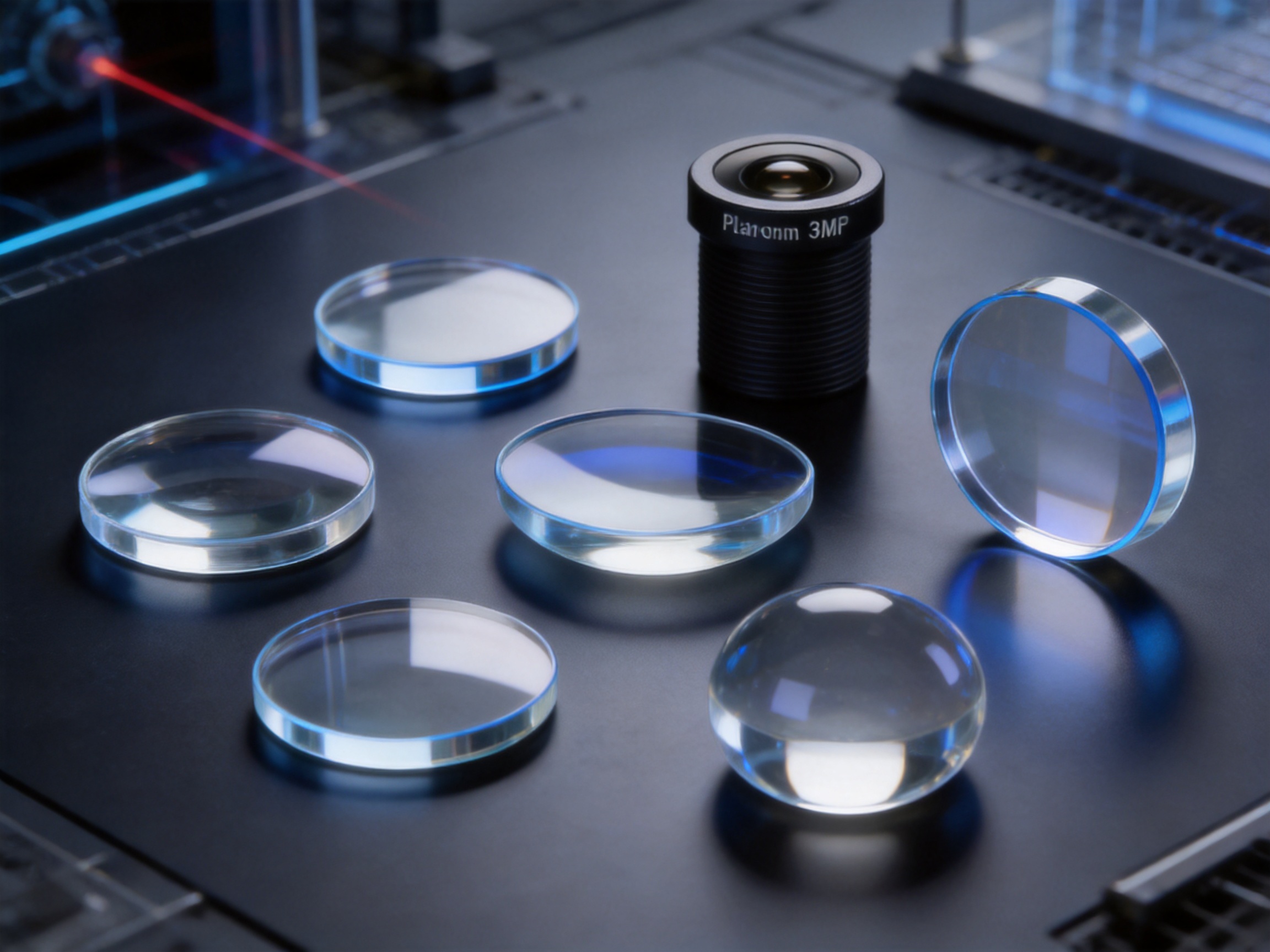
Advanced Manufacturing Processes Behind a High-Quality Lens
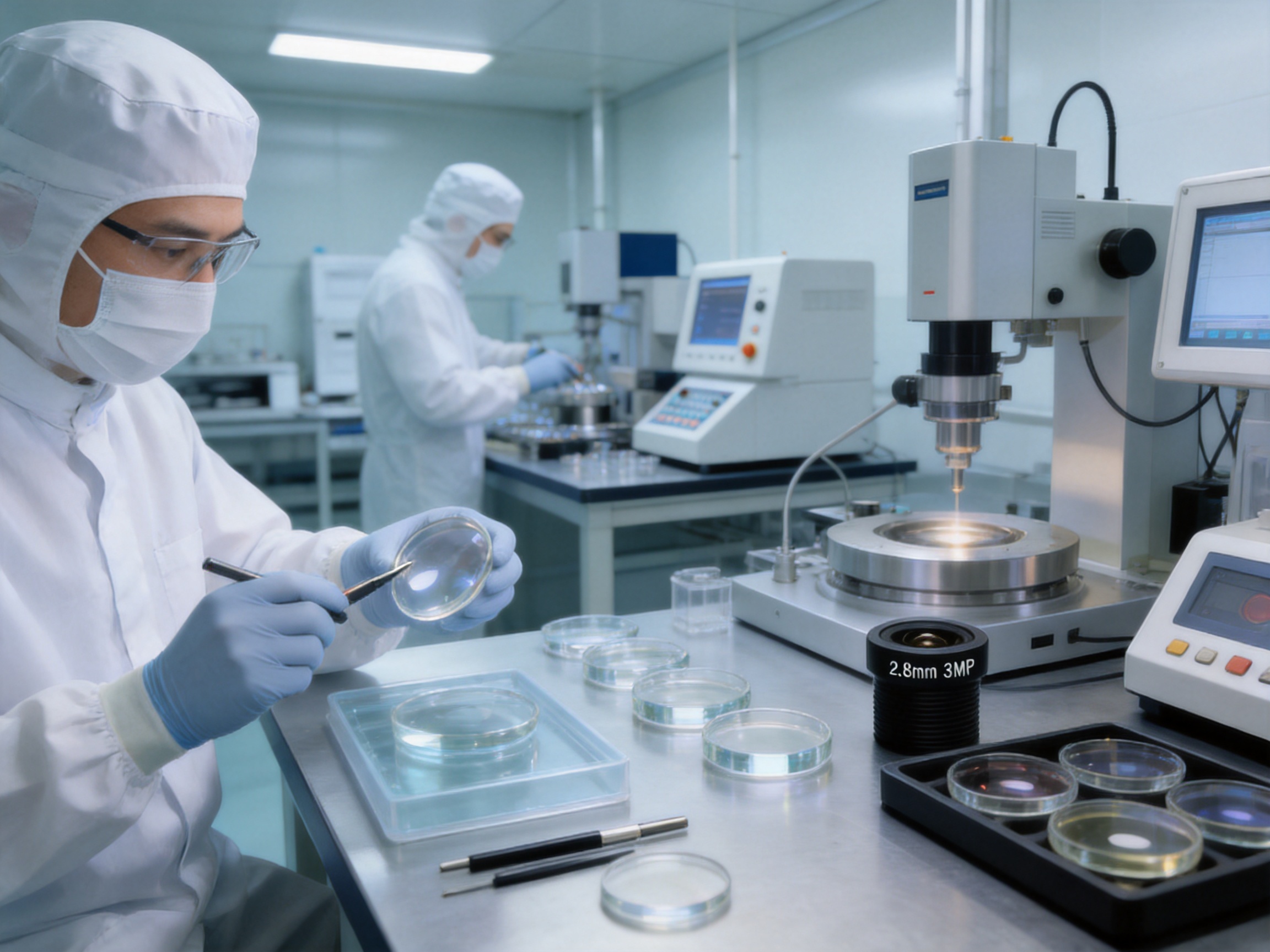
The manufacturing of an optical lens involves many steps, and each step influences final performance. A strong manufacturer controls the entire process rather than treating the lens as a simple glass shape. From raw material selection to final packaging, precision, cleanliness, and documentation must be maintained.
Raw Material Inspection
Production begins with the selection and inspection of optical materials. Glass must meet requirements for refractive index, dispersion, internal transmission, bubbles, inclusions, striae, stress, and dimensional suitability. If the raw material has internal defects or inconsistent optical properties, no amount of later polishing can fully correct the problem. Therefore, incoming material verification is a critical foundation.
In precision production, material traceability is also important. Customers may need to know the origin, batch, grade, and inspection status of the substrate used in their lenses. Traceability helps with quality assurance, failure analysis, and long-term product stability. A mature manufacturer maintains records to support both internal process control and customer requirements.
Cutting and Blanking
After inspection, optical glass is cut into blanks according to the required size and shape. Cutting must consider material yield, edge quality, internal stress, and downstream processing allowance. Poor blank preparation can introduce chips, cracks, or stress that may affect later grinding and polishing. Accurate blanking improves efficiency and helps maintain dimensional consistency.
For high-volume projects, blank preparation can be optimized to improve productivity while reducing waste. For custom projects, careful blanking ensures that special sizes or shapes can be processed reliably. This early-stage control is part of the total manufacturing advantage of a professional optical component factory.
Curve Generation and Grinding
The next major step is generating the lens curvature. In spherical lens production, controlled grinding creates the required radius on one or both surfaces. CNC generation equipment can improve repeatability and reduce dependence on manual variation. The goal is to approach the specified curvature while leaving sufficient allowance for fine grinding and polishing.
Grinding accuracy affects the later polishing workload and final geometry. If the grinding process is unstable, the lens may require excessive correction, which can increase production time and risk dimensional drift. A well-controlled grinding process contributes to better radius accuracy, more stable center thickness, and improved batch consistency.
Fine Grinding and Surface Preparation
Fine grinding refines the surface after rough generation. It removes subsurface damage, improves surface shape, and prepares the lens for polishing. Subsurface damage is a hidden risk in optical components. If it remains too deep, it can affect mechanical strength, coating adhesion, and laser damage resistance. Therefore, fine grinding must be carefully controlled.
The selection of abrasive size, grinding pressure, tool condition, coolant, and process time all affect the result. Skilled process engineers use suitable parameters to balance productivity with quality. This stage is especially important for lenses used in laser and semiconductor optics, where surface integrity must support high-performance operation.
Polishing for Optical Smoothness
Polishing transforms the fine-ground surface into an optically smooth surface. The objective is to achieve the required surface figure, roughness, and cosmetic quality. Polishing may use pitch tools, polyurethane pads, CNC polishing machines, or other controlled methods depending on lens design and specification. During polishing, the surface must be corrected without damaging radius, thickness, or aperture geometry.
High-quality polishing improves transmission, reduces scatter, and supports reliable coating. In laser optics, low surface roughness and minimal defects are essential because they help increase damage threshold. In imaging optics, polished surface quality contributes to contrast, resolution, and low stray light. A manufacturer with deep polishing experience can achieve a balance between surface precision and production efficiency.
Centering and Edging
Centering aligns the optical axis of the lens with its mechanical axis. If a lens is decentered, it can introduce aberrations, beam deviation, image shift, or assembly difficulty. Edging creates the final outer diameter and edge geometry while maintaining optical alignment. This is a critical step for lenses that must fit accurately into mechanical mounts.
Compared with lower-grade suppliers, a precision manufacturer pays close attention to centering accuracy and edge quality. Proper chamfering can reduce edge chipping and improve handling safety. Accurate outer diameter control allows customers to assemble lenses with less adjustment, improving production efficiency at the module level.
Cleaning Before Coating
Before coating, lenses must be thoroughly cleaned. Any residue, particle, oil, or moisture can cause coating defects, pinholes, adhesion problems, or reduced optical performance. Cleaning may involve ultrasonic cleaning, deionized water rinsing, chemical cleaning, and drying in a controlled environment. Cleanliness discipline is a major factor separating precision optics from ordinary glass processing.
For applications such as semiconductor inspection and high-power laser optics, contamination control is essential. Even microscopic particles can scatter light or create localized heating. By maintaining controlled cleaning processes, the manufacturer improves coating yield and long-term reliability.
Optical Coating
Coating technology greatly expands the function of a lens. Anti-reflective coatings reduce surface reflection and increase transmission. High-reflective coatings are used on mirrors but may be part of related optical assemblies. Filter coatings control wavelength bands. Protective coatings improve environmental resistance. Coatings can be designed for ultraviolet, visible, near-infrared, or other spectral regions depending on application.
A lens without proper coating may lose a significant amount of light due to reflection, especially when multiple lens elements are used in a system. Anti-reflective coating can improve throughput, reduce ghost images, and enhance contrast. In laser systems, coating absorption and damage threshold must be carefully considered. Coating uniformity across the surface is also important because nonuniform coating can affect wavefront or spectral performance.
Professional coating processes involve vacuum deposition, material selection, thickness control, monitoring, adhesion testing, and environmental reliability evaluation. When coating is integrated with lens manufacturing, customers benefit from better process coordination and fewer communication gaps between separate suppliers.
Inspection and Metrology
Inspection is not only a final step; it is part of the entire production system. Optical lenses may be inspected for radius, diameter, center thickness, wedge, surface quality, transmitted wavefront, focal length, coating performance, spectral transmission, and environmental durability. Depending on the application, specialized instruments such as interferometers, spectrophotometers, autocollimators, profilometers, microscopes, and centering measurement equipment may be used.
Reliable inspection ensures that the lens meets both drawing requirements and functional expectations. It also provides data for process improvement. If a process begins to drift, inspection data allows engineers to correct it before defects reach customers. This approach reflects the difference between quality control as a final gate and quality management as a complete manufacturing philosophy.
Packaging and Delivery
Even after a lens is successfully manufactured and inspected, poor packaging can damage it. Precision lenses must be protected from scratches, chips, contamination, moisture, and mechanical shock during storage and shipment. Packaging may include clean bags, trays, lens tissue, protective boxes, and customized export packaging. Proper labeling and traceability records support customer inventory management and incoming inspection.
The company’s experience exporting optical components to more than 20 countries supports reliable international delivery. For global customers, stable packaging and documentation are part of supplier value because they reduce risk during logistics and simplify quality acceptance.
Comparison with Ordinary Optical Lens Suppliers
Many suppliers can produce simple lenses, but not all can meet demanding industrial standards. The difference becomes clear when buyers evaluate process depth, engineering capability, certification, and long-term consistency. A competitor focused mainly on low-cost production may be suitable for non-critical applications, but precision optical systems require higher confidence.
| Evaluation Area | Precision Optical Lens Advantage | Typical Limitation of Lower-Grade Alternatives |
|---|---|---|
| Optical accuracy | Tighter control of curvature, thickness, wavefront, and centering for stable system performance. | Greater variation may cause focus shift, distortion, or alignment difficulty. |
| Surface quality | Controlled polishing and inspection reduce scratches, digs, scatter, and laser risk. | Cosmetic defects may pass basic checks but reduce optical efficiency. |
| Coating capability | Application-matched coatings improve transmission, durability, and spectral performance. | Generic coatings may not match wavelength, angle, or environmental requirements. |
| Process consistency | Standardized production supports repeatable batches and long-term supply. | Batch differences can increase customer testing and assembly adjustment. |
| Quality management | ISO9001, ISO14001, and IATF16949 systems support traceability and risk control. | Limited documentation may create uncertainty for industrial buyers. |
| Customization | Engineering support enables special dimensions, materials, coatings, and specifications. | Catalog-only supply may force customers to compromise optical design. |
| Application support | Experience in laser, automotive, semiconductor, and consumer optics supports practical design decisions. | Limited industry knowledge may lead to unsuitable material or coating choices. |
This comparison shows that the strongest value of a precision optical lens is not merely its physical form. The real advantage is the controlled manufacturing system behind it. Customers gain better optical performance, lower risk, improved repeatability, and stronger support for product development.
Application Areas
Laser Optics
Laser systems require lenses that can handle concentrated optical power while maintaining beam quality. Typical uses include focusing lenses, collimating lenses, beam expanders, scanning systems, laser marking machines, laser cutting systems, medical laser devices, and research instruments. In these applications, coating absorption, surface defects, contamination, and thermal effects must be carefully controlled.
A precision optical lens for laser use should provide high transmission at the operating wavelength, low scatter, strong coating adhesion, and appropriate damage resistance. If the lens absorbs too much energy, it may heat up, distort the wavefront, or fail prematurely. If the surface contains defects, localized heating may occur. By controlling material, polishing, coating, and cleaning, the manufacturer helps improve laser system stability.
Automotive Optics
Automotive optical systems are becoming more advanced as vehicles integrate sensors, displays, lighting, driver assistance, and intelligent cabin functions. Optical lenses may be used in interior sensing, cameras, display modules, head-up displays, ambient optical systems, and related glass structural components. Automotive applications demand not only optical performance but also environmental reliability, process traceability, and high-volume consistency.
The company’s IATF16949 certification is an important advantage for automotive-related customers. It indicates that the organization follows a quality management framework recognized in the automotive supply chain. This includes attention to process control, defect prevention, corrective action, traceability, and continuous improvement. For automotive optics, such discipline helps reduce risk from temperature variation, vibration, humidity, and long-term aging.
Semiconductor Optics
Semiconductor manufacturing and inspection rely heavily on precision optics. Lenses may be used in wafer inspection, alignment systems, measurement instruments, exposure support systems, laser-based processing, and optical metrology. These applications require high accuracy, low contamination, strict dimensional control, and stable optical performance.
In semiconductor optics, small defects can have large consequences. A lens used for inspection must preserve image quality and measurement accuracy. A lens used with a laser must maintain beam shape and power delivery. Cleanliness, coating quality, and wavefront control are especially important. A supplier with experience in semiconductor optics can better understand these strict requirements and support advanced manufacturing needs.
Consumer Optics
Consumer optical products are diverse and fast-moving. They may include imaging modules, projectors, smart devices, sensors, home electronics, optical recognition systems, and wearable devices. These products often require compact size, competitive cost, stable mass production, and attractive optical performance. Lenses must be produced efficiently while maintaining consistency.
A manufacturer with both precision capability and production scale can support consumer optics effectively. The challenge is balancing quality and cost without sacrificing repeatability. Process control, efficient tooling, and stable inspection help ensure that consumer optical modules perform consistently in real-world use.
Medical and Scientific Instruments
Although not always listed as a separate category, many precision lenses are used in medical and scientific instruments. Microscopes, diagnostic systems, endoscopic equipment, laser therapy systems, laboratory analyzers, and optical measurement devices all depend on accurate light control. These applications may require high transmission, low fluorescence, strict cleanliness, and dependable coating performance.
For medical and scientific users, the reliability of the optical lens influences measurement accuracy, image clarity, and instrument stability. A precision lens supplier can support these industries through careful material selection, tight process control, and documentation.
Company Manufacturing Strengths
Changzhou Haolilai Photo-Electricity Scientific and Technical Co., Ltd. has been engaged in precision optical component manufacturing since 1998. More than two decades of production experience provide a practical foundation for solving complex optical manufacturing challenges. Experience matters because optical production includes many variables that are not always visible in a drawing. Material behavior, polishing response, coating sensitivity, cleaning requirements, and inspection interpretation all require accumulated knowledge.
The company operates in the national-level High-tech Development District of Changzhou, Jiangsu, China, and covers approximately 35,000 square meters. Its scale supports a complete manufacturing workflow, technical development, quality management, and production capacity. With more than 300 employees, the organization can support both customized projects and ongoing production orders.
As a High-Tech enterprise in Jiangsu Province, the company has established technical platforms such as the Jiangsu Precision Optical Lens Engineering Technology Center and the Jiangsu Enterprise Technology Research Center. These resources demonstrate a commitment to research, process improvement, product development, and advanced engineering. The company has obtained multiple invention patents, utility model patents, and Jiangsu High and New Tech Products, showing that it is not limited to routine production but also invests in technological progress.
The company’s focus areas include laser optics, automotive optics, semiconductor optics, and consumer optics. This diversified industry experience is valuable because lessons learned in one field can strengthen production capability in another. For example, cleanliness practices from semiconductor optics can benefit laser optics. Traceability practices from automotive optics can benefit industrial imaging. High-volume experience from consumer optics can support cost-effective production for other markets.
Quality Management and Certification Advantages
Quality management is critical in optical lens production because many defects are difficult to correct after final assembly. A lens that fails incoming inspection may delay a customer’s production schedule. A lens that passes basic inspection but fails in the field may cause more serious cost and reputation problems. Therefore, a reliable supplier must build quality into every stage.
ISO9001:2015 certification indicates that the company follows a structured quality management system. This includes process documentation, corrective actions, customer focus, internal audits, and continual improvement. ISO14001:2015 demonstrates environmental management awareness, which is increasingly important for global customers seeking responsible suppliers. IATF16949 shows readiness for automotive supply requirements and advanced quality planning.
These certifications do not replace technical capability, but they provide an important framework. When combined with optical engineering experience, they help ensure that customer requirements are understood, documented, executed, inspected, and improved. This gives customers confidence that the supplier can maintain stable performance over long-term cooperation.
Design and Engineering Support
A strong optical lens supplier does more than manufacture parts according to a drawing. It can also support customers during design review and manufacturability evaluation. Sometimes a drawing may specify tolerances that are unnecessarily tight and increase cost without improving system performance. In other cases, tolerances may be too loose and create hidden risks. Engineering communication helps optimize the balance between performance, manufacturability, and cost.
During early project discussions, the manufacturer may evaluate material availability, radius feasibility, center thickness, edge thickness, coating compatibility, clear aperture, mounting method, environmental requirements, and inspection criteria. This review can prevent delays later in the project. For custom optical lenses, early manufacturing input is especially valuable because it helps customers avoid design choices that are difficult to produce consistently.
Engineering support may also include sample development, process validation, coating trials, reliability testing, and documentation preparation. For customers developing new optical modules, this kind of collaboration can shorten the path from concept to production.
Why Manufacturing Process Control Matters More Than Price Alone
It is natural for buyers to compare prices, but optical lenses should be evaluated through total value. A low-cost lens that causes alignment difficulty, low yield, optical loss, or field failure may become far more expensive than a precision component. The true cost of a lens includes incoming inspection, assembly time, system calibration, rejected modules, customer complaints, warranty claims, and redesign risk.
A lens with stable dimensions and optical performance can reduce assembly variation. Better coating can improve system efficiency. Cleaner surfaces can lower failure risk. Reliable packaging can reduce handling damage. Strong documentation can simplify supplier qualification. These benefits are often not visible in the unit price, but they directly influence the customer’s total production cost.
Compared with competitors that focus only on low-price supply, a precision manufacturer offers value through predictable performance. For industries such as laser processing, automotive sensing, and semiconductor inspection, predictable performance is essential. The best lens supplier is one that helps the customer’s system work better, not merely one that delivers a glass component.
Optical Coating as a Performance Multiplier
Coating is one of the most important ways to improve lens performance. Every uncoated glass-air surface reflects part of the incoming light. In a multi-lens system, these reflections can accumulate and reduce transmission. They can also create ghost images and stray light. Anti-reflective coating reduces these problems and increases usable optical energy.
Different applications require different coatings. A laser lens may need a coating optimized for a specific wavelength such as 355 nm, 532 nm, 1064 nm, or another laser line. An imaging lens may require broadband anti-reflective coating across the visible spectrum. A sensor lens may require near-infrared performance. A harsh-environment application may require coating durability against humidity, temperature, and abrasion.
Coating design must consider wavelength range, angle of incidence, polarization, substrate material, thermal exposure, laser power, and environmental conditions. If these factors are ignored, the coating may not perform as expected. A manufacturer with integrated coating knowledge can help customers choose suitable coating specifications rather than relying on generic options.
Environmental and Reliability Considerations
Optical lenses may operate in challenging environments. Automotive systems can experience temperature cycling, humidity, vibration, and long service life. Industrial laser systems may face dust, heat, and high optical power. Semiconductor instruments require clean and stable conditions but may demand extremely precise performance. Consumer devices may need resistance to handling, transportation, and daily use.
Reliability begins with material selection and continues through processing, coating, cleaning, and packaging. For example, a coating must adhere well to the substrate and remain stable during environmental exposure. Edge quality must prevent chipping during assembly. Clean packaging must protect the lens until it reaches the customer. Dimensional control must ensure that the lens fits into its mechanical holder without stress.
A supplier with environmental management and automotive quality experience is better positioned to understand these reliability demands. By applying process control and testing discipline, the manufacturer helps customers reduce long-term failure risk.
Customization Options for Optical Lenses
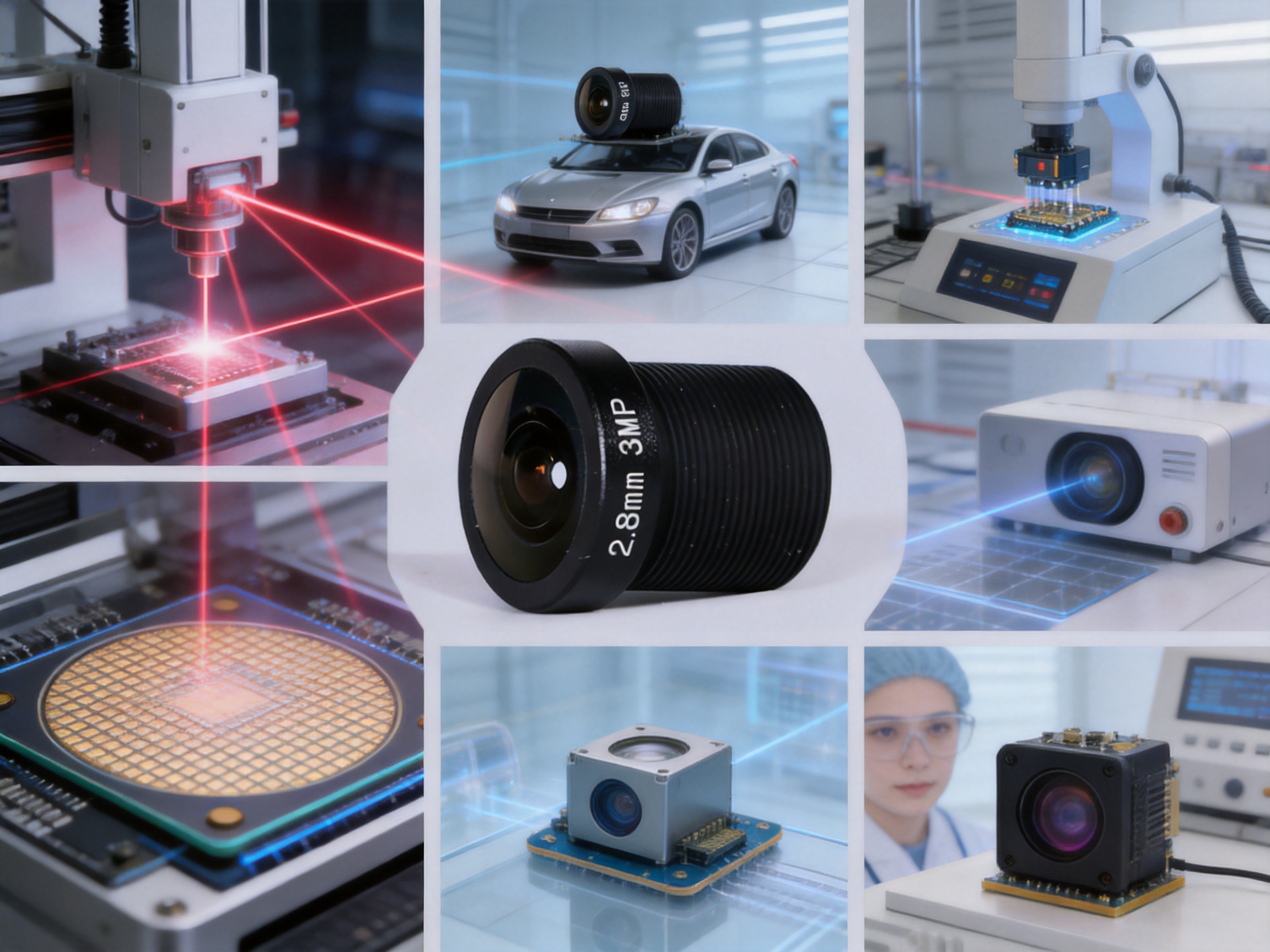
Custom optical lenses can be designed and manufactured according to specific customer requirements. Important customization factors include material, diameter, radius, focal length, center thickness, edge thickness, surface quality, coating type, operating wavelength, clear aperture, centering tolerance, chamfer, packaging method, and inspection report format. In some cases, customers may also require special geometry, bonding, assembly, or integration with other optical components.
Customization is particularly important when the lens must fit into an existing optical module. A small mechanical difference can affect assembly, while a small optical difference can affect performance. Therefore, the supplier must understand both optical specifications and practical manufacturing limitations. Communication between the customer and manufacturer helps ensure that the final lens meets functional requirements.
Changzhou Haolilai Photo-Electricity Scientific and Technical Co., Ltd. supports various precision optical components, which allows customers to source related parts from one experienced supplier. For systems that require lenses, mirrors, prisms, wafers, or automotive glass structural components, this broader capability can simplify purchasing and improve component compatibility.
How to Select the Right Optical Lens
Selecting the right optical lens begins with defining the application. Engineers should identify whether the lens will be used for imaging, focusing, collimation, beam expansion, sensing, illumination, or measurement. They should also define the wavelength range, optical power, field of view, working distance, environmental conditions, and mechanical constraints.
Next, the material must be selected. Important parameters include refractive index, dispersion, transmission range, thermal expansion, density, hardness, and chemical resistance. For laser applications, absorption and damage threshold are important. For automotive applications, environmental durability is critical. For semiconductor applications, cleanliness and stability are essential.
The lens geometry must then be determined. Radius, diameter, thickness, and shape all influence focal length and aberration. Tolerances must be chosen carefully. Overly tight tolerances can increase cost and production time, while overly loose tolerances can reduce system performance. A good supplier can help evaluate which tolerances are functionally important.
Finally, coating and inspection requirements should be specified. The coating should match the operating wavelength and angle of incidence. Inspection standards should be clear, including surface quality, dimensional tolerance, wavefront requirement, coating transmission, and packaging cleanliness. Clear specifications reduce misunderstanding and improve production success.
Supply Chain Benefits for Global Buyers
Global buyers need suppliers that can deliver quality, communication, documentation, and reliable logistics. Precision optics are often used in complex assemblies, so delays or inconsistencies can affect entire production schedules. A supplier with export experience, production scale, and structured management can better support international customers.
The company exports to more than 20 countries and has experience serving customers across different industrial sectors. This background helps it understand varied customer expectations, documentation requirements, packaging standards, and communication needs. International cooperation also encourages continuous improvement because global customers often bring strict technical and quality standards.
For wholesale buyers, optical system manufacturers, and equipment companies, sourcing from a manufacturer with broad capability can reduce supplier fragmentation. When lenses, mirrors, prisms, wafers, and other optical components can be produced by a single qualified supplier, procurement may become simpler and technical communication more efficient.
Frequently Asked Questions
What is the main function of an optical lens?
An optical lens controls light by refracting it. It may focus, collimate, expand, relay, or shape light depending on its geometry, material, and coating. In optical systems, the lens often determines image clarity, beam quality, transmission efficiency, and system stability.
Why is surface quality important for optical lenses?
Surface quality affects scatter, transmission, contrast, and laser durability. Scratches, digs, pits, or contamination can reduce optical efficiency and may cause failure in high-power laser applications. High-quality polishing and inspection help ensure stable performance.
What makes a precision optical lens different from a standard low-cost lens?
A precision optical lens is manufactured with tighter control over curvature, thickness, centering, wavefront, surface quality, coating, and cleanliness. It is designed for reliable performance in demanding applications, while low-cost lenses may have greater variation and limited documentation.
Which industries use precision optical lenses?
Precision optical lenses are used in laser systems, automotive optics, semiconductor inspection, machine vision, medical instruments, scientific equipment, consumer electronics, sensing modules, and imaging systems.
Why does coating matter?
Coating improves the optical function of a lens. Anti-reflective coatings increase transmission and reduce ghost images. Specialized coatings can support specific wavelength bands, laser durability, or environmental resistance. A properly designed coating can significantly improve system performance.
How should customers choose lens material?
Material should be selected according to wavelength range, refractive index, dispersion, thermal behavior, mechanical strength, chemical resistance, and application environment. Laser, automotive, semiconductor, and consumer applications may require different materials.
Can optical lenses be customized?
Yes. Customization may include diameter, focal length, radius, center thickness, edge shape, coating, surface quality, centering tolerance, material, and packaging. Custom lenses are useful when standard catalog parts cannot meet system requirements.
Why are certifications such as ISO9001 and IATF16949 important?
These certifications indicate structured quality management, process control, traceability, corrective action, and continuous improvement. IATF16949 is especially valuable for automotive-related optical components because it focuses on defect prevention and supply chain reliability.
What information should a buyer provide when requesting an optical lens quotation?
A buyer should provide drawings or specifications, material requirements, diameter, thickness, radius or focal length, surface quality, coating requirements, operating wavelength, quantity, environmental conditions, and inspection standards. More complete information helps the manufacturer provide accurate technical and commercial feedback.
Why choose a manufacturer with experience in multiple optical fields?
A manufacturer experienced in laser, automotive, semiconductor, and consumer optics can apply knowledge across industries. This helps with material selection, coating design, cleanliness control, mass production, and reliability improvement.
Conclusion
Optical lenses are essential components in advanced optical systems, and their true value depends on much more than shape. A high-performance lens requires accurate material selection, precise grinding, controlled polishing, reliable centering, advanced coating, strict cleaning, careful inspection, and protective packaging. When these processes are managed well, the lens can improve image quality, beam stability, system efficiency, assembly yield, and long-term reliability.
Changzhou Haolilai Photo-Electricity Scientific and Technical Co., Ltd. brings more than two decades of optical manufacturing experience, a large production base, a skilled technical team, certified quality systems, engineering research platforms, and experience across laser optics, automotive optics, semiconductor optics, and consumer optics. These strengths allow the company to provide optical lenses that compete not only on price but also on precision, repeatability, customization, and dependable industrial value.
For customers seeking wholesale optical components or custom precision optical lenses, the most important decision is to choose a supplier capable of supporting both technical requirements and long-term production needs. A well-manufactured optical lens can reduce downstream risk, improve system performance, and support innovation across many high-growth industries. In an era where optical technology is central to automation, sensing, mobility, manufacturing, and intelligent devices, precision optical lenses remain a foundation for progress.
References
Hecht, Eugene. Optics. Pearson Education.
Smith, Warren J. Modern Optical Engineering. McGraw-Hill Education.
Malacara, Daniel. Optical Shop Testing. Wiley.
ISO 9001:2015 Quality Management Systems Requirements. International Organization for Standardization.
ISO 14001:2015 Environmental Management Systems Requirements. International Organization for Standardization.
IATF 16949 Automotive Quality Management System Standard. International Automotive Task Force.
Schott AG. Optical Glass Technical Information and Material Properties.
MacLeod, H. Angus. Thin-Film Optical Filters. CRC Press.


 苏公网安备32041102000130号