
 Search
 en
en English
 日本語
日本語 русский
 Español
 Deutsch
 中文简体
中文简体Content
- 1 Understanding the Optical Spherical Mirror
- 2 Core Advantages of a Precision Optical Spherical Mirror
- 3 Advantages Over Common Competitor Products
- 4 Company Manufacturing Strengths Behind the Product
- 5 Material Selection for Optical Spherical Mirrors
- 6 Precision Grinding and Curve Generation
- 7 Optical Polishing for Low Scatter and High Surface Quality
- 8 Cleaning and Surface Preparation Before Coating
- 9 Reflective Coating Technologies
- 10 Inspection and Quality Control
- 11 Typical Specification Considerations
- 12 Applications in Laser Optics
- 13 Applications in Automotive Optics
- 14 Applications in Semiconductor Optics
- 15 Applications in Consumer and Industrial Optics
- 16 Design Support and Custom Manufacturing
- 17 Why Advanced Manufacturing Processes Matter
- 18 Packaging, Handling, and Delivery Considerations
- 19 Economic Value for Wholesale Customers
- 20 How to Select the Right Optical Spherical Mirror
- 21 Q&A Section
- 21.1 What is an optical spherical mirror?
- 21.2 How is a spherical mirror different from a flat mirror?
- 21.3 Why choose a mirror instead of a lens?
- 21.4 What applications use optical spherical mirrors?
- 21.5 What factors influence mirror quality?
- 21.6 Can the optical spherical mirror be customized?
- 21.7 Why is coating selection important?
- 21.8 What advantages does the manufacturer provide?
- 21.9 Why is IATF16949 important for optical components?
- 21.10 How should customers request a quotation?
- 22 Conclusion
- 23 References
- 24 Product: Optical Spherical Mirror
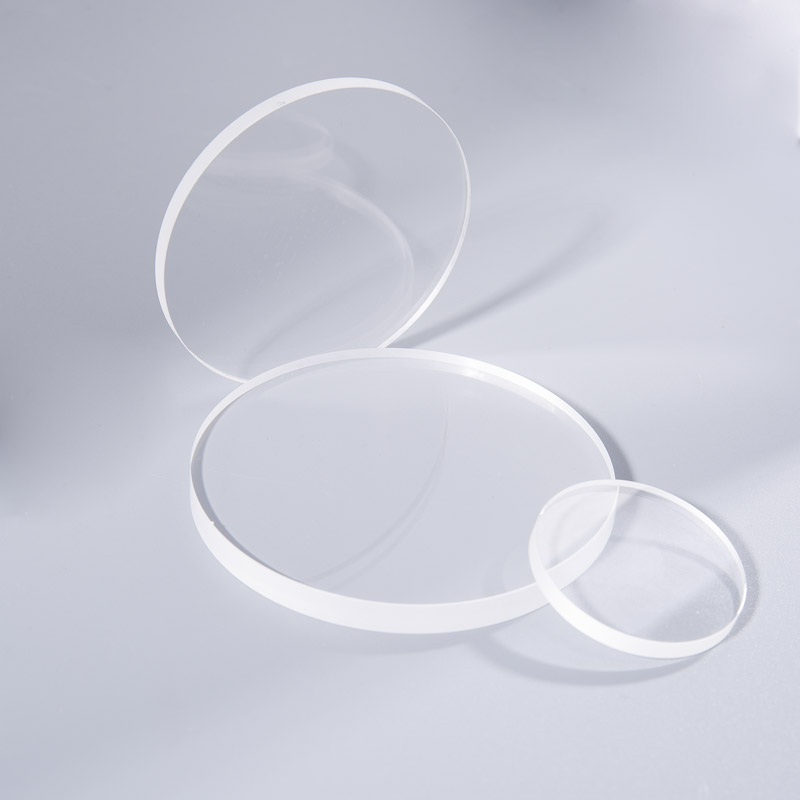
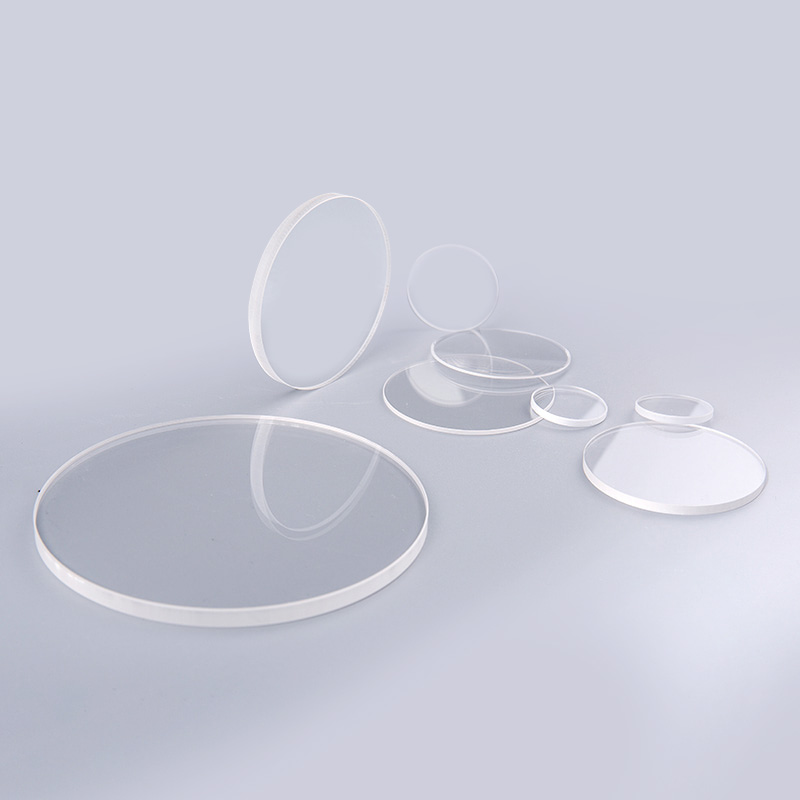
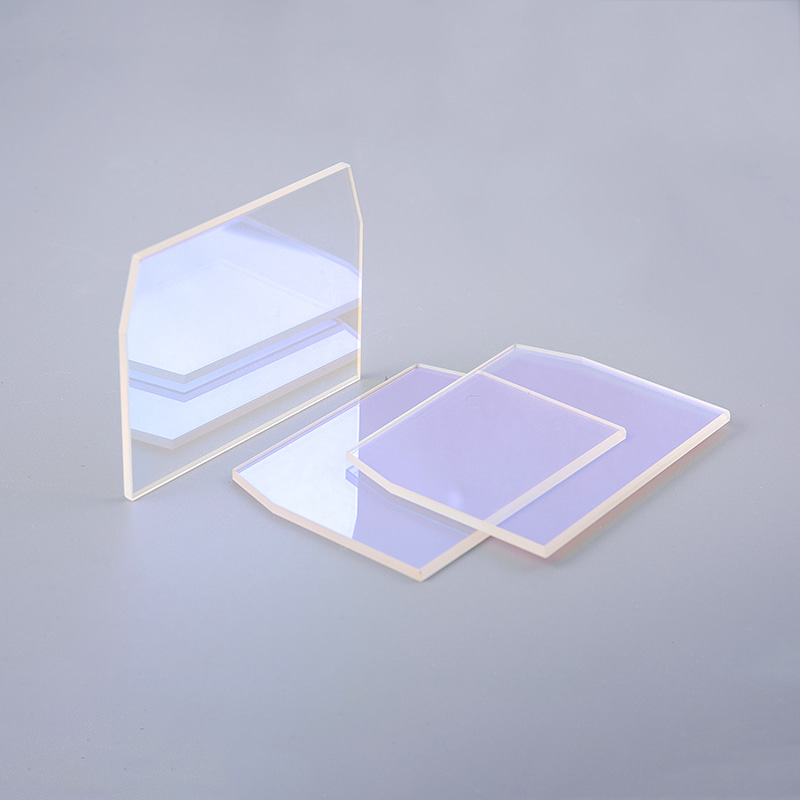
Optical spherical mirrors are essential reflective components used to focus, collimate, redirect, or shape light in demanding optical systems. Unlike ordinary reflective glass parts, a precision optical spherical mirror is engineered with controlled curvature, accurate surface figure, stable substrate properties, and carefully selected reflective coatings. It may be used in laser instruments, imaging assemblies, semiconductor equipment, automotive optical modules, inspection systems, laboratory devices, and many other applications where light must be managed with repeatable accuracy.
The product discussed here is an optical spherical mirror manufactured for professional optical use. It belongs to the category of precision optical components and is designed for systems that require dependable reflection, stable geometry, and controlled optical performance. The component can support applications in laser optics, automotive optics, semiconductor optics, and consumer optical products, depending on the chosen substrate, radius of curvature, surface accuracy, coating, size, and mounting requirements.
Changzhou Haolilai Photo-Electricity Scientific and Technical Co., Ltd. is a China-based manufacturer of precision optical components. Founded in 1998 and located in Changzhou, Jiangsu, China, the company has developed a strong production foundation for optical mirrors, prisms, lenses, wafers, flat mirrors, and structural glass components. Its technical background, engineering centers, quality certifications, and manufacturing experience help support the production of optical spherical mirrors for wholesale and customized requirements.
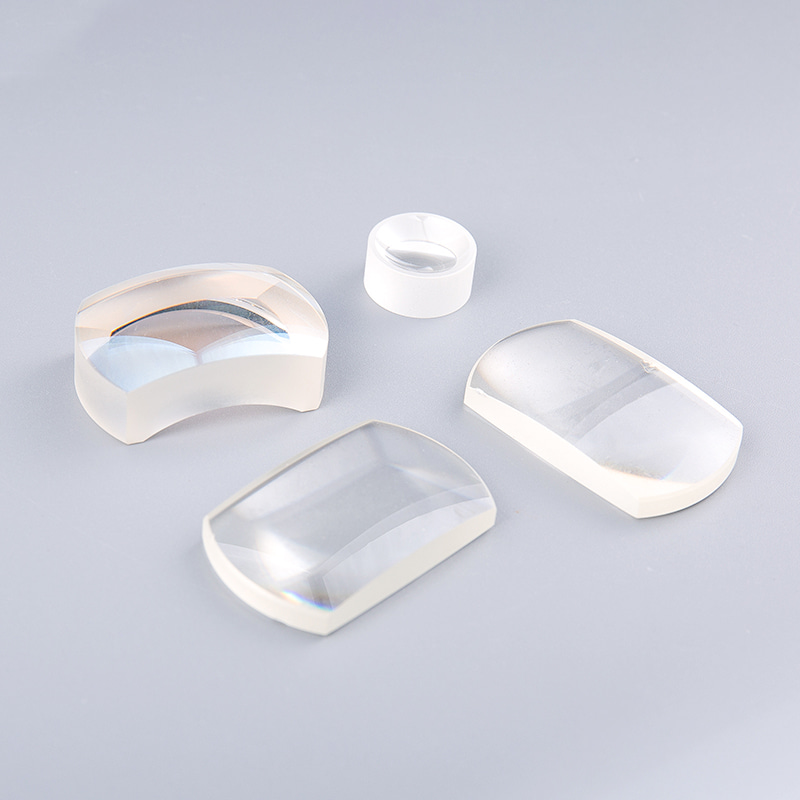
Understanding the Optical Spherical Mirror
An optical spherical mirror is a mirror whose reflective surface is a section of a sphere. The mirror may be concave or convex. A concave spherical mirror can converge incident light toward a focal point, while a convex spherical mirror can diverge light and expand a field of view. In optical instruments, the spherical shape provides a predictable relationship between incident rays and reflected rays, making it a practical solution for many optical designs.
Compared with flat mirrors, spherical mirrors do more than simply redirect a beam. They can introduce optical power, meaning they can focus or diverge light. Compared with lenses, spherical mirrors reflect light instead of transmitting it, so they can reduce chromatic effects in certain systems because reflection is not affected by wavelength in the same way as refraction. This makes them valuable in broadband systems, infrared systems, ultraviolet systems, laser assemblies, and applications where transmission through a lens material may create unwanted absorption or dispersion.
The performance of a spherical mirror depends on several interrelated factors. The most important parameters include diameter, thickness, radius of curvature, focal length, surface figure, surface quality, parallelism, centering, coating reflectivity, coating durability, edge quality, and environmental resistance. For a high-quality optical spherical mirror, each of these parameters must be controlled during material selection, grinding, polishing, cleaning, coating, inspection, and packaging.
The optical spherical mirror offered by a professional optical component manufacturer can be customized according to application requirements. For example, a laser system may need a mirror with high damage threshold coating and low scatter. An automotive optical module may require a compact mirror with stable shape under changing temperature and vibration. A semiconductor inspection system may require a mirror with extremely low surface defect levels and stable reflective performance. A consumer optical product may require cost-effective volume production while maintaining dependable optical characteristics.
Core Advantages of a Precision Optical Spherical Mirror
The first major advantage of a precision optical spherical mirror is its ability to provide controlled focusing or beam expansion without introducing material transmission errors. Since the light is reflected from the coated surface, the mirror does not rely on light passing through a thick transparent optical medium. This can help reduce chromatic aberration, especially when the system operates over a wide wavelength range.
The second advantage is flexibility in coating design. A spherical mirror can be coated with aluminum, silver, gold, dielectric, protected metal, enhanced metal, or specialized multilayer coatings depending on the intended wavelength and environment. This allows the same basic mirror geometry to be adapted for visible, near-infrared, ultraviolet, or broadband use. For laser systems, coating design may be optimized for a narrow wavelength with high reflectivity and strong laser resistance. For imaging systems, the coating may prioritize broadband reflectance and color neutrality.
The third advantage is compact optical design. Because a spherical mirror can focus or diverge light while folding the optical path, it can reduce system length and help designers create smaller instruments. This is especially useful in automotive interiors, compact sensors, medical devices, optical scanners, and portable inspection equipment.
The fourth advantage is durability when manufactured correctly. A well-made optical spherical mirror uses a stable substrate and a robust coating. When the surface is properly polished and cleaned before coating, adhesion and environmental reliability can improve significantly. This is important for products exposed to humidity, thermal cycling, mechanical mounting stress, or long operating periods.
The fifth advantage is repeatability in high-volume and custom production. In professional optical manufacturing, spherical surfaces are well understood and can be produced using established grinding and polishing processes. This makes spherical mirrors more scalable than many complex freeform or aspheric parts while still delivering strong optical performance.
Advantages Over Common Competitor Products
In the optical component market, spherical mirrors are available from many suppliers, but the quality difference can be substantial. A mirror may appear simple from the outside, yet small differences in surface figure, polishing quality, coating uniformity, and inspection discipline can lead to major differences in system performance. The optical spherical mirror produced by an experienced precision manufacturer has several advantages over ordinary competitor products.
One advantage is stronger process control. Lower-grade suppliers may focus mainly on appearance and basic dimensions, while advanced optical manufacturers manage the full optical chain from substrate preparation to final metrology. For spherical mirrors, this means the radius of curvature must be produced consistently, the surface figure must remain within specification, and the coating must not distort the surface beyond acceptable limits.
Another advantage is better surface quality. Surface defects such as scratches, digs, pits, stains, coating pinholes, and polishing marks may increase scatter and reduce contrast. In laser applications, defects can also become damage initiation points. A manufacturer with mature polishing, cleaning, and inspection processes can reduce these defects and provide more reliable optical surfaces.
A further advantage is coating expertise. Some low-cost mirrors use simple metal coatings with limited environmental protection. These may degrade when exposed to humidity, fingerprints, cleaning processes, or temperature changes. A more advanced manufacturer can select protected or enhanced coatings and use controlled vacuum deposition processes to improve reflectivity, adhesion, and durability.
Dimensional consistency is also a key advantage. Optical mirrors are often mounted into mechanical assemblies where thickness, diameter, chamfer, bevel, wedge, and centration affect assembly yield. If a competitor’s mirror varies significantly from batch to batch, the customer may face higher adjustment costs, lower product yield, and more incoming inspection work. A precision optical component factory with disciplined production control can help reduce these risks.
Technical communication is another differentiator. Many optical projects require more than simply purchasing a catalog mirror. The customer may need support with material selection, coating choice, tolerance balancing, production feasibility, cost optimization, and mass production planning. An experienced supplier with engineering resources can work from drawings, samples, or application requirements and convert them into manufacturable optical specifications.
Finally, certification and quality management provide practical value. Changzhou Haolilai Photo-Electricity Scientific and Technical Co., Ltd. has obtained ISO9001:2015, ISO14001:2015, and IATF16949 certifications. These certifications indicate attention to quality systems, environmental management, and automotive industry quality requirements. For customers in regulated or high-reliability industries, this background can be more important than a small difference in unit price.
Company Manufacturing Strengths Behind the Product
Changzhou Haolilai Photo-Electricity Scientific and Technical Co., Ltd., also known as HLL, was founded in 1998. With decades of development in precision optical components, the company has built a production base covering approximately 35,000 square meters. It has more than 300 employees and exports to more than 20 countries. This scale gives the company the ability to support both specialized optical component development and stable wholesale supply.
The company’s product range includes optical flat mirrors, optical spherical mirrors, optical prisms, optical lenses, wafers, automotive interior glass structural components, and other precision optical parts. This broad manufacturing foundation is valuable because the production of spherical mirrors often requires knowledge shared across multiple optical product categories. For example, polishing expertise from lens production, coating experience from flat mirror production, and dimensional control from prism manufacturing can all improve the final mirror product.
HLL has also established the Jiangsu Precision Optical Lens Engineering Technology Center and Jiangsu Enterprise Technology Research Center. These technical platforms support research, process improvement, new product development, and the practical transformation of optical design requirements into manufacturable products. The company has obtained multiple invention patents, utility model patents, and Jiangsu high and new technology products, which demonstrates ongoing development capability rather than only standard production capacity.
As a high-tech enterprise in Jiangsu Province, the company focuses on laser optics, automotive optics, semiconductor optics, and consumer optics. These markets require different technical strengths. Laser optics require low absorption, high surface quality, and durable coatings. Automotive optics require stable quality, strong process management, and reliable supply. Semiconductor optics require cleanliness, precision, and strict inspection. Consumer optics require cost control, repeatability, and efficient production. The ability to serve these sectors helps strengthen the manufacturing system behind each optical spherical mirror.
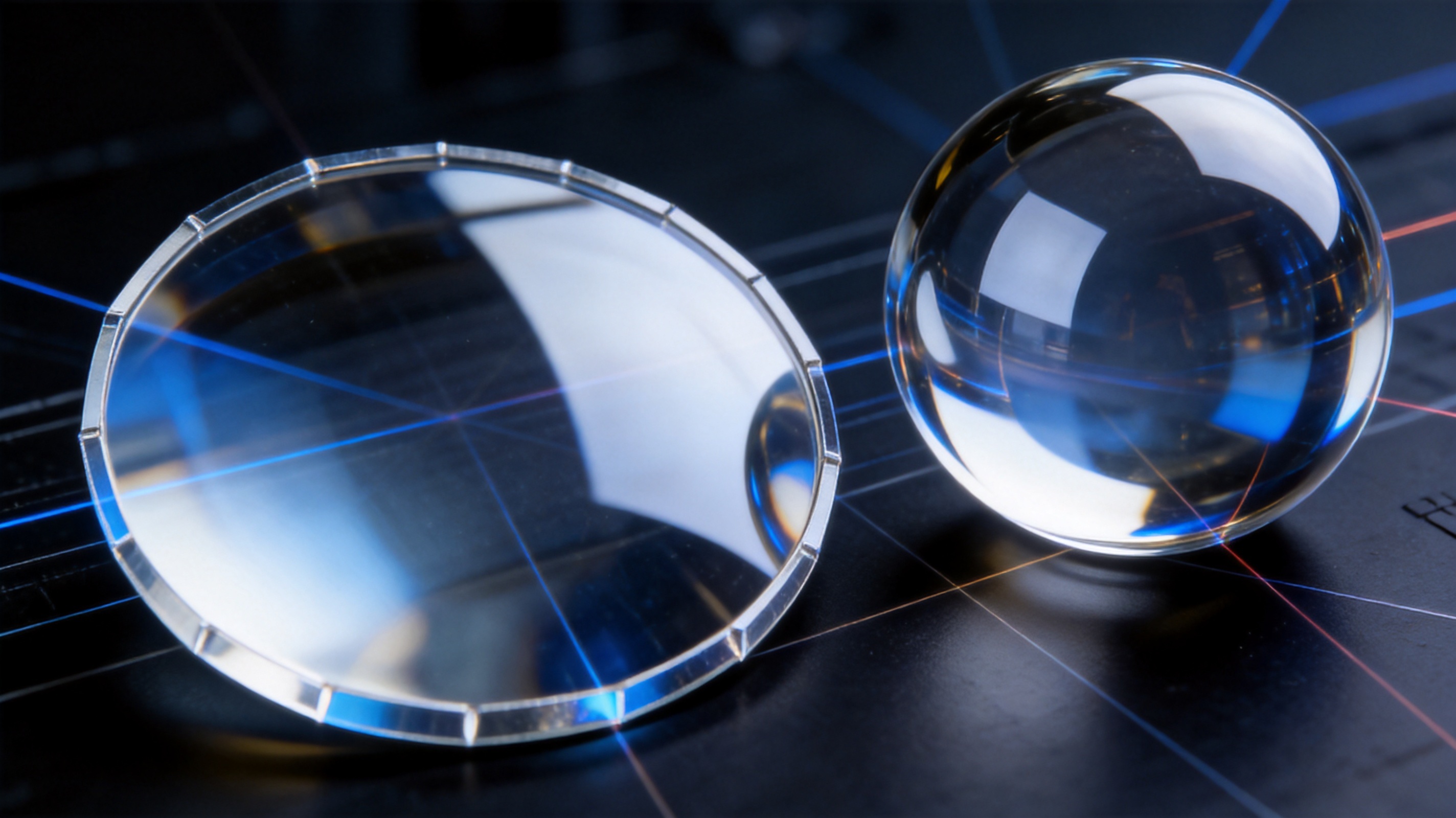
Material Selection for Optical Spherical Mirrors
The substrate of a spherical mirror is the foundation of its performance. A mirror may use optical glass, fused silica, borosilicate glass, low-expansion glass, or other materials depending on the application. The substrate must be selected according to thermal expansion, mechanical stability, surface polishability, chemical resistance, and cost requirements.
Optical glass is widely used because it can be processed with high precision and offers stable properties for many visible and near-infrared applications. Fused silica can be chosen for ultraviolet applications, high thermal stability, or high laser performance. Low-expansion materials may be used when the mirror must maintain its radius of curvature and surface figure under temperature variation. For automotive or industrial applications, material selection may also consider shock resistance, weight, and compatibility with mounting adhesives or mechanical holders.
A professional manufacturer evaluates the material before production. Internal defects, bubbles, inclusions, striae, stress, and surface chips can affect optical performance. If a substrate contains hidden defects, later polishing and coating cannot fully correct the problem. Therefore, careful incoming material control is one of the earliest advantages in producing a reliable optical spherical mirror.
Material preparation may include cutting, slicing, edging, beveling, and generating the approximate spherical shape. Each step must avoid introducing excessive subsurface damage. Subsurface damage is microscopic cracking beneath the surface caused by aggressive grinding or improper handling. If not removed during polishing, it can reduce strength, increase scatter, and create coating defects. Advanced process control balances productivity with the need for a clean, stable optical surface.
Precision Grinding and Curve Generation
The spherical surface begins with curve generation. In this stage, the substrate is shaped to approach the desired radius of curvature. The accuracy of this stage influences later polishing efficiency and final figure control. If the generated curve deviates too much from the specification, excessive polishing may be required, increasing cost and risk.
Precision grinding uses controlled abrasive tools to remove material while maintaining the intended spherical geometry. The process must control pressure, tool condition, abrasive size, coolant flow, spindle accuracy, and workpiece holding. For concave and convex mirrors, the tooling strategy differs, but the objective remains the same: produce a stable surface ready for fine grinding and polishing.
Fine grinding reduces roughness and removes deeper damage from earlier grinding. Abrasive sizes are progressively reduced. At this stage, the mirror begins to approach optical form, but the surface is still not ready for coating. The remaining roughness must be removed through polishing to create a specular reflective base.
A key competitive advantage is the ability to maintain radius consistency across batches. In volume production, a single acceptable prototype is not enough. Every mirror must meet the drawing requirements. Skilled operators, stable equipment, and documented process parameters help ensure that the curvature remains consistent from part to part.
Optical Polishing for Low Scatter and High Surface Quality
Polishing is one of the most important steps in spherical mirror production. A mirror’s reflective coating can only perform well if the underlying surface is smooth and clean. Polishing removes fine grinding marks and produces the optical-quality surface needed for low scatter and high image quality.
During polishing, the manufacturer must control the polishing pad, slurry composition, polishing pressure, rotation speed, dwell time, temperature, and cleaning intervals. Too little polishing leaves residual roughness and damage. Too much polishing can change the radius or introduce surface figure errors. The best results require a balance between material removal, geometry control, and surface finish.
For high-performance optical spherical mirrors, polishing must also manage zonal errors. Zonal errors are localized deviations in the surface profile that can distort wavefront quality. In imaging or laser focusing applications, these errors may cause blurred focus, uneven intensity, or alignment difficulty. Proper tooling and inspection help detect and correct these issues.
Low scatter is especially important in laser and inspection systems. Scatter reduces beam quality and can send stray light into unwanted parts of an instrument. In high-sensitivity imaging, stray light reduces contrast. A carefully polished spherical mirror helps preserve optical efficiency and system signal quality.
Cleaning and Surface Preparation Before Coating
After polishing, cleaning becomes critical. Even a perfectly polished surface can fail if it is contaminated before coating. Particles, polishing compound residue, oil, fingerprints, moisture, or chemical films may reduce coating adhesion and create visible defects.
Professional cleaning generally uses a sequence of washing, rinsing, ultrasonic cleaning, chemical cleaning, deionized water rinsing, and drying. The exact process depends on substrate material and coating requirements. Clean handling is essential. Operators must use proper gloves, tools, and storage containers to prevent recontamination.
Surface preparation may also include inspection under controlled lighting. Defects that are difficult to see under ordinary illumination can become obvious under inspection lamps or microscopes. This stage helps prevent defective substrates from entering the coating chamber, saving time and improving final yield.
Advanced manufacturers understand that coating quality begins before the coating process itself. The vacuum chamber cannot compensate for poor cleaning. A stable pre-coating cleaning process is therefore a major advantage over lower-cost suppliers that may treat cleaning as a secondary step.
Reflective Coating Technologies
The coating determines the mirror’s reflective performance. A spherical mirror may use metal coatings, dielectric coatings, or hybrid coating designs. The selection depends on wavelength range, required reflectivity, environmental conditions, durability, cleaning method, and budget.
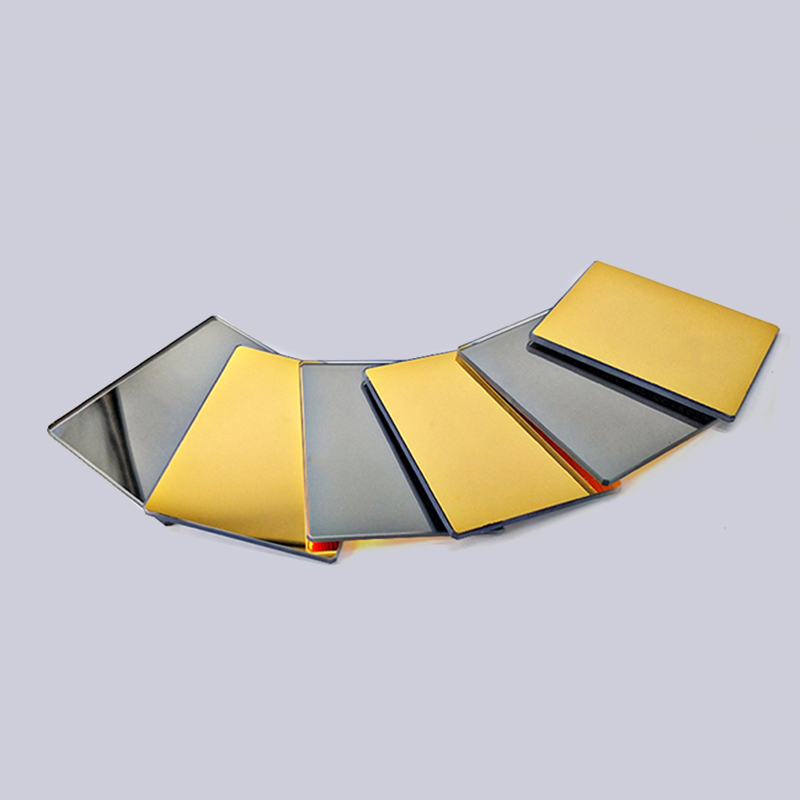
Aluminum coatings are commonly used for visible and ultraviolet applications. Protected aluminum includes a protective layer that improves durability. Enhanced aluminum can increase reflectivity over selected wavelength bands. Silver coatings provide high reflectivity in the visible and near-infrared regions but often require protective layers to prevent tarnishing. Gold coatings are frequently used in infrared applications because of their strong infrared reflectance.
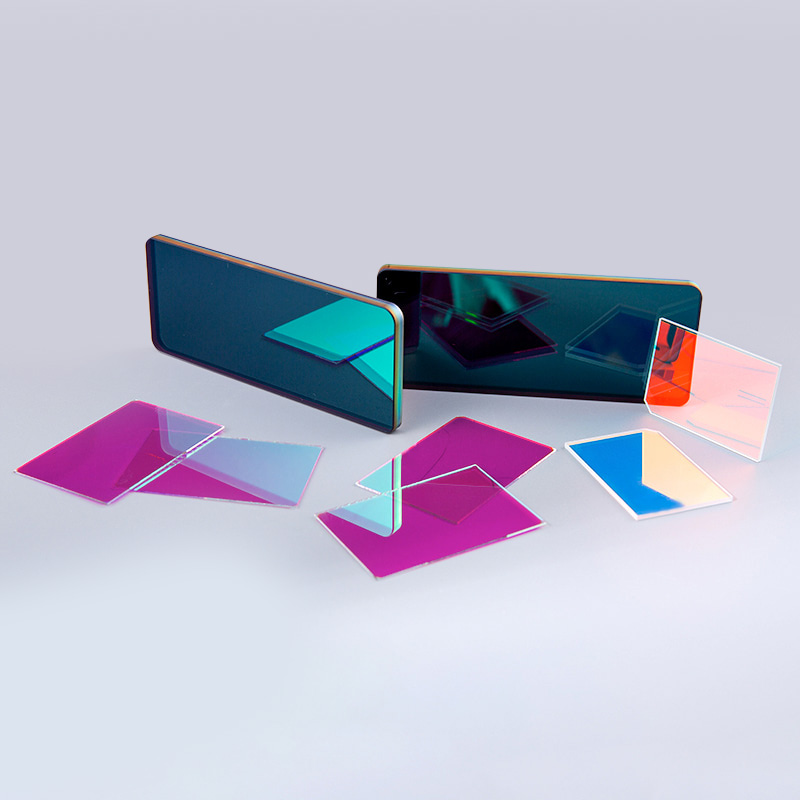
Dielectric coatings can provide very high reflectivity at selected wavelengths or bands. They are often used in laser mirrors where reflectivity and damage threshold are critical. However, dielectric coatings are more angle-sensitive and wavelength-specific than many metal coatings. Therefore, they must be carefully designed according to the optical system’s angle of incidence and operating wavelength.
Coating uniformity is especially important for spherical surfaces. Because the curved surface geometry affects vapor deposition distribution, the coating process must be designed to maintain consistent thickness and reflectivity across the mirror. Poor coating uniformity may lead to nonuniform reflectance, phase errors, or spectral variation. Skilled coating engineers can adjust fixture design, rotation, deposition rate, and chamber conditions to improve uniformity.
Coating adhesion and durability are also important. Mirrors may be exposed to cleaning, humidity, temperature cycling, and mechanical handling. A coating that performs well at first but degrades quickly creates long-term system risk. Professional coating processes include cleaning, vacuum control, deposition parameter monitoring, and post-coating inspection to improve reliability.
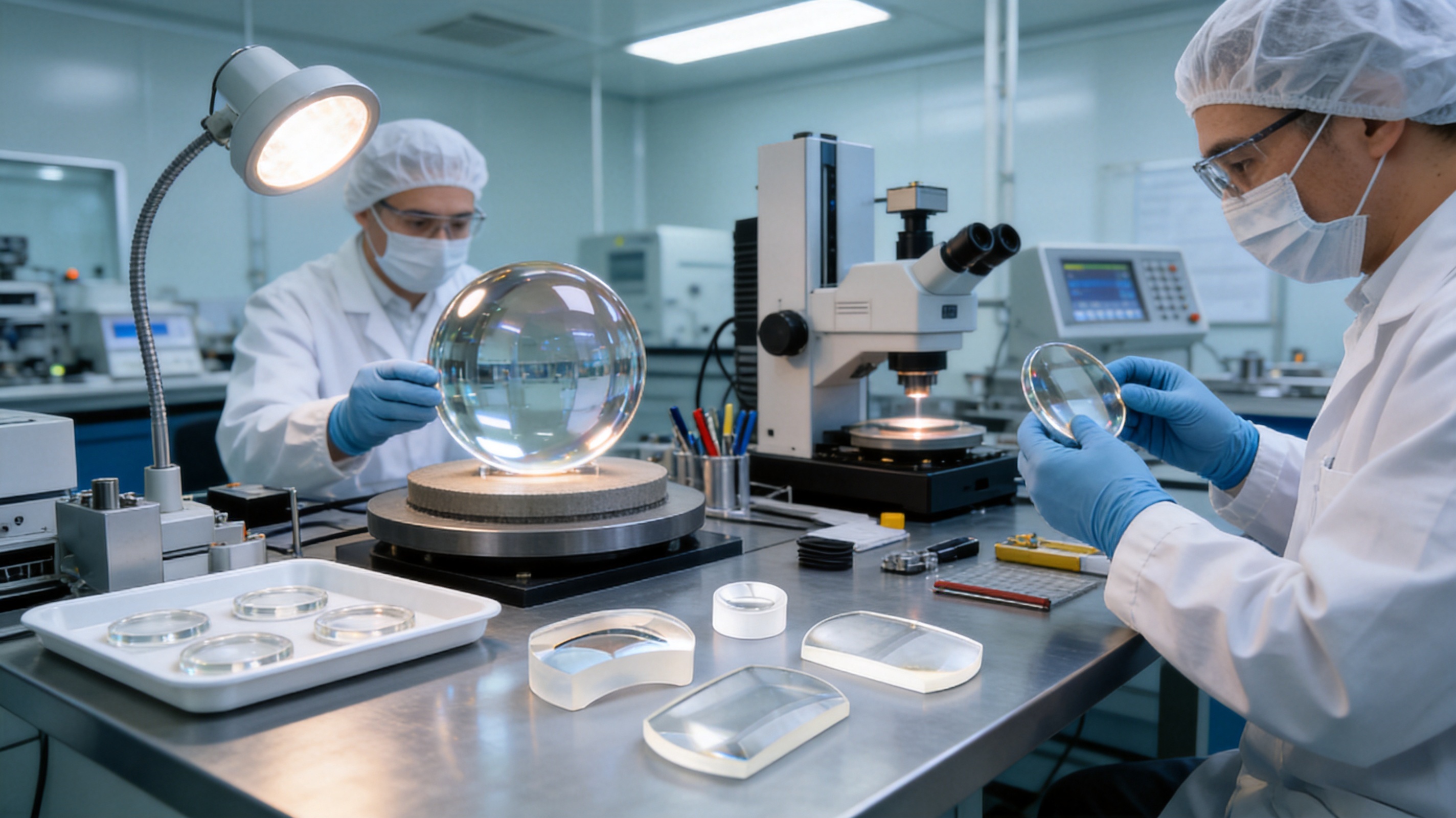
Inspection and Quality Control
Inspection transforms manufacturing skill into measurable assurance. For an optical spherical mirror, quality control may include dimensional inspection, radius measurement, surface figure testing, surface quality inspection, coating reflectivity measurement, adhesion testing, environmental testing, and cosmetic inspection.
Dimensional inspection confirms diameter, thickness, edge shape, bevel, and other mechanical features. These values affect assembly compatibility. Radius measurement confirms the optical power of the spherical surface. Surface figure testing evaluates how closely the polished surface matches the specified spherical form. Surface quality inspection identifies scratches, digs, pits, stains, and coating defects.
Reflectivity measurement verifies coating performance at the required wavelength or wavelength range. For specialized applications, testing may include polarization behavior, angle performance, or spectral response. Adhesion testing checks whether the coating bonds properly to the substrate. Environmental testing may evaluate humidity resistance, thermal cycling, or other reliability factors depending on the product requirement.
The value of ISO9001:2015 certification lies partly in systematic quality management. A documented quality system helps ensure that inspection is not random or dependent only on individual experience. Instead, requirements, procedures, records, corrective actions, and continuous improvement are built into the production process. For automotive-related products, IATF16949 certification adds another level of quality discipline relevant to high-volume, high-reliability manufacturing.
Typical Specification Considerations
Because optical spherical mirrors can be customized, specifications should be selected according to application needs rather than copied from a generic catalog. Overly loose specifications may reduce performance, while unnecessarily tight specifications may increase cost and lead time. A capable manufacturer can help customers choose balanced tolerances.
| Specification Area | Why It Matters | Typical Customer Consideration |
|---|---|---|
| Mirror Type | Determines whether the mirror converges or diverges light | Concave for focusing, convex for field expansion or beam divergence |
| Substrate Material | Controls thermal stability, polishability, and environmental performance | Optical glass, fused silica, borosilicate glass, or low-expansion material |
| Radius of Curvature | Defines focal behavior and optical power | Selected according to system layout and target focal length |
| Surface Figure | Influences wavefront quality and focusing accuracy | Higher precision for imaging, laser, and inspection systems |
| Surface Quality | Affects scatter, contrast, and laser durability | Lower scratch-dig values for high-performance applications |
| Coating Type | Determines reflectivity, wavelength range, and durability | Metal, protected metal, enhanced metal, or dielectric coating |
| Clear Aperture | Defines usable optical area | Must match beam diameter and mechanical mounting method |
| Edge and Bevel | Improves handling safety and assembly fit | Specified according to holder design and production requirements |
| Inspection Standard | Ensures delivered parts match the customer’s optical needs | Defined by drawings, samples, or negotiated optical criteria |
This table shows that a spherical mirror is not a one-parameter product. Good performance comes from the correct combination of optical design, material, manufacturing process, coating, and inspection. The best supplier is not always the one offering the lowest initial price, but the one that can deliver the required optical function consistently.
Applications in Laser Optics
Laser systems place strict demands on optical mirrors. A laser beam can be highly intense, coherent, and sensitive to surface defects. If the mirror surface is rough, contaminated, or poorly coated, it can scatter light, absorb energy, heat up, distort, or become damaged. A precision optical spherical mirror for laser use must therefore be polished carefully, cleaned thoroughly, and coated appropriately.
Concave spherical mirrors can be used in laser resonators, beam expanders, focusing assemblies, and optical test systems. They can help focus energy, shape beam paths, or redirect beams in compact designs. Convex spherical mirrors can be used to expand beams or create virtual optical effects. In both cases, surface figure and coating quality directly influence beam quality.
One advantage of reflective focusing in laser systems is reduced chromatic sensitivity. Although many lasers operate at a single wavelength, some systems use tunable or multiple wavelengths. A reflective optical element can maintain focusing behavior across a broader spectral range than a refractive lens system of similar complexity. This can simplify optical design in certain instruments.
For laser mirrors, coating absorption must be minimized. Even small absorption can create thermal effects when laser power is high. Thermal expansion can change the surface figure, shifting focus or distorting the beam. Therefore, coating design, substrate selection, and polishing quality work together to support stable performance.
Applications in Automotive Optics
Automotive optical systems require high reliability, stable supply, and consistent performance. Optical components may be used in displays, sensors, interior lighting, driver assistance systems, projection modules, and other vehicle-related assemblies. A spherical mirror can help shape, fold, or expand light in compact spaces where mechanical packaging is limited.
Automotive applications often require more than optical performance alone. They demand process discipline, traceability, quality planning, environmental reliability, and the ability to support production volumes. The IATF16949 certification held by the manufacturer is especially relevant here because it reflects quality management practices aligned with automotive supply chain expectations.
Temperature variation is a major automotive concern. A vehicle interior or optical module may experience heat, cold, humidity, vibration, and long operating life. The mirror substrate, coating, and mounting method must be chosen to reduce deformation, delamination, or optical drift. A manufacturer experienced in automotive optics can help design parts that meet these practical requirements.
Another automotive advantage is the company’s experience with automotive interior glass structural components. This experience can support knowledge of glass processing, appearance control, mechanical integration, and mass production quality. When combined with precision optical manufacturing, it provides a useful foundation for optical spherical mirror applications in vehicle systems.
Applications in Semiconductor Optics
Semiconductor equipment often depends on highly precise optical systems for inspection, alignment, lithography support, measurement, and process monitoring. In these applications, optical spherical mirrors may be used to direct or focus light in systems where accuracy, cleanliness, and stability are essential.
Semiconductor optics usually require strict contamination control. Particles, residues, or coating defects can affect instrument performance. A mirror used in such equipment must be manufactured and packaged with careful attention to cleanliness. Surface defects and scatter may reduce measurement sensitivity or create false signals.
The reflective nature of spherical mirrors can be valuable in semiconductor optical systems where wavelength flexibility is needed. Some inspection systems use ultraviolet, visible, or infrared light, and mirror coatings can be designed accordingly. The ability to support different coating strategies allows the component to fit a wide range of equipment designs.
Precision and repeatability are also important because semiconductor tools are often built to exacting standards. If an optical mirror varies from one batch to another, the tool manufacturer may need to adjust alignment procedures or redesign mounts. A supplier with strong metrology and process control helps reduce this risk.
Applications in Consumer and Industrial Optics
In consumer optics, spherical mirrors may be used in projection products, optical sensors, imaging devices, scanning modules, entertainment equipment, and display-related components. These markets often require a balance between performance, cost, and production capacity. A mirror must be good enough to support the user experience while also being manufacturable at scale.
Industrial optical systems may include measurement instruments, barcode or machine vision systems, alignment tools, laboratory devices, and automation equipment. In these environments, mirrors must tolerate repeated use and maintain optical alignment. A precision spherical mirror can help improve measurement stability, reduce stray light, and support compact system architecture.
For industrial customers, the ability to customize is often valuable. Standard components may not match the exact mechanical envelope or optical path. A manufacturer with broad optical component capabilities can provide custom diameter, thickness, radius, coating, edge treatment, and inspection criteria. This helps equipment designers optimize both performance and assembly efficiency.
Design Support and Custom Manufacturing
Many optical projects begin with a problem rather than a finished drawing. A customer may know the desired beam size, focal distance, wavelength, and mechanical space but may not know the ideal mirror radius, substrate, or coating. In such cases, technical communication with the manufacturer is important.
A professional optical component factory can review drawings, samples, tolerance requirements, environmental requirements, and production volume. The engineering team can then evaluate manufacturability, recommend materials, suggest coating types, and identify cost drivers. This collaborative approach helps prevent over-specification and under-specification.
Over-specification occurs when tolerances are tighter than necessary. It can increase cost, reduce yield, and lengthen delivery time without improving system performance. Under-specification occurs when critical parameters are not controlled well enough, causing optical failure or assembly difficulty. The best supplier helps customers find the correct balance.
Custom manufacturing may include prototype production, small-batch testing, and transition to mass production. During prototyping, the main goal is to verify optical function and mechanical fit. During mass production, the goal shifts toward yield, consistency, cost control, and delivery reliability. A company with decades of manufacturing experience is better positioned to manage this transition smoothly.
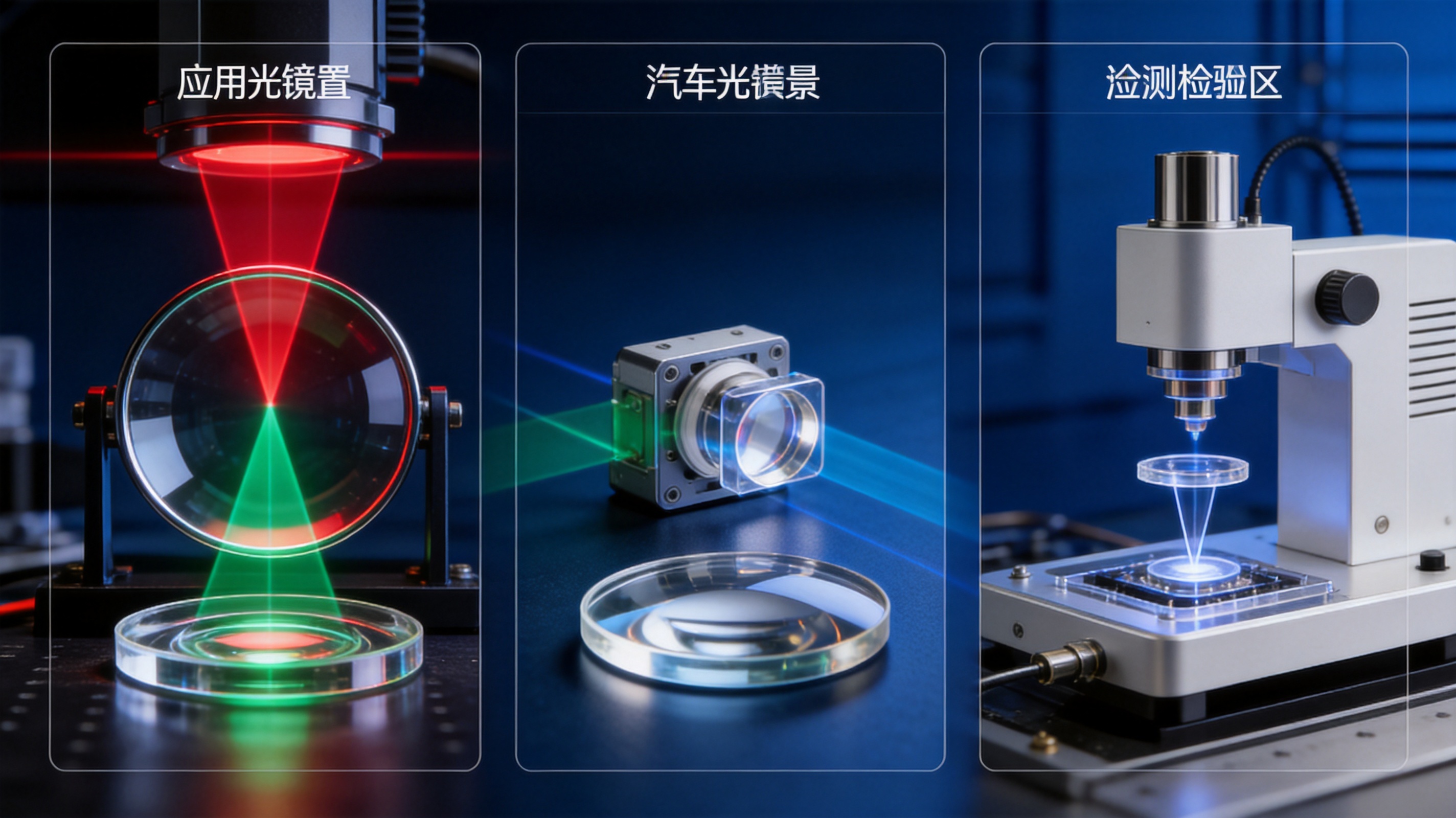
Why Advanced Manufacturing Processes Matter
An optical spherical mirror is a precision product, and its performance cannot be judged by appearance alone. Two mirrors may look identical, yet one may deliver sharp focus and stable reflectivity while the other produces scatter, distortion, or coating failure. The difference lies in manufacturing process control.
Advanced manufacturing processes matter because optical errors accumulate. A small material defect, combined with a small grinding error, a small polishing defect, a small cleaning problem, and a small coating nonuniformity can become a significant system-level failure. Professional production aims to prevent these small issues at each stage rather than only sorting defects at the end.
The company’s experience since 1998 provides a practical advantage. Optical manufacturing knowledge is built over years of solving material, process, equipment, inspection, and customer application challenges. This experience helps the manufacturer anticipate risks and provide stable solutions.
The company’s certifications also support process consistency. ISO9001:2015 provides a quality management framework. ISO14001:2015 reflects environmental management awareness in production. IATF16949 supports automotive-sector quality discipline. Together, these systems help create a more reliable production environment for precision optical components.
Packaging, Handling, and Delivery Considerations
A finished optical spherical mirror must be protected carefully. The reflective surface is sensitive to scratches, particles, fingerprints, and mechanical shock. Proper packaging is therefore part of the product’s quality, not merely a shipping detail.
Packaging may include clean wrapping, separated compartments, protective containers, cushioned boxes, and moisture control depending on the product and shipping distance. For coated optics, the package should prevent direct surface contact. The mirror should not move freely during transportation because vibration can cause edge chips or surface abrasion.
Handling instructions are also important. Customers should use gloves or clean tools, avoid touching the optical surface, and follow recommended cleaning procedures. Incorrect cleaning can damage coatings or create fine scratches. For high-value mirrors, cleaning should be performed only when necessary and with appropriate materials.
Export experience to more than 20 countries helps the manufacturer understand international packaging and delivery expectations. For wholesale optical components, stable logistics and clear documentation are important because customers often integrate these parts into their own production schedules.
Economic Value for Wholesale Customers
For wholesale buyers, the value of an optical spherical mirror is not limited to the unit price. Total value includes optical performance, delivery stability, yield, inspection burden, technical support, packaging reliability, and long-term supplier cooperation. A slightly cheaper mirror can become expensive if it causes high rejection rates, assembly delays, or field failures.
A precision manufacturer helps reduce total cost by improving consistency. When incoming parts meet specification reliably, customers can reduce inspection time, improve assembly yield, and maintain predictable production schedules. This is especially important for customers producing instruments, automotive modules, laser systems, or semiconductor equipment.
Customization also contributes to economic value. If a mirror is optimized for the customer’s exact optical and mechanical needs, the overall system may require fewer adjustment steps or additional components. A well-designed spherical mirror can simplify the optical path, reduce part count, and improve product compactness.
Long-term supplier capability matters as products evolve. A customer may begin with one mirror design and later require a modified radius, improved coating, different material, tighter surface quality, or larger production volume. Working with a manufacturer that has broad optical component capabilities makes future development easier.
How to Select the Right Optical Spherical Mirror
When selecting an optical spherical mirror, the first step is to define the optical function. The customer should determine whether the mirror must focus, collimate, expand, or redirect light. The required focal length or radius of curvature should be based on the complete optical system layout.
The second step is to define the wavelength range. Coating selection depends strongly on wavelength. A coating designed for visible light may not perform well in infrared or ultraviolet. If the system uses a laser, the wavelength, power, pulse duration, beam diameter, and angle of incidence should be considered.
The third step is to define environmental conditions. Temperature, humidity, vibration, cleaning requirements, and operating lifetime can influence material and coating choices. Automotive, industrial, and outdoor applications often require more durable designs than laboratory-only applications.
The fourth step is to define mechanical integration. Diameter, thickness, bevel, clear aperture, mounting method, and allowable stress should be communicated clearly. Poor mechanical design can deform the mirror or reduce clear aperture, even if the mirror itself is manufactured correctly.
The fifth step is to define inspection requirements. Surface figure, surface quality, coating reflectivity, and dimensional tolerances should be stated in a drawing or technical specification. If the customer is unsure, the manufacturer can help recommend practical values based on the application.
Q&A Section
What is an optical spherical mirror?
An optical spherical mirror is a reflective optical component with a surface shaped as part of a sphere. It may be concave or convex and is used to focus, diverge, collimate, or redirect light in optical systems.
How is a spherical mirror different from a flat mirror?
A flat mirror mainly changes the direction of light without adding optical power. A spherical mirror has curvature, so it can converge or diverge light. This makes it useful in imaging, laser, inspection, sensing, and compact optical assemblies.
Why choose a mirror instead of a lens?
A mirror reflects light rather than transmitting it through glass. This can reduce chromatic aberration and allow broader wavelength use. Mirrors are also useful when the optical path must be folded to save space.
What applications use optical spherical mirrors?
Optical spherical mirrors are used in laser systems, automotive optical modules, semiconductor inspection equipment, industrial instruments, consumer optical devices, projection systems, sensors, and laboratory optical setups.
What factors influence mirror quality?
Important factors include substrate quality, radius accuracy, surface figure, surface roughness, scratch-dig level, coating reflectivity, coating adhesion, dimensional tolerance, cleaning quality, and packaging protection.
Can the optical spherical mirror be customized?
Yes. Parameters such as diameter, thickness, radius of curvature, substrate material, coating type, surface quality, and edge treatment can be customized according to customer drawings or application requirements.
Why is coating selection important?
The coating determines reflectivity, wavelength performance, durability, and environmental resistance. Different applications may require aluminum, silver, gold, protected metal, enhanced metal, or dielectric coatings.
What advantages does the manufacturer provide?
The manufacturer offers decades of optical component production experience, a 35,000-square-meter production base, more than 300 employees, technical research centers, multiple patents and certificates, and certifications including ISO9001:2015, ISO14001:2015, and IATF16949.
Why is IATF16949 important for optical components?
IATF16949 is relevant to automotive quality management. It supports process discipline, traceability, risk control, and consistency, which are important for optical components used in automotive or high-volume applications.
How should customers request a quotation?
Customers should provide drawings, quantity, material preference, radius of curvature, diameter, thickness, coating requirements, wavelength range, surface quality, surface figure, and application environment. If some details are unknown, the manufacturer can assist with technical recommendations.
Conclusion
A precision optical spherical mirror is a high-value optical component that provides controlled reflection, focusing, beam expansion, and compact optical path design. Its performance depends on much more than the visible mirror surface. Material selection, curve generation, grinding, polishing, cleaning, coating, inspection, and packaging all influence final quality.
Compared with ordinary competitor products, a professionally manufactured optical spherical mirror offers better consistency, improved surface quality, more reliable coatings, stronger dimensional control, and better technical support. These advantages are especially important in laser optics, automotive optics, semiconductor optics, and other demanding applications.
Changzhou Haolilai Photo-Electricity Scientific and Technical Co., Ltd. brings long-term manufacturing experience, certified quality systems, advanced technical centers, broad optical component capabilities, and international supply experience to the production of optical spherical mirrors. For customers seeking wholesale optical components or customized precision mirrors, the company’s manufacturing strength can help improve optical performance, assembly reliability, and long-term product value.
References
Born, M., and Wolf, E. Principles of Optics. Cambridge University Press.
Hecht, E. Optics. Pearson Education.
Malacara, D. Optical Shop Testing. Wiley.
Smith, W. J. Modern Optical Engineering. McGraw-Hill Education.
ISO 9001:2015. Quality Management Systems: Requirements.
ISO 14001:2015. Environmental Management Systems: Requirements with Guidance for Use.
IATF 16949. Quality Management System Requirements for Automotive Production and Relevant Service Parts Organizations.


 苏公网安备32041102000130号