
 Search
 en
en English
 日本語
日本語 русский
 Español
 Deutsch
 中文简体
中文简体Content
- 1 Understanding Flat Laminated Parts
- 2 Why Flat Laminated Parts Matter in Modern Industries
- 3 Key Product Advantages
- 4 Comparison with Conventional Alternatives
- 5 Applications in Optical Systems
- 6 Applications in Automotive Interior Glass Structures
- 7 Applications in Semiconductor and Precision Equipment
- 8 Applications in Consumer and Industrial Products
- 9 Advanced Manufacturing Processes
- 10 Company Strengths Behind the Product
- 11 Advantages Over Competitors
- 12 Quality Control for Reliable Performance
- 13 Design Considerations for Customers
- 14 How Flat Laminated Parts Support Product Innovation
- 15 Sustainability and Environmental Responsibility
- 16 Procurement and Cooperation Value
- 17 Frequently Asked Questions
- 17.1 What are flat laminated parts?
- 17.2 What materials can be used for flat laminated parts?
- 17.3 Why choose laminated parts instead of ordinary glass?
- 17.4 Can flat laminated parts be customized?
- 17.5 Are flat laminated parts suitable for automotive interiors?
- 17.6 What quality certifications support production?
- 17.7 What are common defects in low-quality laminated parts?
- 17.8 How does optical manufacturing experience improve laminated parts?
- 17.9 What information should customers provide when requesting a quotation?
- 17.10 How can customers contact the manufacturer?
- 18 Conclusion
- 19 References
- 20 Product: Flat Laminated Parts
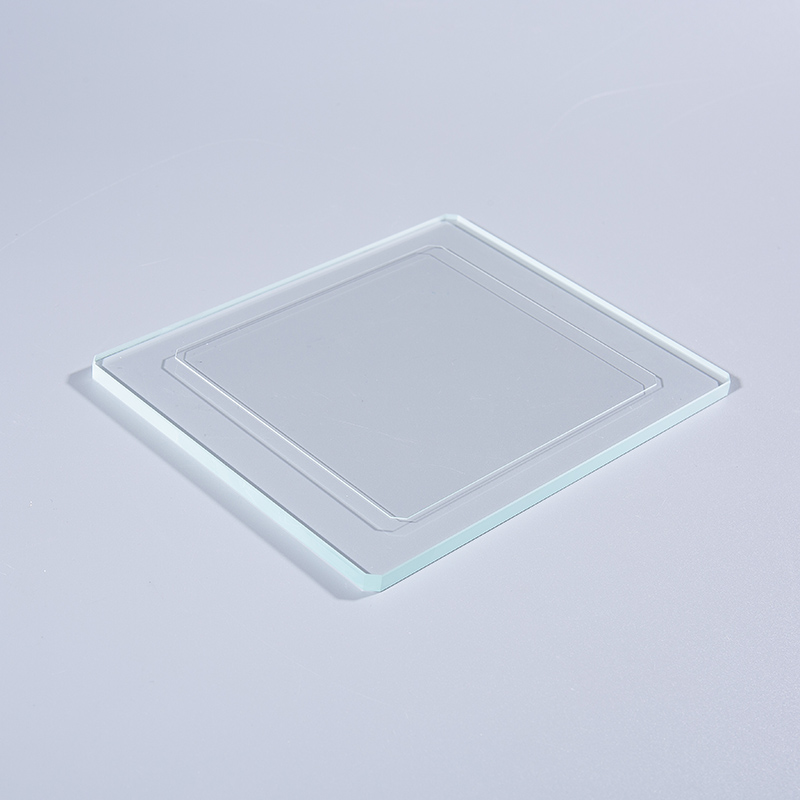
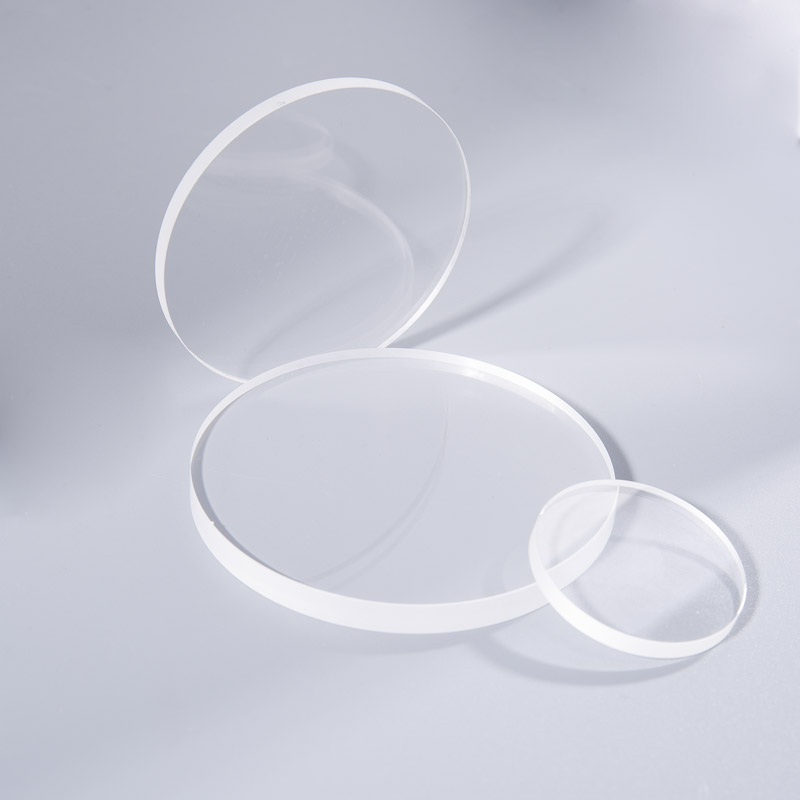
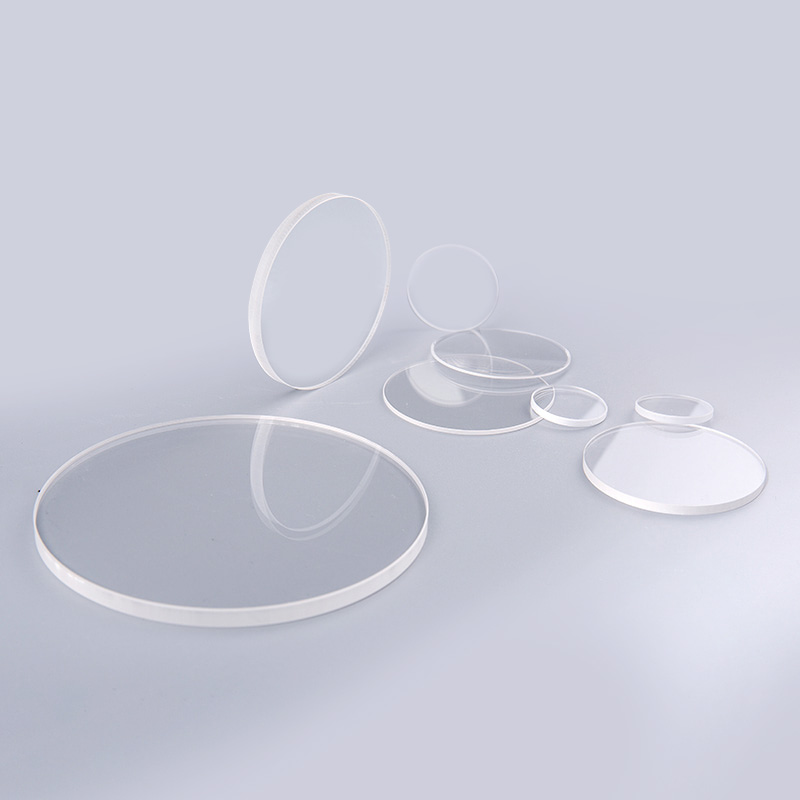
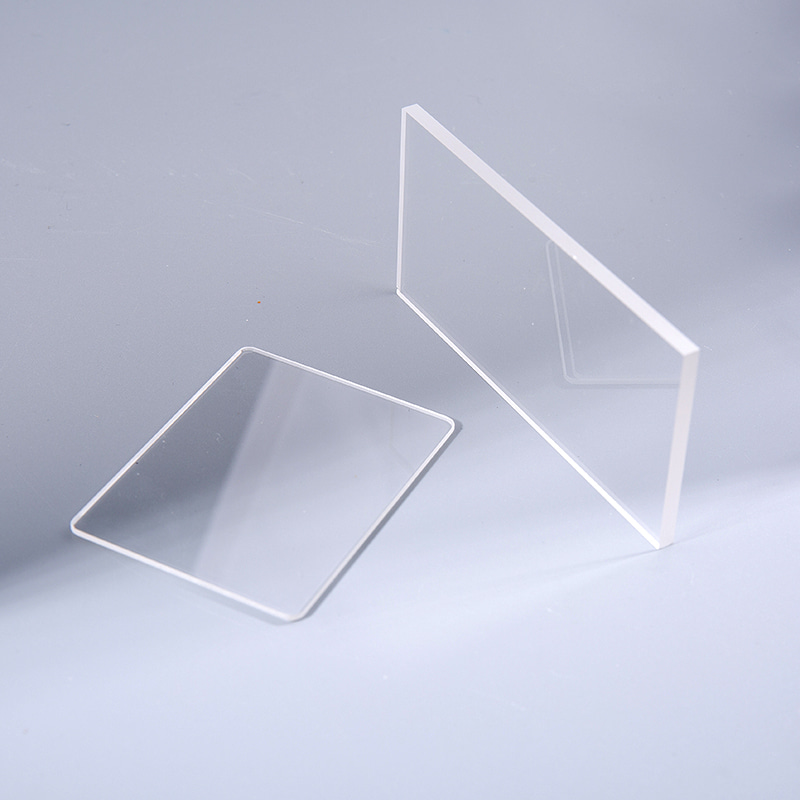
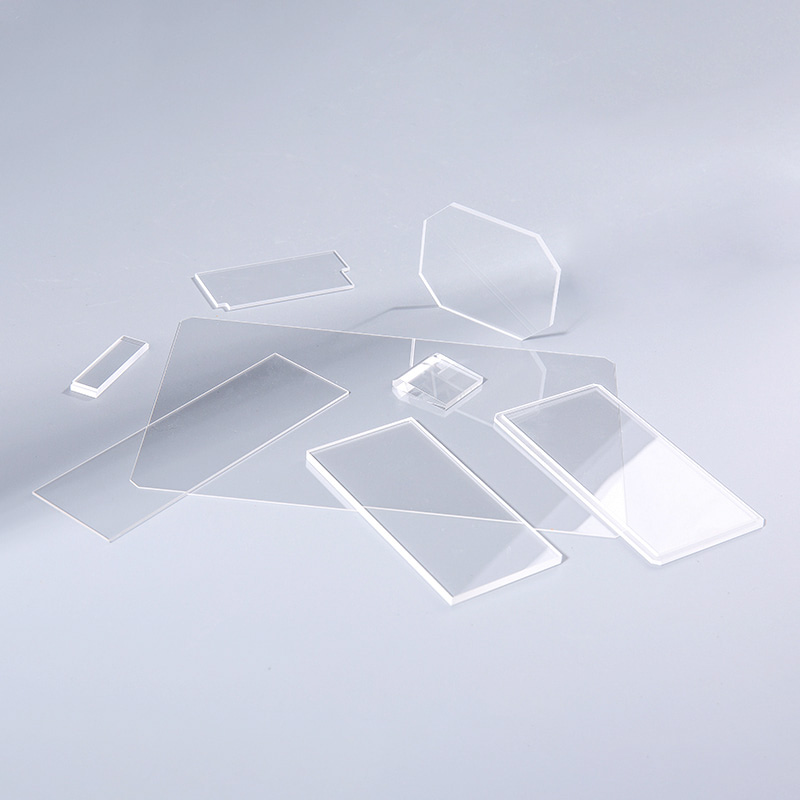
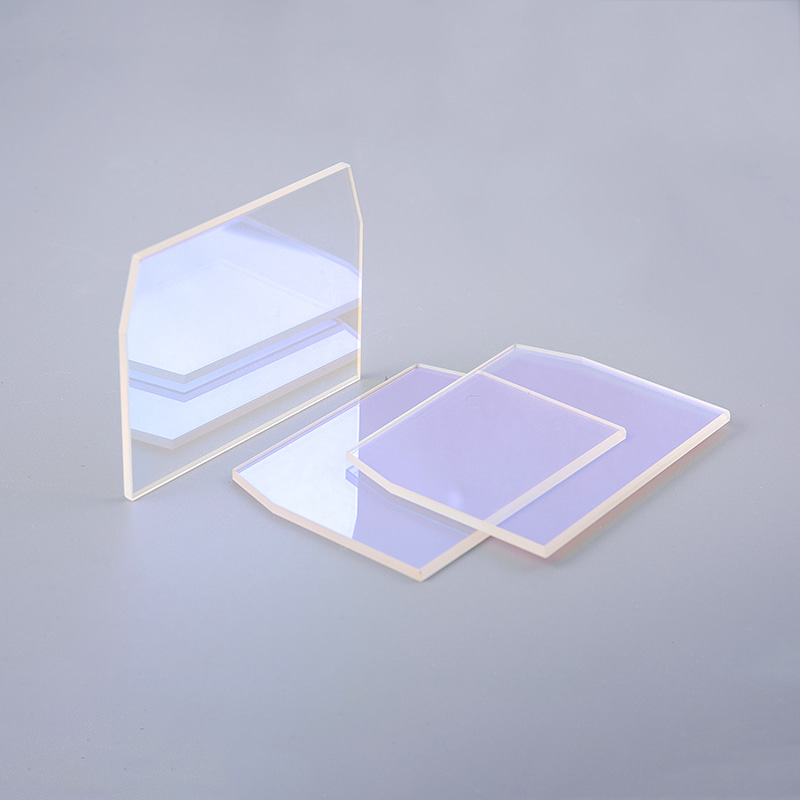
Flat laminated parts are engineered components designed to combine optical clarity, dimensional stability, mechanical strength, and functional surface performance in a flat structural form. In modern optical, automotive, semiconductor, laser, and consumer device applications, these parts are increasingly used where ordinary flat glass, plastic sheets, or single-layer optical substrates cannot provide enough reliability. By integrating multiple layers through controlled lamination, manufacturers can create parts that deliver improved safety, enhanced durability, better environmental resistance, and more consistent optical performance.
As a precision optical component, the value of a flat laminated part is not determined only by its shape. Its true performance depends on material selection, surface quality, bonding uniformity, internal stress control, dimensional tolerance, edge strength, coating compatibility, and long-term stability under temperature, humidity, vibration, and chemical exposure. For customers in demanding industries, a laminated part must function not merely as a piece of glass, but as a reliable structural and optical interface within a larger system.
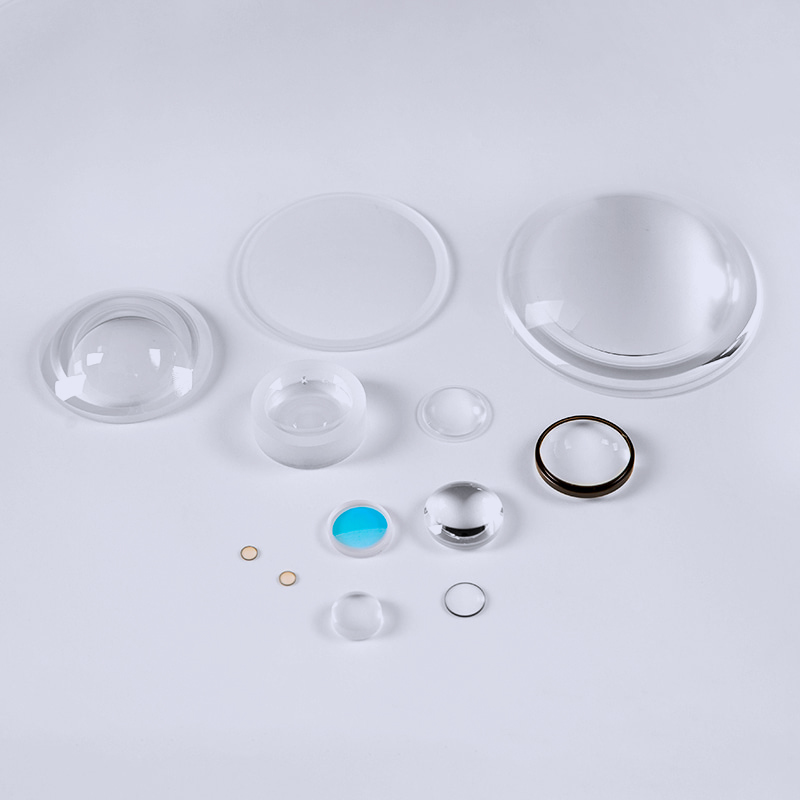
Changzhou Haolilai Photo-Electricity Scientific and Technical Co., Ltd. develops and manufactures precision optical components including flat laminated parts, optical flat mirrors, wafers, automotive interior glass structural components, optical prisms, optical spherical mirrors, and optical lenses. Founded in 1998 and located in Changzhou, Jiangsu, China, the company has built its capabilities around high-precision processing, optical engineering, quality management, and customized production. With certifications including ISO9001:2015, ISO14001:2015, and IATF16949, the company is positioned to support customers in applications where consistent quality, batch stability, and process control are essential.
Understanding Flat Laminated Parts
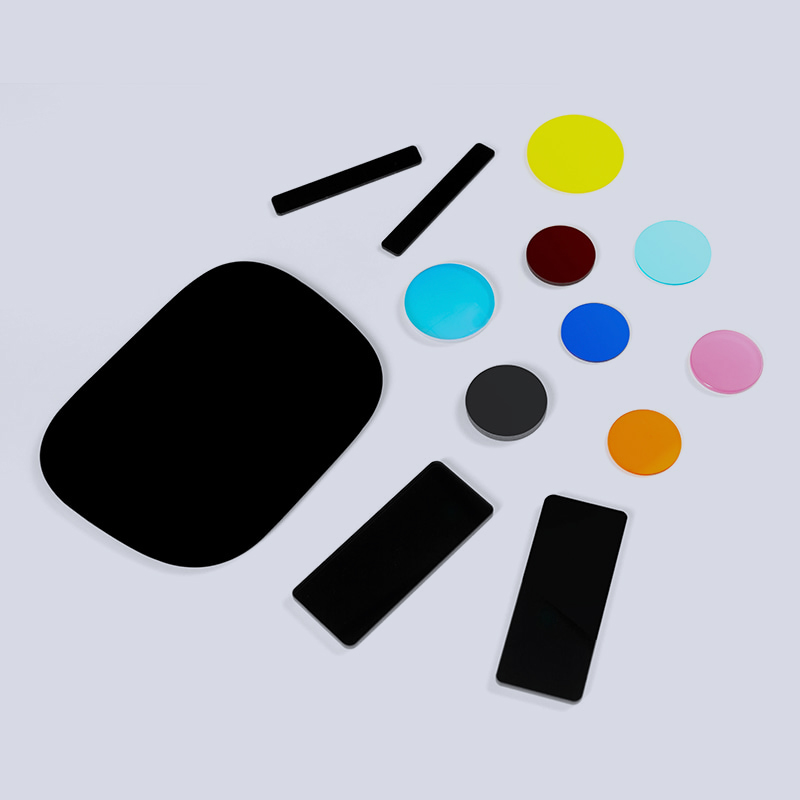
A flat laminated part is typically produced by bonding two or more flat substrates together using an intermediate adhesive, film, resin, or other bonding medium. Depending on the application, the substrates may be optical glass, chemically strengthened glass, float glass, quartz, specialty glass, coated glass, or other transparent or functional materials. The laminated structure can be customized to improve impact resistance, maintain transparency after fracture, control optical transmission, reduce reflection, enhance environmental durability, or integrate decorative and structural functions.
Unlike a simple monolithic sheet, a laminated part can be engineered as a multi-functional component. One layer may provide optical flatness, another layer may provide mechanical strength, and the bonding layer may contribute shock absorption, safety retention, or optical filtering. This layered design makes laminated parts highly adaptable for advanced optical assemblies and industrial modules.
In precision applications, the lamination process must be highly controlled. Bubbles, particles, waviness, non-uniform adhesive thickness, optical distortion, residual stress, and edge defects can all reduce product performance. For this reason, manufacturing flat laminated parts requires not only lamination equipment, but also expertise in optical grinding, polishing, cleaning, inspection, coating, material compatibility, and environmental testing.
Flat laminated parts may appear simple from the outside, but their production involves multiple technical disciplines. The component must meet mechanical, optical, dimensional, cosmetic, and environmental requirements simultaneously. A strong manufacturer must therefore be able to understand the entire product lifecycle: from material selection and prototype design to mass production and final inspection.
Why Flat Laminated Parts Matter in Modern Industries
As products become thinner, lighter, smarter, and more integrated, the demand for high-performance flat optical and glass-based structures continues to grow. In automotive interiors, glass components are used in displays, control panels, instrument covers, decorative surfaces, and smart interfaces. In laser and optical systems, flat components may serve as protective windows, filter substrates, reference surfaces, or structural optical elements. In semiconductor equipment, flat precision components may be used in inspection, alignment, sealing, and process-related modules. In consumer electronics, laminated glass parts are widely valued for their strength, touch compatibility, and surface aesthetics.
The role of a flat laminated part is often to protect sensitive internal systems while allowing light, signals, images, or user interaction to pass through with minimal distortion. This dual function makes the component particularly important. If the part is optically inconsistent, the display may appear distorted. If its lamination is weak, long-term reliability may fail. If edge processing is poor, cracks may begin during assembly or use. If the surface is contaminated, coatings or bonding may become unstable.
Compared with many conventional components, laminated parts offer a balanced solution. They can provide safety performance similar to laminated safety glass, optical quality suitable for imaging or illumination, and structural strength required for advanced equipment. This combination reduces the need for additional protective structures, enabling more compact and elegant designs.
Key Product Advantages
Enhanced Mechanical Strength and Safety
One of the primary advantages of flat laminated parts is their improved mechanical behavior. When properly designed and processed, the laminated structure can resist impact better than single-layer glass of similar thickness. If breakage occurs, the bonding layer can help retain fragments, reducing the risk of scattering and improving safety. This is particularly important in automotive interiors, public equipment, industrial displays, optical instruments, and user-facing devices.
Competitor products that rely on ordinary glass sheets may offer low cost, but they often lack the safety performance and controlled fracture behavior required in demanding applications. By contrast, a well-manufactured laminated part provides an integrated safety structure without sacrificing optical clarity. This advantage becomes more significant in products that must meet strict automotive, industrial, or export-market requirements.
Improved Optical Consistency
Flat laminated parts used in optical and display systems must maintain clear transmission, low haze, stable color, and controlled reflection. Precision manufacturing can reduce optical distortion, internal contamination, and non-uniform bonding. The result is a component that supports accurate imaging, clear display visibility, and consistent illumination performance.
In competitive comparisons, lower-grade laminated glass may suffer from visible bubbles, adhesive streaks, edge whitening, or color inconsistency. These issues may not be acceptable for high-end optical assemblies or premium interior components. Through controlled processing and inspection, high-quality flat laminated parts can provide a cleaner visual appearance and better functional reliability.
Customizable Structure and Function
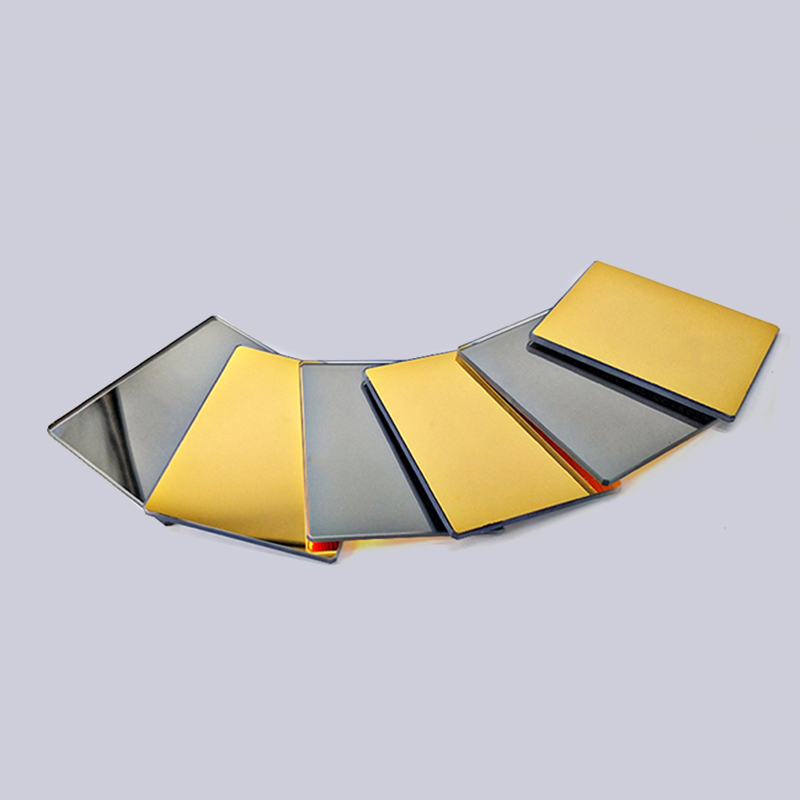
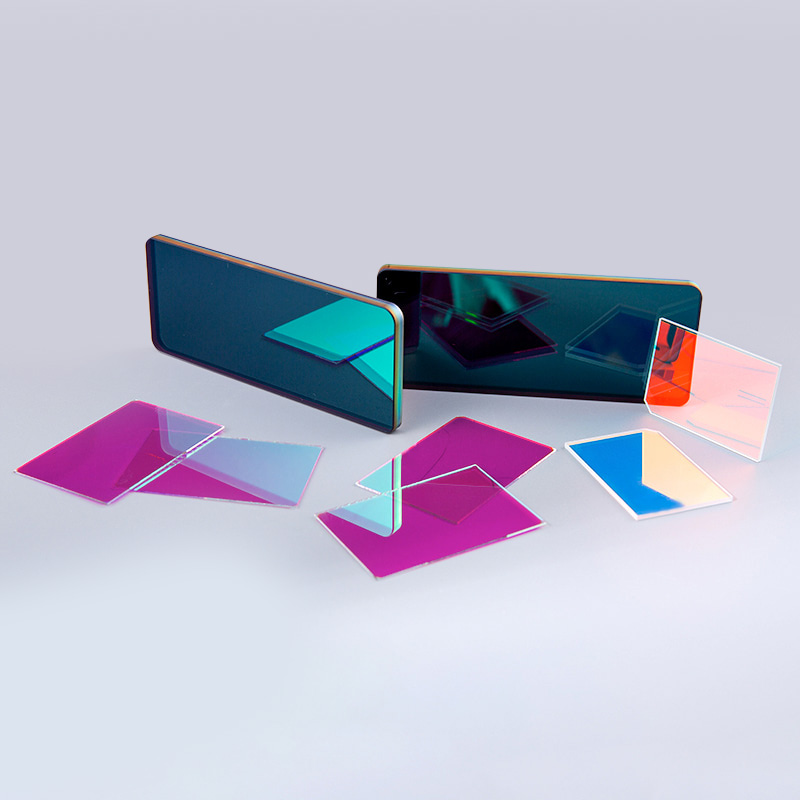
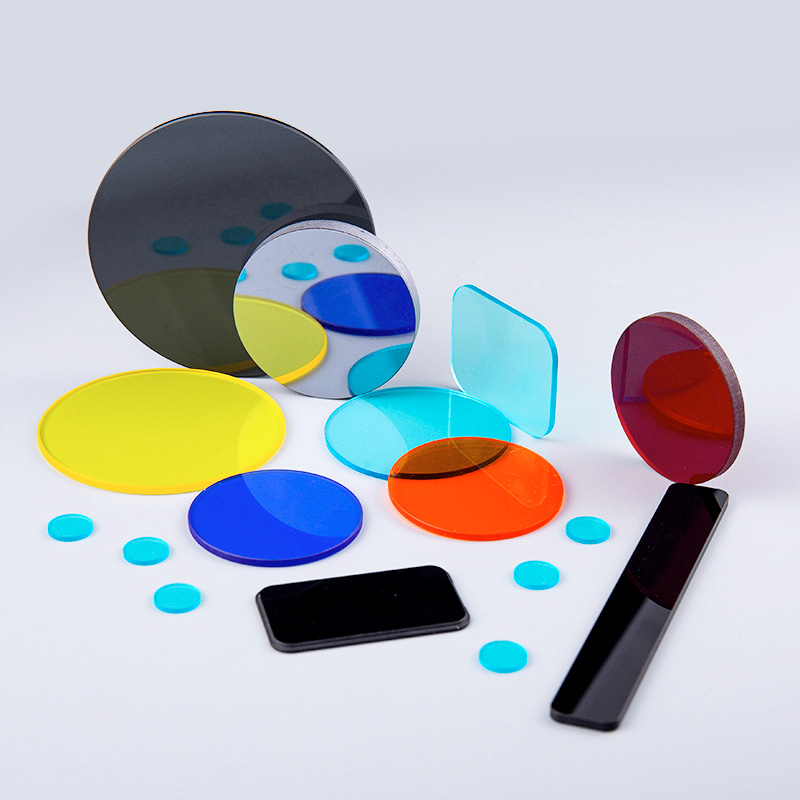
Another major benefit of flat laminated parts is design flexibility. The product can be customized in terms of size, thickness, material combination, edge profile, hole pattern, surface coating, optical transmission, color, and bonding configuration. Anti-reflective coatings, mirror coatings, filters, conductive layers, decorative printing, and other functional treatments may be incorporated according to application requirements.
This flexibility allows engineers to create a component that matches a specific system rather than forcing the system to adapt to a standard material. Compared with suppliers who only provide standard glass parts, a manufacturer with optical processing experience can support more complex customization. This is especially valuable for customers developing new automotive interior platforms, optical modules, laser systems, or specialized industrial devices.
Better Environmental Resistance
Flat laminated parts may be exposed to changing temperature, humidity, ultraviolet light, cleaning agents, vibration, and mechanical stress. A properly selected lamination system can improve environmental resistance and extend product service life. Material compatibility is critical because glass, adhesive, coatings, and printed layers may expand or react differently under environmental stress.
Advanced production control helps reduce hidden defects that may only appear after long-term use. For example, trapped moisture, micro-bubbles, contamination, and insufficient edge sealing can lead to delamination or visual defects. By applying strict cleaning, lamination, curing, and testing procedures, the product can maintain stable performance over time.
High Dimensional Accuracy
Many flat laminated parts are installed into mechanical frames, optical housings, display modules, or precision assemblies. Dimensional accuracy is therefore essential. Edge dimensions, thickness, parallelism, flatness, hole location, chamfer size, and surface quality must be controlled according to the design. Poor dimensional stability can increase assembly stress, cause sealing issues, or reduce optical alignment accuracy.
Precision optical component manufacturers have an advantage over general glass fabricators because they understand how dimensional tolerances interact with optical performance. Changzhou Haolilai Photo-Electricity Scientific and Technical Co., Ltd. has long experience in precision optical components, which supports the production of flat laminated parts requiring both structural and optical control.
Comparison with Conventional Alternatives
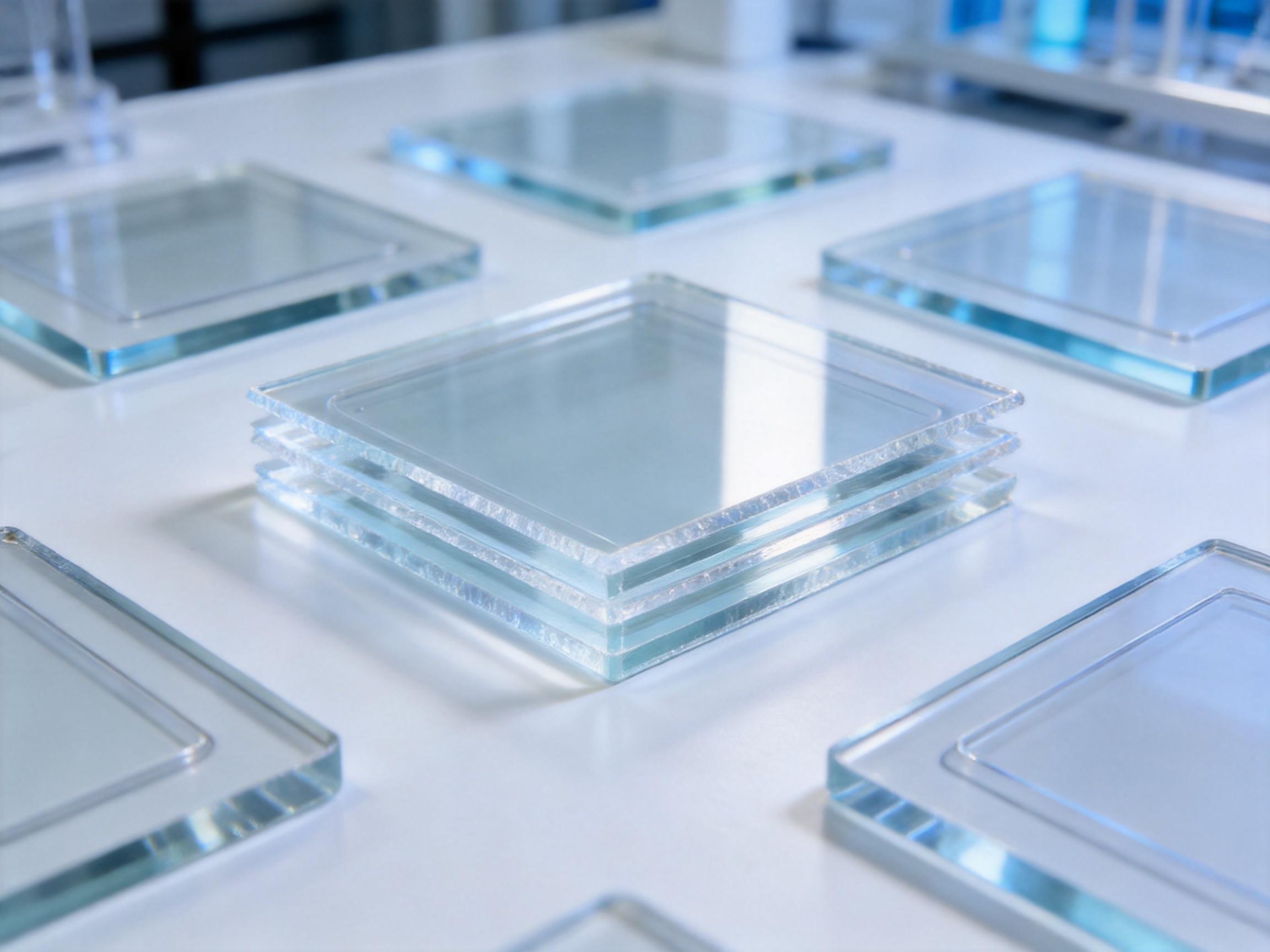
When selecting a flat component, customers often compare laminated parts with tempered glass, acrylic sheets, polycarbonate panels, and single-layer optical glass. Each material has its place, but laminated parts provide a strong balance of safety, clarity, stability, and design freedom.
| Component Type | Main Strength | Typical Limitation | Advantage of Flat Laminated Parts |
|---|---|---|---|
| Single-layer optical glass | High optical clarity and stable surface quality | Limited safety behavior after breakage | Maintains optical clarity while improving impact and fragment retention performance |
| Tempered glass | Higher mechanical strength than ordinary glass | May shatter into many pieces and has limited post-breakage retention | Provides layered safety behavior and can be customized for optical or decorative functions |
| Acrylic sheet | Lightweight and easy to process | Lower scratch resistance and potential optical aging | Offers stronger surface hardness, better dimensional stability, and premium appearance |
| Polycarbonate panel | Excellent impact resistance | May require coatings for scratch resistance and can show optical distortion | Combines glass-like surface quality with laminated durability |
| Ordinary laminated glass | Improved safety in general applications | May not meet precision optical or tight dimensional requirements | Supports higher precision, cleaner appearance, and better integration into optical systems |
The table shows why flat laminated parts are increasingly selected for high-value systems. They are not simply a substitute for ordinary glass. They are engineered components that can reduce risk, improve product appearance, and support more advanced system designs.
Applications in Optical Systems
In optical systems, flat laminated parts may serve as protective windows, transparent covers, display windows, filter carriers, beam-path protection plates, or structural glass components. They must maintain optical performance while protecting sensitive lenses, mirrors, sensors, or laser components from dust, impact, humidity, and handling damage.
For laser optics, surface quality and material stability are especially important. A protective laminated window must avoid excessive absorption, scattering, or distortion. It must also tolerate thermal and mechanical stress. Depending on the laser wavelength and power level, substrate selection and coating design must be carefully considered.
For imaging systems, the component must not introduce visible distortion. Flatness, wedge, parallelism, and internal cleanliness are important factors. If the part is used in front of a camera, sensor, or display, even small defects can affect image quality. Therefore, manufacturing must include controlled polishing, cleaning, and inspection.
For optical instruments used in industrial environments, durability is equally important. A laminated part can protect the system against vibration, minor impacts, and environmental contamination. This helps extend instrument lifetime and reduce maintenance requirements.
Applications in Automotive Interior Glass Structures
Automotive interiors are rapidly changing. Modern vehicles increasingly use integrated displays, touch surfaces, decorative glass panels, control modules, lighting elements, and smart cockpit systems. Flat laminated parts can support these trends by combining visual quality, safety, and structural performance.
Interior glass components must meet strict requirements because they are used in environments that experience temperature variation, sunlight exposure, vibration, cleaning, and human contact. They must also satisfy safety expectations. A flat laminated part can provide a premium glass feel while helping control breakage behavior and surface durability.
Compared with ordinary plastic panels, laminated glass structures offer improved scratch resistance, better optical clarity, and a higher-end appearance. Compared with single-layer glass, laminated parts offer improved safety and design flexibility. For automotive brands seeking elegant and reliable interior solutions, these benefits are highly valuable.
The IATF16949 certification held by Changzhou Haolilai Photo-Electricity Scientific and Technical Co., Ltd. is especially relevant for automotive customers. This quality management standard emphasizes process control, defect prevention, traceability, and continuous improvement. For laminated parts used in vehicles, such systematic quality management helps support stable production and reliable supply.
Applications in Semiconductor and Precision Equipment
Semiconductor manufacturing and inspection equipment require components with exceptional cleanliness, dimensional stability, and process consistency. Flat laminated parts used in such systems may function as windows, covers, carriers, alignment plates, or protective interfaces. Even small defects can have significant consequences, so material quality and production control are critical.
In semiconductor-related environments, particles, outgassing, contamination, and dimensional drift must be carefully controlled. A manufacturer with optical-grade cleaning, inspection, and precision processing capabilities can better meet these requirements than a general glass processor. Flat laminated parts can be designed to meet specific light transmission, sealing, chemical resistance, or mechanical stability needs.
Because Changzhou Haolilai Photo-Electricity Scientific and Technical Co., Ltd. focuses on laser optics, automotive optics, semiconductor optics, and consumer optics, it has accumulated cross-industry manufacturing knowledge. This broad experience supports the development of laminated parts that must operate reliably in demanding technical environments.
Applications in Consumer and Industrial Products
Consumer products increasingly use glass surfaces because glass provides a premium tactile experience, excellent transparency, scratch resistance, and long-term visual stability. Flat laminated parts can be applied in smart home panels, control displays, touch modules, lighting products, high-end appliances, and protective covers. Their layered structure can improve safety while supporting decorative and optical functions.
Industrial products also benefit from laminated flat components. Control panels, machine vision covers, inspection windows, display protectors, laboratory equipment, and automation systems often require durable transparent parts. In these environments, the component may be exposed to oils, cleaning chemicals, mechanical contact, or temperature changes. Laminated construction helps improve service reliability.
For designers, the ability to customize the component is important. A flat laminated part can be developed with printed borders, hidden areas, transparent windows, anti-glare surfaces, anti-reflective coatings, or other surface treatments. This allows the same component to serve structural, optical, protective, and aesthetic purposes.
Advanced Manufacturing Processes
Material Selection and Engineering Review
The manufacturing process begins with understanding the customer’s application. Engineers review requirements such as size, thickness, optical transmission, surface quality, edge strength, environmental exposure, assembly method, coating needs, and testing standards. Based on these requirements, suitable substrate materials and bonding systems are selected.
Material selection is a decisive step. Different glass types offer different levels of transmission, thermal expansion, hardness, chemical resistance, and processing behavior. The bonding layer must match the substrates and the final application. A mismatch may cause delamination, color change, stress, or optical distortion. Therefore, engineering review is essential before mass production.
Cutting and Shaping
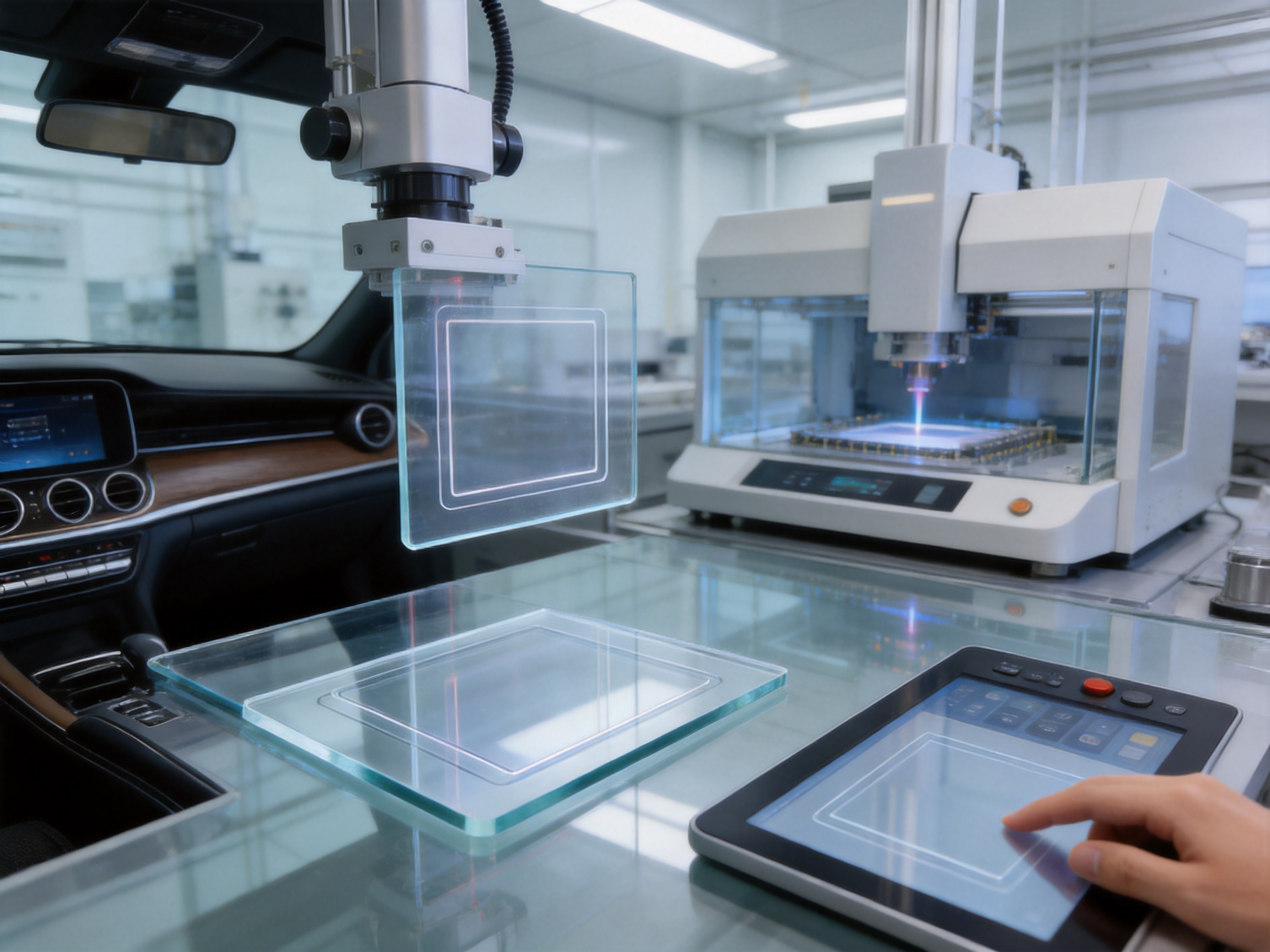
After material selection, the flat substrates are cut and shaped to the required dimensions. Precision cutting helps reduce chipping and edge defects. For complex parts, additional processing may include holes, slots, notches, special contours, or alignment features. The goal is to achieve accurate geometry while preserving material strength.
High-quality edge processing is especially important for laminated parts. Edge cracks can become failure origins during lamination, assembly, or long-term use. Controlled grinding and chamfering improve edge safety, reduce stress concentration, and create a cleaner appearance. For visible components, edge aesthetics may also be a key requirement.
Grinding, Lapping, and Polishing
Depending on the optical requirements, substrates may undergo grinding, lapping, and polishing. These processes control thickness, flatness, surface roughness, and optical quality. In precision optical manufacturing, polishing is not just a cosmetic step. It directly affects light transmission, scattering, reflection, coating adhesion, and system performance.
Changzhou Haolilai Photo-Electricity Scientific and Technical Co., Ltd. has long-term experience in precision optical component manufacturing, which supports the production of flat parts requiring accurate surface control. The company’s background in optical flat mirrors, prisms, spherical mirrors, and lenses gives it a strong foundation for processing laminated parts with optical-level expectations.
Cleaning and Surface Preparation
Before lamination, all surfaces must be thoroughly cleaned. Particles, fingerprints, polishing residues, moisture, and chemical contamination can cause bubbles, poor adhesion, haze, or long-term delamination. Cleaning may include ultrasonic cleaning, deionized water rinsing, controlled drying, and inspection under suitable lighting conditions.
Surface preparation is one of the major differences between high-quality laminated optical parts and ordinary laminated panels. Even a small particle trapped between layers can become visible or create stress. Therefore, disciplined cleaning procedures and controlled handling are essential.
Lamination Alignment and Bonding
During lamination, substrates and bonding layers must be aligned accurately. Adhesive thickness, pressure, temperature, curing time, and environmental conditions must be controlled. The objective is to form a uniform bond without bubbles, streaks, misalignment, or optical distortion.
Depending on the design, the bonding process may use film lamination, liquid optical adhesive, thermal bonding, pressure-assisted bonding, or other methods. Each method has advantages. Film lamination may provide stable thickness and safety performance, while optical adhesive bonding may support high transparency and special shapes. The correct process depends on product requirements.
Curing and Stress Management
After initial bonding, the laminated part may require curing under controlled temperature, light, pressure, or time conditions. Curing must be uniform to avoid internal stress and optical distortion. Residual stress can affect flatness, reliability, and breakage behavior. Advanced manufacturers monitor process parameters and refine curing profiles to improve consistency.
Stress management is particularly important when different materials or coatings are combined. Thermal expansion differences may create stress during environmental cycling. A careful process design reduces the risk of warping, edge separation, or performance drift.
Coating and Functional Surface Treatment
Many flat laminated parts require additional coatings or surface treatments. These may include anti-reflective coating, reflective coating, filter coating, anti-glare treatment, hydrophobic coating, conductive coating, decorative printing, or protective hard coating. The sequence of coating and lamination must be carefully planned because some coatings must be applied before bonding, while others may be applied afterward.
Optical coatings require clean surfaces and precise process control. A coating that performs well on a single substrate may behave differently in a laminated structure because of stress, heat exposure, or adhesive interaction. A manufacturer with optical coating knowledge can better guide customers toward stable solutions.
Inspection and Quality Verification
Final inspection may include dimensional measurement, visual inspection, optical transmission testing, haze testing, flatness measurement, adhesion evaluation, environmental testing, and cosmetic grading. The inspection plan depends on customer requirements and product application.
For mass production, process traceability and statistical control are important. ISO9001:2015 supports systematic quality management, while IATF16949 provides additional discipline for automotive supply chains. ISO14001:2015 demonstrates environmental management capability. These certifications indicate that production is managed through defined procedures rather than informal workshop practice.
Company Strengths Behind the Product
Changzhou Haolilai Photo-Electricity Scientific and Technical Co., Ltd. was founded in 1998 and has developed into a professional manufacturer of precision optical components. The company covers an area of 35,000 square meters and has more than 300 employees. Its products are exported to more than 20 countries, reflecting international market experience and the ability to support customers beyond the domestic market.
The company’s strength comes from the combination of manufacturing experience, technical capability, quality certification, and research development. It has established the Jiangsu Precision Optical Lens Engineering Technology Center and the Jiangsu Enterprise Technology Research Center. These platforms support product development, process optimization, and technical problem solving.
As a High-Tech enterprise in Jiangsu Province, the company has obtained multiple invention patents, utility model patents, and high and new technology products. This technical foundation is important for flat laminated parts because customers often require customized solutions rather than simple standard products. Engineering capability helps transform customer drawings and performance requirements into stable manufacturable products.
The company focuses on laser optics, automotive optics, semiconductor optics, and consumer optics. These industries have different requirements, but they share a common need for precision, cleanliness, reliability, and consistency. By serving multiple demanding fields, the company has built a broad process knowledge base that can be applied to flat laminated parts.
Advantages Over Competitors
Optical Manufacturing Background
Many suppliers of laminated flat components come from general glass processing or decorative glass industries. They may be capable of producing panels for ordinary applications, but they may not fully understand optical tolerances, wavefront distortion, coating compatibility, or precision surface control. A manufacturer with optical component experience offers a significant advantage when the laminated part must perform in an optical system.
Changzhou Haolilai Photo-Electricity Scientific and Technical Co., Ltd. manufactures optical flat mirrors, optical prisms, optical spherical mirrors, optical lenses, wafers, and other precision components. This experience gives the company a deeper understanding of surface quality, dimensional accuracy, and optical function. For customers, this means fewer risks during product development and more reliable performance in the final application.
Automotive Quality Management
Automotive interior glass structural components require strict process control and documentation. IATF16949 certification demonstrates that the company has established quality management practices suitable for automotive supply chains. Competitors without automotive quality systems may struggle with traceability, preventive quality planning, change control, and batch consistency.
For flat laminated parts used in vehicles, quality stability is not optional. A single visual defect, dimensional deviation, or lamination issue can affect assembly and customer satisfaction. Automotive quality management helps ensure that production is controlled from incoming materials to final shipment.
Customization Capability
Some competitors only provide standard sizes or simple laminated structures. However, many customers need custom geometries, optical properties, surface treatments, and integration features. A manufacturer with engineering and processing depth can support these needs more effectively.
Flat laminated parts may require unique edge shapes, holes, coated areas, transparent windows, printed masks, or special bonding structures. The ability to develop customized solutions allows customers to reduce assembly complexity and improve final product design. This is a clear competitive advantage in high-value industries.
Integrated Process Control
High-quality laminated parts depend on every process step. Cutting, grinding, polishing, cleaning, coating, lamination, curing, and inspection must work together. If one step is uncontrolled, the final part may fail. Manufacturers with integrated process capability can identify risks earlier and optimize the entire production route.
Competitors that outsource many steps may face communication delays, inconsistent standards, and weaker traceability. Integrated process control helps improve lead time, quality stability, and technical response. For customers working on advanced optical or automotive projects, this can reduce development risk and total cost.
Long-Term Industry Experience
Since its founding in 1998, the company has accumulated decades of experience in precision optical component manufacturing. Long-term experience matters because many production challenges are not visible in drawings. They appear during polishing, cleaning, bonding, coating, testing, packaging, and customer assembly. Experienced manufacturers can anticipate such issues and propose practical solutions.
For flat laminated parts, this experience supports better material matching, process design, defect prevention, and production repeatability. Customers benefit from fewer trial-and-error cycles and more stable product launches.
Quality Control for Reliable Performance
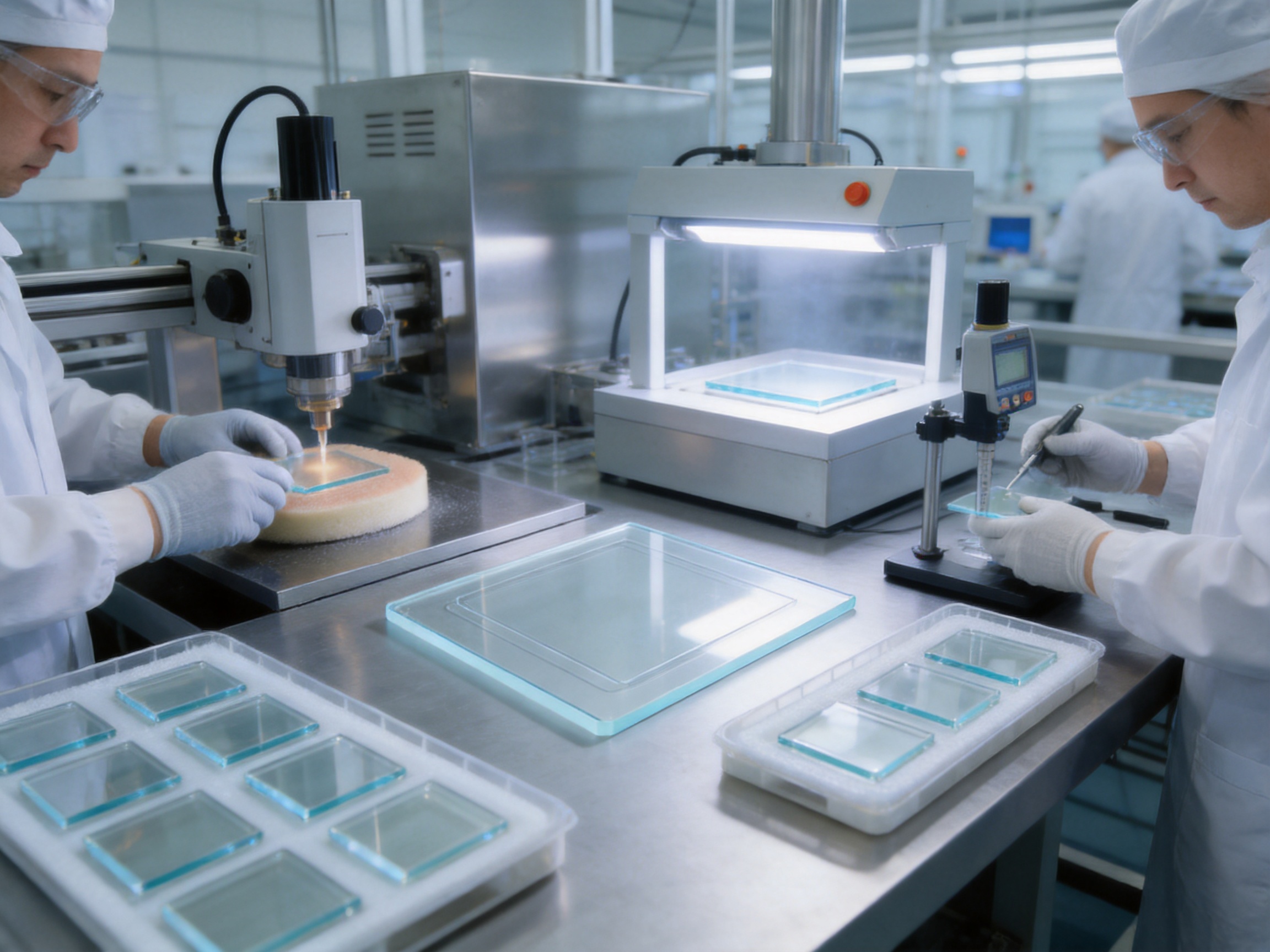
Quality control for flat laminated parts begins before production starts. Drawings, specifications, application requirements, and critical quality characteristics must be clearly reviewed. Important factors may include optical transmission, surface defects, dimensional tolerance, bonding strength, edge quality, coating performance, and environmental durability.
Incoming material inspection ensures that substrates and bonding materials meet requirements. During processing, operators and engineers monitor dimensions, surface quality, edge conditions, and cleanliness. Before lamination, visual inspection helps prevent defects from being sealed inside the product. After lamination, final testing verifies that the part meets functional and cosmetic standards.
Environmental testing may include thermal cycling, high-temperature exposure, humidity resistance, ultraviolet exposure, adhesion testing, and vibration-related evaluation. These tests help determine whether the part can survive real operating conditions. For automotive and industrial customers, such validation is particularly important.
Packaging is also part of quality control. A finished laminated optical part can be damaged by improper handling, rubbing, impact, or contamination during transportation. Protective packaging, clean separation materials, and clear handling instructions help maintain quality until the component reaches the customer.
Design Considerations for Customers
Customers planning to use flat laminated parts should consider several design factors early in the development process. First, the operating environment should be defined. Temperature range, humidity exposure, ultraviolet exposure, chemical contact, mechanical impact, and cleaning methods may all influence material selection and lamination design.
Second, optical requirements should be clearly specified. Transmission, haze, reflectance, color neutrality, flatness, distortion, and surface defect limits can greatly affect production methods and cost. Overly loose specifications may lead to performance problems, while unnecessarily strict specifications may increase cost. A professional manufacturer can help balance performance and manufacturability.
Third, mechanical assembly should be considered. The part may be clamped, bonded, framed, sealed, or mounted with fasteners. Assembly stress can cause cracking or delamination if not properly controlled. Edge design, thickness tolerance, hole location, and adhesive compatibility should be reviewed together.
Fourth, cosmetic expectations should be defined. For visible surfaces, standards for scratches, bubbles, stains, color variation, edge appearance, and printed pattern alignment should be agreed upon. Clear cosmetic criteria help avoid misunderstanding during mass production.
Finally, validation testing should match the real application. If the component will be used in a vehicle interior, tests should reflect automotive temperature, sunlight, vibration, and user contact conditions. If it will be used in optical equipment, tests should focus on optical stability, cleanliness, and environmental resistance.
How Flat Laminated Parts Support Product Innovation
Flat laminated parts enable product designers to combine multiple functions into one component. A single laminated structure may serve as a protective cover, optical window, decorative surface, touch interface, safety barrier, and mounting element. This integration can reduce component count, simplify assembly, and improve product appearance.
For automotive interiors, this supports seamless dashboard designs, integrated control surfaces, and premium visual effects. For optical systems, it enables protective windows with enhanced durability and customized transmission. For consumer devices, it supports thin, elegant, and robust surfaces. For industrial equipment, it improves reliability and reduces maintenance.
As industries continue to demand more intelligent and integrated products, flat laminated parts will become increasingly valuable. Their ability to combine glass-like optical quality with engineered safety and functionality makes them suitable for many emerging applications.
Sustainability and Environmental Responsibility
Environmental responsibility is becoming increasingly important in manufacturing. ISO14001:2015 certification indicates that Changzhou Haolilai Photo-Electricity Scientific and Technical Co., Ltd. has established an environmental management system. For customers, this can be relevant when selecting suppliers for international markets or environmentally conscious product programs.
Flat laminated parts can also contribute to sustainability through durability. Components that last longer, resist damage, and reduce failure rates help lower replacement frequency and waste. High-quality manufacturing reduces scrap, rework, and unnecessary material consumption. In addition, stable processes help improve production efficiency.
Sustainability in precision optics is not only about materials. It is also about process discipline, resource management, product reliability, and responsible supply. A manufacturer that combines quality management with environmental management can better support long-term customer value.
Procurement and Cooperation Value
When sourcing flat laminated parts, customers should evaluate more than unit price. A low-cost supplier may appear attractive at the quotation stage, but hidden costs can appear through defects, delays, design changes, failed validation, or unstable mass production. For precision and automotive applications, supplier capability often has a greater impact on total cost than the initial price difference.
A strong supplier should be able to review technical drawings, recommend suitable materials, provide prototypes, support testing, control production quality, and respond to engineering changes. Changzhou Haolilai Photo-Electricity Scientific and Technical Co., Ltd. offers the background of a professional optical component manufacturer, supported by decades of experience, certified quality systems, and research platforms.
The company is located at No.10 Wangcai Road, Luoxi Town, Xinbei District, Changzhou, Jiangsu, China. Customers can contact the company by phone at +86-519-83200018 or by email at [email protected] for discussions about optical components, flat laminated parts, and customized precision glass solutions.
Frequently Asked Questions
What are flat laminated parts?
Flat laminated parts are multi-layer flat components made by bonding two or more substrates together with an intermediate bonding layer. They are designed to provide improved safety, mechanical strength, optical performance, and functional integration compared with simple single-layer materials.
What materials can be used for flat laminated parts?
Materials may include optical glass, specialty glass, strengthened glass, coated glass, quartz, or other transparent and functional substrates. The best material depends on the required optical transmission, strength, temperature resistance, chemical stability, thickness, and cost target.
Why choose laminated parts instead of ordinary glass?
Laminated parts can offer better safety behavior, improved impact resistance, fragment retention after breakage, and more design flexibility. They can also integrate coatings, decorative layers, filters, or other functional features that ordinary glass may not provide.
Can flat laminated parts be customized?
Yes. They can be customized in size, thickness, shape, edge profile, hole pattern, optical transmission, coating type, printed design, and bonding structure. Customization is one of the main advantages of working with a precision optical component manufacturer.
Are flat laminated parts suitable for automotive interiors?
Yes. They are well suited for automotive interior displays, control panels, decorative glass structures, and smart cockpit components. Their premium appearance, safety performance, and durability make them valuable for modern vehicle designs.
What quality certifications support production?
Changzhou Haolilai Photo-Electricity Scientific and Technical Co., Ltd. holds ISO9001:2015, ISO14001:2015, and IATF16949 certifications. These standards support quality management, environmental management, and automotive industry process control.
What are common defects in low-quality laminated parts?
Common defects include bubbles, haze, particles, edge whitening, delamination, scratches, thickness variation, color inconsistency, optical distortion, and poor edge quality. These defects can affect both appearance and performance.
How does optical manufacturing experience improve laminated parts?
Optical manufacturing experience supports better control of surface quality, flatness, cleanliness, polishing, coating, and inspection. This is important when laminated parts are used in optical systems, displays, sensors, or high-end industrial products.
What information should customers provide when requesting a quotation?
Customers should provide drawings, dimensions, thickness, material preference, optical requirements, surface quality standards, edge requirements, coating or printing needs, operating environment, annual quantity, and testing standards. The more complete the information, the more accurate the technical recommendation and quotation can be.
How can customers contact the manufacturer?
Customers can contact Changzhou Haolilai Photo-Electricity Scientific and Technical Co., Ltd. by phone at +86-519-83200018 or by email at [email protected]. The company is located in Changzhou, Jiangsu, China.
Conclusion
Flat laminated parts are advanced engineered components that combine optical clarity, safety, durability, dimensional accuracy, and design flexibility. They offer significant advantages over ordinary glass, plastic panels, and standard laminated materials in applications that require reliable long-term performance. Their value is especially clear in optical systems, automotive interiors, semiconductor equipment, consumer electronics, and industrial products.
The performance of a flat laminated part depends heavily on manufacturing capability. Material selection, precision cutting, edge processing, polishing, cleaning, lamination, curing, coating, inspection, and packaging all influence the final result. A supplier with experience in precision optical components can provide stronger technical support and better quality control than a general glass processor.
Changzhou Haolilai Photo-Electricity Scientific and Technical Co., Ltd. brings decades of optical manufacturing experience, certified quality systems, research and development capability, and cross-industry expertise to the production of flat laminated parts. With a focus on laser optics, automotive optics, semiconductor optics, and consumer optics, the company is well positioned to support customers seeking reliable, customized, and high-performance laminated optical and structural components.
For projects where safety, clarity, precision, and durability matter, flat laminated parts provide a practical and forward-looking solution. By selecting an experienced manufacturer with advanced process control and engineering capability, customers can improve product quality, reduce development risk, and create more competitive final products.
References
1. Hecht, E. Optics. Pearson Education.
2. Malacara, D. Optical Shop Testing. Wiley.
3. ISO 9001:2015 Quality Management Systems Requirements.
4. ISO 14001:2015 Environmental Management Systems Requirements with Guidance for Use.
5. IATF 16949 Automotive Quality Management System Standard.
6. Scholze, H. Glass: Nature, Structure, and Properties. Springer.
7. Uddin, M. A. and Chan, H. P. Optical Adhesives and Bonding Technologies for Precision Components. Technical literature on optical assembly processes.
8. Varshneya, A. K. Fundamentals of Inorganic Glasses. Society of Glass Technology.


 苏公网安备32041102000130号