
 Search
 en
 English
 日本語
 русский
 Español
 Deutsch
 中文简体
Content
- 1 Introduction
- 2 Understanding Automotive Interior Glass Structural Components
- 3 Advantages Over General-Purpose and Less Specialized Alternatives
- 4 Material and Design Considerations
- 5 Advanced Manufacturing Process
- 5.1 1. Engineering Review and Process Planning
- 5.2 2. Material Preparation and Cutting
- 5.3 3. Shaping, Drilling, and Edge Processing
- 5.4 4. Precision Grinding and Polishing
- 5.5 5. Cleaning and Contamination Control
- 5.6 6. Printing and Decorative Integration
- 5.7 7. Coating Application
- 5.8 8. Strengthening and Thermal Processing
- 5.9 9. Final Inspection and Packaging
- 6 Quality Management and Production Strengths
- 7 Performance Requirements in Automotive Interiors
- 8 Applications in Next-Generation Vehicle Interiors
- 9 Development Cooperation and Customization
- 10 Why Manufacturing Scale and Technical Experience Matter
- 11 Common Challenges and How to Address Them
- 12 Advantages for Procurement and Project Management
- 13 Sustainability and Responsible Manufacturing
- 14 Recommended Selection Criteria
- 15 Q&A
- 15.1 What are automotive interior glass structural components?
- 15.2 How are these components different from ordinary glass panels?
- 15.3 Can the components be customized?
- 15.4 Why is optical expertise important for interior glass?
- 15.5 What certifications are relevant to automotive customers?
- 15.6 What types of surface treatment can be applied?
- 15.7 How can scratches and fingerprints be reduced?
- 15.8 Can glass components support display integration?
- 15.9 What should be reviewed before mass production?
- 15.10 What makes HLL suitable for this product category?
- 16 Conclusion
- 17 References
- 18 Product: Automotive Interior Glass Structural Components
Introduction
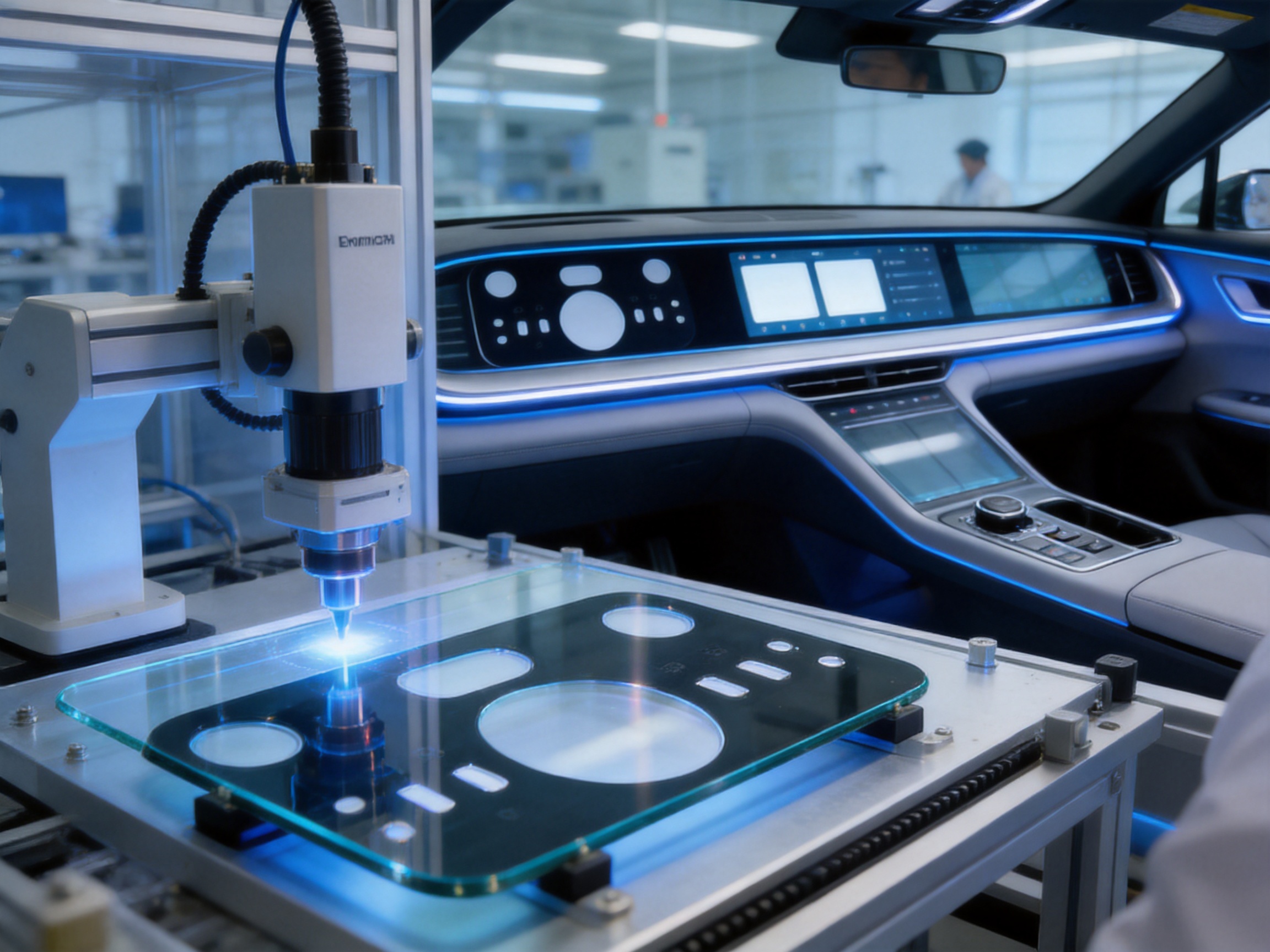
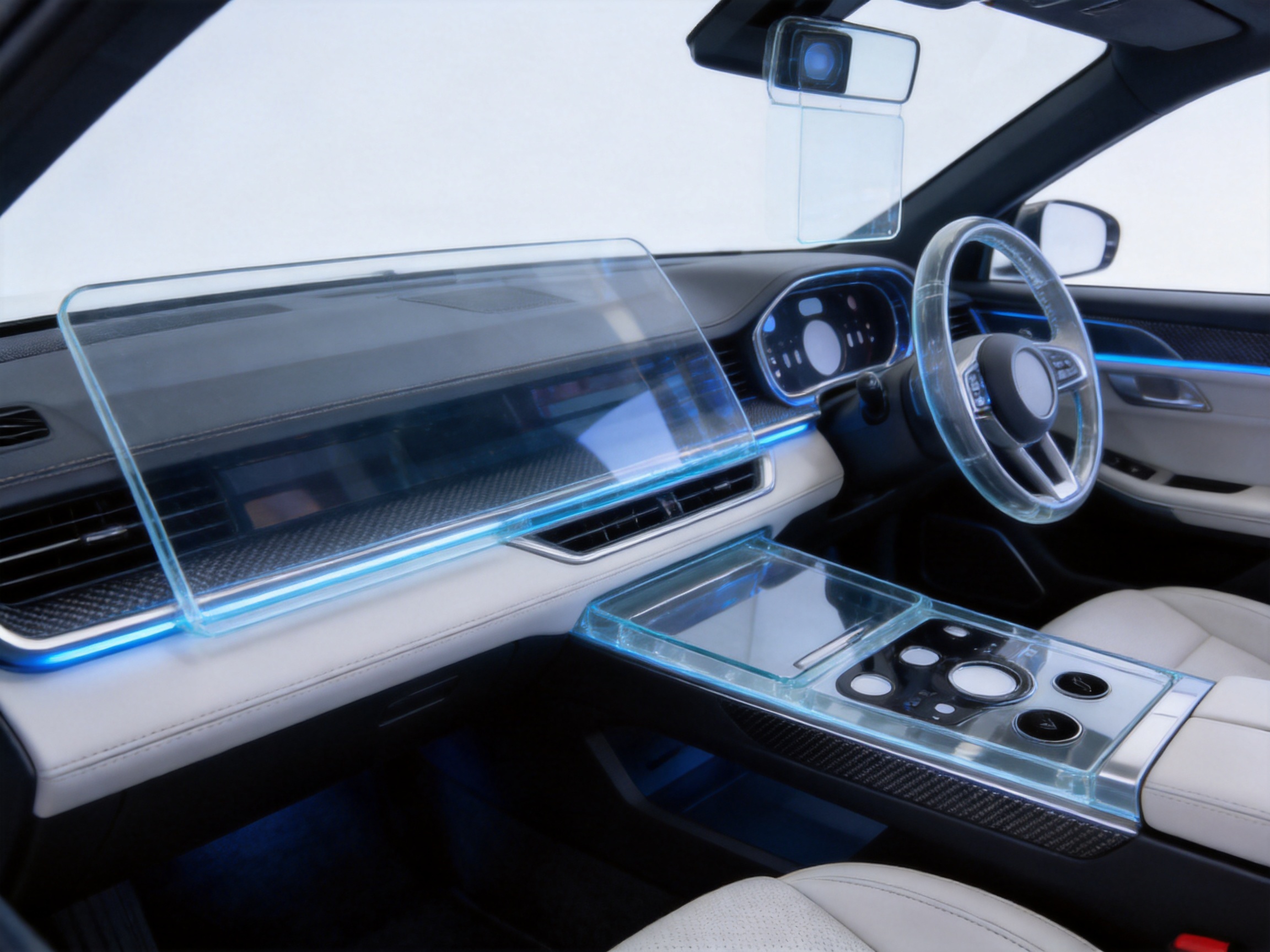
Automotive interior glass structural components are becoming increasingly important as vehicle manufacturers seek to combine elegant design, functional integration, visual comfort, and long-term reliability. Unlike ordinary decorative glass, these components must perform within a demanding automotive environment. They may be used as transparent or semi-transparent structural elements in instrument panels, center consoles, display assemblies, control interfaces, interior lighting systems, sensor covers, decorative trim, and other cabin applications. Their performance depends not only on optical appearance, but also on dimensional accuracy, surface quality, mechanical strength, environmental stability, and compatibility with neighboring materials.
The development of these components requires a combination of optical engineering, precision glass processing, coating technology, quality control, and application-specific design support. A component that looks attractive in a showroom must also withstand vibration, temperature changes, humidity, cleaning agents, ultraviolet exposure, assembly stress, and repeated human contact. In addition, it must maintain stable optical transmission, low distortion, and consistent color throughout its service life.
Changzhou Haolilai Photo-Electricity Scientific and Technical Co., Ltd., also known as HLL, provides precision optical component manufacturing experience that supports the production of automotive interior glass structural components. Founded in 1998, the company has developed capabilities in precision optics for automotive, laser, semiconductor, and consumer applications. Its production and technical resources are supported by a 35,000-square-meter facility, more than 300 employees, international customers in over 20 countries, and certifications including ISO9001:2015, ISO14001:2015, and IATF16949.
This article examines the function, advantages, manufacturing process, quality requirements, and application value of automotive interior glass structural components. It also explains how a specialized optical manufacturer can help automotive customers achieve better consistency, more reliable production, and more flexible product development than general glass suppliers.
Automotive Interior Glass Structural Components
Understanding Automotive Interior Glass Structural Components
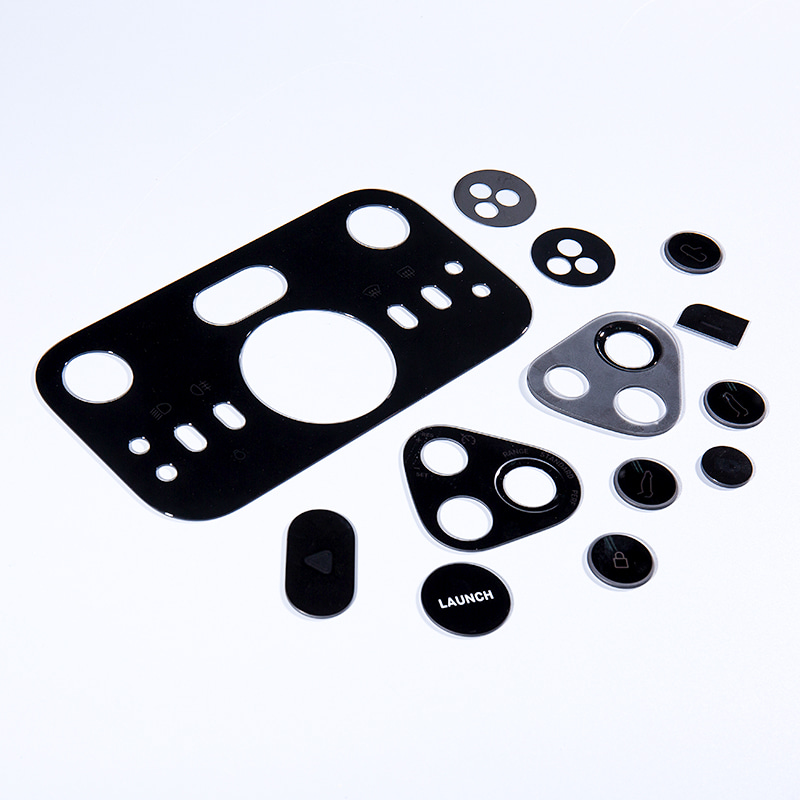
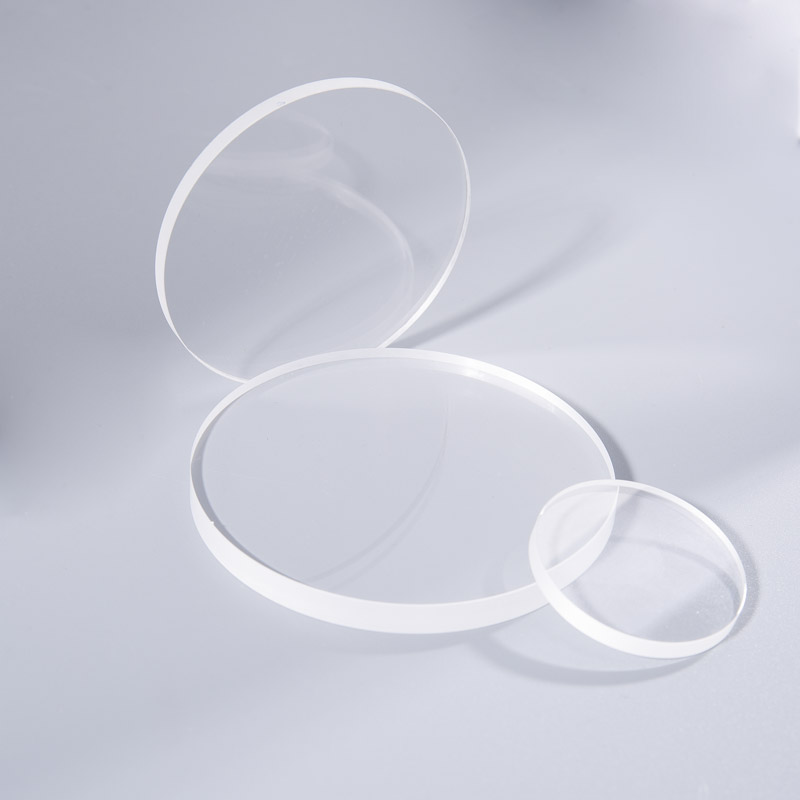
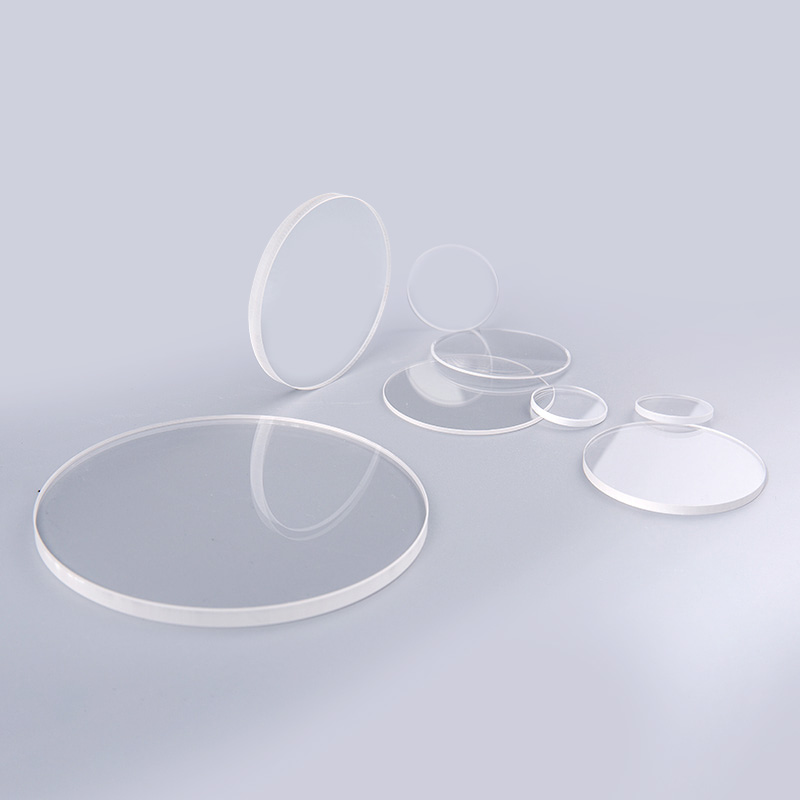
Automotive interior glass structural components are engineered glass parts designed to occupy a functional position within a vehicle cabin. Their role can be structural, protective, optical, decorative, or a combination of these functions. Some components form a visible surface over an electronic display. Others guide or diffuse light, protect an optical sensor, provide a premium trim surface, or support the integration of touch controls and other interactive technologies.
The word “structural” does not always mean that the glass carries the primary load of a vehicle assembly. In many interior applications, it means that the glass is an important engineered part of a larger module. It may provide a stable mounting surface, define the external geometry of a control area, protect sensitive electronics, or maintain the alignment between an optical element and a display or sensor. Because of this role, the component must meet both appearance standards and functional assembly requirements.
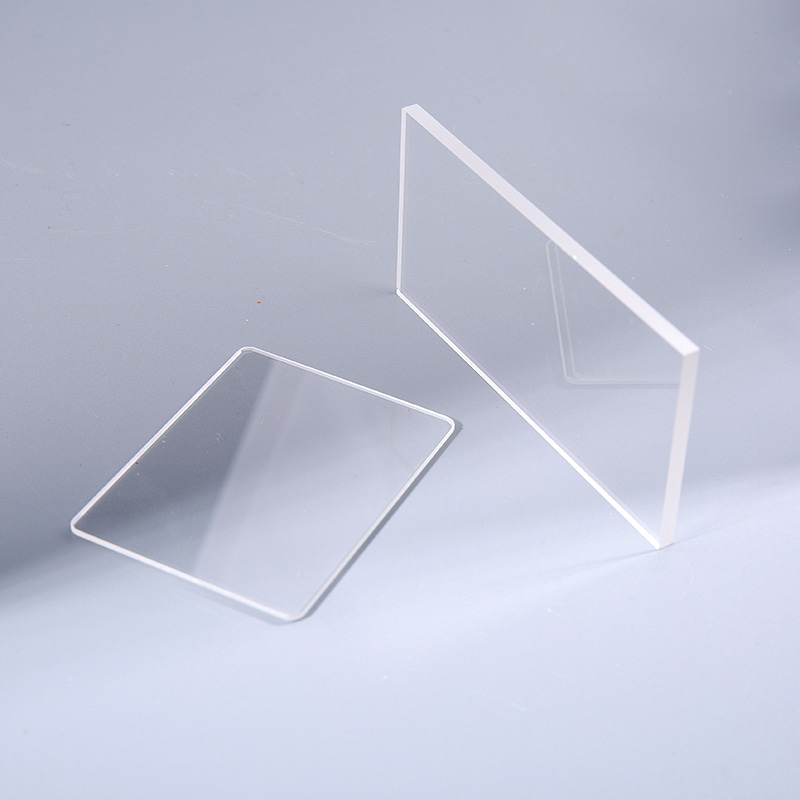
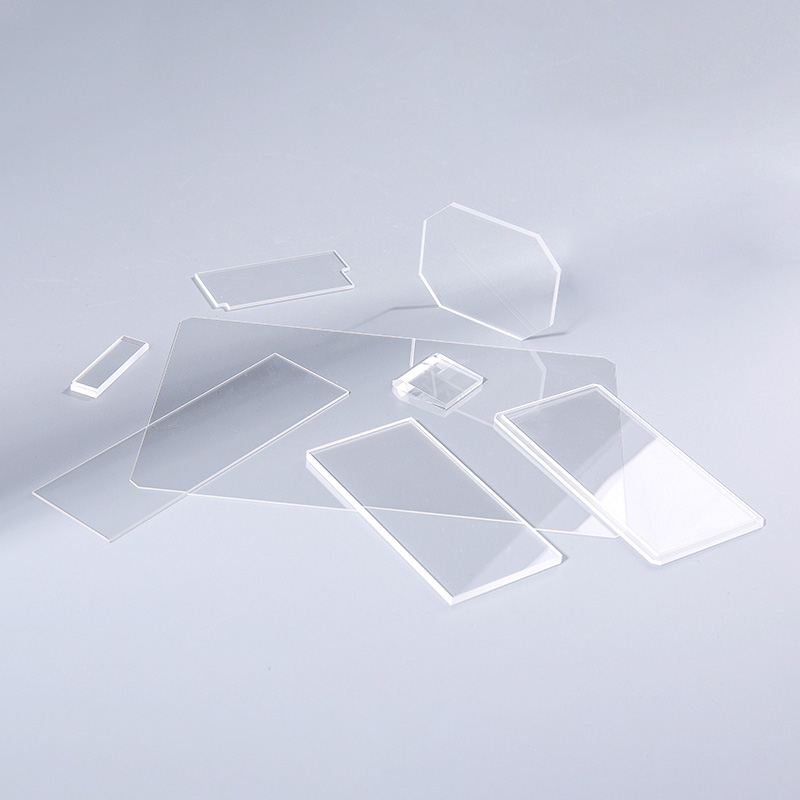
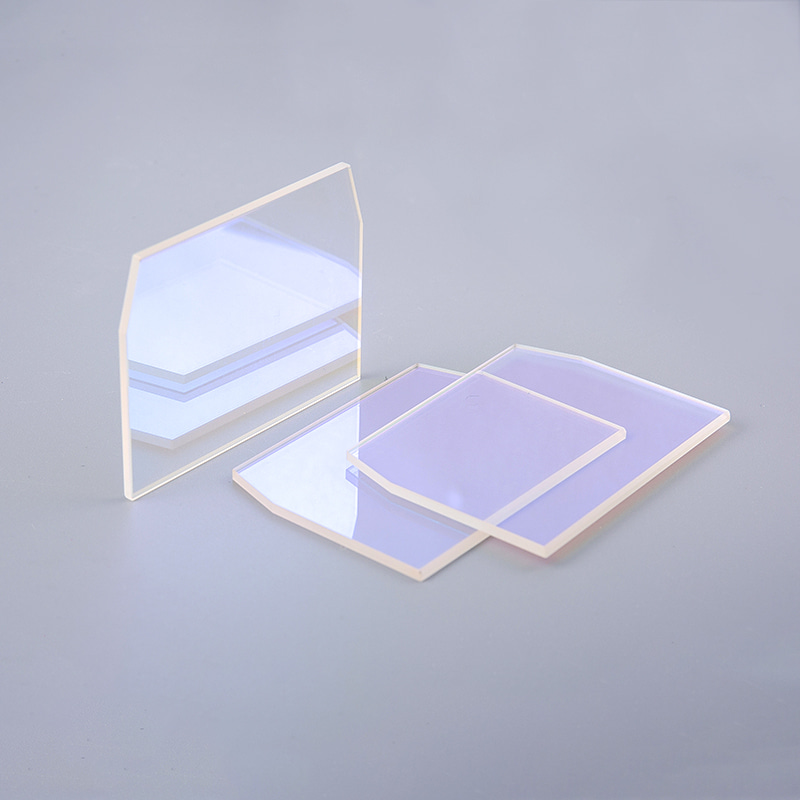
Typical characteristics may include a flat or curved geometry, polished or chemically strengthened surfaces, printed borders, anti-reflective treatments, infrared-control coatings, anti-fingerprint layers, opaque masking, decorative patterns, or controlled light-transmission regions. The component may also include holes, cutouts, chamfers, rounded edges, bonding areas, and reference features for accurate installation.
Automotive interior glass differs from ordinary architectural glass and common consumer glass in several ways. Automotive components are generally smaller and more geometrically complex, while their tolerances can be tighter. The surface may be viewed from a short distance, making small defects more noticeable. The part may be placed close to displays, cameras, light guides, or sensors, where optical distortion can affect system performance. It may also need to match the visual appearance of adjacent plastic, metal, leather, or coated surfaces.
Core Functions
The first function is protection. A glass panel can shield displays, touch interfaces, optical sensors, and light-emitting elements from scratches, dust, fingerprints, cleaning chemicals, and accidental impact. A properly engineered surface can extend the service life of the underlying electronic or optical module.
The second function is optical control. Automotive interior glass can regulate the transmission, reflection, diffusion, and direction of light. This is particularly important for head-up display-related components, instrument interfaces, ambient lighting systems, and sensor windows. Optical quality must be stable enough to prevent unwanted ghost images, haze, glare, or uneven brightness.
The third function is visual integration. Glass offers a smooth, high-quality appearance that can support modern vehicle interiors. It can create a continuous black surface when a display is turned off, provide a refined gloss or satin finish, and support printed graphics or decorative patterns. This makes it suitable for premium interiors and minimalist cockpit designs.
The fourth function is assembly support. Precisely machined edges, holes, and reference surfaces help the component fit into a housing or bonded module. Dimensional consistency reduces assembly variation and limits stress concentration during installation.
Advantages Over General-Purpose and Less Specialized Alternatives
Automotive customers often compare optical glass components with conventional glass, plastic panels, or parts supplied by manufacturers that focus mainly on cutting and basic finishing. A specialized precision optical component manufacturer can offer several important advantages.
Higher Optical Consistency
Optical consistency is one of the most important advantages. A general-purpose glass supplier may be able to provide a visually acceptable panel, but automotive optical applications often require tighter control over flatness, parallelism, surface quality, transmission, haze, and distortion. These characteristics influence display clarity, sensor performance, light distribution, and perceived product quality.
Precision optical manufacturing methods are designed to control the entire component rather than only its outline. Grinding, polishing, cleaning, coating, inspection, and packaging must work together. When these operations are managed as a coordinated process, the customer can receive more consistent parts across production batches.
Better Dimensional Accuracy
Interior glass components often need to fit into compact assemblies with limited clearance. A small deviation in thickness, hole position, edge profile, or overall dimensions can cause assembly difficulty, uneven bonding, or stress on the glass. Precision processing helps maintain the relationship between optical surfaces and mechanical features.
Dimensional accuracy is especially important when the glass is installed over a display, camera, projector, or sensor. If the component shifts or has excessive variation, the optical axis and the mechanical assembly may no longer align correctly. A manufacturer with experience in optical components is more likely to recognize the interaction between dimensional tolerances and optical performance.
Improved Surface Quality
Interior glass is often viewed directly by drivers and passengers under different lighting conditions. Small scratches, pits, stains, edge chips, polishing marks, or coating irregularities can become highly visible. High-quality surface preparation and controlled cleaning reduce these risks.
Surface quality also affects durability. A properly polished and treated surface is less likely to provide initiation points for cracks or to accumulate contaminants. When the component includes an anti-fingerprint or anti-reflective coating, a clean and stable base surface is essential for coating adhesion and appearance.
More Reliable Environmental Performance
Vehicle interiors experience repeated heating and cooling cycles. In some regions, cabin temperatures can vary significantly between day and night or between seasons. The glass component may also encounter humidity, condensation, ultraviolet radiation, cleaning products, skin oils, and mechanical vibration.
Specialized development allows the glass, coating, printing, adhesive, and housing to be considered as a complete system. This is superior to selecting a glass panel independently and discovering later that its coating peels, its printed border changes color, or its adhesive interface fails under environmental stress.
Greater Design Flexibility
Automotive designers increasingly request components with custom outlines, curved surfaces, asymmetric features, printed patterns, concealed display areas, or integrated optical functions. A specialized optical manufacturer can support these requirements more effectively than a supplier limited to standard rectangles and basic cutting.
Design flexibility does not mean that every geometry is automatically easy to manufacture. Instead, it means that engineering teams can evaluate the proposed design, identify risks, and adjust the geometry, tolerances, material, or finishing method before mass production. Early technical cooperation can reduce development time and avoid expensive tooling or process changes.
Stronger Quality Traceability
Automotive supply chains require controlled documentation, repeatable procedures, and traceability. IATF16949 certification is particularly relevant because it reflects a quality-management framework designed for the automotive industry. Combined with ISO9001:2015, it supports systematic process management, corrective action, risk control, and continuous improvement.
For customers, traceability can make it easier to identify the material batch, process conditions, inspection results, and shipment information associated with a product. This is valuable when a customer is managing a global vehicle program with strict supplier approval and change-control requirements.
Material and Design Considerations
The choice of glass material depends on the application, size, thickness, optical requirements, mechanical conditions, and desired surface treatment. A component used as a display cover may require high visible-light transmission and low haze. A sensor window may need controlled transmission in a specific wavelength range. A decorative structural part may prioritize color, gloss, pattern consistency, and scratch resistance.
Material selection should consider the complete assembly rather than the glass alone. The coefficient of thermal expansion, adhesive behavior, housing stiffness, and operating temperature can influence the final reliability of the product. A technically suitable glass may still create problems if the bonding system or supporting frame is not compatible with it.
Geometry and Edge Design
Glass geometry has a direct effect on strength and manufacturability. Sharp internal corners, narrow projections, deep cutouts, and abrupt thickness changes can create stress concentration. Rounded corners, appropriate edge treatment, and balanced geometry generally improve reliability.
Edges may be ground, polished, beveled, chamfered, or otherwise treated according to the assembly design. Edge finishing is not merely cosmetic. It can reduce the likelihood of chipping during handling and installation, improve operator safety, and provide more predictable bonding or mounting behavior.
Holes and cutouts require careful control of position, diameter, edge condition, and local stress. The relationship between a hole and the nearest edge is especially important. A design that places a hole too close to an edge may be difficult to produce consistently and may have lower mechanical reliability.
Surface Treatments
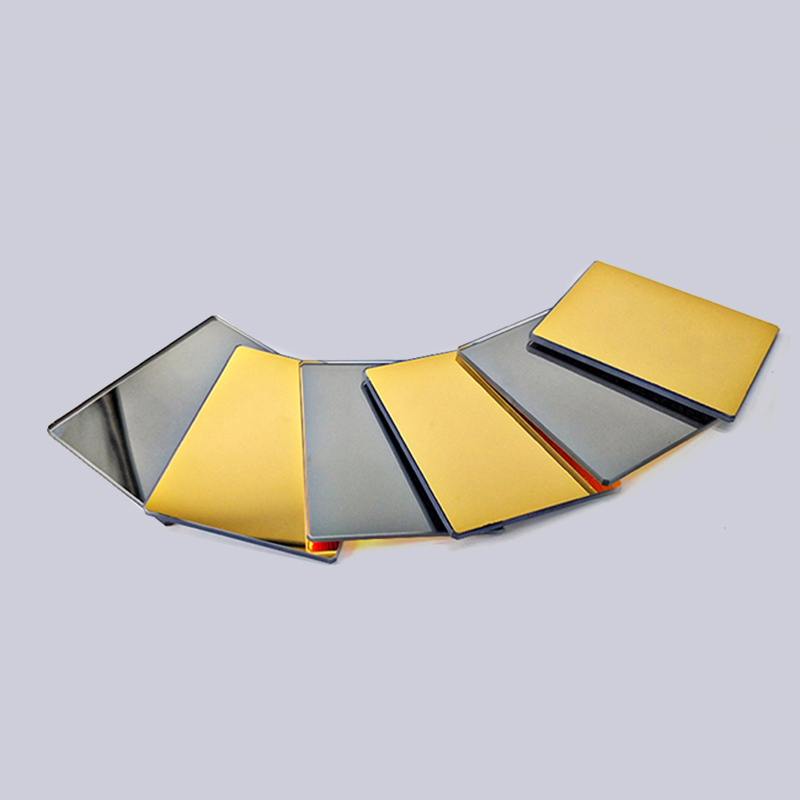
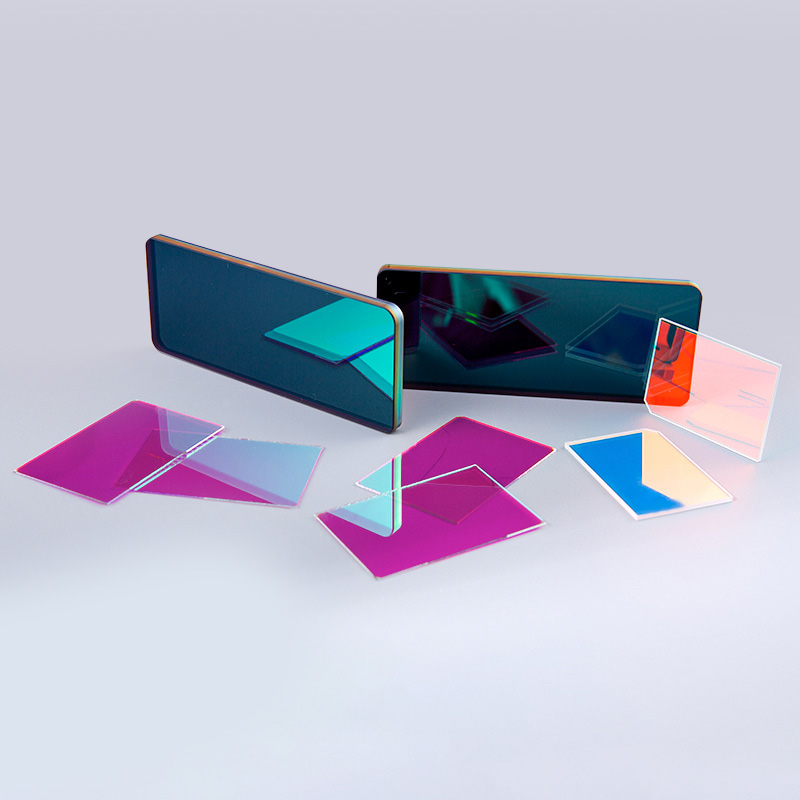
Surface treatments can be used to enhance optical and functional performance. Anti-reflective coatings reduce unwanted reflections and can improve display readability. Anti-glare treatments help control bright reflections under sunlight or cabin lighting. Anti-fingerprint coatings reduce the visibility of smudges and simplify cleaning.
Other treatments may include infrared-transmission control, ultraviolet filtering, hard coatings, conductive layers, or decorative printing. Each treatment must be selected according to the final application. For example, a coating that improves reflection performance may affect transmission or color balance, while a printed border may influence the active optical area.
Coating uniformity depends on substrate cleanliness, surface preparation, process control, equipment condition, and handling discipline. A specialized optical production environment is valuable because coating performance is closely connected to the quality of the preceding glass-processing operations.
Advanced Manufacturing Process
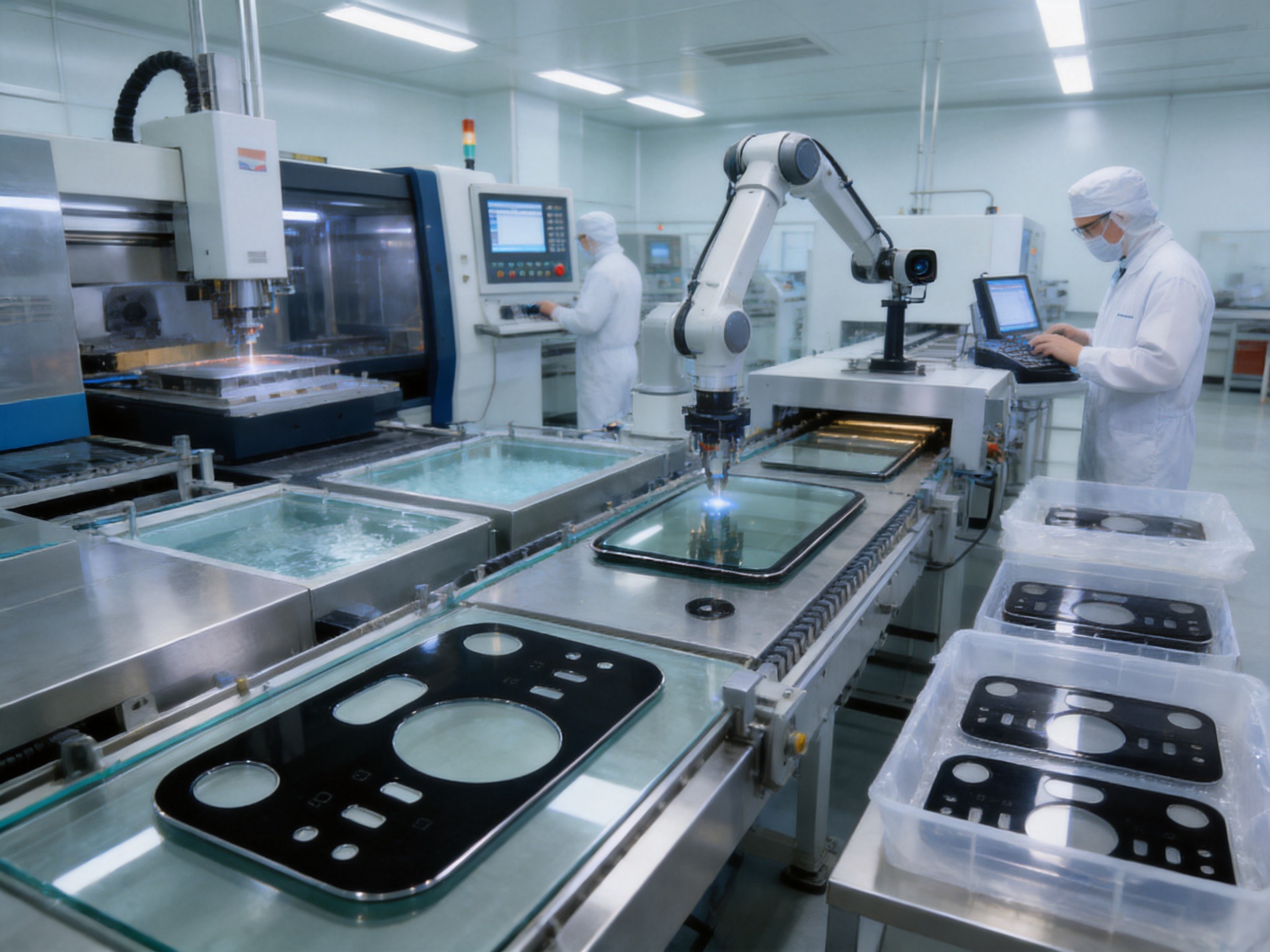
The manufacturing of automotive interior glass structural components involves multiple controlled stages. The exact sequence varies according to product design, material, coating, and customer requirements, but a typical production route includes engineering review, material preparation, cutting, shaping, edge processing, grinding and polishing, cleaning, strengthening or heat treatment when applicable, printing or coating, inspection, assembly support, and packaging.
1. Engineering Review and Process Planning
Production begins with a review of drawings, specifications, samples, and application requirements. Engineers examine the component geometry, tolerance scheme, optical zones, mounting features, coating areas, and inspection criteria. They also consider the relationship between the glass and the customer’s housing, adhesive, display, or sensor.
During this stage, manufacturability risks can be identified before production. Examples include insufficient edge distance, overly tight tolerances, unsuitable corner radii, excessive coating coverage, or a mismatch between the required optical performance and the proposed material. Early review helps reduce later changes and supports stable mass production.
Process planning also establishes inspection points. Instead of waiting until the final stage to detect defects, a robust process checks critical characteristics during production. This approach reduces waste and improves the ability to identify the source of variation.
2. Material Preparation and Cutting
Glass sheets or blanks are prepared according to the product specification. Material identification and handling are important because surface contamination or incorrect material selection can affect subsequent processing. Cutting equipment and procedures must maintain the required outline while limiting edge damage.
For complex shapes, computer-controlled cutting and dedicated tooling can help achieve repeatable dimensions. The selected cutting method must be appropriate for the glass type and thickness. After cutting, parts are checked for visible edge defects and dimensional conformity before proceeding.
3. Shaping, Drilling, and Edge Processing
Many interior components require holes, slots, notches, or non-rectangular profiles. These features may be produced using precision grinding, drilling, milling, or other controlled methods. The process must manage local heat, mechanical stress, and tool wear.
Edge processing removes sharp or damaged areas and creates the required profile. Depending on the design, the edge may be ground for functional clearance, polished for appearance, or shaped to support bonding. Consistency in this operation is important because edge variation can affect assembly fit and stress distribution.
4. Precision Grinding and Polishing
Grinding establishes geometry and removes material, while polishing improves surface quality and optical performance. For optical components, these operations must control more than visual smoothness. They may also influence flatness, parallelism, wedge, transmission uniformity, and distortion.
Polishing parameters must be matched to the glass material and product requirements. Excessive processing can alter dimensions or create edge roll, while insufficient processing may leave haze, scratches, or polishing marks. Production experience and process monitoring are therefore essential.
A strong manufacturing system uses suitable fixtures, controlled abrasives, stable equipment, and defined inspection procedures. The objective is to produce a surface that meets the customer’s optical and cosmetic requirements without sacrificing mechanical integrity.
5. Cleaning and Contamination Control
Cleaning is a critical stage before coating, printing, bonding, or final inspection. Dust, oil, polishing residue, and microscopic particles can cause coating defects, visible marks, poor adhesion, or optical non-uniformity.
Controlled cleaning procedures may include rinsing, washing, drying, and inspection under suitable lighting conditions. Handling practices are equally important. Operators must use appropriate protective measures, and finished surfaces should be protected from unnecessary contact.
Contamination control is especially important for components that will be installed in visible areas or placed directly over displays. A part can meet its dimensional requirements and still be rejected if particles, stains, or fingerprints are visible in the final assembly.
6. Printing and Decorative Integration
Printed borders, symbols, patterns, and functional marks may be used to integrate the glass with the vehicle interior. Printing can conceal adhesive lines, protect inactive display areas, create a visual frame, or provide design branding specified by the vehicle manufacturer.
Important printing characteristics include position, line definition, opacity, color consistency, adhesion, and resistance to abrasion and environmental exposure. The printed region must be accurately registered to the glass outline, holes, active display area, and assembly references.
Because automotive interiors are often designed with carefully coordinated colors and textures, even small differences between production batches can be noticeable. Process controls for ink preparation, screen or digital pattern accuracy, curing, and inspection help maintain consistency.
7. Coating Application
Coatings may be applied to one or both surfaces, depending on the desired function. Anti-reflective, anti-glare, hard, hydrophobic, oleophobic, conductive, or wavelength-selective coatings each have different process requirements.
The substrate must be properly prepared before coating. Surface cleanliness, roughness, temperature, and handling can affect adhesion and uniformity. After coating, parts may require curing or stabilization before inspection and packaging.
Coating performance should be evaluated through optical, mechanical, and environmental tests. These may include transmission and reflection measurements, adhesion checks, abrasion testing, humidity exposure, temperature cycling, chemical resistance, and visual inspection. The specific test program should be agreed upon with the customer according to the application.
8. Strengthening and Thermal Processing
Some automotive interior glass components may require improved resistance to mechanical impact or handling damage. Depending on the material and design, strengthening may involve thermal or chemical methods. The appropriate method must be selected carefully because it can affect flatness, optical properties, edge condition, and compatibility with later processing.
Strengthening does not eliminate the need for good design. A part with unsuitable geometry, severe edge damage, or excessive assembly stress may still fail. The most reliable result comes from combining appropriate material selection, sound geometry, controlled processing, and suitable installation methods.
9. Final Inspection and Packaging
Final inspection verifies that the component meets the agreed requirements before shipment. Typical checks may include dimensions, thickness, hole position, edge condition, surface quality, coating appearance, printed pattern, optical transmission, flatness, and cleanliness.
Inspection criteria should distinguish between functional defects and acceptable cosmetic variation. Clear standards help both the manufacturer and the customer make consistent decisions. When needed, inspection records can support batch traceability and customer approval.
Packaging protects the component during storage and transportation. Optical glass should be separated to prevent contact damage, surface scratching, contamination, and edge impact. Packaging design is particularly important for international shipments and high-value custom components.
Quality Management and Production Strengths
HLL’s production background provides several strengths relevant to automotive interior glass structural components. The company was established in 1998 and has developed long-term experience in precision optical manufacturing. Its technical activities extend across laser optics, automotive optics, semiconductor optics, and consumer optics, allowing knowledge from different application fields to support automotive product development.
The company’s ISO9001:2015 certification indicates a structured quality-management approach. ISO14001:2015 reflects attention to environmental management, while IATF16949 is directly relevant to automotive production systems. Together, these certifications provide a framework for process discipline, document control, risk management, corrective action, and continuous improvement.
HLL also operates technical centers focused on precision optical lenses and enterprise technology research. These resources support engineering development rather than limiting the company to simple contract processing. The ability to evaluate materials, process methods, optical performance, and product reliability can be particularly useful when a customer is developing a new interior glass component.
The company has more than 300 employees and has obtained invention patents, utility model patents, and high-technology product recognitions. These resources suggest an organization that invests in technical development and process improvement. For automotive customers, this may translate into more effective design-for-manufacturing support and faster response to complex technical requirements.
A broad export base also provides experience with different customer specifications, documentation expectations, packaging standards, and communication requirements. Since HLL exports to more than 20 countries, it is positioned to support international supply chains that require consistent quality and dependable coordination.
| Requirement | Value of a Specialized Optical Manufacturer | Benefit to Automotive Customers |
|---|---|---|
| Optical clarity | Controlled polishing, cleaning, coating, and optical inspection | Clearer displays, sensors, and illuminated interior features |
| Dimensional accuracy | Precision shaping, controlled tooling, and in-process checks | Improved fit, lower assembly variation, and reduced rework |
| Surface durability | Suitable strengthening and protective coating options | Better resistance to scratches, fingerprints, and daily use |
| Environmental reliability | Material, coating, and process validation for automotive conditions | More stable performance through temperature and humidity changes |
| Appearance consistency | Controlled printing, coating, inspection, and batch management | Uniform visual quality across vehicle interiors |
| Production traceability | Quality-system documentation and controlled process records | Improved supplier management and problem resolution |
| Design flexibility | Optical engineering and customized processing capabilities | Greater freedom for advanced cockpit and interior designs |
Performance Requirements in Automotive Interiors
Automotive interior glass must satisfy multiple performance categories at the same time. A component that excels in optical transmission but fails abrasion testing is not suitable. Similarly, a part with excellent cosmetic appearance may be unacceptable if its dimensions prevent reliable assembly.
Optical Performance
Optical requirements may include transmission, reflection, haze, clarity, distortion, color neutrality, and uniformity. These characteristics should be defined for the intended lighting environment and system function. A display cover, for example, may require excellent visible clarity, while a sensor window may require performance at a particular wavelength.
Optical performance should be evaluated after all relevant processes are complete. Coatings, printing, bonding, and strengthening can affect the final result. Testing only the untreated glass may not accurately represent the assembled component.
Mechanical Performance
Mechanical requirements include resistance to impact, edge damage, vibration, handling, and assembly stress. The appropriate test method depends on the component’s location and function. Even a non-load-bearing interior panel must survive transportation, installation, and regular use.
Mechanical performance is influenced by thickness, geometry, edge treatment, material, strengthening, adhesive selection, and housing design. For this reason, suppliers should work with customers to evaluate the complete interface rather than relying on isolated material data.
Environmental Performance
Temperature cycling, high humidity, chemical exposure, ultraviolet radiation, and abrasion can all affect the component. Interior cleaning agents, sunscreen, skin oils, and beverage spills may contact exposed surfaces. The glass and its coating must retain acceptable appearance and functionality after such exposure.
Environmental validation can include high-temperature storage, low-temperature storage, thermal cycling, humidity exposure, chemical resistance, ultraviolet exposure, and surface abrasion. The final test plan should reflect the expected vehicle environment and the customer’s validation standards.
Assembly Compatibility
The component must work with adhesives, gaskets, clips, frames, optical modules, and adjacent materials. Bonding surfaces should be defined clearly, and contamination must be controlled. Excessive adhesive squeeze-out can affect appearance, while insufficient bonding can permit movement or moisture entry.
Dimensional tolerances should be reviewed together with assembly tolerances. A glass component may meet its individual drawing requirements but still create problems if the housing, adhesive layer, or display module has independent variation. Coordinated tolerance analysis helps prevent these issues.
Applications in Next-Generation Vehicle Interiors
Automotive interior glass structural components can support a wide range of emerging vehicle features. The growth of digital cockpits has increased demand for large, continuous, and visually integrated display surfaces. Glass can provide a durable cover for these displays while supporting a refined appearance when the screen is inactive.
Center consoles and control panels may use glass to create smooth touch surfaces or transparent control zones. In these applications, the material must combine optical clarity, touch compatibility, fingerprint resistance, and strong scratch resistance. Accurate cutouts and printed borders can help integrate buttons, indicators, and bonding areas.
Ambient lighting systems can use glass components to distribute or conceal light. Controlled transmission regions, printed patterns, and surface treatments may be used to create uniform illumination without exposing the underlying light source. The quality of the glass surface and the accuracy of the pattern are important for avoiding bright spots and uneven brightness.
Camera and sensor systems may also require protective windows located within the interior. These windows must maintain the required optical transmission while resisting contamination and cleaning chemicals. If the component is part of a driver-monitoring, gesture-recognition, or cabin-monitoring system, optical distortion and reflection control may be particularly important.
Premium interior design is another major application. Automotive brands increasingly use glass-like surfaces to create a sense of quality and technological sophistication. Precision optical components can support complex shapes, hidden interfaces, decorative borders, and coordinated finishes across multiple cabin modules.
Development Cooperation and Customization
A successful automotive glass program usually begins before the final drawing is released. The supplier’s engineering team should be involved when the customer is considering material, thickness, geometry, optical requirements, coating, printing, and assembly method. Early cooperation makes it possible to identify manufacturing risks while design changes are still affordable.
Customization may involve dimensions, edge shape, holes, printed patterns, coating type, surface texture, optical transmission, or packaging. The customer may also require first-article inspection, capability studies, reliability testing, or a special traceability system. A flexible supplier should be able to organize these requirements into a controlled production plan.
Prototype production is an important step between concept and mass production. Prototypes can be used to verify fit, visual appearance, optical behavior, coating compatibility, and assembly performance. However, prototype processes should be reviewed carefully because a prototype made by a manual method may not fully represent mass-production capability.
Once the design is approved, process validation should confirm that production equipment, tooling, inspection methods, and operator procedures can achieve the required results consistently. Changes to material, equipment, coating, printing, or process parameters should be managed through formal change control.
Why Manufacturing Scale and Technical Experience Matter
Automotive customers need more than a one-time sample. They require reliable supply throughout the vehicle program, often over several years. A manufacturer with an established facility, experienced personnel, technical centers, and formal quality systems is better positioned to maintain continuity.
HLL’s 35,000-square-meter operating area provides a substantial foundation for production, engineering, inspection, material management, and expansion. Its history since 1998 indicates long-term experience rather than a newly established operation. The combination of technical personnel, patents, product development activities, and industry certifications supports a more comprehensive manufacturing capability.
Scale also helps a supplier manage different production stages internally or under controlled coordination. This can reduce communication gaps between glass processing, optical finishing, coating, inspection, and packaging. When critical operations are managed within an integrated quality system, the customer can receive clearer accountability.
At the same time, scale should be combined with flexibility. Automotive programs vary significantly in volume and technical complexity. A capable supplier should be able to support prototype quantities, pilot production, and stable mass production while maintaining consistent standards at each stage.
Common Challenges and How to Address Them
Scratches and Cosmetic Defects
Scratches and cosmetic defects can occur during grinding, washing, handling, inspection, or transportation. Prevention requires controlled handling, suitable protective films or separators, clean work areas, and careful packaging. Inspection lighting should be defined so that evaluation is repeatable.
Coating Adhesion Problems
Poor coating adhesion may result from contamination, unsuitable surface preparation, incorrect curing, or incompatible materials. The solution is not simply to increase coating thickness. Instead, the substrate, cleaning process, coating method, curing conditions, and environmental tests must be evaluated together.
Edge Chipping
Edge chipping may result from cutting damage, unsuitable tooling, improper handling, or excessive assembly force. Edge finishing and protective packaging can reduce the risk. The assembly design should also avoid forcing a component into an undersized or misaligned housing.
Optical Distortion
Optical distortion may be caused by wedge, non-uniform thickness, polishing variation, bending, coating effects, or assembly stress. A system-level review can determine whether the issue originates in the glass, the mounting structure, or the optical module behind it.
Variation Between Batches
Batch variation can affect color, reflectance, coating appearance, printed borders, dimensions, or surface texture. Stable material control, documented process parameters, calibrated inspection equipment, and statistical monitoring can help reduce variation. Customer-approved golden samples may also support consistent visual evaluation.
Advantages for Procurement and Project Management
From a procurement perspective, working with a specialized manufacturer can simplify supplier management. Instead of purchasing a basic glass panel from one supplier and arranging separate optical finishing, coating, and inspection from others, the customer may obtain a more integrated solution. This can reduce handoffs and make technical responsibility clearer.
For project managers, a manufacturer with experience across multiple precision-optics fields can offer useful technical communication. Automotive projects involve design engineers, quality engineers, purchasing teams, manufacturing engineers, and validation specialists. Clear communication among these groups is necessary to avoid contradictory requirements.
International experience is also valuable when the customer operates across multiple regions. Export documentation, packaging standards, production records, and delivery coordination must be handled accurately. HLL’s experience serving customers in more than 20 countries provides a foundation for this type of cooperation.
Sustainability and Responsible Manufacturing
Environmental responsibility is increasingly important in automotive supply chains. Glass processing, cleaning, coating, packaging, and energy consumption should be managed with attention to resource efficiency and waste reduction. ISO14001:2015 provides a framework for environmental management and continuous improvement.
Responsible manufacturing may include controlling chemical use, improving water management, reducing unnecessary material waste, optimizing energy consumption, and selecting packaging that protects products without excessive materials. Process stability also contributes to sustainability because fewer rejected components mean lower consumption of glass, energy, labor, and packaging.
Customers may request environmental information, restricted-substance declarations, or supplier sustainability documentation. A structured environmental-management system helps manufacturers organize and respond to these requirements more effectively.
Recommended Selection Criteria
When selecting a supplier for automotive interior glass structural components, customers should evaluate more than price. Important criteria include relevant automotive experience, optical-processing capability, dimensional control, surface quality, coating expertise, testing resources, quality certifications, production capacity, traceability, engineering support, and international delivery experience.
The supplier should be able to explain how it controls critical characteristics and how it responds when a result is outside specification. Customers should also ask whether the supplier can support the full product life cycle, from prototype development through production ramp-up, mass production, engineering changes, and replacement-part supply.
Samples should be evaluated under realistic conditions. A glass component may look satisfactory under factory lighting but show reflections, haze, fingerprints, or color differences when installed in the actual interior. Functional tests should therefore be combined with assembly trials and environmental validation.
Q&A
What are automotive interior glass structural components?
They are precision glass parts designed for functional or integrated use inside a vehicle cabin. They may protect displays and sensors, support control interfaces, guide light, provide decorative surfaces, or form part of a larger interior module. Their requirements usually include optical quality, dimensional accuracy, durability, and compatibility with automotive assembly methods.
How are these components different from ordinary glass panels?
They generally require tighter control of geometry, surface quality, optical performance, edge condition, coating, cleanliness, and environmental reliability. They must also fit accurately into a complex vehicle assembly and maintain appearance during long-term use.
Can the components be customized?
Yes. Customization may include outline, thickness, holes, cutouts, edge profiles, surface treatments, printed patterns, optical transmission, anti-reflective performance, and packaging. The final options depend on the application, material, and production requirements.
Why is optical expertise important for interior glass?
Many interior glass parts are located over displays, sensors, cameras, or lighting systems. Optical properties such as transmission, haze, reflection, distortion, and uniformity can directly affect system performance. Optical manufacturing experience helps connect these properties with polishing, coating, dimensional control, and inspection.
What certifications are relevant to automotive customers?
ISO9001:2015 supports general quality management, ISO14001:2015 supports environmental management, and IATF16949 is particularly relevant to automotive quality systems. Certifications should be considered together with actual process capability, inspection methods, technical experience, and customer references.
What types of surface treatment can be applied?
Depending on the application, treatments may include anti-reflective, anti-glare, hard, anti-fingerprint, hydrophobic, oleophobic, conductive, decorative, or wavelength-selective coatings. The appropriate treatment depends on the required optical, mechanical, environmental, and visual performance.
How can scratches and fingerprints be reduced?
Suitable hard coatings, anti-fingerprint treatments, controlled handling, protective packaging, and proper cleaning procedures can reduce these risks. The design should also consider how often the surface will be touched and which cleaning chemicals may be used.
Can glass components support display integration?
Yes. Glass can act as a durable cover over a display, provide a continuous visual surface, and include printed borders or concealed areas. The design must account for optical clarity, reflection control, touch response, bonding, dimensional tolerance, and compatibility with the display module.
What should be reviewed before mass production?
Customers and suppliers should review material selection, geometry, tolerances, edge treatment, coating, printing, bonding, inspection standards, reliability testing, packaging, traceability, and change-control procedures. Prototype and pilot-production results should be used to confirm that the process can meet the final requirements consistently.
What makes HLL suitable for this product category?
HLL has operated since 1998 as a precision optical component manufacturer. Its capabilities cover automotive optics and other demanding optical fields, and it has an established technical team, a 35,000-square-meter facility, more than 300 employees, automotive-related IATF16949 certification, and experience exporting to over 20 countries. These resources support customized development and controlled production of precision automotive interior glass components.
Conclusion
Automotive interior glass structural components combine the visual appeal of premium glass with the demanding requirements of precision automotive engineering. They must be attractive, clear, durable, dimensionally accurate, environmentally stable, and compatible with complex interior assemblies. Their success depends on coordinated control of material selection, geometry, grinding, polishing, cleaning, coating, printing, inspection, and packaging.
Compared with general-purpose glass suppliers, a specialized optical manufacturer can provide stronger control over optical consistency, surface quality, dimensional accuracy, coating performance, and product traceability. These advantages can reduce assembly variation, improve vehicle-interior appearance, and support the integration of displays, sensors, lighting, and touch interfaces.
Changzhou Haolilai Photo-Electricity Scientific and Technical Co., Ltd. brings more than two decades of precision optical manufacturing experience to this field. Its automotive optics focus, technical centers, formal quality and environmental systems, IATF16949 certification, manufacturing scale, international customer experience, patents, and technical personnel create a strong foundation for customized automotive interior glass structural components.
As vehicle interiors become more digital, connected, and design-oriented, the demand for reliable glass components will continue to grow. Suppliers that combine optical knowledge, automotive quality management, advanced processing, and responsive engineering support will be best positioned to help vehicle manufacturers transform innovative interior concepts into stable, production-ready products.
References
1. International Organization for Standardization. ISO 9001:2015, Quality Management Systems — Requirements.
2. International Organization for Standardization. ISO 14001:2015, Environmental Management Systems — Requirements with Guidance for Use.
3. International Automotive Task Force. IATF 16949, Quality Management System Requirements for Automotive Production and Relevant Service Parts Organizations.
4. International Organization for Standardization. ISO 1288, Glass in Building — Determination of the Bending Strength of Glass.
5. International Organization for Standardization. ISO 10110, Optics and Photonics — Preparation of Drawings for Optical Elements and Systems.
6. Society of Automotive Engineers. Automotive Interior Materials and Environmental Performance Practices.
7. Optical Society and Precision Engineering Reference Materials. Fundamentals of Optical Surface Quality, Transmission, Reflection, and Dimensional Control.
8. Automotive Industry Action Group. Automotive Supplier Quality Planning and Advanced Product Quality Planning Guidelines.


 苏公网安备32041102000130号