
 Search
 en
en English
 日本語
日本語 русский
 Español
 Deutsch
 中文简体
中文简体Content
- 1 Understanding Automotive Interior Glass Structural Components
- 2 Core Advantages of Precision Automotive Interior Glass
- 3 Manufacturing Strengths of an Experienced Optical Component Producer
- 3.1 Engineering and Technical Development
- 3.2 Controlled Glass Processing
- 3.3 Precision Cutting and Forming
- 3.4 Edge Grinding and Polishing
- 3.5 Drilling, Milling, and Feature Processing
- 3.6 Cleaning and Contamination Control
- 3.7 Coating, Printing, and Surface Treatment
- 3.8 Strengthening and Reliability Improvement
- 4 Quality Management for Automotive Applications
- 5 Advantages over General-Purpose Glass Suppliers
- 6 Material and Design Considerations
- 7 Applications in Next-Generation Vehicle Interiors
- 8 Development and Supplier Cooperation
- 9 Environmental Responsibility and Sustainable Manufacturing
- 10 Global Supply Capability and Industry Experience
- 11 How to Evaluate a Suitable Manufacturer
- 12 Competitive Value for Vehicle Manufacturers and Module Suppliers
- 13 Frequently Asked Questions
- 13.1 What are automotive interior glass structural components?
- 13.2 How are these components different from ordinary glass panels?
- 13.3 Can the components be customized?
- 13.4 Are these components suitable for display applications?
- 13.5 Can glass be used in sensor or camera windows?
- 13.6 What manufacturing processes may be used?
- 13.7 Why is edge processing important?
- 13.8 What quality certifications does the manufacturer hold?
- 13.9 How does optical manufacturing experience benefit automotive glass production?
- 13.10 Can the supplier support international customers?
- 13.11 What information should a customer provide when requesting a quotation?
- 13.12 How can customers reduce development risk?
- 14 Conclusion
- 15 References
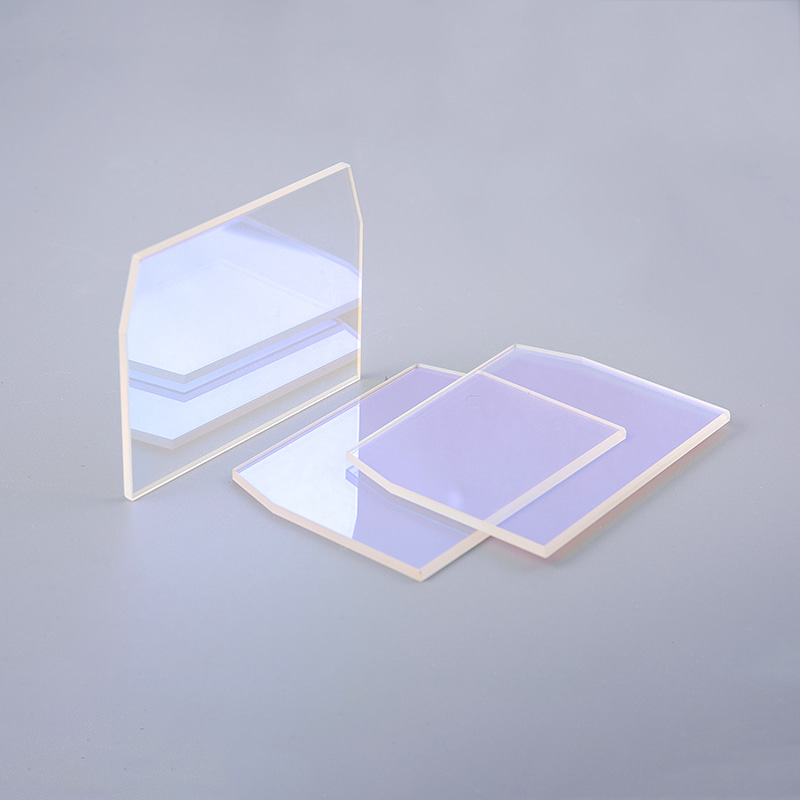
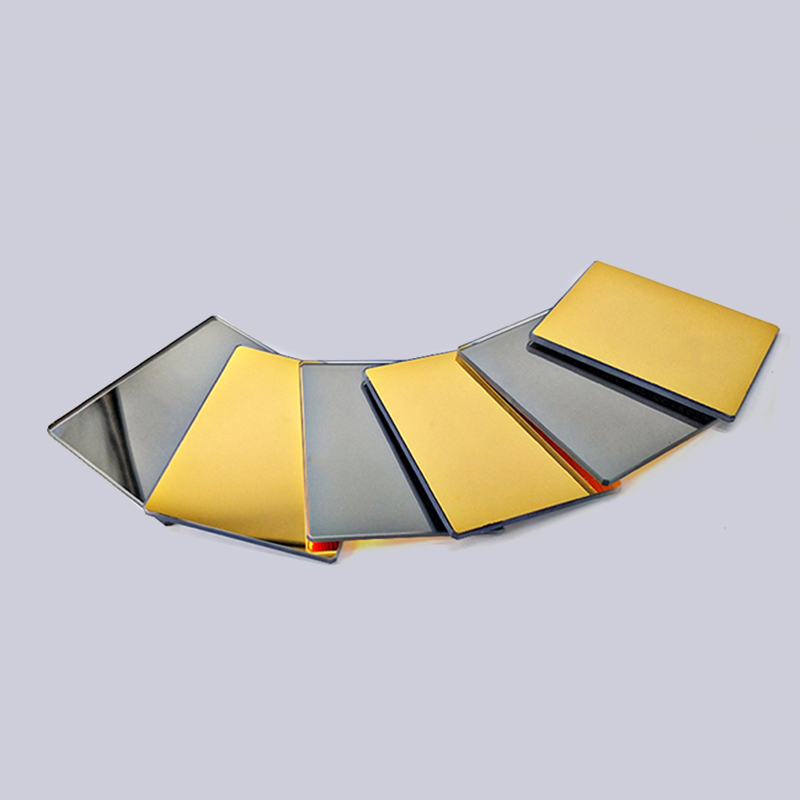
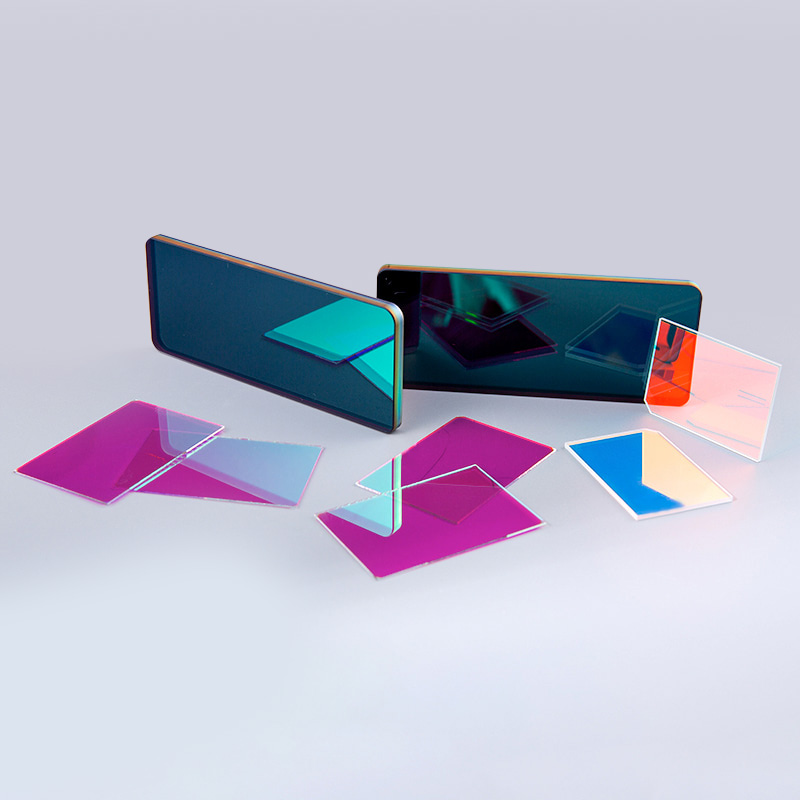
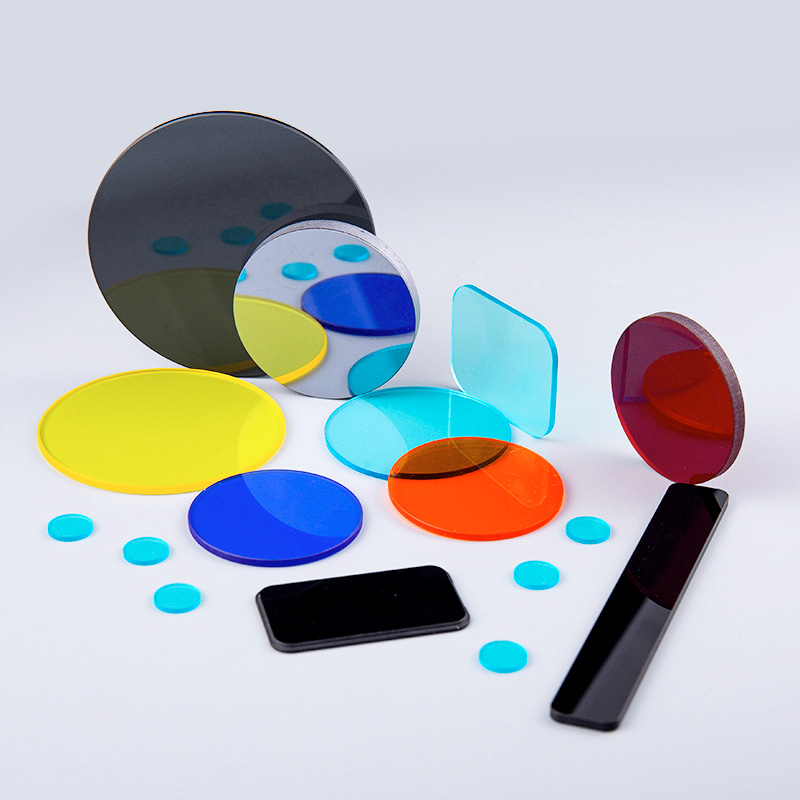
- 16 Product: Automotive Interior Glass Structural Components
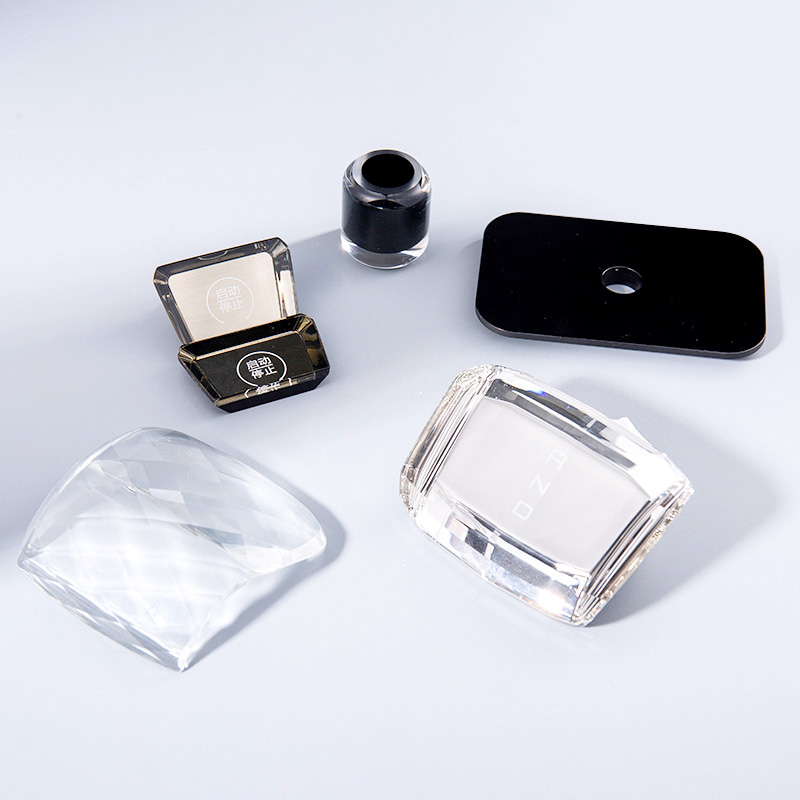
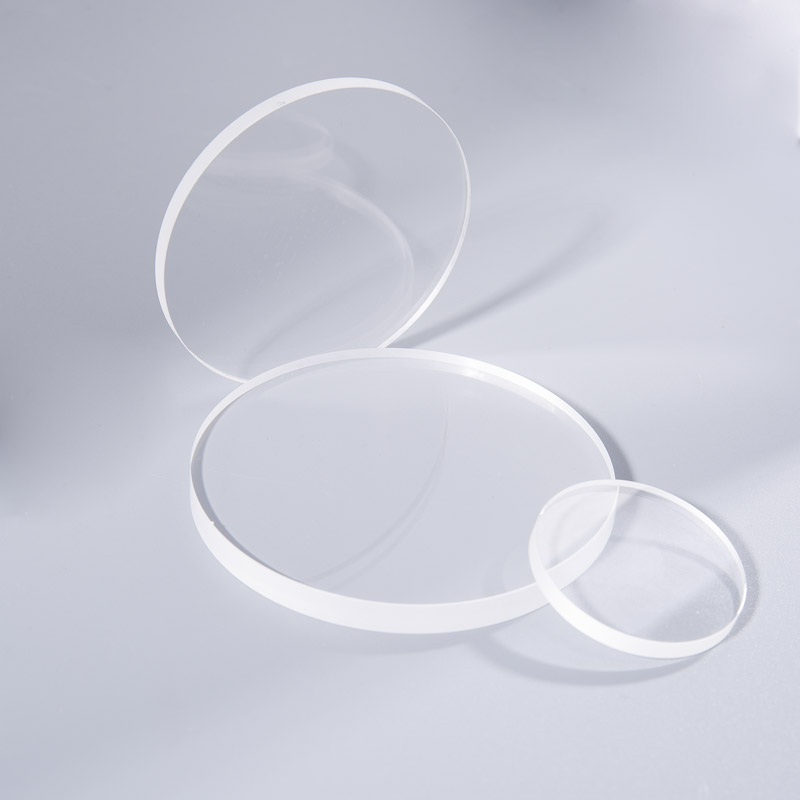
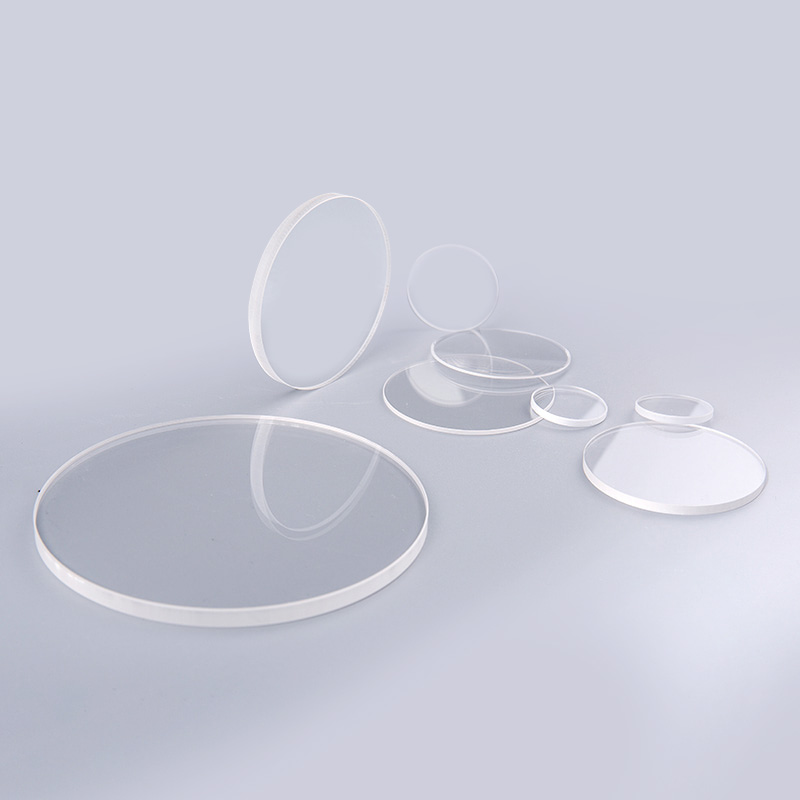
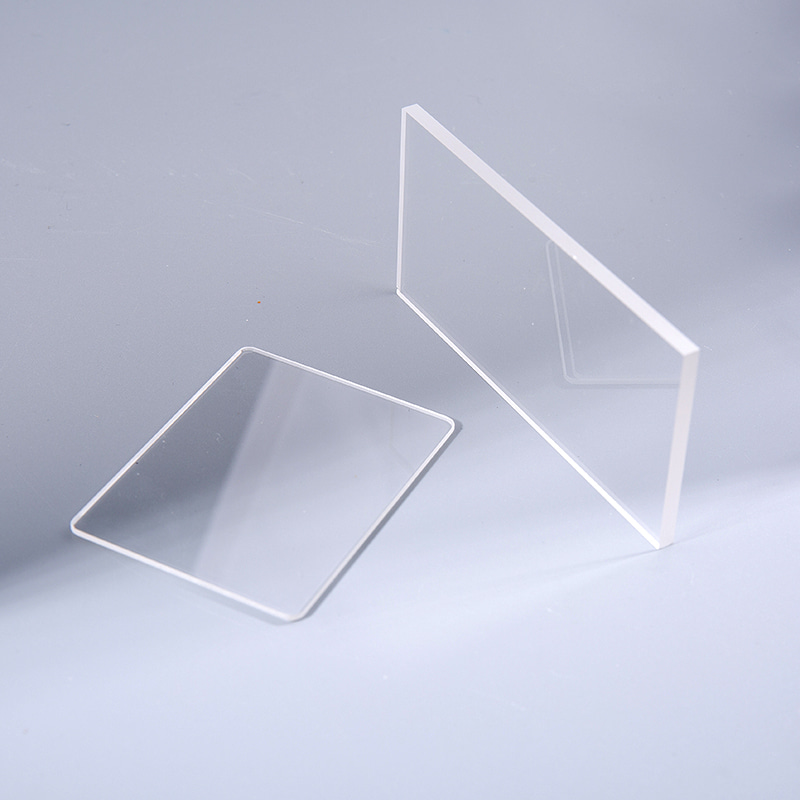
Automotive interior glass structural components are becoming increasingly important as vehicle manufacturers pursue lighter, more intelligent, more refined, and more visually integrated cabin designs. These components may serve as protective windows, display covers, sensor interfaces, decorative structural elements, optical channels, or precisely shaped glass parts incorporated into instrument panels, center consoles, door assemblies, overhead systems, and other interior modules.
Unlike ordinary decorative glass, automotive interior glass structural components must satisfy a demanding combination of requirements. They need to offer excellent optical and visual quality while also maintaining dimensional accuracy, surface durability, resistance to environmental changes, and compatibility with surrounding plastics, metals, adhesives, electronics, and display systems. The component must fit accurately into a complex vehicle assembly and remain stable throughout long-term service.
Changzhou Haolilai Photo-Electricity Scientific and Technical Co., Ltd. is an experienced precision optical component manufacturer with a strong foundation in glass processing, optical engineering, quality management, and automotive applications. Founded in 1998, the company develops and manufactures precision components for laser optics, automotive optics, semiconductor optics, and consumer optics. Its automotive interior glass structural components benefit from optical manufacturing expertise, an established technical team, advanced production capabilities, and management systems certified to internationally recognized standards.
This article examines the role, performance characteristics, manufacturing process, quality advantages, application value, and selection considerations associated with automotive interior glass structural components. It also explains how an experienced optical component manufacturer can provide advantages over general-purpose glass suppliers and less specialized competitors.
Automotive Interior Glass Structural Components
Understanding Automotive Interior Glass Structural Components
Automotive interior glass structural components are precision-manufactured glass parts designed to function within the vehicle cabin as more than simple visual decoration. Depending on the vehicle architecture and product design, they can provide mechanical support, optical transmission, electronic protection, touch or display integration, surface protection, visual separation, or a combination of these functions.
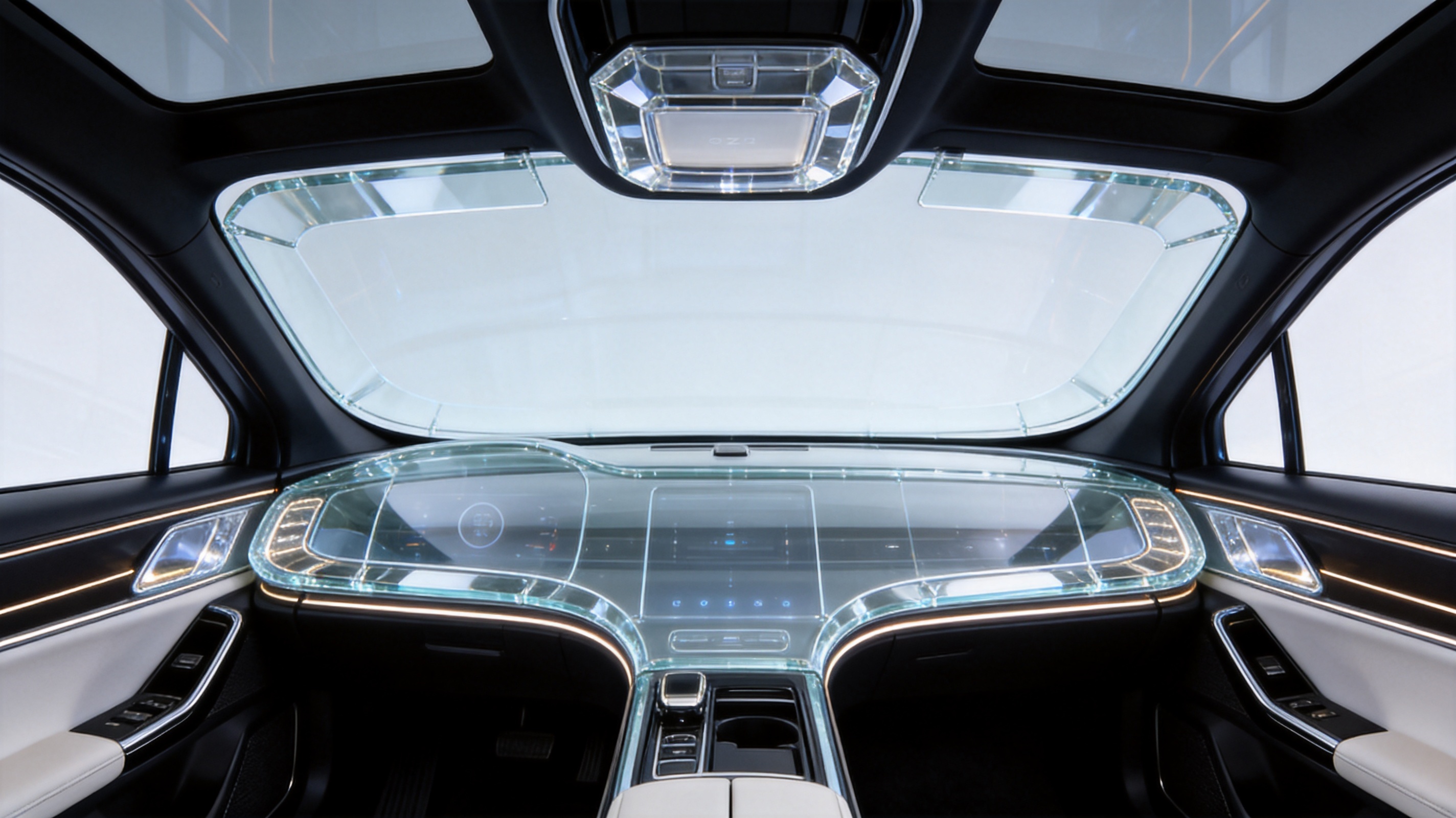
Modern automotive interiors increasingly contain digital displays, cameras, infrared sensors, ambient lighting systems, driver monitoring functions, touch interfaces, and advanced human-machine interaction modules. These systems often require a transparent or semi-transparent material that protects sensitive electronics while preserving an attractive, seamless cabin appearance. Glass is well suited to these requirements because it offers a hard, stable, chemically resistant, and optically controllable surface.
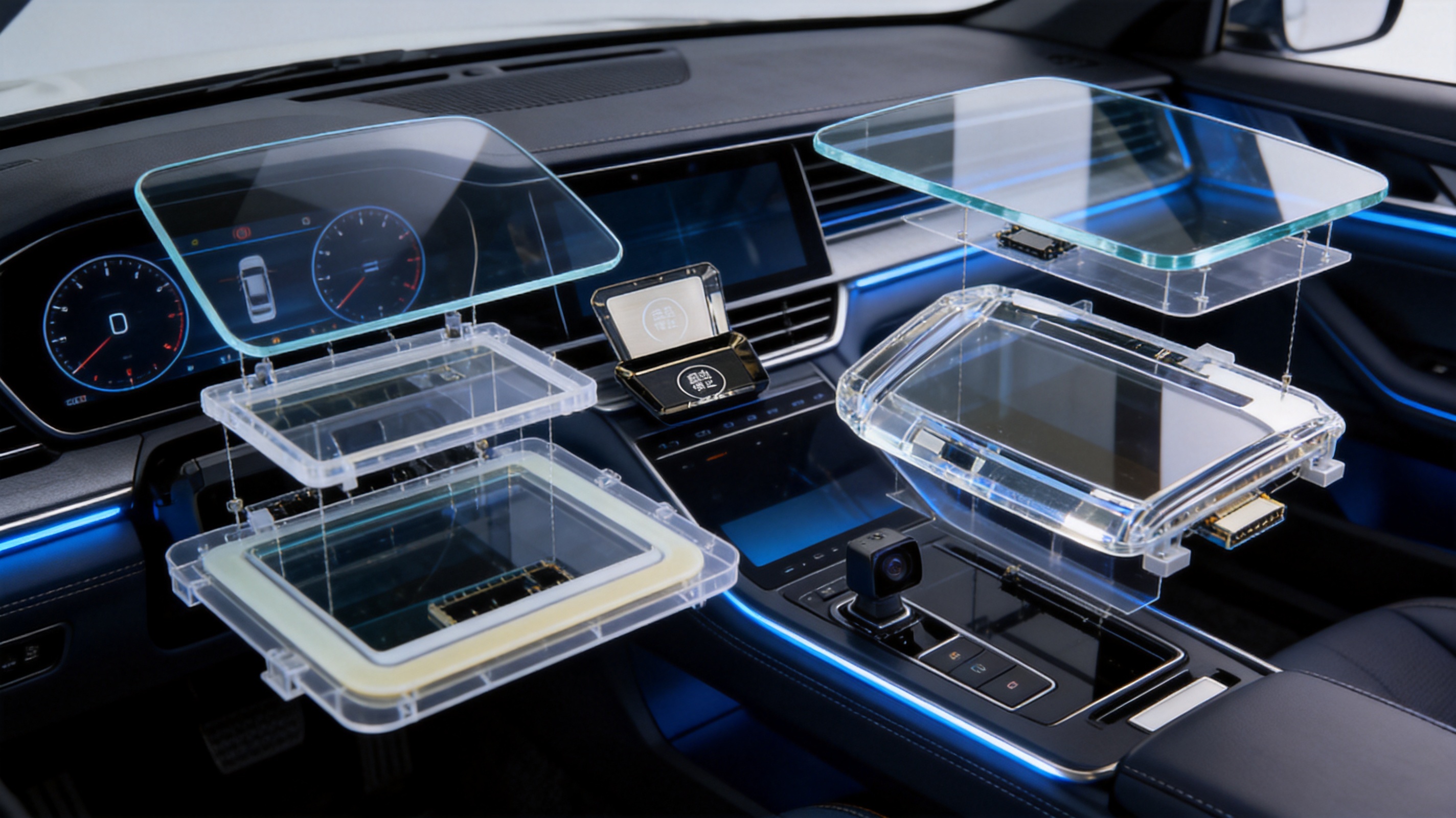
In many applications, the glass element must be integrated with a plastic carrier, metal frame, flexible printed circuit, display module, adhesive layer, or decorative film. This means that the component is part of a larger structural system. Its thickness, edge geometry, flatness, curvature, hole position, transparency, coating performance, and surface finish can all affect the performance of the finished interior assembly.
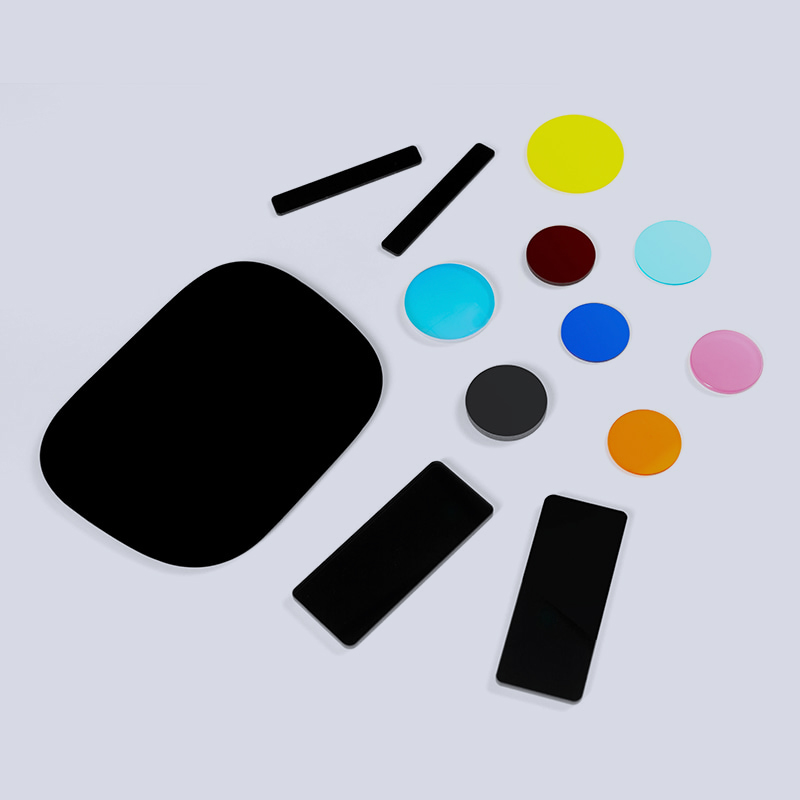
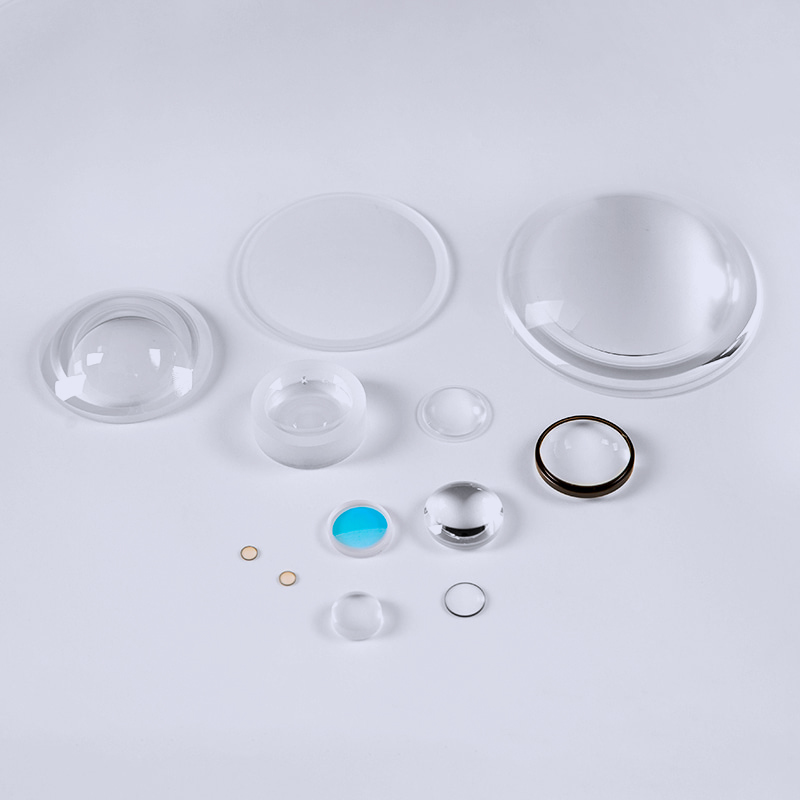
Typical applications may include display cover glass, instrument panel windows, center-console glass panels, transparent control interfaces, sensor windows, camera protection covers, ambient-light guide elements, decorative glass inserts, and glass parts used in integrated interior modules. The exact design depends on the vehicle program, the required optical path, the assembly method, and the intended user experience.
Functional Glass for Integrated Vehicle Interiors
The development of intelligent interiors has changed the role of glass in vehicle design. A glass component may simultaneously act as a protective barrier, an optical interface, a tactile surface, and a visible design feature. In a display system, it must transmit light evenly and minimize reflections. In a sensor window, it must preserve the required wavelength transmission. In a decorative assembly, it must maintain consistent color, gloss, and visual uniformity.
Structural performance is also important. The glass must remain securely positioned during assembly and vehicle operation. It may be exposed to vibration, temperature changes, humidity, cleaning chemicals, ultraviolet radiation, and repeated contact with hands or objects. A stable manufacturing process is therefore essential to maintain performance from the first production batch through high-volume delivery.
Why Precision Matters
Small deviations can cause significant problems in an automotive interior. An incorrect edge dimension may produce an uneven gap. Excessive flatness variation may create stress during bonding. A coating defect may become visible when illuminated by a display. An inaccurately positioned hole or notch may prevent correct assembly. A surface defect may be highly noticeable in a dark, glossy interior environment.
For this reason, automotive interior glass structural components require controlled manufacturing rather than basic cutting and polishing. The supplier must understand both the physical properties of glass and the functional requirements of the vehicle module into which the glass will be installed.
Core Advantages of Precision Automotive Interior Glass
High Dimensional Accuracy
Precision dimensional control is one of the most important advantages of a specialized component manufacturer. Automotive glass parts often have complex outlines, tight edge requirements, small openings, or interfaces that must align with molded plastic or metal structures. Accurate cutting, grinding, polishing, drilling, and inspection help maintain the required dimensions throughout the production process.
High dimensional accuracy supports smoother assembly, more consistent adhesive coverage, improved appearance, and lower risk of interference with neighboring components. It also reduces the need for manual adjustment during vehicle module production.
Stable Optical Performance
Interior glass may be positioned directly over a display, camera, sensor, or illumination element. Optical consistency is therefore essential. The component must be free from unacceptable distortion, haze, scratches, chips, stains, and other defects that could affect the user’s visual experience or the operation of integrated electronics.
A manufacturer with optical component experience is able to approach automotive interior glass with a deeper understanding of transmission, reflection, scattering, surface quality, and coating behavior. This is a significant advantage over suppliers that primarily process ordinary architectural or industrial glass.
Excellent Surface Quality
Vehicle occupants interact closely with interior surfaces. A glass component may be viewed from many angles and under changing conditions, including direct sunlight, nighttime illumination, and reflected light from displays. A smooth, uniform, clean surface contributes to the perceived quality of the vehicle interior.
Advanced grinding, polishing, cleaning, coating, and inspection processes can help control visible defects. Consistent surface quality also supports the application of decorative patterns, anti-reflective layers, protective coatings, black borders, functional films, and other treatments required by the design.
Durability in Daily Use
Glass used in automotive interiors must withstand repeated contact, cleaning, vibration, and environmental changes. Depending on the application, it may require resistance to abrasion, household chemicals, sweat, oils, moisture, ultraviolet exposure, and temperature cycling.
Proper material selection, edge treatment, strengthening, coating, and process control all contribute to durability. A well-designed component can maintain its appearance and functional performance over the service life of the vehicle.
Design Flexibility
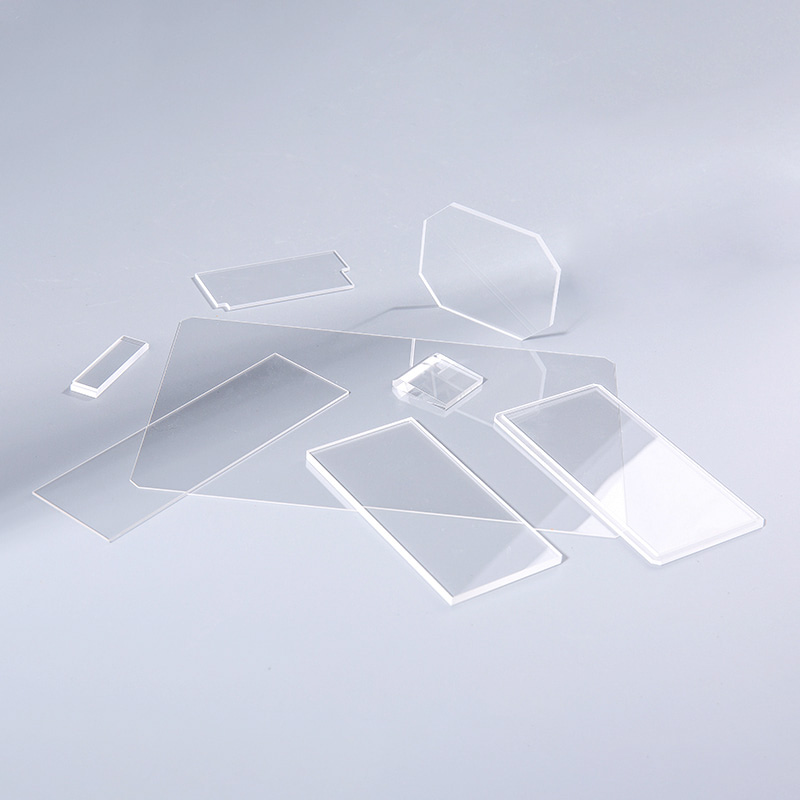
Vehicle interiors are no longer limited to simple rectangular panels. Designers increasingly seek curved shapes, narrow bezels, hidden interfaces, integrated lighting, seamless surfaces, and complex decorative details. Precision glass processing allows manufacturers to support a wide range of shapes and configurations.
Depending on the project, components can be developed with customized thicknesses, curved or flat profiles, holes, slots, chamfers, polished edges, printed patterns, coatings, and assembly interfaces. This flexibility enables automakers and module suppliers to create distinctive interior designs without compromising technical performance.
Compatibility with Advanced Electronics
Glass is an effective protective and optical medium for displays, sensors, cameras, and touch interfaces. With suitable coatings and surface treatments, it can help control glare, improve readability, support touch operation, and protect sensitive components from physical contact.
For sensor-related applications, optical transmission must be considered according to the sensor’s working wavelength. A supplier with experience in optical components can support the development of glass interfaces that are compatible with visible, infrared, or other specified optical bands, subject to the requirements of the project.
Manufacturing Strengths of an Experienced Optical Component Producer
The performance of an automotive interior glass structural component depends heavily on the manufacturing system behind it. Changzhou Haolilai Photo-Electricity Scientific and Technical Co., Ltd. has operated in the precision optical component field since 1998. Its long-term experience provides a foundation for process development, production discipline, quality control, and technical problem solving.
The company operates from a facility covering approximately 35,000 square meters and has more than 300 employees. Its technical resources support product development and production for multiple optical application areas, including automotive optics. This broad experience is valuable because automotive interior glass often combines optical, mechanical, decorative, and electronic requirements within one component.
Engineering and Technical Development
Successful automotive projects usually begin with engineering cooperation rather than simple order fulfillment. The supplier must review drawings, understand the assembly environment, identify critical characteristics, and recommend suitable production methods. Early engineering involvement can help prevent defects, reduce production risks, and improve the manufacturability of the design.
The company has established the Jiangsu Precision Optical Lens Engineering Technology Center and the Jiangsu Enterprise Technology Research Center. These technical platforms reflect a commitment to research, process improvement, and engineering capability. They also support the development of precision components for demanding applications where repeatability and controlled performance are essential.
During product development, an experienced technical team may evaluate glass material, thickness, shape, edge condition, coating requirements, optical tolerances, assembly interfaces, packaging, and inspection methods. This structured approach is particularly important when the component is a safety-related, display-related, or sensor-related part of a vehicle module.
Controlled Glass Processing
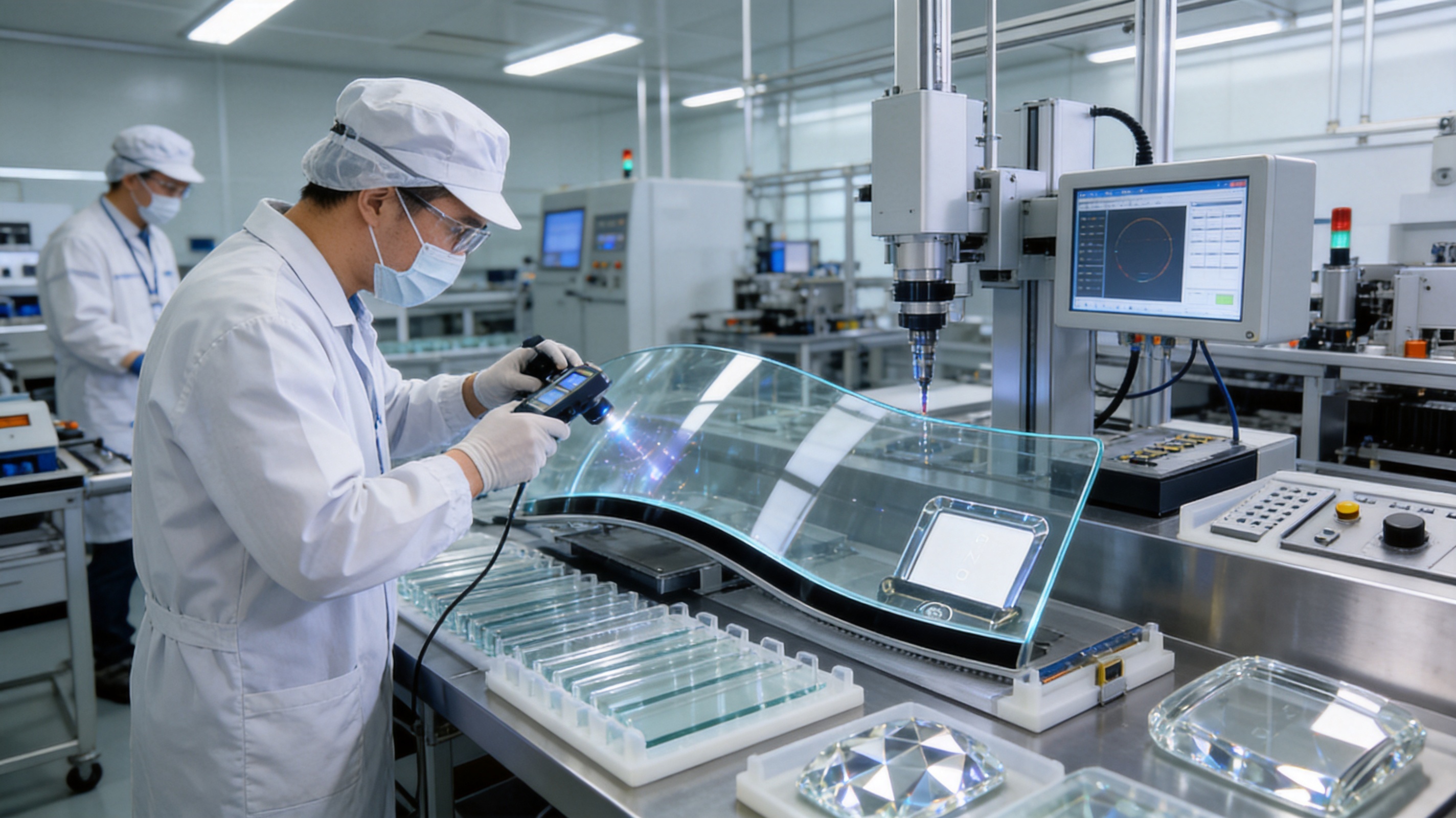
The production of a precision automotive glass component generally involves several coordinated stages. The exact sequence varies according to the product design, but a typical process may include material preparation, cutting, forming, edge grinding, drilling or milling, polishing, cleaning, strengthening, coating or printing, assembly preparation, and final inspection.
Each stage can influence the next. Poor cutting may create edge stress. Inadequate grinding may increase the risk of chipping. Insufficient cleaning may affect coating adhesion. Improper handling may cause scratches. Effective manufacturing therefore requires process controls that connect the entire production chain instead of treating each operation as an isolated step.
Precision Cutting and Forming
Cutting establishes the basic outline of the glass component. For automotive applications, the contour may include curves, corners, recesses, holes, slots, or multiple interface features. The process must achieve accurate geometry while minimizing edge damage and internal stress.
When a design requires curved glass or a special profile, forming processes must be carefully controlled. Uneven heating or cooling may create shape variation, optical distortion, or residual stress. Stable equipment, appropriate tooling, controlled temperature profiles, and repeatable handling are necessary to produce consistent results.
Edge Grinding and Polishing
Edges are critical to both safety and assembly. Proper grinding removes sharp edges and reduces the risk of chips or cracks. Polishing can improve the appearance of visible edges and support applications in which the glass is exposed or used as a premium design feature.
Edge quality also affects bonding. A controlled edge can provide a more predictable interface with adhesives, sealants, brackets, or molded carriers. For thin or complex components, the process must balance material removal, dimensional accuracy, surface finish, and structural integrity.
Drilling, Milling, and Feature Processing
Many interior glass components require holes, slots, notches, or local features for fasteners, alignment pins, sensors, wiring, or decorative integration. These features must be positioned accurately and processed without causing unacceptable microcracks or edge damage.
Precision feature processing requires suitable tools, controlled feed rates, effective cooling, appropriate support, and careful post-processing. Inspection is essential because a hole may look acceptable externally while still containing defects that could develop into cracks during assembly or service.
Cleaning and Contamination Control
Glass surfaces must be carefully cleaned before coating, printing, bonding, or final packaging. Dust, oil, particles, and residue can reduce coating adhesion, create visible defects, or interfere with electronic assembly. Controlled cleaning and handling procedures help protect the appearance and functional reliability of the component.
Cleanliness is particularly important for display cover glass and sensor windows. Even small particles can become visible under backlighting or affect the appearance of a dark, high-gloss interior. A disciplined clean-processing environment therefore contributes directly to customer satisfaction.
Coating, Printing, and Surface Treatment
Automotive interior glass may require functional or decorative treatments. These can include anti-reflective coatings, anti-glare treatments, protective layers, infrared transmission control, printed borders, symbols, patterns, or other customized surface features.
The selection of a treatment depends on the optical path, appearance requirements, touch performance, durability target, and bonding method. Process control is needed to maintain coating thickness, color consistency, adhesion, uniformity, and resistance to environmental exposure.
Printing and decorative treatment must also be accurately aligned with the glass outline and functional areas. A black border, symbol, or decorative pattern that is slightly misplaced may create a visible mismatch after assembly. Consistent fixtures, registration systems, curing conditions, and inspection procedures help control these risks.
Strengthening and Reliability Improvement
Where required by the application, glass may be chemically or thermally strengthened to improve resistance to impact and handling stress. The appropriate strengthening method depends on glass type, thickness, dimensions, edge design, and required performance.
Strengthening does not replace careful design and processing. Edge quality, hole geometry, corner radius, residual stress, and assembly loading remain important. A reliable component is created through the combination of suitable material selection, optimized geometry, controlled processing, and testing.
Quality Management for Automotive Applications
Automotive customers require stable quality, traceability, documented processes, and continuous improvement. Changzhou Haolilai Photo-Electricity Scientific and Technical Co., Ltd. has obtained ISO9001:2015, ISO14001:2015, and IATF16949 certifications. These certifications represent important management foundations for product consistency, environmental responsibility, and automotive quality systems.
IATF16949 is particularly relevant to automotive supply chains because it emphasizes process control, risk management, customer-specific requirements, defect prevention, and continual improvement. Certification alone does not guarantee that every product is suitable for every application, but it demonstrates that the supplier operates within a structured quality framework.
Process-Based Quality Control
A robust quality system controls quality throughout production instead of relying only on final inspection. Incoming materials, equipment settings, process parameters, operator procedures, in-process characteristics, and final product specifications should all be managed.
For automotive interior glass structural components, critical quality characteristics may include length, width, thickness, flatness, radius, hole location, edge quality, surface roughness, optical transmission, haze, coating adhesion, color, print position, cleanliness, and appearance. The appropriate inspection plan should be determined by the product drawing and application requirements.
Traceability and Documentation
Traceability supports problem solving and customer confidence. Production records can help identify material lots, equipment conditions, inspection results, process changes, and packaging information. If a quality issue arises, traceability makes it easier to isolate affected products and determine the underlying cause.
Automotive projects also require clear documentation during development and production. This may include technical specifications, control plans, process flow diagrams, inspection standards, capability studies, test reports, change control records, and corrective action documentation. An experienced supplier is better prepared to support these requirements.
Inspection Capability
Visual inspection remains important, but precision automotive components require more than visual checking. Dimensional measuring equipment, optical inspection, surface defect evaluation, coating tests, cleanliness controls, and functional testing may all be necessary depending on the application.
Inspection methods must be repeatable and appropriate for the characteristic being measured. For example, a decorative appearance standard may require controlled lighting and viewing angles, while dimensional verification may require fixtures or coordinate measurement equipment. Optical transmission and haze may need dedicated optical measurement systems.
Continuous Improvement
Manufacturing performance can be improved through statistical analysis, process capability studies, root-cause investigation, preventive action, equipment maintenance, and employee training. Continuous improvement reduces variation, increases yield, and supports more competitive pricing over the life of a vehicle program.
A supplier with experience in several optical markets can also transfer knowledge between applications. Techniques developed for precision lenses, optical mirrors, semiconductor components, or laser optics may contribute to improved control of automotive glass surfaces, geometry, cleanliness, and optical quality.
Advantages over General-Purpose Glass Suppliers
General-purpose glass suppliers may offer cutting, tempering, or basic shaping services, but automotive interior glass structural components often require a more specialized combination of capabilities. The component may need optical control, tight tolerances, complex geometry, surface treatment, electronic compatibility, and automotive documentation at the same time.
Optical Expertise Combined with Automotive Understanding
A specialist in precision optical components understands that glass is not merely a transparent substrate. Its transmission, reflection, distortion, surface quality, and coating performance can determine how a display, camera, or sensor operates. This optical perspective is highly valuable in modern vehicle interiors.
At the same time, automotive applications require manufacturing discipline, production scalability, traceability, and stable delivery. A company that combines optical engineering with automotive quality management can provide a stronger technical foundation than a supplier focused only on commodity glass processing.
Better Support for Complex Designs
Automotive designers frequently seek parts with unusual contours, narrow borders, curved surfaces, integrated openings, or hidden functional areas. A precision component manufacturer is more likely to evaluate these requirements in terms of manufacturability, tolerances, process sequence, and inspection strategy.
This can lead to a more practical design-for-manufacturing process. Instead of discovering production problems after tooling or vehicle validation, the supplier can participate earlier and recommend changes that preserve the design intent while improving yield and reliability.
More Consistent Appearance
Premium vehicle interiors depend heavily on visual consistency. Differences in color, gloss, edge finish, print alignment, haze, or surface cleanliness can be visible to end users. Precision optical manufacturers generally place strong emphasis on surface quality and appearance because these characteristics are central to optical product performance.
Improved Integration with Electronics
Display and sensor components require controlled optical behavior. A supplier with experience in optical components can better understand the relationship between glass thickness, coating design, surface reflection, wavelength transmission, display brightness, touch response, and sensor performance.
This does not mean that every glass supplier must provide the complete electronic module. Instead, it means the glass component can be designed and manufactured with greater awareness of the system-level requirements.
Material and Design Considerations
Selecting the correct material and design is essential for product performance. Automotive interior glass structural components should be developed according to the intended location, loading conditions, optical function, assembly method, appearance target, and environmental exposure.
Glass Thickness
Thickness affects weight, stiffness, optical behavior, edge strength, forming requirements, and compatibility with the surrounding assembly. Thinner glass may support lightweight design, but it can impose stricter requirements on handling, strengthening, bonding, and protection. Thicker glass may offer additional rigidity but can increase mass and affect the optical path.
Flat or Curved Geometry
Flat glass is suitable for many display covers, windows, and decorative panels. Curved glass can improve design integration and create a more seamless interior appearance, but it introduces additional requirements related to forming accuracy, optical distortion, tooling, and assembly stress.
Edge and Corner Design
Corner radius, edge chamfer, and polished profile influence both appearance and durability. Sharp internal corners may concentrate stress, while poor edge finishing can lead to chipping. The glass design should be evaluated together with the carrier, adhesive, clips, and installation process.
Optical and Surface Treatments
Coatings and printed layers should be selected according to the application. Anti-reflective treatment may improve display readability. Anti-glare treatment may reduce distracting reflections. Protective coatings may improve resistance to fingerprints and abrasion. Printed borders may conceal adhesive or electronic elements.
Every treatment can affect other characteristics, so the complete stack-up must be evaluated. For example, a coating may change surface energy and influence bonding, while a printed layer may affect transmission or sensor performance. Engineering validation is necessary before mass production.
Assembly Compatibility
The glass component must be compatible with the selected adhesive, sealant, bracket, carrier, and curing process. Differences in thermal expansion between glass and adjacent materials can create stress during temperature cycling. Adhesive thickness, bonding area, curing shrinkage, and assembly tolerances should be considered during design development.
| Requirement | Importance in Vehicle Interiors | Typical Manufacturing Focus |
|---|---|---|
| Dimensional accuracy | Ensures correct fit and consistent assembly gaps | Precision cutting, grinding, tooling, and measurement |
| Surface quality | Maintains premium appearance and clear optical function | Polishing, cleaning, controlled handling, and visual inspection |
| Optical performance | Supports displays, cameras, sensors, and lighting systems | Material selection, coating control, transmission testing, and distortion evaluation |
| Edge integrity | Improves durability and reduces chipping or cracking risk | Controlled edge grinding, polishing, and feature processing |
| Environmental resistance | Supports long-term performance under heat, humidity, chemicals, and ultraviolet exposure | Material evaluation, surface treatment, and validation testing |
| Traceability | Supports automotive quality assurance and corrective action | Batch records, inspection documentation, and change control |
Applications in Next-Generation Vehicle Interiors
Display Cover Glass
Large displays and integrated screens have become central features in modern vehicle cabins. Cover glass protects the display from impact, scratches, dust, and repeated contact while allowing light and information to pass clearly to the driver or passenger.
The cover may require anti-reflective or anti-glare treatment, printed borders, rounded corners, curved geometry, and precise alignment with the display module. Surface quality is especially important because any defect can become more visible when the screen is illuminated.
Center-Console Interfaces
Center consoles may include touch controls, gear-selection interfaces, charging systems, decorative lighting, and storage functions. Glass components can provide a durable and refined interface surface while protecting electronic elements beneath.
In this application, resistance to fingerprints, abrasion, cleaning chemicals, and repeated touch is important. The glass must also fit accurately into the console structure and remain stable under vibration and temperature changes.
Instrument Panel Windows
Instrument panel glass can protect display clusters and provide a clean visual interface for speed, navigation, alerts, and vehicle information. Optical clarity and low distortion help maintain readability, while a carefully designed shape can support a seamless dashboard appearance.
Sensor and Camera Windows
Interior sensing systems may use cameras or infrared sensors for driver monitoring, gesture recognition, occupancy detection, or other functions. A glass window can protect the sensor while maintaining the required optical transmission.
These components must be developed with attention to wavelength, reflection, haze, contamination, condensation, and alignment. Even a visually attractive window may be unsuitable if it blocks or distorts the sensor’s operating band.
Ambient Lighting and Optical Interfaces
Glass can also be used to transmit, diffuse, or control light within the cabin. Optical elements may help create precise illumination lines, illuminated symbols, hidden-until-lit interfaces, or decorative light effects.
Uniformity, edge quality, surface treatment, and cleanliness are important for these applications. The manufacturing process must control unwanted scattering and visible defects that could become apparent when the lighting system is active.
Decorative Structural Elements
Glass can provide a premium alternative to plastic, metal, or coated decorative panels. It offers a distinctive tactile response, high surface hardness, and visual depth. When combined with printing, coating, or backlighting, it can support a wide range of styling concepts.
Decorative glass should nevertheless be evaluated as a functional component. Its weight, attachment method, impact behavior, edge protection, and compatibility with the surrounding structure must all be considered.
Development and Supplier Cooperation
Choosing a supplier for automotive interior glass should involve more than comparing unit prices. The most suitable partner should be able to support the full development cycle, from early concept evaluation to sample production, validation, mass production, and continuous improvement.
Design Review
At the beginning of a project, the supplier should review the product drawing and identify critical features. These may include glass thickness, contour accuracy, hole position, edge profile, optical zone, printed area, coating area, and bonding interface.
A design review can also identify potential risks related to minimum corner radius, stress concentration, thermal expansion, assembly loading, handling, packaging, and inspection access. Early discussion can prevent expensive redesign later in the project.
Prototype and Sample Production
Prototype parts allow the customer to evaluate appearance, fit, optical function, bonding, and integration with other components. The prototype process should be representative enough to reveal important production risks while remaining flexible for design changes.
Sample inspection reports should clearly identify measured characteristics, test conditions, acceptance criteria, and any deviations. This documentation supports engineering decisions and helps establish a reliable basis for future production.
Validation and Testing
Testing should be based on the application and customer requirements. Potential evaluations may include dimensional inspection, optical measurement, surface appearance, adhesion, abrasion resistance, chemical resistance, humidity exposure, temperature cycling, ultraviolet exposure, vibration, impact, and assembly durability.
Not every product requires every test. The correct validation plan depends on the glass material, location in the vehicle, intended function, and applicable customer standards. A capable supplier can help identify the appropriate test program and coordinate the required technical information.
Mass Production Readiness
Before mass production, the process should be reviewed for capacity, repeatability, tooling stability, inspection capability, material supply, packaging, and operator training. Automotive customers often require evidence that the production process can maintain quality consistently over time.
Process capability studies, first-article inspections, control plans, and production trial runs can help confirm readiness. Equipment maintenance and calibration programs are also essential to ensure that measurement and processing remain reliable.
Packaging and Delivery
Glass components can be damaged by impact, vibration, friction, moisture, and contamination during transportation. Packaging should protect edges and surfaces while preventing movement between parts. The packaging design must also support efficient handling and traceability at the customer’s facility.
Stable delivery performance is especially important for automotive production lines. A supplier with experience serving international customers is more likely to understand the importance of shipment planning, documentation, packaging standards, and communication across different regions.
Environmental Responsibility and Sustainable Manufacturing
Environmental performance is increasingly considered throughout the automotive supply chain. Glass itself can offer long service life, and durable components may reduce replacement frequency. However, responsible manufacturing also requires attention to energy consumption, water use, waste management, chemical handling, packaging, and process efficiency.
Changzhou Haolilai Photo-Electricity Scientific and Technical Co., Ltd. has obtained ISO14001:2015 certification, reflecting the presence of an environmental management framework. Environmental management can support systematic control of production impacts and encourage continual improvement.
Process optimization can also reduce waste by improving yield and reducing rework. Accurate cutting layouts, stable grinding processes, effective cleaning, proper material handling, and preventive maintenance all contribute to more efficient use of raw materials and energy.
Sustainable product development should balance lightweight design, durability, repairability, functional life, and manufacturing efficiency. A glass component that lasts longer and performs reliably can contribute to the overall quality and resource efficiency of the vehicle.
Global Supply Capability and Industry Experience
Changzhou Haolilai Photo-Electricity Scientific and Technical Co., Ltd. has more than 300 employees, exports products to over 20 countries, and holds more than 30 certificates and patents. International experience can be valuable for customers seeking consistent communication, documented quality, and dependable cooperation across borders.
Global customers may have different technical standards, packaging requirements, approval procedures, and delivery expectations. A supplier accustomed to international business is better positioned to organize information and adapt its cooperation process to customer-specific needs.
The company’s experience across laser optics, automotive optics, semiconductor optics, and consumer optics also provides a broad technical perspective. Each sector requires different combinations of precision, cleanliness, optical control, durability, and production efficiency. Knowledge developed across these fields can support innovative solutions for automotive interior applications.
How to Evaluate a Suitable Manufacturer
When purchasing automotive interior glass structural components, customers should assess the supplier’s technical capability, quality system, production capacity, communication, and application experience. Several questions can help determine whether a manufacturer is suitable for a specific project.
Can the Supplier Meet the Required Tolerances?
The supplier should demonstrate how critical dimensions will be produced and measured. It is important to understand the relationship between drawing tolerances, process capability, inspection equipment, and actual production conditions.
Does the Supplier Understand Optical Requirements?
If the glass is used over a display, sensor, camera, or lighting system, the manufacturer should be able to discuss transmission, reflection, haze, distortion, coating, and surface quality. Optical performance should be evaluated as part of the complete system rather than as an isolated specification.
Can the Supplier Support Customization?
Automotive projects often require custom dimensions, coatings, printed patterns, holes, curves, edge profiles, or packaging. The supplier should have an established process for handling customer drawings, prototypes, engineering changes, sample approval, and production transfer.
Is the Quality System Appropriate for Automotive Supply?
Certifications such as ISO9001, ISO14001, and IATF16949 provide useful evidence of structured management. Customers should also review inspection plans, traceability, change control, corrective action, process monitoring, and audit practices.
Can the Supplier Scale Production?
A successful prototype supplier may not always be able to support stable mass production. Capacity, equipment availability, workforce, material supply, process repeatability, and delivery planning should be evaluated before a production award.
Competitive Value for Vehicle Manufacturers and Module Suppliers
Precision automotive interior glass can create value in several ways. It can improve perceived quality, support advanced electronic functions, enable distinctive styling, reduce appearance defects, and help integrate multiple functions into a single clean surface.
Working with an experienced optical component manufacturer may also reduce technical risk. Better early-stage engineering can prevent unsuitable designs. Stronger process control can reduce rework and customer complaints. Accurate inspection can improve assembly consistency. Stable quality can support the reputation of the vehicle and its interior systems.
Cost competitiveness should be understood as total value rather than purchase price alone. A component with a slightly higher initial price may provide lower total cost if it reduces assembly adjustment, rejects, field failures, warranty exposure, or development delays.
The strongest competitive advantage comes from combining quality, engineering support, customization, delivery reliability, and continuous improvement. This combination allows the supplier to become a technical partner instead of only a part vendor.
Frequently Asked Questions
What are automotive interior glass structural components?
They are precision glass parts designed for integration into vehicle interior assemblies. They may protect displays and sensors, provide optical transmission, support touch interfaces, transmit or diffuse light, create decorative surfaces, or contribute to the structure and alignment of an interior module.
How are these components different from ordinary glass panels?
Automotive interior glass structural components usually require tighter dimensional control, better surface quality, controlled optical performance, improved edge integrity, compatibility with adhesives and electronic systems, and documented automotive quality management.
Can the components be customized?
Yes. Depending on the project, customization may include dimensions, thickness, contours, curvature, holes, slots, edge profiles, polished edges, coatings, printed borders, decorative patterns, and optical transmission characteristics.
Are these components suitable for display applications?
They can be developed for display cover and display-interface applications when the required optical, dimensional, surface, coating, and durability specifications are clearly defined. The design should consider reflection, haze, distortion, touch operation, bonding, and backlighting.
Can glass be used in sensor or camera windows?
Yes. Glass can protect cameras and sensors while allowing the required optical wavelengths to pass through. The material and coating must be selected according to the sensor’s operating band and the environmental conditions of the application.
What manufacturing processes may be used?
Typical processes include precision cutting, forming, edge grinding, polishing, drilling, milling, cleaning, strengthening, printing, coating, inspection, and protective packaging. The exact process sequence depends on the design and performance requirements.
Why is edge processing important?
Edge processing removes sharp areas, improves appearance, reduces the risk of chipping, and supports reliable assembly. Properly finished edges can also improve bonding consistency and help control stress around the perimeter of the part.
What quality certifications does the manufacturer hold?
Changzhou Haolilai Photo-Electricity Scientific and Technical Co., Ltd. has obtained ISO9001:2015, ISO14001:2015, and IATF16949 certifications. These systems support quality management, environmental management, and automotive production control.
How does optical manufacturing experience benefit automotive glass production?
Optical manufacturing experience provides a stronger understanding of transmission, reflection, haze, distortion, surface defects, coatings, cleanliness, and precision measurement. These capabilities are highly relevant to display, sensor, camera, and lighting applications inside vehicles.
Can the supplier support international customers?
The company exports to more than 20 countries and has experience serving customers in international markets. Project-specific delivery, packaging, documentation, and technical communication requirements should be confirmed during the quotation and development stages.
What information should a customer provide when requesting a quotation?
Useful information includes drawings, material specifications, dimensions and tolerances, glass thickness, flat or curved geometry, coating or printing requirements, optical requirements, application environment, annual demand, prototype quantity, packaging expectations, and applicable testing standards.
How can customers reduce development risk?
Customers can reduce risk by involving the supplier early, reviewing the design for manufacturability, defining critical characteristics, approving samples, establishing a validation plan, confirming process capability, and controlling engineering changes throughout the project.
Conclusion
Automotive interior glass structural components are precision products that combine visual quality, mechanical stability, optical performance, environmental durability, and accurate assembly integration. Their importance will continue to grow as vehicle interiors incorporate larger displays, more sensors, advanced lighting, touch interfaces, and seamless decorative structures.
The advantages of a specialized manufacturer include better dimensional control, stronger optical understanding, improved surface quality, customized design support, controlled edge processing, reliable coatings and treatments, and a more complete automotive quality system. These strengths help customers move from concept to stable production with lower technical risk.
Changzhou Haolilai Photo-Electricity Scientific and Technical Co., Ltd. brings more than two decades of precision optical manufacturing experience to this field. Founded in 1998, the company operates a large production facility, employs more than 300 people, maintains dedicated engineering technology centers, holds ISO9001:2015, ISO14001:2015, and IATF16949 certifications, and serves customers in more than 20 countries.
Its experience in automotive optics and other demanding optical sectors provides a strong foundation for the development of customized automotive interior glass structural components. By combining technical development, controlled processing, automotive quality management, international supply experience, and continuous improvement, the company can support vehicle manufacturers and module suppliers seeking reliable, attractive, and high-performance glass solutions.
References
Automotive Industry Action Group. Quality Management System Requirements for Automotive Production and Relevant Service Parts Organizations.
International Organization for Standardization. ISO 9001:2015 Quality Management Systems—Requirements.
International Organization for Standardization. ISO 14001:2015 Environmental Management Systems—Requirements with Guidance for Use.
International Automotive Task Force. IATF 16949: Quality Management System Requirements for Automotive Production and Relevant Service Parts Organizations.
International Organization for Standardization. Standards and Technical Guidance for Glass in Vehicle Applications.
Automotive glass engineering literature covering optical transmission, surface durability, coatings, edge processing, strengthening, and environmental validation.
Technical information supplied for the precision optical component manufacturing capabilities, certifications, facilities, engineering centers, patents, workforce, and international market experience of Changzhou Haolilai Photo-Electricity Scientific and Technical Co., Ltd.


 苏公网安备32041102000130号