
 Search
 en
en English
 日本語
日本語 русский
 Español
 Deutsch
 中文简体
中文简体Content
- 1 Understanding Flat Laminated Parts
- 2 Advantages of Flat Laminated Construction
- 3 Materials Used in Flat Laminated Parts
- 4 Advanced Manufacturing Process
- 4.1 1. Technical Review and Specification Confirmation
- 4.2 2. Material Inspection
- 4.3 3. Cutting and Precision Shaping
- 4.4 4. Grinding, Polishing, and Edge Treatment
- 4.5 5. Coating Application
- 4.6 6. Precision Cleaning
- 4.7 7. Adhesive Preparation and Dispensing
- 4.8 8. Layer Alignment and Assembly
- 4.9 9. Bubble and Void Control
- 4.10 10. Curing and Stabilization
- 4.11 11. Final Finishing
- 5 Quality Control and Inspection
- 6 Applications Across Multiple Industries
- 7 Manufacturing Strengths of a Specialized Optical Supplier
- 8 How Flat Laminated Parts Compare with Alternative Designs
- 9 Important Customer Selection Criteria
- 10 Development and Customization Process
- 11 Maintenance, Handling, and Integration
- 12 Future Development Trends
- 13 Conclusion
- 14 Questions and Answers
- 14.1 What are flat laminated parts?
- 14.2 What industries use flat laminated parts?
- 14.3 What advantages do laminated parts have over single glass plates?
- 14.4 How are bubbles prevented during lamination?
- 14.5 Can flat laminated parts be customized?
- 14.6 What quality requirements are important for optical laminated parts?
- 14.7 Why is the adhesive so important?
- 14.8 What certifications support the company’s manufacturing capability?
- 14.9 Does the company support prototype development?
- 14.10 How should customers prepare a request for quotation?
- 15 References
- 16 Product: Flat Laminated Parts
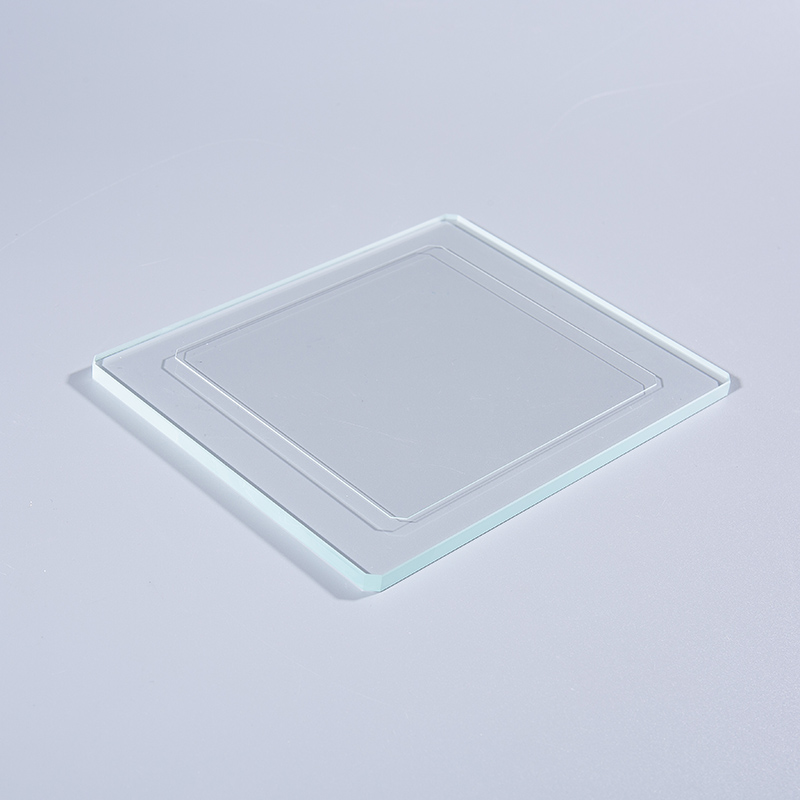
Flat laminated parts are engineered assemblies created by bonding two or more flat substrates into a stable, functional component. In optical, automotive, semiconductor, laser, and consumer applications, these parts can combine glass, optical films, protective layers, coatings, spacers, adhesives, and structural substrates in one precisely controlled product. Although their geometry may appear simple, flat laminated parts demand careful design, accurate surface preparation, controlled bonding, reliable curing, and rigorous inspection.
For demanding applications, a laminated flat component is much more than two sheets joined together. It is a carefully designed optical and mechanical system. Each layer contributes a specific function, such as light transmission, reflection control, environmental protection, electrical insulation, impact resistance, dimensional stability, or visual appearance. The performance of the finished part depends on the interaction between all these layers and on the quality of the manufacturing process.
Changzhou Haolilai Photo-Electricity Scientific and Technical Co., Ltd. develops and manufactures precision optical components for laser optics, automotive optics, semiconductor optics, consumer optics, and related industries. With experience in precision optical fabrication, advanced production equipment, quality certifications, and an experienced technical team, the company is equipped to produce customized flat laminated parts for applications that require consistency, cleanliness, accuracy, and long-term reliability.
This article explains the structure, manufacturing process, advantages, applications, quality considerations, and selection criteria associated with flat laminated parts. It also describes why a specialized optical manufacturer can offer important advantages over general-purpose fabricators when a laminated component must meet demanding optical, dimensional, and environmental requirements.
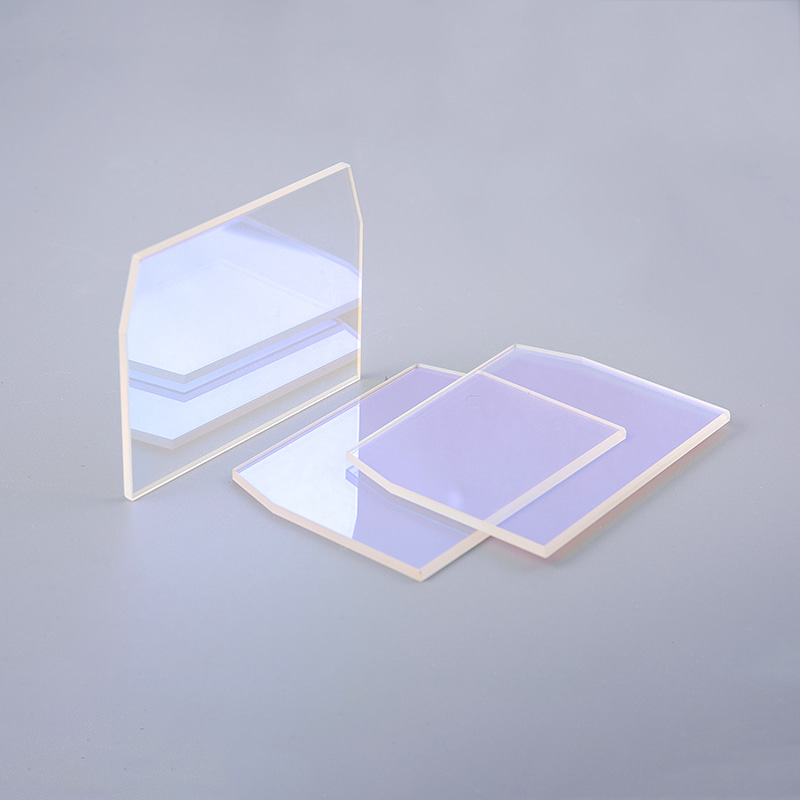
Flat Laminated Parts
Understanding Flat Laminated Parts
A flat laminated part generally consists of two or more planar layers joined through a controlled bonding process. The layers may be made from optical glass, conventional glass, polymer film, transparent plastic, metal-coated substrates, ceramic material, or specially selected structural materials. Depending on the intended application, the bonding interface may be transparent, opaque, flexible, rigid, electrically functional, or optically engineered.
The term “flat” refers primarily to the basic geometry of the component. It does not mean that the product is simple or that its tolerances are low. A flat laminated part may require parallelism between surfaces, tight thickness control, low surface distortion, high cosmetic quality, accurate edge dimensions, and consistent optical transmission. In some applications, the laminated structure must also withstand vibration, temperature cycling, humidity, chemical exposure, ultraviolet radiation, or repeated mechanical loading.
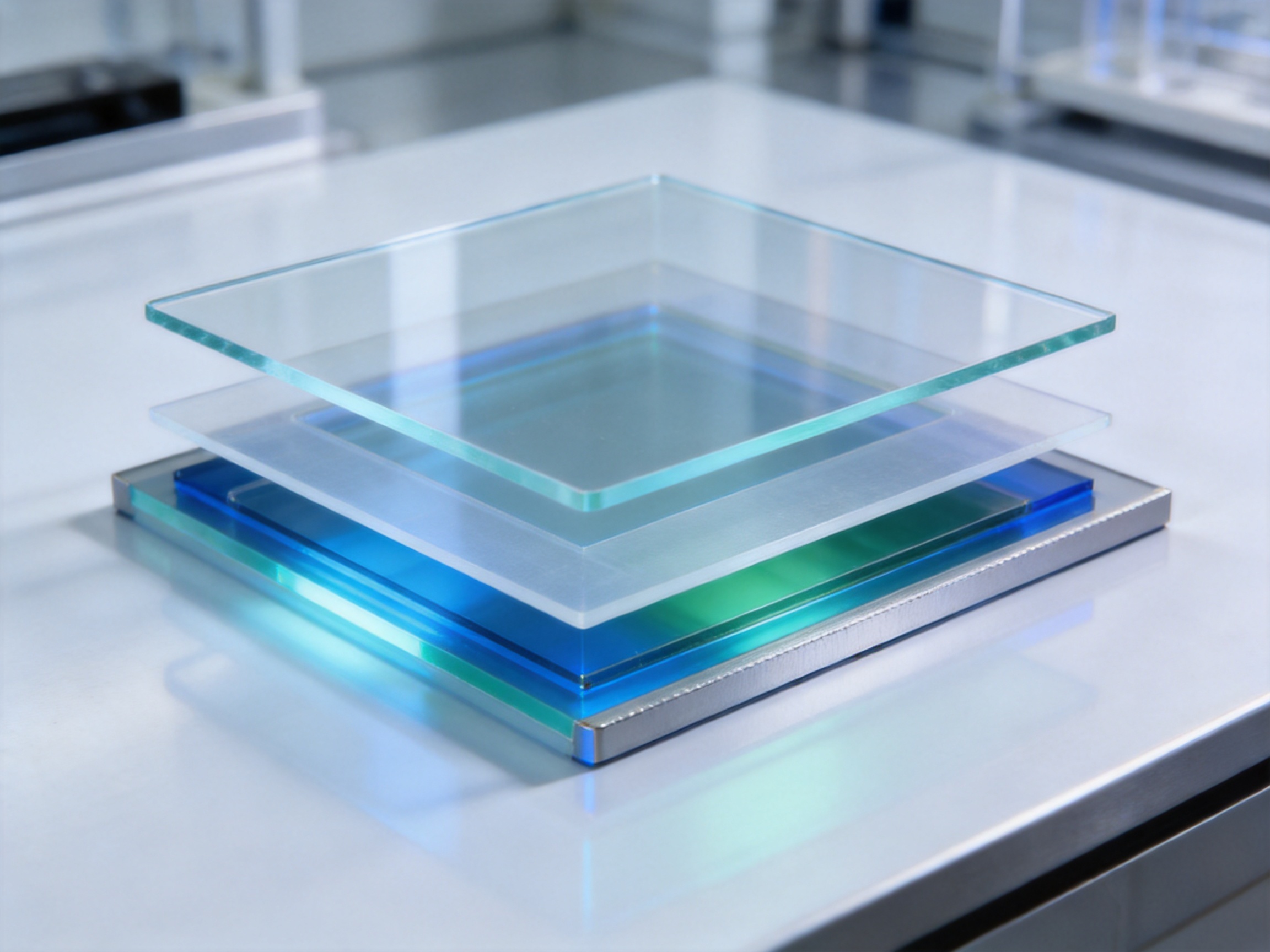
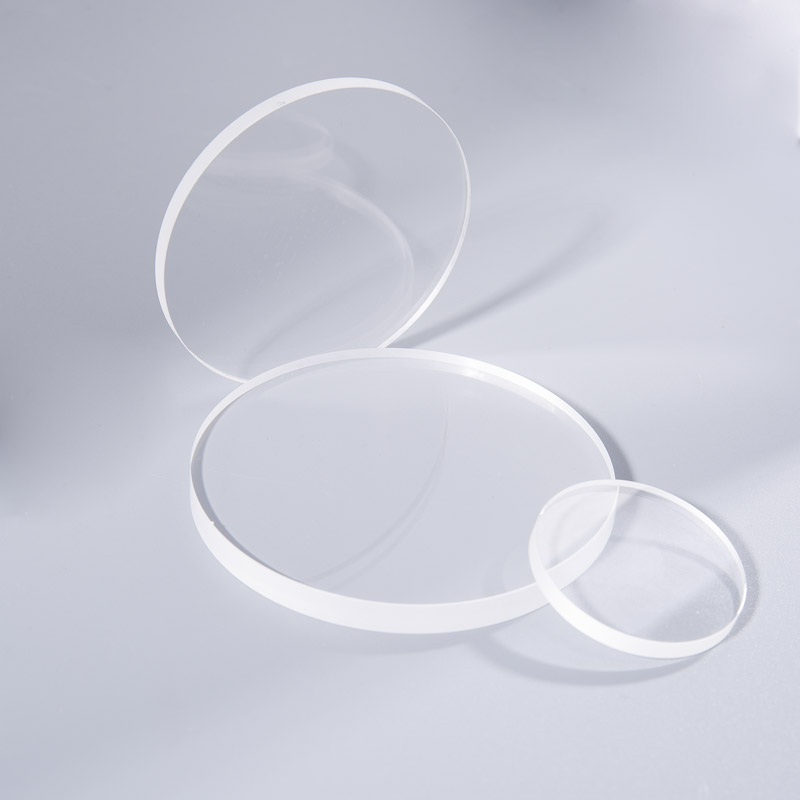
Flat laminated parts are commonly designed in several configurations. A basic configuration may use two glass sheets joined by an adhesive interlayer. Another may combine a rigid substrate with a thin protective film. More advanced designs may incorporate an optical filter, polarizing layer, conductive film, anti-reflection coating, infrared-control layer, or decorative element between transparent plates. Some products also use laminated structures to protect a sensitive optical coating or to provide a controlled air gap.
The laminated construction allows engineers to achieve a combination of properties that may not be available from a single material. For example, one layer may provide optical clarity, another may provide impact resistance, and a third may control a specific wavelength range. By combining these functions, manufacturers can create a more versatile component without increasing the complexity of the external shape.
Typical Layer Structures
A common flat laminated assembly includes a front substrate, a bonding layer, and a rear substrate. The front substrate may be selected for optical clarity, scratch resistance, or environmental protection. The bonding layer holds the structure together and may also provide stress relief or optical coupling. The rear substrate may add rigidity, support, filtering performance, or a specialized optical function.
For automotive interior glass structural components, the stack may include a visible glass panel, a printed or coated decorative layer, a bonding film, and a structural backing element. For optical instruments, the design may contain precision glass, a filter layer, and a protective cover. For consumer electronics, a laminated part may combine a display cover, touch-sensitive film, polarizer, and protective coating.
In laser and imaging systems, the choice of adhesive and layer arrangement is especially important. The bonding material must have suitable optical transmission, low scattering, controlled shrinkage, and adequate resistance to laser exposure. Even a small amount of haze, trapped air, or local stress can reduce image quality or cause unwanted beam distortion.
Design Factors
Before production begins, engineers evaluate the required optical path, operating environment, component size, thickness, edge configuration, flatness, surface quality, and assembly method. The design must also account for thermal expansion differences among the layers. If two materials expand at different rates, temperature changes may create stress at the bonding interface or cause the part to bend.
Other important factors include adhesive viscosity, curing method, bonding pressure, surface energy, cleanliness, moisture sensitivity, and expected service life. A successful laminated component is therefore the result of coordinated material selection and process engineering rather than simple assembly.
Advantages of Flat Laminated Construction
Flat laminated parts offer several advantages over single-layer plates or less controlled bonded assemblies. Their most important benefit is functional integration. Several technical features can be incorporated into a compact, flat structure while preserving a clean external profile.
Multifunctional Performance
A laminated product can combine protection, optical control, structural support, and appearance in one component. This reduces the need for separate parts and may simplify the customer’s final assembly. A single laminated unit can replace multiple loose plates, films, spacers, and protective elements.
For example, an optical assembly may need a transparent cover, an anti-reflection function, a filter, and resistance to handling damage. A properly designed laminated component can integrate these functions. The result may be a smaller part count, fewer alignment operations, and lower risk of contamination during final installation.
Improved Mechanical Protection
Laminating a sensitive layer between protective substrates can reduce the likelihood of scratching, abrasion, contamination, and handling damage. The outer layer shields the internal functional layer from direct contact, while the inner structure provides dimensional support.
In automotive and industrial applications, the laminated design can improve resistance to vibration, impact, and repeated temperature changes. The bonding layer may also help distribute localized stresses over a wider area instead of allowing them to concentrate at one fragile interface.
Enhanced Optical Stability
When produced under controlled conditions, laminated parts can protect optical films and reduce movement of thin functional layers. This is useful for filters, polarizers, protective windows, beam-management parts, and imaging assemblies. The rigid substrates help maintain the position and orientation of the internal layer.
Optical stability depends heavily on the quality of bonding, surface flatness, adhesive uniformity, and curing control. A precision manufacturer can reduce common defects such as bubbles, uneven thickness, flow marks, local haze, and stress-related distortion.
Design Flexibility
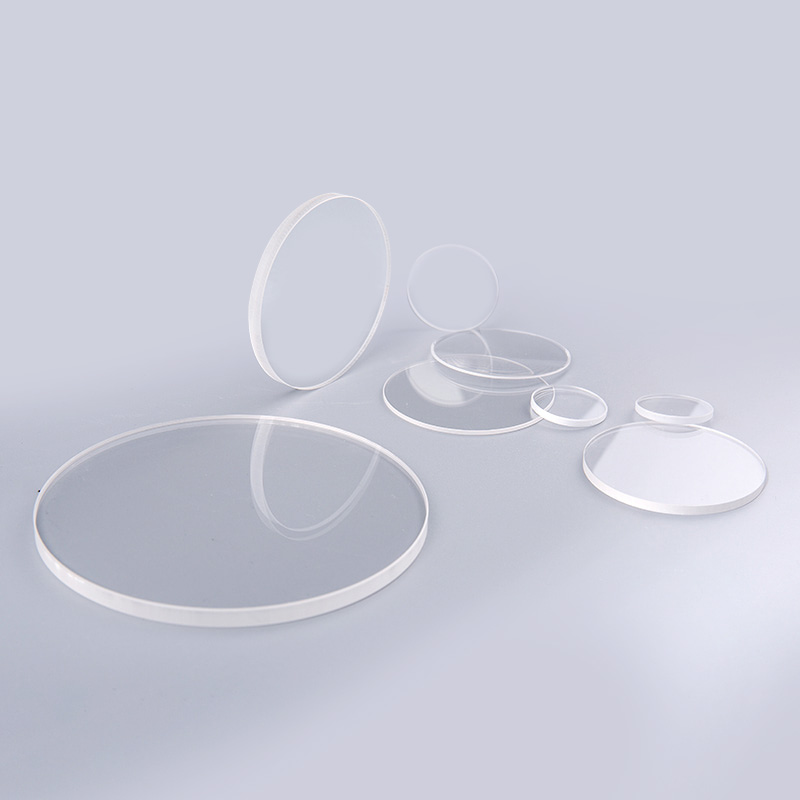
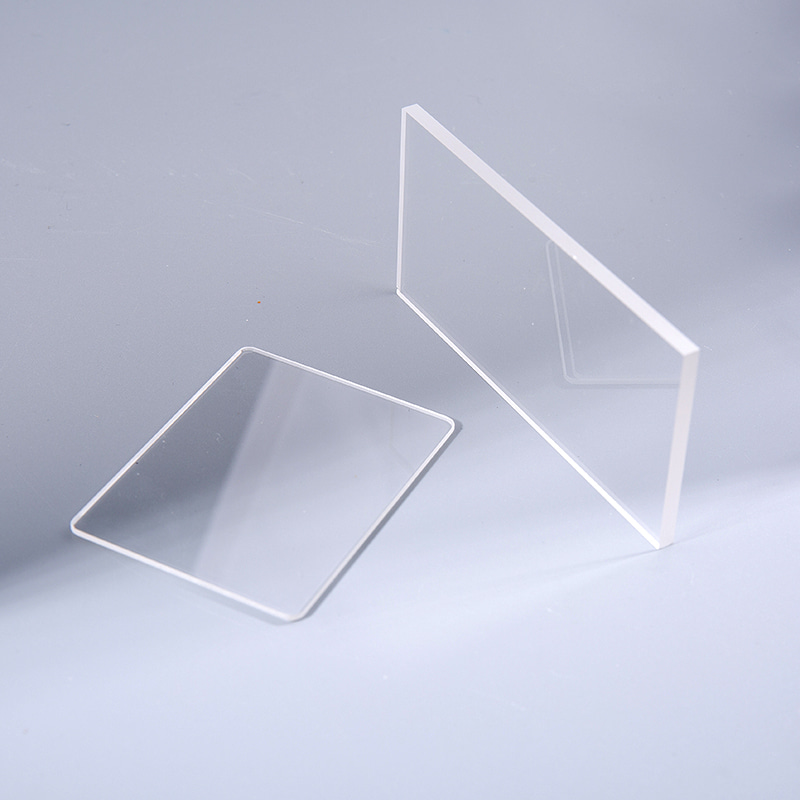
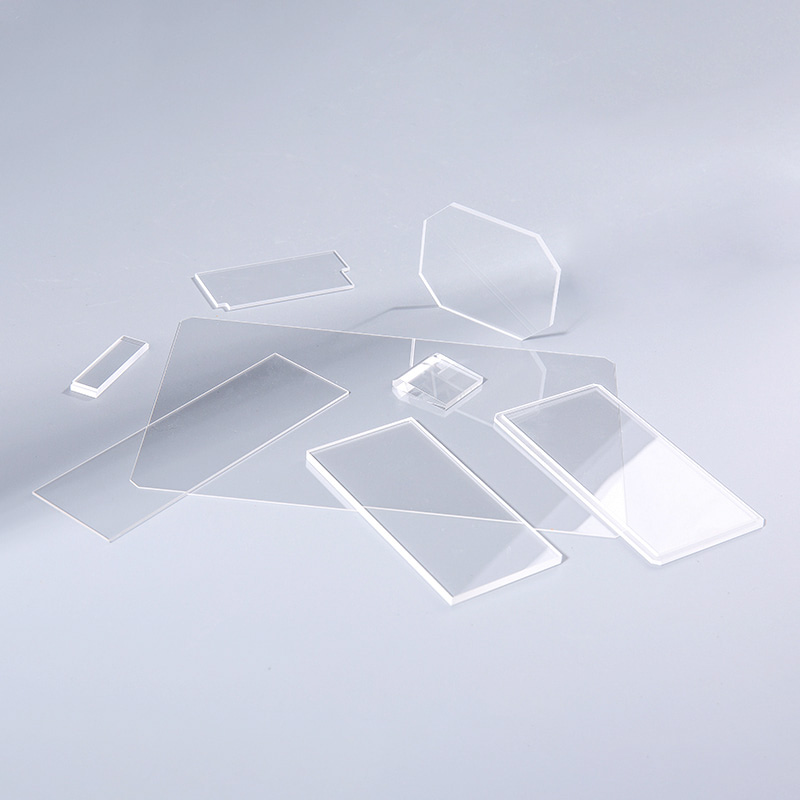
Laminated construction supports a wide range of customized shapes and specifications. Although the parts are fundamentally flat, they can be produced in rectangular, circular, polygonal, or specially profiled forms. Cutouts, holes, notches, printed regions, coated areas, and edge treatments can be integrated according to the customer’s drawing.
The internal layer arrangement can also be modified. Depending on performance requirements, the product may include transparent adhesive, optical film, infrared-control material, conductive coating, colored layer, light-blocking region, or protective coating. This flexibility allows the same basic manufacturing concept to serve multiple industries.
Clean and Compact Assembly
A laminated part can reduce the number of visible interfaces and external fasteners in a finished product. This is particularly valuable for optical instruments, vehicle interiors, sensing modules, and consumer devices, where appearance and compactness are important.
By consolidating multiple elements before final equipment assembly, the customer may also simplify inventory management and reduce assembly time. A prequalified laminated component can be installed as one controlled unit rather than assembled layer by layer in a less controlled environment.
Competitive Advantages Over General-Purpose Laminated Products
General-purpose laminated parts are often designed primarily for basic joining or visual appearance. Precision optical laminated parts must meet a broader set of requirements, including low haze, clean surfaces, consistent transmission, controlled parallelism, minimal distortion, and traceable process control.
The competitive advantage of a specialized optical supplier lies in the ability to coordinate material knowledge, precision machining, optical inspection, coating technology, clean production, and quality documentation. These capabilities reduce the risk that a part will look acceptable visually but fail during optical testing or long-term environmental use.
Specialized production also supports tighter communication during product development. The manufacturer can evaluate the customer’s drawing, identify potential bonding risks, recommend suitable materials, and establish inspection standards before mass production. This engineering involvement is especially valuable for new products or applications involving complex multilayer structures.
Materials Used in Flat Laminated Parts
Material selection determines much of the performance of a laminated assembly. The substrate, bonding layer, coatings, and functional films must be compatible with one another and with the customer’s operating environment.
Glass Substrates
Optical glass is widely used when high transmission, dimensional stability, surface quality, or controlled refractive performance is required. Different glass families may be selected according to wavelength range, thermal behavior, chemical resistance, and optical homogeneity.
Glass substrates can be ground, polished, edged, drilled, coated, and cleaned before lamination. Their surfaces may be specified by flatness, parallelism, scratch-dig quality, surface roughness, wedge, and clear aperture. The appropriate combination depends on whether the product is used for imaging, illumination, laser transmission, sensing, or display protection.
Polymer Films
Polymer films can add flexibility, impact absorption, color control, polarization, electrical conductivity, or wavelength-selective transmission. They may be used as internal functional layers or as protective surface materials.
Films require careful handling because they can attract dust, develop wrinkles, change dimensions with temperature, or respond to humidity. During production, film tension, alignment, storage conditions, and surface preparation must be controlled to prevent defects in the final laminate.
Adhesive and Interlayer Materials
The bonding layer is one of the most important elements in a flat laminated part. It must provide adequate adhesion while maintaining the required optical and mechanical properties. The adhesive may be selected for visible transmission, ultraviolet resistance, low outgassing, flexibility, high-temperature stability, or chemical resistance.
Important adhesive characteristics include viscosity, curing time, shrinkage, refractive index, hardness, moisture resistance, and compatibility with the selected substrates. A material that performs well in one application may be unsuitable for another. For example, an adhesive designed for general structural bonding may not provide the low haze or optical uniformity needed for a precision viewing window.
Coatings and Functional Layers
Flat laminated parts may include anti-reflection coatings, high-reflection coatings, infrared filters, ultraviolet-blocking layers, conductive films, hard coatings, hydrophobic treatments, or decorative coatings. These layers can be applied before or after lamination depending on the design and process sequence.
Coating compatibility must be assessed carefully. The coating must adhere to the substrate, remain stable during bonding and curing, and withstand the service environment. If the coating is placed inside the laminate, it may receive additional protection. If it is placed on an exposed surface, a hard or protective top layer may be necessary.
Advanced Manufacturing Process
The manufacturing of precision flat laminated parts begins with engineering review and continues through material preparation, surface processing, cleaning, alignment, bonding, curing, inspection, and packaging. Each stage contributes to the final result.
1. Technical Review and Specification Confirmation
Production begins with a review of the customer’s drawing, sample, or technical requirement. Engineers confirm dimensions, tolerances, material grades, optical specifications, layer order, adhesive requirements, coating areas, edge treatments, and packaging expectations.
At this stage, potential manufacturing risks are identified. These may include excessive substrate size, insufficient edge clearance, incompatible thermal expansion, difficult film alignment, high optical sensitivity, or an adhesive that cannot meet the expected service temperature. Early technical review helps avoid expensive changes after tooling or mass production has begun.
2. Material Inspection
Incoming substrates and functional materials are inspected before processing. Glass may be checked for thickness, surface condition, visible defects, dimensions, and optical characteristics. Films are inspected for wrinkles, contamination, uniformity, and dimensional stability. Adhesives are evaluated for batch identification, storage life, viscosity, and required handling conditions.
Material traceability is important for consistent production. A controlled record allows the manufacturer to identify the material batch used in each production lot and to investigate any performance variation if necessary.
3. Cutting and Precision Shaping
Substrates are cut to the required outline using suitable precision equipment. Depending on the material and geometry, the process may involve automatic cutting, CNC machining, grinding, drilling, or other controlled shaping operations.
Dimensional accuracy at this stage affects the later alignment of the laminate. Poorly controlled edges may create uneven adhesive margins, misalignment between layers, or difficulty during final installation. For this reason, edge dimensions, corner geometry, and hole locations are measured throughout production.
4. Grinding, Polishing, and Edge Treatment
When optical surfaces are required, the substrates may undergo grinding and polishing to achieve the specified flatness, surface roughness, and surface quality. Edge treatment may include chamfering, fine grinding, polishing, or edge strengthening.
Proper edge treatment reduces the risk of chipping and improves handling safety. It can also help control the adhesive boundary and protect the laminate from stress concentration at sharp corners.
5. Coating Application
If the design includes an optical or functional coating, the coating is applied under controlled conditions. The process may be selected according to the coating type, substrate material, wavelength range, and required durability.
Coating uniformity, adhesion, spectral performance, and cosmetic appearance are verified before the coated substrate proceeds to lamination. Any coating defect in the clear aperture can affect the finished product, so inspection standards must be defined in advance.
6. Precision Cleaning
Cleaning is essential because dust, oil, fingerprints, fibers, and microscopic particles can become permanently trapped inside the laminate. Surfaces are cleaned using controlled methods appropriate for the material and coating.
Cleaning may involve multiple stages, including washing, rinsing, drying, air filtration, and visual inspection. Operators use controlled handling procedures to minimize recontamination. In high-quality optical production, cleaning is not treated as a final cosmetic step; it is a core part of process reliability.
7. Adhesive Preparation and Dispensing
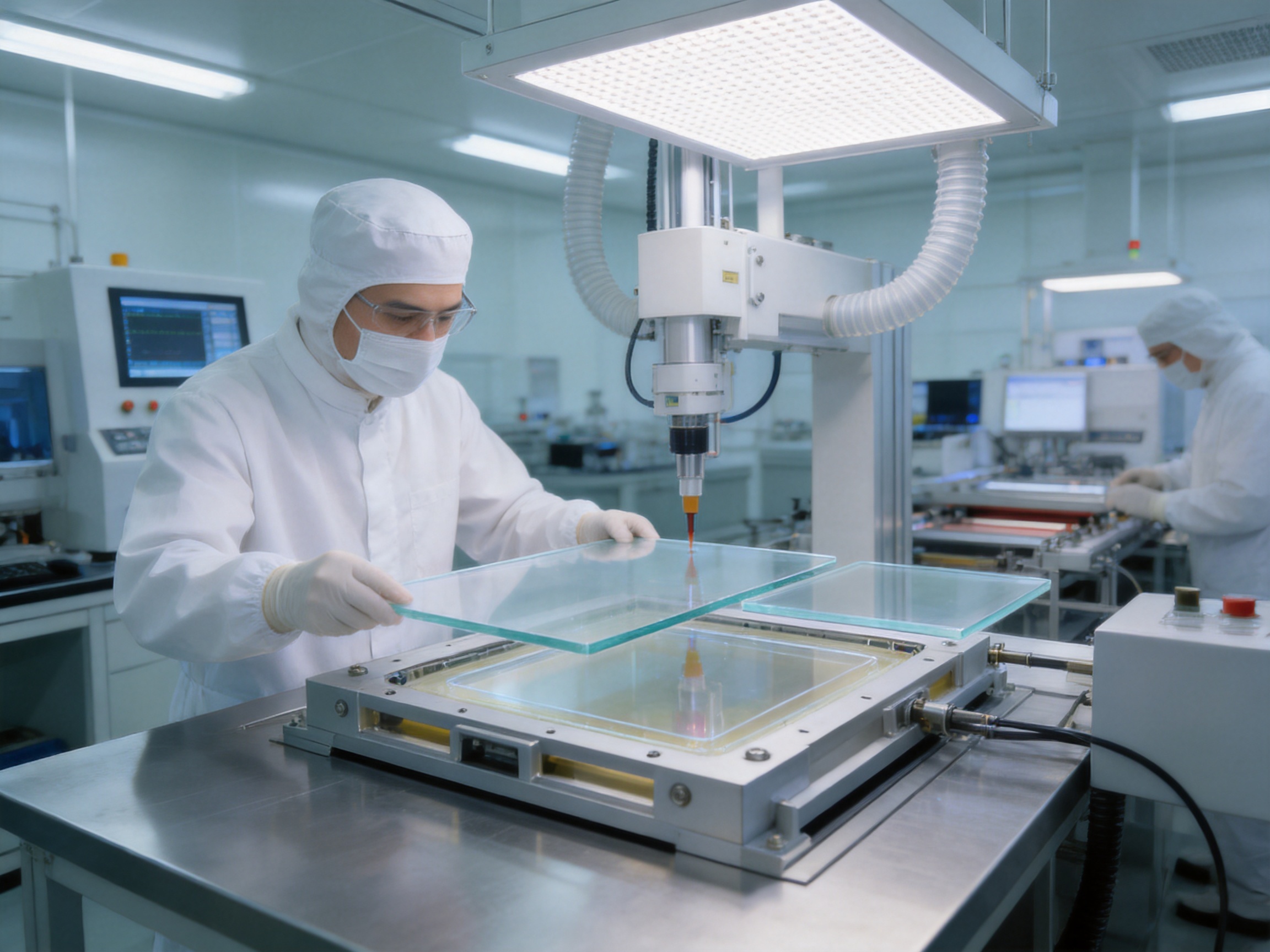
The adhesive is prepared according to the supplier’s technical requirements. Two-component materials may need accurate proportioning and mixing, while ultraviolet-curable or thermally cured materials require controlled exposure or temperature cycles.
Dispensing equipment is selected to provide consistent volume and placement. An uneven adhesive layer may create optical nonuniformity, local stress, or incomplete bonding. Excess material can produce overflow at the edges, while insufficient material may result in voids or weak adhesion.
8. Layer Alignment and Assembly
The substrates and internal films are aligned using fixtures, guide systems, optical references, or automated positioning equipment. Alignment accuracy is particularly important for filters, patterned films, conductive layers, and parts containing apertures or printed regions.
The assembly environment must be controlled to limit dust and humidity. The parts are brought together gradually to reduce the risk of trapping air. Pressure may be applied in a controlled manner to spread the adhesive uniformly and maintain the designed layer thickness.
9. Bubble and Void Control
Air bubbles and voids are among the most common defects in laminated optical parts. They can scatter light, reduce transparency, create visible blemishes, and weaken the structure. Production methods may include vacuum-assisted bonding, controlled pressure, staged lamination, or carefully managed adhesive flow.
Bubble control begins with material preparation and continues through assembly and curing. Surface cleanliness, adhesive viscosity, assembly speed, temperature, and pressure all influence the outcome. The most appropriate method depends on the size, thickness, layer structure, and optical requirements of the product.
10. Curing and Stabilization
After assembly, the laminate is cured under controlled conditions. The curing cycle must provide sufficient bond strength without causing excessive shrinkage, thermal stress, discoloration, or deformation.
Some products require a post-cure or stabilization period before final inspection. This allows the bonding material to reach its intended mechanical and optical condition. Curing records, including time, temperature, pressure, and equipment identification, may be retained for traceability.
11. Final Finishing
After curing, the part may receive edge trimming, excess adhesive removal, protective coating, marking, or additional machining. Finishing operations are performed carefully to avoid damaging the bonded structure or exposing the internal layers.
When the customer requires special packaging, the finished part may be separated by clean protective materials, placed in custom trays, or packed with moisture and shock protection. Packaging is particularly important for large, thin, coated, or cosmetically sensitive laminates.
Quality Control and Inspection
Quality control for flat laminated parts combines dimensional, optical, cosmetic, mechanical, and environmental evaluation. The inspection plan is established according to the product’s function and customer requirements.
Dimensional Inspection
Dimensional inspection may include length, width, diameter, thickness, hole position, edge profile, layer offset, and adhesive margin. Measuring equipment is selected according to the required tolerance and product size.
Flatness and parallelism are especially important for optical components. Excessive wedge or surface distortion can change the optical path and reduce the performance of an imaging or laser system.
Optical Inspection
Optical inspection can include transmission, reflection, haze, color, spectral response, surface quality, and visual clarity. Depending on the application, the component may be tested across a specified wavelength range.
Inspection also looks for bubbles, inclusions, scratches, stains, coating defects, flow marks, fingerprints, and other imperfections. Clear-aperture requirements are normally stricter than requirements in nonfunctional edge areas.
Bonding Quality
Bonding quality is evaluated through visual inspection, dimensional checks, adhesion testing, and, where appropriate, accelerated environmental testing. The objective is to confirm that the layers remain securely joined during the expected service life.
A well-controlled bonding process should produce consistent adhesive coverage, stable layer thickness, minimal voids, and reliable edge sealing where required. Destructive testing may be conducted on sample parts or process qualification units to validate the design.
Environmental Testing
Environmental testing may include temperature cycling, high-temperature storage, humidity exposure, ultraviolet exposure, chemical resistance, vibration, and mechanical impact. The exact tests depend on the intended application.
Automotive components may require resistance to cabin temperature variation, cleaning agents, vibration, and long-term sunlight exposure. Semiconductor and laser components may require low outgassing, thermal stability, and resistance to repeated equipment cycles. Consumer products may require scratch resistance, handling durability, and appearance retention.
Quality Systems and Traceability
Changzhou Haolilai Photo-Electricity Scientific and Technical Co., Ltd. operates with quality management systems that include ISO9001:2015, ISO14001:2015, and IATF16949 certifications. These certifications reflect structured approaches to quality management, environmental management, and automotive-related quality requirements.
For customers, a controlled quality system provides more than a certificate. It supports documented procedures, process discipline, corrective action, supplier management, training, inspection records, and continuous improvement. These practices are important when laminated parts are supplied for high-volume or safety-sensitive applications.
| Performance Area | Typical Requirement | Manufacturing Control | Customer Benefit |
|---|---|---|---|
| Optical clarity | Low haze, clean clear aperture, stable transmission | Material selection, controlled cleaning, bubble prevention, optical inspection | Improved viewing, imaging, sensing, or laser performance |
| Dimensional accuracy | Controlled length, width, thickness, and layer alignment | Precision cutting, fixtures, in-process measurement | Reliable fit and simplified assembly |
| Surface quality | Low scratch, dig, stain, and coating defect levels | Polishing, clean handling, visual and instrument inspection | Better appearance and lower optical scattering |
| Bond reliability | Consistent adhesion and resistance to separation | Adhesive control, curing records, adhesion testing | Longer service life and reduced field failure risk |
| Environmental durability | Resistance to heat, humidity, vibration, and chemicals | Material compatibility review and qualification testing | Stable operation in demanding environments |
| Traceability | Identification of materials, processes, and inspection results | Lot control, documented procedures, quality records | Better supply-chain confidence and issue resolution |
Applications Across Multiple Industries
Automotive Interior Systems
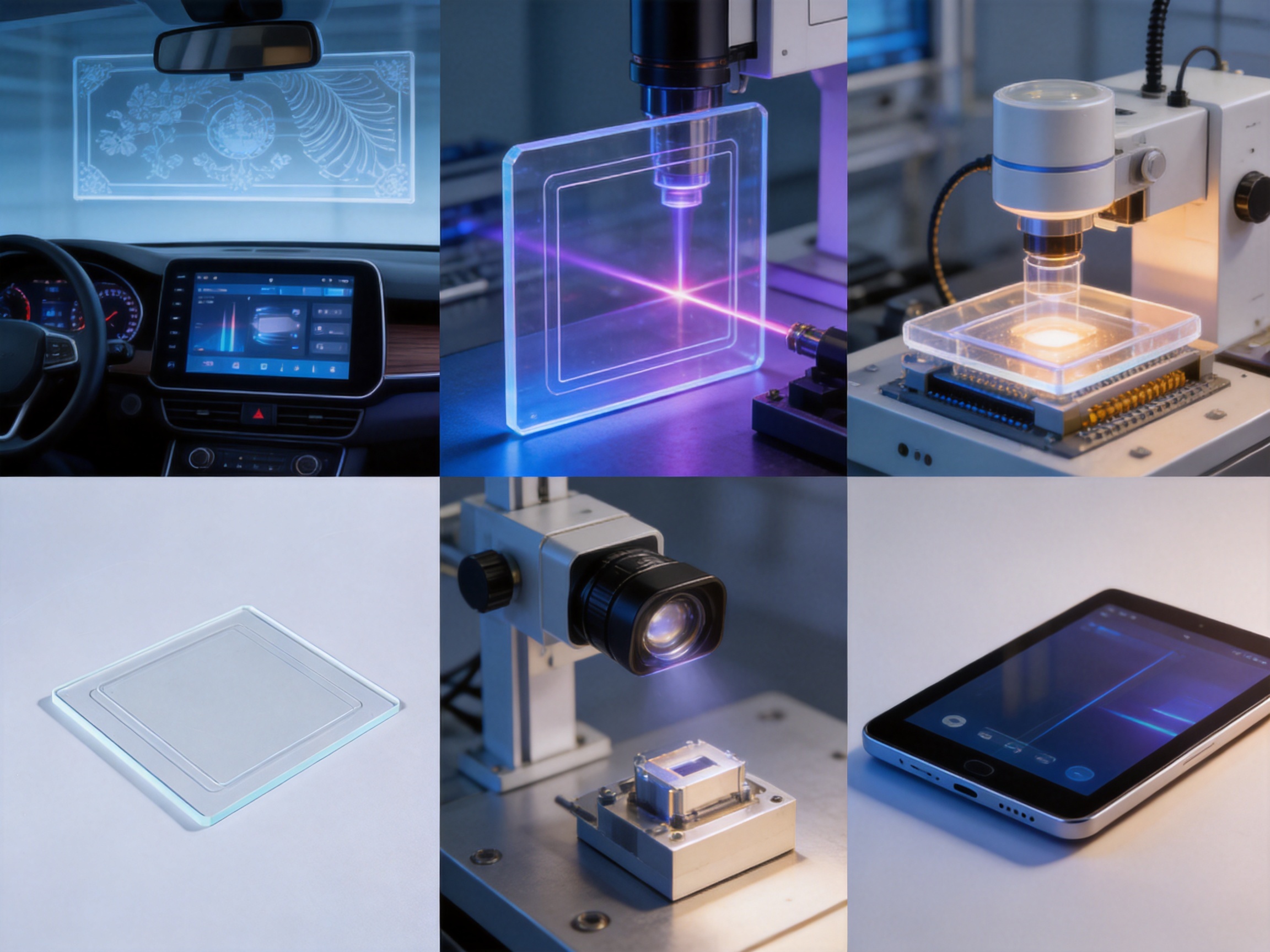
Automotive interiors increasingly use glass and optical elements for displays, ambient lighting, control panels, decorative surfaces, driver information systems, and sensor interfaces. Flat laminated parts can combine an attractive visible surface with a protected display or functional film.
The automotive environment presents strict requirements. Components must maintain appearance after exposure to heat, cold, humidity, vibration, cleaning chemicals, and sunlight. Dimensional consistency is also important because the part must fit accurately into a dashboard, console, door panel, or instrument assembly.
The company’s IATF16949 certification and experience with automotive optical products support the process discipline required for automotive supply chains. Laminated components can be developed with controlled materials, repeatable production methods, and documented inspection procedures.
Laser Optics
Laser systems may use laminated windows, protective covers, beam-management components, wavelength-selective filters, and safety-related optical structures. These parts must be designed to minimize absorption, scattering, reflection, and distortion.
For laser applications, the bonding material must be selected carefully. It should not create unacceptable absorption at the operating wavelength or degrade under repeated exposure. Flatness, parallelism, surface quality, and cleanliness are also critical because small defects can affect beam quality.
Semiconductor Equipment
Semiconductor manufacturing equipment often requires optical windows, inspection covers, sensor components, illumination modules, and protective structures. These products may operate in controlled environments and may be exposed to temperature changes, process chemicals, vacuum conditions, or repeated cleaning cycles.
Laminated construction can protect delicate optical layers and integrate filters or other functions into a compact component. Consistent production and traceability are essential because equipment downtime can be costly and replacement components may need to match tightly controlled specifications.
Imaging and Machine Vision
Machine vision systems, industrial cameras, inspection instruments, and imaging devices use optical windows and filters to control the light reaching a detector. A laminated part can combine a protective window with an infrared filter, anti-reflection function, or structural support.
The laminate must maintain uniform transmission and avoid optical artifacts. A small bubble or uneven adhesive region can appear as a defect in the captured image. For this reason, clear-aperture inspection and contamination control are central to production.
Consumer Electronics
Consumer products frequently require thin, attractive, durable, and multifunctional optical panels. Laminated parts may be used in displays, touch interfaces, cameras, smart appliances, lighting modules, and wearable devices.
In these applications, appearance is often as important as technical performance. The component must have consistent color, clean edges, minimal visible defects, and reliable resistance to everyday handling. A specialized manufacturer can help balance optical requirements, cosmetic standards, thickness limitations, and production volume.
Lighting and Illumination
Flat laminated structures can be used in lighting systems to manage transmission, diffuse illumination, shield sensitive components, or integrate decorative effects. Internal films and coatings may shape the appearance of the light or control selected wavelengths.
Thermal behavior must be considered in lighting applications because long-term operation may expose the laminate to elevated temperatures. Material selection and curing conditions should minimize yellowing, delamination, and loss of optical performance.
Manufacturing Strengths of a Specialized Optical Supplier
The ability to produce reliable flat laminated parts depends on more than a bonding machine. It requires an integrated manufacturing system that connects engineering, materials, precision processing, optical technology, quality control, and customer service.
Long-Term Industry Experience
Changzhou Haolilai Photo-Electricity Scientific and Technical Co., Ltd. was founded in 1998 and has developed long-term experience in precision optical component manufacturing. This experience supports practical understanding of glass processing, optical tolerances, coating compatibility, customer specifications, and production stability.
Years of experience also help a manufacturer recognize common failure modes before they reach mass production. Examples include adhesive incompatibility, stress birefringence, coating damage, dimensional drift, edge chipping, moisture-related defects, and misalignment between internal layers.
Engineering and Research Capability
The company has established the Jiangsu Precision Optical Lens Engineering Technology Center and the Jiangsu Enterprise Technology Research Center. These technical platforms support product development, process improvement, engineering analysis, and the introduction of new optical manufacturing methods.
A research-oriented manufacturing culture is valuable for laminated products because each project may require a different combination of materials and processes. Engineering teams can evaluate prototypes, refine bonding parameters, review inspection data, and improve production yield over time.
Modern Production Infrastructure
The company covers approximately 35,000 square meters and employs more than 300 people. A production organization of this scale can support multiple stages of optical component manufacturing, from material preparation and precision machining to coating, assembly, inspection, and shipment.
Manufacturing scale is useful when customers require both engineering flexibility and stable production capacity. It can also support equipment maintenance, process specialization, employee training, and the development of dedicated production lines for different product categories.
Broad Optical Product Experience
In addition to flat laminated parts, the company develops and produces optical flats, wafers, prisms, spherical mirrors, lenses, automotive interior glass structural components, and other precision optical products. This broader product experience can benefit laminated-part projects because the same component may involve several optical technologies.
For example, a laminated assembly may include a polished optical substrate, a coated surface, a precision aperture, or a lens-related function. A supplier familiar with these processes can better understand the relationship between the individual layers and the final system performance.
International Supply Experience
The company exports products to more than 20 countries. International supply experience involves managing technical communication, packaging standards, documentation, delivery coordination, and varying customer quality requirements.
For overseas customers, a capable supplier should be able to review drawings in detail, communicate production status, provide inspection documentation, and maintain consistent quality across repeated orders. International experience can help reduce misunderstandings during new product introduction and ongoing production.
Patent and Certification Portfolio
Changzhou Haolilai Photo-Electricity Scientific and Technical Co., Ltd. holds invention patents, utility model patents, Jiangsu High and New Tech Products, and more than 30 certificates and patents in total. These achievements indicate continuing investment in technology and product development.
Certifications and patents do not replace product-specific validation, but they provide evidence of an established organization with formal processes and technical development experience. For customers evaluating a long-term supplier, this foundation can be an important consideration.
How Flat Laminated Parts Compare with Alternative Designs
Customers may compare laminated parts with a single thick plate, mechanically assembled layers, loose films, or non-optical structural panels. Each approach has a place, but the most suitable option depends on the required combination of performance, cost, appearance, and service life.
A single plate may be simpler and less expensive when only basic protection is needed. However, it may not provide the same filtering, polarization, decorative, or impact-control functions as a multilayer assembly. Mechanically assembled layers may be easier to replace individually, but they can require more space, fasteners, seals, and alignment operations.
Loose films can provide useful optical or decorative functions, yet they may be more vulnerable to scratches, wrinkles, contamination, and movement. Laminating the film between rigid substrates offers better protection and more stable positioning.
Compared with low-cost general laminates, precision optical laminated parts provide better control of optical defects, surface quality, dimensional accuracy, and process traceability. The initial unit price may not always be the lowest, but the total value can be higher when reduced rework, improved assembly efficiency, and lower field-failure risk are considered.
Important Customer Selection Criteria
When selecting a supplier for flat laminated parts, customers should evaluate both product performance and manufacturing capability. A supplier should be able to answer questions about materials, tolerances, bonding methods, inspection standards, environmental performance, and production capacity.
The customer should clearly define the functional clear aperture, acceptable cosmetic defect levels, thickness tolerance, flatness, layer alignment, surface treatment, and edge requirements. It is also useful to identify the operating wavelength, temperature range, humidity exposure, chemical contact, vibration conditions, and expected service life.
For development projects, customers should request prototype samples or first articles before committing to high-volume production. Prototype evaluation should include optical testing, assembly checks, dimensional measurement, environmental exposure, and visual review under agreed lighting conditions.
Packaging requirements should be discussed early. Large or thin laminated parts may need special separators, protective films, shock-resistant cartons, moisture control, or custom trays. Proper packaging protects the quality achieved during manufacturing and reduces transportation damage.
Development and Customization Process
A typical development project begins when the customer provides a drawing, sample, performance target, or application description. The manufacturer reviews the information and may recommend changes to material selection, layer thickness, edge design, adhesive type, or inspection criteria.
After technical agreement, prototype tooling or process fixtures may be prepared. Initial samples are produced under controlled conditions and evaluated against the specification. If changes are required, the design or process is adjusted before pilot production.
Pilot production confirms whether the selected process can achieve stable quality at the expected production rate. Parameters such as adhesive volume, curing time, alignment accuracy, cleaning method, and inspection frequency are reviewed. Once the process is validated, production documentation is established for repeat orders.
This structured approach is particularly important for products used in automotive, semiconductor, laser, and precision imaging systems. It reduces the chance that an apparently successful prototype will become unstable when production volume increases.
Maintenance, Handling, and Integration
Although flat laminated parts are designed for durability, correct handling remains important. Operators should avoid touching optical surfaces with bare hands and should use clean gloves or approved handling tools. Parts should be stored in a clean, dry environment with suitable temperature and humidity control.
Protective films should remain in place until the component is ready for installation, unless removal is required for inspection. When cleaning is necessary, the customer should use materials and procedures compatible with the exposed surface coating. Abrasive cloths, aggressive solvents, and excessive pressure may damage the optical surface.
During assembly, the component should be supported evenly to prevent bending or point loading. Fasteners, clips, or frames should not apply unintended stress to the laminate. If the design requires a seal, gasket, or mounting adhesive, the integration materials should be checked for compatibility with the laminated structure.
For optical systems, alignment should be performed using the intended reference surfaces. Even a precisely manufactured component can perform poorly if it is mounted at an incorrect angle or under excessive mechanical stress.
Future Development Trends
The demand for flat laminated parts is expected to grow as products become thinner, smarter, more integrated, and more visually refined. Automotive interiors are incorporating larger display areas and more optical functions. Industrial equipment is using more cameras and sensors. Consumer products are demanding improved appearance and durability in compact designs.
Future laminated products may combine transparent conductive layers, infrared management, touch functions, printed electronics, decorative patterns, and protective optical surfaces. These developments will require closer cooperation between material suppliers, optical engineers, coating specialists, and assembly manufacturers.
Automation and digital process monitoring are also likely to become more important. Automated dispensing, vision-based alignment, machine inspection, and production data collection can improve repeatability and reduce human variation. Advanced data analysis may help identify process drift before it creates a large number of defective parts.
Environmental responsibility will remain another important consideration. Manufacturers are increasingly evaluating lower-emission adhesives, reduced material waste, recyclable packaging, efficient curing systems, and cleaner production methods. ISO14001:2015 certification provides a structured framework for managing environmental performance while maintaining product quality.
Conclusion
Flat laminated parts provide a practical and versatile way to integrate optical, mechanical, protective, and aesthetic functions into a single planar component. Their value comes from controlled multilayer design rather than from simple bonding alone. When the materials, surfaces, adhesive, alignment, curing, and inspection are properly managed, laminated structures can deliver excellent clarity, dimensional stability, environmental durability, and assembly efficiency.
Compared with general-purpose laminated products, precision optical laminated parts offer stronger control of haze, bubbles, surface quality, layer alignment, optical transmission, and long-term reliability. These advantages are especially important in automotive interiors, laser systems, semiconductor equipment, imaging devices, consumer electronics, and advanced lighting products.
Changzhou Haolilai Photo-Electricity Scientific and Technical Co., Ltd. combines long-term optical manufacturing experience, technical research capability, a broad product range, certified quality systems, international supply experience, and a workforce of more than 300 employees. Its facilities and engineering resources support the development and production of customized flat laminated parts for customers seeking stable quality and reliable performance.
For the best result, customers should involve the manufacturer early in the design process. Clear requirements, appropriate material selection, prototype validation, environmental testing, and defined inspection standards create a strong foundation for successful production. With the right technical partnership, flat laminated parts can become durable, precise, and highly integrated elements in modern optical and structural systems.
Questions and Answers
What are flat laminated parts?
Flat laminated parts are planar components made by bonding two or more layers together. The layers may include glass, optical film, polymer, coating, adhesive, structural substrate, or other functional materials. The finished product is designed to provide combined optical, mechanical, protective, or decorative performance.
What industries use flat laminated parts?
They are used in automotive interiors, laser optics, semiconductor equipment, imaging systems, machine vision, consumer electronics, lighting, sensing, and industrial instruments. The construction is especially useful when a product needs several functions in a thin, clean, and compact form.
What advantages do laminated parts have over single glass plates?
Laminated parts can integrate multiple functions, such as filtering, impact protection, polarization, optical transmission control, decoration, and structural support. They can also protect sensitive internal layers and simplify final assembly. A single glass plate may be suitable for basic protection but may not provide the same multifunctional performance.
How are bubbles prevented during lamination?
Bubble prevention involves clean surfaces, suitable adhesive viscosity, accurate dispensing, controlled alignment, gradual assembly, and appropriate pressure or vacuum-assisted bonding. Curing conditions must also be controlled so that the adhesive remains uniform and does not create voids or local distortion.
Can flat laminated parts be customized?
Yes. Customization may include substrate material, dimensions, thickness, layer order, optical film, coating, adhesive, edge profile, holes, cutouts, printed areas, surface treatment, and packaging. The design should be reviewed by the manufacturer before production to confirm process feasibility.
What quality requirements are important for optical laminated parts?
Important requirements may include transmission, haze, spectral performance, surface quality, flatness, parallelism, thickness, dimensional accuracy, layer alignment, adhesive coverage, bubble level, environmental durability, and cosmetic appearance. The exact requirements depend on the application and should be defined in the technical specification.
Why is the adhesive so important?
The adhesive determines bond strength, optical clarity, stress behavior, thermal stability, moisture resistance, and service life. An unsuitable adhesive may yellow, shrink, produce haze, separate from the substrate, or distort the optical path. The adhesive must therefore be matched to the materials and operating environment.
What certifications support the company’s manufacturing capability?
Changzhou Haolilai Photo-Electricity Scientific and Technical Co., Ltd. has obtained ISO9001:2015, ISO14001:2015, and IATF16949 certifications. These certifications support structured quality management, environmental management, and automotive-related process control.
Does the company support prototype development?
The company has technical and research capabilities for product development, engineering evaluation, and process improvement. Customers can provide drawings, samples, or performance requirements for technical review and prototype planning before mass production.
How should customers prepare a request for quotation?
A request should include drawings or samples, material requirements, dimensions and tolerances, optical specifications, surface quality, coating details, bonding requirements, annual volume, application environment, inspection standards, and packaging expectations. More complete information allows the manufacturer to provide a more accurate technical and commercial proposal.
References
ISO 9001:2015, Quality Management Systems—Requirements.
ISO 14001:2015, Environmental Management Systems—Requirements with Guidance for Use.
IATF 16949, Quality Management System Requirements for Automotive Production and Relevant Service Parts Organizations.
International Organization for Standardization, Geometrical Product Specifications and Verification Principles.
International Organization for Standardization, Optics and Photonics—Preparation of Drawings for Optical Elements and Systems.
Optical Society reference materials on optical surface quality, transmission, reflection, and imaging performance.
Technical literature on adhesive bonding, laminated glass structures, optical coatings, and environmental durability testing.
Manufacturer technical documentation concerning precision optical component production, quality management, coating processes, and customized laminated assemblies.


 苏公网安备32041102000130号