
 Search
 en
en English
 日本語
日本語 русский
 Español
 Deutsch
 中文简体
中文简体Content
- 1 Understanding the Role of a Precision Optical Lens
- 2 Product Characteristics and Application Flexibility
- 3 Advantages of Precision Optical Lenses from a Specialized Manufacturer
- 4 Advanced Optical Lens Manufacturing Process
- 4.1 1. Technical Review and Process Planning
- 4.2 2. Optical Material Preparation
- 4.3 3. Centering and Blocking
- 4.4 4. Precision Grinding
- 4.5 5. Fine Grinding and Surface Preparation
- 4.6 6. Precision Polishing
- 4.7 7. Edge Processing and Chamfering
- 4.8 8. Cleaning and Surface Preparation
- 4.9 9. Optical Coating
- 4.10 10. Final Inspection and Packaging
- 5 Manufacturing Strengths That Support Customer Projects
- 6 Quality Factors in Optical Lens Selection
- 7 Applications of Precision Optical Lenses
- 8 Why Manufacturing Process Control Matters
- 9 Prototype Development and Volume Production
- 10 Customer Benefits of Working with a Specialized Optical Partner
- 11 How to Prepare an Optical Lens Inquiry
- 12 Q&A: Precision Optical Lens Manufacturing
- 12.1 Q1: What is a precision optical lens?
- 12.2 Q2: What types of optical lenses can be produced?
- 12.3 Q3: Why is coating important for an optical lens?
- 12.4 Q4: How does lens surface quality affect performance?
- 12.5 Q5: Can optical lenses be customized?
- 12.6 Q6: What industries does HLL serve?
- 12.7 Q7: What certifications does the company have?
- 12.8 Q8: Why is centering important?
- 12.9 Q9: What should be considered when selecting lens material?
- 12.10 Q10: Can a manufacturer support both prototypes and mass production?
- 12.11 Q11: How should optical lenses be packaged?
- 12.12 Q12: How can customers obtain a quotation?
- 13 Conclusion
- 14 References
- 15 Product: Optical Lens
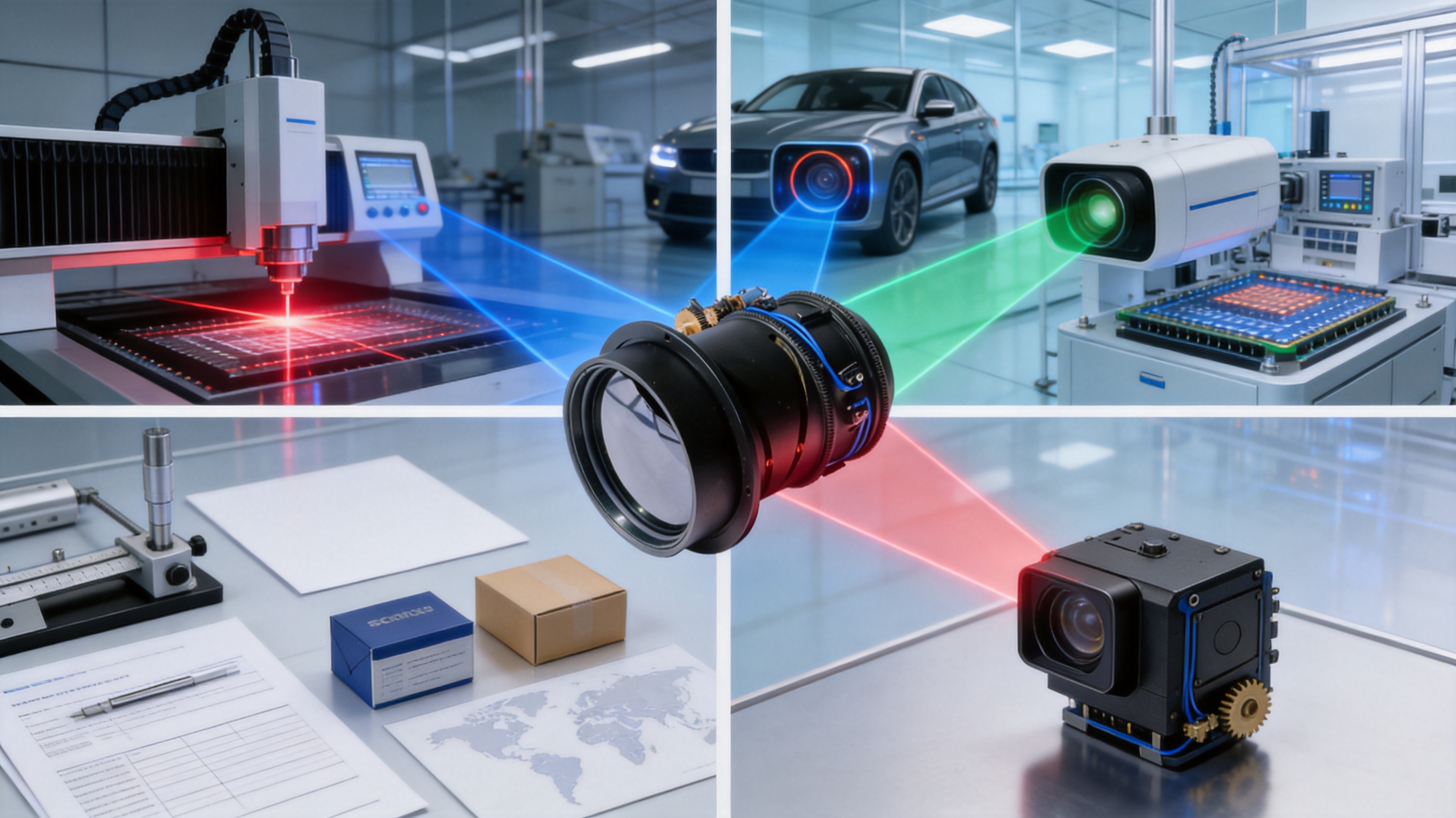
Optical lenses are essential components in systems that collect, focus, collimate, magnify, reduce, redirect, or otherwise control light. Although a lens may appear to be a small and simple part, its geometry, surface quality, material, coating, cleanliness, and dimensional stability can determine the performance of an entire optical assembly. In demanding applications, a lens must do far more than transmit light. It must maintain accurate imaging, control aberrations, withstand environmental conditions, support repeatable assembly, and remain consistent across large production volumes.
Changzhou Haolilai Photo-Electricity Scientific and Technical Co., Ltd., commonly known as HLL, is a professional manufacturer of precision optical components with a particular focus on optical lenses and related products. Founded in 1998, the company has developed experience in laser optics, automotive optics, semiconductor optics, and consumer optics. Its manufacturing base covers approximately 35,000 square meters, and its workforce includes more than 300 employees. The company serves customers in more than 20 countries and has obtained quality, environmental, and automotive-industry certifications that support its position as a dependable optical manufacturing partner.
This article explains the characteristics of precision optical lenses, the factors that influence lens quality, the manufacturing capabilities that distinguish a professional supplier, and the reasons optical system designers may choose a specialized manufacturer instead of a general-purpose glass processor or low-cost component source.
Understanding the Role of a Precision Optical Lens
An optical lens is a transparent component with one or more curved surfaces designed to alter the path of light through refraction. Depending on its shape and application, a lens may converge light toward a focal point, diverge light, form an image, expand or reduce a beam, or distribute illumination in a controlled pattern. Lenses can be manufactured from optical glass, fused silica, crystal, plastic, or other transparent materials selected according to wavelength, thermal requirements, mechanical conditions, and cost objectives.
In a basic imaging system, the lens determines important optical characteristics such as focal length, numerical aperture, field of view, magnification, and working distance. In a laser system, it may be responsible for focusing a beam onto a workpiece, coupling light into a fiber, collimating diverging radiation, or expanding a beam before it enters another optical element. In an automotive camera, the lens assembly contributes to image clarity, distortion control, contrast, and performance across a wide range of temperatures and lighting conditions.
The manufacturing challenge is that a lens must satisfy several requirements simultaneously. Its radius, thickness, diameter, and edge geometry must be controlled within the required design tolerances. Its surfaces must be smooth and free from unacceptable defects. Its coating must provide the desired transmission or reflection characteristics. Its center thickness and wedge must support accurate alignment. At the same time, the lens must be clean, stable, traceable, and suitable for integration into the customer’s assembly process.
For this reason, precision optical lens production is not simply a matter of shaping transparent material. It is a coordinated process involving optical design interpretation, material preparation, precision grinding, polishing, coating, inspection, cleaning, packaging, and quality management.
Product Characteristics and Application Flexibility
A professional optical lens manufacturer should be able to support a broad range of product requirements rather than offering only one standard geometry. Different systems require different optical forms, sizes, materials, coatings, and quality levels. The appropriate solution depends on the wavelength and power of the light source, the required imaging performance, the available installation space, environmental exposure, production volume, and total cost target.
Common Lens Forms
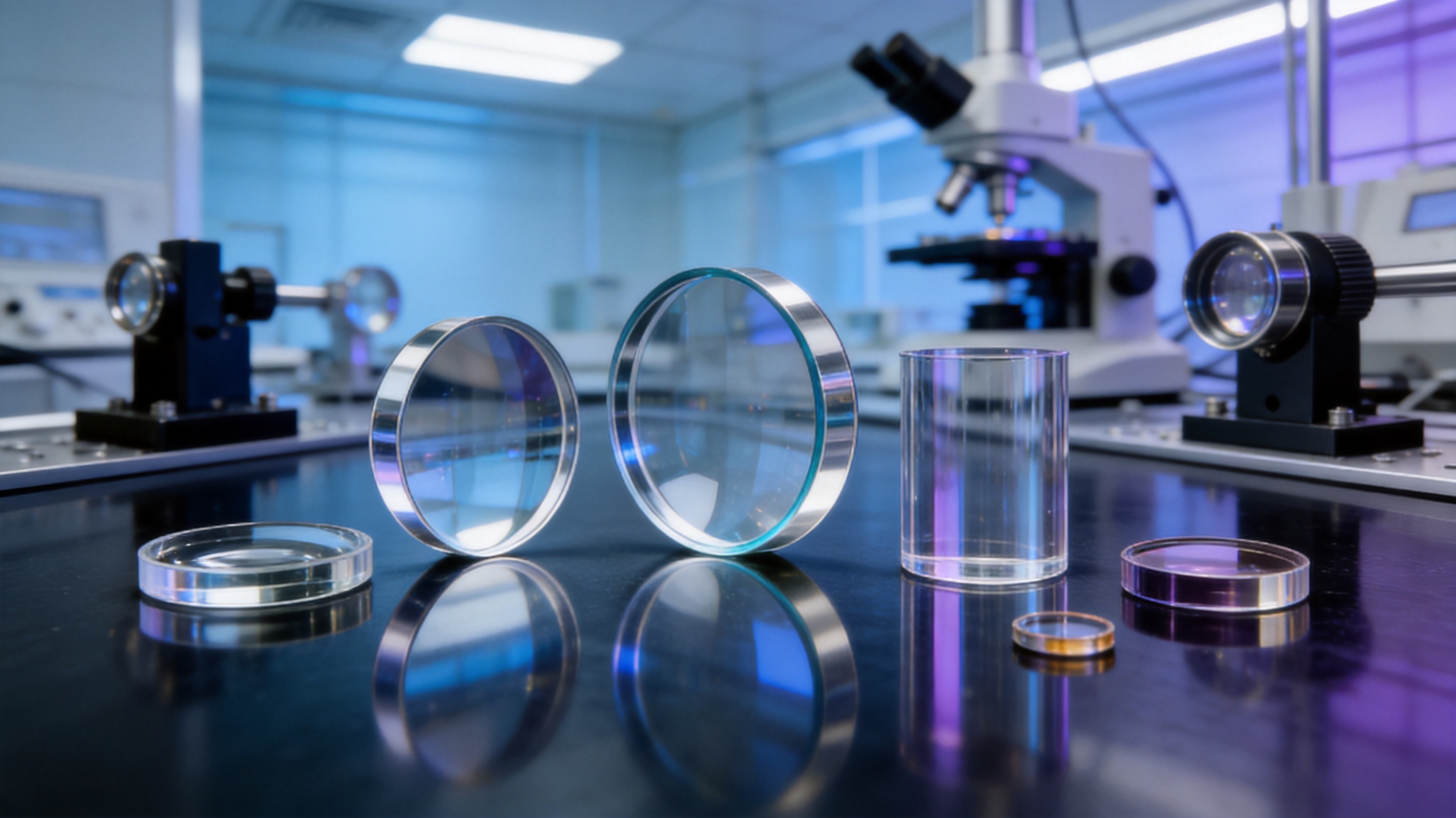
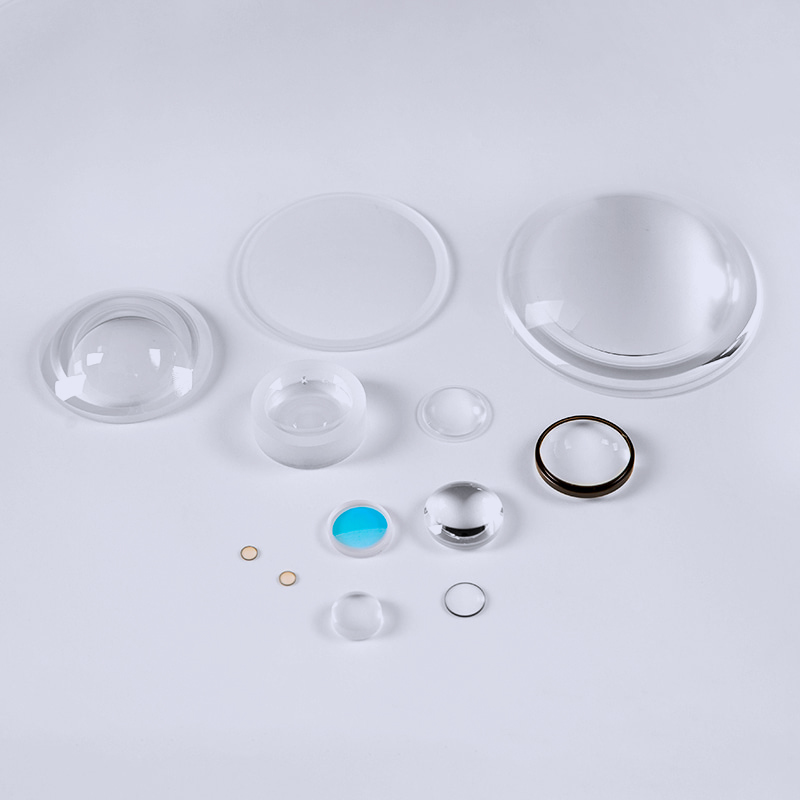
Convex lenses are frequently used to converge light and form images. They may include plano-convex, bi-convex, and positive meniscus designs. Concave lenses are used to diverge light and may include plano-concave, bi-concave, and negative meniscus forms. More specialized components may include cylindrical lenses, aspheric lenses, achromatic lens elements, condenser lenses, collimating lenses, focusing lenses, and custom-shaped optical elements.
A plano-convex lens has one flat surface and one convex surface and is often selected for simple focusing or collimation tasks. A bi-convex lens has two convex surfaces and can provide strong converging power in compact systems. Meniscus lenses may be used when designers need to control aberration while maintaining positive or negative optical power. Cylindrical lenses focus light in one direction and are valuable in line-generation, beam-shaping, scanning, and measurement systems.
For demanding imaging applications, lens geometry may be designed to reduce spherical aberration, coma, astigmatism, chromatic aberration, or distortion. The ability to manufacture and inspect the required geometry is a major differentiator between a precision optical supplier and a general glass-processing company.
Material Selection
Material selection directly affects transmission, refractive index, dispersion, thermal behavior, mechanical durability, and chemical resistance. Optical glass is widely used because it offers stable optical properties and a broad range of refractive indexes. Fused silica may be selected for ultraviolet transmission, high temperature stability, or low thermal expansion. Other materials may be appropriate for infrared systems, high-power laser applications, or weight-sensitive designs.
The material must be compatible with the operating wavelength and power level. A lens designed for visible light may not be suitable for ultraviolet or infrared radiation. Similarly, a lens used with a high-power laser may require different substrate quality and coating performance from a lens used in a low-power consumer device. A professional manufacturer evaluates material requirements according to the customer’s application rather than applying a single material choice to every project.
Coating Options
Uncoated optical surfaces reflect a portion of incident light. In many systems, these reflections reduce transmission, create ghost images, lower contrast, or introduce stray light. Optical coatings are therefore applied to improve transmission over a selected wavelength range or to provide a controlled reflectance characteristic.
Single-layer and multilayer antireflection coatings can be designed for ultraviolet, visible, near-infrared, or other spectral bands. Coating selection depends on the operating wavelength, angle of incidence, polarization requirements, substrate material, environmental conditions, and power density. A coating must also adhere reliably to the substrate and remain stable during handling, assembly, temperature cycling, and service.
For automotive and industrial applications, coating durability can be as important as initial optical performance. A lens may encounter humidity, dust, temperature changes, vibration, cleaning agents, and repeated mechanical stress. A suitable coating process, combined with effective cleaning and inspection, helps reduce the risk of performance loss in the field.
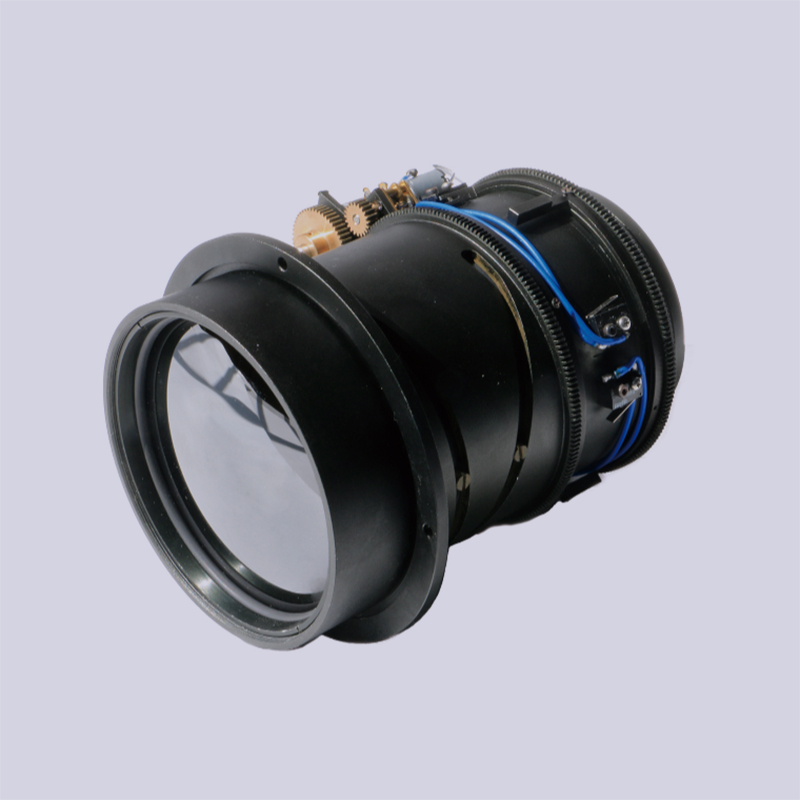
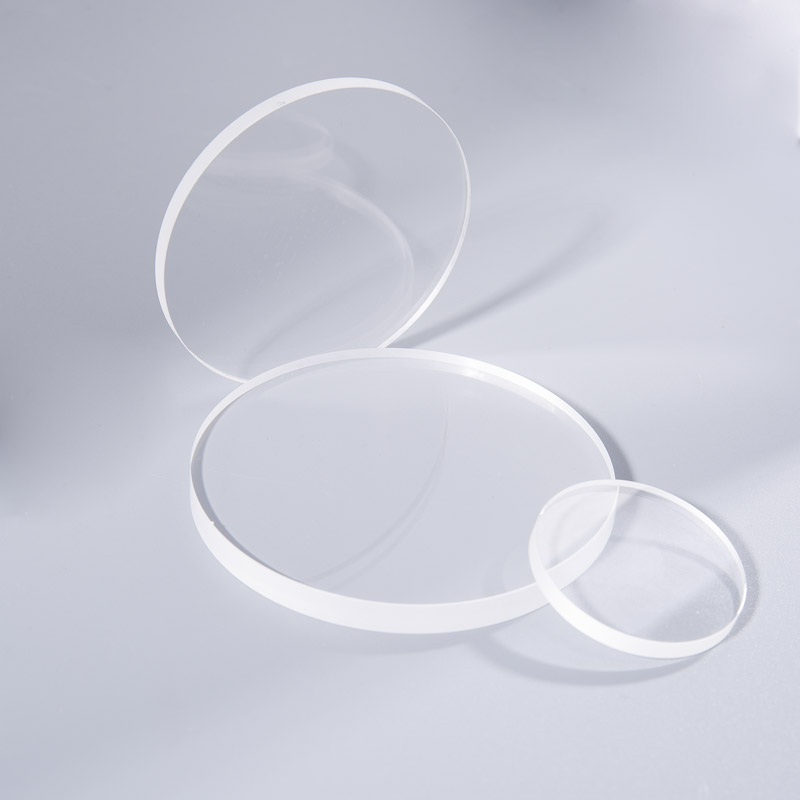
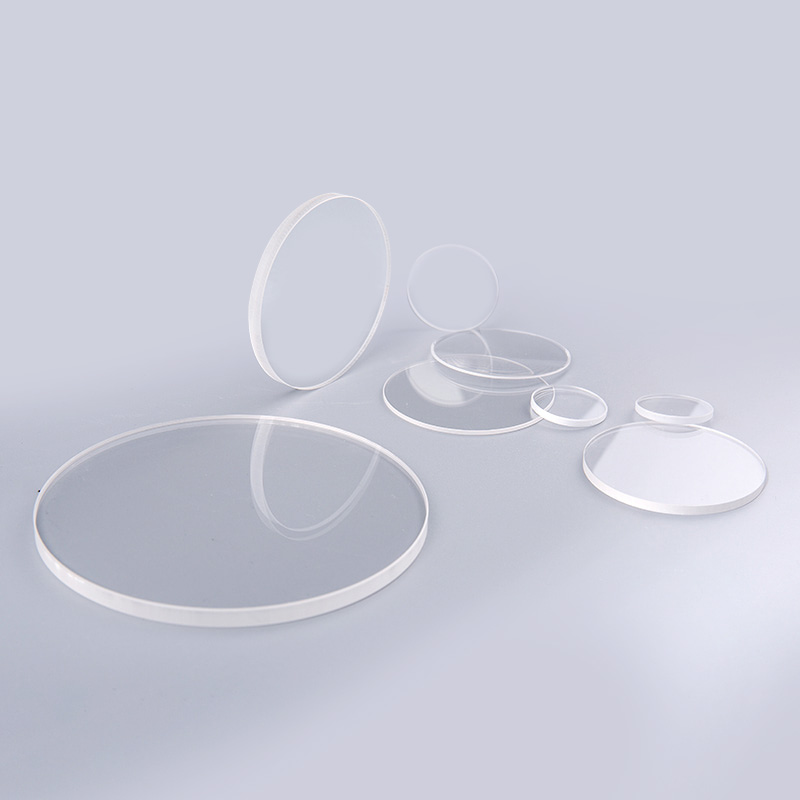
Optical Lens
Advantages of Precision Optical Lenses from a Specialized Manufacturer
Customers comparing optical component suppliers often evaluate more than unit price. The real cost of an optical lens includes design adaptation, process development, inspection, rejected parts, assembly problems, field failures, and supply interruptions. A supplier with established technical and production capabilities can provide advantages that become particularly important when the lens is part of a high-value or safety-related system.
Consistent Optical Performance
Consistency is one of the most important advantages of a controlled precision manufacturing process. A lens that meets the design intent on one production run but varies significantly on the next can create difficulties during assembly and calibration. Stable process control helps ensure that focal length, surface form, transmission, and other relevant characteristics remain within the agreed requirements.
Consistency is especially important in optical modules produced in large quantities. If every lens requires individual adjustment, assembly time increases and the final product may show unwanted performance variation. A manufacturer with mature process controls can help customers move toward more predictable assembly and reduced calibration effort.
Better Integration with Optical Systems
A lens is rarely used alone. It is generally installed in a barrel, camera module, laser head, sensor, projector, microscope, measuring instrument, or other optical assembly. The lens must therefore fit accurately within the mechanical and optical structure of the system.
Diameter, edge thickness, center thickness, chamfer, clear aperture, and reference surfaces all affect integration. A lens may have excellent surface quality but still cause assembly difficulties if its mechanical dimensions or edge treatment are unsuitable. A specialized optical manufacturer can review drawings, clarify datum requirements, and coordinate optical and mechanical features so that the component is better suited to the customer’s assembly process.
Support for Multiple Industries
HLL focuses on several demanding fields, including laser optics, automotive optics, semiconductor optics, and consumer optics. Each field presents different priorities.
Laser optics often require accurate focusing, high transmission, suitable coatings, low absorption, and reliable performance under concentrated optical energy. Automotive optics may require compact packaging, stable performance over temperature, resistance to vibration, and repeatable high-volume production. Semiconductor optics may demand excellent cleanliness, dimensional accuracy, and compatibility with advanced inspection or process equipment. Consumer optics may require a careful balance of performance, appearance, size, production efficiency, and cost.
Experience across these industries encourages a broader understanding of how optical components perform in real systems. It also allows manufacturing knowledge gained in one application area to inform process improvements in another, provided that the specific requirements of each product are carefully maintained.
Quality and Certification Infrastructure
HLL has obtained ISO 9001:2015 quality management certification and ISO 14001:2015 environmental management certification. The company also holds IATF 16949 certification, an important automotive-industry quality framework. These certifications indicate that the organization has established documented management systems covering process control, quality responsibilities, corrective action, continual improvement, and related operational practices.
Certification alone does not replace product-specific technical capability, but it provides a structured foundation for managing production and customer requirements. In automotive and other high-reliability industries, a formal quality system can support supplier evaluation, traceability, process audits, change management, and long-term cooperation.
Technical Development Capability
HLL has an experienced technical team and has established the Jiangsu Precision Optical Lens Engineering Technology Center and Jiangsu Enterprise Technology Research Center. These platforms support product development, process improvement, technical analysis, and engineering cooperation.
A strong technical organization is valuable when a customer needs more than a standard catalog lens. Custom optical components may require a new radius, modified edge geometry, special coating, unusual material, tighter dimensional control, or adaptation to a particular assembly. Engineering support helps transform a concept or drawing into a manufacturable and inspectable product.
HLL has also obtained invention patents, utility model patents, and Jiangsu High and New Tech Product recognitions. These achievements reflect the company’s continuing investment in technology development and product improvement.
Advanced Optical Lens Manufacturing Process
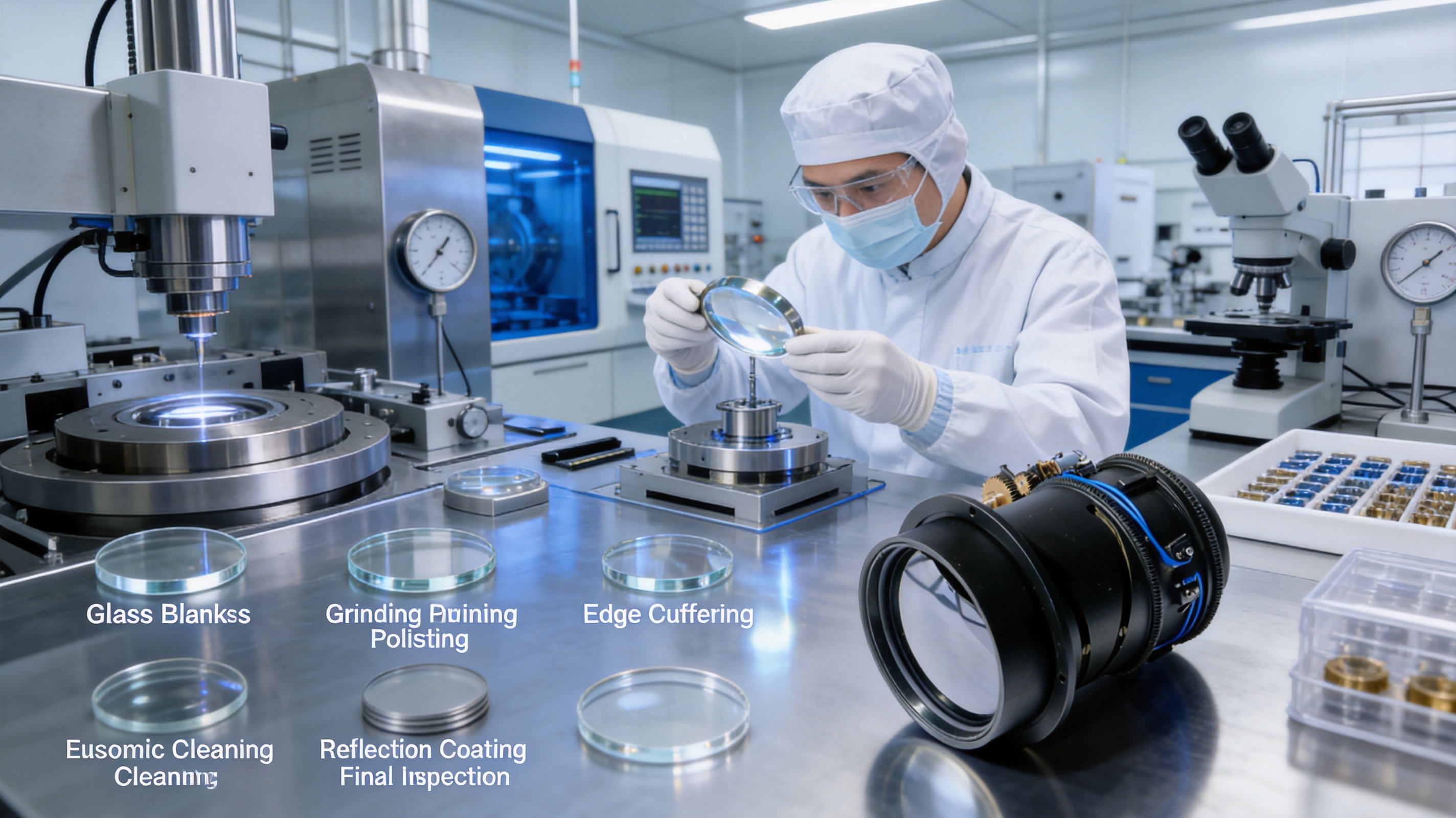
Precision lens production involves a sequence of interdependent operations. Each stage must be planned according to the material, lens geometry, surface quality, coating specification, volume, and final application. A weakness at one stage can limit the result of all later stages, so the manufacturing process must be treated as an integrated system.
1. Technical Review and Process Planning
Production begins with a review of the customer’s drawing, optical prescription, material requirement, coating specification, quantity, inspection criteria, and packaging needs. Engineers assess whether the design can be produced with the required accuracy and determine the most appropriate process route.
This review may include an examination of lens diameter, center thickness, surface radii, clear aperture, wedge, chamfer, edge thickness, reference datums, coating zones, and allowable cosmetic defects. If the lens will be bonded, mounted, or cemented into a larger assembly, the mechanical interface must also be considered.
Process planning is important because different lens types may require different tooling, grinding methods, polishing techniques, coating cycles, and inspection procedures. A well-defined plan reduces unnecessary variation and helps establish realistic production and quality targets.
2. Optical Material Preparation
The selected optical material is prepared in an appropriate starting form. Material quality is reviewed according to the application, with attention to homogeneity, internal defects, inclusions, bubbles, striae, transmission, and other relevant characteristics.
The material is then cut or formed into blanks suitable for subsequent processing. The blank must provide enough allowance for grinding and polishing while minimizing waste. Proper preparation supports efficient production and reduces the possibility that defects or stress in the starting material will affect the finished component.
3. Centering and Blocking
Centering is the process of aligning the optical axis and mechanical reference of the lens. Blocking may be used to hold the workpiece securely during grinding and polishing. Accurate blocking is essential because errors introduced at this stage can influence surface alignment, wedge, edge thickness, and final centering performance.
For systems that require precise alignment, centering must be considered together with the optical prescription and the customer’s assembly datums. A lens with correct surface radii may still perform poorly if its optical axis is not properly related to its mechanical outside diameter or reference edge.
4. Precision Grinding
Grinding removes material and establishes the approximate curvature, thickness, and geometry of the lens. Coarse grinding provides efficient material removal, while finer grinding prepares the surfaces for polishing. The process must balance removal rate with the need to control subsurface damage and maintain the intended form.
Grinding parameters depend on material hardness, lens size, surface curvature, tooling, abrasive type, and the required final quality. Excessive grinding force or unsuitable abrasive conditions may create cracks or subsurface damage that are difficult to remove later. Controlled grinding helps create a stable foundation for polishing.
5. Fine Grinding and Surface Preparation
After rough shaping, fine grinding reduces surface irregularities and prepares the lens for polishing. The objective is to achieve a surface condition that can be polished efficiently without introducing unacceptable deformation.
Fine grinding also provides an opportunity to control thickness, radius, and surface relationship before the final polishing stage. Careful measurement at this point can identify deviations early, reducing the risk of continuing a nonconforming workpiece through expensive downstream operations.
6. Precision Polishing
Polishing removes the remaining fine surface damage and produces the smooth optical surfaces required for light transmission and imaging. The polishing process must control surface form, roughness, edge condition, and the relationship between multiple surfaces.
The appropriate polishing method depends on lens geometry, material, size, and required accuracy. Process parameters may include polishing tool design, slurry characteristics, pressure, speed, temperature, and duration. Maintaining stable conditions helps control material removal and reduce surface variation between batches.
For high-quality optical lenses, polishing is not judged only by visual appearance. Surface irregularity, roughness, scratches, digs, haze, and coating readiness must all be considered. The lens should provide the optical performance required by the system, not merely a visually bright surface.
7. Edge Processing and Chamfering
After optical surfaces are completed, the edge may be ground, chamfered, or otherwise finished according to the drawing. Edge treatment protects the lens from chipping and supports safer handling. It can also provide clearance for mounting and help prevent contact between the optical surface and a mechanical holder.
The edge must be processed carefully because excessive removal can affect the usable clear aperture or mechanical fit. The appropriate chamfer size and location depend on the lens diameter, thickness, mounting method, and customer requirements.
8. Cleaning and Surface Preparation
Optical surfaces must be cleaned before inspection and coating. Dust, polishing residue, fingerprints, oils, and other contaminants can reduce coating adhesion and impair optical performance. Cleaning procedures are selected according to the substrate, surface condition, coating process, and contamination risk.
Clean handling is particularly important for semiconductor, laser, and imaging applications. A supplier that maintains disciplined cleaning and handling procedures can reduce the risk of particles, stains, and coating defects entering the final assembly.
9. Optical Coating
Coating is performed after the substrate has achieved the required shape, surface quality, and cleanliness. The coating design is selected according to the wavelength range and optical function. Process control is necessary to ensure uniform deposition, suitable adhesion, and repeatable spectral performance.
Before coating, lenses may be inspected to confirm that the substrate meets the required standards. After coating, the components may undergo additional checks for appearance, adhesion, transmission, reflectance, environmental resistance, or other customer-defined criteria.
10. Final Inspection and Packaging
Final inspection verifies that the optical lens meets the agreed technical and cosmetic requirements. Depending on the product, inspection may include dimensional measurement, radius verification, center thickness, wedge, centering, surface quality, clear aperture, coating appearance, transmission, and cleanliness.
Packaging is also part of product quality. Optical components must be protected from dust, moisture, abrasion, impact, and contact damage during storage and transportation. Packaging methods should be appropriate for the lens size, coating, quantity, and customer assembly process.
Manufacturing Strengths That Support Customer Projects
The value of a precision optical supplier lies in its ability to combine equipment, people, process knowledge, quality systems, and production discipline. HLL’s long operating history, engineering resources, certifications, and industry coverage create a foundation for serving both development projects and volume production.
Long-Term Industry Experience
Since its establishment in 1998, HLL has concentrated on precision optical components. More than two decades of specialized experience can support practical problem solving in areas such as material behavior, polishing stability, coating compatibility, inspection planning, cleanliness, packaging, and production ramp-up.
Long-term experience is especially helpful when a customer’s drawing does not fully describe the manufacturing details required to achieve stable results. Engineers can identify potential risks, request clarification, and recommend process adjustments before production problems occur.
Integrated Engineering and Manufacturing
Optical performance and manufacturing feasibility are closely connected. A design may be theoretically effective but difficult to produce consistently because of a narrow edge, unsuitable material, complex surface shape, or challenging coating requirement. A supplier with both engineering and manufacturing capabilities can evaluate these issues at an early stage.
HLL’s technical centers and experienced team provide an organizational structure for connecting product development with factory operations. This connection can shorten communication cycles and improve the transition from prototype to production.
Support for Customization
Many optical systems require customized lenses rather than standard catalog products. Customization may involve diameter, curvature, focal length, material, coating, clear aperture, edge processing, mounting interface, packaging, or inspection documentation.
A customized product should be developed through a clear technical process. The supplier and customer need to confirm the optical drawing, tolerances, acceptance criteria, sample approval method, production quantity, delivery schedule, and change-control requirements. Clear communication at the beginning reduces misunderstandings and helps both parties evaluate cost and performance accurately.
Automotive Quality Awareness
Automotive optical components are subject to demanding requirements for reliability, traceability, environmental stability, and production consistency. HLL’s IATF 16949 certification provides a quality-management framework aligned with automotive supply-chain expectations.
Automotive applications may include cameras, sensing modules, lighting systems, displays, and other optical assemblies. In these systems, lenses may need to maintain performance through temperature variation, vibration, humidity, dust, and long service periods. Production planning, process monitoring, inspection records, and controlled changes are therefore important parts of supplier performance.
Environmental Management
Optical manufacturing involves glass processing, abrasives, cleaning agents, coatings, packaging materials, and energy consumption. ISO 14001:2015 certification indicates that the company has established an environmental management system to identify and manage relevant environmental aspects.
Environmental responsibility is increasingly important to customers that evaluate the complete supply chain. A structured environmental system can support regulatory compliance, resource management, waste reduction, and continual improvement in factory operations.
Quality Factors in Optical Lens Selection
Before purchasing an optical lens, customers should define the technical requirements that will affect system performance and production cost. A detailed specification helps the supplier select an appropriate process and prevents the use of excessive or insufficient quality requirements.
| Quality or Design Factor | Why It Matters | Typical Application Consideration |
|---|---|---|
| Material | Determines transmission, refractive index, dispersion, thermal behavior, and durability. | Choose according to wavelength, power, temperature, and environmental exposure. |
| Surface Form | Influences focal performance, wavefront accuracy, and image quality. | Important for imaging, laser focusing, and precision measurement. |
| Surface Roughness | Affects scattering, contrast, and stray light. | Critical in laser, imaging, and high-sensitivity detection systems. |
| Centering | Controls the relationship between the optical axis and mechanical reference. | Important when lenses are installed in precision barrels or multi-element systems. |
| Thickness and Diameter | Determine mechanical fit and influence optical prescription. | Must match the housing, spacing, and assembly process. |
| Clear Aperture | Defines the usable optical area. | Should be sufficient for the beam or field without unnecessary obstruction. |
| Coating | Controls transmission, reflection, and environmental durability. | Select according to wavelength, angle, polarization, and power level. |
| Cosmetic Quality | Helps prevent scattering, appearance defects, and contamination. | Requirements vary between consumer, industrial, laser, and imaging products. |
| Cleanliness | Protects optical performance and coating quality. | Particularly important for semiconductor, laser, and sensor applications. |
| Packaging | Prevents damage and contamination during transportation and storage. | Should be matched to product size, coating, handling, and delivery conditions. |
Applications of Precision Optical Lenses
Laser Optics
Laser systems require optical lenses that can focus, collimate, expand, or shape beams with a high degree of control. The lens must be selected according to wavelength, beam diameter, optical power, working distance, and environmental conditions.
In laser marking and cutting equipment, a focusing lens determines the beam spot and therefore influences processing precision. In fiber-coupling systems, the lens must help match the beam to the fiber’s numerical aperture and core geometry. In measurement systems, a lens may be used to collect reflected or scattered light and direct it toward a detector.
Laser applications can be sensitive to absorption, coating defects, contamination, and surface damage. For this reason, substrate quality, polishing, cleaning, coating design, and inspection must be coordinated carefully.
Automotive Optical Systems
Automotive optics are increasingly used in cameras, driver-assistance systems, sensing modules, lighting, displays, and interior electronics. These systems must function under changing illumination, temperature, vibration, and humidity conditions.
An automotive lens may contribute to field of view, image sharpness, distortion management, infrared transmission, or light distribution. The component must also be compatible with compact module designs and high-volume assembly. Repeatable dimensions and stable optical performance are important because large production quantities magnify even small process variations.
HLL’s automotive quality infrastructure and experience with optical components can support customers developing products for this demanding sector. The specific lens design and validation requirements should always be established according to the vehicle platform, module structure, operating environment, and applicable customer standards.
Semiconductor Equipment
Semiconductor manufacturing and inspection equipment depends on accurate optical paths. Lenses may be used in illumination, imaging, alignment, measurement, inspection, and positioning systems. These environments can place high demands on cleanliness, dimensional accuracy, repeatability, and long-term stability.
Optical contamination can reduce signal quality or create measurement errors. A clean manufacturing process, careful packaging, and controlled handling are therefore essential. Depending on the equipment, the lens may also need to support ultraviolet, visible, or infrared wavelengths and remain stable during continuous operation.
Consumer Optical Products
Consumer products often require compact, attractive, cost-effective, and reliable optical components. Cameras, projectors, scanners, sensing devices, wearable products, and smart electronics may use lenses with small dimensions and high-volume production requirements.
Consumer optics can be challenging because performance, appearance, delivery, and cost must be balanced carefully. A supplier with experience in precision processing and scalable production can help customers maintain consistent quality while meeting commercial targets.
Measurement and Industrial Equipment
Industrial instruments use optical lenses for dimensional measurement, inspection, barcode reading, machine vision, alignment, and scientific observation. In these applications, image quality and repeatability often affect the accuracy of the equipment.
The appropriate lens depends on field of view, working distance, resolution, depth of field, illumination, and detector characteristics. Custom lens dimensions or coatings may be required when the component must fit a specialized instrument or operate at a particular wavelength.
Why Manufacturing Process Control Matters
Optical lens quality is the result of controlled variation. No single machine or operation can guarantee the final result by itself. Material, tooling, abrasive conditions, polishing behavior, cleaning, coating, measurement, and handling all contribute to the finished component.
Process control begins with clearly defined requirements. The customer’s drawing and purchase specification should identify the characteristics that are truly necessary for the application. The manufacturer can then establish suitable process parameters and inspection methods. If a specification is unclear, the supplier should communicate with the customer before production rather than making assumptions that may lead to later disputes.
Inspection should be connected to production rather than limited to the final stage. In-process measurements can identify thickness or radius deviations before further value is added. Monitoring helps reduce scrap, improve efficiency, and support stable production. Final inspection then confirms that the finished lens meets the agreed acceptance criteria.
Traceability is also important for professional optical production. Material batches, process records, coating information, inspection results, and packaging status may need to be associated with the product lot. Traceability supports root-cause analysis and gives customers greater confidence in long-term supply.
Change management is another essential practice. Changes to material sources, tooling, equipment, process parameters, coating design, inspection methods, or packaging can affect optical performance. A controlled change process helps ensure that modifications are evaluated, documented, and communicated appropriately.
Prototype Development and Volume Production
A capable optical manufacturer should be able to support a product throughout its development life cycle. Prototype production is used to confirm optical performance, mechanical fit, coating behavior, assembly compatibility, and inspection methods. The prototype stage may reveal opportunities to improve manufacturability or reduce cost before the product enters mass production.
During prototype development, the customer and supplier should agree on the sample quantity, test plan, measurement method, and approval procedure. It is useful to distinguish between design verification and process verification. A lens may meet the optical design requirements in a small batch but still require additional process work before it can be produced efficiently and consistently at high volume.
When a product moves into volume production, the focus expands to capacity, cycle time, yield, process capability, delivery planning, inspection efficiency, and supply continuity. HLL’s factory resources, technical team, quality systems, and international customer experience provide a foundation for supporting this transition.
Volume production also benefits from standardized work instructions and clearly defined control points. Repetition is not enough to guarantee consistency; the process must be measured and managed. A well-organized production system can help reduce variation while maintaining the technical requirements established during development.
Customer Benefits of Working with a Specialized Optical Partner
Choosing a specialized optical lens supplier can reduce technical and commercial risks in several ways. First, the customer gains access to personnel who understand the relationship between optical design and manufacturing. Second, the supplier can help identify requirements that may not be obvious from a basic drawing. Third, established quality and production systems support repeatability as the project grows.
A specialized supplier can also help customers avoid over-specification. Not every application requires the highest possible surface quality, tightest tolerance, or most complex coating. Excessive requirements increase cost and may reduce production efficiency without improving system performance. Through engineering discussion, the customer can select a quality level appropriate for the actual application.
At the same time, a professional supplier can identify situations in which low-cost components may be unsuitable. If the lens is used in a laser, high-resolution camera, semiconductor instrument, or safety-related automotive system, defects and variation may create much greater costs than the original component price. In these cases, controlled quality and reliable supply are important competitive advantages.
HLL combines a long history in precision optical manufacturing with technical research resources, multiple industry applications, formal management certifications, and an international customer base. These strengths can support customers seeking a supplier for standard optical lenses, customized components, prototype development, or stable volume production.
How to Prepare an Optical Lens Inquiry
Customers can improve the efficiency of technical communication by providing complete information at the beginning of a project. The following details are particularly useful:
1. Optical drawing or prescription, including surface radii, thickness, diameter, and reference dimensions.
2. Material requirement and operating wavelength.
3. Desired focal length, numerical aperture, field of view, or other system-level performance information.
4. Coating wavelength range, angle of incidence, polarization condition, and power level when applicable.
5. Surface quality, surface form, centering, wedge, clear aperture, and cosmetic requirements.
6. Environmental conditions, including temperature, humidity, vibration, chemical exposure, vacuum, or radiation.
7. Annual quantity, initial order quantity, prototype requirement, and expected production schedule.
8. Assembly method, housing dimensions, bonding requirements, and packaging preferences.
9. Inspection reports, certificates, traceability documents, or special quality records required with delivery.
10. Applicable industry standards or customer-specific requirements.
With this information, the manufacturer can evaluate the design, recommend an appropriate process, estimate production difficulty, and prepare a more accurate quotation. Early technical cooperation is often the most effective way to improve performance and control cost.
Q&A: Precision Optical Lens Manufacturing
Q1: What is a precision optical lens?
A precision optical lens is a transparent optical component manufactured to controlled geometric, surface, dimensional, and cosmetic requirements. It is designed to manipulate light accurately in applications such as imaging, laser processing, sensing, measurement, automotive cameras, semiconductor equipment, and consumer electronics.
Q2: What types of optical lenses can be produced?
Depending on the design and production requirements, a specialized manufacturer may produce convex, concave, plano-convex, bi-convex, meniscus, cylindrical, aspheric, condenser, focusing, collimating, and other custom lens forms. The available product type should be confirmed according to the customer’s drawing and application.
Q3: Why is coating important for an optical lens?
Coating can reduce unwanted reflection and improve transmission over a selected wavelength range. It may also support contrast, reduce ghost images, and provide greater environmental durability. The coating must be selected according to the wavelength, angle of incidence, optical power, substrate, and service conditions.
Q4: How does lens surface quality affect performance?
Surface form affects wavefront accuracy and focusing behavior, while surface roughness and cosmetic defects can increase scattering and stray light. The required quality level depends on the application. Laser, semiconductor, imaging, and precision measurement systems generally require more demanding control than basic illumination products.
Q5: Can optical lenses be customized?
Yes. Customization may include material, diameter, thickness, curvature, focal length, coating, clear aperture, edge treatment, mounting interface, packaging, and inspection documentation. The customer should provide a technical drawing or detailed specification so the manufacturer can evaluate feasibility.
Q6: What industries does HLL serve?
HLL develops and produces precision optical components for laser optics, automotive optics, semiconductor optics, and consumer optics. Its capabilities may also support industrial instruments, imaging systems, sensing equipment, and other applications that require precision optical components.
Q7: What certifications does the company have?
The company has obtained ISO 9001:2015, ISO 14001:2015, and IATF 16949 certifications. These certifications relate to quality management, environmental management, and automotive-industry quality management, respectively.
Q8: Why is centering important?
Centering controls the relationship between the lens’s optical axis and its mechanical reference. Poor centering can cause alignment errors, image degradation, beam deviation, or additional adjustment during assembly. It is particularly important in multi-element optical systems and precision modules.
Q9: What should be considered when selecting lens material?
Important factors include wavelength transmission, refractive index, dispersion, thermal expansion, hardness, chemical resistance, laser damage considerations, and cost. The material should be selected according to the complete operating environment rather than only the visible appearance of the lens.
Q10: Can a manufacturer support both prototypes and mass production?
A professional manufacturer can often support both stages, although the specific capability depends on lens type, quantity, geometry, and inspection requirements. Prototype work validates the design and process, while volume production requires additional planning for capacity, yield, repeatability, traceability, and delivery.
Q11: How should optical lenses be packaged?
Lenses should be protected from dust, moisture, scratches, impact, and direct contact with optical surfaces. Packaging requirements depend on lens size, coating, quantity, transportation conditions, and customer handling procedures. Clean, secure, application-appropriate packaging is part of maintaining product quality.
Q12: How can customers obtain a quotation?
Customers can prepare an optical drawing or product specification and provide information about quantity, material, coating, tolerances, application, inspection requirements, and delivery expectations. HLL can then review the project and communicate about manufacturing feasibility and commercial details through its sales team.
Conclusion
Precision optical lenses are fundamental to the performance of modern optical and optoelectronic systems. Their quality depends on much more than basic shape. Material selection, centering, grinding, polishing, cleaning, coating, inspection, packaging, and traceability must work together to produce a component that performs reliably in its intended application.
Changzhou Haolilai Photo-Electricity Scientific and Technical Co., Ltd. has built its business around precision optical components since 1998. Its approximately 35,000-square-meter manufacturing base, workforce of more than 300 employees, technical research centers, patent portfolio, international customer experience, and ISO 9001:2015, ISO 14001:2015, and IATF 16949 certifications provide a strong foundation for optical lens production.
By combining engineering support with controlled manufacturing processes, HLL can serve diverse requirements in laser optics, automotive optics, semiconductor optics, consumer optics, and related fields. Customers seeking a dependable optical lens supplier should evaluate not only the product quotation, but also the supplier’s technical understanding, quality infrastructure, production consistency, customization capability, and ability to support the entire product life cycle.
For product inquiries, customers may contact the company’s sales team by telephone at +86-519-83200018 or by email at [email protected]. The company is located at No. 10 Wangcai Road, Luoxi Town, Xinbei District, Changzhou, Jiangsu, China.
References
1. ISO 9001:2015, Quality Management Systems—Requirements.
2. ISO 14001:2015, Environmental Management Systems—Requirements with Guidance for Use.
3. IATF 16949, Quality Management System Requirements for Automotive Production and Relevant Service Parts Organizations.
4. Optical Society of America, Handbook of Optics, Fundamentals and Optical Design.
5. Warren J. Smith, Modern Optical Engineering: The Design of Optical Systems.
6. Daniel Malacara, Optical Shop Testing.
7. National-level technical guidance and industry practices for precision optical component manufacturing, surface inspection, coating, cleanliness, and packaging.


 苏公网安备32041102000130号