
 Search
 en
 English
 日本語
 русский
 Español
 Deutsch
 中文简体
Content
- 1 Understanding Automotive Interior Glass Structural Components
- 2 Why Glass Is Valuable in the Vehicle Interior
- 3 Advantages Over Conventional Interior Materials
- 4 Core Manufacturing Processes
- 4.1 1. Engineering Review and Design for Manufacturing
- 4.2 2. Material Selection and Incoming Inspection
- 4.3 3. Cutting and Blank Preparation
- 4.4 4. CNC Shaping, Grinding, and Edge Processing
- 4.5 5. Precision Polishing and Surface Finishing
- 4.6 6. Drilling, Milling, and Feature Creation
- 4.7 7. Printing and Decorative Treatment
- 4.8 8. Coating Application
- 4.9 9. Tempering or Strengthening
- 4.10 10. Cleaning, Assembly Preparation, and Packaging
- 5 Quality Control for Automotive Applications
- 6 Manufacturing Strengths of a Specialized Precision Optics Supplier
- 7 Product Advantages in Comparison with Less Specialized Alternatives
- 8 Development Considerations for Vehicle Manufacturers
- 9 Production Efficiency and Supply Reliability
- 10 Environmental and Responsible Manufacturing
- 11 How Precision Optical Expertise Supports Interior Glass Innovation
- 12 Frequently Asked Questions
- 12.1 What are automotive interior glass structural components?
- 12.2 Are these components only decorative?
- 12.3 Why use glass instead of plastic?
- 12.4 Can the glass be customized for different vehicle models?
- 12.5 Can glass components include printed patterns or symbols?
- 12.6 What coatings may be applied to automotive interior glass?
- 12.7 How is optical quality evaluated?
- 12.8 Can the components be strengthened?
- 12.9 What quality certifications support automotive production?
- 12.10 What information should a customer provide for quotation and development?
- 12.11 Can the supplier assist with design optimization?
- 12.12 How are glass components protected during shipment?
- 12.13 What makes a precision optics manufacturer suitable for automotive interiors?
- 13 Conclusion
- 14 References
- 15 Product: Automotive Interior Glass Structural Components
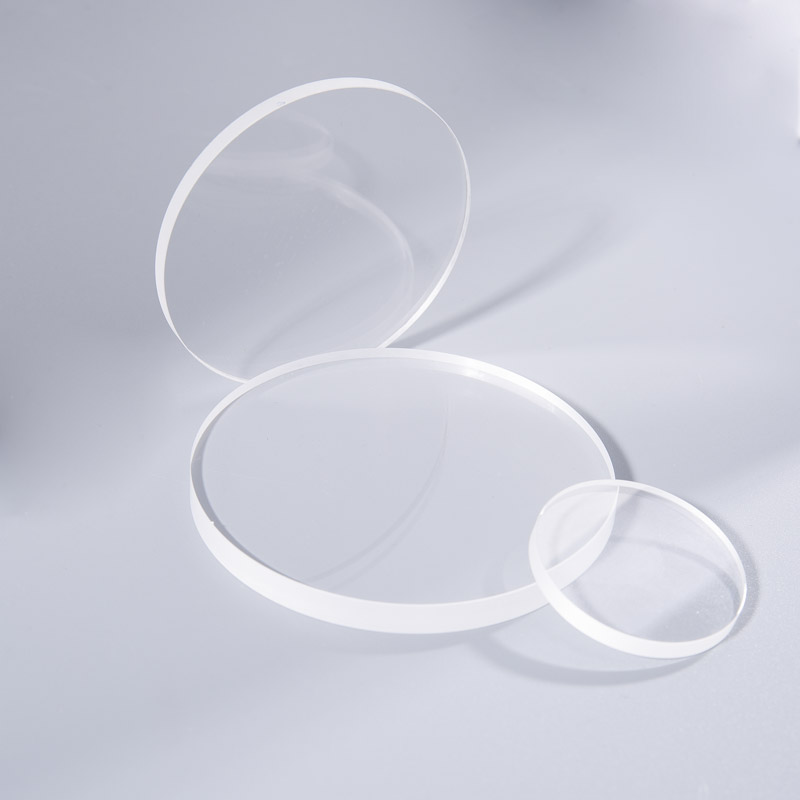
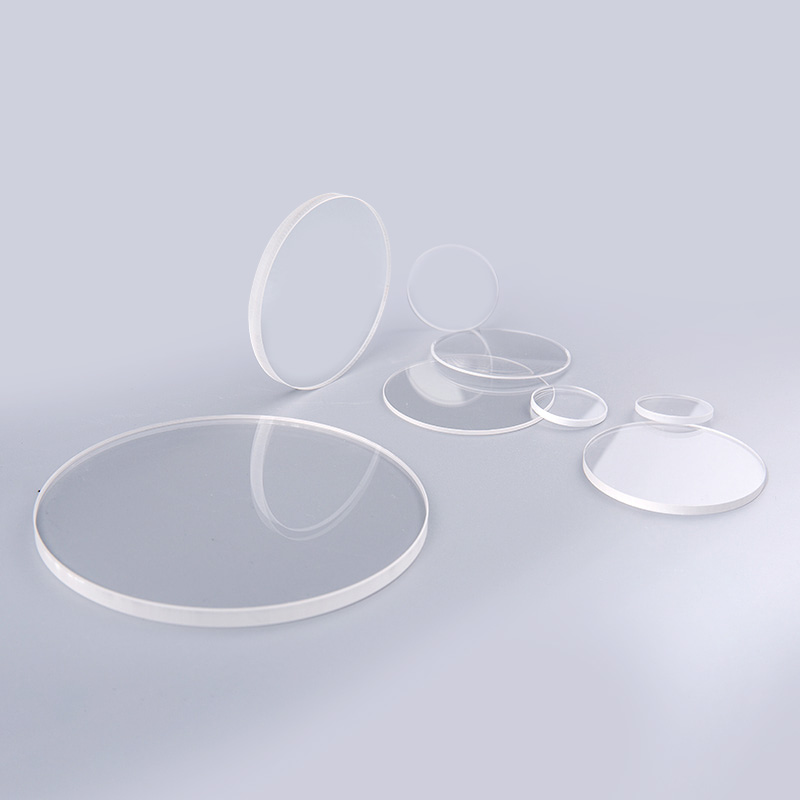
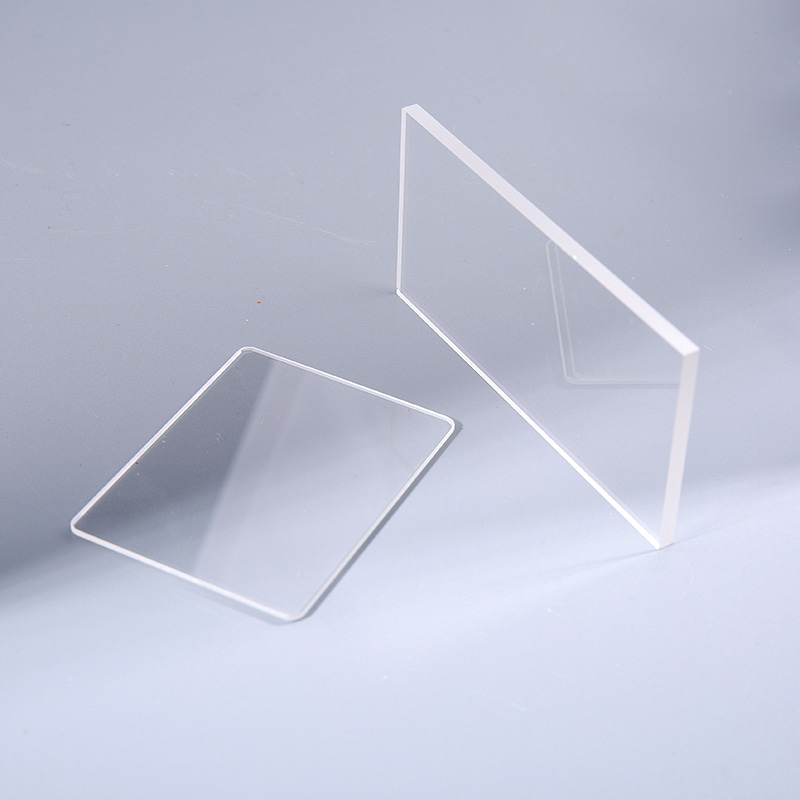
Automotive interior glass structural components are becoming increasingly important in the development of modern vehicle cabins. Once used mainly as decorative accents, glass parts inside the passenger compartment now support a broader range of functions, including visual enhancement, touch-interface integration, light transmission, protection of electronic components, and structural positioning within interior assemblies. As vehicle manufacturers pursue cleaner styling, intelligent interiors, premium materials, and improved user experiences, high-quality glass components have become a valuable design and engineering solution.
These components must satisfy demanding requirements. They need to maintain stable dimensions, deliver excellent optical and visual quality, withstand temperature changes and vibration, cooperate with surrounding plastics and metals, and retain their appearance throughout the service life of the vehicle. At the same time, they must be manufactured with reliable repeatability because automotive programs require consistent quality across large production volumes.
Changzhou Haolilai Photo-Electricity Scientific and Technical Co., Ltd. develops and manufactures precision optical components for automotive optics, laser optics, semiconductor optics, and consumer optics. With its experience in precision glass processing, optical inspection, coating technology, and automotive-quality management, the company is positioned to supply automotive interior glass structural components for demanding applications. Its manufacturing capabilities combine optical expertise with disciplined production control, allowing glass products to be developed for both appearance and functional performance.
This article explains the role of automotive interior glass structural components, their principal advantages, the manufacturing technologies used to produce them, and the reasons a specialized precision optics manufacturer can offer meaningful value to automotive customers.
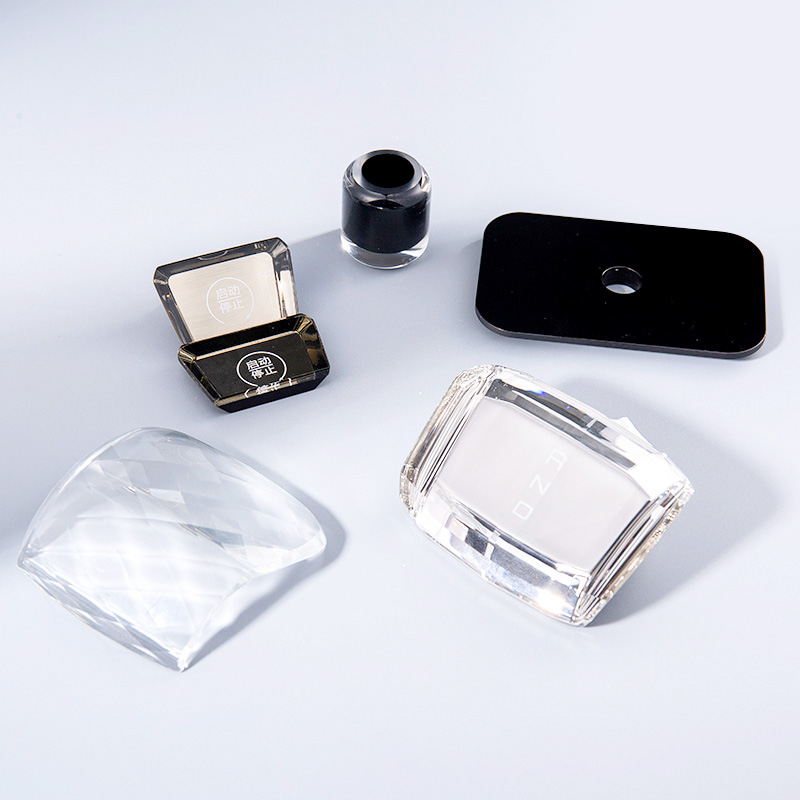
Automotive Interior Glass Structural Components
Understanding Automotive Interior Glass Structural Components
Automotive interior glass structural components are specially processed glass parts used within the vehicle cabin. Depending on the vehicle platform and interior design, they may be installed in instrument panels, center consoles, door modules, control interfaces, ambient-light systems, display assemblies, trim structures, and other interior subassemblies.
The word “structural” does not necessarily mean that the glass part bears the primary load of the vehicle. Instead, it indicates that the component performs a defined engineering role within an assembly. It may position or protect an electronic module, form a rigid surface for a touch-control area, provide a stable optical window, create a precise interface for bonding, or contribute to the dimensional integrity of a decorative or functional interior system.
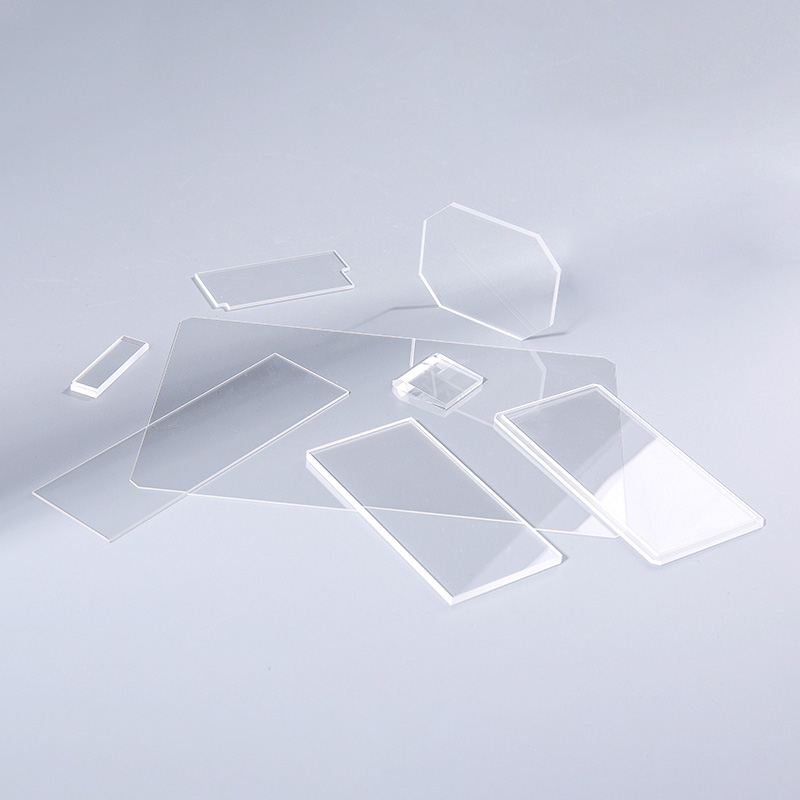
Unlike ordinary flat glass, automotive interior components often include multiple requirements in a single part. A component may need a polished or coated surface on one side, a printed border on another, a controlled thickness, chamfered edges, drilled or milled features, and tight geometric tolerances. It may also need to be bonded to plastic, metal, sensors, lighting elements, or display modules.
Interior glass must also be compatible with the overall visual language of the vehicle. A premium cabin may demand a deep black appearance, highly transparent viewing areas, subtle reflective effects, or a seamless transition between glass and adjacent trim. These visual characteristics must remain uniform from part to part and from one production batch to another.
Typical Applications
Automotive interior glass structural components can be adapted to a variety of applications, including:
Instrument-panel display covers are used to protect screens and electronic interfaces while preserving image clarity and touch sensitivity. The glass can be shaped and finished to match the curvature of the instrument panel and may include anti-reflective, anti-fingerprint, or hard protective coatings.
Center-console glass panels can provide a refined surface for touch controls, rotary controls, illuminated symbols, or integrated user interfaces. Their dimensional stability helps maintain alignment between the visible panel and the electronic components below it.
Door-control glass parts may be used around window switches, lighting controls, memory functions, and other electronic interfaces. These components require carefully controlled edges and surfaces because they are frequently touched and viewed at close range.
Ambient-light windows and optical light guides can transmit, redirect, or diffuse light from LEDs. In these applications, the glass geometry and surface finish influence the uniformity, brightness, and visual comfort of the illumination.
Decorative glass trim can provide a high-end appearance while integrating with metal, wood, polymer, leather, or textile elements. Glass offers a distinctive combination of gloss, hardness, depth, and color stability that can be difficult to reproduce with conventional plastic trim.
Protective windows for sensors, cameras, and interior monitoring systems can shield sensitive optical or electronic components from dust, contact, cleaning chemicals, and accidental impact. Optical quality and coating performance are especially important for these applications.
Heads-up display and projection-related interior components may require carefully controlled optical transmission and reflection. Although the specific design depends on the system, precision glass manufacturing experience is valuable when surface flatness, coating uniformity, and optical distortion must be managed.
Why Glass Is Valuable in the Vehicle Interior
Glass offers a combination of characteristics that makes it attractive for advanced automotive interiors. It has a naturally smooth surface, strong resistance to scratching, good dimensional stability, and a premium visual appearance. It can also be processed with coatings, printed patterns, polished edges, and optical features.
Premium Appearance and Design Freedom
Glass can create a clean, high-quality surface with a level of depth and brilliance that is difficult to achieve with common molded plastics. When properly finished, it can appear transparent, semi-transparent, colored, metallic, dark, or highly reflective. This range of appearances gives interior designers more flexibility when creating different vehicle grades and visual themes.
Glass can also be combined with hidden-until-lit symbols and illuminated graphics. When the lighting is off, the surface can remain visually simple and uninterrupted. When activated, icons, controls, or ambient-light effects can become visible with carefully controlled contrast.
Because glass is a rigid material, it can support seamless design concepts in which a single panel extends across several functions. It can cover a display, a touch-control region, and decorative sections while maintaining a consistent surface. This is especially useful in modern vehicle cabins, where conventional buttons and separate trim pieces are increasingly being replaced by integrated interfaces.
Scratch and Wear Resistance
Interior surfaces are exposed to repeated contact from hands, clothing accessories, cleaning tools, and personal items. Unprotected polymer surfaces may show scratches, gloss changes, or localized wear over time. Properly selected and processed glass can provide better resistance to these effects.
The durability of a glass component depends on the glass composition, thickness, edge condition, coating system, and installation design. Surface treatments may further improve resistance to fingerprints, abrasion, chemicals, or glare. A specialized manufacturer can help select a suitable combination of substrate and coating according to the intended application.
Dimensional Stability
Glass generally has stable dimensions across the temperature range encountered inside a vehicle. This characteristic is valuable when the part must remain aligned with a display, sensor, lighting module, or surrounding trim. Stable dimensions can reduce the risk of visible gaps, uneven interfaces, and assembly stress.
Dimensional stability does not eliminate the need for careful design. Thermal expansion differences between glass, metal, and plastic must still be considered. The bonding layer, mounting structure, corner radius, and edge clearance all influence long-term reliability. Automotive interior glass components should therefore be developed as part of a complete assembly rather than treated as isolated pieces.
Optical Performance
For display covers, lighting windows, sensors, and projection-related parts, optical performance is a central requirement. Important properties may include transmission, haze, reflectance, surface flatness, wedge, parallelism, distortion, and coating uniformity.
Precision optical manufacturing experience is particularly useful in these applications. A part can appear visually attractive yet still cause unwanted reflections, image distortion, light non-uniformity, or reduced sensor performance if its optical characteristics are not properly controlled.
Resistance to Environmental Exposure
Vehicle interiors experience sunlight, heat, humidity, temperature cycling, cleaning agents, skin oils, dust, and continuous vibration. Glass itself is resistant to many of these conditions, but coatings, printed layers, adhesives, and edge treatments must also be evaluated.
A reliable component design considers the complete material system. The glass substrate, surface coating, ink, adhesive, plastic housing, and mounting method should work together. Environmental testing can help confirm that the appearance and function remain stable during the expected service life.
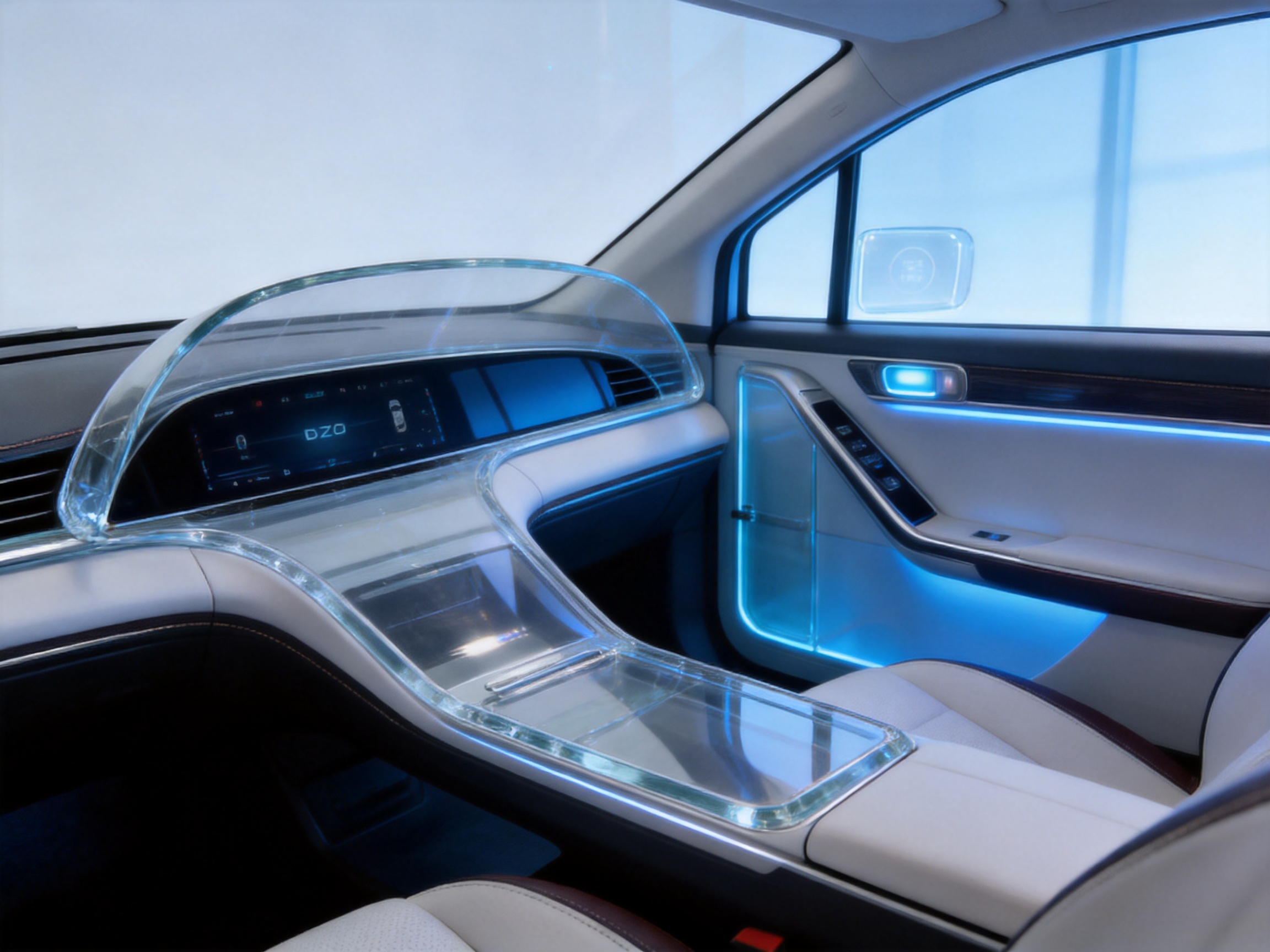
Advantages Over Conventional Interior Materials
Automotive interior glass structural components offer several advantages over untreated plastic or purely decorative polymer alternatives. These advantages are most evident when the component is used in a high-contact, high-visibility, or optically sensitive area.
Higher Perceived Quality
Glass provides a distinctive tactile and visual experience. Its smooth surface, controlled reflectivity, and crisp edge appearance can contribute to a premium cabin impression. For vehicle manufacturers, this perceived quality can support brand differentiation and help create a stronger connection between the user and the vehicle.
Better Surface Longevity
When the glass and coating system are appropriately selected, the surface can retain its gloss and clarity for a long period. This reduces the likelihood that a frequently touched control area will develop a worn or inconsistent appearance early in the vehicle’s service life.
Improved Integration of Electronics
Glass can act as a protective and visually integrated cover for electronic assemblies. A single component may protect a display, form a touch-sensitive surface, carry printed graphics, and provide an opening or optical window for a sensor. This integration can reduce the number of visible joints and support cleaner interior architecture.
More Consistent Visual Effects
Precision processing makes it possible to control transmission, reflection, color, printing, and illumination across the component. This is important for products with hidden controls, decorative patterns, or light-guiding functions. Consistent visual performance strengthens the perceived quality of the finished vehicle.
Design Compatibility with Future Vehicle Interiors
Electric vehicles, intelligent cockpits, and autonomous-driving concepts are accelerating the development of screen-based and sensor-based interiors. These systems require durable windows, optical covers, integrated control surfaces, and refined trim solutions. Glass components are well suited to these trends because they combine a modern appearance with stable engineering performance.
Core Manufacturing Processes
The production of automotive interior glass structural components involves several interconnected stages. The exact process depends on the drawing, material, surface requirements, tolerance class, and final application. A precision manufacturer typically manages the product from technical review through inspection and delivery.
1. Engineering Review and Design for Manufacturing
Production begins with a detailed review of the customer’s drawings, samples, specifications, and application conditions. Engineers evaluate the glass type, nominal thickness, external dimensions, edge requirements, holes, slots, radii, coating areas, printed patterns, and assembly interfaces.
Design-for-manufacturing review is essential because some features that appear simple in a drawing may create unnecessary processing risk. Very sharp internal corners, insufficient edge clearance, extremely narrow printed borders, or incompatible tolerance combinations can affect yield and reliability.
During this stage, the manufacturer can recommend changes that improve manufacturability without compromising the intended design. These recommendations may involve modifying corner radii, adjusting edge chamfers, clarifying datum structures, defining coating boundaries, or establishing more practical tolerance relationships.
2. Material Selection and Incoming Inspection
The glass substrate must be selected according to the required optical, mechanical, thermal, and appearance characteristics. Factors may include thickness, transmission, color, surface quality, thermal behavior, chemical compatibility, and availability in the required size.
Incoming inspection helps verify that the raw material meets the defined requirements before processing begins. Typical checks may include dimensions, thickness, surface defects, visible inclusions, scratches, chips, and material identification. Effective incoming control reduces the possibility that raw-material variation will be carried into later processes.
3. Cutting and Blank Preparation
Glass blanks are cut from larger sheets or prepared from pre-sized substrates. Cutting accuracy influences the amount of material available for subsequent grinding and polishing. Proper cutting parameters also help control edge damage and reduce the risk of micro-cracks.
For products with complex outlines, blank preparation may include rough profiling before precision shaping. The production method is selected according to the component geometry, quantity, tolerance, and required surface quality.
4. CNC Shaping, Grinding, and Edge Processing
Computer-controlled equipment can be used to form external contours, slots, holes, recesses, and other features. Grinding removes material in a controlled manner and establishes the basic geometry of the component.
Edge treatment is particularly important for automotive interior applications. Edges may be chamfered, rounded, fine-ground, or polished depending on their visibility and assembly function. Proper edge finishing improves handling safety, reduces stress concentration, and supports a more refined appearance.
Where a glass part is installed near a user’s hand or within a visible trim interface, edge quality can significantly influence perceived product quality. A small chip, uneven chamfer, or inconsistent radius may be noticeable even if the main surface appears satisfactory.
5. Precision Polishing and Surface Finishing
Polishing refines the processed surface and can improve transparency, reflectivity, smoothness, and optical performance. The selected polishing method depends on whether the surface is decorative, functional, or optically critical.
Precision optical manufacturing requires careful control of polishing conditions. Excessive material removal, non-uniform pressure, or unsuitable abrasive conditions can create flatness errors, waviness, haze, or localized defects. Process stability is therefore important for achieving consistent surface results.
For interior glass structural components, not every surface requires the same finish. A viewing area may require high optical clarity, while a hidden bonding zone may need a different surface condition to support adhesion. Separating these requirements can improve efficiency and reduce unnecessary processing.
6. Drilling, Milling, and Feature Creation
Some automotive interior glass parts require holes, slots, recesses, or alignment features. These may be used for fasteners, locating pins, switches, sensors, lighting elements, or assembly interfaces.
Feature creation must be carefully coordinated with glass thickness and edge distance. A hole positioned too close to an edge or corner can increase stress concentration. The tool condition, cooling method, feed rate, and finishing sequence all influence the final quality.
Precision feature processing helps ensure that the glass aligns correctly with electronic modules and surrounding housings. Accurate interfaces can also reduce assembly force and minimize the risk of stress-related damage during vehicle production.
7. Printing and Decorative Treatment
Automotive interior glass may include black borders, colored patterns, symbols, logos supplied by the customer, light-blocking areas, or functional graphic elements. Printing is normally applied according to the optical and decorative requirements of the finished assembly.
Important factors include line definition, color consistency, registration accuracy, opacity, adhesion, and resistance to environmental exposure. Printed areas must remain stable during handling, bonding, assembly, cleaning, and service use.
For illuminated controls, the printed pattern may need to allow a controlled amount of light through selected regions. This requires coordination between the printing process, the light source, the optical design, and the appearance standard.
8. Coating Application
Surface coatings can provide anti-reflective, anti-glare, anti-fingerprint, hard-coat, hydrophobic, oleophobic, or other functional properties. The coating is selected according to the application and the customer’s performance requirements.
An anti-reflective coating may improve display readability by reducing reflected cabin light. An anti-fingerprint treatment can help maintain a cleaner appearance on frequently touched surfaces. A hard protective layer can improve resistance to minor abrasion, while other treatments may support easier cleaning.
Coating uniformity is critical. Variations in thickness, color, reflectance, or adhesion can become visible when the part is installed next to a display or illuminated surface. Controlled cleaning, handling, deposition conditions, and inspection help maintain consistency.
9. Tempering or Strengthening
Depending on the application, glass may be chemically strengthened, thermally strengthened, or otherwise treated to improve resistance to impact and thermal stress. The selected method depends on the design, thickness, geometry, and safety requirements.
Strengthening must be balanced with dimensional stability and optical requirements. The process should not introduce unacceptable distortion, color changes, surface damage, or dimensional variation. Product engineers need to consider strengthening early in the development cycle because it can influence the final geometry and tolerance structure.
10. Cleaning, Assembly Preparation, and Packaging
After processing and inspection, components are cleaned to remove particles, residues, and handling contamination. Cleanliness is especially important before coating, printing, optical inspection, or adhesive bonding.
Packaging is designed to protect the surfaces and edges during storage and transportation. Separators, protective films, trays, and custom containers may be used according to the component geometry and sensitivity. Proper packaging is part of product quality because a well-made glass component can still be damaged by poor handling after final inspection.
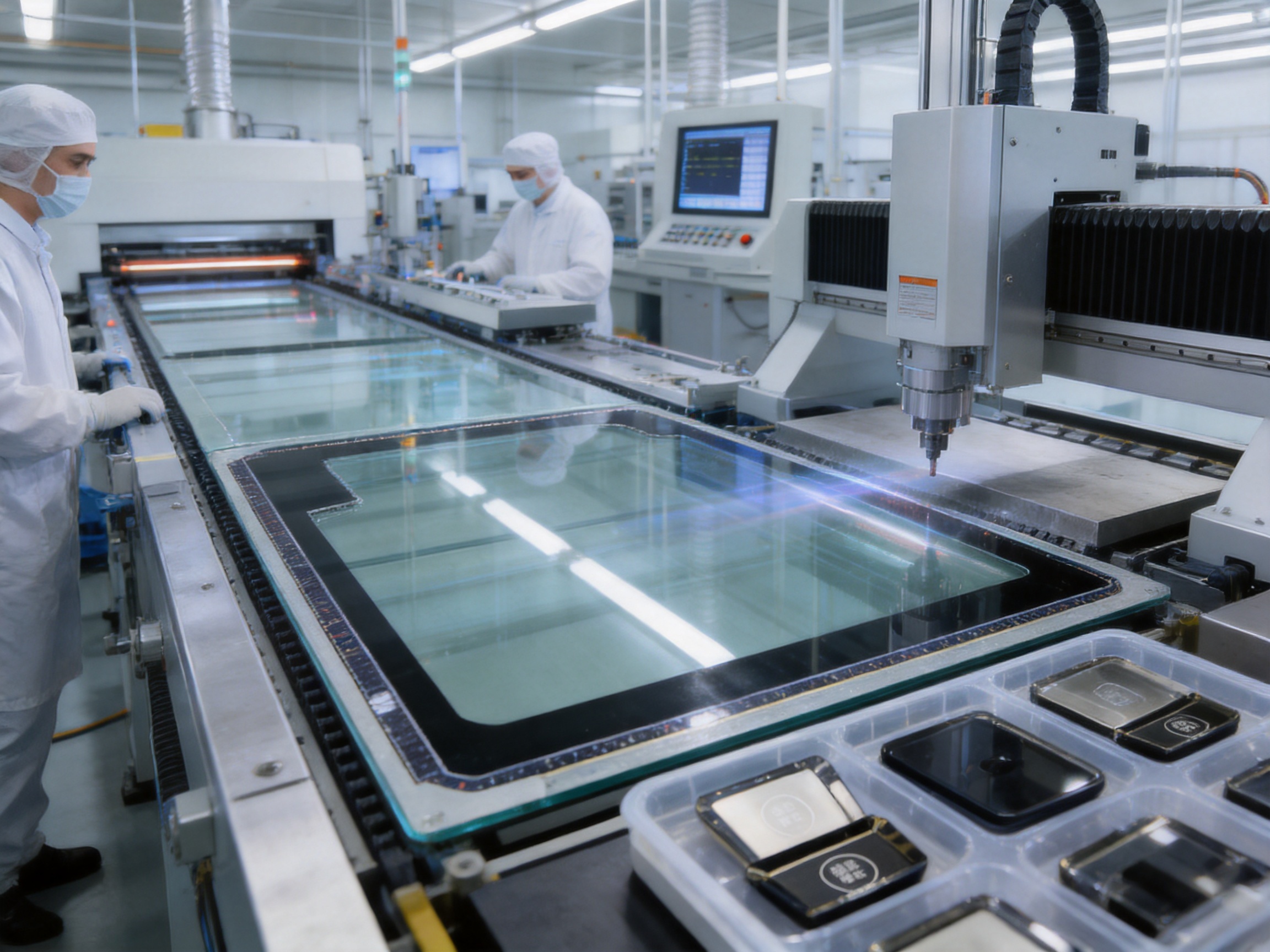
Quality Control for Automotive Applications
Automotive customers require stable, traceable, and repeatable manufacturing. Quality control therefore needs to cover the entire process rather than relying only on final inspection.
Dimensional Inspection
Dimensional inspection can verify length, width, thickness, profile, hole position, radius, chamfer, flatness, and other drawing requirements. Depending on the product, measurement may use coordinate equipment, optical measuring systems, gauges, or specialized fixtures.
For assemblies with tight alignment requirements, datum selection and measurement methods should reflect the actual installation condition. A part that meets isolated dimensions may still create an assembly problem if the reference structure is not properly defined.
Surface and Appearance Inspection
Appearance inspection evaluates scratches, chips, pits, bubbles, inclusions, stains, coating marks, printing defects, edge damage, and other visible conditions. Inspection lighting and viewing distance should be standardized so that decisions are consistent.
Premium interior parts often require careful control of cosmetic defects because they are installed in areas visible to occupants. Acceptance criteria should distinguish between functional surfaces, decorative surfaces, hidden areas, and bonding zones.
Optical Inspection
Optical inspection may include transmission, haze, reflectance, flatness, parallelism, wedge, distortion, and coating performance. These measurements help confirm that the component will not interfere with display readability, sensor performance, light distribution, or visual comfort.
Coating and Printing Verification
Coatings and printed layers are checked for adhesion, coverage, color, thickness, opacity, registration, and durability. Where applicable, testing may include abrasion, chemical resistance, humidity exposure, temperature cycling, and cleaning-agent resistance.
Traceability and Process Records
Traceability provides a record of material batches, processing conditions, inspection results, and shipment information. It supports root-cause analysis, corrective action, and continuous improvement.
Changzhou Haolilai Photo-Electricity Scientific and Technical Co., Ltd. operates with ISO9001:2015 quality management certification, ISO14001:2015 environmental management certification, and IATF16949 automotive quality management certification. These certifications reflect the importance of organized processes, documented control, environmental responsibility, and automotive-specific quality requirements.
Manufacturing Strengths of a Specialized Precision Optics Supplier
A company focused on precision optical components brings several strengths to automotive interior glass development. These strengths extend beyond the ability to cut or polish glass.
Long-Term Optical Manufacturing Experience
Established in 1998, the company has built experience in precision optical component development and production. Optical manufacturing requires close attention to surface condition, dimensional accuracy, cleanliness, coating performance, and inspection methodology. This experience can be transferred to automotive interior components that demand both visual quality and functional precision.
Dedicated Technical Resources
The company has an experienced technical team and has established the Jiangsu Precision Optical Lens Engineering Technology Center and Jiangsu Enterprise Technology Research Center. These technical resources support product development, process improvement, engineering validation, and the conversion of customer requirements into manufacturable designs.
Automotive-Oriented Quality Management
IATF16949 certification is particularly relevant to automotive customers. It indicates that automotive quality principles are integrated into the management system, including risk-based thinking, process control, corrective action, supplier management, and continual improvement.
For customers developing a new vehicle program, this type of quality structure can reduce uncertainty during supplier qualification and production ramp-up. It also supports clearer communication between the component manufacturer, system integrator, and vehicle manufacturer.
Integrated Production Capability
Automotive interior glass parts may require multiple processes, including cutting, shaping, polishing, coating, printing, inspection, and packaging. Integrated production capability can reduce unnecessary transfers between suppliers and help maintain better control over the relationship between processes.
When one supplier coordinates several stages, engineering feedback can move more quickly through the organization. For example, a coating issue may be linked to surface preparation, or an assembly issue may be traced to edge geometry. Integrated process ownership can make problem-solving more direct.
Research and Intellectual Property
The company has obtained invention patents, utility model patents, and Jiangsu High and New Tech Products. Intellectual property and technical development experience can support customized solutions, especially when customers require unusual geometries, special optical effects, advanced coatings, or improved production efficiency.
Production Scale and International Experience
The company covers approximately 35,000 square meters, employs more than 300 people, and exports products to more than 20 countries. This scale provides a foundation for organized production, technical support, export coordination, and customer communication across different markets.
International experience is valuable because automotive customers may have different documentation standards, packaging requirements, approval procedures, and quality expectations. A supplier accustomed to international business can help make project coordination more efficient.
Product Advantages in Comparison with Less Specialized Alternatives
| Evaluation Area | Precision Automotive Interior Glass Components | Less Specialized Alternatives | Customer Benefit |
|---|---|---|---|
| Dimensional control | Managed through engineering review, controlled processing, and dedicated inspection | May rely on general-purpose glass fabrication methods | Improved assembly alignment and reduced rework |
| Surface quality | Suitable for visible, touch, and optical applications | May show greater variation in scratches, haze, or edge condition | Higher perceived quality and better user experience |
| Optical performance | Can be evaluated for transmission, reflectance, flatness, and distortion | Optical properties may not be fully characterized | Better display, sensor, and lighting performance |
| Coating and printing integration | Coatings and printed features can be coordinated with glass processing | Processes may be divided among several suppliers | Improved consistency and simplified supplier coordination |
| Automotive quality system | Supported by IATF16949, ISO9001, and documented process controls | May lack automotive-specific quality structures | Lower program and production risk |
| Engineering support | Technical review can address tolerances, geometry, materials, and assembly | Support may focus mainly on basic fabrication | Faster development and better manufacturability |
| Product customization | Suitable for application-specific dimensions, coatings, printing, and features | Often limited to standard shapes and finishes | Greater design freedom for vehicle interiors |
| Traceability | Process and inspection records can support automotive program requirements | Traceability may be less comprehensive | Improved corrective action and long-term quality management |
Development Considerations for Vehicle Manufacturers
Successful development begins with a complete understanding of the component’s role in the vehicle. The design team should define whether the glass is primarily decorative, protective, optical, structural within an assembly, or a combination of these functions.
Define the Visual Standard Early
Appearance requirements should be documented at the beginning of the project. Important factors may include color, gloss, reflectance, transparency, haze, border width, printing density, edge appearance, and acceptable cosmetic defects.
Visual standards are more effective when they include controlled samples, defined lighting conditions, inspection distances, and clear acceptance criteria. This reduces disagreement between the supplier and customer during prototype and production stages.
Coordinate Glass with the Assembly
The glass must be evaluated together with the housing, adhesive, display, sensor, lighting source, and surrounding trim. Tolerances should be distributed across the complete assembly rather than assigned to the glass alone.
Bonding surfaces, adhesive thickness, curing conditions, and mounting stress can influence the final appearance and reliability. Early assembly trials can identify problems that are not visible in the standalone glass drawing.
Consider Human Interaction
If the component will be touched, the design should consider finger comfort, edge radius, surface friction, fingerprint visibility, cleaning behavior, and glare. The user’s viewing angle and interaction frequency can influence the preferred coating and surface finish.
Plan for Environmental Testing
Testing should reflect the intended vehicle environment. Potential evaluations include temperature cycling, humidity, ultraviolet exposure, chemical resistance, abrasion, cleaning, vibration, impact, adhesion, and aging of printed or coated layers.
The exact test program depends on the customer specification and application. A supplier with automotive experience can help identify risks and establish a practical validation plan.
Balance Tolerance and Cost
Tighter tolerances and higher optical specifications may increase processing time, inspection requirements, and scrap risk. The best solution is not always the tightest possible tolerance. Instead, tolerances should be linked to actual assembly and performance needs.
Engineering review can identify where precision provides real value and where a more practical tolerance is sufficient. This approach supports competitive pricing without sacrificing critical performance.
Production Efficiency and Supply Reliability
Automotive programs require stable supply over extended periods. A suitable supplier must be able to support prototype quantities, pilot production, production ramp-up, and ongoing volume manufacturing.
Production planning should include material availability, equipment capacity, tooling strategy, inspection resources, packaging, and logistics. For products with special coatings or printed graphics, production continuity also depends on stable process recipes and controlled consumables.
Manufacturing at a dedicated facility of approximately 35,000 square meters provides room for organized process layouts, quality-control stations, material storage, and production expansion. More than 300 employees support technical, production, quality, management, and customer-service activities.
Export experience to more than 20 countries also supports international supply requirements. Customers may benefit from established procedures for documentation, packaging, shipment coordination, and communication across time zones and regions.
Environmental and Responsible Manufacturing
Environmental responsibility is increasingly important in automotive supply chains. Glass processing, cleaning, coating, printing, packaging, and waste management all require appropriate controls.
ISO14001:2015 certification provides a framework for environmental management. It supports the identification of environmental aspects, operational control, compliance management, resource efficiency, and continual improvement.
Responsible manufacturing can include efficient use of glass material, reduction of process waste, recycling or appropriate handling of scrap, control of chemical substances, reduction of unnecessary packaging, and improved energy management. Environmental performance is not separate from product quality; stable and efficient processes can reduce both waste and variation.
How Precision Optical Expertise Supports Interior Glass Innovation
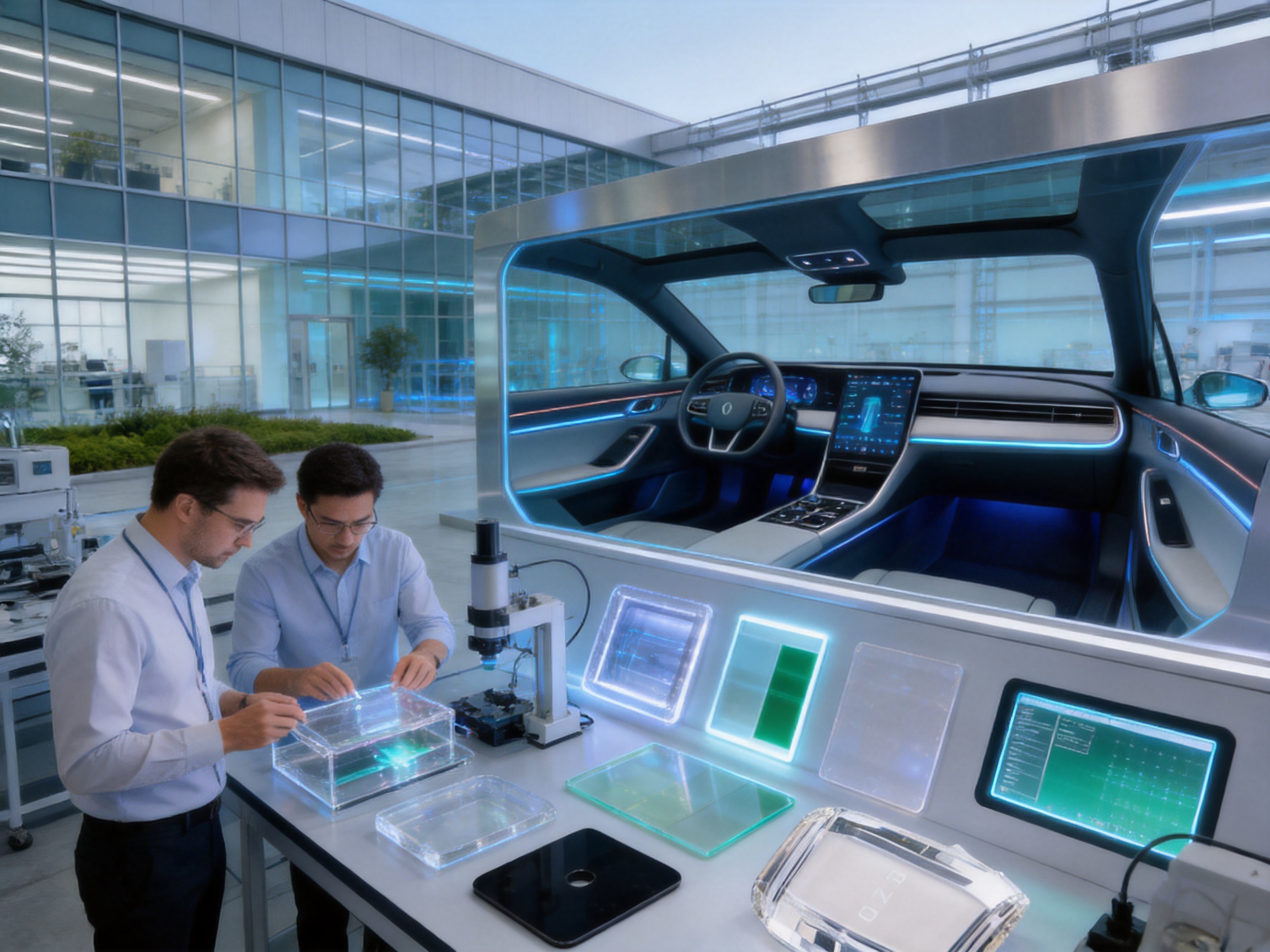
Automotive interiors increasingly combine physical materials with optical and electronic functions. This creates a need for suppliers that understand both traditional glass fabrication and advanced optical requirements.
For example, an interior glass cover may need to transmit display light while suppressing reflections from sunlight. A lighting window may need to distribute illumination evenly while remaining visually dark when inactive. A sensor cover may need to protect the sensor without creating excessive distortion or attenuation. A decorative panel may need to match surrounding trim while also supporting hidden touch controls.
These requirements are not solved by material selection alone. They involve geometry, surface treatment, coating design, printing, assembly, and inspection. Precision optical knowledge helps manufacturers evaluate these factors as an integrated system.
The company’s focus on laser optics, automotive optics, semiconductor optics, and consumer optics provides a broad technical foundation. Although each application has different requirements, the common principles of precision processing, surface control, optical evaluation, and repeatable production are highly relevant to automotive interior glass.
Frequently Asked Questions
What are automotive interior glass structural components?
They are precision glass parts installed inside a vehicle cabin to perform decorative, protective, optical, interface, or assembly-related functions. Examples include display covers, center-console panels, sensor windows, lighting windows, door-control panels, and premium trim elements.
Are these components only decorative?
No. They can provide several functions at the same time. A component may protect electronic equipment, support a touch interface, transmit or control light, provide a stable bonding surface, and improve the visual appearance of the interior.
Why use glass instead of plastic?
Glass can provide better scratch resistance, dimensional stability, optical clarity, premium appearance, and long-term surface consistency. Plastic may still be suitable for some applications, but glass is often preferred for high-contact, high-visibility, and optically sensitive areas.
Can the glass be customized for different vehicle models?
Yes. Components can be developed with different dimensions, outlines, thicknesses, edge treatments, holes, slots, coatings, colors, printed borders, and optical characteristics. Customization should be reviewed during the design-for-manufacturing stage.
Can glass components include printed patterns or symbols?
Yes. Printing can be used for borders, icons, decorative patterns, light-blocking zones, and hidden-until-lit graphics. Printing requirements should be coordinated with the glass surface, coating system, illumination design, and durability specification.
What coatings may be applied to automotive interior glass?
Depending on the application, coatings may provide anti-reflective, anti-glare, anti-fingerprint, hydrophobic, oleophobic, hard protective, or other functional properties. The appropriate coating depends on the user interaction, optical requirement, cleaning conditions, and environmental exposure.
How is optical quality evaluated?
Optical quality may be evaluated through measurements of transmission, reflectance, haze, flatness, parallelism, wedge, distortion, and coating uniformity. The selected tests depend on whether the part is used for a display, lighting system, sensor, or decorative application.
Can the components be strengthened?
Depending on the design and material, glass may be chemically or thermally strengthened. The strengthening method must be selected together with the required thickness, geometry, optical performance, and dimensional tolerances.
What quality certifications support automotive production?
Changzhou Haolilai Photo-Electricity Scientific and Technical Co., Ltd. holds ISO9001:2015, ISO14001:2015, and IATF16949 certifications. These certifications support quality management, environmental management, and automotive-specific production control.
What information should a customer provide for quotation and development?
Useful information includes drawings or samples, glass type, thickness, dimensions, tolerances, surface requirements, coating specifications, printed patterns, assembly method, annual quantity, packaging requirements, inspection standards, and intended vehicle application.
Can the supplier assist with design optimization?
Yes. A technical review can identify manufacturing risks and suggest improvements to geometry, tolerances, edge treatment, coating boundaries, bonding zones, and inspection methods. Early engineering communication generally improves development speed and production stability.
How are glass components protected during shipment?
Packaging may use protective films, separators, trays, cushioning materials, and custom containers. The packaging design should protect polished and coated surfaces, prevent edge contact, control movement, and support efficient handling during logistics and assembly.
What makes a precision optics manufacturer suitable for automotive interiors?
A precision optics manufacturer understands controlled glass processing, surface quality, optical measurement, coating consistency, cleanliness, and repeatable production. When combined with automotive quality management and engineering support, these capabilities are valuable for advanced interior applications.
Conclusion
Automotive interior glass structural components provide a strong combination of appearance, durability, dimensional stability, optical performance, and design flexibility. They are particularly valuable in modern vehicle interiors where displays, touch controls, lighting, sensors, and premium trim must be integrated into clean and durable surfaces.
The performance of these components depends on more than the glass substrate. Cutting accuracy, edge treatment, polishing, feature creation, printing, coating, strengthening, cleanliness, inspection, assembly, and packaging must all be managed as part of a coordinated manufacturing system.
Changzhou Haolilai Photo-Electricity Scientific and Technical Co., Ltd. offers the strengths of a long-established precision optical manufacturer, including an experienced technical team, automotive-oriented quality management, research and development resources, integrated production capabilities, international supply experience, and certifications covering quality, environmental, and automotive systems.
With more than two decades of development since its establishment in 1998, a facility of approximately 35,000 square meters, more than 300 employees, and customers in over 20 countries, the company can support automotive customers seeking reliable and customized glass solutions. Its experience across automotive optics and other precision optical fields provides a practical foundation for developing components that meet both visual and functional requirements.
For vehicle manufacturers and system suppliers, the most effective approach is to involve the glass manufacturer early in the project. Early cooperation allows the design, material, tolerance, coating, assembly, validation, and production strategy to be optimized together. The result can be a more attractive interior, a more reliable user interface, improved manufacturing consistency, and a stronger competitive position for the finished vehicle.
References
1. ISO 9001:2015, Quality Management Systems — Requirements.
2. ISO 14001:2015, Environmental Management Systems — Requirements with Guidance for Use.
3. IATF 16949, Quality Management System Requirements for Automotive Production and Relevant Service Parts Organizations.
4. International Organization for Standardization, standards and guidance concerning quality management, environmental management, and manufacturing process control.
5. Automotive engineering practices concerning interior trim durability, optical component inspection, surface coatings, environmental testing, and assembly tolerance management.
6. General precision optics manufacturing principles covering glass cutting, grinding, polishing, coating, optical measurement, cleanliness, and defect control.
7. Automotive material and component validation practices concerning temperature cycling, humidity, abrasion, chemical resistance, vibration, impact, and long-term appearance stability.


 苏公网安备32041102000130号