
 Search
 en
 English
 日本語
 русский
 Español
 Deutsch
 中文简体
Content
- 1 Understanding Quartz Window Substrates
- 2 Key Material Advantages
- 3 Special-Shaped and Perforated Quartz Components
- 4 Available Size and Shape Range
- 5 Precision Specifications
- 6 Manufacturing Process for Precision Quartz Windows
- 7 Advanced Manufacturing Strengths
- 8 Advantages Compared with Conventional Glass Windows
- 9 Advantages Compared with Low-Cost Optical Suppliers
- 10 Applications
- 11 Design Guidance for Customers
- 12 Quality Control Considerations
- 13 Purchasing and Project Support
- 14 Why Integrated Optical Manufacturing Matters
- 15 Q&A
- 15.1 What is a quartz window substrate?
- 15.2 What is the main advantage of quartz over ordinary glass?
- 15.3 What sizes are available?
- 15.4 Can quartz windows include holes or slots?
- 15.5 What surface flatness can be achieved?
- 15.6 What thickness tolerance is available?
- 15.7 What does the parallelism specification mean?
- 15.8 Can quartz windows be coated?
- 15.9 Are quartz windows suitable for high-temperature equipment?
- 15.10 What industries use quartz window substrates?
- 15.11 How should customers prepare a drawing?
- 15.12 How should quartz windows be handled?
- 16 Conclusion
- 17 References
- 18 Product: Perforated special-shaped parts

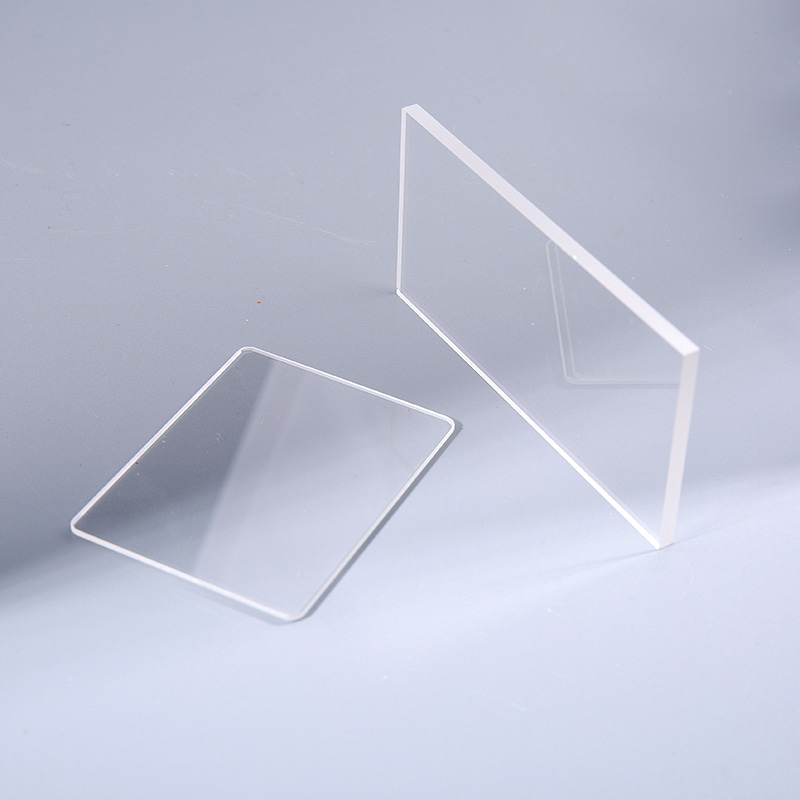
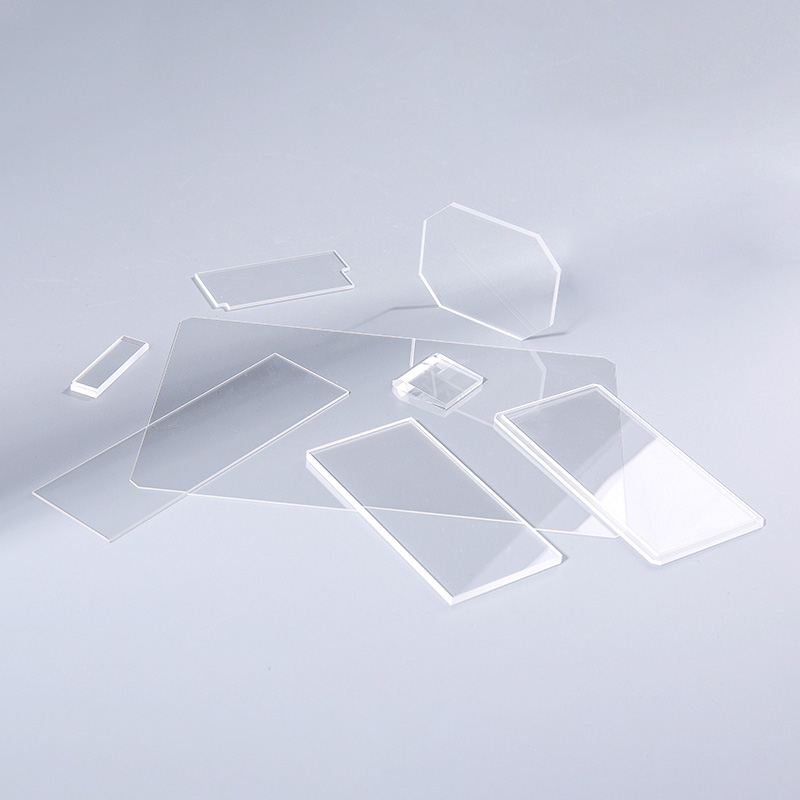
Quartz window substrates are essential optical components wherever light transmission, dimensional stability, thermal endurance, and chemical resistance must be maintained under demanding operating conditions. Manufactured from high-purity quartz glass, these windows can be produced in circular, square, rectangular, triangular, trapezoidal, and other irregular geometries. They may also be drilled, punched, cut, polished, and processed according to technical drawings, making them suitable for specialized assemblies that cannot be served by standard optical windows.
A high-quality quartz window is more than a transparent plate. It is a precision-engineered component whose substrate material, surface flatness, thickness, parallelism, edge quality, cleanliness, and coating configuration all influence the performance of the final optical system. In applications such as semiconductor processing, laser equipment, spectroscopy, furnace observation, medical instruments, defense systems, and industrial automation, even a small surface defect or dimensional deviation can affect process stability, transmission efficiency, measurement accuracy, or service life.
Changzhou Haolilai Photo-Electricity Scientific and Technical Co., Ltd. provides precision quartz window substrates and other optical components for customers requiring dependable performance and flexible manufacturing. With experience in precision optical production, advanced technical personnel, certified quality systems, and processing capabilities for both standard and special-shaped components, the company supports projects ranging from prototype development to volume production.
This article examines the material characteristics, manufacturing processes, performance specifications, application advantages, customization options, and quality considerations associated with precision quartz window substrates.
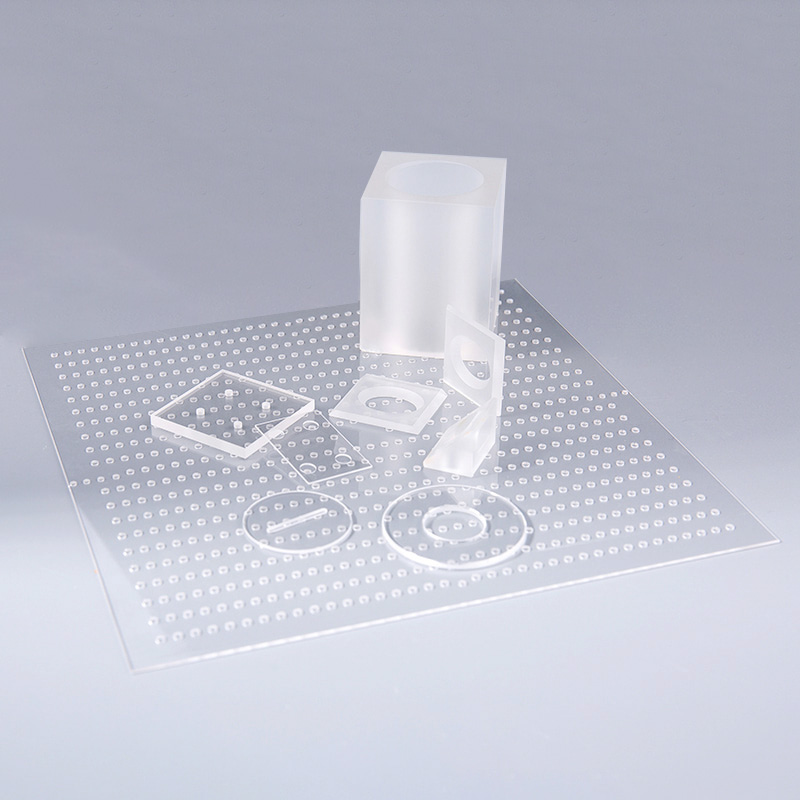
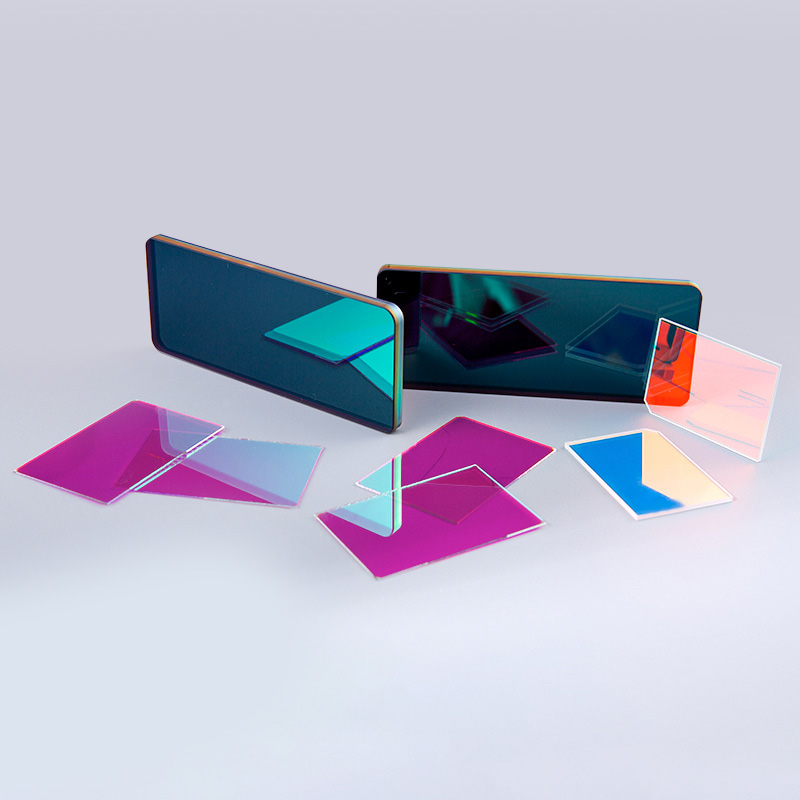
Perforated special-shaped parts
Understanding Quartz Window Substrates
A quartz window substrate is a transparent optical element produced from quartz glass, a material containing more than 99.99% silica in high-purity grades. The substrate may be used as a protective optical window, an observation port, a transmission window, a sensor cover, a process chamber window, or the base material for an antireflection, infrared, ultraviolet, or other functional coating.
Unlike ordinary glass, quartz glass offers a combination of optical, thermal, mechanical, electrical, and chemical properties that make it suitable for harsh environments. It transmits light over a broad wavelength range, has a low coefficient of thermal expansion, withstands rapid temperature changes, and provides strong electrical insulation. These characteristics allow quartz windows to operate in conditions where conventional soda-lime glass or many common optical glasses may deform, crack, discolor, or lose performance.
Quartz glass is generally divided into fused quartz glass and synthetic quartz glass. Both categories offer excellent heat resistance, transparency, electrical insulation, and chemical stability. Synthetic quartz is frequently selected for precision optical and semiconductor applications because of its high purity and consistent optical behavior. The correct grade depends on the wavelength range, thermal conditions, chemical environment, dimensional requirements, and cleanliness standard of the intended application.
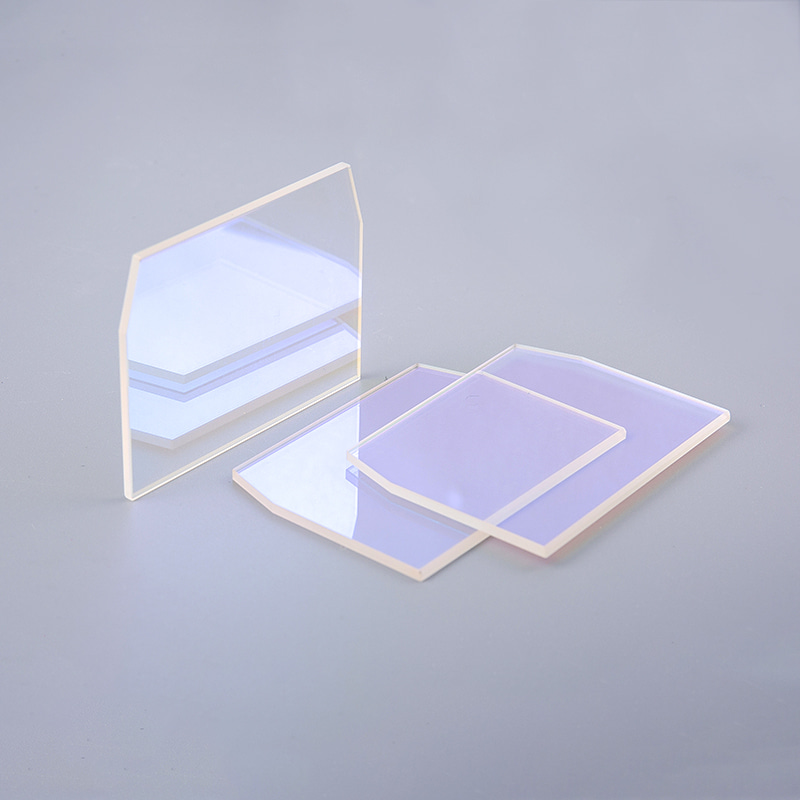
The term “substrate” emphasizes that the quartz component may serve as the foundation for additional optical treatment. A substrate can be used without a coating when basic transmission and environmental resistance are sufficient. It may also receive a coating designed to reduce reflection, enhance transmission in a specified band, protect the surface, or support a specialized optical function.
Key Material Advantages
High Silica Purity
High-purity quartz reduces the risk of contamination and unwanted absorption caused by metallic impurities or other inclusions. This is particularly important in semiconductor, laser, analytical, and ultraviolet applications, where even minor contamination can affect process yield or optical measurement accuracy.
Purity also contributes to stable chemical performance. Quartz glass is resistant to many acids, solvents, and process chemicals, although the exact resistance depends on concentration, temperature, exposure time, and the presence of other materials. Engineers should evaluate the complete chemical environment before selecting the final substrate specification.
Broad Optical Transparency
Quartz provides useful transmission from the ultraviolet region through visible wavelengths and into the near-infrared region. This broad transparency makes it suitable for systems that use multiple wavelengths or require a window to support ultraviolet and visible illumination at the same time.
The actual transmission of a finished window depends on several factors, including material grade, thickness, surface quality, parallelism, edge condition, coating design, and wavelength. A polished, clean, and dimensionally stable substrate can provide reliable light transmission while minimizing scattering and distortion.
Excellent Thermal Resistance
Quartz glass can operate in high-temperature environments where many alternative transparent materials are unsuitable. It is used in furnace observation windows, combustion monitoring systems, high-temperature process equipment, lamp housings, and thermal analysis instruments.
Its thermal performance is strengthened by a low coefficient of thermal expansion. When temperature changes occur, the dimensional change of quartz is relatively small compared with many conventional glasses. This helps preserve the position, shape, and alignment of the window within a precision assembly.
Thermal Shock Resistance
Rapid heating and cooling can create internal stress in glass. Because quartz expands and contracts only slightly with temperature variation, it has strong resistance to thermal shock. This property is valuable in equipment that cycles between ambient and elevated temperatures or exposes the window to localized heat.
Thermal shock resistance does not mean that quartz is immune to damage. Mechanical impact, severe temperature gradients, edge chips, incorrect mounting, or excessive clamping force can still cause failure. Proper edge processing, support design, and installation remain important.
Electrical Insulation
Quartz glass is an effective electrical insulator. This allows quartz windows to be integrated into equipment containing high-voltage components, radio-frequency systems, sensors, heating elements, and plasma or vacuum assemblies without creating an unwanted conductive path.
Electrical insulation is especially useful in semiconductor and industrial processing equipment, where the window must separate an optical path from an electrically active chamber. The material’s electrical performance, however, can be influenced by temperature, surface contamination, moisture, and the surrounding atmosphere.
Mechanical Hardness
Quartz glass has a Mohs hardness of approximately seven. This provides good resistance to ordinary scratching during service, although it does not eliminate the need for careful handling. Abrasive particles, metallic tools, improper cleaning materials, and contact with harder materials can still damage the surface.
A hard and accurately polished surface helps preserve optical clarity over extended service. It also supports repeated cleaning when suitable procedures are followed.
Special-Shaped and Perforated Quartz Components
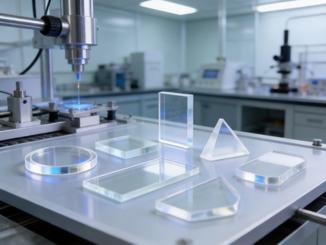
Many optical and industrial systems cannot use a simple round or rectangular window. A component may need to fit around a sensor, follow the contour of a housing, provide clearance for a mechanical feature, or integrate with a specialized optical path. In these cases, special-shaped quartz substrates offer a practical solution.
Common geometries include circular, square, rectangular, triangular, trapezoidal, and irregular shapes. Special processing may include through-holes, slots, notches, chamfers, radiused corners, stepped profiles, and other features defined by engineering drawings.
Perforated quartz parts require careful control because holes and openings introduce additional stress concentrations. The distance between a hole and the edge, the hole diameter, the corner radius, the substrate thickness, and the drilling method can all affect the risk of chipping or cracking. A reliable manufacturing process therefore combines suitable tooling, controlled cutting parameters, precision grinding, edge finishing, and inspection.
Special-shaped components also require coordinated dimensional control. The outer profile must match the customer’s housing, while the thickness and flatness must meet optical requirements. If the window is coated, the surface must be prepared in a way that supports uniform coating coverage across the complete usable area.
The ability to process nonstandard geometries is an important advantage over suppliers that focus only on catalog dimensions. It reduces the need for adapters, simplifies assembly, and can help engineers reduce the overall size of a system.
Available Size and Shape Range
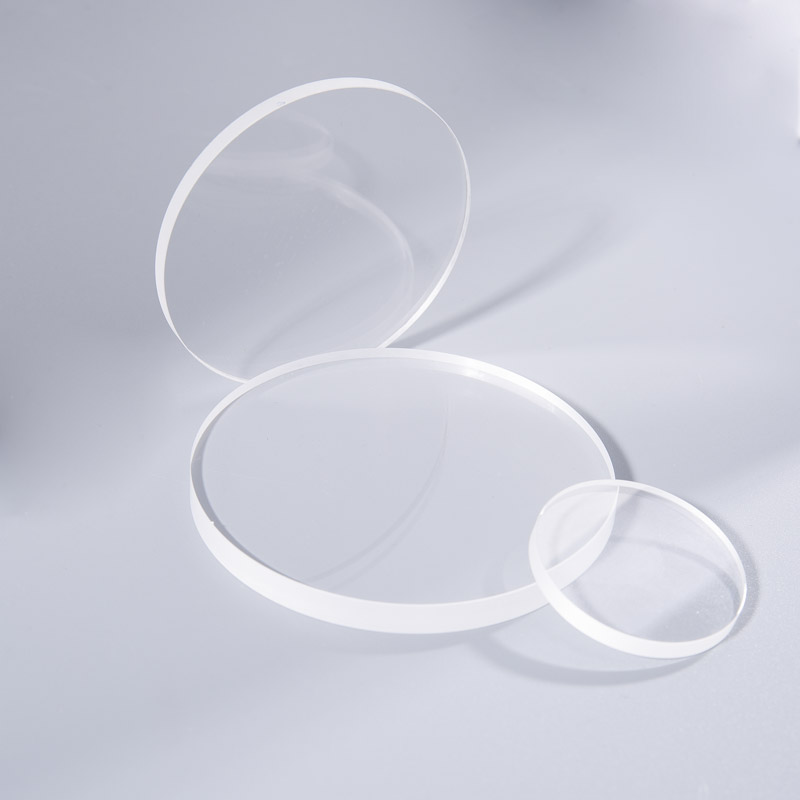
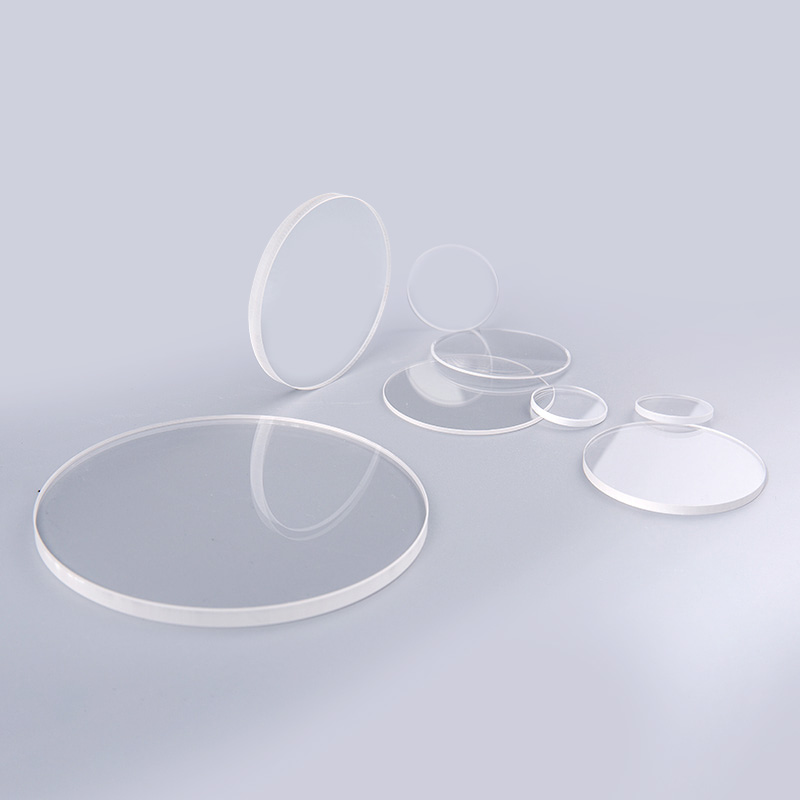
For circular quartz windows, the stated outer diameter range is 2 to 400 millimeters, with thicknesses from 0.1 to 30 millimeters. This broad range allows the same manufacturing partner to support miniature sensor windows as well as larger observation ports and process windows.
For square and rectangular windows, the stated length range is 2 to 400 millimeters, the width range is 2 to 400 millimeters, and the thickness range is 0.1 to 30 millimeters. These dimensions cover small optical apertures, medium-sized instrument windows, and larger industrial components.
Triangular, trapezoidal, and other irregular components can be produced according to customer requirements. Since special-shaped products are normally designed around an existing assembly, the customer’s drawing should identify all functional dimensions, datum references, corner conditions, hole locations, surface requirements, and tolerance zones.
| Shape or Configuration | Available Processing Range or Capability | Typical Design Considerations |
|---|---|---|
| Circular | Outer diameter from 2 to 400 mm; thickness from 0.1 to 30 mm | Diameter tolerance, concentricity, edge finish, clear aperture, coating area |
| Square or rectangular | Length and width from 2 to 400 mm; thickness from 0.1 to 30 mm | Profile tolerance, corner radius, squareness, parallelism, mounting orientation |
| Triangular | Customized according to drawing and application requirements | Corner geometry, edge strength, angular accuracy, coating uniformity |
| Trapezoidal | Customized according to drawing and application requirements | Side-angle accuracy, reference surfaces, aperture position, stress control |
| Perforated or irregular | Customized processing based on hole, slot, and profile requirements | Hole diameter, location accuracy, edge distance, chipping control, cleaning |
Precision Specifications
The reported profile tolerance for the quartz window substrates is plus or minus 0.03 millimeter. This tolerance supports accurate integration into mechanical housings and optical mounts, particularly where the window must fit into a defined aperture or maintain a precise relationship with another component.
The stated thickness tolerance is plus or minus 0.005 millimeter. Thickness control is important for mechanical fit, optical path consistency, mass control, and coating uniformity. In systems where transmission, interference, or alignment is sensitive to thickness, a stable thickness specification can contribute to repeatable performance.
The surface quality is listed as less than or equal to one-eighth wavelength at 632.8 nanometers. Surface flatness at this level is appropriate for many precision optical applications. A flat surface helps reduce wavefront distortion and supports predictable reflection and transmission behavior.
Parallelism is specified as less than or equal to one minute of arc. Good parallelism reduces wedge-related beam deviation and helps maintain consistent optical alignment. It is especially important when a window is positioned in a collimated beam or installed between other precision optical components.
Cleanliness options are listed as 5/10, 10/20, 20/40, and 60/40. These designations are commonly associated with scratch and dig classifications, although the exact inspection method and acceptance criteria should be confirmed in the final technical agreement. Optical cleanliness is critical because dust, particles, scratches, and pits can scatter light, reduce contrast, contaminate process chambers, or create localized absorption.
The effective pore size is listed as greater than 90 percent. This parameter should be interpreted together with the application’s clear aperture definition and inspection method. For an optical window, the usable aperture must be sufficient for the active beam, imaging field, sensor area, or process observation region.
Coating information is identified in the supplied specification as “OFF/YEAR/IR.” Because this designation may represent application-specific coating options or an internal naming convention, customers should confirm the intended coating band, reflectance target, incidence angle, polarization condition, environmental durability, and laser damage threshold before production approval.
Manufacturing Process for Precision Quartz Windows
1. Technical Review and Drawing Confirmation
Production begins with a technical review of the customer’s requirements. The review should cover material type, wavelength range, substrate dimensions, thickness, profile tolerance, flatness, parallelism, surface quality, edge condition, holes, slots, coating requirements, cleanliness, packaging, and inspection documentation.
For special-shaped products, the drawing review is particularly important. Manufacturing engineers examine the datum structure, tolerance allocation, minimum wall thickness, corner conditions, hole-to-edge distance, and any areas that may be difficult to measure or process. Early review helps identify design risks before material is cut.
2. Material Selection
The material is selected according to optical and environmental requirements. Synthetic quartz may be preferred when high purity, consistent transmission, and stable optical performance are required. Fused quartz may be suitable for applications emphasizing thermal performance, chemical resistance, or general optical transmission.
Material selection also considers the final thickness and shape. Thin windows may require special handling to prevent distortion or breakage during processing. Larger windows may require careful assessment of internal stress, flatness retention, and mounting conditions.
3. Cutting and Blank Preparation
Quartz blanks are prepared using controlled cutting methods appropriate to the component geometry. The objective is to create a workpiece that has sufficient machining allowance while minimizing edge damage and internal stress.
For circular and rectangular components, blank preparation establishes the basic profile. For triangular, trapezoidal, and irregular products, the initial blank must be positioned accurately so that the final geometry can be achieved without excessive material removal.
Perforated components require special attention during blank preparation. If holes are formed before or after profile machining, the sequence must be selected to preserve mechanical stability and reduce the risk of chipping.
4. Grinding and Profile Processing
Grinding establishes the final dimensions, profile, and edge geometry. Controlled abrasive processing removes material gradually and allows the manufacturer to approach the required tolerance without creating unnecessary defects.
Profile tolerance is influenced by machine accuracy, fixture stability, abrasive condition, thermal effects, and measurement technique. For special-shaped windows, consistent reference surfaces are important because an error in one edge or corner can affect the entire assembly.
Edges may be chamfered, rounded, or otherwise finished according to the application. Edge treatment helps reduce sharp corners and can lower the risk of chipping during handling and installation. The correct edge form also depends on the mounting method and available clearance.
5. Hole and Slot Processing
Holes, slots, and other openings are produced using methods selected for the required size, geometry, thickness, and tolerance. Precision drilling and abrasive processing are used to control the feature shape while limiting breakout and edge damage.
Hole processing is not only a dimensional operation. It is also a surface-integrity operation. The inner wall must be checked for cracks, chips, excessive roughness, and debris. If the hole is part of a sealing interface or alignment feature, its geometry may influence the reliability of the entire assembly.
6. Lapping and Polishing
Lapping and polishing improve surface flatness, smoothness, and optical quality. The process removes fine surface irregularities left by grinding and produces a surface suitable for transmission, reflection, imaging, or coating.
Achieving a flatness level of less than or equal to one-eighth wavelength requires process stability and careful control of pressure, abrasive condition, polishing time, fixture design, and cleaning. Excessive or uneven pressure can produce localized deformation or nonuniform removal.
Both sides of a window may require polishing. When the two surfaces must remain parallel, material removal must be balanced and measured throughout the process. A slight wedge can cause beam deviation, which may be unacceptable in precision optical systems.
7. Cleaning
Cleaning removes abrasive residues, particles, oils, and other contaminants introduced during processing. Quartz windows intended for semiconductor, laser, vacuum, and analytical applications require particularly careful cleaning because contamination can affect both optical performance and equipment reliability.
Cleaning procedures should be compatible with the substrate and any coating. The final method may include multiple stages of washing, rinsing, drying, and inspection under controlled conditions. Operators must also use suitable gloves, fixtures, and protective packaging to prevent recontamination.
8. Coating
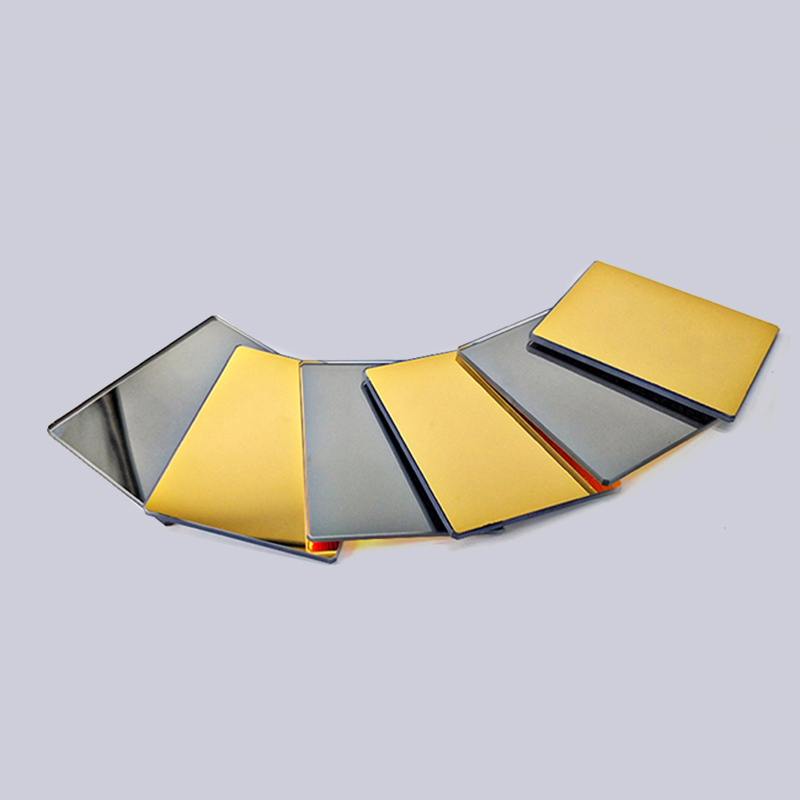
When required, the polished quartz substrate is coated according to the target wavelength and optical function. Coating design may address ultraviolet transmission, visible transmission, near-infrared transmission, reflection reduction, or other application-specific requirements.
A coating process depends on substrate cleanliness, surface preparation, chamber control, deposition parameters, layer design, and post-coating inspection. The final coating specification should state the operating wavelength range, angle of incidence, polarization assumptions, environmental conditions, adhesion requirements, abrasion resistance, and allowable cosmetic defects.
9. Inspection and Final Acceptance
Inspection verifies that the finished window conforms to the approved drawing and quality requirements. Dimensional inspection may include diameter, length, width, thickness, hole location, profile geometry, and edge condition. Optical inspection may include flatness, parallelism, surface quality, cleanliness, transmission, and coating performance.
Inspection records provide traceability and help customers evaluate the consistency of production batches. For demanding programs, the documentation package may include material certificates, dimensional reports, optical test results, coating records, and packaging confirmation.

Advanced Manufacturing Strengths
The manufacturer’s strength is based on the integration of optical design support, material processing, precision manufacturing, surface finishing, coating coordination, and quality control. This integrated approach is more effective than treating the quartz window as a simple cut-to-size glass product.
Changzhou Haolilai Photo-Electricity Scientific and Technical Co., Ltd. was founded in 1998 and operates from a 35,000-square-meter facility in Changzhou, Jiangsu, China. The company has more than 300 employees and exports products to more than 20 countries. Its technical organization includes experienced optical personnel and engineering resources focused on precision component development.
The company has obtained ISO 9001:2015 quality management certification, ISO 14001:2015 environmental management certification, and IATF 16949 certification. These systems provide a structured framework for process control, documentation, corrective action, supplier management, environmental responsibility, and continuous improvement.
As a high-technology enterprise in Jiangsu Province, the company has established the Jiangsu Precision Optical Lens Engineering Technology Center and the Jiangsu Enterprise Technology Research Center. These technical platforms support product development, process improvement, and the transfer of engineering knowledge into production.
The company’s experience covers laser optics, automotive optics, semiconductor optics, and consumer optics. This application diversity is valuable because each market emphasizes different performance priorities. Laser optics may require high flatness, low scatter, and coating durability. Automotive optics may require environmental stability, repeatability, and high-volume process control. Semiconductor optics may emphasize purity, cleanliness, dimensional precision, and resistance to process conditions.
More than 30 certificates and patents, including invention patents and utility model patents, indicate continuing investment in technical development. Certifications and patents do not replace product-specific validation, but they demonstrate an organizational commitment to engineering capability and controlled manufacturing.
Advantages Compared with Conventional Glass Windows
Higher Thermal Stability
Ordinary glass may experience greater dimensional changes during heating and cooling. Quartz’s low thermal expansion coefficient helps maintain the geometry and position of the window over a wider temperature range.
Better Resistance to Thermal Shock
Repeated temperature changes can weaken or crack many glass materials. Quartz is better suited to rapid thermal transitions, making it a strong candidate for furnaces, combustion chambers, thermal analyzers, and high-temperature inspection systems.
Broader Wavelength Utility
Quartz supports applications extending from ultraviolet through visible and near-infrared wavelengths. This broad range can reduce the need to redesign the window when a system changes its light source or detector configuration.
Improved Chemical Compatibility
Quartz resists many common chemicals and process environments. This is beneficial in laboratories, semiconductor equipment, chemical instruments, and industrial systems where the window may be exposed to reactive gases or cleaning agents.
Greater Design Flexibility
Precision processing allows quartz to be produced in shapes that are difficult to obtain from standard catalog windows. Customers can specify holes, slots, irregular profiles, and custom thicknesses, reducing the need for secondary modification after delivery.
Better Support for Precision Alignment
Controlled flatness, thickness, and parallelism help the window integrate with optical systems requiring predictable beam transmission. A low-wedge substrate can minimize unwanted beam deviation and support more stable alignment.
Advantages Compared with Low-Cost Optical Suppliers
Price is only one factor in the purchase of a quartz window. A low-cost component may appear suitable when judged by external dimensions alone, but hidden differences in purity, surface quality, edge integrity, flatness, cleanliness, and process consistency can create problems during assembly or operation.
A precision supplier provides value by controlling the complete manufacturing chain. This includes technical review before production, process planning for special geometries, appropriate inspection methods, clear tolerance communication, and packaging designed for fragile optical surfaces.
Manufacturing flexibility is another advantage. A supplier capable of producing both standard circular windows and irregular perforated components can support a broader product family. This simplifies vendor management and promotes consistency across related optical assemblies.
Quality systems are also important for repeat orders. When a component is used in a production instrument or industrial machine, batch-to-batch consistency is often more valuable than a one-time low purchase price. Documented procedures, trained personnel, calibrated measurement equipment, and corrective-action processes help preserve that consistency.
Applications
Semiconductor Equipment
Quartz windows are widely used in semiconductor-related equipment because of their high purity, thermal endurance, chemical resistance, and optical transparency. They may serve as chamber windows, inspection ports, lamp covers, sensor windows, plasma process windows, or components in deposition and etching systems.
Semiconductor applications often require strict control of particles, metallic contamination, surface condition, and geometry. The window may also be exposed to vacuum, reactive gases, elevated temperature, or ultraviolet radiation. These requirements make material selection, cleaning, packaging, and inspection especially important.
Laser Systems
Laser equipment uses quartz windows for beam transmission, protective barriers, beam enclosure ports, sensor covers, and optical interfaces. The required specifications depend on laser wavelength, power density, beam diameter, pulse duration, incidence angle, and repetition rate.
For higher-power systems, coating performance and laser damage resistance must be evaluated in addition to substrate flatness and cleanliness. The substrate should be free from defects that could absorb energy or create scattering centers.
Automotive Optical Systems
Automotive optical equipment may include cameras, sensing systems, illumination units, heads-up displays, and specialized interior or exterior optical modules. Quartz is attractive when thermal stability, dimensional consistency, and transmission performance are important.
Automotive production also requires repeatability, traceability, and process control. The manufacturer’s IATF 16949 certification is relevant to automotive quality expectations, although each program still requires its own validation, environmental testing, and production approval process.
Laboratory and Analytical Instruments
Quartz windows are used in spectrometers, photometers, ultraviolet analyzers, sample chambers, optical sensors, and laboratory heating systems. Their broad transparency allows one window design to support multiple analytical wavelengths.
Low scattering and good surface quality are important in analytical instruments because stray light can influence measurement sensitivity. Chemical resistance also helps when the component is exposed to samples, solvents, or cleaning solutions.
Furnaces and Combustion Chambers
Observation windows made from quartz allow operators and sensors to monitor high-temperature processes. The material’s thermal stability and resistance to thermal shock make it suitable for furnace doors, combustion monitoring ports, heating equipment, and thermal research systems.
The mounting structure must accommodate thermal expansion differences between quartz and surrounding metals or ceramics. Excessive mechanical restraint can create stress even when the quartz itself has excellent thermal properties.
Medical Devices
Medical and laboratory devices may use quartz windows in optical sensors, diagnostic instruments, ultraviolet systems, sterilization equipment, and analytical modules. The required grade depends on biocompatibility considerations, cleaning procedures, radiation exposure, and optical performance.
Defense and Aerospace Equipment
Quartz can be used in optical instruments, sensing systems, high-temperature observation equipment, laser systems, and protective windows. These applications may require specialized environmental, vibration, shock, coating, and documentation requirements.
Industrial Automation
Automation systems often use optical sensors and inspection cameras near heat, dust, chemicals, or moving machinery. A quartz window can protect the sensor while maintaining transmission and dimensional stability.
Design Guidance for Customers
Customers should define the operating wavelength before selecting the substrate and coating. A window intended for ultraviolet transmission may require a different material grade and surface treatment from one intended for near-infrared laser transmission.
The required clear aperture should be identified separately from the overall dimensions. Mounting features, edges, holes, and clamping zones may not contribute to the active optical area. Defining the clear aperture helps the manufacturer allocate the correct inspection and coating region.
Temperature conditions should include normal operating temperature, maximum temperature, minimum temperature, heating rate, cooling rate, and possible thermal gradients. These factors influence substrate thickness, mounting design, coating selection, and thermal shock assessment.
Mechanical requirements should state whether the window is bonded, clamped, gasketed, retained by a threaded ring, or installed in a vacuum assembly. The supplier should know whether the window will experience vibration, pressure differences, impact risk, or repeated replacement.
For perforated products, drawings should identify hole size, hole tolerance, hole position, countersinks, chamfers, radii, and the required surface condition inside each opening. If a hole is used for a fastener or alignment pin, the fit class should be specified.
Customers should also define the cleaning and packaging requirements. A window for a general industrial sensor may not need the same cleanliness level as one for a semiconductor chamber. Clear requirements prevent unnecessary cost while ensuring that the component is suitable for its actual environment.
Quality Control Considerations
Quality control begins with incoming material verification. The material grade, purity, thickness, and visual condition should be checked before processing. Material traceability allows the finished component to be linked to the original blank or batch.
In-process inspection is used to verify dimensions after cutting, grinding, drilling, and polishing. Early detection of deviation prevents additional work from being performed on a nonconforming part.
Surface inspection should address scratches, digs, pits, bubbles, inclusions, stains, chips, and polishing marks. The acceptance level must be linked to the agreed cleanliness or surface-quality specification.
Flatness and parallelism should be measured using suitable optical or mechanical methods. Measurement conditions, reference surfaces, wavelength, aperture, and data format should be agreed for critical applications.
Coated parts require additional inspection for coating uniformity, adhesion, spectral performance, cosmetic defects, and environmental durability. If the coating is exposed to high temperature, humidity, vacuum, chemical cleaning, or laser energy, those conditions should be included in qualification testing.
Packaging is the final stage of quality protection. Precision quartz windows should be separated from one another, protected from impact, and sealed against dust and moisture when necessary. Packaging should also identify orientation and handling instructions for special-shaped or perforated parts.
Purchasing and Project Support
For quotation purposes, customers should provide a drawing or a complete dimensional description, material preference, quantity, annual demand, prototype requirements, coating information, inspection standards, and delivery expectations.
For a new design, it is often beneficial to begin with a technical prototype. A prototype confirms the profile, mounting fit, optical performance, coating behavior, and cleaning method before volume production. Design changes are generally easier and less costly at the prototype stage.
For recurring production, a controlled specification should be established. It should include revision-controlled drawings, approved material grades, inspection criteria, packaging instructions, and procedures for handling engineering changes.
The manufacturer’s experience in laser, automotive, semiconductor, and consumer optics enables it to work with different levels of customization. Standard dimensions can be produced efficiently, while special-shaped and perforated components can be reviewed individually for process feasibility.
Why Integrated Optical Manufacturing Matters
A quartz window’s performance is determined by the interaction of material, geometry, surface processing, coating, mounting, and operating conditions. A supplier that only performs cutting may not be able to address flatness, parallelism, coating compatibility, or cleanliness in a coordinated manner.
Integrated manufacturing allows engineering decisions to be made across the complete process. For example, the profile tolerance may influence the polishing fixture, while the required coating may influence the cleaning sequence. A hole near an edge may require a different grinding strategy, and a thin substrate may require special handling throughout production.
This coordinated approach reduces communication gaps and helps ensure that the delivered component matches the actual needs of the optical system. It also supports more predictable performance when the product moves from prototype to repeat production.
Q&A
What is a quartz window substrate?
A quartz window substrate is a precision transparent component made from quartz glass. It can be used as a standalone optical window or as the base for an optical coating. It may be circular, rectangular, triangular, trapezoidal, perforated, or otherwise customized.
What is the main advantage of quartz over ordinary glass?
Quartz combines broad optical transparency with low thermal expansion, strong thermal shock resistance, high-temperature stability, chemical resistance, electrical insulation, and high hardness. This combination makes it suitable for demanding environments where ordinary glass may not provide sufficient reliability.
What sizes are available?
Circular windows can be processed with outer diameters from 2 to 400 millimeters and thicknesses from 0.1 to 30 millimeters. Square and rectangular windows can be produced with lengths and widths from 2 to 400 millimeters and thicknesses from 0.1 to 30 millimeters. Other shapes are customized according to drawings.
Can quartz windows include holes or slots?
Yes. Perforations, slots, notches, chamfers, and other special features can be processed according to the customer’s drawing. The design should specify the feature dimensions, locations, tolerances, corner conditions, and required surface quality.
What surface flatness can be achieved?
The supplied specification lists a surface type of less than or equal to one-eighth wavelength at 632.8 nanometers. The final achievable result depends on size, thickness, geometry, material, measurement aperture, and process requirements.
What thickness tolerance is available?
The stated thickness tolerance is plus or minus 0.005 millimeter. This value should be confirmed for the specific size, shape, quantity, and production method.
What does the parallelism specification mean?
Parallelism of less than or equal to one minute of arc indicates that the two major surfaces are maintained with a small angular difference. Good parallelism helps reduce wedge-related beam deviation and supports stable optical alignment.
Can quartz windows be coated?
Yes. Quartz substrates may receive coatings for ultraviolet, visible, infrared, antireflection, or other application-specific functions. The exact coating should be defined by wavelength band, incidence angle, reflectance or transmittance target, environmental conditions, and durability requirements.
Are quartz windows suitable for high-temperature equipment?
Quartz is well suited to many high-temperature applications because of its thermal stability, low thermal expansion, and resistance to thermal shock. The complete assembly must still be evaluated, including mounting stress, temperature gradients, coating limits, and surrounding materials.
What industries use quartz window substrates?
Applications include semiconductor equipment, laser systems, automotive optics, laboratory instruments, analytical devices, furnaces, combustion chambers, medical equipment, defense systems, optical instruments, communication equipment, and industrial automation.
How should customers prepare a drawing?
The drawing should show overall dimensions, thickness, profile tolerances, datum references, holes, slots, edge treatments, corner radii, flatness, parallelism, clear aperture, surface quality, coating area, and inspection requirements. The operating wavelength and environment should also be communicated.
How should quartz windows be handled?
Windows should be handled with clean gloves and protected from abrasive particles, metal tools, impact, and excessive clamping force. They should remain in protective packaging until installation and should be cleaned only with approved procedures and materials.
Conclusion
Precision quartz window substrates provide a strong combination of optical transparency, thermal endurance, dimensional stability, chemical resistance, electrical insulation, and mechanical hardness. These properties make them valuable in advanced manufacturing, semiconductor processing, laser equipment, automotive optics, laboratories, medical devices, defense systems, and high-temperature industrial equipment.
The ability to process circular, square, rectangular, triangular, trapezoidal, perforated, and irregular geometries gives designers greater freedom when developing compact or specialized systems. With available diameters and linear dimensions extending to 400 millimeters, thicknesses from 0.1 to 30 millimeters, profile tolerance of plus or minus 0.03 millimeter, thickness tolerance of plus or minus 0.005 millimeter, flatness of up to one-eighth wavelength, and parallelism of up to one minute of arc, the substrates can support a wide range of precision requirements.
Changzhou Haolilai Photo-Electricity Scientific and Technical Co., Ltd. combines long-term optical manufacturing experience, technical development resources, certified management systems, and processing capabilities for standard and customized components. Its experience across laser, automotive, semiconductor, and consumer optics supports a practical understanding of different industry requirements.
For the best result, quartz windows should be treated as engineered optical components rather than simple transparent plates. Careful material selection, drawing review, profile processing, polishing, cleaning, coating, inspection, and packaging are all necessary to achieve reliable performance. By coordinating these stages with an experienced precision manufacturer, customers can obtain quartz window substrates that fit their assemblies accurately and operate consistently in demanding environments.
References
1. ISO 9001:2015, Quality Management Systems — Requirements.
2. ISO 14001:2015, Environmental Management Systems — Requirements with Guidance for Use.
3. IATF 16949, Quality Management System Requirements for Automotive Production and Relevant Service Parts Organizations.
4. ISO 10110, Optics and Photonics — Preparation of Drawings for Optical Elements and Systems.
5. ISO 9211, Optics and Photonics — Optical Coatings.
6. ASTM C774, Standard Specification for Fused Silica and Fused Quartz Optical Materials.
7. Optical Glass and Optical Materials Engineering References, technical literature on fused quartz, synthetic quartz, optical transmission, and thermal expansion.
8. Precision Optical Manufacturing Practices, technical references covering grinding, polishing, surface inspection, parallelism, cleanliness, and optical component handling.


 苏公网安备32041102000130号